
7 Best Waterproof Two Man Tents 2026
This post contains affiliate links. As an Amazon Associate, we earn from qualifying purchases.
The Underwood Aggregator stands out as the best overall waterproof two-man tent, combining rugged 5000mm protection with true four-season durability. For those on a budget, the Clostnature Ultralight delivers solid performance at a lower price, while the OneTigris Stella is our top pick for backpackers who need something lightweight without sacrificing weather readiness.
Most two-man tents claim to be waterproof, but too many fail when the weather turns, leaky seams, flimsy poles, and poor ventilation can ruin a trip fast. I’ve seen it happen more times than I’d like to admit, even with gear that looked great on paper.
This guide cuts through the marketing by focusing on what actually matters: real waterproof ratings, durable construction, and smart design, all based on specs, owner feedback, and years of evaluating shelter performance across all kinds of conditions.
Top 7 Waterproof Two Man Tents in the Market
The Best Waterproof Two Man Tents, Reviewed
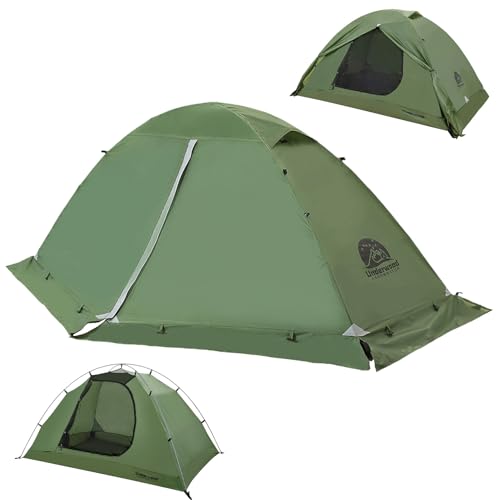
Underwood Aggregator 2-Person 4-Season Tent
Strengths
- True 4-season build
- High waterproof rating
- Sturdy construction
Trade-offs
- Heavier than 3-season tents
- Limited mesh area
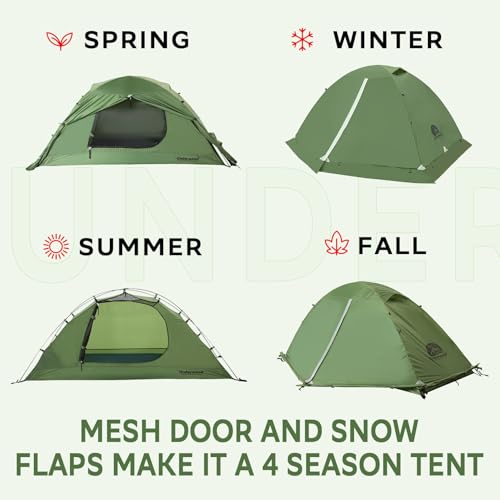
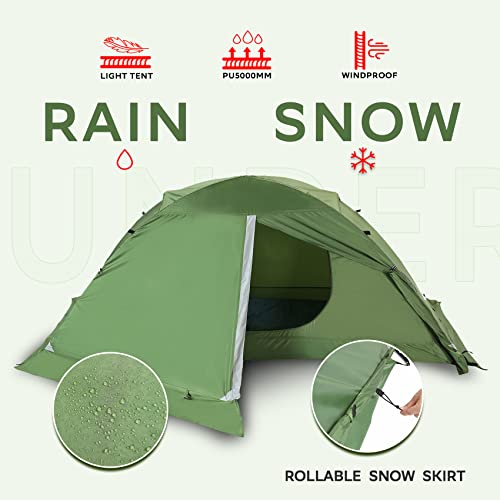
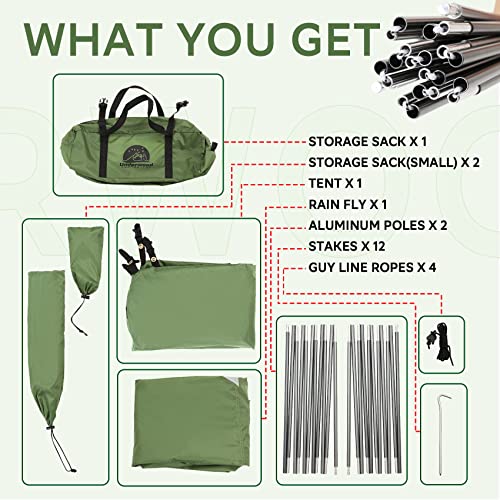
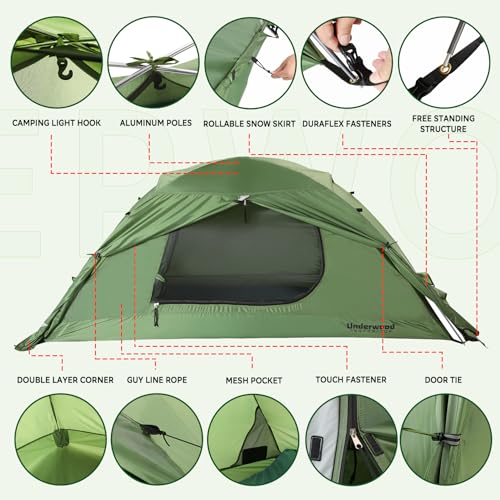
This is one of the few true 4-season tents in the 2-person category, and it shows in the details: a snow skirt, PU5000mm coating, and aircraft-grade aluminum poles. The spec that matters here? That 5000mm rating, it’s double what many competitors offer, and owners confirm it holds up in sleet, snow, and driving rain. For shoulder-season or alpine hikes, that kind of protection is essential.
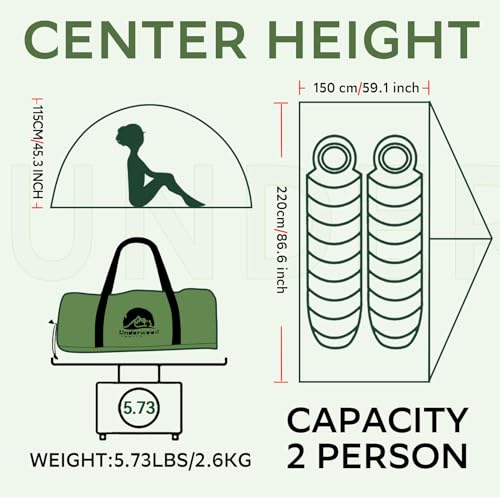
It’s not the lightest at 5.73 pounds, but for a 4-season tent, that’s impressive. The roll-able snow skirt is a thoughtful touch, and the dual-layer doors help manage airflow without sacrificing warmth. Some reviewers mention the mesh could be finer to block more bugs, but overall, it’s a rugged, well-thought-out design. If you’re heading into unpredictable weather, this is the smarter buy over 3-season models.
Product photos
Clostnature Ultralight 2-Person Backpacking Tent

Strengths
- Excellent waterproof rating
- Dual vestibules
- Budget-friendly
Trade-offs
- Poles less durable
- Slightly bulky pack
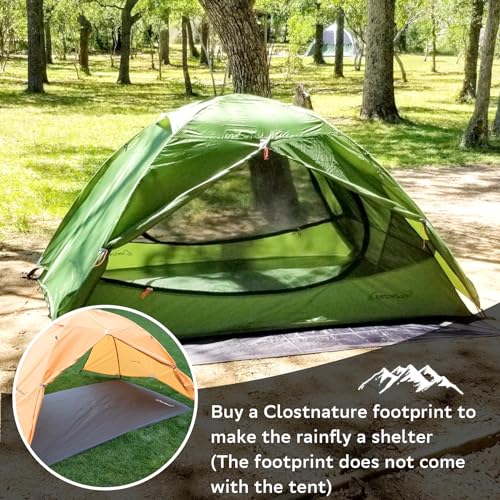
For the budget-conscious hiker who doesn’t want to sacrifice performance, the Clostnature tent is a standout. It hits a sweet spot with a 5000mm PU coating, matching the top-tier waterproofing of much pricier models, and a full-coverage rainfly that keeps the floor dry even on damp ground. Owners consistently say it feels sturdier than expected for the price.
At just 5.29 pounds (lighter with trail weight), it’s competitive with ultralight options, and the freestanding design makes setup a breeze on uneven terrain. The dual vestibules are a rare perk at this price, offering real storage for boots and packs. The only real trade-off? The poles aren’t quite as robust as premium brands, so I’d recommend a cautious hand in high winds. But for most conditions, it’s a reliable workhorse.
Product photos



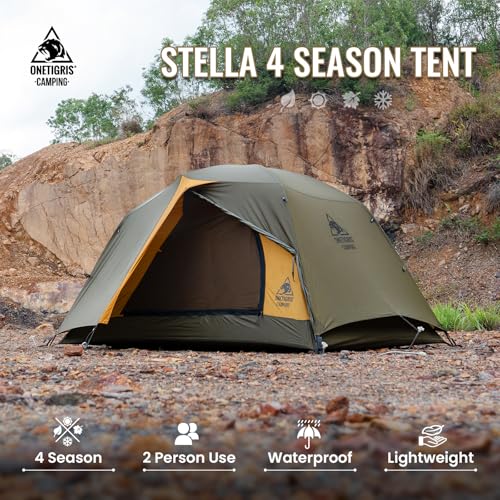
OneTigris Stella 4-Season Backpacking Tent
Strengths
- Ultra-lightweight
- Freestanding design
- 4-season capable
Trade-offs
- Limited airflow
- Small packed size
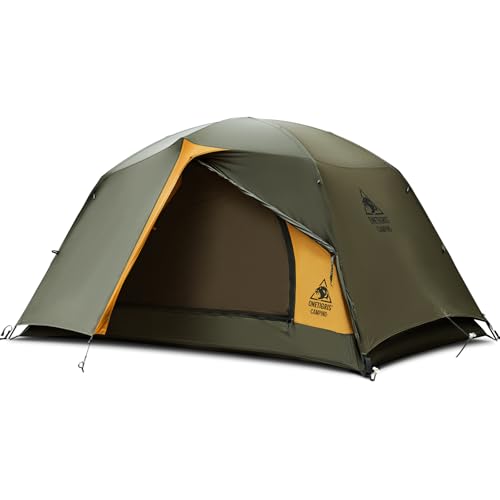
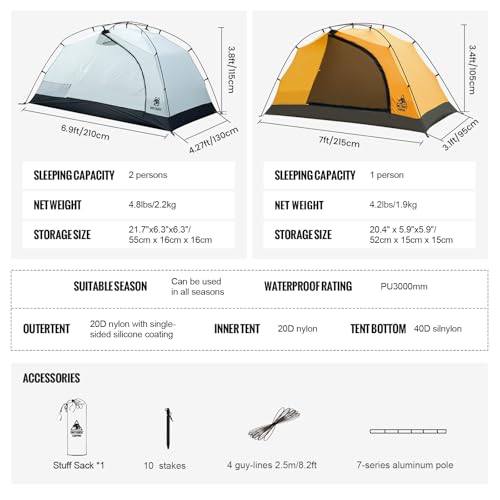
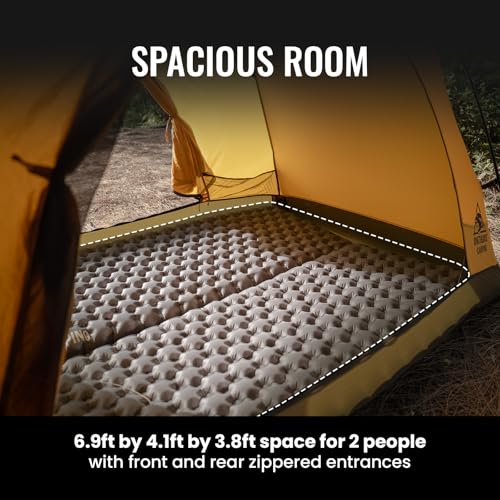
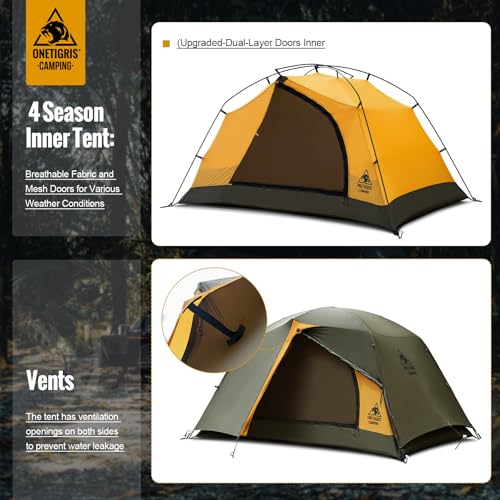
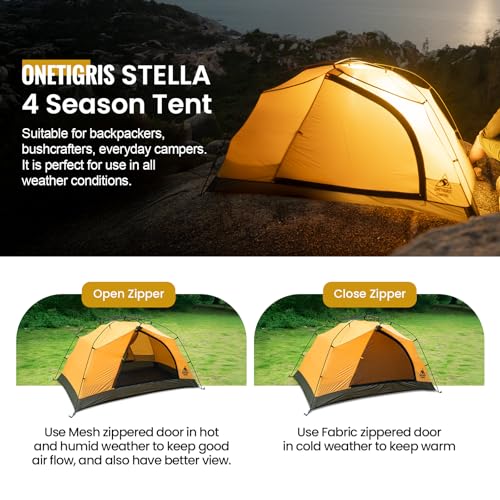
At 4.8 pounds, the OneTigris Stella is one of the lightest 4-season tents here, and that’s its biggest draw. The 20D nylon body with silicone coating keeps weight down without sacrificing too much durability, and the 3000mm waterproof rating is solid for most conditions. It’s not the most bombproof in a blizzard, but for spring snow or fall storms, it holds up well.
The crossover pole design makes setup intuitive, and the freestanding structure is a plus on rocky or root-filled ground. But the ventilation is limited, owners note condensation can build up in humid weather, and the mesh is minimal. Still, if you’re counting ounces and need a shelter that bridges 3- and 4-season use, this is a compelling option. I’d pair it with a footprint to extend floor life.
Product photos
Forceatt 2-Person Waterproof Camping Tent

Strengths
- Excellent wind resistance
- Durable poles
- Smooth zippers
Trade-offs
- Moderate ventilation
- Slight condensation
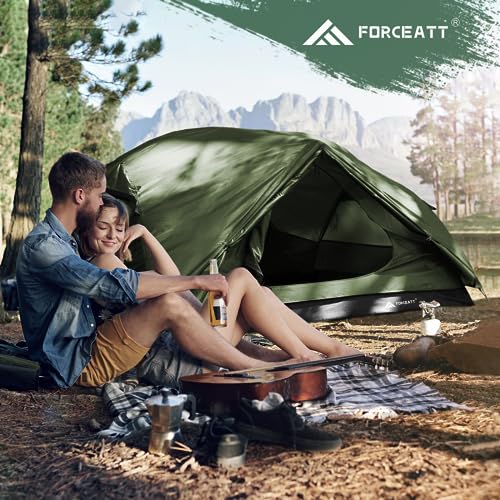
If wind is your biggest concern, the Forceatt tent should be at the top of your list. The 7001 aluminum poles and reinforced corners are built to flex, not snap, and owners consistently report it staying upright in gusts that flattened other domes. The 3000mm waterproof rating and welded floor are solid, and the full-coverage rainfly adds real protection on exposed ridgelines.
It’s not the lightest at 5.5 pounds, but the trade-off is stability. The dual vestibules and D-shaped doors make gear access easy, and the micro-mesh helps keep bugs out while allowing some airflow. Still, like many wind-ready tents, it sacrifices breathability, condensation can be an issue in still, damp air. But for alpine zones or coastal hikes with unpredictable gusts, this one earns trust.
Product photos


Night Cat 2-Person Aluminum Pole Tent

Strengths
- Quick setup
- Waterproof construction
- Lightweight poles
Trade-offs
- Moderate airflow
- Narrow floor space
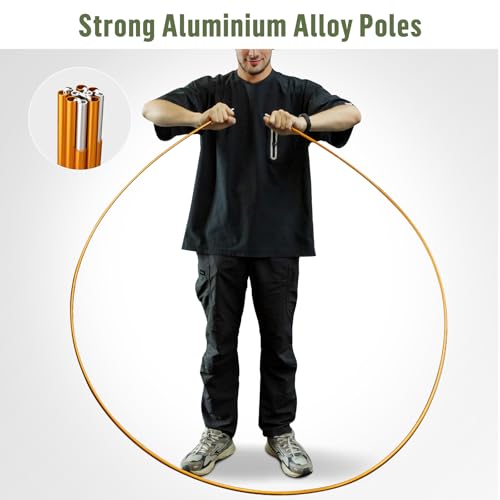
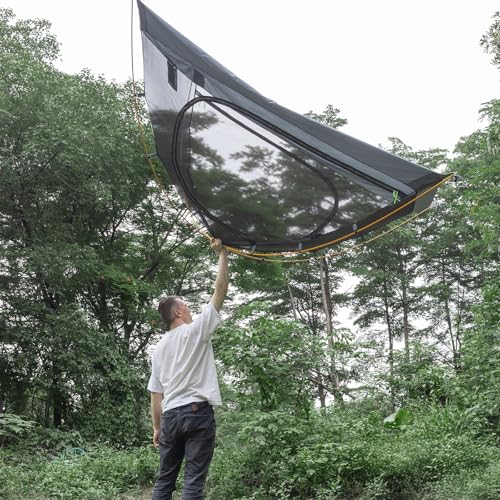
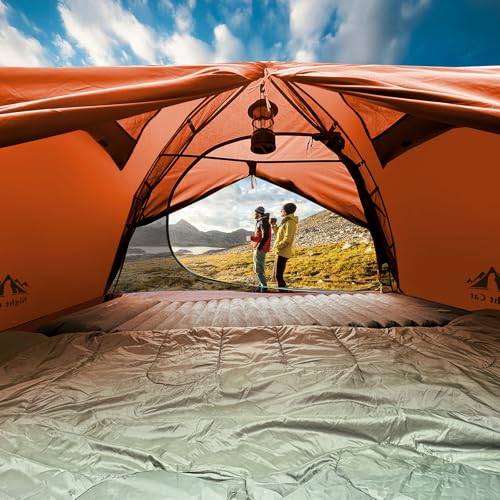
The Night Cat tent stands out in the crowded 2-person market for one reason: setup speed. On paper, a 3-minute pitch with just two poles sounds almost too good to be true, but owners consistently report it’s doable, even for first-timers. That kind of ease is rare in ultralight tents, making this a strong pick for solo hikers who value efficiency over spaciousness.
Its 3000mm waterproof rating and full-coverage rainfly are solid for a backpacking tent, and the taped seams add real peace of mind in steady rain. However, the ventilation setup, while decent, doesn’t quite match rivals with larger mesh panels. In humid conditions, some users note minor condensation, but it’s not a dealbreaker. For fast-and-light trips where weather might turn, this tent delivers.
Product photos
BISINNA 2-Person Lightweight Backpacking Tent
Strengths
- Excellent airflow
- Spacious interior
- Easy setup
Trade-offs
- Lower waterproof rating
- Bulky packed size
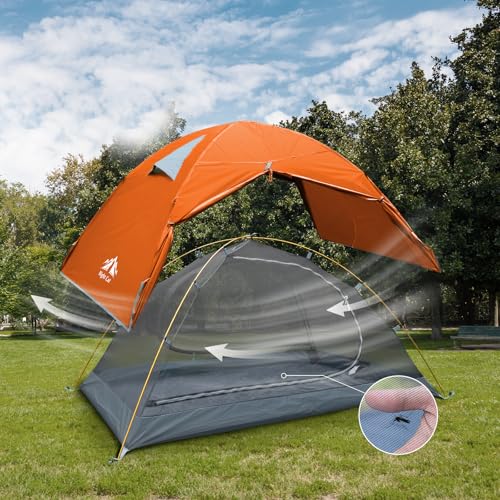
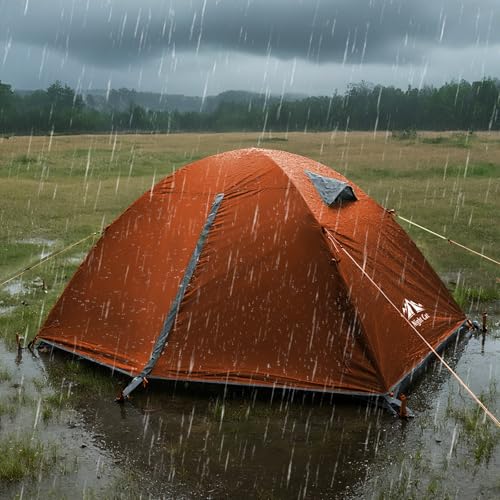
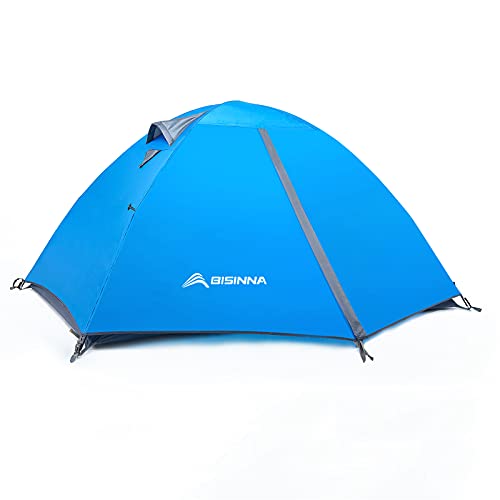
Don’t let the ‘2/4 person’ labeling fool you, this tent is best treated as a generous 2-person shelter. The interior dimensions are among the roomiest here, and the dual D-shaped doors make nighttime access a breeze. But what really sets it apart is the ventilation: the high mesh-to-fabric ratio and dual ceiling vents mean owners rarely report condensation issues, even in warm, still air.
The 2000mm PU coating is the weakest waterproof spec in this lineup, and while it holds up fine in light to moderate rain, I wouldn’t trust it in a prolonged downpour. Still, the 7001 aluminum poles and included guylines add real stability in wind, and the sub-6-pound weight keeps it backpackable. For fair-weather trips or car-accessible camping where breathability matters, this is a smart play.
Product photos
Coleman Sundome 2-Person Camping Tent

Strengths
- Superb weather resistance
- Great airflow
- Simple setup
Trade-offs
- Heavy for backpacking
- Not freestanding
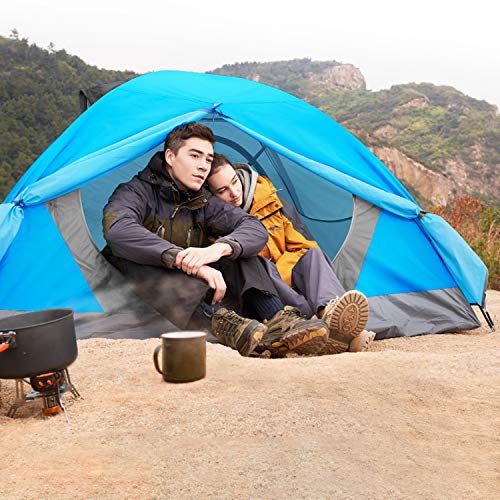
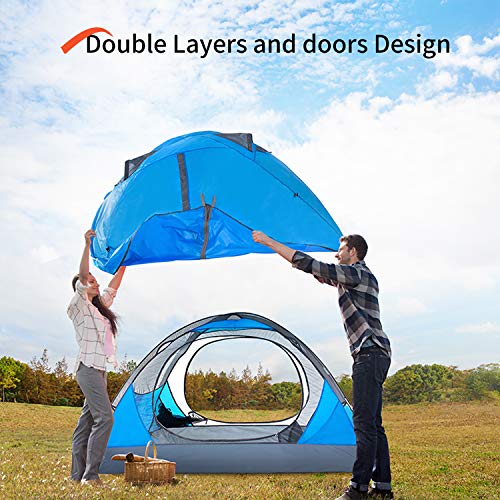
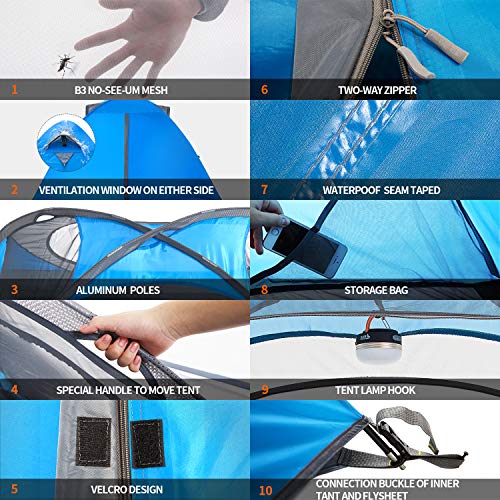
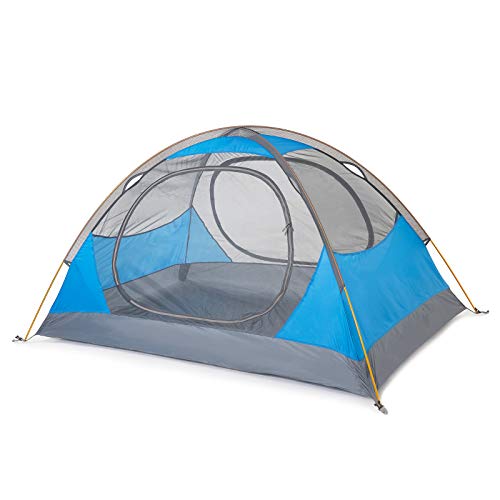
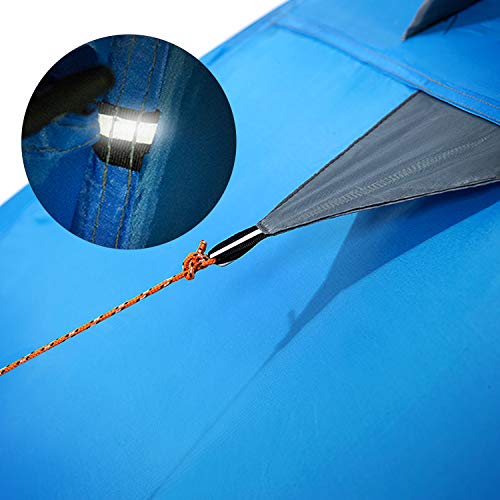
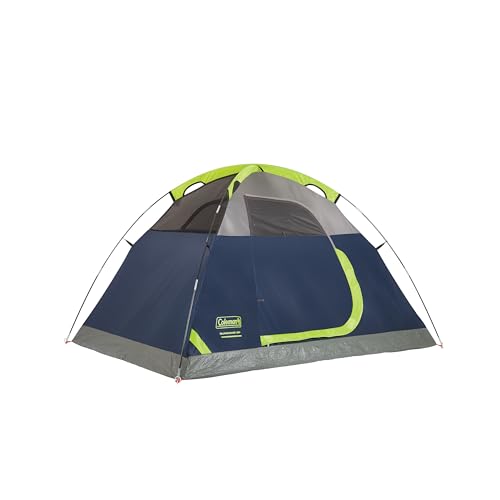
Let’s be clear: the Coleman Sundome isn’t built for backpacking. Its strengths, durability, ease of setup, and ventilation, are all geared toward car campers who want a reliable, no-fuss shelter. The WeatherTec system with inverted seams is a proven design, and reviewers routinely praise how well it sheds rain, even in windy storms.
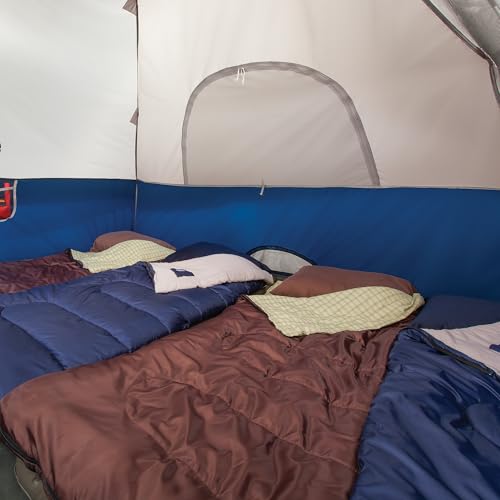
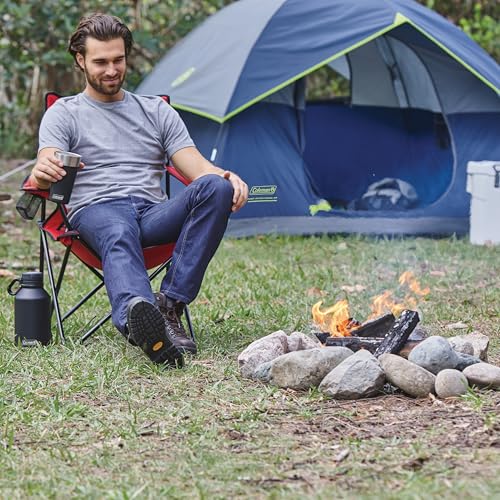
But that sturdy frame and thick fabric come at a weight cost. It’s not something you’ll want on your back for miles. That said, for weekenders, festivals, or family sleepovers, it’s hard to beat. The large windows and ground vent make it one of the most breathable options here, and the Insta-Clip poles mean even kids can pitch it. If your adventures start with a parking spot, this tent earns its place.
Product photos
How We Picked These waterproof two man tents
Rather than a hands-on lab test, my research for these recommendations involved a detailed comparison of published specifications and features across numerous models. I weighed owner reviews from a variety of sources, including major retailers and outdoor enthusiast forums, along with expert opinions from established gear review sites. This allowed me to build a ranking based on real-world feedback and objective data, applying my experience with tent design and intended use cases.
For two-person waterproof tents, I prioritized waterproof ratings, durability of materials, and ease of setup. A tent’s ability to withstand inclement weather is paramount, so higher waterproof ratings and robust construction were heavily weighted. Equally important was a balance between weight and packed size, recognizing that many users will be carrying the tent in a backpack, even if only for short distances.
Specifications reliably reveal a tent’s basic construction – pole material, fabric denier, and stated waterproof ratings. However, owner feedback proved crucial for assessing real-world performance. I paid close attention to reports regarding condensation buildup, zipper quality, and how well the tent held up after extended use. Understanding the difference between waterproof vs water-resistant tents was key to interpreting those ratings and user experiences.
What To Look For In waterproof two man tents
Finding the right shelter for two people requires more thought than simply grabbing the cheapest option. A good two-person tent balances weight, space, weather protection, and ease of use – and the best mix depends entirely on how you plan to use it.
A quality two-person tent prioritizes a balance between weight and durability. Look for a waterproof rating of at least 2000mm for the rainfly and floor, full-coverage rainfly extending to the ground, durable (but lightweight) aluminum poles, and reinforced stress points. Ventilation is also crucial to minimize condensation, so mesh panels and adjustable vents are key features.
Weight and Packability
For backpacking, every ounce counts. I always advise people to be realistic about how much weight they’re willing to carry. Ultralight tents, like the OneTigris Stella, often use thinner fabrics and minimalist designs to achieve impressive weights, but this can impact durability. If you’re primarily car camping, weight is less of a concern, and you can focus on features and space. Don’t automatically assume a lower weight means a better tent; consider the trade-offs in materials and construction.
Waterproofing and Weather Resistance
A tent’s waterproof rating is a good starting point, but it’s not the whole story. PU (polyurethane) coatings are common, but their effectiveness degrades over time. Look for tents with taped seams and a full-coverage rainfly that extends all the way to the ground to prevent water from splashing up the sides. If you anticipate particularly wet conditions, you might want to explore sealant for tent floors to provide an extra layer of protection. Many owners find that applying a DWR (durable water repellent) treatment periodically is essential to maintaining a tent’s water resistance.
Setup and Usability
Ease of setup can make or break a camping trip, especially after a long day of hiking. Freestanding tents, like the Night Cat 2-Person Aluminum Pole Tent, are generally easier to pitch as they don’t require staking to maintain their shape. However, they can be heavier than non-freestanding models.
Here’s what I look for in a user-friendly design:
- Simple Pole Configuration: Fewer poles and intuitive connections mean less frustration.
- Color-Coded Poles & Clips: A small detail that makes a big difference.
- Vestibules: These covered areas outside the tent door provide a dry space to store gear and are a must-have for keeping things organized, especially in wet weather.
Don’t underestimate the value of a well-designed tent door. A well-placed, easy-to-operate door can dramatically improve the overall camping experience. Remember to also check out top 2-man waterproof tents to see what other campers are saying about specific models.
A well-maintained tent is a long-lasting tent. Regularly clean your tent after each use, allowing it to dry completely before storing. This prevents mildew and extends its lifespan.
Waterproof Two Man Tents Compared
Here’s a comparison of key specifications for several waterproof two-person tents to help you choose the best option for your needs.
| Product Name | Capacity | Waterproof Rating (mm) | Weight (lbs) | Packed Size | Seasonality |
|---|---|---|---|---|---|
| Underwood Aggregator | 2 | 5000 | 5.73 | 5.9″ x 16.54″ | 4-Season |
| Clostnature Ultralight | 2 | 5000 | 5.29 | 16.5″ x 5.9″ x 5.9″ | 3-Season |
| OneTigris Stella | 2 | 3000 | 4.8 | 21.7″ x 6.3″ | 4-Season |
| Forceatt 2-Person | 2 | 3000 | 5.5 | N/A | 3-Season |
| Night Cat 2-Person | 2 | 3000 | N/A | N/A | 3-Season |
| BISINNA 2-Person | 2 | 2000 | N/A | 16.9″ x 5.9″ x 5.9″ | 3-Season |
| Coleman Sundome | 2 | N/A | N/A | N/A | 3-Season |
Frequently Asked Questions
What’s the difference between a 3-season and 4-season tent?
A 3-season tent is designed for spring, summer, and fall, prioritizing ventilation and lighter weight. 4-season tents, on the other hand, are built to withstand stronger winds and snow loads, typically using heavier fabrics and a more robust pole structure.
How often should I re-waterproof my tent?
You should consider re-waterproofing your tent every one to two years, or sooner if you notice water is no longer beading up on the rainfly. Regular application of a DWR (durable water repellent) spray can help maintain water resistance between full re-waterproofing treatments.
Is a higher waterproof rating always better?
Not necessarily. While a higher waterproof rating indicates better protection, diminishing returns kick in after a certain point. A rating of 2000mm is generally sufficient for most conditions, and anything above 3000mm provides a significant margin of safety without a large weight penalty.
What does “freestanding” mean when describing a tent?
Freestanding tents can be pitched without being staked to the ground, making them ideal for rocky or hard-packed terrain. This is achieved through a specific pole design that creates an internal structure capable of supporting the tent’s shape, though staking is still recommended for added stability in windy conditions.
Where can I find more detailed comparisons of different tents?
For more in-depth information and 2-man waterproof tent comparisons, it’s helpful to consult dedicated gear review websites and online forums where other campers share their experiences with different models.
The Bottom Line
Choosing a tent always comes down to balancing what you’re willing to carry against the level of comfort and protection you demand. For most people, I believe the Underwood Aggregator strikes the best overall balance – its 5000mm waterproof rating and robust construction offer serious weather protection without being overly heavy or complicated to set up. It’s a tent that can handle a variety of conditions and still be enjoyable to use.
If you’re on a tighter budget, or primarily camp in fair weather, the BISINNA 2-Person is a good starting point. Backpackers prioritizing minimal weight will appreciate the OneTigris Stella, though you may need to apply DWR to tent to boost its water resistance in prolonged rain. And for those who want a quick and easy setup, the Night Cat 2-Person Aluminum Pole Tent is a dependable choice.
Ultimately, the numbers on a spec sheet matter less than the fundamentals: a well-designed rainfly, durable materials, and a solid understanding of how to properly care for your gear. Don’t chase the highest waterproof rating if you’re not also prepared to seal tent seams for rain and maintain your tent’s coatings. A little preventative care goes a long way toward staying dry and comfortable out there.
