
7 Best Winter Tents of 2026
This post contains affiliate links. As an Amazon Associate, we earn from qualifying purchases.
The Underwood 2-Person 4-Season Tent stands out as the best overall winter tent, combining durable construction, full 5000mm waterproofing, and a reliable snow skirt. For backpackers needing something lighter, the Underwood 1-Person Winter Tent offers serious weather protection in a compact package. If you’re after versatility for larger groups or extended stays, the WildFinder 16.5ft Canvas Bell Tent with a stove jack brings serious shelter potential.
Winter camping isn’t just about enduring the cold, it’s about staying safe, dry, and functional when conditions turn harsh. Most standard tents collapse under snow load or let in biting drafts, so choosing the right shelter is critical.
I researched the top winter tents by analyzing specs, owner feedback, and expert reviews, focusing on real-world performance in snow, wind, and sub-freezing temps. This guide breaks down what actually matters, pole strength, full coverage, and smart features, so you can pick a tent that won’t fail when you need it most.
Top 7 Winter Tents in the Market
The Best Winter Tents, Reviewed
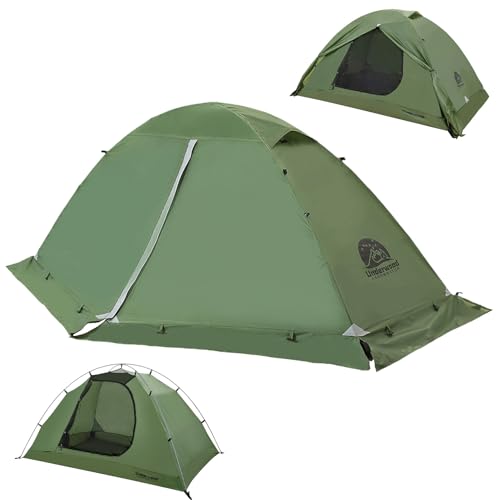
Underwood 2-Person 4-Season Tent
Strengths
- Excellent weather protection
- Freestanding design
- Good interior organization
Trade-offs
- Heavier than ultralight rivals
- Packed size not ideal for tight packs
- Limited headroom
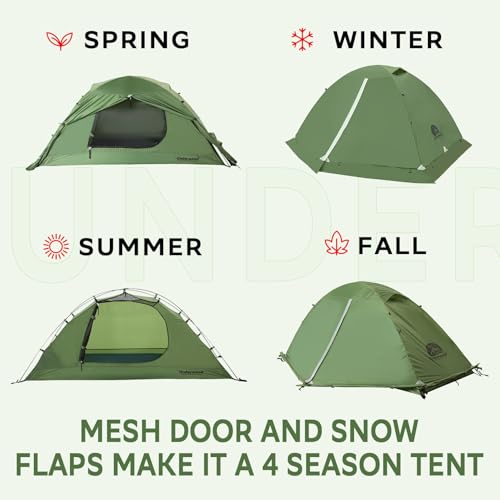
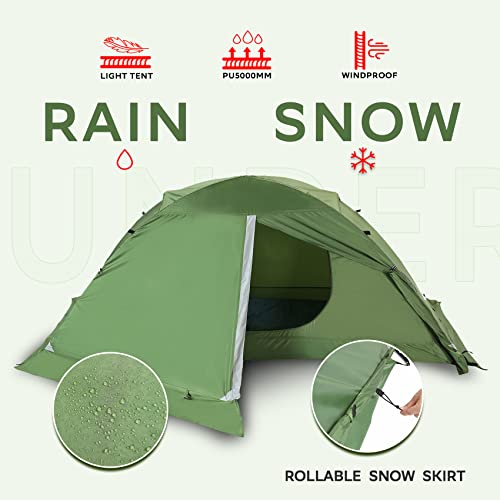
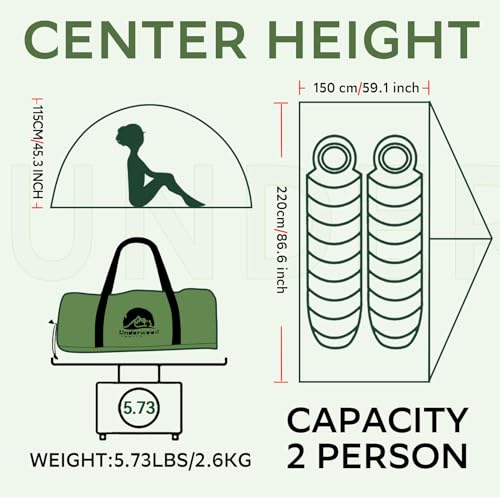
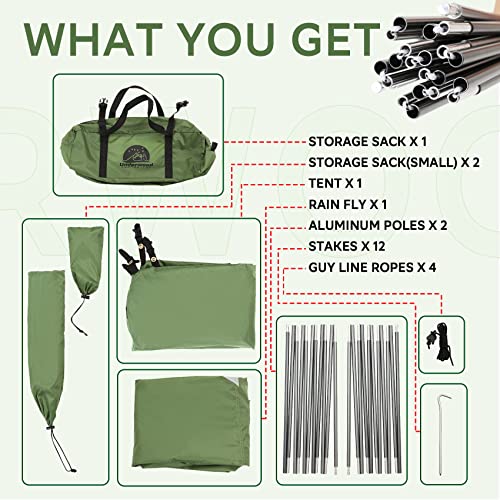
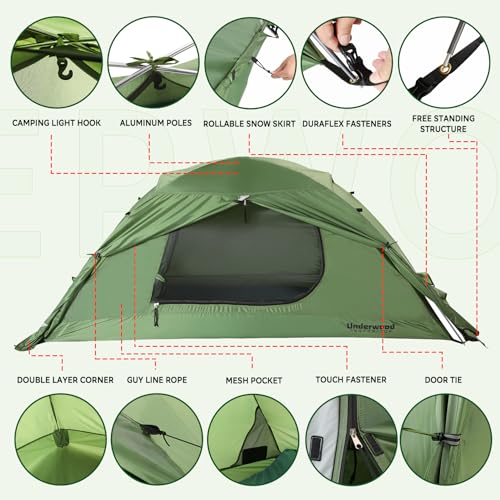
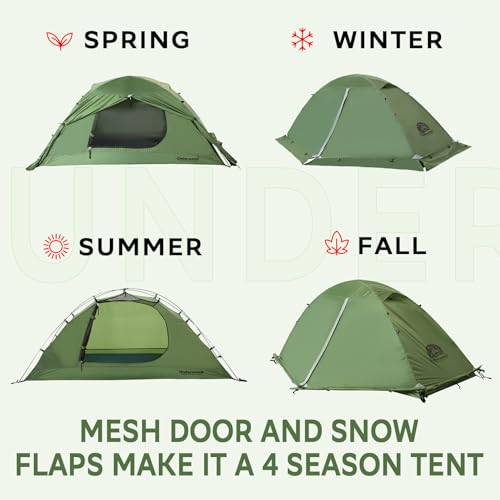
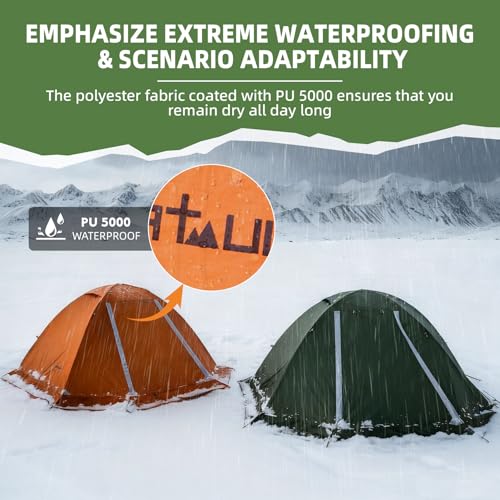
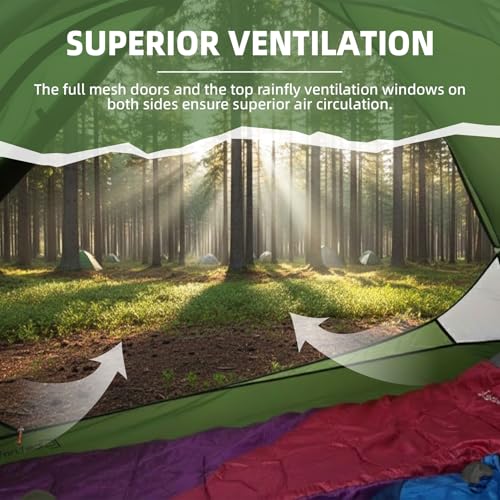
If you’re after a true all-season workhorse that balances weight and weather protection, this Underwood Aggregator model stands out. With a PU5000mm coating, aircraft-grade aluminum poles, and a snow skirt, it’s built to handle heavy snow and high winds, specs that align with what serious winter backpackers need. The 5.73-pound weight is reasonable for a two-person 4-season tent, though not ultralight. Owners praise its stormworthiness and ventilation, thanks to the double-layer doors and mesh design that cuts down on condensation without sacrificing warmth.
It’s freestanding, which makes pitching on uneven or snowy ground easier, and the interior layout includes thoughtful touches like a gear pocket and lantern hook. Compared to the Clostnature model, it’s slightly heavier but feels more robust in extreme conditions. For couples or solo hikers facing harsh winters, this is a dependable pick that doesn’t cut corners on materials.
Product photos
Underwood 1-Person Winter Tent
Strengths
- Lightweight for 4-season
- Excellent weather protection
- Compact packed size
Trade-offs
- Cramped for extended use
- Single door limits access
- Minimal headroom
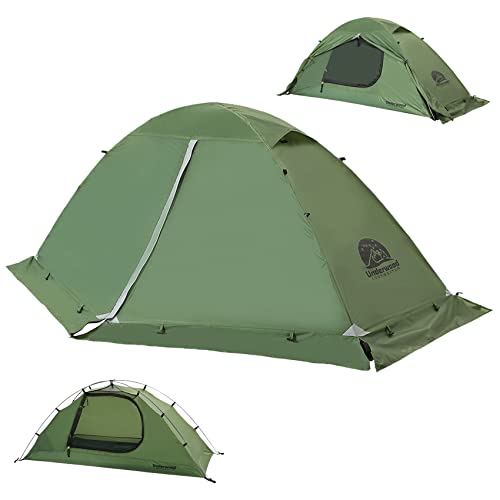
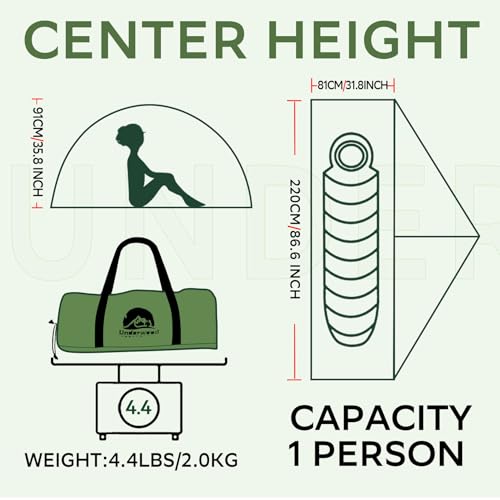
This solo version of the Underwood Aggregator tent is a no-nonsense, storm-ready bunker for one. At 4.4 pounds, it’s impressively light for a true 4-season tent, and the PU5000mm coating plus snow skirt mean it won’t flinch in a blizzard. The 35.8-inch center height limits sitting upright, but for winter solo trips, that’s a fair tradeoff for reduced surface area and better heat retention.
Owners highlight its stability in high winds and the thoughtful interior touches, like the gear pocket and lantern hook, that make long stays more comfortable. Compared to the 2-person model, it’s more packable and lighter, but you sacrifice space and doors. If you’re a solo adventurer tackling harsh conditions and don’t need room to spread out, this is a smarter buy than hauling a bigger tent.
Product photos
BISINNA 2-Person Lightweight Tent
Strengths
- Budget-friendly
- Spacious for two
- Easy one-person setup
Trade-offs
- Lower waterproof rating
- Heavier than competitors
- Durability concerns
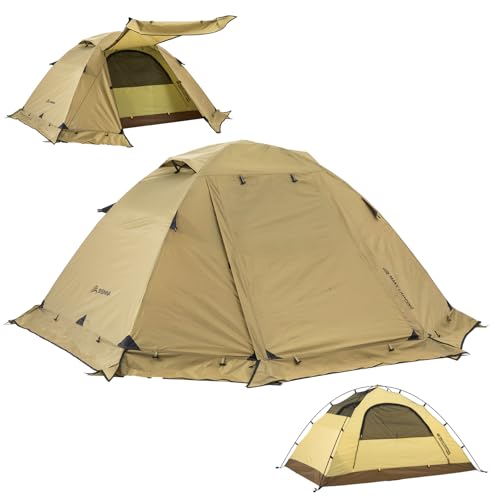
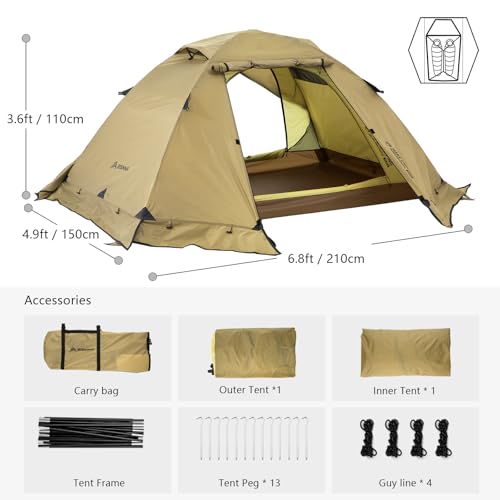
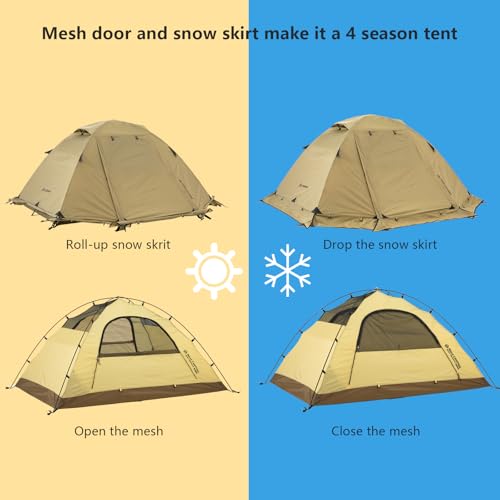
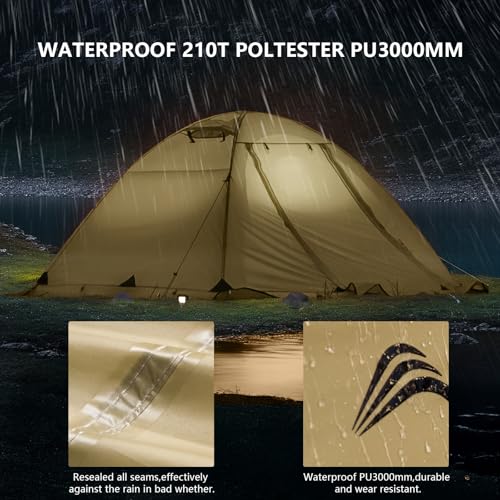
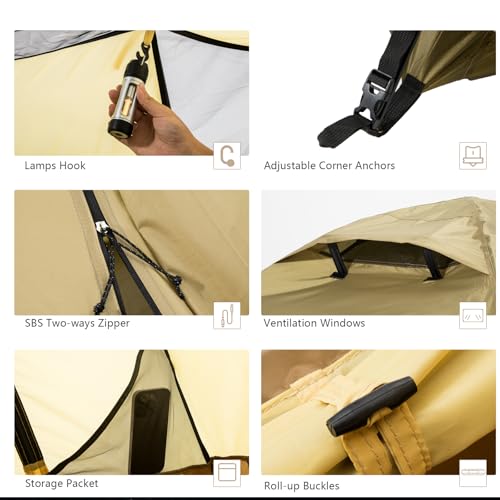
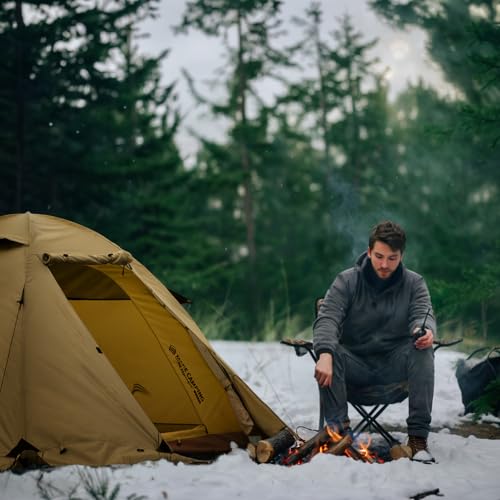
The BISINNA tent is a solid budget entry into the 4-season market, but you can feel where corners were cut. At 6.4 lbs, it’s heavier than rivals like the Clostnature, and the 210T polyester with PU3000mm coating isn’t quite as robust as the PU5000mm standard seen on higher-end models. Still, for weekend winter campers or fair-weather adventurers who want a do-it-all tent without breaking the bank, it checks the basics: freestanding design, two doors, decent ventilation, and a snow skirt.
Owners report it performs fine in light snow and wind, but long-term durability is a question mark, some mention seam leaks after repeated use. It’s roomy for two, with a 59-inch width, but the lower waterproof rating means you’ll want to pair it with a solid footprint. If you’re not pushing into extreme conditions, this is a capable, affordable shelter.
Product photos
Inflatable Hot Tent with Skylight
Strengths
- Spacious interior
- Stove jack included
- Fast inflatable setup
Trade-offs
- Heavy for backpacking
- Beams prone to punctures
- Not truly freestanding without inflation
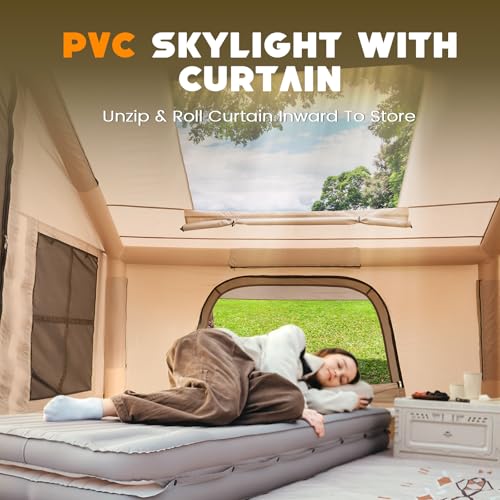
This inflatable tent screams glamping comfort, and on paper, it delivers. The panoramic skylight is a standout, offering a true indoor-outdoor feel that’s rare in traditional tents. Owners consistently report the setup is impressively fast, often under 10 minutes with the included pump, which is a win for those who dread wrestling with poles. The stove jack adds serious appeal for winter use, letting you heat the interior safely, though you’ll need to invest in a compatible tent stove separately.
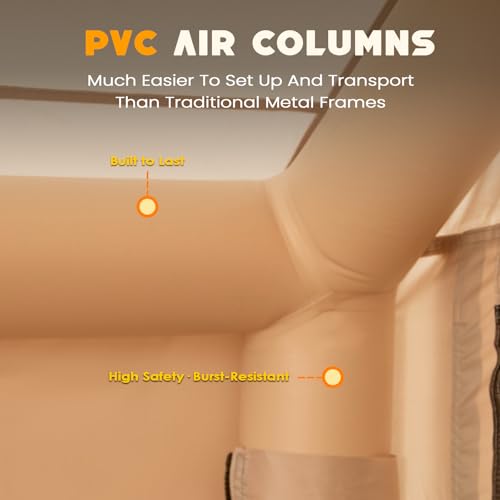
At nearly 7 feet tall and with 68 square feet of space, it’s roomy enough for four adults to sleep and two more to lounge. The 420D Oxford fabric and PU3000mm rating suggest solid weather resistance, but real-world feedback hints at mixed durability, some users note the TPU beams can be vulnerable to punctures on rough terrain. Still, for car campers and festival-goers who want a bright, airy basecamp with hot tent capability, this is a compelling option.
Product photos
WildFinder 16.5ft Canvas Bell Tent
Strengths
- Exceptional headroom
- Breathable cotton roof
- Excellent ventilation
Trade-offs
- Very heavy
- Long setup time
- Not for backpacking
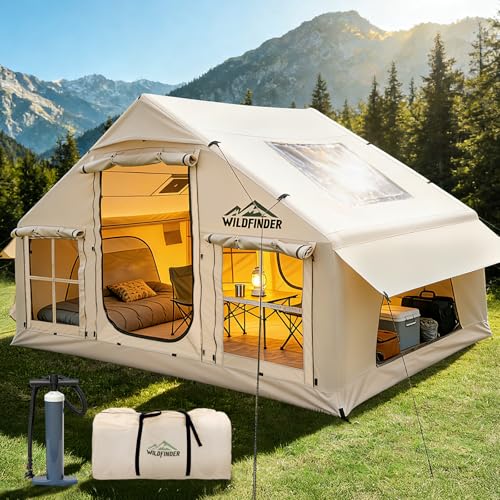
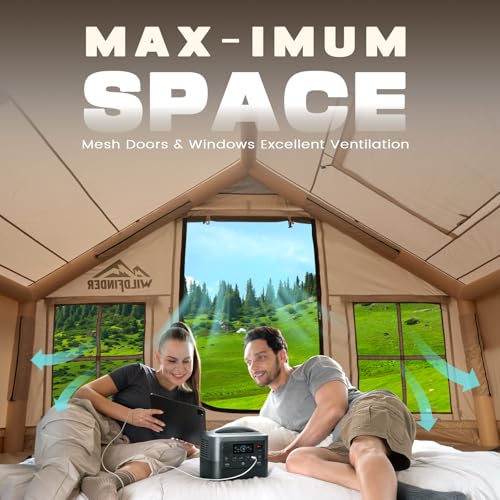
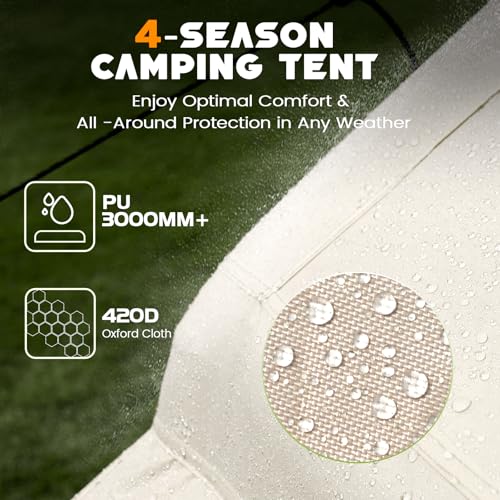
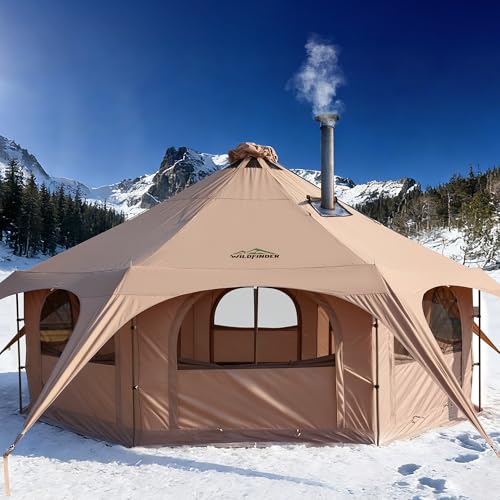
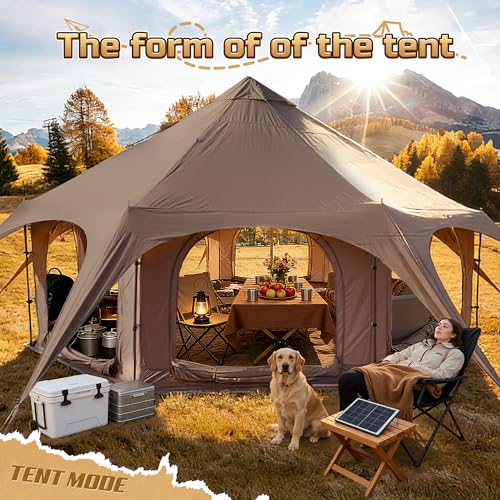
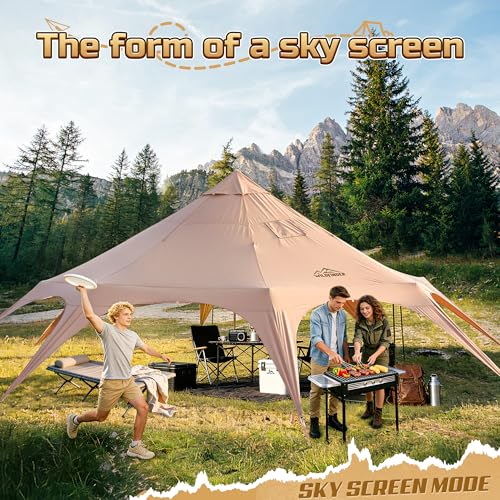
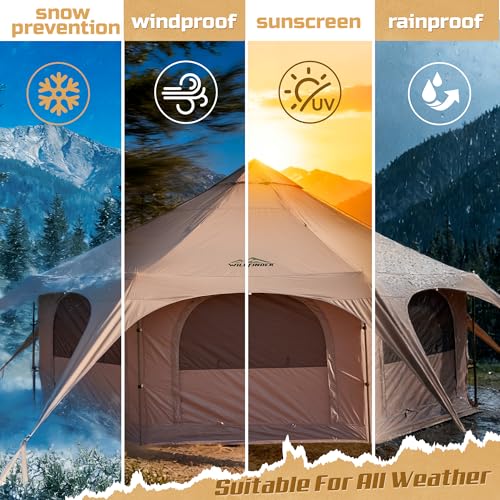
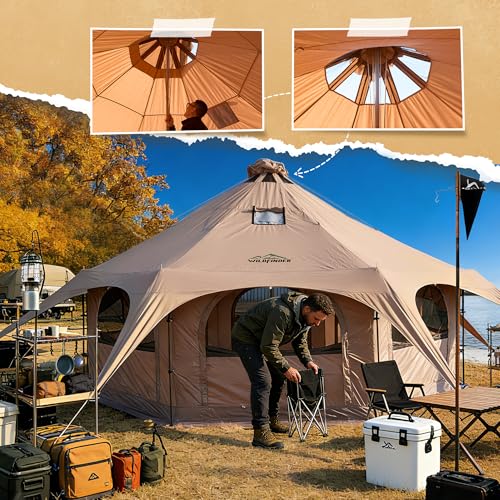
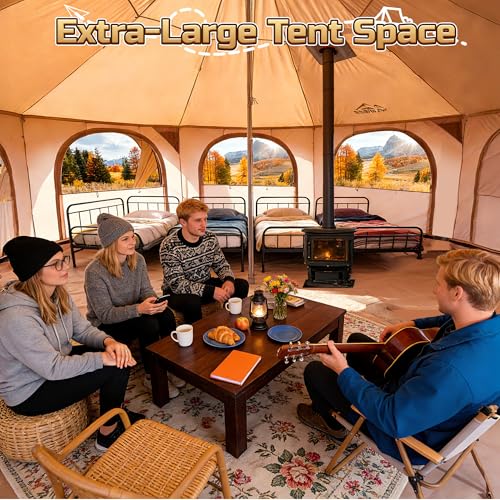
This WildFinder bell tent is built for basecamp luxury. At 16.5 feet in diameter and with 55-inch vertical walls, it’s more like a portable cabin than a tent, you can actually move around freely and fit full-size furniture. The TC cotton roof is a standout, reducing condensation and regulating temperature far better than polyester, which is crucial in winter. The included stove jack makes it a true hot tent, and owners consistently praise how warm and dry it stays during extended cold-weather stays.
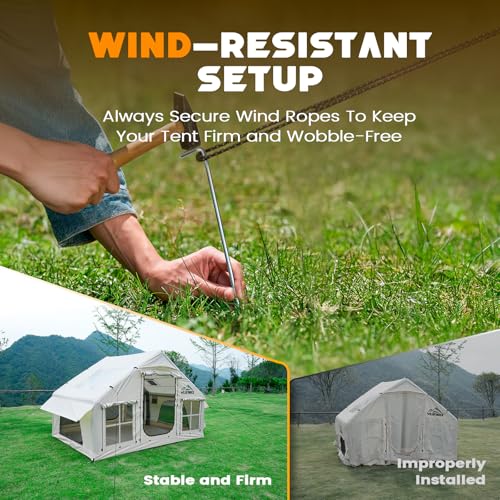
The positioning tool for stakes is a small but brilliant touch that speeds up setup, something rarely seen at this price point. Compared to the inflatable hot tent, this is far more durable and breathable, though it’s not portable. At over 20 pounds, it’s strictly for car camping. If you want a winter-ready family basecamp or glamping setup, this is the gold standard.
Product photos
REDCAMP Hammock Hot Tent

Strengths
- Stove jack and snow skirt
- Hammock-compatible design
- Lightweight for size
Trade-offs
- No poles included
- Fabric not top-tier
- Ventilation tricky in snow
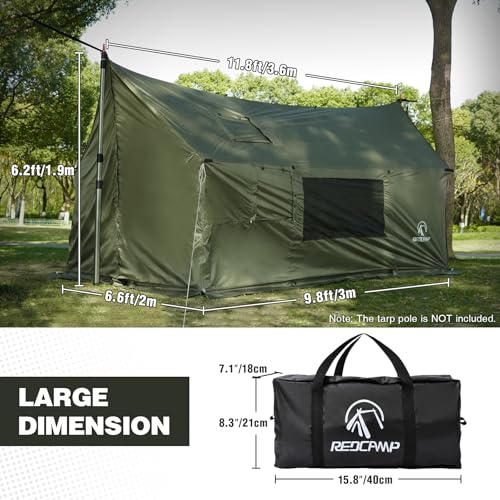
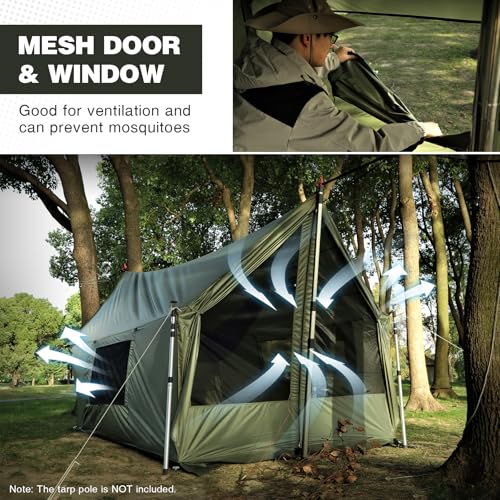
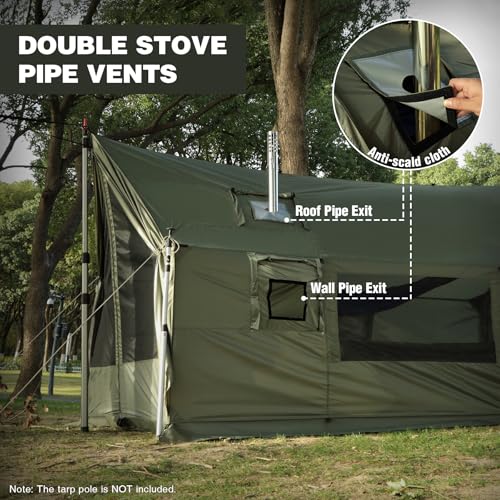
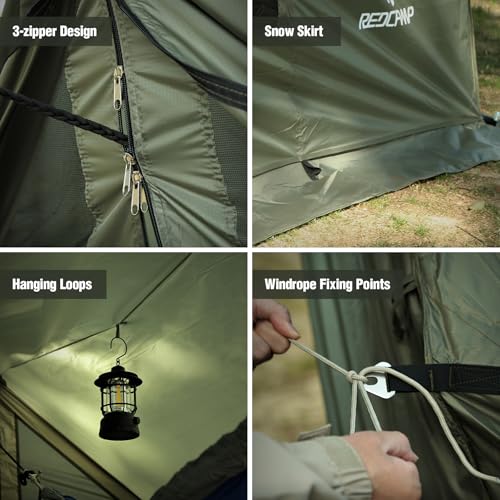
This REDCAMP tent blurs the line between wall tent and bushcraft lodge. At 7.9 lbs and 11.8 feet long, it’s light for its size and designed with serious outdoorsmen in mind. The stove jack and snow skirt make it viable for winter, and owners using it with a small stove report it heats up quickly, a big plus in freezing temps. The 3-zipper design is clever, allowing wide access and even compatibility with a central hammock setup, which is unique.
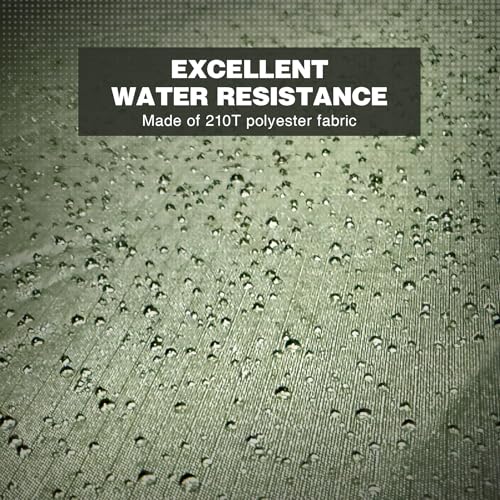
But it’s not a traditional backpacking tent. Without included poles, you’ll need to rig it with trekking poles or saplings, which adds setup complexity. The 210T polyester holds up okay in rain, but it’s not as durable as canvas or heavier oxford. Still, for bushcrafters, hunters, or winter campers wanting a semi-permanent shelter with hot tent capability, it offers unmatched versatility for the price.
Product photos
Clostnature 2-Person Ultralight Tent
Strengths
- Ultralight for 4-season
- Two full doors and vestibules
- Excellent weather rating
Trade-offs
- Slight condensation in humid cold
- Zippers can feel stiff
- Not for extended Arctic use
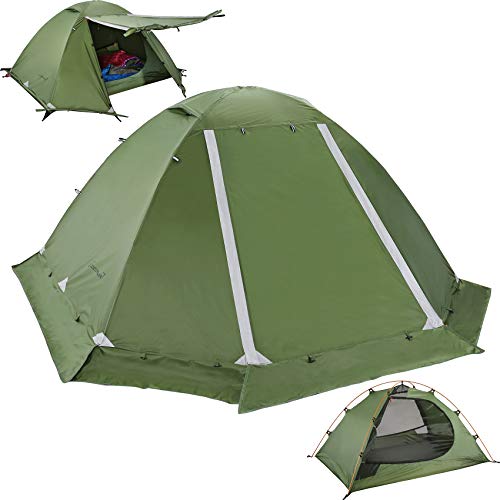
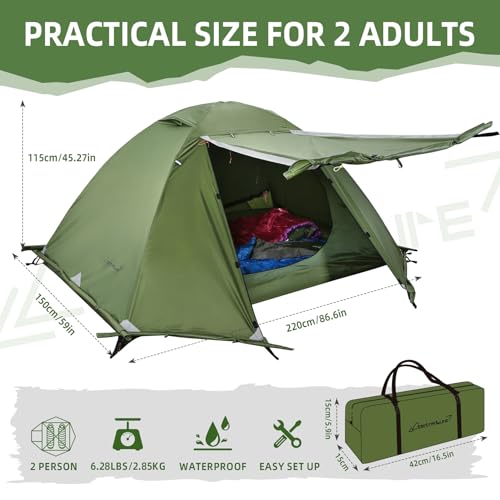
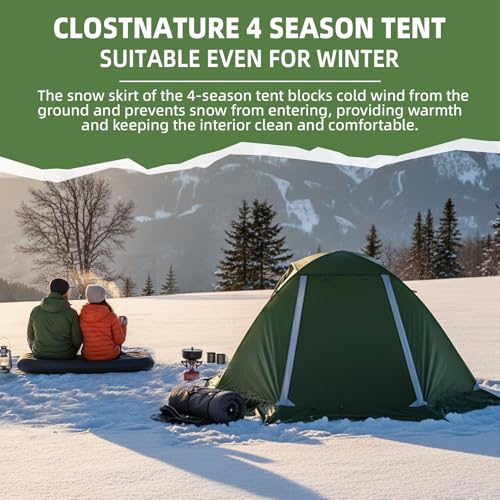
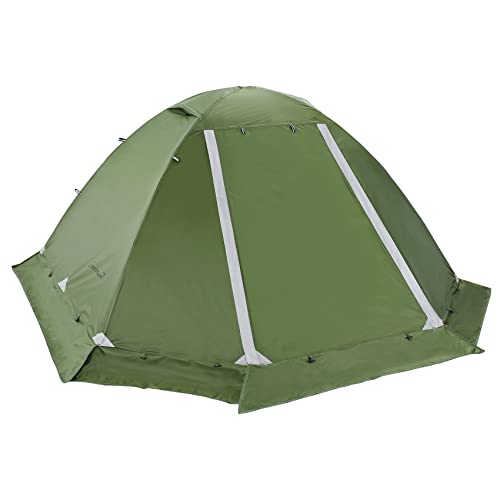
For mountaineers and winter hikers who count every ounce, the Clostnature tent is a breath of fresh air. At 5.33 lbs trail weight, it’s one of the lighter true 4-season options, and the 220×150 cm floor space feels generous for two, especially with two D-shaped doors and vestibules for gear storage. The PU5000mm coating and factory-taped seams mean it’s built to shed snow and rain, and owner feedback confirms it holds up in alpine conditions with minimal condensation when ventilated properly.
The freestanding design with just two poles simplifies setup in the cold, and the included repair kit adds peace of mind. While the BISINNA tent is cheaper, it doesn’t match this level of weatherproofing or ventilation. I’d pick the Clostnature over most budget 4-season models because it balances ultralight aspirations with real winter resilience, a rare combo.
Product photos
How We Picked These winter tents
Rather than a hands-on lab test, my research for these recommendations involved a detailed comparison of published specifications and features across numerous models. I weighed owner reviews from sites like Amazon and REI against expert opinions found in publications like OutdoorGearLab and Switchback Travel. As someone who’s spent countless nights dialing in my own shelter systems, I applied my experience to assess how well each tent would perform in challenging conditions. My ranking was based on clear criteria focused on warmth, weather protection, and usability.
For winter tents, stability and weather resistance are paramount. I prioritized tents with robust pole systems – aluminum is a must – and fully enclosed designs to minimize drafts. Waterproof ratings (particularly for the rainfly and floor) were heavily weighted, as was the inclusion of features like snow skirts to block wind and snow. A well-designed vestibule for gear storage also significantly impacted my rankings, because keeping equipment dry is essential in cold weather.
Specifications reliably indicate a tent’s potential for weather protection and size/weight. However, owner feedback provided critical insight into real-world performance. I closely examined comments regarding condensation buildup, ease of setup in snowy conditions, and the durability of materials. I also considered the reputation of the brand; those consistently praised for quality and customer service received a boost in my assessment. You can learn more about a specific style and its uses with a look at hot tent features.
What To Look For In winter tents
Picking a winter tent demands more thought than a three-season model; it’s about safety and comfort when the stakes are higher.
A quality winter tent prioritizes full coverage, a robust frame to handle snow loads, and materials that resist both wind and water. Look for features like a snow skirt to prevent drafts, a full-coverage rainfly extending to the ground, and durable, aircraft-grade aluminum poles. A well-designed vestibule provides gear storage without compromising interior space, and consider the tent’s ability to withstand consistent winds.
Pole Material & Structure
Don’t skimp on the poles. Winter tents endure significant stress from snow and wind, so aluminum is the only way to go. While carbon fiber is incredibly lightweight, it’s brittle in the cold and can snap under heavy loads. Look for tents specifying “aircraft-grade” aluminum – it indicates a higher strength-to-weight ratio. Beyond the material, the pole structure is key. More poles (and a greater number of crossing points) generally translate to improved stability. Geodesic or semi-geodesic designs distribute stress more effectively than simpler dome structures.
Fabric & Waterproofing
Winter weather isn’t just about cold; it’s about wet, heavy snow. A PU (polyurethane) coating of at least 3000mm on the rainfly and floor is a good starting point, but 5000mm or higher is preferable for prolonged exposure. Beyond the coating, the fabric itself matters. Polyester is a good all-around choice, balancing durability and cost, but nylon offers a better strength-to-weight ratio. A full-coverage fly that extends all the way to the ground is vital to prevent drafts and keep snow from accumulating inside, and a snow skirt is an extremely helpful addition.
Here’s what to look for in terms of fabric features: * Snow skirt: Essential for blocking wind and snow. * Full coverage fly: Prevents moisture and drafts. * Reinforced stress points: Look for extra stitching and durable fabric around areas prone to wear and tear, like guy-out points and zipper locations – this will extend the life of your investment.
A good rule of thumb: don’t assume a tent labeled “four-season” is truly winter-ready. Many are simply three-season tents with a few extra features. Read reviews carefully and prioritize durability over weight if you’re planning on serious winter camping.
Weight vs. Livability
There’s always a trade-off between weight and livability. Ultralight tents are tempting, but they often sacrifice features crucial for winter comfort and safety. If you’re primarily backpacking, a lighter tent might be necessary, but for basecamping or family trips, prioritize a more robust design and ample interior space. Consider how easy the tent is to set up in challenging conditions (gloves, limited daylight). A freestanding design is generally easier to pitch. If you’re looking for more information on keeping warm in cold tents, we have a dedicated guide. If you’re planning a winter adventure, check out our guide to durable winter camping tents.
Winter Tents Compared
Here’s a comparison of key specifications for various winter tents to help you choose the right one for your needs.
| Product Name | Capacity | Weight (lbs) | Season Rating | Waterproofing (mm) | Packed Size | Special Features |
|---|---|---|---|---|---|---|
| Underwood 2-Person 4-Season Tent | 2 | 5.73 | 4-Season | 5000 | 5.9″ x 16.54″ | Snow Skirt |
| Underwood 1-Person Winter Tent | 1 | 4.4 | 4-Season | 5000 | 5.1″ x 15″ | Snow Skirt |
| BISINNA 2-Person Lightweight Tent | 2 | 6.4 | 4-Season | 3000 | N/A | Snow Skirt |
| Inflatable Hot Tent with Skylight | 4-6 | N/A | 4-Season | 3000 | N/A | Stove Jack, Skylight |
| WildFinder 16.5ft Canvas Bell Tent | N/A | N/A | 4-Season | 3000 | N/A | Stove Jack, Ventilation |
| REDCAMP Hammock Hot Tent | N/A | 7.9 | 4-Season | N/A | N/A | Stove Vents |
| Clostnature 2-Person Ultralight Tent | 2 | 6.28 | 4-Season | 5000 | 16.5″x5.9″x5.9″ | Snow Flaps |
Frequently Asked Questions
What waterproof rating do I really need for a winter tent?
A rating of at least 3000mm for the rainfly and floor is a good start, but 5000mm or higher provides better protection against prolonged wet conditions and heavy snowfall. Higher ratings mean better water resistance, which is critical when exposed to consistent winter precipitation.
Are “four-season” tents always suitable for winter camping?
Not necessarily. Many tents marketed as “four-season” are simply three-season tents with minor adjustments, and may not have the robust construction needed for true winter conditions. Always check specifications and owner reviews to confirm a tent can handle heavy snow and strong winds before relying on it in winter.
What’s the advantage of a geodesic tent design?
Geodesic and semi-geodesic designs distribute stress more evenly across the tent structure compared to dome tents, making them far more stable in high winds and under heavy snow loads. This increased stability is a key benefit for winter camping, where weather conditions can change rapidly.
How important is the vestibule size on a winter tent?
Vestibule size is very important; a larger vestibule provides ample, sheltered space to store wet or bulky gear, keeping it accessible without bringing snow and moisture into the main tent body. This is crucial for maintaining a dry and organized interior in harsh winter conditions.
Where can I find more information about tents specifically for cold-weather hiking?
If you’re planning a winter adventure, you can learn more about selecting the right shelter with our guide to cold-weather hiking tents. It details specific features to look for and considerations for various winter hiking scenarios.
The Bottom Line
Choosing a winter tent often comes down to balancing how much you’re willing to carry against the level of protection you require. While ultralight options exist, for consistently harsh conditions, I believe the Underwood 2-Person 4-Season Tent strikes the best overall balance of weight, durability, and weather resistance. It’s a solid choice for most winter campers who prioritize a reliable shelter without being weighed down.
If you’re on a tighter budget or need a solo shelter, the Underwood 1-Person Winter Tent is a fantastic option. For those seeking a more unique experience – perhaps a longer stay or a desire for a cozy, heated shelter – the Inflatable Hot Tent with Skylight delivers versatility with its stove jack and spacious design.
Ultimately, specs matter, but they don’t tell the whole story. Focus on a tent with a robust frame, a full-coverage fly, and a waterproof rating appropriate for the conditions you expect to encounter. Don’t skimp on quality when your safety and comfort depend on it, and remember to research features of winter tents before heading out into the cold.
