
Where to Rent Camping Tents: A Real-World Guide
This post contains affiliate links. As an Amazon Associate, we earn from qualifying purchases.
You can rent a camping tent from a local outdoor retailer, a national online outfitter that ships to you, or a regional specialty shop. Success hinges on three things: booking months ahead for peak season, understanding the strict 7-day cancellation rule, and returning the tent bone-dry to avoid hefty fees.
I learned the hard way that renting a tent isn’t like renting a movie. A few years back, I watched a gust of Sierra Nevada wind grab the poorly-staked vestibule of a rented REI Base Camp 6 and rip a four-inch tear in the silicone-coated nylon. The damage waiver didn’t cover “improper setup.” That $275 repair bill came straight from my deposit. Now, I’m militant about stakes, policies, and planning.
This isn’t just about finding a tent; it’s about navigating the logistics that protect your wallet. Let’s talk about where to look, what to watch for, and how to walk away with a great shelter and all your money intact.
Key Takeaways
- Secure your rental 3 to 6 months early for summer and holiday weekends. Popular models like the Big Agnes Big House or MSR Hubba Hubba sell out first.
- Mark the 7-day cancellation deadline on your calendar. Cancel after, and you’ll lose at least half your fee, even for weather.
- Return the tent completely dry and clean. A single damp corner can trigger a $100 cleaning fee for mold remediation.
- Size up from the “person” rating. A 4-person tent fits two adults and gear comfortably; a 6-person tent is ideal for a family of four.
- Always verify the renter must be 18+ with a valid ID and credit card for the security deposit, which is often the tent’s full retail value.
Where Can You Actually Rent a Tent?
Your location and timeline dictate your best option. Living in a city without a garage changes the calculus versus gearing up for a backcountry trek.
Local outdoor retailers like REI or Sports Basement are your go-to for speed and hands-on inspection. You walk in, get a quick setup demo, and leave with the gear that day. The upside is immediacy and expert local advice, a clerk might warn you that the popular REI Trail Hut 4 is too low for your tall partner. The downside is stark: their limited inventory evaporates on sunny summer Fridays. I’ve walked into my local shop in June to find nothing left but a heavy, old 8-person dome.
Tent rentals from national online outfitters solve inventory and location problems by shipping curated gear kits directly to the renter’s door in durable, return-ready duffels.
National online outfitters like LowerGear Outdoors and Outdoors Geek ship gear to your door. This is the solution for destination trips, specific model needs, or if you simply don’t live near a major retailer. They often stock high-performance models you won’t find on rental racks, like the MSR Hubba Hubba NX 2 for backpacking. The trade-off is planning. You must build in shipping time and master the art of repacking the tent perfectly to avoid damage fees.
| Rental Avenue | Best For | Key Consideration |
|---|---|---|
| Local Retailer | Last-minute trips, gear inspection, quick advice. | Inventory sells out months in advance for peak seasons. |
| National Shipper | Specific model needs, flying to a destination, no local stores. | Must factor in shipping costs and repacking responsibility. |
| Specialty Shop | Unique gear like durable canvas tents or stand-up height tents. | Often found only in major cities; policies can be stricter. |
Regional specialty shops like Basecamp Brooklyn in New York fill a specific niche for urban dwellers without storage. They cater to the “I want to camp but live in a studio apartment” crowd and often carry unique, curated items. You might find a coveted canvas shelter option there for a glamping weekend, but you’ll pay a premium for the convenience and curation.
TL;DR: Pick local for speed, national for selection, and specialty for unique, high-end gear.
What’s the One Policy You Absolutely Must Read?
The cancellation policy isn’t fine print; it’s the financial core of your rental agreement. The industry standard is a strict 7-day cutoff, and it’s unforgiving.
Take Basecamp Brooklyn’s policy as a textbook example. Cancel more than 7 days out, get a full refund minus a 5% fee. Cancel within 7 days but before 5 AM Monday of your pickup week, get 50% back. Cancel after that Monday deadline, get nothing. National outfitters have nearly identical structures. Why? That tent was pulled from inventory, cleaned, and reserved for you. Your last-minute change leaves it idle on its most profitable weekend.
Common mistake: Assuming you can cancel for bad weather, rental contracts explicitly exclude weather, travel changes, or unused gear as reasons for refund. A hurricane warning 3 days out doesn’t void your contract.
Your trip insurance might cover a cancellation due to sudden illness, but it won’t cover a change of heart or a forecast of rain. This is why I often add the nominal daily damage waiver from outfitters like LowerGear. It’s not for cancellations, but it covers my anxiety about a freak pole snap, letting me focus on the trip, not the liability.
How Do You Pick the Right Tent Size?
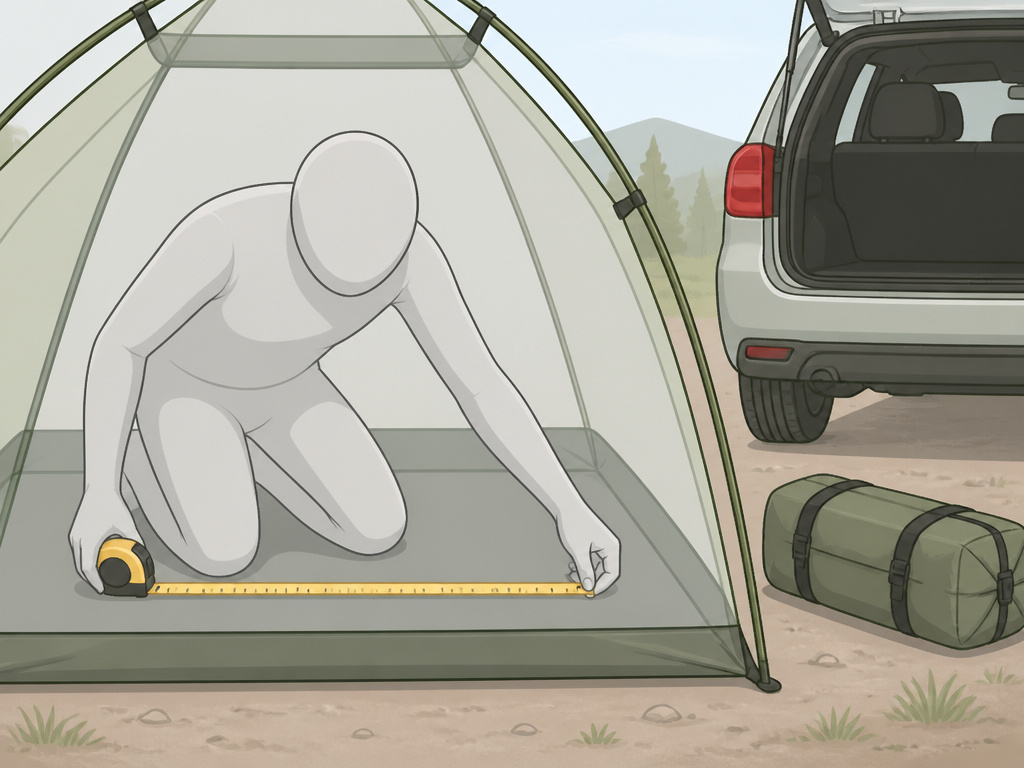
Tent capacity ratings are a fantasy. A “4-person” label means four sleeping pads edge-to-edge, with zero space for your essential camping gear, dog, or dignity. Use two real metrics: floor dimensions and peak height.
First, scrutinize the floor dimensions. For true comfort, size up. A couple should rent a 3-person tent. A family of four should look at a 6-person model. For example, Basecamp Brooklyn’s 3-season tent has a 97” x 79” floor. That’s tight for four. For actual living space, you want something like a spacious camping tent designed for vehicle-based camping.
Second, consider peak height. If you dislike changing clothes while crouched, seek out a stand-up height tent with a peak over 60 inches. Many dome tents peak around 50 inches, which gets old fast.
| Rated Size | Realistic Occupancy | Minimum Floor Area | Ideal For |
|---|---|---|---|
| 2-Person | 1 person + gear | 85″ x 50″ | Solo backpackers or compact tent models. |
| 4-Person | 2-3 people | 90″ x 80″ | A couple with a dog or minimal gear. |
| 6-Person | 4 people | 120″ x 100″ | Families needing roomy tent options; the sweet spot for car camping tents. |
| 8+ Person | 6+ people | 144″ x 120″ | Large group tents for basecamp-style trips. |
Your final, non-negotiable check: measure your vehicle’s cargo space. The bag for a nine-person camping tent is a behemoth that won’t fit in a sedan trunk. Always check packed dimensions before booking.
What Does the Return Process Really Entail?
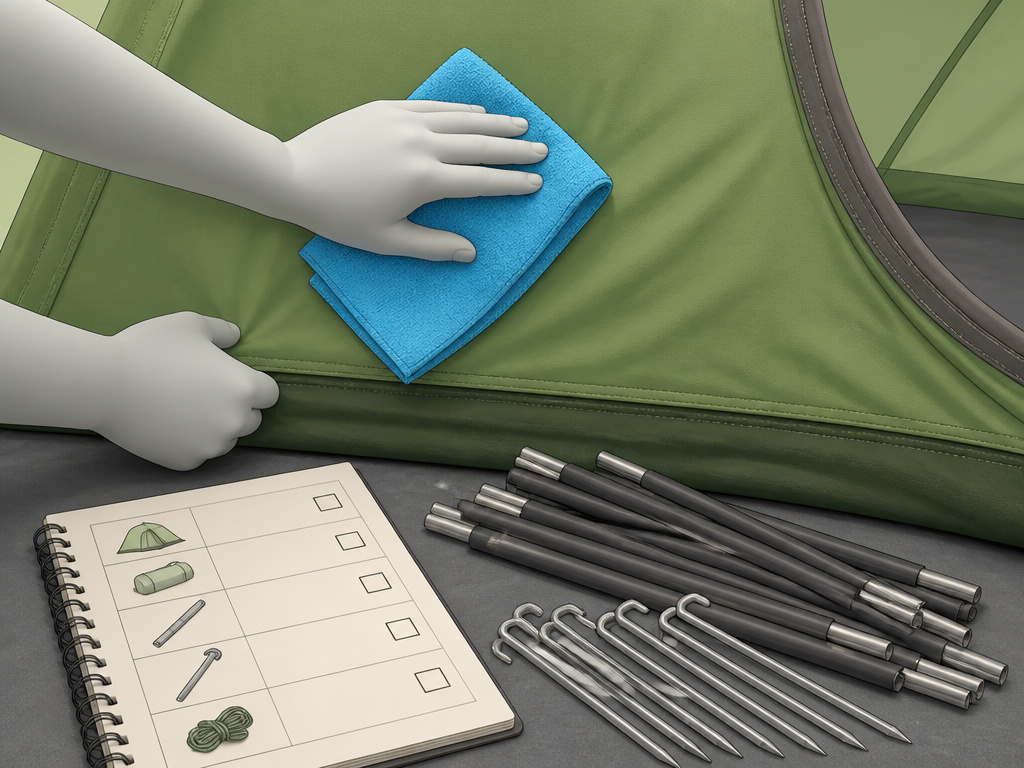
Getting your security deposit back isn’t a formality; it’s a test. The rules are simple but absolute.
The tent must be dry. Not damp, not aired-out, but bone-dry. After a dewy morning, wipe the interior with a microfiber towel. If it rained, you must pitch it at home until every seam feels crisp. A damp tent packed away becomes a science project for mold, and you’ll fund the cleanup.
Ever smell a mildewed tent? It’s a sour, damp odor that clings to the fabric, and to your wallet if you return one. A professional cleaning for mold can cost $100.
The tent must be clean. Shake out all debris and give the floor a sweep. Ground-in dirt and sticky residue are guaranteed cleaning fees. I once lost $25 for a single forgotten granola bar wrapper tucked in a corner, their time to find and remove it costs money.
Finally, count every piece against the inventory list you received. Poles, stakes, rainfly, stuff sacks. Lose one stake, and you’ll buy a replacement. Lose a pole segment, and you’ve bought a very expensive souvenir.
How Far in Advance Should You Book?
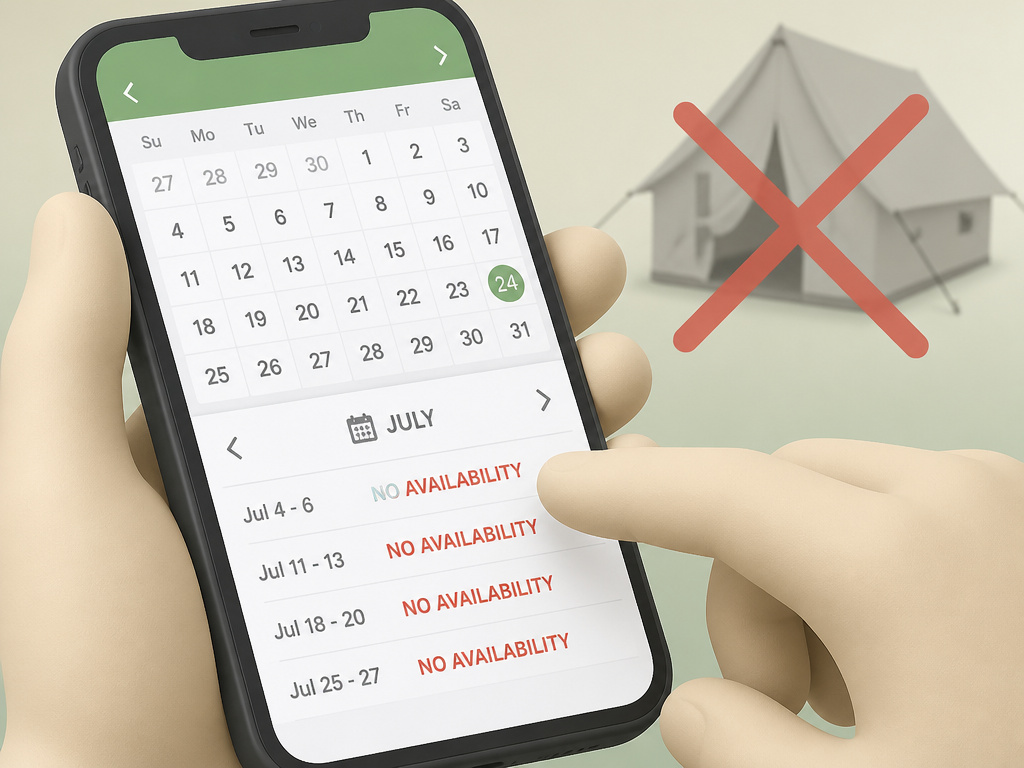
You cannot decide on Thursday to rent a tent for a Saturday in July. It won’t happen. For summer weekends and holidays, you need to book 3 to 6 months in advance.
This isn’t a gentle suggestion. Popular models, whether affordable family tents or high-end backpacking tent options, are reserved by February for Memorial Day and the Fourth of July. Online booking calendars fill up. Local shop inventory vanishes. The closer you get, the more you pay and the fewer choices you have, often leaving you with older, heavier models.
Last May, I thought I was clever waiting until Tuesday to book a tent for Joshua Tree that weekend. The REI clerk just laughed. “Everything’s gone,” she said, waving at the empty racks. “We booked out in March.” I now set a calendar alert for February 1st.
Most companies also require the primary renter to be 18. A parent or guardian must sign and provide a credit card for minors. This is a strict liability rule for gear worth hundreds of dollars.
What Extra Costs Should You Budget For?
The daily rate is just the entry ticket. To avoid sticker shock, budget for these common add-ons.
Shipping from national outfitters is almost always extra, both ways. This can add $40-$80 to your total. A $25/day shipped rental can quickly surpass a $30/day local pickup when you factor in transit.
Security deposits are typically a hold on your credit card for the tent’s full retail value, often $300 to $800. This is released after a successful return inspection.
Damage waiver insurance, usually $5-$10 per day, can limit your financial liability for minor accidents like a small tear or bent pole. Read the details: it won’t cover “gross negligence.”
Before you start: You are responsible for the tent from pickup to return. Pitch it on clear ground, away from sharp rocks and overhanging dead branches. A collapsed pole from a gust or a ripped floor from a hidden stick is your financial responsibility.
Cleaning fees are the most common surprise. Returning a wet or dirty tent triggers a fee that often exceeds a day’s rental. This is entirely avoidable with a little post-trip care.
Frequently Asked Questions
Can I rent a tent for just one night?
Most companies have a minimum rental period, usually 2-3 nights. The cleaning and logistics cost is the same for them regardless of duration, making single-night rentals rare and cost-ineffective.
What happens if I damage the tent?
You pay for repairs or replacement, deducted from your security deposit. If costs exceed the deposit, they will charge your card for the remainder. This is why a pre-rental inspection is critical, note any existing stains or bent poles on the paperwork.
Do rental tents come with everything needed?
complete rental kit should always include the tent body, rainfly, poles, stakes, and a carry bag. Some include a groundsheet. Never accept a kit with missing components without having it documented.
Is it cheaper to rent or buy a cheap tent?
For one or two trips a year, renting is almost always cheaper than buying even budget tents. A decent new tent starts around $150, while a weekend rental might be $75. If you camp more than three times annually, owning even affordable camping tents becomes more economical.
Can I pick up a rental the night before my trip?
Some local shops offer after-hours pickup for an extra fee (often $20), but you must arrange it in advance. National shippers build in a shipping buffer so gear arrives 1-2 days before your trip start date.
Before You Go
Renting a tent is a brilliant way to access great gear without the cost or storage headache. But it’s a transaction governed by logistics, not optimism. Your success hinges on planning months ahead, dissecting the cancellation policy, and committing to a meticulous return.
Choose your rental avenue based on your needs: local for convenience, national for selection, or specialty for unique gear like durable canvas tents. Match the tent’s real dimensions to your group, not the fantasy rating. And when you get back, give that tent the dry, clean send-off it deserves.
Get these elements right, and you’ve secured a perfect shelter for your adventure. Miss one, and you’ll remember the lesson far longer than the trip.
