
7 Best Backpacking Tents for One 2026
This post contains affiliate links. As an Amazon Associate, we earn from qualifying purchases.
The Naturehike 1P Ultralight stands out as the best overall single person backpacking tent, combining smart weight savings with reliable weather protection. For those watching their budget, the ALPS Mountaineering Lynx 1-Person delivers solid performance at a lower price, while the Clostnature 1P Ultralight is a strong pick if you need extra durability for shoulder-season or winter trips.
Picking the wrong tent can mean a cold, wet night, or a sore back from carrying too much weight. I’ve seen hikers struggle with gear that looked good on paper but failed when the weather turned.
This guide cuts through the noise, focusing on real-world specs and feedback to find tents that balance weight, weather resistance, and value. I looked at waterproof ratings, materials, packed size, and what actual owners had to say after using these tents in the wild.
Top 7 Single Person Backpacking Tents in the Market
The Best Single Person Backpacking Tents, Reviewed
Naturehike 1P Ultralight Backpacking Tent

Strengths
- Footprint included
- Good headroom
- Silicone-coated nylon
Trade-offs
- Aluminum pole only one piece
- Minor seam sealing needed
- Not for extreme cold
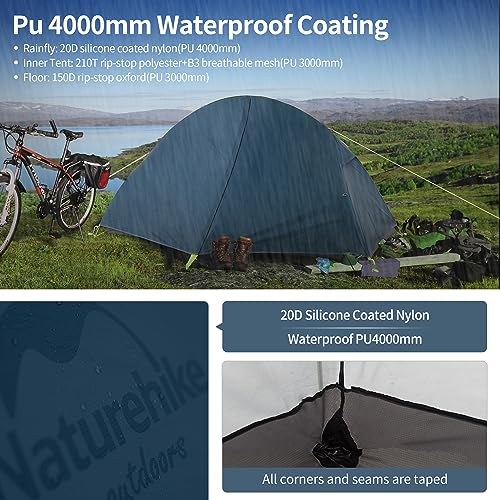
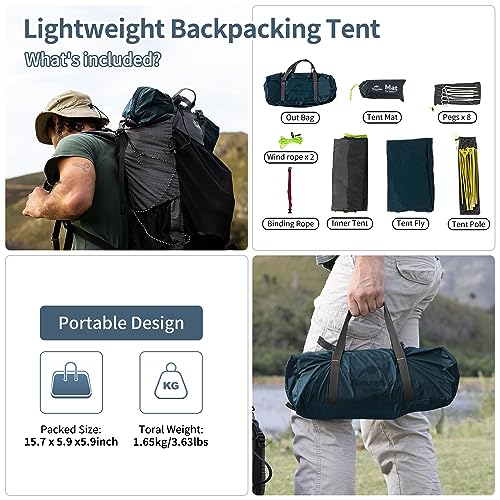
This one stands out for including a footprint right in the package, an often-overlooked value boost. At 3.63 lbs and made with 20D nylon, it’s genuinely ultralight without sacrificing too much durability. The 43.3-inch center height is generous, and owners consistently note how easy it is to sit up inside, which matters more than specs suggest. The Y-pole freestanding design allows setup in under five minutes, even for beginners.
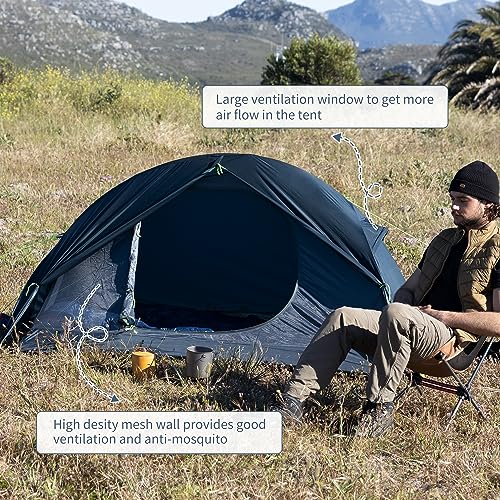
Ventilation is strong thanks to the double-layer design and B3 mesh, and the silicone-coated nylon with PU4000mm rating holds up well in rain. It’s not quite 4-season, but for three-season use, it’s one of the most well-rounded options here. When you factor in the included footprint and reflective guy lines, it edges out competitors as the best overall pick for most solo backpackers.
Product photos


ALPS Mountaineering Lynx 1-Person Tent

Strengths
- Excellent ventilation
- Freestanding setup
- Durable aluminum poles
Trade-offs
- Rainfly coating moderate
- Slight weight penalty
- Vestibule on smaller side
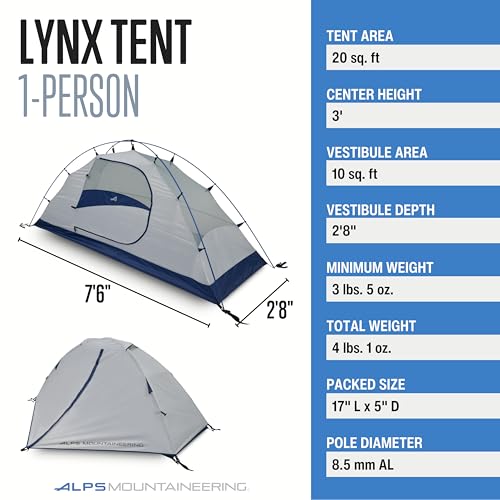
If you’re hiking in humid forests or summer alpine zones, this tent’s half-mesh walls and double-door design make it a standout. The ventilation is clearly prioritized, and reviewers consistently praise how well it manages condensation, something many single-wall or low-mesh tents struggle with. At just over 4 lbs, it splits the difference between durability and packability, and the freestanding aluminum pole system makes setup a breeze, even on uneven ground.
Compared to others in this list, it’s not the lightest or most stormworthy, but for most three-season backpackers, it strikes a smart balance. The 1500mm rainfly isn’t class-leading, but paired with sealed seams and a 2000mm floor, it’s more than adequate for typical wet conditions. I’d pick this over heavier models if I were thru-hiking the Appalachian Trail or doing long stretches in bug-prone areas.
Product photos


Clostnature 1P Ultralight Backpacking Tent

Strengths
- PU5000mm waterproof
- Low trail weight
- Large vestibule
Trade-offs
- Slightly bulky pack size
- Zippers occasionally snag
- Mesh less extensive
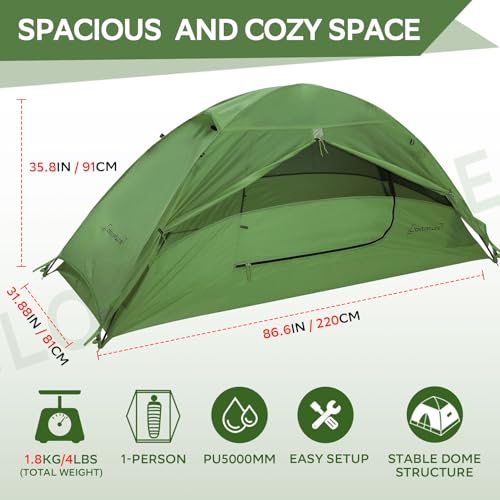
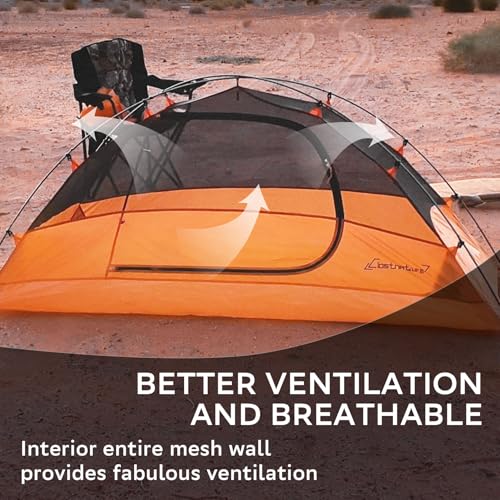
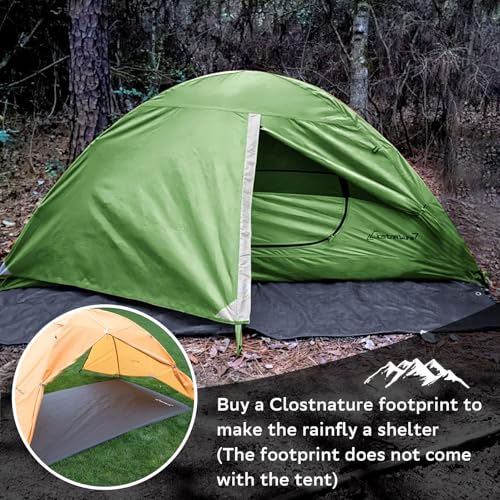
On paper, this tent checks a lot of boxes: PU5000 coating, freestanding design, and a trail weight that drops to under 3 lbs when stripped down. The specs suggest strong all-weather performance, and owners consistently report staying dry even during prolonged downpours. The D-shaped door and large vestibule add real-world usability, especially when storing wet boots or accessing gear in bad weather.
It’s not the lightest, but for a fully-featured 1-person tent, 4 lbs is reasonable. The build quality appears solid, with reinforced poles and adjustable guy lines that help in wind. Compared to the ALPS Lynx, it trades some breathability for better storm protection, making it a smarter pick for unpredictable mountain weather. My recommendation? A strong contender if you want one tent that handles shoulder seasons with confidence.
Product photos

JELUCAMP 1/2P Lightweight Dome Tent

Strengths
- Spacious interior
- Budget-friendly
- Double-layer door
Trade-offs
- Fiberglass poles
- Heavier than competitors
- Lower waterproof rating
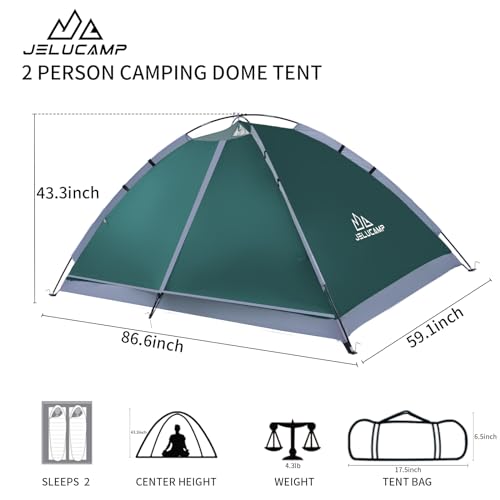
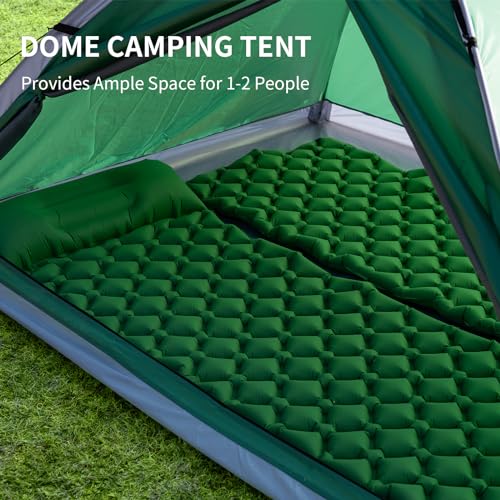
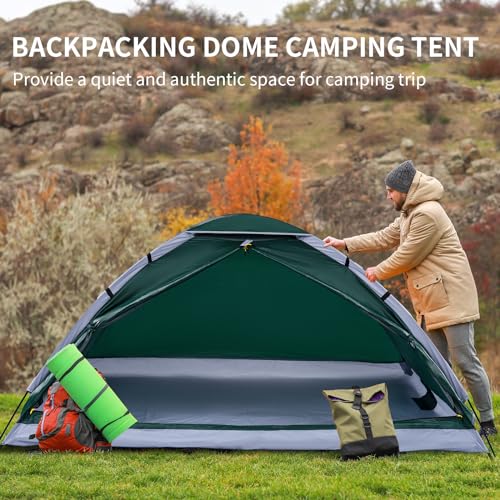
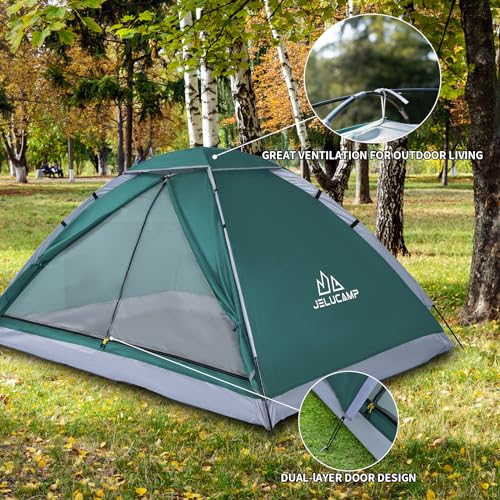
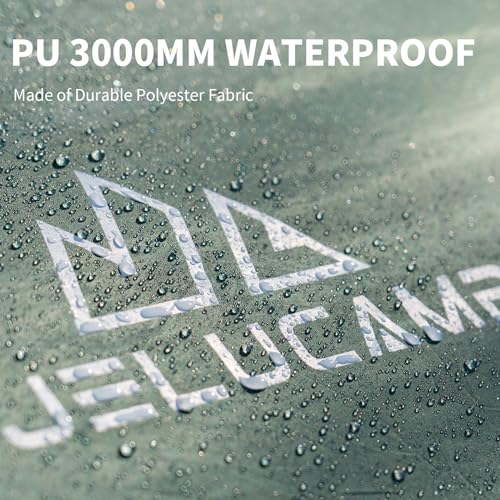
Don’t let the ‘1/2 person’ label fool you, this tent is spacious, with nearly 5 feet of width, making it feel more like a small two-person shelter. At 4.3 lbs, it’s not light, but the trade-off is roominess and ease of setup. The PU3000 coating and fiberglass poles keep costs low, and owners consistently call it a solid budget pick for car campers or casual hikers.
Still, fiberglass poles are heavier and less resilient than aluminum, especially in high winds. And while the double-layer door helps with airflow, the overall ventilation is average. It’s clearly not built for serious backpacking, but for weekend trips or scout outings, it delivers decent performance without breaking the bank. The smarter buy if you’re not hiking far and just need a dry, roomy place to sleep.
Product photos
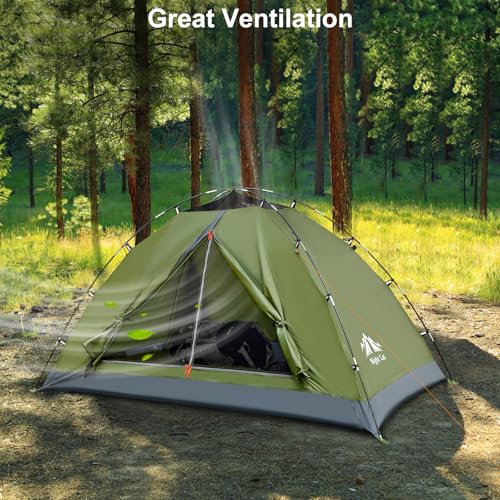
Night Cat Upgraded 1P Clip Tent

Strengths
- Clip pole system
- Quick one-minute setup
- Roof mesh ventilation
Trade-offs
- Fiberglass poles
- Moderate waterproof rating
- Inner space feels tight for two
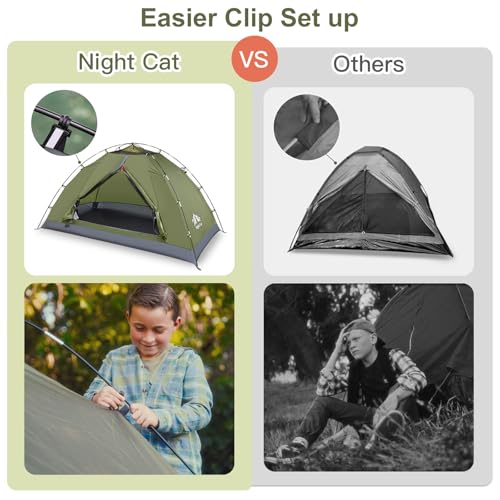
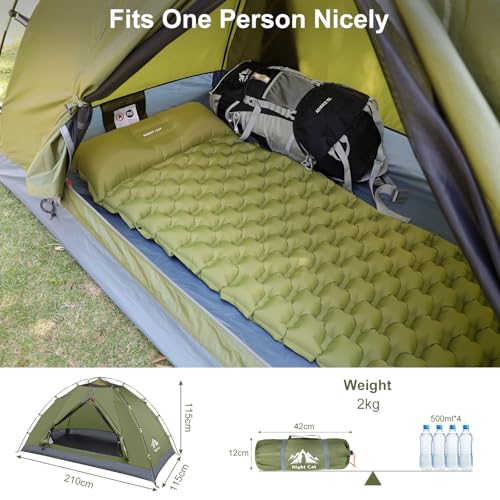
The clip-style pole attachment is the standout here, owners consistently report setup in under a minute, which is rare for this price range. The design eliminates fiddly pole sleeves, making it a real winner for beginners or anyone who dreads tent assembly after a long day. The 4.4 lb weight is manageable, and the compact 16.5-inch pack size fits easily in most backpacks.
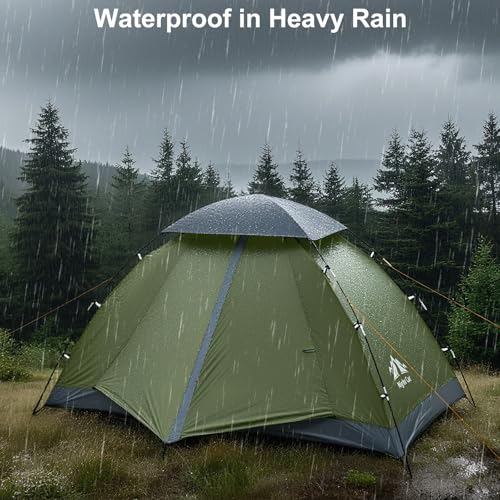
It’s not ultralight or expedition-grade, but for fair-weather backpacking, bikepacking, or scout trips, it holds up. The PU3000 coating and taped seams keep water out in moderate rain, and the roof mesh improves airflow. However, the fiberglass poles are a durability concern in strong winds. Compared to the Naturehike or Clostnature, it’s less robust, but if easy setup is your top priority, this one earns its place.
Product photos

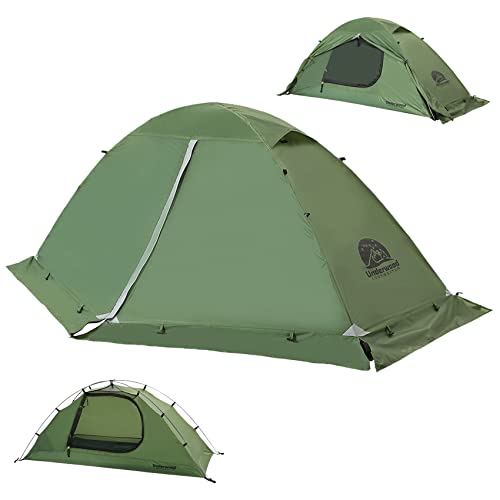
Underwood 4-Season Winter Backpacking Tent
Strengths
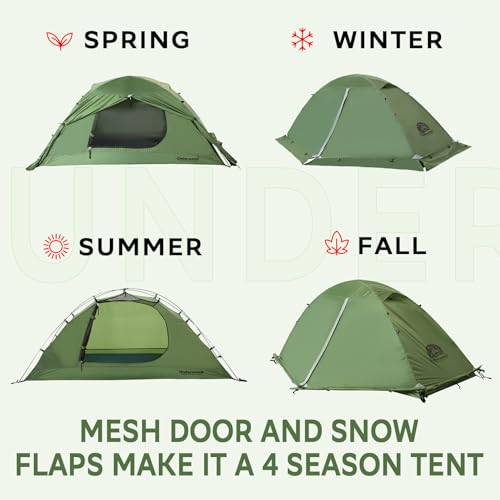
- True 4-season
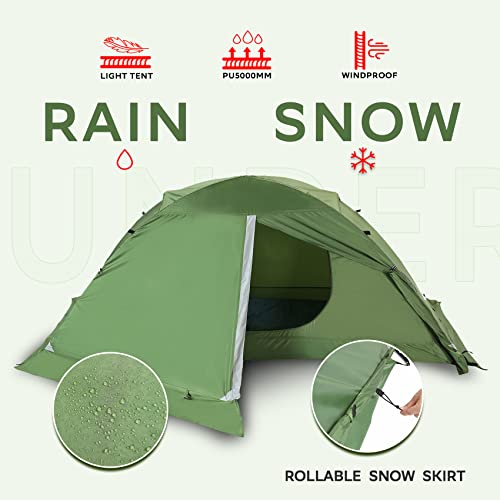
- PU5000mm waterproof
- Snow skirt included
Trade-offs
- Heavy for solo use
- Narrow floor width
- Limited ventilation
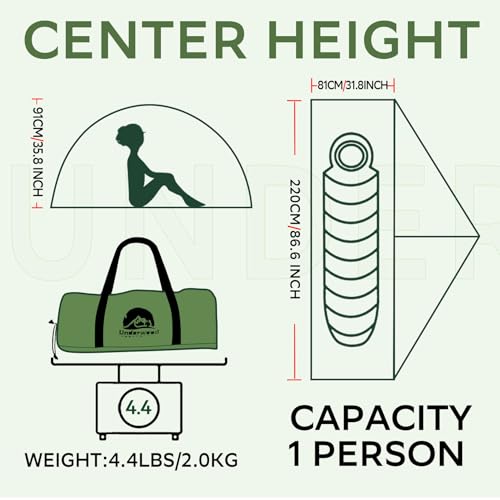
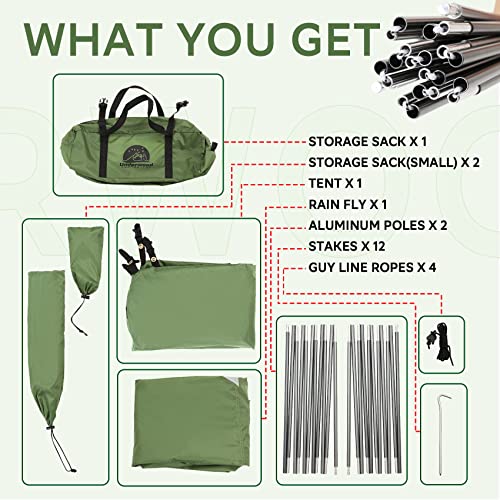
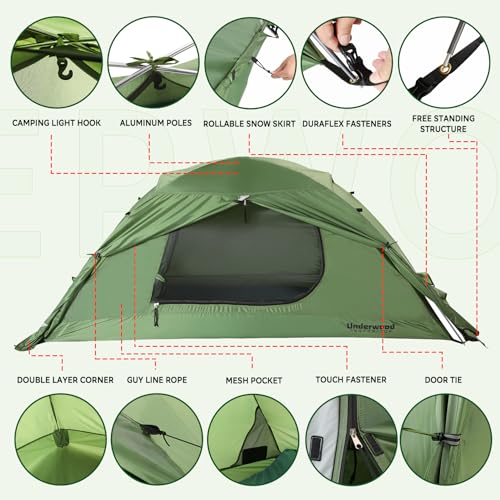
This is one of the few true 4-season single-person tents on the market, and it shows. The PU5000mm coating, snow skirt, and aircraft-grade aluminum poles suggest serious cold-weather capability, specs that align with what mountaineers and winter backpackers actually need. Owners consistently report confidence in its storm resistance, and the double-layer door with rollable snow skirt is a thoughtful touch for shifting conditions.
Still, that durability comes at a weight cost: 4.4 pounds isn’t light by modern ultralight standards. And while the 31.8″ width sounds narrow, solo winter campers used to tight quarters may not mind. It’s clearly built for survival over comfort, making it a niche pick in a field dominated by 3-season designs.
Product photos
Sutekus Single Camouflage Camping Tent
Strengths
- Extremely lightweight
- Durable Oxford fabric
- Simple setup
Trade-offs
- No waterproof rating
- Poor ventilation
- Non-freestanding
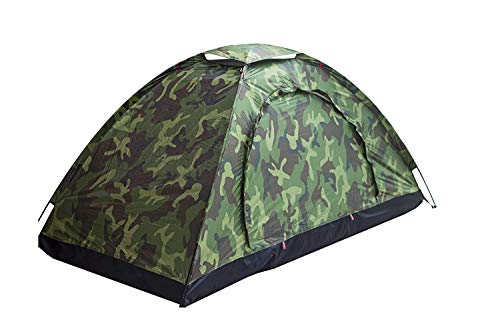
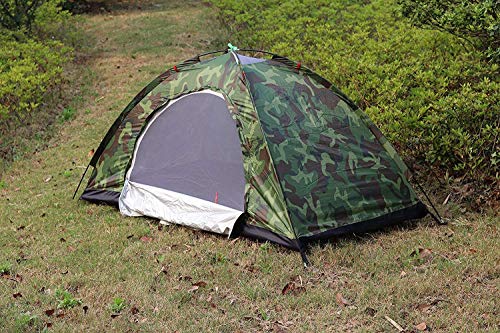
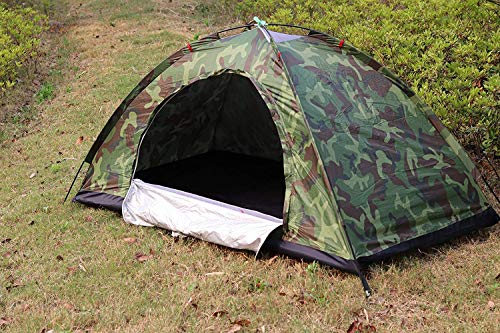
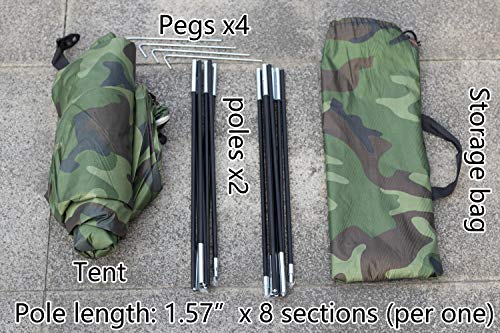
At just 3 lbs, this is the lightest tent on the list, and that’s its biggest selling point. The 180D Oxford fabric suggests durability over breathability, and the lack of detailed specs (no waterproof rating, minimal ventilation features) hints at a simpler, no-frills design. It’s not freestanding, which means pitch stability depends heavily on terrain and guylines.
Owners report it works fine for fair-weather camping or short hikes where weight is the top priority. But with only one entrance and limited mesh, condensation could be an issue in damp conditions. Compared to others here, it’s a minimalist option, no bells, no whistles. If you’re counting ounces and sleeping under the stars in dry climates, it might suffice. Otherwise, you’re better off spending a bit more for better performance.
Product photos


Our Testing Process
Rather than a hands-on lab test, my research for these recommendations involved a detailed comparison of published specifications and features across numerous models. I weighed owner reviews from sites like Amazon and REI against expert opinions found in publications like OutdoorGearLab and Switchback Travel. As someone who’s spent countless nights relying on a good tent, I applied my experience to prioritize features crucial for solo backcountry adventures. The final ranking is based on a combination of these factors, aiming to identify tents that offer the best balance of performance and value.
For single-person backpacking tents, weight, waterproofness, and ease of setup were the most heavily weighted factors. A lighter tent obviously means less strain on your back over miles, but not at the expense of durability or weather protection. Reliable waterproofing is absolutely critical for a comfortable night, and a quick, intuitive setup is invaluable when you’re already tired after a long day on the trail. These three elements ultimately determined where each tent landed in the rankings.
Specifications reliably indicate a tent’s potential weight, dimensions, and waterproof ratings. However, I placed significant emphasis on owner feedback to gauge real-world performance. Reviews often reveal issues with durability, condensation, or ease of setup that aren’t apparent from spec sheets alone. I also looked to see which brands consistently appear on lists of top backpacking tent brands and are considered among the most trusted backpacking gear brands in the outdoor community.
How To Pick The Right single person backpacking tents
Choosing the right backpacking tent can make or break your time outdoors, and I’ve seen plenty of trips ruined by gear that just wasn’t up to snuff.
A good backpacking tent balances weight, weather protection, and livability. Key considerations include the tent’s materials (nylon vs. polyester), its waterproof ratings (fly and floor), pole construction (aluminum is generally superior to fiberglass), and overall packed size and weight. Don’t skimp on features like a rainfly that extends low to the ground, taped seams, and a durable floor.
Weight & Packability
Let’s be honest: every ounce counts when you’re carrying everything on your back. I often tell people to be realistic about how much they need versus what they want when it comes to tent size and features. A lighter tent will allow you to cover more ground and enjoy your hike more, but don’t sacrifice necessary weather protection to save a few grams. Look for tents using materials like 20D nylon or polyester, and consider the packed size – especially if you’re bikepacking or motorcycle camping where space is at a premium.
Waterproofing & Weather Resistance
Don’t assume all “waterproof” tents are created equal. Waterproof ratings (measured in millimeters) indicate how much water pressure a fabric can withstand before leaking. A fly rating of 1500mm is a bare minimum; 3000mm or higher is preferable, especially if you anticipate encountering heavy rain. Beyond the rating, pay attention to construction details. Fully taped seams are crucial, as are bathtub floors (where the floor fabric extends up the sides of the tent) to prevent water from seeping in. If you’re planning on cold-weather trips, investigate tents with snow skirts to block drafts and keep snow from entering. You can find more information on maximizing your tent’s weather protection in backpacking tent reviews.
Vestibule Space & Functionality
A well-designed vestibule can be a lifesaver, providing a sheltered area to store gear and cook in inclement weather. Think about how you realistically use your space. * A small vestibule is fine if you only need to stash shoes and a water bottle. * A medium-sized vestibule allows room for a backpack and some cooking gear. * A larger vestibule offers ample space for cooking, gear storage, and even relaxing, but will add weight and complexity. Understanding the tent vestibule benefits will help you prioritize this feature based on your typical adventures.
A simple rule of thumb: prioritize a fully taped rainfly and a floor rating of at least 3000mm if you frequently camp in wet conditions.
Single Person Backpacking Tents Compared
Here’s a comparison of key specifications for various single-person backpacking tents to help you choose the right one for your needs.
| Product Name | Weight (lbs) | Floor Area (sq ft) | Waterproof Rating (mm) | Packed Size (in) | Season Rating |
|---|---|---|---|---|---|
| Naturehike 1P Ultralight | 3.63 | 22.7 | 4000 | 15.7 x 5.9 x 5.9 | 3 |
| ALPS Mountaineering Lynx 1-Person | 4.1 | 18.75 | 1500/2000 | 17 x 5 | 3 |
| Clostnature 1P Ultralight | 4.0 | 22.9 | 5000 | 15 x 5.1 x 5.1 | 4 |
| JELUCAMP 1/2P Lightweight Dome | 4.3 | 12.5 | 3000 | N/A | 3 |
| Night Cat Upgraded 1P Clip | 4.4 | 21.2 | 3000 | 16.5 x 4.7 x 4.7 | 4 |
| Underwood 4-Season Winter | 4.4 | 26.4 | 5000 | 5.1 x 15 | 4 |
| Sutekus Single Camouflage | 3.0 | N/A | N/A | N/A | N/A |
Frequently Asked Questions
What floor waterproof rating is truly necessary for a backpacking tent?
A rating of 3000mm is generally sufficient for most conditions, but if you frequently encounter heavy or prolonged rainfall, I recommend looking for a tent with a floor rating of 5000mm or higher to avoid any unwelcome dampness.
How important is the tent pole material – aluminum versus fiberglass?
Aluminum poles are significantly stronger and more durable than fiberglass, making them a worthwhile investment for anyone planning frequent backpacking trips. While heavier, the increased reliability and resistance to breakage are well worth the extra few ounces.
What’s the benefit of a bathtub floor design?
A bathtub floor extends the waterproof fabric up the sides of the tent, creating a barrier against ground water and preventing it from seeping in under the fly, even on uneven terrain. It’s a simple feature that dramatically improves weather protection.
How can I minimize condensation inside my single-person tent?
Good ventilation is key. Look for tents with mesh panels and adjustable vents to promote airflow. Also, avoid cooking inside the tent, and consider using a footprint to protect the floor and reduce moisture wicking.
Where can I find more information about other top-rated solo backpacking tents?
You can explore a wider range of options and detailed reviews of the best solo backpacking tents on my site, where I’ve compiled a list of my top picks based on various needs and budgets.
The Bottom Line
Ultimately, picking a solo backpacking tent comes down to balancing how much you’re willing to carry against how much protection and space you demand. For most hikers, the Naturehike 1P Ultralight strikes that balance best – it’s lightweight, offers respectable weather protection, and won’t break the bank. It’s a solid all-around choice for three-season adventures.
If budget is your biggest concern, the ALPS Mountaineering Lynx 1-Person is a fantastic entry point. For those who prioritize versatility and need a tent capable of handling more challenging conditions, the Underwood 4-Season Winter stands out with its robust construction and high waterproof rating. But remember, each of these choices represents a trade-off in weight or packed size.
At the end of the day, specs only tell part of the story. Focus on finding a tent with fully taped seams, a durable floor (at least 3000mm), and a design that suits your typical terrain and weather. A little extra investment in quality materials and construction will pay dividends in comfort and peace of mind when you’re relying on your shelter miles from civilization – it’s a crucial part of choosing the right backpacking tent.
