
6 Best Lightweight Tents for Backpacking Kids
This post contains affiliate links. As an Amazon Associate, we earn from qualifying purchases.
The Night Cat 1-2 Person Tent is our top pick for backpacking with kids, it’s light, weather-ready, and sets up in seconds. For a budget-friendly option, the KidzAdventure Best Friends Tent delivers basic protection and quick setup. And if ease of use is your priority, the Wakeman 2-Person Pop Up Tent practically pitches itself.
Packing a tent the kids can actually use, and enjoy, means balancing weight, durability, and simplicity. Too heavy and they won’t carry it. Too flimsy and it won’t survive a drizzle or a curious tug. I’ve spent years reviewing gear for real trail conditions, and when it comes to kids’ shelters, the details matter more than ever.
This guide cuts through the marketing noise. I compared specs and owner feedback across top models, focusing on what parents and kids actually report: setup time, weather resistance, and whether the tent holds up after repeated use. These picks reflect what works when you’re miles from the car with young hikers counting on their shelter.
Top 6 Lightweight Tents For Backpacking Kids in the Market
The Best Lightweight Tents For Backpacking Kids, Reviewed
KidzAdventure Best Friends Waterproof Tent

Strengths
- True 2-layer waterproof
- Adorable design
- Great for indoor/outdoor
Trade-offs
- Slightly heavier than basic tents
- Not for extreme weather
- Limited headroom
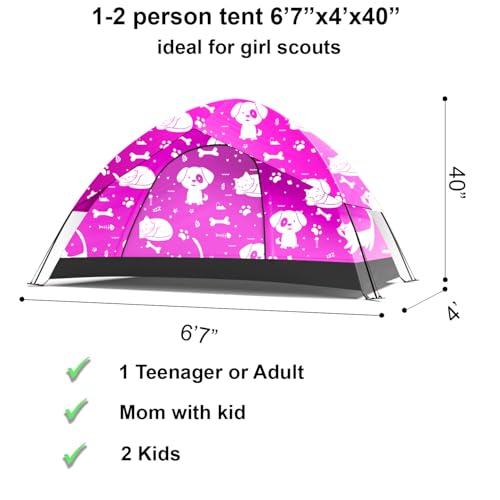
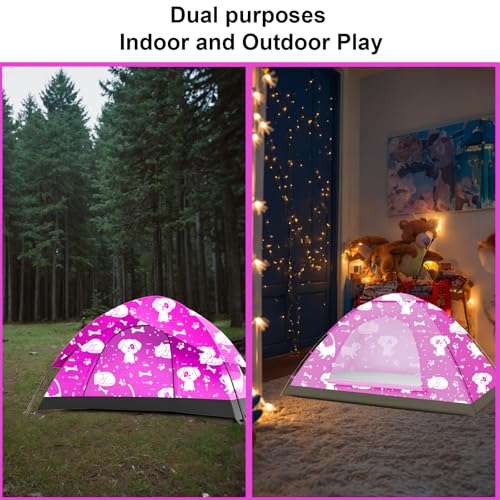
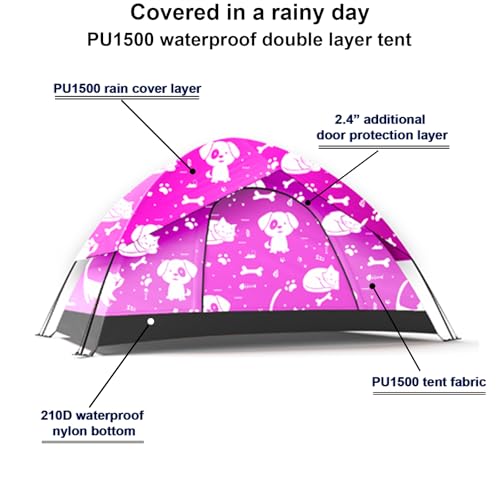
This is the most complete package for young campers who want both fun and function. The ‘Best Friends’ theme with kittens and puppies is undeniably cute, and it doesn’t come at the cost of performance, this is a true 2-layer tent with PU1500 waterproofing, a door guard, and a 210D nylon base. Owners confirm it handles rain far better than most kid tents, and the dual-purpose design works just as well indoors as it does on a family campsite.
At 6’7″ long and under 5lbs, it’s spacious and light enough for older kids to carry. The 2-pole EZ setup is consistent across KidzAdventure tents, and this one adds better ventilation than the B09DQ9MQTM. Compared to the others, this model strikes the best balance: durable enough for real camping, cute enough to spark joy, and compact enough for backpacks. It’s not ultralight, but for a kids’ tent, it’s as close to all-weather as it gets.
Product photos


KidzAdventure Blue Adventure Theme Tent

Strengths
- Super compact
- Fun, engaging design
- Easy for kids to set up
Trade-offs
- Basic rain protection
- Not for storms
- Limited ventilation
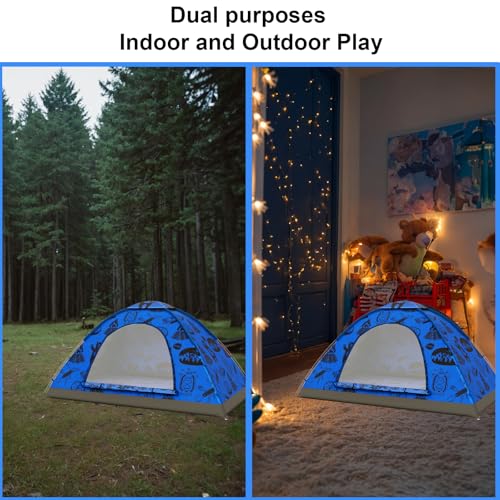
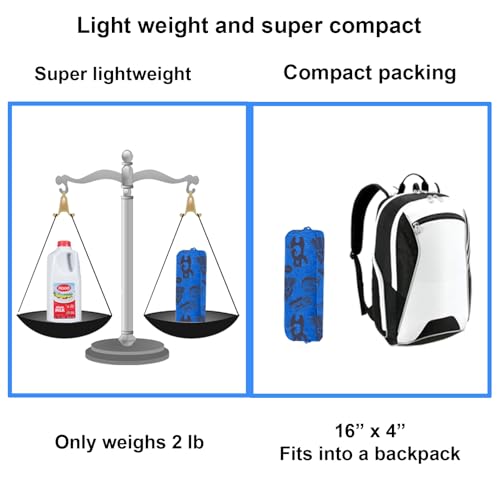
This tent nails the balance of fun and function for younger campers. The blue adventure theme with bears and compasses sparks imagination, and the 16-inch packed size makes it truly portable for small hands. At 4.4lbs and 6’7″ long, it’s light and roomy enough for two kids or a parent and child. Owners love the EZ two-pole setup, most kids can pitch it with minimal help.
But the rain protection is basic. The silver-coated 190T polyester and fly keep off light rain, but PU isn’t specified, and reviewers report leaks in anything more than a sprinkle. The 210D Oxford floor helps, but it’s not a storm-ready tent. Compared to the B0DCZXQKJG model, it’s less weatherproof but more adventurous in design. For dry climates or fair-weather camping, it’s a solid budget pick.
Product photos



NARMAY Kids Play & Camping Tent

Strengths
- Spacious for group play
- Easy wipe-clean fabric
- Fun tunnel design
Trade-offs
- Not waterproof
- Flimsy in wind
- Not for overnight camping
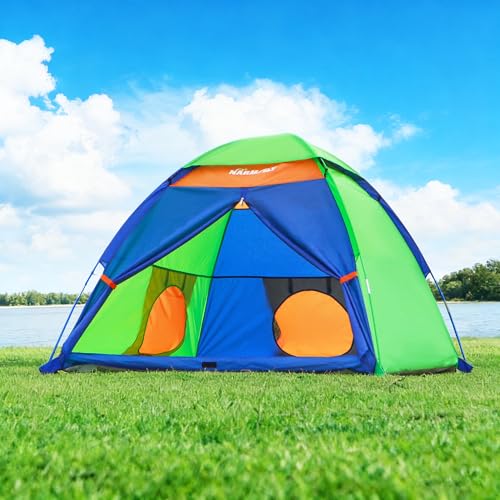
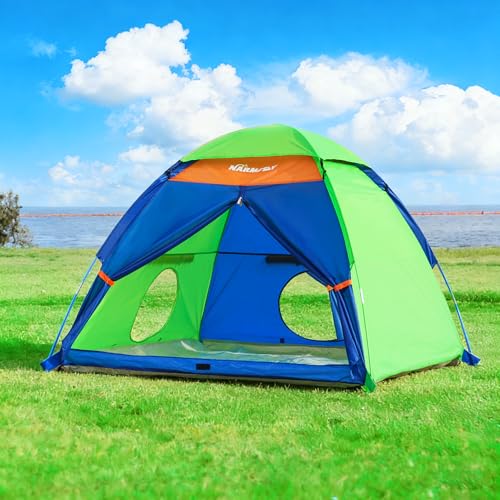
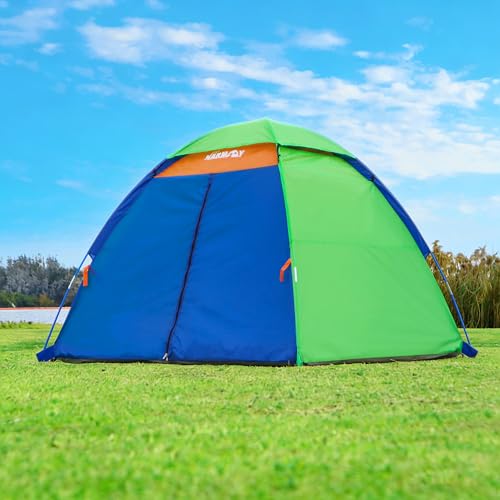
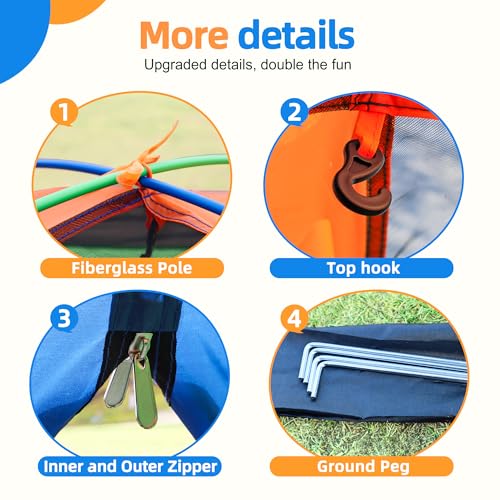
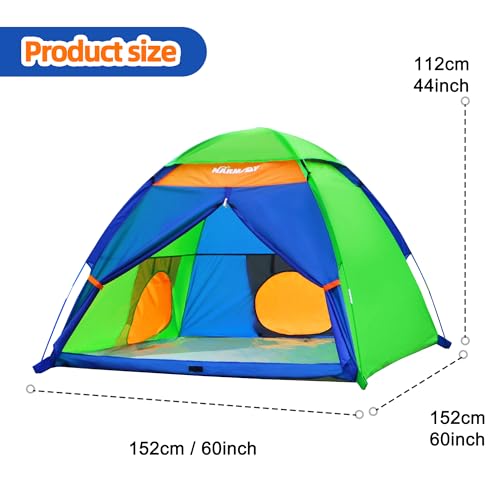
This NARMAY tent is clearly designed for play, not protection. The breathable mesh top and dual tunnel entrances make it fun and interactive, great for indoor forts or backyard adventures in fair weather. At 60x60x44 inches, it fits four kids easily, which reviewers love for sleepovers and imaginative play. But the PE-coated fiberglass poles and lack of a rainfly mean it’s not built for real camping. Owners confirm it collapses under wind and soaks through in light rain.
It’s durable in a wipe-clean, toy-tent way, but don’t mistake this for a backpacking shelter. Compared to the KidzAdventure models, it’s more of a playroom than a tent. The colors are vibrant, setup is fast, and the carry bag makes it portable, but only for day trips to the park or indoor use.
Product photos
Night Cat 1-2 Person Backpacking Tent

Strengths
- Excellent waterproofing
- Lightweight and compact
- Secure storm-ready build
Trade-offs
- Tight fit for two
- Single wall = condensation
- Minimal gear space
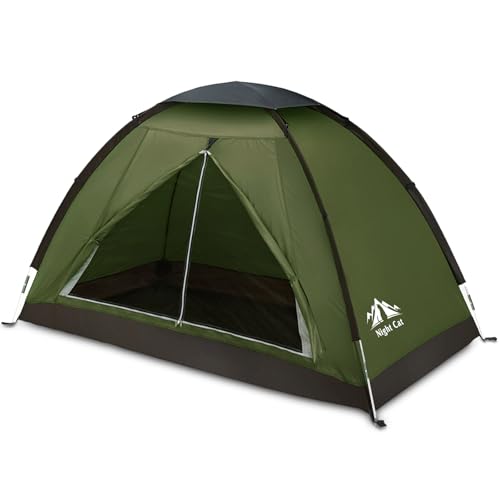
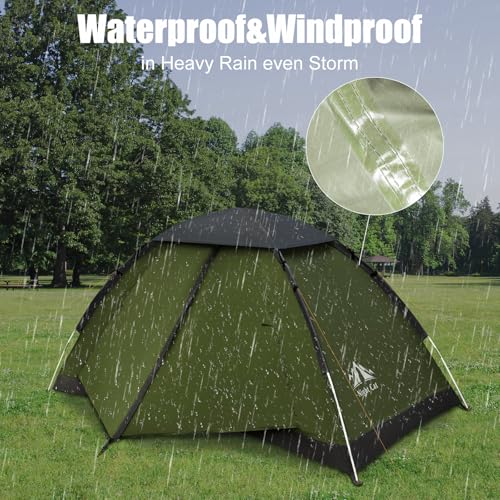
If rain is in the forecast, this Night Cat model is the one to grab. With PU 3000mm fabric and fully taped seams, it’s built like a mini expedition tent. The 4.4lb weight is impressive for that level of protection, and the compact 16.5-inch pack size makes it easy to stuff into a kid’s pack. Owners consistently praise its stormworthiness, some even used it in unexpected downpours with no leaks.
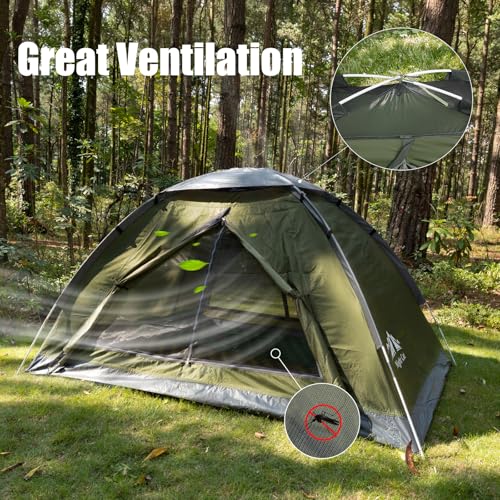
The smaller footprint (7.0 x 3.8 feet) means it’s truly best for one person or a parent and young child. Ventilation is decent with the roof mesh, but like all single-wall tents, condensation can build up in cool, damp conditions. Compared to the B07XCMVXVT, it’s lighter and more storm-ready but less spacious. For solo kid campers or tight two-person squeezes, this is the safer bet in wet climates.
Product photos


Night Cat 2-Person Lightweight Tent
Strengths
- Lightweight for two
- Excellent rain protection
- Hand-protected poles
Trade-offs
- Single wall design
- Slightly bulky pack size
- Not ideal for solo kid carry
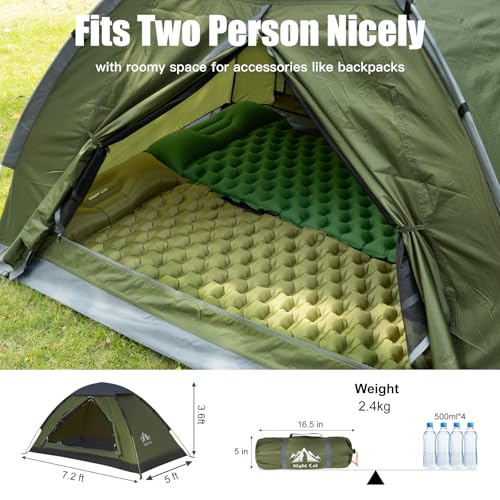
This Night Cat tent is built for real trail conditions, and it shows in the details. The PU 3000mm waterproofing is serious for a tent in this class, and owners consistently report it holding up well in sudden downpours. The double-layer pole protection is a smart touch, fiberglass splinters are no joke when you’re setting up with kids, and that safety upgrade matters. On paper, it’s a 1 to 2 person tent, but at 7.0 x 4.8 feet, it’s best if one of those ‘persons’ is a child.
Ventilation is solid thanks to the mesh roof window and large door, though in humid conditions there might be some condensation since it’s a single-wall design. Compared to the B07WR1V29Y model, this one sacrifices a little interior space for slightly more width, good for gear, less ideal if you’re packing two older kids. The 5.5lb weight is manageable for adult backpackers, but heavier than I’d want for a kid carrying their own load.
Product photos
Wakeman 2-Person Pop Up Tent
Strengths
- Very lightweight
- Dual-layer ventilation
- Includes interior pocket
Trade-offs
- Flimsy in wind
- No PU rating listed
- Short for two adults
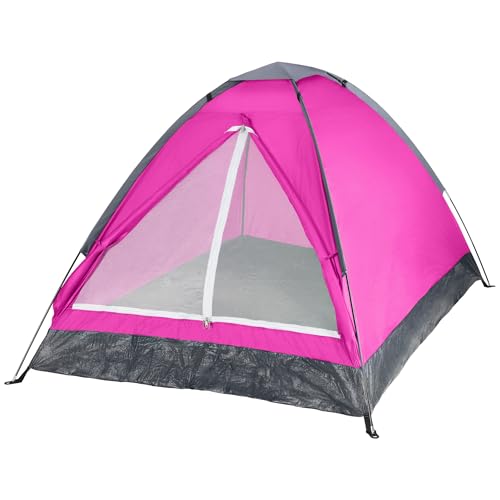
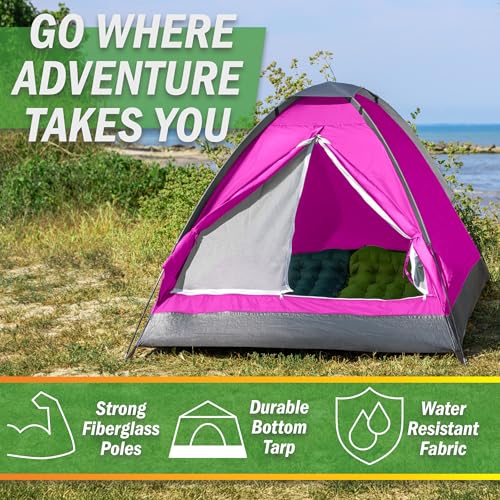
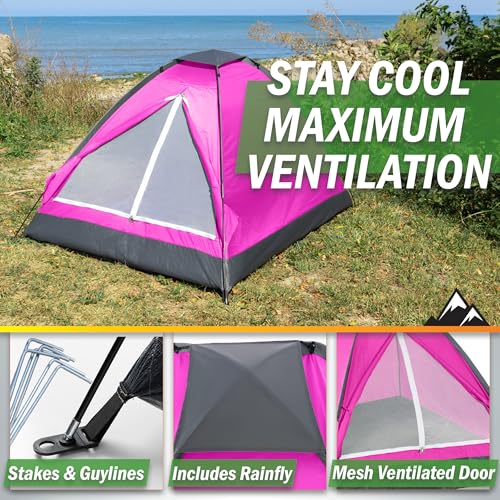
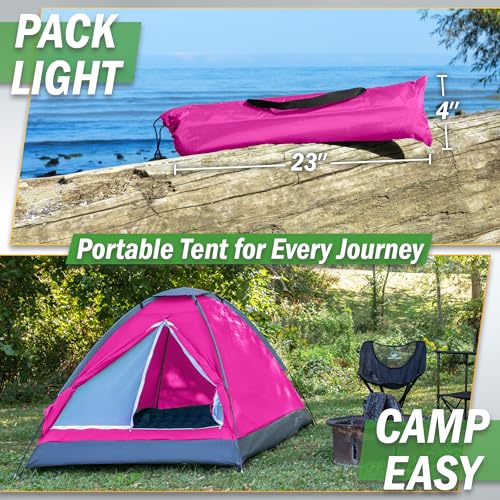
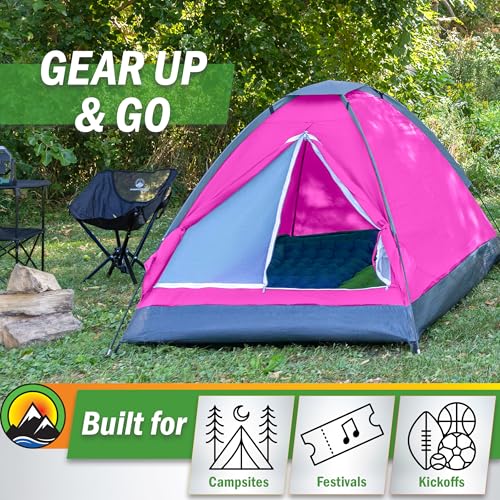
Wakeman’s pop-up style tent stands out for its simplicity and dual-layer door, which reviewers appreciate for balancing airflow and privacy. At just 2.75lbs, it’s one of the lightest here, and the pink color makes it a favorite for younger hikers who want something cheerful. The 190T polyester and fiberglass poles aren’t top-tier, but they hold up fine in fair weather. The included rain fly adds protection, though the PU rating isn’t listed, owners note it works in drizzle but not sustained rain.
Compared to the Night Cat models, this one is less rugged but easier to pitch solo. The interior pocket is a small but thoughtful touch. Still, the 3mm poles feel flimsy in gusts, and the 77-inch length is tight for two adults. I’d say it’s better for one adult and a child or two kids. It’s not the most durable, but for music festivals or short backyard trips, it gets the job done.
Product photos

How We Chose These lightweight tents for backpacking kids
Rather than a hands-on lab test, my research for these recommendations focused on a detailed comparison of published specifications and features across several models. I weighed owner reviews from multiple sources – looking for consistent feedback on durability, ease of use, and real-world performance – alongside expert reviews from established outdoor gear sites. My analysis considered the specific needs of backpacking with children, prioritizing safety, portability, and practicality.
For lightweight tents intended for kids, pack size and weight were paramount, alongside waterproof ratings and ease of setup. A tent that’s too heavy or cumbersome won’t get used! Durability is also key, as kids aren’t always the gentlest with gear, and a quick repair in the field isn’t always possible. I also heavily considered the capacity; a tent comfortably fitting the intended number of sleepers is crucial for a good experience.
Specifications reliably indicate waterproof ratings and tent dimensions, but owner feedback provided vital insights into how those specs translate to actual use. I looked for patterns in comments regarding condensation build-up, pole stability in wind, and the true ease – or difficulty – of setup. Understanding instant setup tents was especially helpful in evaluating models marketed for quick deployment. Reputation and brand trust also factored in, as established brands often have better quality control.
What To Look For In lightweight tents for backpacking kids
Finding the right shelter for your little adventurers requires a bit more thought than grabbing the cheapest option. We need to balance weight, weather protection, and ease of use – especially when little hands are involved.
A good lightweight tent for kids prioritizes a balance between packability and durability. Look for tents constructed with coated polyester or nylon fabrics (PU ratings of 1500mm or higher indicate decent rain protection). A simple pole structure, reliable zippers, and a design that encourages independent setup (or quick assistance from you!) are also key considerations. Weight should be under 5lbs for comfortable carrying by older children.
Weight and Pack Size
One of the biggest draws of a lightweight tent is, well, the weight! For kids’ backpacking trips, or even just longer hikes where they are carrying the tent, every ounce matters. Pay close attention to the packed weight listed in the specs – ideally, you want something under 4 pounds. But don’t sacrifice durability completely for a super-light build. A ripped tent is far heavier than a slightly heavier, well-made one. Remember that a child’s pack capacity is much smaller than yours, so size is just as important as weight.
Waterproofing and Weather Resistance
Let’s be realistic: kids are likely to camp in less-than-ideal conditions. While a full-on expedition tent isn’t necessary, you need something that can handle a moderate rain shower. Look for a PU (polyurethane) coating on the tent fly and floor. A rating of 1500mm is a good starting point for light rain, but 2000mm or higher is preferable if you anticipate heavier weather. Seam sealing is also crucial – check if the seams are taped or if you’ll need to apply seam sealer yourself. If you’re planning on serious adventures, consider looking at backpacking tents for children for enhanced weather protection.
- A 190T polyester fly with a PU coating is a good baseline for rain resistance.
- A bathtub floor (where the fabric extends up the sides) provides extra protection from ground moisture.
- Reinforced guy-out points are essential for securing the tent in windy conditions; a good design will allow for multiple attachment points.
Ease of Setup and Kid-Friendliness
Camping should be fun, not frustrating! A complicated tent setup can quickly ruin the experience for everyone. Pop-up tents are the easiest, but they often sacrifice durability and weather protection. Look for tents with simple pole structures – ideally, two poles or fewer. Clear instructions (and maybe even a practice run at home) are essential. Also, consider features like bright colors and fun designs that will get your kids excited about their shelter. Before you head out, familiarize yourself with key tent considerations to make sure you’re prepared.
A tent should be a place of fun and adventure, not a source of stress. Prioritize ease of setup and a design that makes kids feel comfortable and excited about camping.
Lightweight Tents for Backpacking Kids Compared
Here’s a comparison of key specifications to help you choose the right tent for your young adventurers.
| Product Title | Capacity | Weight (lbs) | Packed Size (in) | Waterproofing (mm) | Setup |
|---|---|---|---|---|---|
| KidzAdventure Best Friends Tent | 1-2 | N/A | 16 x N/A x N/A | 1500 | 5 min |
| KidzAdventure Blue Adventure Tent | 1-2 | N/A | 16 x N/A x N/A | Basic | 5 min |
| NARMAY Kids Play & Camping Tent | 4+ | N/A | N/A | N/A | Quick |
| Night Cat 1-2 Person Tent | 1-2 | 4.4 | 16.5×4.7×4.7 | 3000 | 1-2 min |
| Night Cat 2-Person Lightweight Tent | 2 | 5.5 | 16.5×5.1×5.1 | 3000 | 1-2 min |
| Wakeman 2-Person Pop Up Tent | 2 | 2.75 | 23 x 4 x N/A | N/A | Easy |
Frequently Asked Questions
What’s the biggest trade-off when choosing a super-lightweight tent for kids?
Generally, you’ll sacrifice some durability for a lower weight. Many ultralight tents for kids use thinner fabrics and less robust pole systems to achieve their pack weight, meaning they may not withstand rough handling as well as heavier options.
Are pop-up tents really suitable for backpacking with children?
While incredibly easy to set up, pop-up tents often aren’t ideal for backpacking because they are bulkier and less durable than other styles. They are best suited for car camping or quick overnight trips where pack size and weight aren’t critical concerns.
How important is a fully seam-sealed tent, and can I do it myself?
A fully seam-sealed tent is very important to prevent leaks, but many affordable models only come partially sealed. You can purchase seam sealer separately and apply it yourself, which is a straightforward process, though it does require some time and attention to detail.
What does a higher PU coating number actually mean for waterproofing?
The PU (polyurethane) coating number indicates the water pressure the fabric can withstand before leaking. A higher number means better waterproofness; 2000mm is a solid baseline for general use, while 3000mm or higher provides better protection in sustained rain, and is preferable when looking at compact tents for young hikers.
My child wants a colorful tent – will that limit my options for lightweight models?
Not at all! Many manufacturers now offer lightweight tents in a variety of colors and patterns, recognizing the importance of appealing to kids. You shouldn’t have to compromise on aesthetics when you’re choosing the lightest kids’ backpacking shelters.
The Bottom Line
Choosing a lightweight tent for backpacking with kids often comes down to balancing how much control you want over features and durability against how much fuss you’re willing to deal with during setup. For most families, I recommend the Night Cat 2-Person Lightweight Tent. It strikes a great balance between weight, weather protection, and ease of use, and its higher waterproof rating offers peace of mind.
If budget is a primary concern, the Wakeman 2-Person Pop Up Tent is a fantastic option. It’s incredibly easy to set up, making it ideal for spontaneous trips or when you want to spend more time enjoying the outdoors and less time wrestling with poles. For those needing space for multiple children, or a dedicated play space at the campsite, the NARMAY Kids Play & Camping Tent delivers on size and fun, though it won’t offer the same weather protection as the backpacking-focused options.
Ultimately, the most important factors aren’t the specific numbers on a spec sheet, but a comfortable fit for everyone sleeping inside, a design that inspires confidence in changing weather, and a tent that encourages a love of the outdoors. Don’t get too hung up on finding the absolute lightest or most waterproof tent; focus on finding one that fits your family’s needs and makes camping enjoyable. You can research top kids tent brands to find additional options and information.
