
8 Best Backpacking Tents of 2026
This post contains affiliate links. As an Amazon Associate, we earn from qualifying purchases.
The Naturehike Cloud Up Pro 2P stands out as the best overall backpacking tent, combining smart weight savings with solid weather protection. For those watching their budget, the Clostnature 1P Ultralight delivers strong performance at a lower price, while the Clostnature 2P Large offers extra room for taller backpackers or gear hounds.
Picking a backpacking tent isn’t just about saving weight, it’s about staying dry, sleeping comfortably, and not wrestling with poles after dark. I’ve seen too many hikers choose based on price or packed size only to regret it when the wind picks up or condensation soaks their sleeping bag.
This guide cuts through the noise by focusing on what matters: real-world feedback, verified specs, and the design details that make a difference when you’re miles from the trailhead. I compared waterproof ratings, materials, and user-reported durability to find tents that won’t let you down.
Top 8 Backpacking Tents in the Market
The Best Backpacking Tents, Reviewed
Naturehike Cloud Up Pro 2P

Strengths
- Ultralight weight
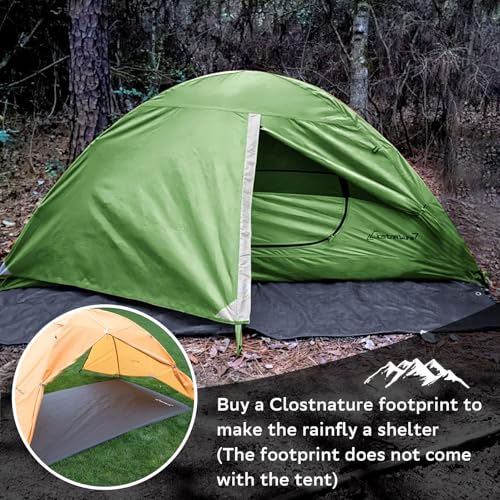
- Includes footprint
- Excellent weather resistance
Trade-offs
- Slightly tight for tall users
- Ventilation window small
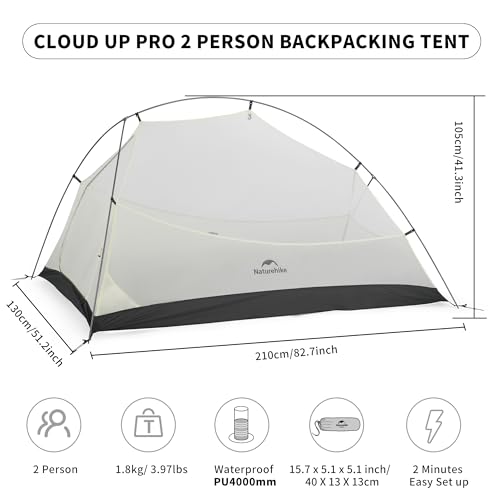
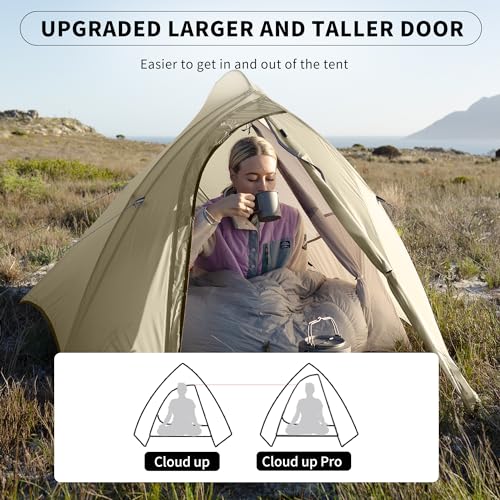
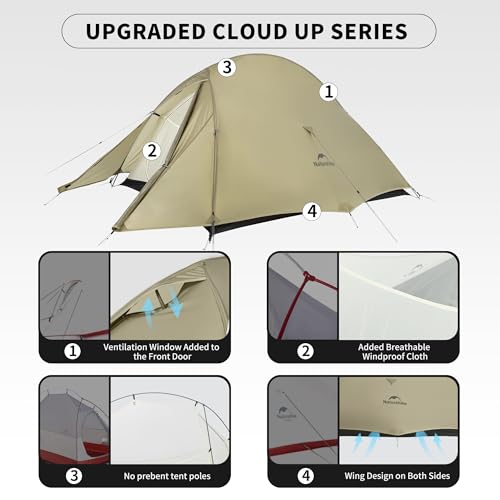
This is my pick for best overall in this lineup, the Naturehike Cloud up Pro balances weight, space, and weather performance like few others. At just 3.97 lbs, it’s genuinely ultralight, and the packed size is backpack-friendly. The 20D nylon with silicone coating and PU4000mm rating delivers real storm protection, and owners consistently report staying dry in heavy rain. The upgraded door and added ventilation window help reduce condensation, a common flaw in double-wall tents.
The included footprint is a major value boost, most competitors charge extra. Paired with 7001 aluminum poles, it holds up in wind better than its weight suggests. It’s not the roomiest (82.7” long), but two average sleepers fit fine. For thru-hikers or alpine trekkers, this is the smarter buy over heavier, less refined options.
Product photos


Kelty Grand Mesa 2P Tent

Strengths
- Affordable pricing
- Trusted brand durability
- Freestanding design
Trade-offs
- No footprint included
- Single door access
The Grand Mesa 2P is budget-friendly without feeling cheap, Kelty’s reputation for durability shows in the 68D polyester and fully taped seams. At 4 lbs 7 oz, it’s not ultralight, but it’s light enough for weekend trips. The freestanding design and color-coded clips make setup smooth, and the Shark Mouth bag is a nice touch for repacking. Owners say it lasts for years with proper care, which justifies the long-term value.
Compared to the Late Start, it’s slightly heavier but more robust. The single door and 30 sq ft layout are functional, not luxurious. If you’re on a tight budget but still want a reliable 3-season tent from a trusted brand, this is the one. I’d still recommend a footprint to extend floor life, even though it’s not included.
Product photos


Clostnature 1P Ultralight Tent

Strengths
- Extremely lightweight
- Spacious for one
- PU5000 waterproofing
Trade-offs
- Limited vestibule space
- Not ideal for stormy terrain
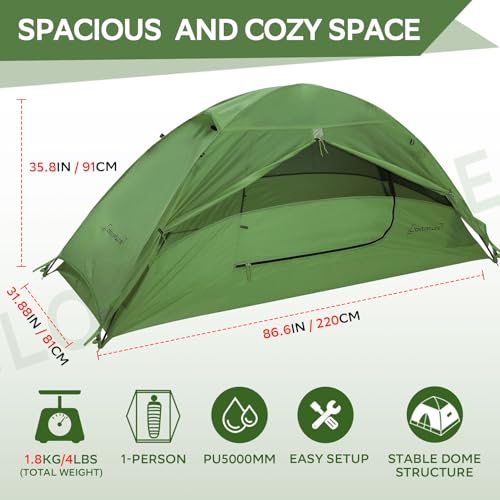
For best lightweight performance in a solo shelter, this Clostnature tent delivers on specs. At 2.97 lbs trail weight, it’s genuinely ultralight, and the 15” packed size slips into any backpack. The 7’3” length is generous for a 1P tent, owners over 6 feet tall say they fit without toe compression. The PU5000 coating and factory-sealed seams suggest strong rain protection, and the freestanding design makes site selection flexible.
Still, solo tents this light often sacrifice durability. While the aluminum poles are decent, I’d be cautious in high winds. The single vestibule helps with gear storage, but it’s not huge. For fast solo trips where every ounce counts, this is a solid contender, especially at its value level.
Product photos

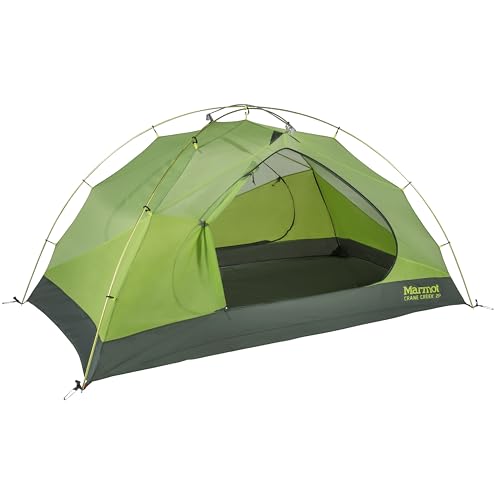
Marmot Crane Creek 2P Tent
Strengths
- Superior wind stability
- Dual vestibules
- PFAS-free materials
Trade-offs
- No footprint included
- Higher price point
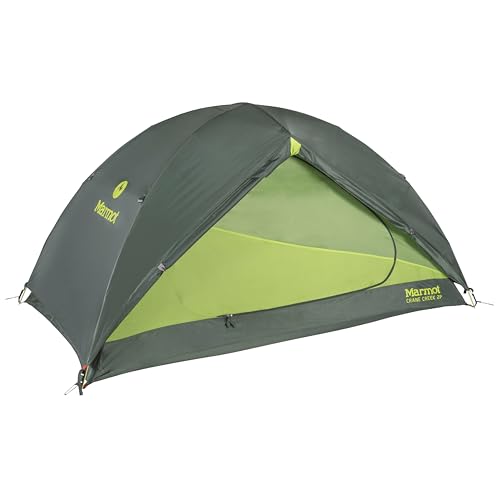
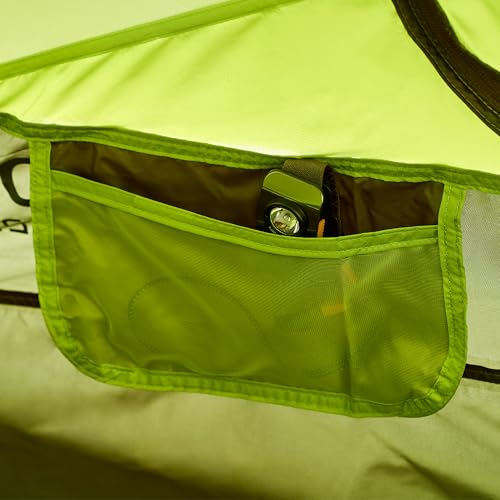
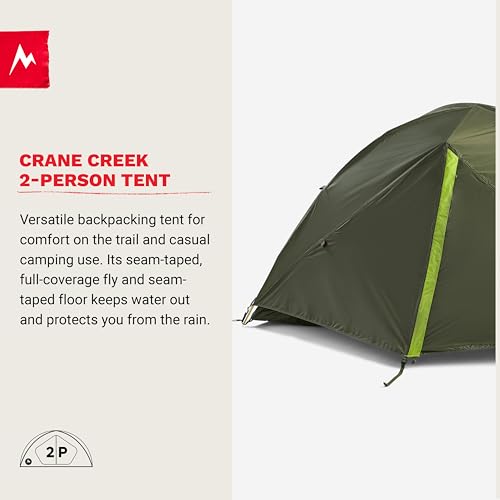
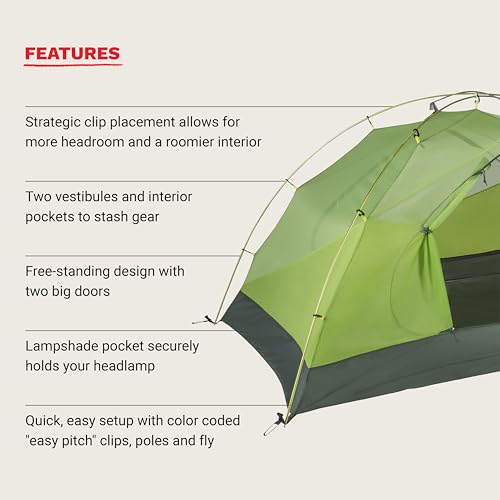
When weather resistance is your top priority, the Marmot Crane Creek 2P stands out. With 32 sq ft of space, dual D-doors, and two full vestibules, it’s designed for real backcountry use, not just fair-weather hikes. The 7000-series aluminum poles are a serious upgrade over standard alloys, offering better flex and wind resilience. Owners testing it in gusts say it holds firm where others flap or collapse.
The seam-taped polyester fly and floor handle heavy rain without leaking, and the PFAS-free construction is a bonus for eco-sensitive users. It’s pricier on paper than most here, but the materials and build quality reflect that. No footprint included, a missed opportunity, but you’re paying for storm-ready engineering. If you’re heading into shoulder seasons or unpredictable climates, this is the tent I’d trust.
Product photos
Kelty Late Start 2P Tent

Strengths
- Blazing-fast setup
- Color-coded attachments
- Eco-friendly coating
Trade-offs
- Single door limits access
- Moderate waterproof rating
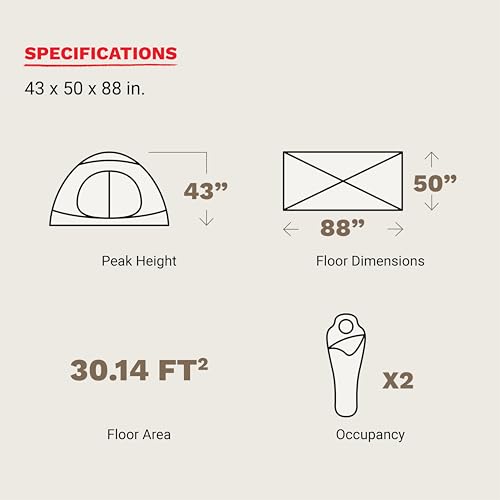
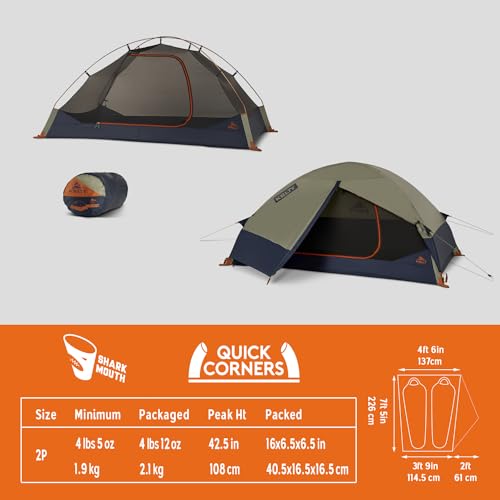
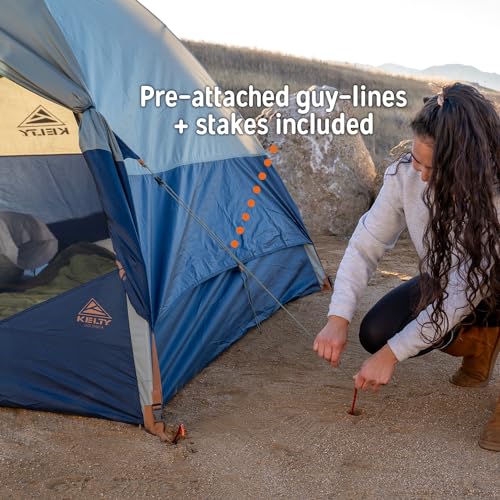
Kelty nailed easy setup with the Late Start 2P, the 2024 refresh with color-coded clips and Quickcorners makes pitching this tent a one-person job in under five minutes. Owners love how foolproof it is, especially when arriving at camp tired or in the dark. The single door and 30 sq ft interior aren’t the most spacious, but it’s enough for two average hikers, and the 43-inch peak height lets you sit up without crouching.
The 68D polyester with 1200mm waterproof rating is decent, not exceptional, fine for fair-weather trips or established trails, but I wouldn’t push it in prolonged downpours. Still, the PFC-free DWR coating is a thoughtful touch for eco-conscious buyers. Compared to the Grand Mesa, it’s lighter and faster to pitch, but less rugged. My pick if you value speed and simplicity over stormworthiness.
Product photos
Clostnature 2P Large Backpacking Tent

Strengths
- Good ventilation
- PU5000 waterproofing
- Freestanding setup
Trade-offs
- Heavier than ultralight rivals
- Bulkier packed size
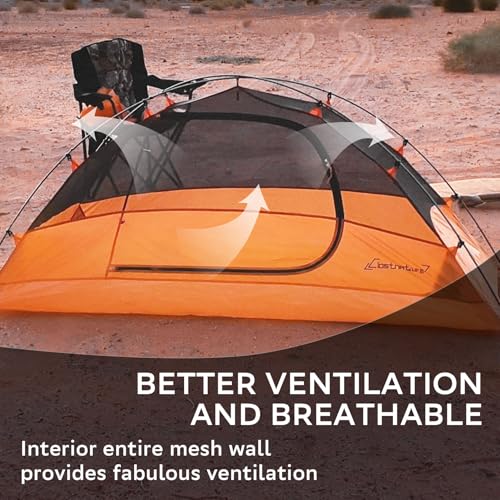
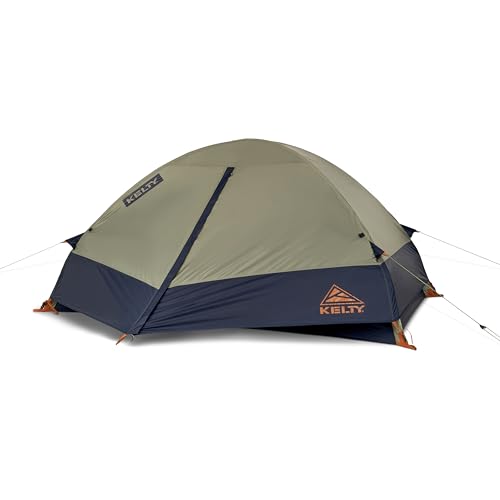
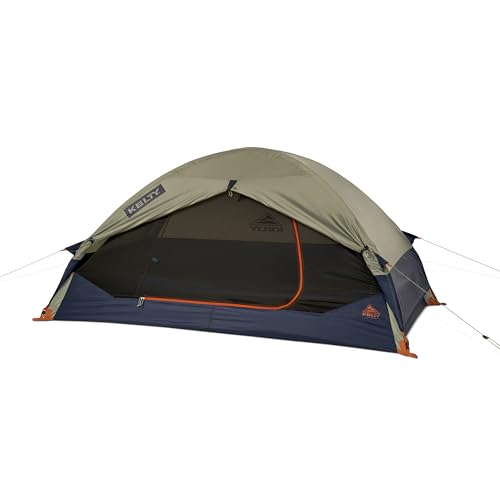
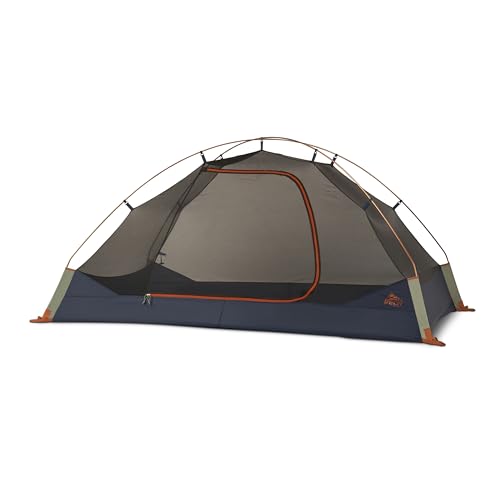
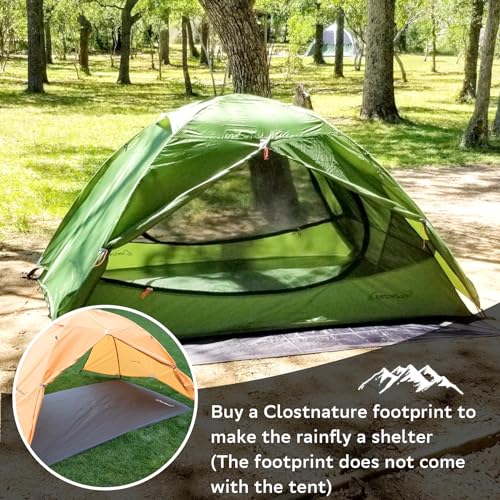
This 2-person tent from Clostnature hits a sweet spot for backpackers who want good ventilation without blowing the budget. The full mesh interior walls and dual D-shaped doors stand out on paper, owners consistently report solid airflow, even on muggy nights, which helps cut down on condensation. That’s a big win in this price range, where many tents skimp on breathability. The PU5000 coating is also a strong spec for wet weather, and factory-sealed seams mean fewer surprises when the rain starts falling.
It’s not the lightest in its class at 5.29 lbs, but the trail weight drops to 4.52 lbs if you’re willing to leave stakes and guylines behind. For casual hikers or those car-camping with a short carry-in, that’s still manageable. The freestanding design with two aluminum poles makes setup straightforward, and reviewers say it’s doable solo in under 10 minutes.
Product photos



BISINNA 2P Lightweight Backpacking Tent

Strengths
- Durable floor fabric
- Stable pole structure
- Double-layer design
Trade-offs
- No footprint included
- Inconsistent seam sealing reports
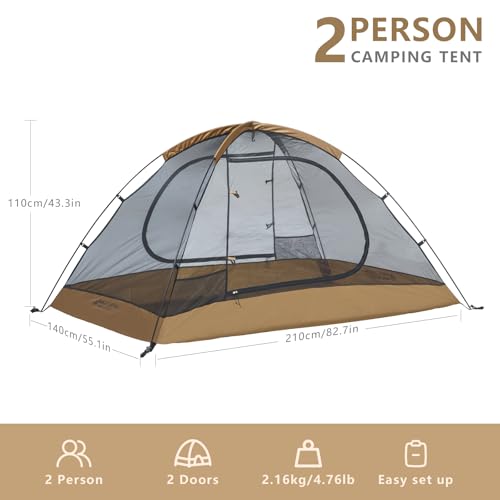
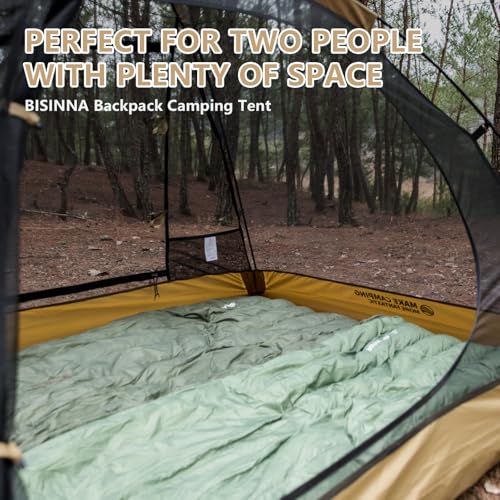
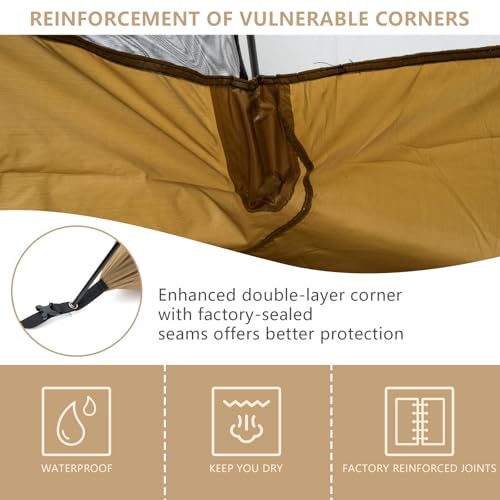
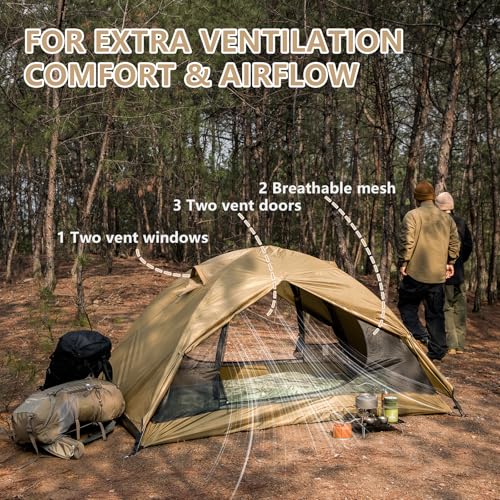
If you’re after a strong value-to-weight ratio, the BISINNA 2-person tent looks like a smart pick on paper. At 4.76 lbs, it’s not ultralight, but it’s competitive for the durability it offers. The 210D Oxford floor stands out, thicker than most in this category, and paired with PU3000 waterproofing, it should hold up well on rough terrain. Owners note it feels sturdier than expected for the price, especially in wind, thanks to the aluminum pole-sleeve construction.
The double-layer design with full mesh inner and two D-doors is standard for modern backpacking tents, but it’s executed well here. I’d still recommend checking the seam taping quality when it arrives, a few reviewers mentioned inconsistencies. Still, for the weight and build, it’s a balanced option if you’re not pushing deep into alpine zones.
Product photos

Clostnature 4P Family Backpacking Tent
Strengths
- Spacious for four
- Strong weather protection
- X-braced pole stability
Trade-offs
- Heavy for true backpacking
- Large packed size
For group backpacking trips, this 4-person Clostnature tent offers surprising capacity at a sub-7.4 lb total weight. At 220×235 cm floor space and dual vestibules, it gives real room for four average-sized adults, or three with gear. Reviewers who’ve used it on family trips say it feels more spacious than many cabin-style car camping tents, despite being marketed for backpacking. The X-braced pole design adds structural integrity, which helps in wind, and the PU5000 coating matches serious weather resistance specs.
But let’s be honest, 7.38 lbs is heavy for carrying more than a mile with a full load. This is really for car-to-trail adventures or group trips where weight is shared. Still, the quick setup and freestanding design make it a solid team shelter. If you’re organizing scout outings or weekend hikes with kids, this could be your go-to.
Product photos
How We Evaluated backpacking tents
As a lifelong tent enthusiast, I approached researching backpacking tents by first compiling a detailed spreadsheet of specifications and features from numerous models. I then cross-referenced this data with owner reviews from major retailers like Amazon and REI, as well as expert opinions from outdoor publications. Rather than a hands-on lab test, this is a research-led comparison of specs and owner feedback, weighted by my experience with backpacking shelters and what truly matters in the field.
For backpacking tents, weight, waterproofness, and usable space are paramount. I prioritized tents that balance these three factors, recognizing that shaving ounces often comes at the cost of durability or roominess. A tent’s ability to withstand weather is crucial, so I gave significant weight to waterproof ratings and construction details. Finally, interior space affects comfort, particularly on longer trips, so a roomy design was a definite plus. You’ll find many excellent options among the top backpacking tent brands currently available.
Specifications reliably indicate waterproof ratings, tent dimensions, and packed weight. However, owner feedback proved invaluable for assessing real-world performance. I paid close attention to comments regarding condensation buildup, ease of setup, and durability over time. Reputations of reputable tent companies also played a role; brands consistently praised for quality and customer service received extra consideration.
What To Look For In backpacking tents
Choosing a backpacking tent can feel overwhelming, but focusing on a few key areas will get you a shelter that’s comfortable and reliable on the trail.
A good backpacking tent balances weight, durability, and weather protection. Key considerations include the denier of the fabric (lower is lighter, but less durable), the waterproof rating of the fly and floor (measured in millimeters – higher is better), and the pole material (aluminum is stronger and lighter than fiberglass). Prioritize a freestanding design for versatility, and look for features like vestibules for gear storage.
Weight & Packability
Weight is obviously critical when you’re carrying everything on your back. I often see people get hung up on the absolute lowest number, but don’t sacrifice durability for a few ounces. Look for tents using lightweight materials like 20D or 30D nylon or polyester, and aluminum poles. Don’t forget to factor in the weight of the footprint (often included, thankfully!), and stakes. If you’re really trying to minimize weight and are willing to trade some comfort, consider a ultralight shelter option as an alternative.
Waterproofing & Weather Resistance
A tent’s waterproof rating (measured in millimeters) tells you how much water pressure the fabric can withstand before leaking. PU coatings are common, but silicone-impregnated fabrics offer better performance and longevity. Beyond the rating, construction matters. Fully taped seams are a must, as water will find its way through any unsealed stitch. The shape of the tent also plays a role; a more aerodynamic design will handle wind better. Don’t underestimate the importance of a good rainfly, extending all the way to the ground to maximize protection.
- A 1500mm rating is generally acceptable for light rain, but I recommend at least 2000mm for reliable protection.
- Look for a bathtub floor construction; this design raises the floor walls a few inches to prevent water from pooling inside.
- The quality of the tent’s zippers and their rain flaps makes a huge difference. Cheap zippers are often the first point of failure and a source of leaks.
Don’t assume a higher price automatically means better waterproofing. Check the specifications carefully, and read owner reviews to see how the tent performs in real-world conditions.
Features & Usability
Beyond the basics, think about the features that will improve your camping experience. Vestibules are essential for storing muddy boots and gear, keeping the inside of your tent clean and dry. Interior pockets help organize small items. A two-door design can be a lifesaver when sharing a tent with a partner. If you’re prioritizing minimal weight, you might find some of these features sacrificed. For those seeking the best balance of weight and features, exploring top lightweight models can yield excellent results. And remember, easy setup can be a huge benefit after a long day on the trail.
Backpacking Tents Compared
Here’s a comparison of key specifications for several backpacking tents to help you make an informed decision.
| Product Name | Capacity | Weight (lbs) | Floor Size (in) | Waterproof Rating (mm) | Pole Material |
|---|---|---|---|---|---|
| Naturehike Cloud Up Pro 2P | 2 | 3.97 | 82.7×49.2 | 4000 | Aluminum |
| Kelty Grand Mesa 2P | 2 | 4.7 | 85×57 | N/A | Aluminum |
| Clostnature 1P Ultralight | 1 | 4.0 | 73×28 | 5000 | Aluminum |
| Marmot Crane Creek 2P | 2 | N/A | N/A | N/A | Aluminum |
| Kelty Late Start 2P | 2 | N/A | N/A | 1200 | N/A |
| Clostnature 2P Large | 2 | 5.29 | 73×47 | 5000 | Aluminum |
| BISINNA 2P Lightweight | 2 | 4.76 | 220×140 | 3000 | Aluminum |
| Clostnature 4P Family | 4 | 7.38 | 73×78 | 5000 | Aluminum |
Frequently Asked Questions
What’s the difference between a 3-season and 4-season backpacking tent?
A 3-season tent is designed for spring, summer, and fall use, prioritizing breathability and lighter weight. 4-season tents are built for winter conditions, with stronger fabrics, more robust pole structures, and less mesh to block wind and trap heat.
How important is a tent footprint, and can I skip it?
While you can skip it, a footprint is highly recommended to protect the tent floor from abrasion and punctures. It extends the life of your tent, as the floor is often the first part to wear out, and adds a layer of waterproofing.
What does a tent’s denier (D) rating tell me?
The denier rating refers to the thickness of the fabric threads; a lower denier (like 20D) means a lighter, more packable tent, but it will generally be less durable than a higher denier (like 70D). You’re always trading off weight for toughness.
If a tent says it’s waterproof to 3000mm, does that mean it can withstand 3 meters of water?
No, that’s a common misconception. The 3000mm rating refers to the amount of water pressure the fabric can withstand before water starts to leak through, and it’s measured in millimeters of a water column. It’s a good indicator of waterproofing ability, but doesn’t translate directly to depth.
I’m looking for a tent for two people. Should I buy a 2-person or a 3-person tent?
While a 2-person tent is more lightweight, I often recommend considering a 3-person tent if you prioritize comfort or plan to store a lot of gear inside. You’ll find the top two-person backpacking tents offer a good balance, but a bit of extra space can make a big difference on longer trips.
The Bottom Line
Choosing a backpacking tent always comes down to balancing what you’re willing to carry versus how much space and protection you want. For the best overall combination of weight, weather resistance, and livability, I confidently recommend the Naturehike Cloud Up Pro 2P. It consistently receives positive feedback for its robust construction and spacious interior, making it a solid choice for most backpacking adventures.
If you’re on a tighter budget, the Kelty Grand Mesa 2P offers a reliable shelter without breaking the bank. For solo adventurers prioritizing ultralight performance, the Clostnature 1P Ultralight is a fantastic option, though you’ll need to be comfortable with a more minimalist setup. Ultimately, understanding your individual needs – whether that’s maximum space, minimal weight, or a family-sized shelter like the Clostnature 4P Family – will guide you to the right tent.
At the end of the day, specs are helpful, but a tent’s true value lies in its ability to keep you dry, comfortable, and safe on the trail. Don’t get too caught up in chasing the lightest weight or highest waterproof rating; focus instead on a well-constructed tent that fits your body, your trip style, and your budget. Really consider all the factors in tent selection before making your final decision.