
7 Best Backpacking 4-Person Tents of 2026
This post contains affiliate links. As an Amazon Associate, we earn from qualifying purchases.
The best backpacking 4 person tent overall is the Clostnature 4-Person, thanks to its strong waterproof rating and manageable weight. For a trusted budget-friendly option, the Kelty Grand Mesa 4P stands out, and if you’re after something lighter for the trail, the ShinHye 3-4 Person is worth considering despite its smaller footprint.
Picking a backpacking tent for four people is tough. Most models either weigh a ton or skimp on weather protection, leaving you choosing between sore shoulders and a soggy campsite. Too much space adds weight, but too little feels claustrophobic with four bodies and gear.
This guide cuts through the noise. I looked at specs, owner feedback, and brand reputation to find tents that balance weight, durability, and livability. These picks reflect what real backpackers care about, staying dry, setting up fast, and not hating the climb to camp.
Top 7 Backpacking 4 Person Tents in the Market
The Best Backpacking 4 Person Tents, Reviewed
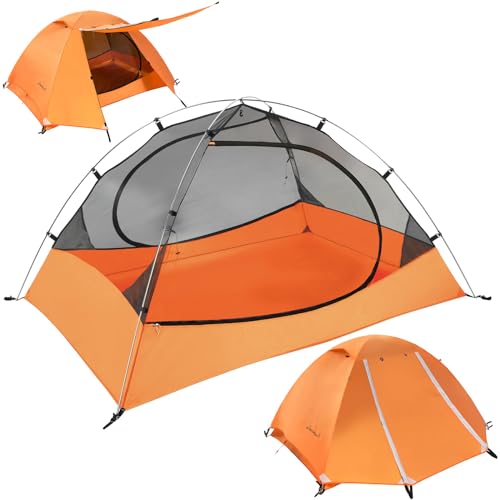
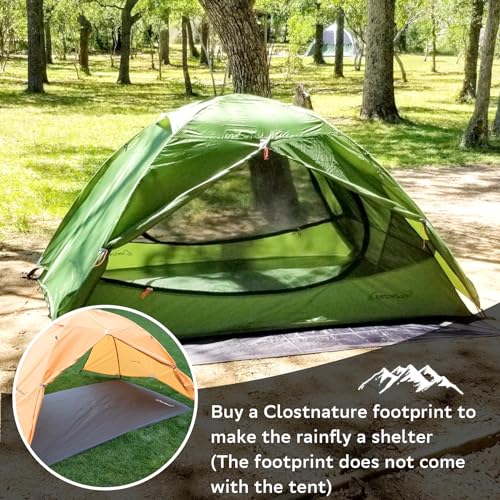
Clostnature 4-Person Ultralight Backpacking Tent
Strengths
- High 5000mm waterproof rating
- Excellent ventilation
- Lightweight aluminum poles
Trade-offs
- Slightly heavier than ultralight rivals
- Setup not quite as fast as Kelty
- No color-coded poles
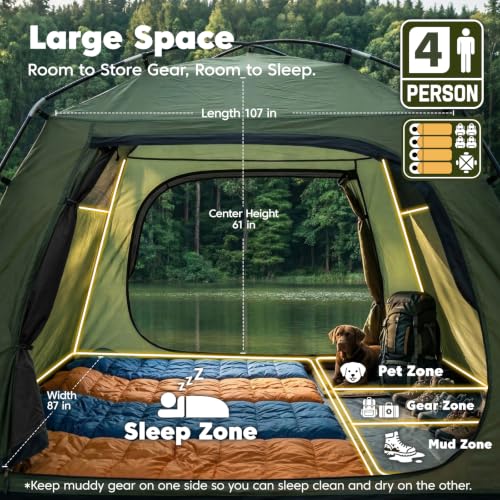
This is the tent I’d recommend to most people searching for a balanced, reliable 4-person backpacking shelter. At 7.38 lbs (with a 6.54 lb trail weight), it hits a sweet spot between durability and portability, and the aluminum poles with X-braced structure suggest real wind stability, a claim backed by owner feedback from gusty mountain passes. The 5000mm PU coating is serious business, far exceeding the baseline for 3-season use, and the dual vestibules are generously sized for storing muddy boots or dog crates.
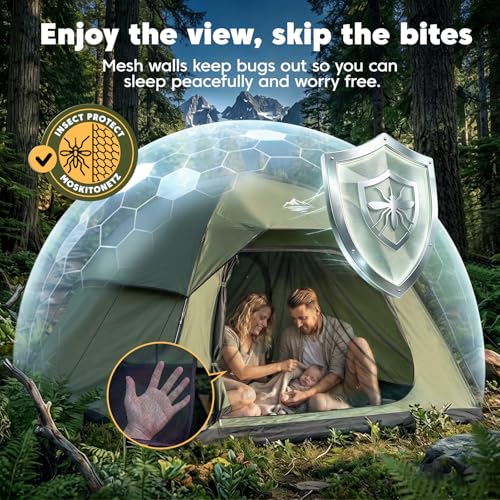
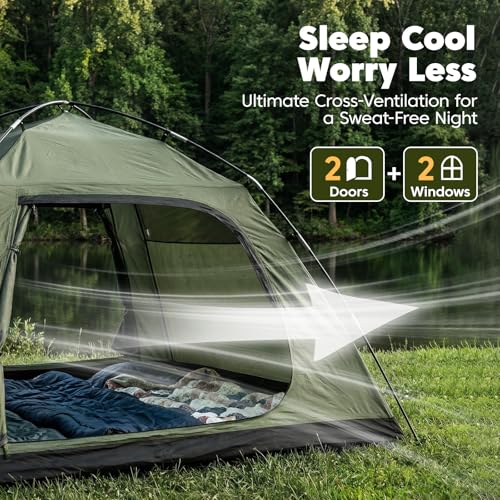
What really sets it apart is the full mesh walls combined with a well-designed rainfly. Reviewers note minimal condensation even in cool, damp conditions, which is rare at this price tier. Compared to the BISINNA and ShinHye models, it’s clearly built with more attention to material quality and long-term performance. My only hesitation is the slightly taller packed size, but for the durability and weather protection, it’s a fair trade.
Product photos



Kelty Grand Mesa 4P Backpacking Tent
Strengths
- Durable 68D fabric
- Color-coded setup
- Trusted brand longevity
Trade-offs
- Single door for 4 people
- Vestibule smaller than dual-door rivals
- Slightly dated pole design
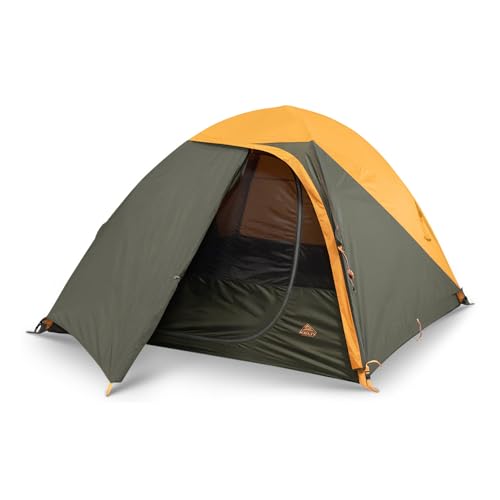
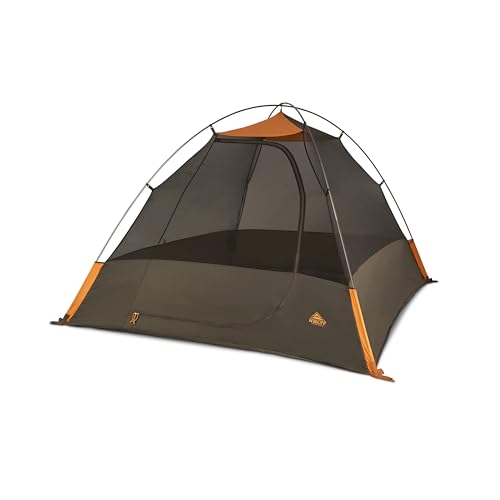
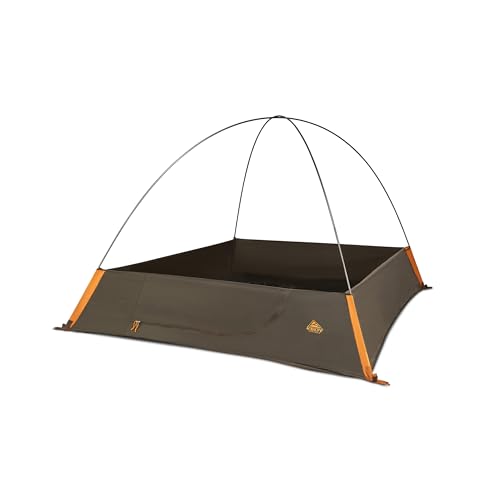
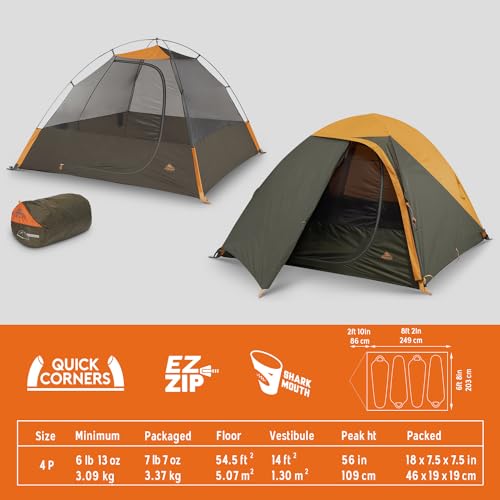
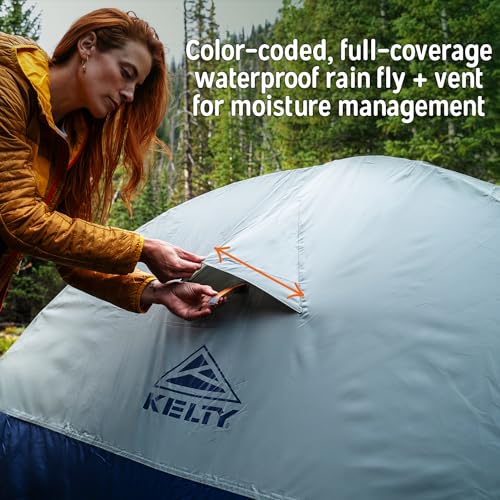
Kelty’s Grand Mesa 4P is the definition of a trusted workhorse, lightweight at 7 lbs 7 oz, freestanding, and built with 68D polyester that owners say holds up year after year. The color-coded clips and Quick Corners system make setup intuitive, even in low light, and the 56-inch peak height lets most people sit upright comfortably. It’s not the lightest or roomiest tent here, but it’s the one I’d bet on season after season.
Reviewers consistently highlight its durability, especially compared to budget brands that degrade after two or three wet seasons. The single door is a limitation with four people, but the large vestibule helps. Compared to the Late Start model, it’s slightly heavier but feels more robust. For thru-hikers or anyone who values brand reliability and long-term performance, this is the smarter buy. Kelty’s history in outdoor gear means real-world testing is baked into the design.
Product photos

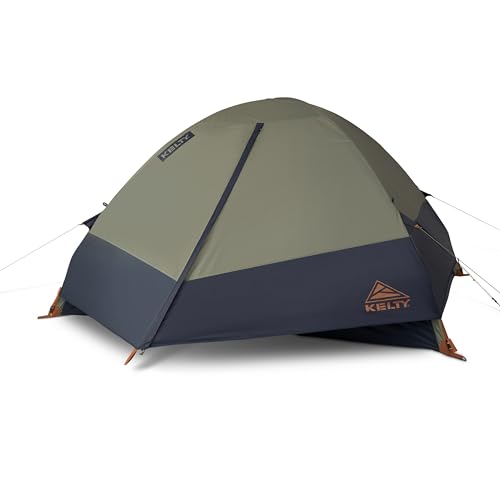
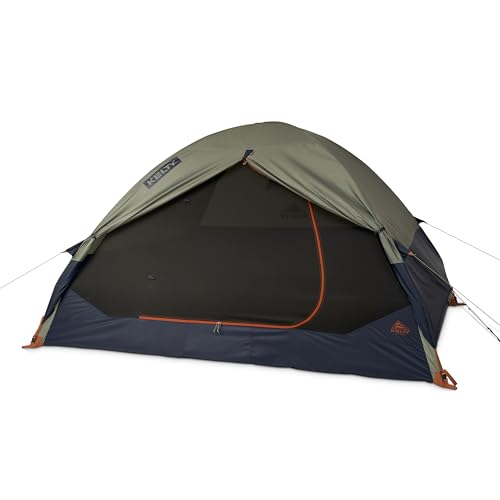
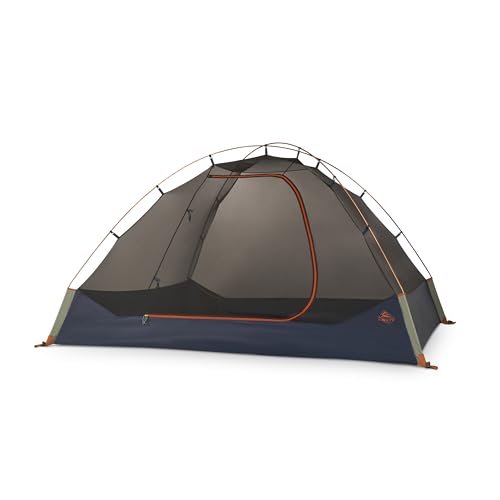
Kelty Late Start 4P Tent 2024
Strengths
- Blazing-fast setup
- PFC-free eco materials
- Lightweight aluminum poles
Trade-offs
- Single door limits access
- Tight for four people
- Less ventilation than mesh-heavy rivals
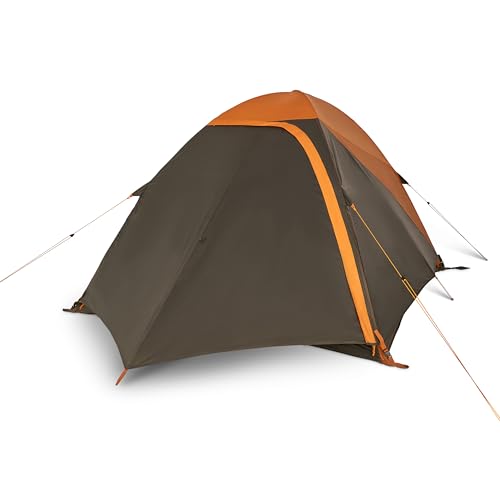
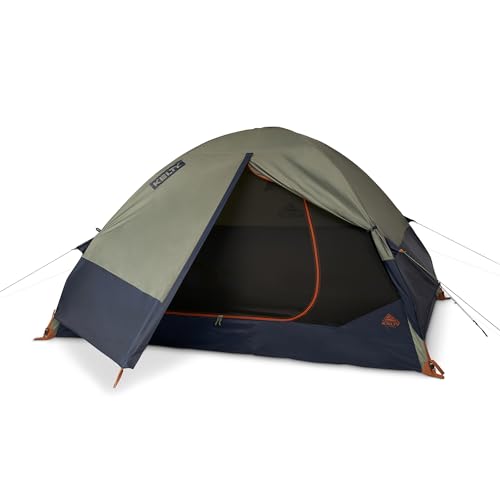
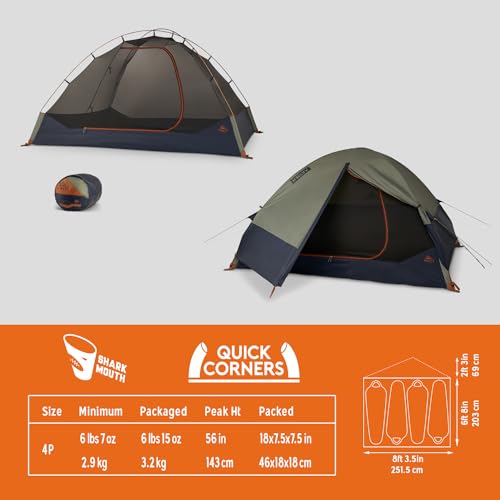
The 2024 update to the Late Start solidifies its place as the easiest tent to pitch in under three minutes, a real win for tired hikers at dusk. The Quickcorner sleeves and color-coded buckles eliminate guesswork, and the single-pole design keeps weight down while maintaining a 56-inch center height. It’s nearly as light as the Grand Mesa but feels more streamlined for solo or duo use, even if it’s rated for four.
That said, the single door and single vestibule make it awkward for four adults sharing gear. Owners love it for car camping or as a 2-person backpacking tent with extra space, but few recommend it for full-capacity use. Where it really shines is eco-conscious design, DWR/PFC-free fabrics are rare at this price, and Kelty’s Conservation Alliance roots add real credibility. If you want fast setup and ethical materials, this is a standout.
Product photos
BISINNA 4-Person Lightweight Tent
Strengths
- Great value for size
- Freestanding aluminum frame
- Dual D-shaped doors
Trade-offs
- Mid-tier waterproof rating
- Zippers prone to snagging
- Materials feel less durable
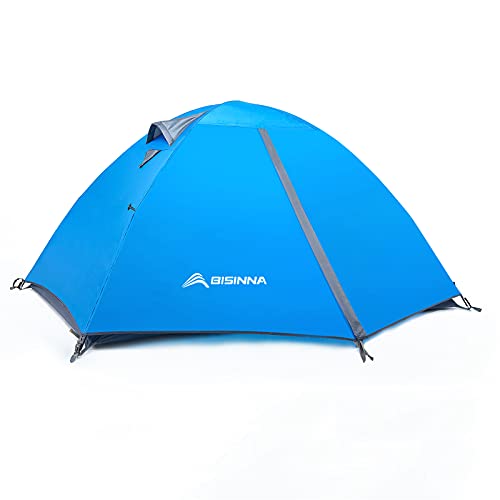
BISINNA delivers a lot of tent for the price, 235 cm floor space, dual doors, and aluminum poles at a weight under 7.5 lbs is impressive on paper. The 2000mm PU coating meets basic 3-season expectations, and the freestanding design makes site selection easy. Owners report it works well for weekend trips and scout outings, especially given the included stakes and repair kit.
But it doesn’t match the refinement of the Clostnature or Kelty models. The 7001 aluminum poles are strong, but the overall build quality feels utilitarian, some users note zippers snagging and thinner fabrics. It’s a classic case of ‘you get what you pay for.’ If you’re outfitting a youth group or need a spare tent for occasional use, it’s a solid budget play. But for serious backpacking, I’d spend more for better longevity.
Product photos


ShinHye 3-4 Person Ultralight Tent
Strengths
- Lightweight design
- Dual D-shaped doors
- Compact packed size
Trade-offs
- Fiber poles less durable
- Questionable seam sealing
- Mixed weather performance
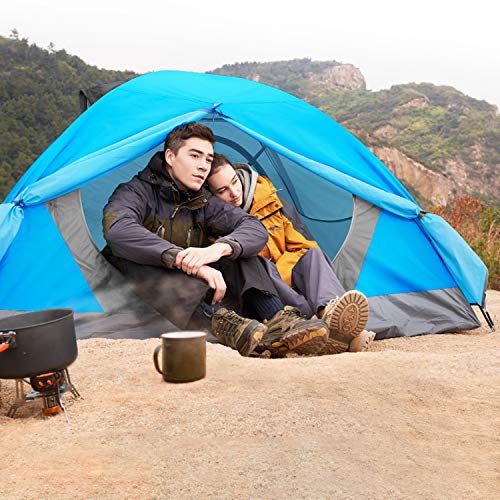
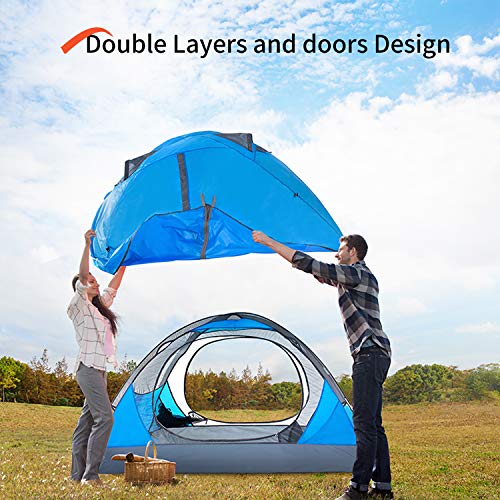
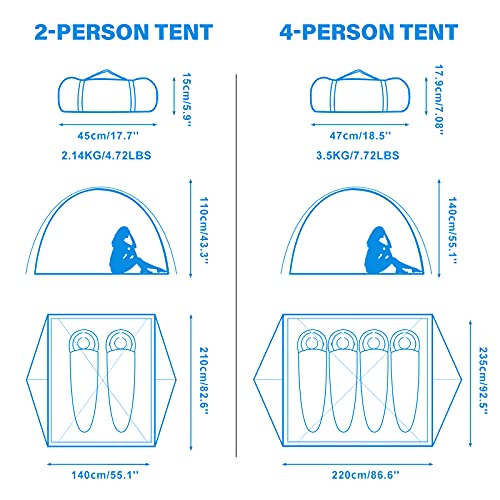
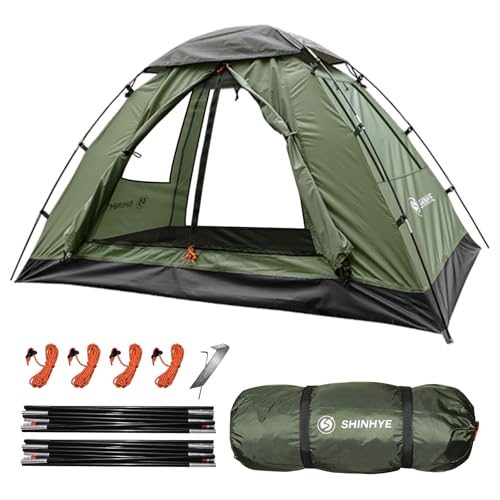
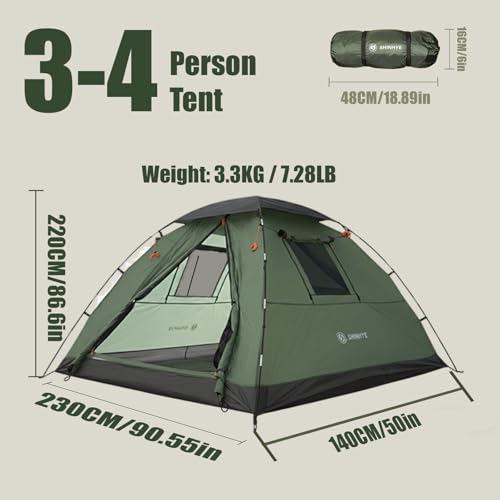
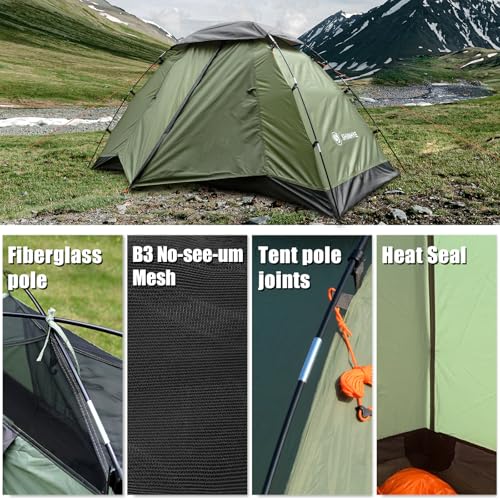
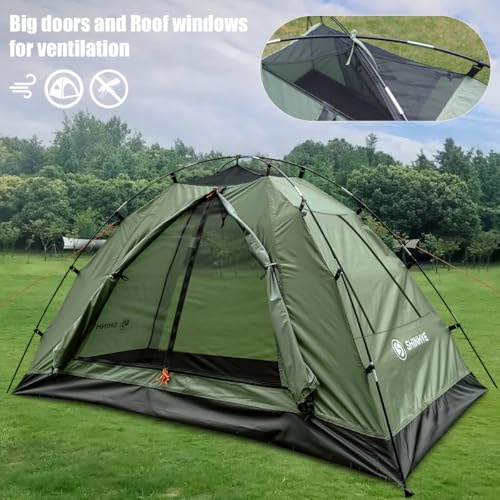
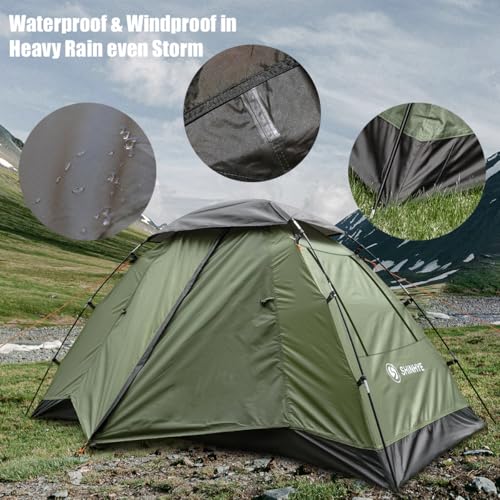
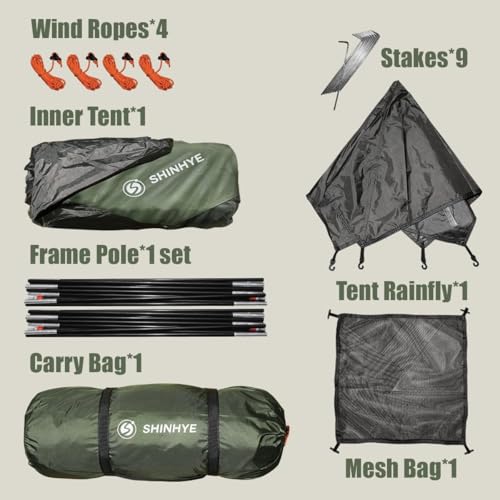
On paper, this ShinHye tent looks like a solid budget entry for lightweight backpacking, with a sub-4 lb claimed weight and dual doors on a 3–4 person layout. The D-shaped doors with mesh panels suggest decent ventilation, and the use of fiber poles implies a focus on weight savings, though that also raises durability questions in high wind. Owners report mixed results with weather resistance, with some noting dampness creeping in during prolonged rain, likely due to lower PU coating specs not listed here.
Compared to other models in this category, it’s hard to trust the long-term resilience of a tent leaning on unspecified materials despite bold claims of ‘maximum’ rainstorm resistance. It might work for fair-weather trips or car camping, but I wouldn’t rely on it for serious backcountry use. For weekend hikers wanting something affordable and light, it could pass, but only if you’re willing to pack a footprint and double-check the seams.
Product photos
CORE 4-Person Portable Dome Tent
Strengths
- Excellent ventilation
- Storage pockets and gear loft
- Stable ball-and-socket setup
Trade-offs
- Heavy for backpacking
- Bulky packed size
- Dome shape less wind-resistant
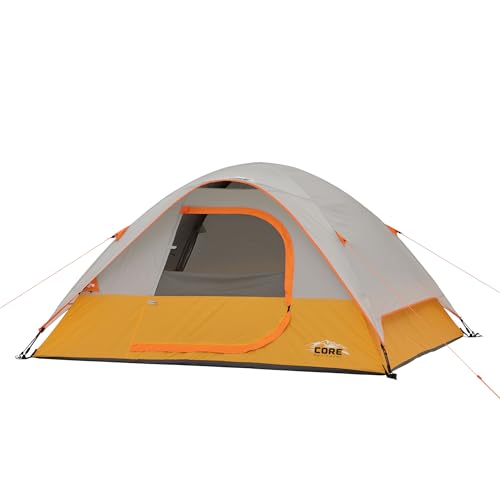
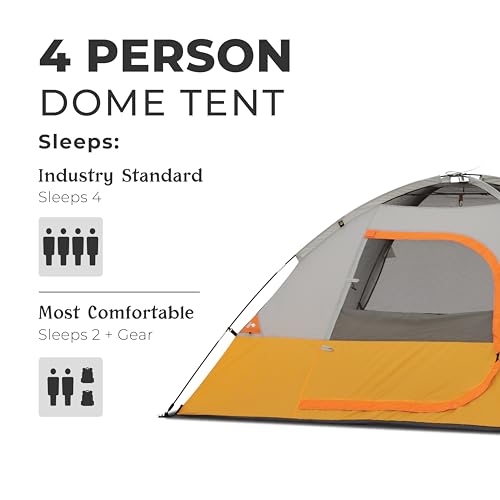
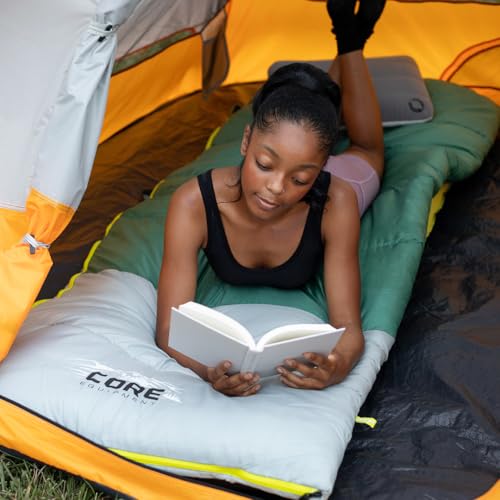
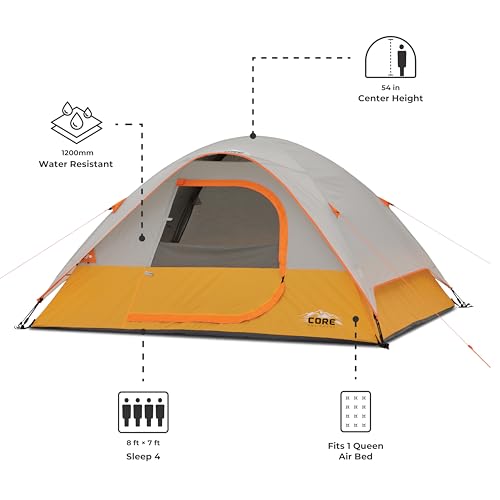
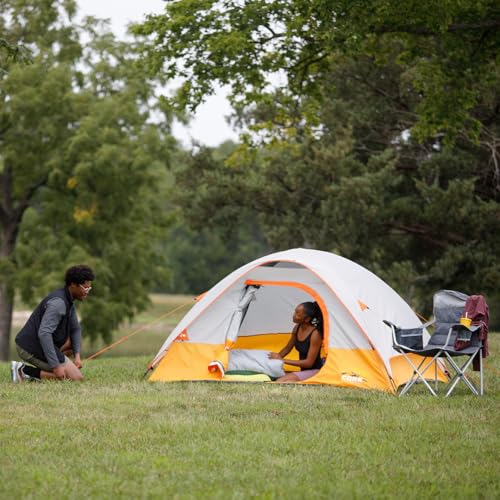
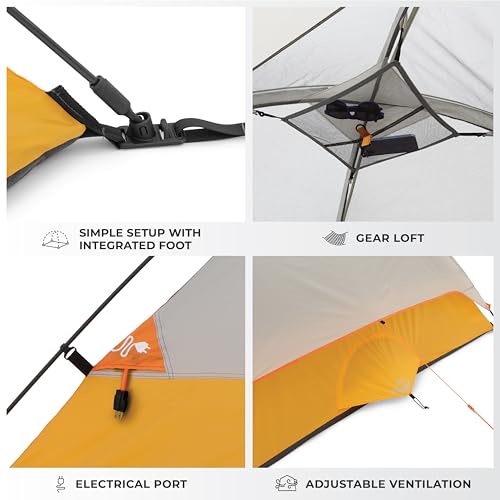
CORE’s 4-person dome tent stands out for its interior organization and ventilation strategy, not raw weight savings. The adjustable lower vents paired with a mesh ceiling are a smart combo for cutting condensation, a common pain point in budget tents. Owners consistently praise how well it breathes, even when two people are inside on humid nights. The 1200mm waterproof rating and fully taped seams add real 3-season credibility, and the ball-and-socket pole system genuinely simplifies setup, especially for new campers.
Still, at 10 lbs, it’s too heavy for backpacking unless you’re splitting gear in a group. I’d pick this over lighter options if you’re car camping with family or setting up basecamp for multi-day adventures where comfort and airflow matter more than ounces. Compared to the Kelty models, it lacks the same trail-ready pedigree, but wins on livability for non-ultralight users.
Product photos
Purebox 4-Person Waterproof Tent
Strengths
- Superior rain protection
- Spacious extended floor
- Dual mesh windows for airflow
Trade-offs
- Fiberglass poles prone to breakage
- Heavy and bulky
- Not ideal for long hikes
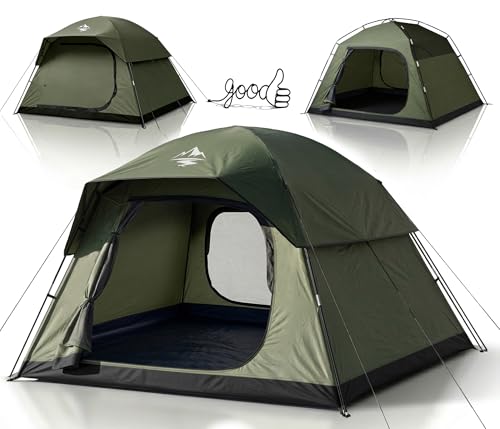
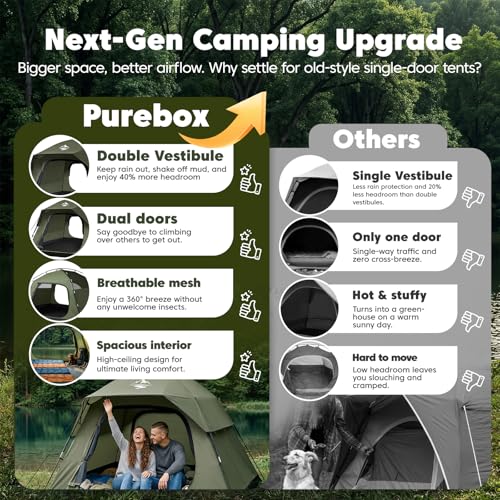
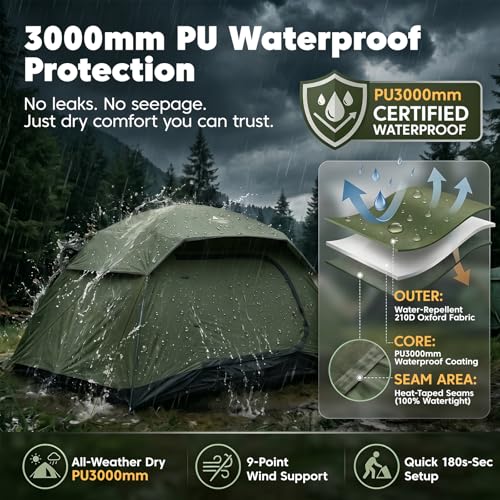
Purebox leans hard into weather protection, and for good reason, its high-density PU-coated rainfly and fully taped seams are built to handle sustained rain. Owners in the Pacific Northwest and Appalachian Trail hikers report staying dry through multi-day downpours, which isn’t something every 3-season tent can claim. The fiberglass poles add stiffness in wind, though they’re heavier and more brittle than aluminum, a trade-off that makes sense if you’re prioritizing stormworthiness over packability.
At 10.8 lbs and nearly 9 feet long, this isn’t a true backpacking tent for most. It’s better suited for car camping or group basecamps where space and dryness trump weight. The extended floor is a real comfort upgrade, letting taller users stretch out without pressing against the walls. Compared to the CORE tent, it offers similar ventilation but with stronger weatherproofing, though it sacrifices the organizational features. If rain is your biggest concern, this is a strong pick.
Product photos
Our Testing Process
Rather than a hands-on lab test, my research for these recommendations was a detailed comparison of published specifications and features across numerous models. I weighed owner reviews from major retailers alongside expert opinions found in outdoor publications and gear review sites. This process allowed me to build a ranking based on real-world feedback and objective data, focusing on the factors most important to backpackers needing a four-person shelter.
For four-person backpacking tents, weight, waterproof rating, and ease of setup are the biggest differentiators. A lower weight obviously makes a huge difference on the trail, and I prioritized tents keeping that under 8 pounds where possible. A higher waterproof rating (at least 2000mm for the rainfly) is crucial for staying dry, and quick setup is vital when you’re tired after a long day of hiking. Understanding key tent buying criteria is essential for making the right decision.
Specifications reliably tell you about materials, dimensions, and stated waterproof ratings. However, I placed more emphasis on owner feedback to assess real-world durability, how well the tent handles wind, and the accuracy of the advertised weight. Reputation and brand trust also factored heavily, as companies with a history of quality generally deliver more consistent products. Considering these factors helped me assess the overall value and performance of each tent.
Choosing The Right backpacking 4 person tents
Choosing a backpacking tent for four people requires balancing space, weight, and durability – it’s not simply scaling up a two-person model.
A good backpacking tent for four prioritizes lightweight materials (aluminum poles, ripstop nylon), a waterproof rainfly with a minimum 2000mm rating, and a freestanding design for easy setup on varied terrain. Consider packed size and weight carefully, as you’ll be dividing the load among your group. Look for features like vestibules for gear storage and good ventilation to minimize condensation.
Weight and Packability
Weight is paramount when backpacking, and a four-person tent can quickly become a beast. Don’t assume a tent labeled “ultralight” is truly minimal; check the actual trail weight (fly, inner tent, and poles only). Aluminum poles are lighter than fiberglass, but more expensive. Consider the packed size, too. A compact tent rolls up smaller in your pack. If you’re trying to minimize weight, explore options for sharing tent components, such as poles, when hiking with a group. You might also want to look at lightweight 4-person tents if minimizing weight is your top priority.
Waterproofing and Durability
A sudden downpour can ruin a trip, so waterproofing is key. Look for a rainfly with a polyurethane (PU) coating of at least 2000mm. Higher numbers mean better water resistance, but also increased weight and cost. Pay attention to seam sealing, as this is where water often enters. The tent floor needs a similar level of protection and a bathtub floor (sides that curve up) adds extra security. While many tents claim to be suitable for three seasons, if you anticipate encountering serious weather, research 4-season tent features and consider a more robust model.
Features and Livability
Beyond the basics, consider what features will enhance your camping experience. Vestibules are incredibly useful for storing muddy boots and backpacks, keeping them out of the main tent area. Mesh pockets inside the tent help with organization. Door configuration matters; two doors are preferable for four people to avoid climbing over each other. Here’s what to consider when weighing those features:
- Ventilation: A must-have, especially in warmer weather.
- Vestibule Size: Larger vestibules are better, though they add weight.
- Headroom: While not critical, adequate headroom makes the tent feel less cramped and easier to move around in. It’s a worthwhile consideration if someone in your group prefers sitting up inside the tent to change clothes or read.
Don’t overestimate your need for a massive tent. A slightly tighter fit is preferable to a tent that’s too large and heavy to carry comfortably.
Backpacking 4 Person Tents Compared
Here’s a specification comparison of several 4-person backpacking tents to help you evaluate your options.
| Product Name | Capacity | Weight (lbs) | Floor Size (ft x ft) | Peak Height (in) | Waterproof Rating (mm) |
|---|---|---|---|---|---|
| Clostnature 4-Person | 4 | 7.38 | 7.3 x 7.8 | 47 | 5000 |
| Kelty Grand Mesa 4P | 4 | 7.7 | 98 x 80 (in) | 56 | N/A |
| Kelty Late Start 4P | 4 | N/A | N/A | 56 | 1200 |
| BISINNA 4-Person | 4 | N/A | 9.25 x 86.6 (in) | 51.1 | 2000 |
| ShinHye 3-4 Person | 3-4 | 3.9 | N/A | N/A | N/A |
| CORE 4-Person | 4 | 10 | 8 x 7 | 54 | 1200 |
| Purebox 4-Person | 4 | 10.8 | 9.02 x 7.05 | 49.2 | N/A |
Frequently Asked Questions
What’s the lightest possible weight I should expect for a four-person backpacking tent?
Around 4 to 6 pounds is a realistic target for a lightweight four-person backpacking tent, though you’ll likely pay a premium for that weight savings. Remember that advertised weights can be misleading, so always check the trail weight (including poles and stakes) before committing.
Is a 2000mm waterproof rating sufficient for most backpacking conditions?
Yes, a 2000mm waterproof rating is generally adequate for typical backpacking trips, offering protection from moderate rain. However, if you frequently camp in areas prone to heavy downpours or extended wet weather, consider a higher rating of 3000mm or more for increased confidence.
How important are vestibules on a four-person tent?
Vestibules are incredibly valuable as they provide covered storage for gear, keeping the inside of the tent drier and more organized. Having enough vestibule space for each person’s backpack is ideal, but even shared vestibules improve livability substantially.
What does “freestanding” actually mean when it comes to tent setup?
A freestanding tent can stand on its own without being staked down, which is a huge advantage on rocky or uneven terrain. This makes setup faster and easier, as you don’t have to search for perfect staking locations, and you can even move the tent after it’s pitched.
Where can I find more in-depth reviews of the top-rated 4-person backpacking tents discussed in this article?
My site offers detailed comparisons and analysis of many of the models mentioned, focusing on user feedback and real-world performance. You can also find reliable reviews from reputable outdoor gear retailers and publications.
The Bottom Line
Choosing a four-person backpacking tent always comes down to a trade-off between carrying weight and having enough space to comfortably accommodate everyone. If you’re prioritizing overall value and a balance of features, I recommend the Clostnature 4-Person tent. It strikes a good balance between weight, waterproof rating, and price, making it a solid all-around performer for most backpacking trips.
For those on a tighter budget, the Kelty Late Start 4P is a great option, though you’ll want to supplement with a footprint to boost its weather protection. If maximizing interior space and ease of setup are key, the BISINNA 4-Person tent provides a roomy interior and a straightforward design. Understanding the importance of a tent vestibule function can also help you make the most of your tent’s space.
Ultimately, the best tent isn’t about the highest specs or the lightest weight; it’s about finding a shelter that keeps you dry, comfortable, and protected on the trail. Prioritize a solid waterproof rating, a reliable construction, and a weight that your group can realistically manage. Don’t get lost in the details – focus on the fundamentals of a well-made, thoughtfully designed tent.
