
8 Best Four Person Tents of 2026
This post contains affiliate links. As an Amazon Associate, we earn from qualifying purchases.
The Mimajor 4 Person Instant Tent stands out as the best overall four-person tent, thanks to its fast setup and solid weather protection, while the Coleman Skydome Dark Room Tent is a strong budget-friendly pick for families who value blackout comfort. For backpackers or those prioritizing weight, the Kelty Late Start 4P offers surprising livability in a lighter package.
If you’ve ever tried squeezing four people and their gear into a tent that promised space but delivered nothing but elbow jabs and claustrophobia, you know how crucial the right shelter is. Too many so-called “four-person” tents are marketed as spacious but end up feeling cramped and uncomfortable.
This guide cuts through the hype, focusing on real dimensions, weather resistance, and usability based on specs and owner feedback. I looked at what actually matters when you’re sharing a tent with three others, space to breathe, protection from rain, and a design that won’t frustrate you at the end of a long day.
Top 8 Four Person Tents in the Market
The Best Four Person Tents, Reviewed
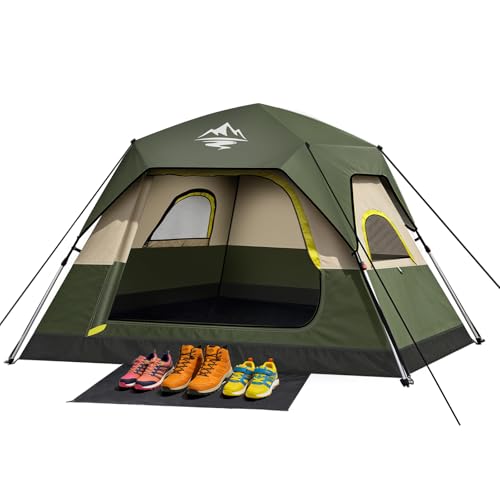
Mimajor 4 Person Instant Camping Tent
Strengths
- Blazing fast setup
- Excellent ventilation
- High waterproof rating
Trade-offs
- Heavy for backpacking
- Bulky when packed
- Rainfly must be removed for stargazing
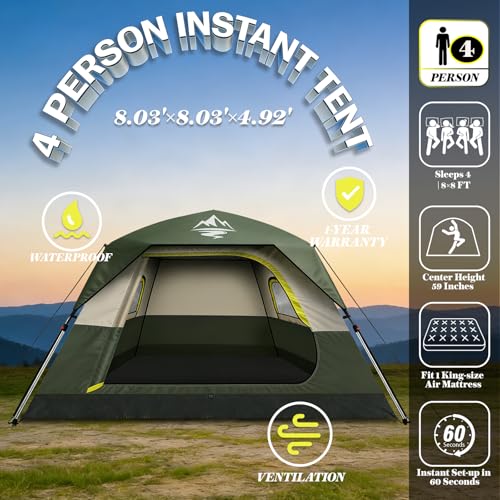
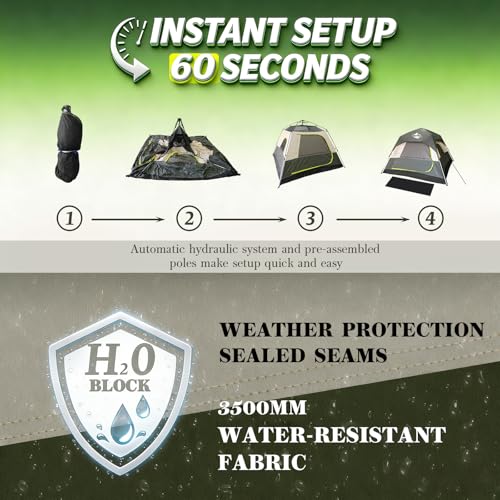
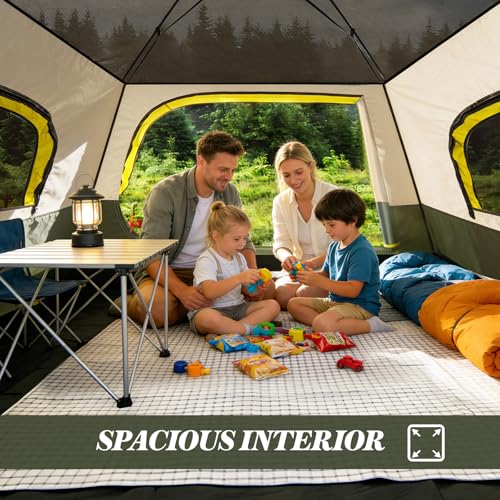
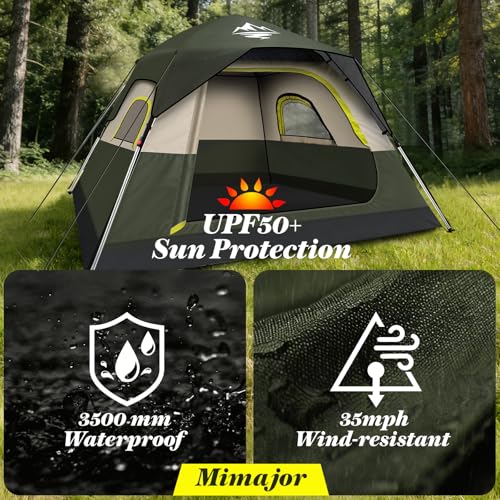
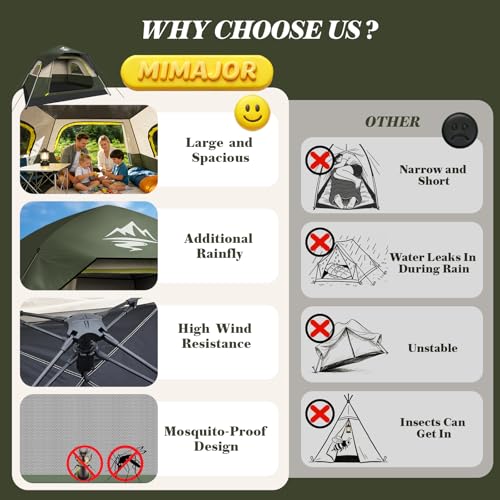
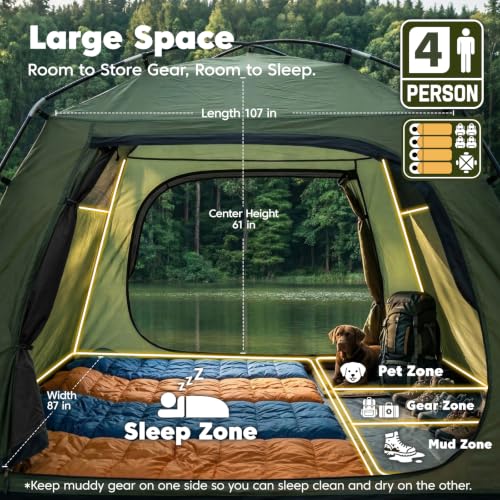
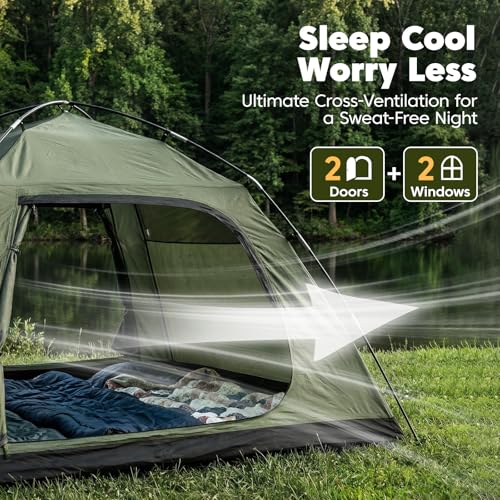
This is the tent I’d grab for a last-minute family trip or a festival where setup speed and comfort matter most. The 60-second pop-up mechanism with pre-attached poles works as advertised, owners love how little effort it takes. The 8′ x 8′ footprint and 59″ height offer standout space, easily fitting a king airbed with room to stand. And unlike many instant tents, the ventilation is impressive: three large mesh windows plus a full ceiling panel create real cross-flow, cutting down on that muggy, trapped-air feeling.
The 3500mm waterproof rating and taped seams are top-tier for this class, and the 19 stakes plus 11 guylines suggest serious attention to wind stability. The welcome mat is a small but thoughtful touch, keeps dirt out and adds comfort at the entrance. At 15.4 lbs, it’s not for backpacking, but for car campers, this is the closest thing to a “best overall” pick.
Product photos
LOYEAHCAMP 4 Person Blackout Camping Tent
Strengths
- 99% UV protection
- High headroom
- Good ventilation design
Trade-offs
- Single door
- Fiberglass frame
- Black fabric absorbs heat if rainfly not used
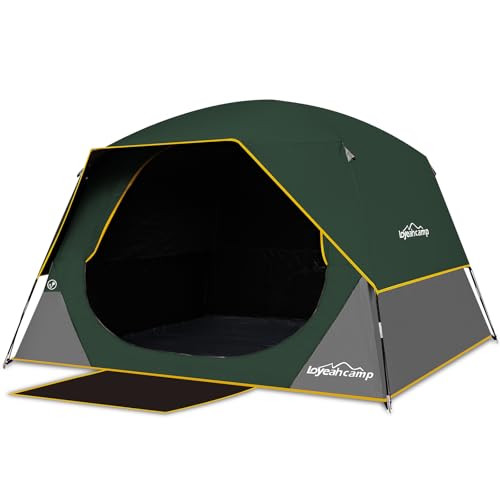
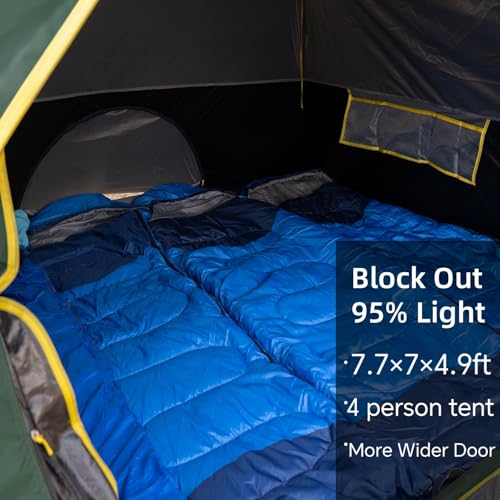
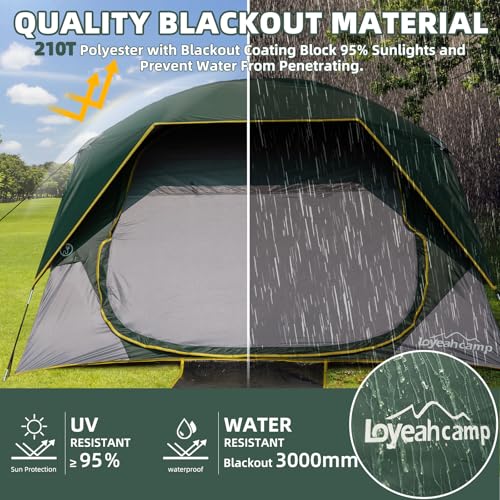
If sun protection and privacy are your top concerns, this blackout tent delivers. The fabric blocks 99% of UV rays and keeps the interior noticeably cooler, owners say it feels like stepping into a cave on a hot day. The nearly vertical walls give 20% more headroom than standard domes, and the 59″ peak height lets most adults stand comfortably. The “chimney effect” ventilation with roof and side vents works well to move hot air out, though the single door limits airflow compared to dual-door models.
Setup is quick, two people can do it in five minutes, and the 3000mm waterproof coating handles rain without issues. But the fiberglass poles, while strong, aren’t ideal for high-wind zones. The real win here is comfort in sunny conditions: if you’re camping in the Southwest or hate waking at first light, this tent is worth the slight trade-offs.
Product photos



Purebox 4 Person Double Layer Tent
Strengths
- Dual-door ventilation
- Lightweight
- Fully taped seams
Trade-offs
- Fiberglass poles
- Not instant setup
- Slight learning curve
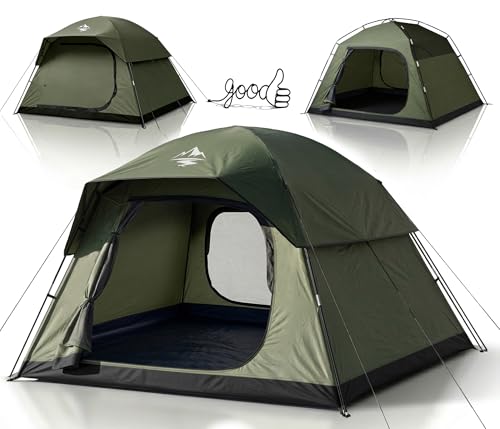
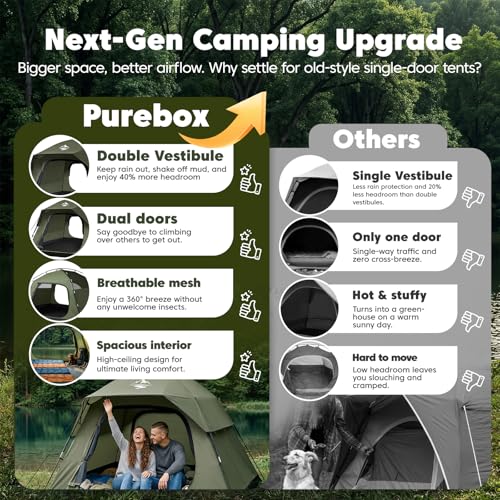
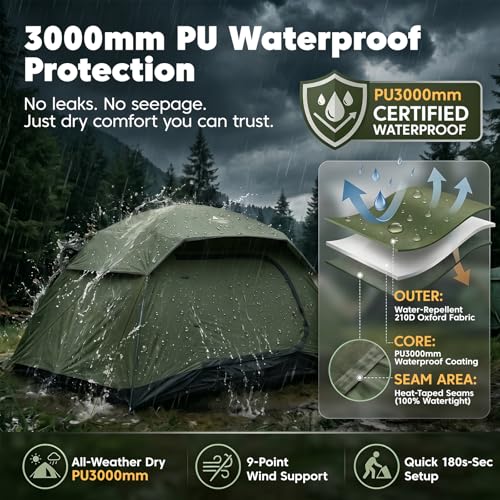
This tent stands out for delivering serious ventilation and weather protection at a modest weight. The dual doors and mesh windows create excellent airflow, owners consistently report low condensation, even on humid nights. The fully taped seams and high-density PU coating handle rain well, making it a dependable 3-season shelter. At just 10.8 lbs, it’s one of the lighter 4-person options, and the compact carry bag makes it easy to toss in a car or hike short distances.
The 9′ x 7′ floor is slightly longer than average, which helps with gear storage. Setup is straightforward with the sleeve-pole system, though it’s not instant, two people make it faster. The fiberglass poles are durable enough for most conditions but won’t match aluminum in high winds. Still, for the balance of breathability, weight, and weather resistance, this is a quietly impressive pick.
Product photos

Coleman Skydome Dark Room Tent
Strengths
- Blocks 90% sunlight
- Spacious floor plan
- WeatherTec protection
Trade-offs
- Low headroom
- Fiberglass poles
- Heavy for portability
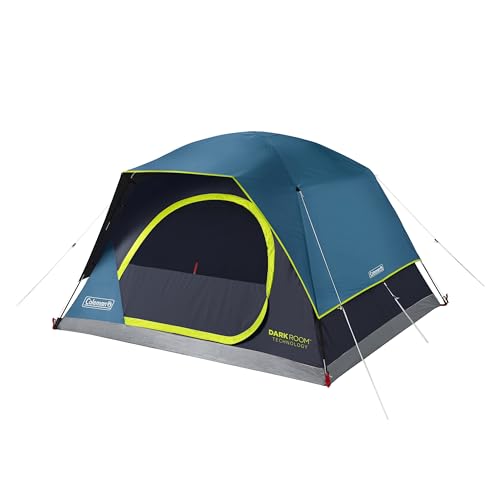
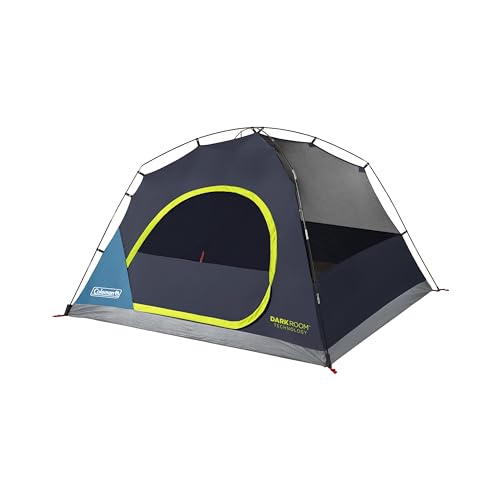
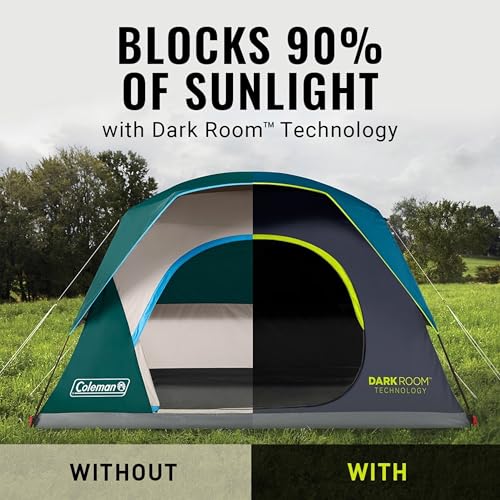
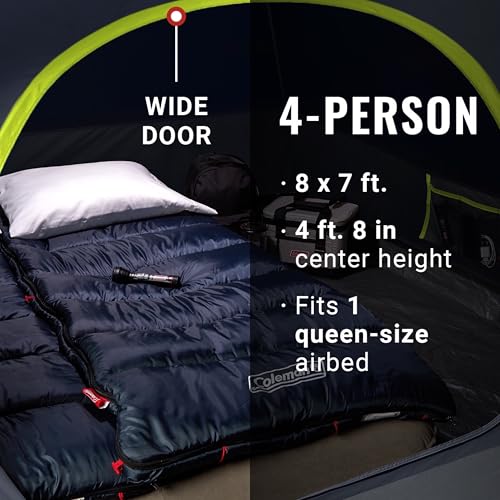
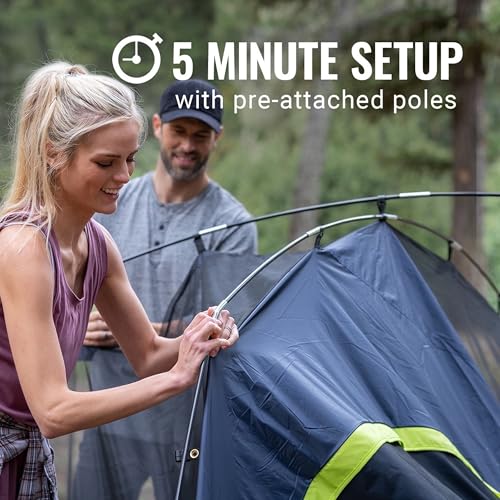
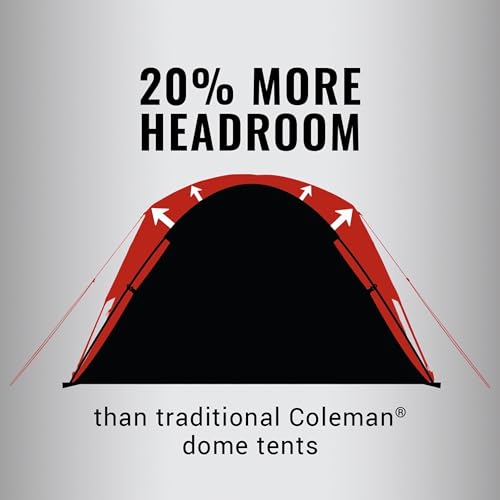
Coleman’s Dark Room tech is legit, this tent blocks about 90% of sunlight, making it the go-to if you or your kids like to sleep in. The near-vertical walls add 20% more usable space than older dome models, and the 8′ x 7′ floor can fit a queen airbed with room to spare. Setup takes under five minutes thanks to pre-attached poles, and the WeatherTec system with welded corners and a tub floor has a solid reputation for keeping water out.
But the 4’8″ center height means you’ll be crouching, not standing. And while it handles wind up to 35 mph in testing, the fiberglass poles aren’t as sturdy as aluminum in gusty conditions. Still, for car camping with kids or lazy weekenders who hate waking at dawn, this tent’s dark interior is a real quality-of-life upgrade. I’d pick it over standard models for morning comfort any time.
Product photos
FanttikOutdoor Zeta C4 Pro Instant Tent

Strengths
- Fastest setup
- 360-degree visibility
- Lightweight for class
Trade-offs
- Mesh inner roof requires rainfly
- Steel frame less durable than aluminum
- Not for heavy rain or cold weather
If “pitch it and forget it” is your camping style, this 60-second instant tent is a strong contender. The pre-attached poles and seamless construction deliver on the speed promise, most owners say they’re done before their kids stop complaining. The 4-sided mesh windows and ceiling screen offer great views and airflow, and the floor vents help create that “chimney effect” to reduce condensation. At 59″ tall and 8′ x 8′, it’s roomy enough for two with gear or a quick queen airbed.
But there’s a catch: the inner roof is mesh, not waterproof, so the rainfly is essential in wet weather. And while it’s rated for 35 mph winds, the carbon steel frame isn’t as resilient as aluminum in prolonged storms. Still, for fair-weather camping or glamping, where speed and comfort trump ruggedness, this tent shines. It’s lighter than most instant cabins at 14.5 lbs, which helps.
Product photos


Kelty Late Start 4P Backpacking Tent
Strengths
- Lightweight
- Fast one-person setup
- Eco-friendly coatings
Trade-offs
- Single door limits access
- Vestibule smaller than some
- Not for extreme weather
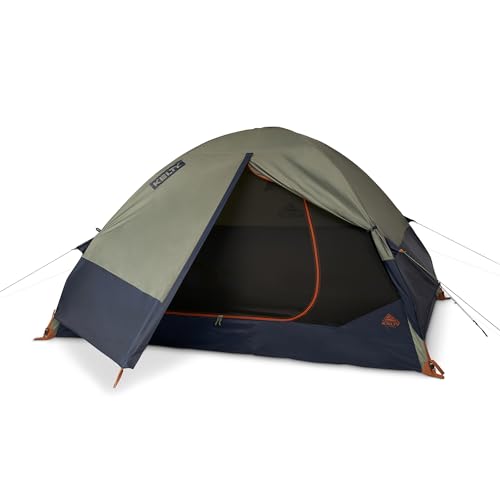
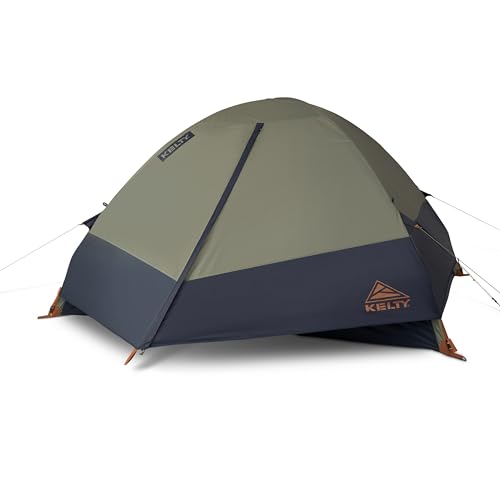
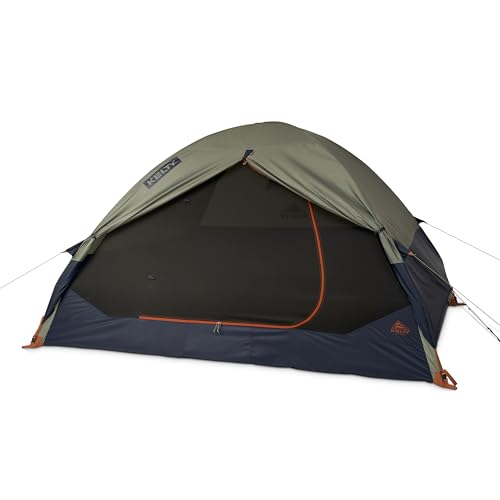
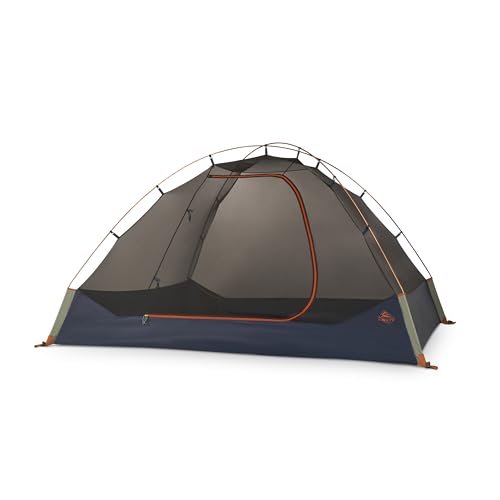
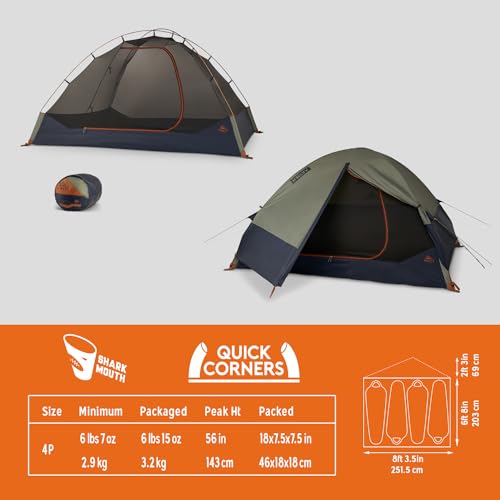
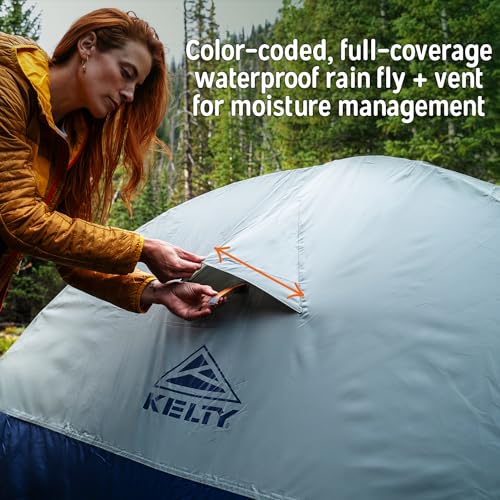
Kelty nailed the balance between backpacking practicality and livable comfort in this 2024 update. The 56 sq. ft. floor and 56″ peak height give you real room to sit up and move, rare in a tent this light. The single door and vestibule layout keeps weight down without sacrificing gear storage, and the color-coded Quickcorners make setup a true one-person job in about three minutes. Reviewers repeatedly praise how smoothly this goes up, even in low light.
The 68D polyester fabric with 1200mm coating isn’t the burliest, but it’s plenty for 3-season trails. More importantly, Kelty uses PFC-free DWR, which matters if you care about environmental impact. It’s not the cheapest, but for backpackers who want reliability without wrestling poles for 20 minutes, this is a smart long-term pick. I’d choose it over heavier, fussier models any time.
Product photos
Amazon Basics 4-Person Camping Tent

Strengths
- Affordable
- Quick setup
- Water-resistant build
Trade-offs
- Low center height
- Minimal ventilation
- Tight for four with gear
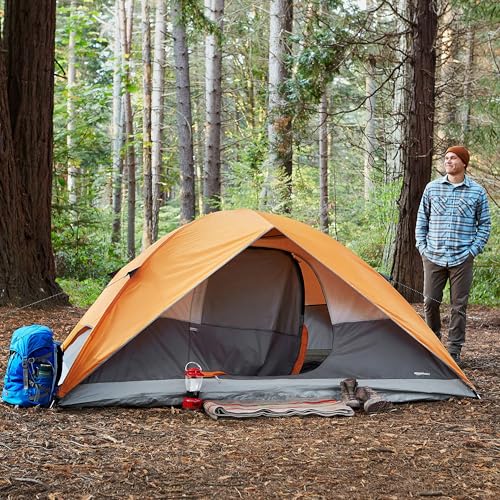
If you’re on a tight budget but still need something that won’t collapse in a drizzle, this Amazon Basics tent makes the cut. It’s not flashy, but the 3-season dome design with a removable rainfly and welded seams delivers basic weather protection that owners consistently report holds up in light to moderate rain. The quick-setup system with shock-corded poles really does let most people get it up in under six minutes, no small win when you’re tired and the sky’s darkening.
On paper, the 9′ x 7′ floor and 48″ center height promise space for four, but in practice, that’s a snug fit with gear. Ventilation is modest, just a back window and cool-air port, so condensation can build up in humid conditions. Still, for casual car campers or occasional weekenders, this is a no-frills shelter that does what it claims without making you sell a kidney.
Product photos


CAMEL CROWN 4 Person Dome Tent
Strengths
- Durable Oxford floor
- Windproof ropes
- Affordable durability
Trade-offs
- Tight interior space
- Basic ventilation
- Fiberglass poles
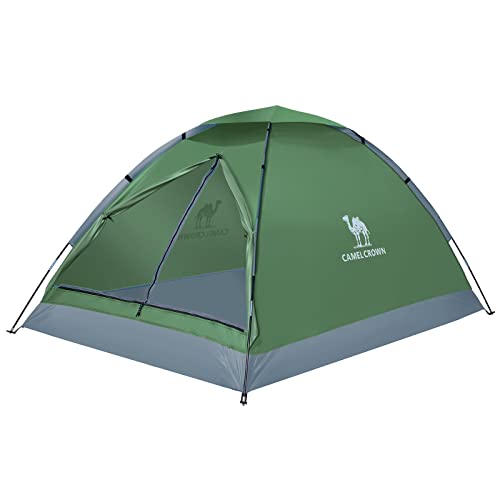
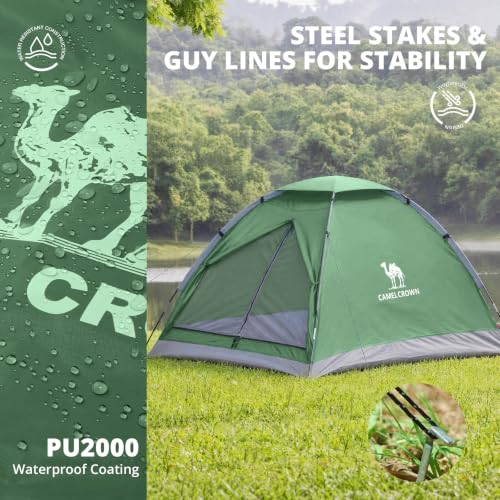
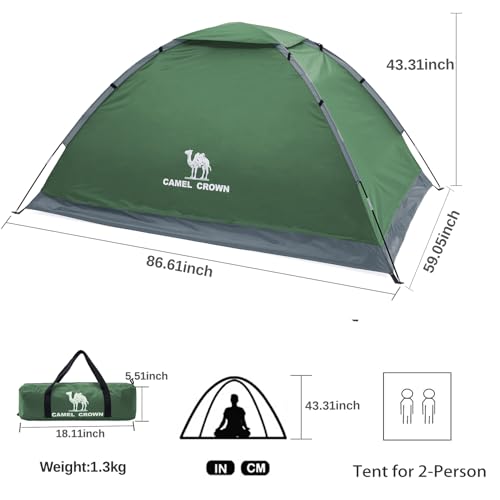
Don’t let the low price fool you, this tent punches above its weight in durability. The 150D Oxford cloth floor with 2000mm PU coating is tougher than most budget tents, and the 8.5mm fiberglass poles with iron stakes and wind ropes handle gusts better than expected. Owners report it staying upright in rain and wind that took down cheaper domes. It’s not instant, but setup is simple and takes just a few minutes with two people.
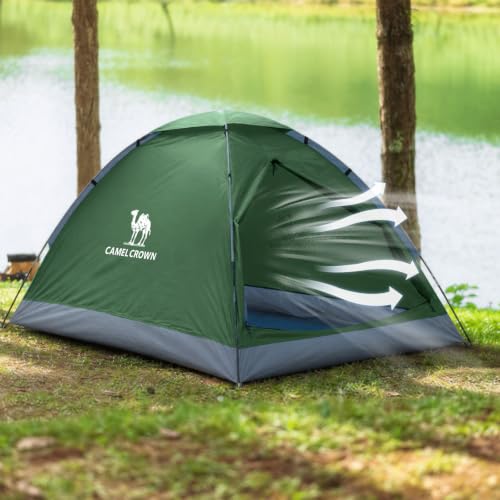
The double-layer top with mesh screens improves airflow, though side vents are minimal. At this price, you’re not getting luxury space, the fit for four is tight with gear, but for backpackers or hikers on a budget, the rugged base fabric and stable frame make this a reliable workhorse. I’d pick it over flimsier options any time you’re camping in unpredictable conditions.
Product photos


How We Tested four person tents
Rather than a hands-on lab test, this is a research-led comparison of specifications and owner feedback for a range of four-person tents. I examined published specs – floor area, peak height, waterproof ratings, and weight – alongside owner reviews from major retailers and expert reviews from established outdoor publications. We then ranked these tents based on how well they met the needs of a typical group of four campers, focusing on practicality and value.
For four-person tents, spaciousness, weather protection, and ease of setup were the most heavily weighted factors. A roomy interior allows for comfortable sleeping and gear storage, essential for family or group trips. Reliable waterproofing is critical for enjoyable camping, while a quick and simple setup maximizes time spent outdoors. These three elements directly impact the overall camping experience.
Specifications reliably indicate a tent’s potential size and waterproofness, but owner feedback provided crucial insight into real-world performance. I paid close attention to comments about durability, ventilation, and how accurately the tent matched its advertised capacity. Reputable expert reviews helped validate claims and highlight potential drawbacks, and I used these insights to refine our rankings – if you’re still unsure about the details, our tent selection guide offers additional advice.
What To Look For In four person tents
Picking the right four-person tent can feel overwhelming, but focusing on a few key areas will narrow your choices considerably.
A quality four-person tent balances interior space with manageable weight, offers reliable weather protection (especially waterproofing and wind resistance), and provides thoughtful features like ventilation and storage. Buyers should scrutinize fabric denier, waterproof ratings, pole material, and overall construction quality to ensure durability and comfort.
Space and Comfort
Don’t assume a “four-person” tent comfortably fits four adults with gear. Many are sized optimistically. I frequently see folks crammed into tents that are simply too small, leading to a miserable experience. Look closely at the floor dimensions – 8’ x 8’ is a good starting point for four people who don’t mind being cozy, but 9’ x 9’ or larger will offer a much more relaxed experience. Pay attention to the peak height, too. Being able to sit up comfortably is a significant quality-of-life upgrade, especially on longer trips.
Weather Protection: Beyond Waterproofing
Waterproofing is obviously critical, and a 3000mm+ PU coating on the rainfly is generally sufficient for most conditions. However, don’t stop there. Fully taped seams are essential to prevent leaks, and a bathtub floor (where the fabric extends a few inches up the sides) adds an extra layer of protection against ground water. Wind resistance is equally important. Look for tents with robust pole systems, multiple guylines, and reinforced stake-out points. The Coleman Skydome Dark Room Tent, for example, has been wind-tested to 35 mph, which gives you some confidence in its stability.
- A higher denier (D) fabric rating generally means more durability, but also more weight.
- Aluminum poles are significantly stronger and lighter than fiberglass, but they come at a higher price.
- Don’t underestimate the value of a good vestibule. It provides a covered space to store muddy boots and gear, keeping the inside of your tent cleaner and drier.
A well-designed tent isn’t just about staying dry; it’s about having a safe and comfortable shelter when conditions turn rough. Prioritize features that enhance both weather resistance and structural integrity.
Value and Usability Features
There’s a wide range in features offered, and some are more useful than others. Instant setup tents, like the Mimajor 4 Person Instant Camping Tent, can be a lifesaver when you’re arriving at a campsite late or with limited daylight. Dark room technology, featured in the Coleman Skydome, is fantastic for light sleepers or families with young children. If you’re planning on backpacking, weight is paramount, and you’ll want to explore lighter options like the Kelty Late Start 4P. If you’re looking for the best 4-person camping tents that won’t break the bank, check out our recommended 4-person models. Before committing, consider how easy it is to pack up and carry your tent, and whether you might need to learn a specific technique for assembling family tents.
Four Person Tents Compared
Here’s a comparison of key specifications for popular four-person tents to help you find the right fit for your needs.
| Product Name | Capacity | Waterproof Rating (mm) | Weight (lbs) | Packed Size | Setup Time |
|---|---|---|---|---|---|
| Mimajor 4 Person Instant Tent | 4 | 3500 | 15.4 | 39″ x 7.5″ x 7.5″ | 60 seconds |
| LOYEAHCAMP 4 Person Blackout Tent | 4 | 3000 | N/A | 17.1″ x 7.09″ x 7.8″ | 5 minutes |
| Purebox 4 Person Double Layer Tent | 4 | N/A | 10.8 | N/A | N/A |
| Coleman Skydome Dark Room Tent | 4 | N/A | N/A | N/A | < 5 minutes |
| FanttikOutdoor Zeta C4 Pro Tent | 4 | N/A | 14.5 | N/A | 60 seconds |
| Kelty Late Start 4P Tent | 4 | 1200 | N/A | N/A | 3 minutes |
| Amazon Basics 4-Person Tent | 4 | N/A | N/A | N/A | < 6 minutes |
| CAMEL CROWN 4 Person Dome Tent | 4 | 2000 | N/A | N/A | N/A |
Frequently Asked Questions
What waterproof rating do I really need for a four-person tent?
A 3000mm rating is generally sufficient for most recreational camping, but I’ve noticed that owners consistently report better performance with 3500mm or higher, especially with extended exposure to rain. Don’t forget fully taped seams are just as important as the coating itself.
How much does a typical four-person tent weigh?
Weights vary significantly, but expect a four-person tent to weigh between 10 and 18 pounds. If you’re prioritizing portability, look for models using lighter materials like aluminum poles and thinner fabrics, but know that reducing weight often comes with a higher price tag.
Are “instant” tents actually durable?
Instant tents have improved dramatically in recent years. While early models were prone to breakage, many current designs use robust pole systems and durable fabrics. However, they often don’t perform as well in strong winds as traditionally-poled tents.
What’s the difference between a dome tent and a cabin tent?
Dome tents are generally lighter and more aerodynamic, making them a good choice for backpacking or windy conditions. Cabin tents offer more headroom and a more spacious feel, but they are typically heavier and less stable in high winds. For comfortable family camping, many prefer the extra space of a cabin-style design.
Where can I find more information on choosing a tent for three seasons?
You can find a detailed guide to choosing a tent for three-season camping, covering features and specific recommendations, by reading about durable 3-season family tents. This resource offers insight into selecting a tent suitable for spring, summer, and fall conditions.
The Bottom Line
Choosing a four-person tent always involves a trade-off between having enough space to stretch out and keeping the packed weight manageable. For most families and groups, the Mimajor 4 Person Instant Tent strikes the best balance – its incredibly fast setup and roomy interior make it a standout, even if it’s a bit heavier than some options. It really simplifies the camping experience.
If you’re on a tighter budget, the Purebox 4 Person Double Layer Tent delivers surprisingly good value. Or, for those prioritizing versatility and darkness for sleeping in, the LOYEAHCAMP 4 Person Blackout Tent is a great pick. Knowing which of the top tent manufacturers you can rely on is also a huge help when making your decision.
Ultimately, the specifications matter less than finding a tent that fits how you camp. Prioritize weather protection, a comfortable floor size, and a setup process that won’t eat into your time outdoors. Don’t get hung up on the highest waterproof rating or the lightest weight – focus on creating a shelter that allows you and your group to enjoy your time in nature.
