
8 Best 3 Season Tents of 2026
This post contains affiliate links. As an Amazon Associate, we earn from qualifying purchases.
The Naturehike Cloud Up 3P stands out as the best overall 3 season tent, combining solid weather protection, thoughtful design, and reliable build quality. For those watching their budget, the Clostnature 3P Ultralight offers strong performance at a lower price, while the Kelty Grand Mesa 2P is a top versatility pick for solo or two-person backpacking trips.
If you’ve ever pitched a tent in the dark as rain rolls in, you know how much depends on your shelter. A flimsy pole or a thin floor can turn a weekend escape into a soggy mess. Not all 3 season tents handle wind, rain, and trail weight the same, and marketing claims don’t always match real-world use.
This guide cuts through the noise. I focused on specs, owner feedback, and design details that matter most, weight, waterproofing, and durability, to find models that deliver where it counts. These picks suit everything from weekend car camping to rugged backcountry trips.
Top 8 3 Season Tents in the Market
The Best 3 Season Tents, Reviewed
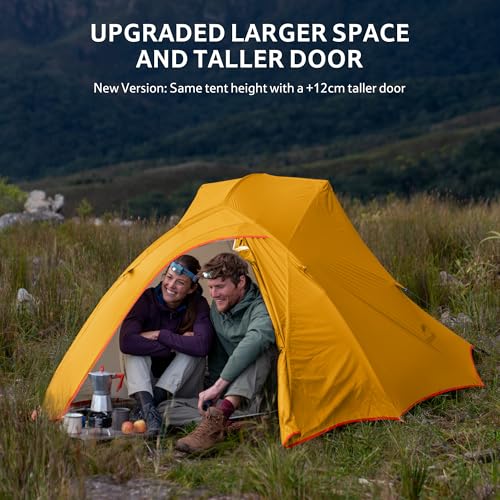
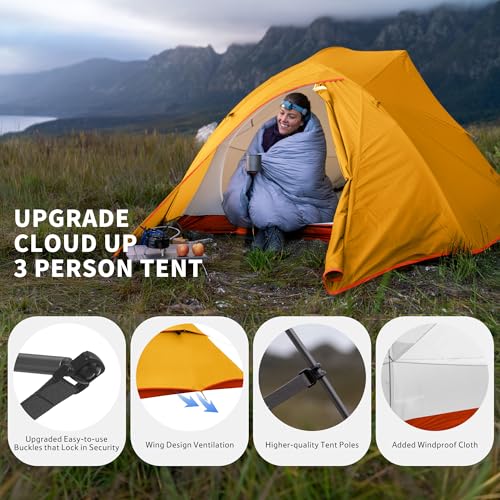
Naturehike Cloud Up 3 Person Tent
Strengths
- Excellent ventilation
- Footprint included
- Spacious yet compact
Trade-offs
- Slightly lower waterproof rating
- Fly could be more taut
- Limited color visibility
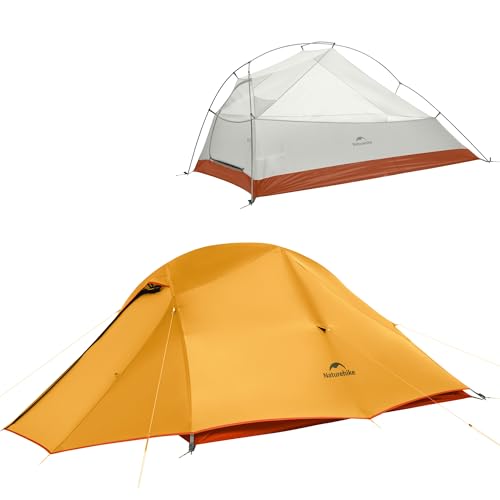
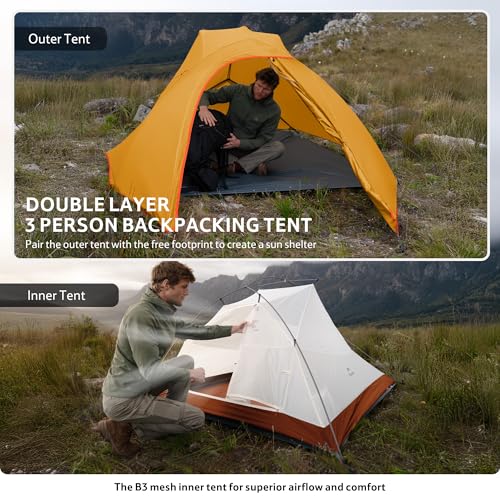
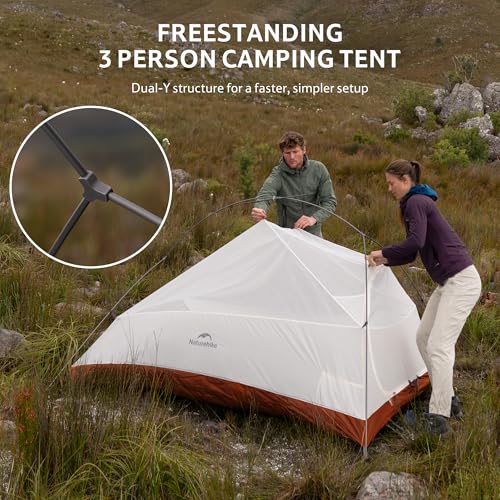
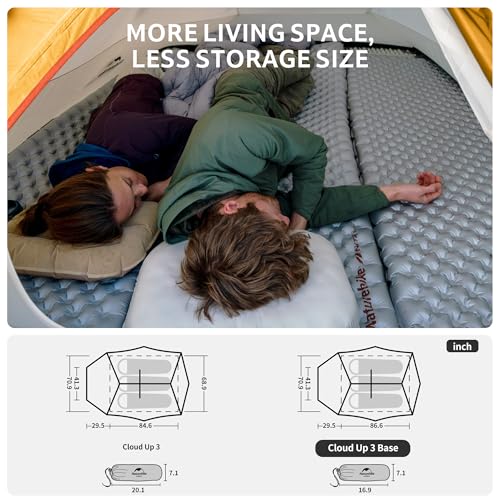
This is the tent I keep seeing recommended in backpacking forums, and for good reason. The Cloud Up delivers a rare combo: lightweight (under 6.3 lbs), spacious, and packed down small. The 116″ x 82″ floor is generous for three, or luxurious for two with gear. The upgraded buckles instead of straps make setup smoother, and the dual-Y pole system means one person can pitch it fast, even in the dark.
Owners praise the airflow, the B3 mesh and wing design reduce condensation better than most double-wall tents. The PU 3000mm rating is solid, not class-leading, but paired with sealed seams and aluminum alloy poles, it handles storms well. And the included footprint? A real value boost. Among 3-season backpacking tents, this one strikes the best overall balance.
Product photos
Marmot Crane Creek 3P Tent
Strengths
- Premium aluminum poles
- Dual doors and vestibules
- PFAS-free materials
Trade-offs
- Heavier than ultralight models
- No footprint included
- Higher price point
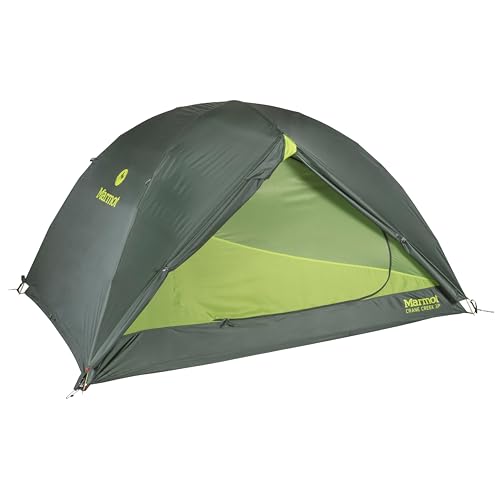
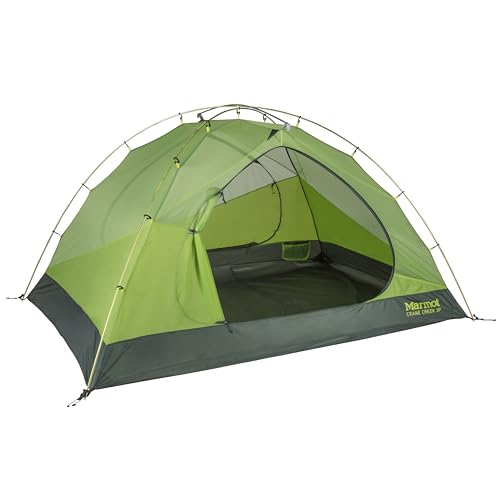
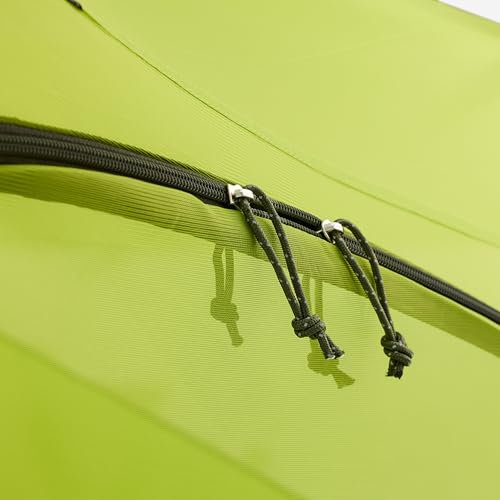
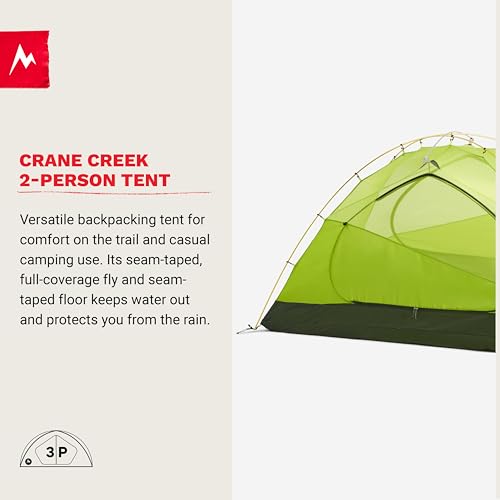
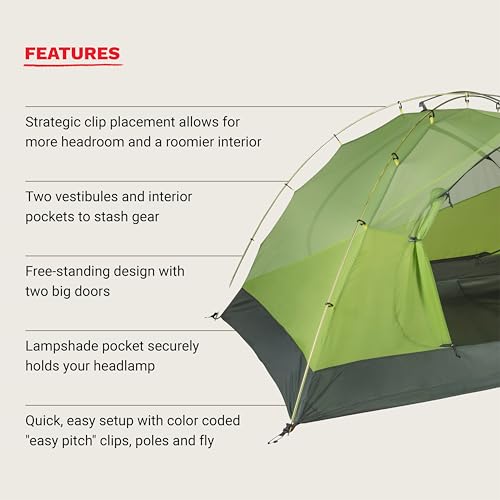
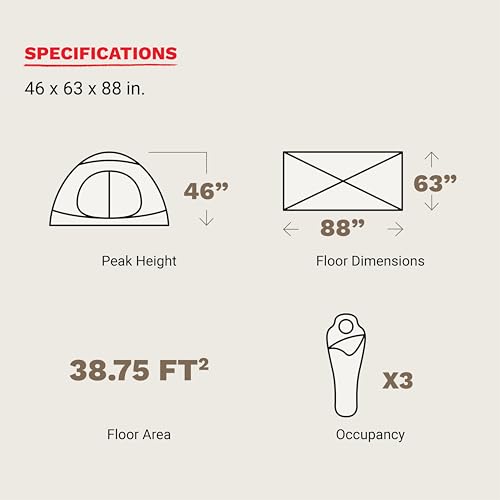
Marmot built this tent to last. The 7000 series aluminum poles are a standout, stiffer and more durable than the usual 7001 or 6000 alloys, and the 41.5 sq ft interior is genuinely roomy. Two large D-doors and dual vestibules make it one of the most livable 3-person tents here. Owners consistently report it holding up in wind and rain, and the PFAS-free materials are a thoughtful touch for eco-conscious hikers.
It’s not the lightest at around 5.5 lbs, but that weight buys serious durability. The seam-taped polyester fly and floor shed water well, and the freestanding design helps with site flexibility. If you’re planning long trips in variable weather, this is the kind of tent that earns trust over time.
Product photos
Kelty Grand Mesa 2P Tent

Strengths
- Durable 68D floor
- Color-coded setup
- Trusted brand reliability
Trade-offs
- Single door limits access
- Vestibule is small
- Slightly heavier than ultralight rivals
Kelty has been making reliable backpacking tents for decades, and the Grand Mesa continues that legacy. At 4 lbs 1 oz for the 2-person, it hits the sweet spot between weight and durability. The freestanding design makes site selection a breeze, you can shift it around after pitching, while the color-coded clips and Quick Corners genuinely simplify setup, especially for beginners. Owners love how straightforward it is to get up solo in fading light.
It’s not the lightest on the list, but the 68D polyester floor and fully taped seams offer real peace of mind in wet conditions. The single door and vestibule on the 2P model are functional but tight for two people with gear. For solo backpackers or minimalist couples, this is a trustworthy shelter that won’t surprise you in a storm.
Product photos


Clostnature 3 Person Ultralight Tent

Strengths
- Excellent waterproof rating
- Dual doors and vestibules
- Great ventilation
Trade-offs
- Slightly heavier than ideal
- Poles not top-tier
- Bulkier packed size
This one stands out for offering a lot of features at a low price. The PU 5000 coating is a strong spec on paper, higher than many competitors, and owners confirm it holds up well in rain. At 6.17 lbs, it’s not ultralight, but the 2.4 kg trail weight (fly, poles, inner) is respectable for a 3-person. The dual D-shaped doors and two vestibules are a big win for gear storage and access, and the full mesh walls deliver excellent ventilation.
The real appeal here is value. For families or groups needing waterproof reliability without breaking the bank, this ticks boxes. Some note the poles aren’t as stiff as premium brands, but for moderate hikes and car-accessible trails, it’s a smart balance. I’d say it’s the better pick over the 2-person version if you need space.
Product photos



Clostnature 2 Person Ultralight Tent
Strengths
- High waterproof rating
- Dual vestibules
- Low price
Trade-offs
- Heavier than competitors
- Basic pole quality
- Condensation issues in damp weather
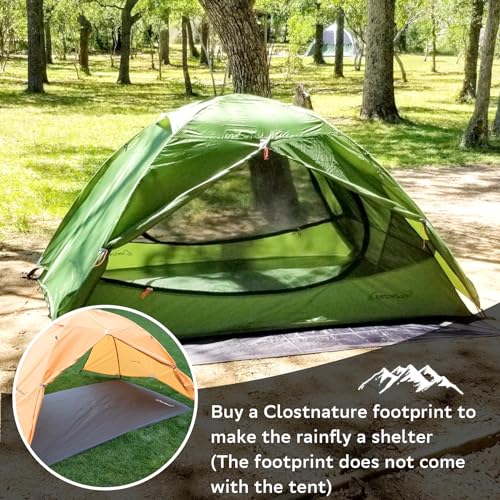
This is the budget sibling to the 3-person model, and it shows. At 5.29 lbs, it’s not the lightest 2-person tent out there, but the 2.05 kg trail weight makes it reasonable for weekend hikes. The PU 5000 coating is again a standout spec, offering solid rain protection, and the dual vestibules are rare at this price. The full mesh walls help airflow, though condensation can still creep in if both doors are closed.
It’s not flashy, but it’s functional. Owners appreciate the included repair kit and footprint compatibility. While I’d pick the Kelty or Naturehike for a long trek, this is a solid starter tent. If you’re introducing kids or a partner to backpacking without overspending, this makes sense.
Product photos
Forceatt 3 Person Ultralight Tent

Strengths
- Extremely fast setup
- Lightweight and compact
- Good waterproof rating
Trade-offs
- Poles lack rigidity in wind
- Limited side ventilation
- Mixed long-term durability reports
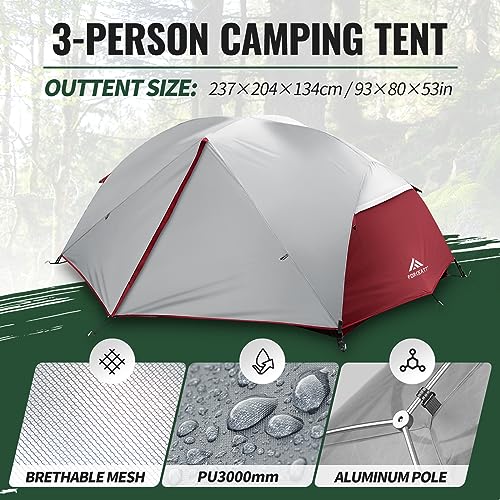
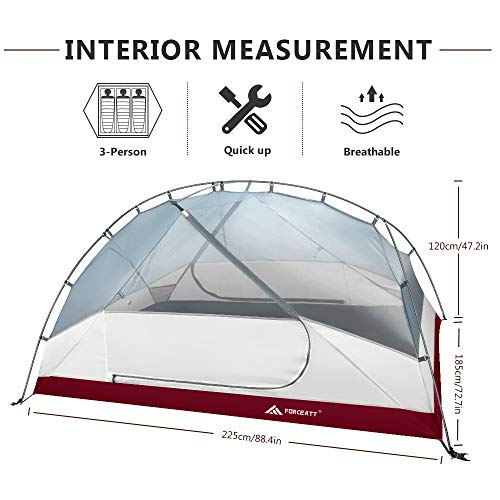
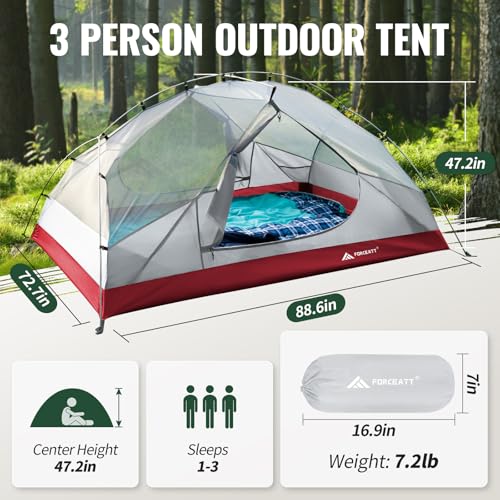
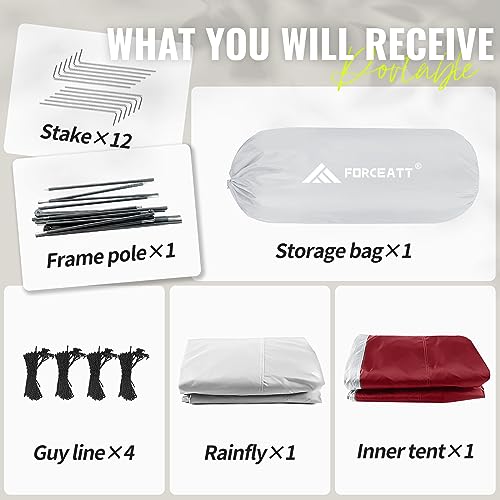
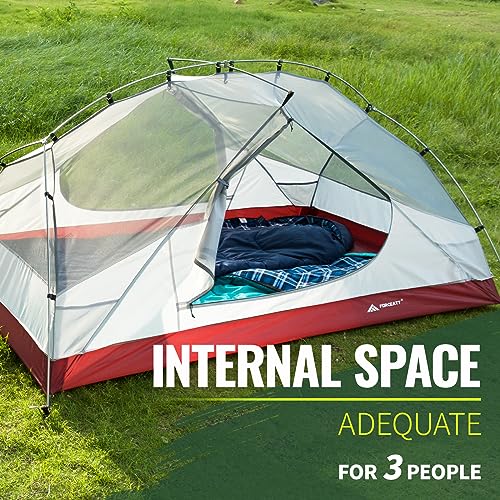
This is one of those tents that impresses on speed and simplicity. The 3-minute setup claim isn’t hyperbole, owners consistently report getting it up faster than most freestanding models, which is a real advantage when weather rolls in fast. At just under 3 kg, it’s light enough for backpacking, and the compact 43 cm carry bag slips easily into a pack. The 70D polyester with 200T coating is standard for this class, and the welded floor design helps keep moisture out, which is a smart detail.
Where it stumbles a bit is in long-term durability. Some reviewers note the poles feel a bit thin under high wind, and the ceiling vents, while good for airflow, don’t fully compensate for the lack of side mesh. It’s a solid quick-deploy shelter, but I wouldn’t bet on it lasting five full seasons of aggressive use.
Product photos
Amazon Basics 4-Person Camping Tent

Strengths
- Spacious interior
- Quick setup
- Affordable entry point
Trade-offs
- Minimal ventilation
- Basic weather protection
- Heavier than backpacking alternatives
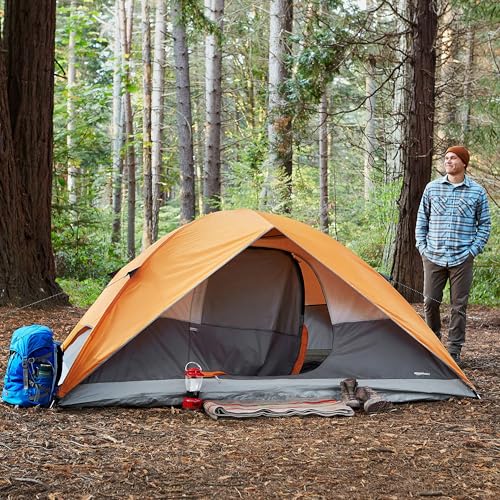
This tent is exactly what you’d expect from the name: basic, functional, and priced to move. On paper, the 9′ x 7′ floor and 48″ center height look great for fitting four adults, and owners generally confirm it’s roomy enough for couples or a small family. The quick-setup claim holds up, many reviewers mention getting it up in under 10 minutes, even solo, thanks to the shock-corded poles and snag-free sleeves.
That said, don’t expect this to be your go-to for serious backcountry trips. The water-resistant polyester and removable rainfly offer decent protection in light rain, but the seam welding isn’t as robust as pricier models. Ventilation is minimal, just a back window and cool-air port, so condensation can build up on humid nights. It’s best treated as a fair-weather car camping tent where weight and pack size don’t matter.
Product photos


Coleman Skydome 2/4/6/8 Person Tent

Strengths
- Extremely fast setup
- Spacious for car campers
- Good headroom and door access
Trade-offs
- Too heavy for backpacking
- Poor airflow in humid weather
- Not for serious weather
The Skydome is the poster child for car camping convenience. If you’re hauling gear to a festival, state park, or family campground, this tent shines. The pre-attached poles make setup a true 5-minute job, no sorting or fumbling. The nearly vertical walls give it that 20% more headroom claim some owners verify, making it feel less cave-like than traditional domes. With space for a queen air bed and a wider door for gear, it’s built for comfort over portability.
But let’s be clear: this is not a backpacking tent. It’s heavy, bulky, and the pole system isn’t meant for high winds. The WeatherTec system helps with water resistance, but the ventilation is poor. I’d pick this over the Amazon Basics model for car camping, better build, more thoughtful design, but only if you’re not hiking more than a few feet from the parking lot.
Product photos


How We Chose These 3 season tents
Rather than a hands-on lab test, my research for these recommendations focused on a detailed comparison of published specifications and features across numerous models. I weighed owner reviews from major retailers against expert reviews found in outdoor gear publications, looking for consistent themes in performance and durability. Ultimately, I ranked these tents based on how well they met the needs of a variety of campers, from backpackers to families.
For 3 season tents, the most important factors quickly became weight, waterproof rating, and ease of setup. A lighter weight is crucial for backpacking, while a higher waterproof rating provides confidence in varied weather. Quick setup is a huge benefit for casual campers or anyone arriving at a campsite after dark. These three elements most directly impact the camping experience and determined the final rankings.
Specifications reliably indicate a tent’s potential regarding weight, dimensions, and waterproofness. However, I heavily leaned on owner feedback to assess real-world durability, condensation issues, and the accuracy of advertised features. Reputable expert reviews helped validate owner experiences and identify potential weaknesses not immediately apparent from the specs alone. Understanding the intended use of 3 season tents is also key to matching a tent to your needs.
Choosing The Right 3 season tents
Choosing the right tent can feel overwhelming, but focusing on a few key areas will help you narrow down the options.
A good tent balances weight, weather protection, and livability. Buyers should prioritize a fully sealed rainfly with a high waterproof rating (at least 2000mm), durable yet lightweight pole materials (aluminum is preferable to fiberglass), and a floor made from a robust, coated nylon or polyester. Consider the tent’s packed size and weight if backpacking is a priority, and ensure adequate ventilation to minimize condensation.
Floor Space and Occupancy
Don’t automatically equate a “3-person” tent with comfortable space for three adults. Manufacturers often inflate these numbers. I always recommend sizing up. If you’re primarily solo camping, a 2-person tent offers a luxurious amount of room for gear. For couples, a 3-person tent is a sweet spot. Families, of course, will need to consider larger options – but remember that adding a vestibule (covered entry area) significantly expands usable space without increasing the tent’s packed size.
Weather Resistance
The materials used dictate a tent’s ability to withstand the elements. Look beyond the “waterproof” label, the PU coating measurement (in millimeters) is what truly matters. A rating of 1500mm is acceptable for light rain, but 2000mm or higher is essential for consistent performance in wetter conditions. Seam taping is also crucial; even a small gap in a seam can let water in during a downpour. A bathtub floor (where the floor fabric extends several inches up the sides) adds another layer of protection.
- A durable rainfly is paramount, but consider its impact on weight.
- Aluminum poles are far more resilient to wind than fiberglass, though they come at a higher price.
- Pay attention to the denier (D) of the fabric; higher denier generally means greater durability, but also more weight.
A good rule of thumb: if you anticipate encountering consistently harsh weather, invest in a tent with a higher waterproof rating and more robust pole construction, even if it adds a bit of weight.
Weight and Packability
If you’re planning on backpacking, every ounce counts. Fortunately, there’s been a revolution in lightweight tent materials. Tents utilizing nylon ripstop fabrics and aluminum poles can achieve impressive weight savings without sacrificing too much durability. However, ultralight tents often come with a higher price tag. For car camping, weight is less of a concern, and you can prioritize features like space and comfort. When assessing packability, consider not just the packed volume, but also the shape of the stuff sack – a compression sack can make a huge difference. If you’re looking for a great starting point to learn more about all of the options, check out these top three-season tents.
Ultimately, the best tent is the one that best suits your individual needs and camping style. Don’t hesitate to research different models and read reviews from other campers before making a purchase. For more help with factors in tent selection, our thorough guide provides even more in-depth information.
3 Season Tents Compared
Here’s a comparison of key specifications for several popular 3-season tents to help you make an informed decision.
| Product Name | Capacity | Weight (lbs) | Floor Size (ft²) | Waterproofing (mm) | Packed Size (in) | Poles |
|---|---|---|---|---|---|---|
| Naturehike Cloud Up 3P | 3 | 6.3 | 77.6 | 3000 | 16.9 x 6.7 | Aluminum |
| Marmot Crane Creek 3P | 3 | N/A | 41.5 | N/A | N/A | Aluminum |
| Kelty Grand Mesa 2P | 2 | 4.7 | 30 | N/A | 16 x 7 x 7 | Aluminum |
| Clostnature 3P Ultralight | 3 | 6.17 | 49.5 | 5000 | 16.5 x 6.3 x 6.3 | Aluminum |
| Clostnature 2P Ultralight | 2 | 5.29 | 38.2 | 5000 | 16.5 x 5.9 x 5.9 | Aluminum |
| Forceatt 3P Ultralight | 3 | 2.98 | 55.1 | N/A | 43 x 18 | N/A |
| Amazon Basics 4-Person | 4 | N/A | 63 | N/A | N/A | N/A |
| Coleman Skydome 2/4/6/8 Person | 4 | N/A | 56 | N/A | N/A | Pre-attached |
Frequently Asked Questions
What waterproof rating do I really need for a 3-season tent?
A rating of 2000mm is generally sufficient for most 3-season conditions, though higher ratings (3000mm or more) offer better protection during prolonged or heavy rainfall. Remember that seam taping and a bathtub floor are equally important for keeping you dry.
Are aluminum poles always better than fiberglass?
Yes, aluminum poles are significantly stronger and more durable than fiberglass, particularly in windy conditions. While heavier and more expensive, they offer a worthwhile upgrade for anyone camping in exposed areas or prioritizing long-term reliability.
How much bigger should I size up when it comes to tent capacity?
I always recommend sizing up one person beyond your group size for increased comfort and gear storage. A “2-person” tent is comfortable for one, while a “3-person” is ideal for a couple. If you’re looking for spacious 3-season family tents, consider a 4-person tent for two adults and a child.
What does “denier” mean when looking at tent fabrics?
Denier (D) refers to the thickness of the fabric threads – a higher denier indicates a more durable, but usually heavier, material. For tent floors, 75D or higher is preferable, while the fly can be a bit lighter, around 40-60D, to balance durability and weight.
How can I minimize condensation inside my tent?
Good ventilation is key to reducing condensation. Look for tents with mesh panels and adjustable vents. Avoid completely sealing up the tent, even in rainy weather, and consider using a footprint to protect the floor from ground moisture.
The Bottom Line
Choosing a tent always comes down to balancing what you’re willing to carry versus the comfort and protection you demand. For overall performance and a sweet spot of weight, weather resistance, and space, the Naturehike Cloud Up 3P stands out as an excellent choice. It consistently receives high marks for its livability and reliable waterproof rating, making it a strong contender for a wide range of camping trips.
If your needs are more specific, there are other great options here. Backpackers on a tighter budget should look at the Forceatt 3P Ultralight, while those prioritizing a durable and spacious option for car camping will likely be happy with the Amazon Basics 4-Person tent. And if you’re planning adventures in conditions that might require something more substantial, understanding the 4 season tent differences can help you decide if you need to upgrade.
Ultimately, remember that specs only tell part of the story. Prioritize a fully sealed rainfly, durable poles, and a waterproof floor above all else. A tent’s ability to keep you dry and comfortable is far more important than any particular feature or weight savings – those fundamentals are what truly make a camping trip enjoyable.
