
7 Best Trekking Tents for 2026
This post contains affiliate links. As an Amazon Associate, we earn from qualifying purchases.
The Nature Link Altair Two stands out as the best trekking tent for most hikers, balancing low weight, solid weather protection, and sensible design. For solo trekkers wanting to save weight and money, the Nature Link Altair One is a strong budget pick. If you’re after something uniquely stable in wind, the Zenith 2.0 A-Frame Tent offers impressive versatility.
Picking a trekking tent means making real trade-offs between weight, space, and resilience. Carry something too heavy and your legs will pay for it. Choose one that’s too flimsy and you’ll be miserable in a drizzle. I’ve been there, and I know how much the right tent matters.
This guide cuts through the noise by focusing on what actually holds up on the trail. I compared specs and owner feedback across top models to find the ones that deliver where it counts, in rain, wind, and tight pack space. These picks reflect real-world performance, not just marketing claims.
Top 7 Trekking Tents in the Market
The Best Trekking Tents, Reviewed
Nature Link Altair Two

Strengths
- Extremely lightweight
- Excellent ventilation
- Roomy for two
Trade-offs
- No trekking poles included
- Fly could be more durable in high winds
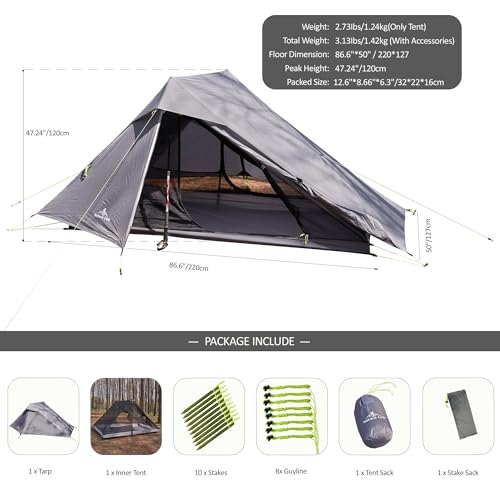
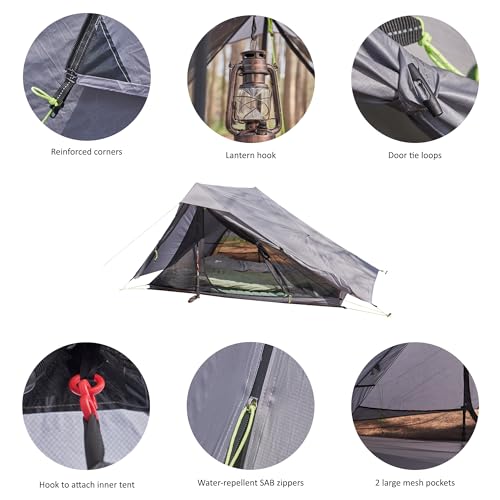
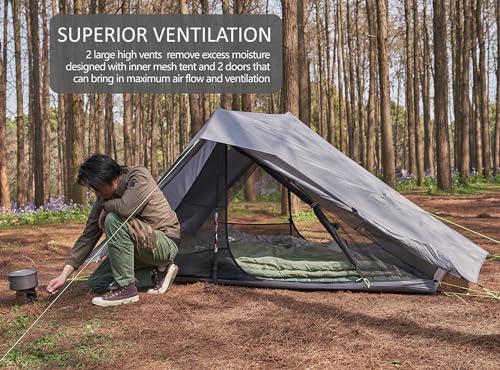
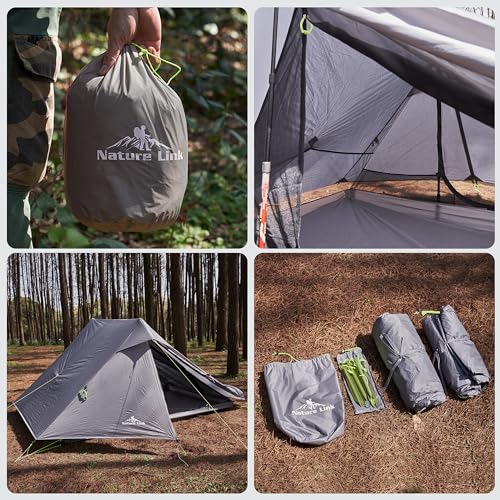
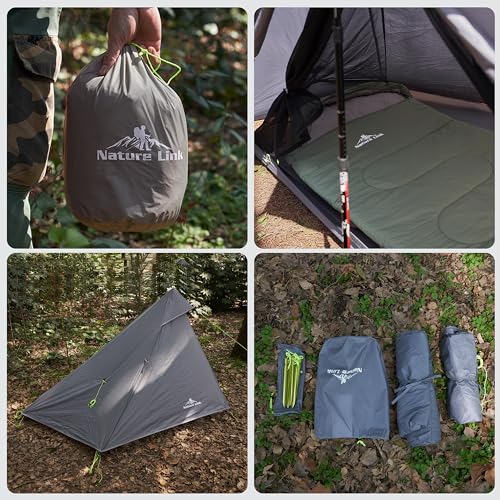
This is the tent I’d pick if I were buying for a long 3-season trek with a partner. The Altair Two hits the sweet spot: ultralight at just 2.73 lbs, double-wall construction, and real livability. With two doors, two large vestibules, and a floor that fits two full-size pads, it avoids the claustrophobia so many 2-person tents suffer from.
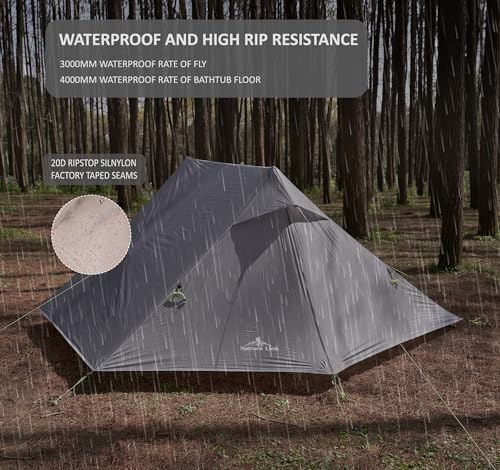
The 3000mm Silnylon is seam-sealed and holds up well in rain, and owners consistently report low condensation thanks to the dual high vents and full mesh inner. Setup is straightforward with two trekking poles, and the vertical walls give it a more spacious feel than slanted A-frames. Compared to the Zenith 2.0, it’s lighter, better ventilated, and offers more covered gear storage.
Product photos
LANSHAN Ultralight 1-Person Tent

Strengths
- High waterproof ratings
- Good interior volume
- Ventilation options
Trade-offs
- Slightly heavier
- Basic stakes included
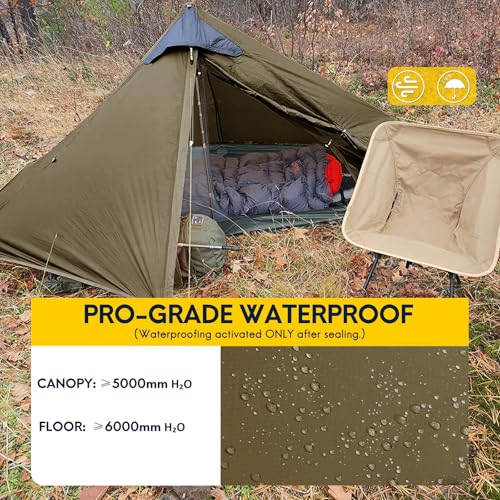
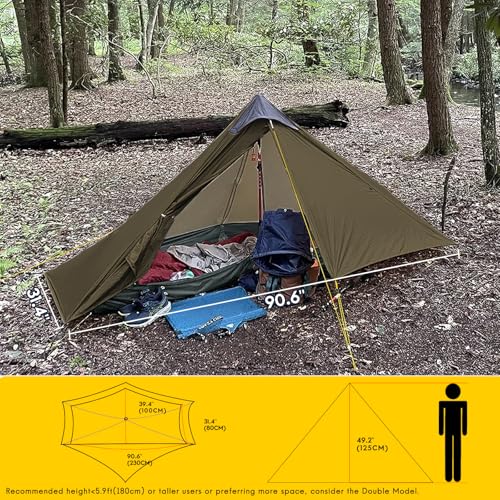
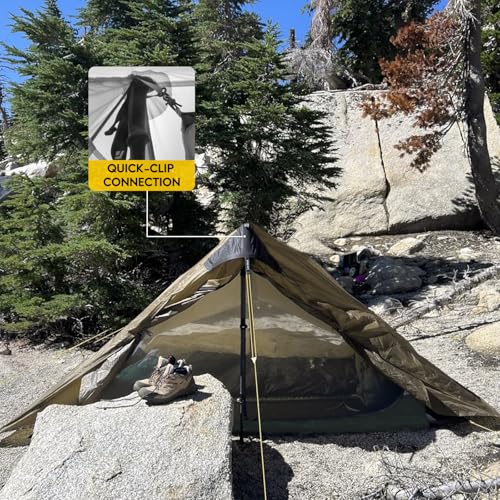
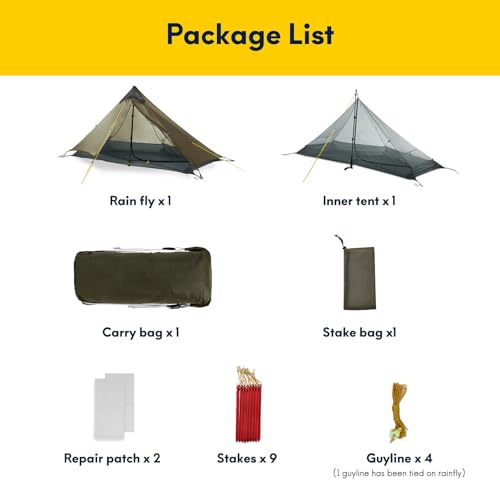
If you’re on a budget but still want a trustworthy shelter for serious hiking, the LANSHAN 1-person tent stands out. It’s not the lightest at 2.1 lbs, but what it lacks in weight savings it makes up for in durability and thoughtful design. The 5000mm rainfly and 6000mm bathtub floor are overbuilt for a tent this light, a rare win that owners say pays off in downpours.
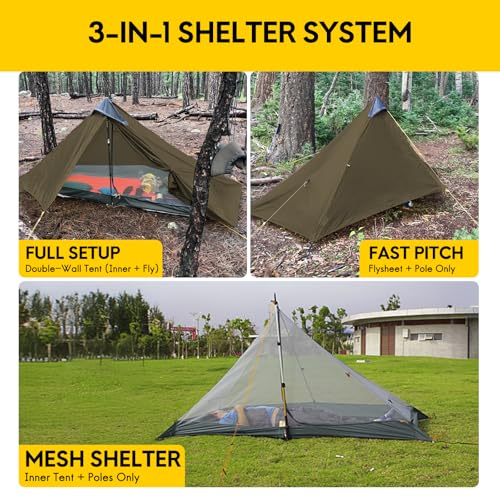
I appreciate the versatility: you can pitch it as a tarp-tent or go full double-wall depending on conditions. The extra interior space over the Altair One makes a noticeable difference for gear storage and comfort. Some users mention the poles can be finicky during first setup, but it gets easier.
Product photos
TOMOUNT Ultralight 1-2 Person Tent
Strengths
- Extremely lightweight
- Integrated design
- Gear storage pocket
Trade-offs
- Cramped for two
- Minimal ventilation options
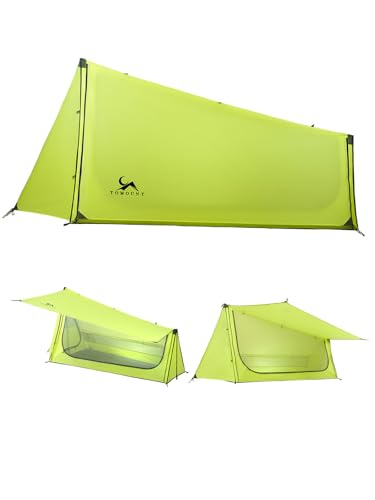
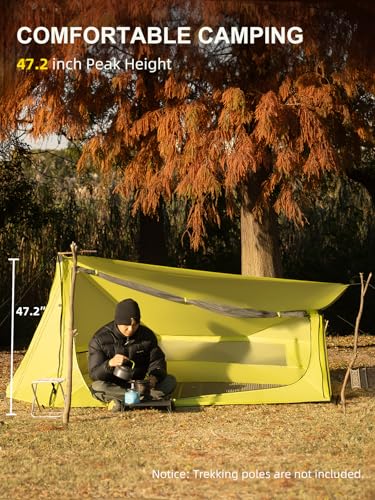
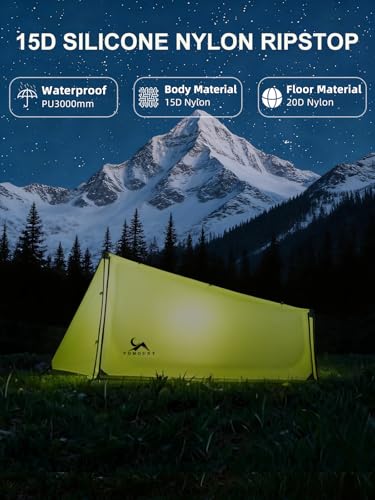
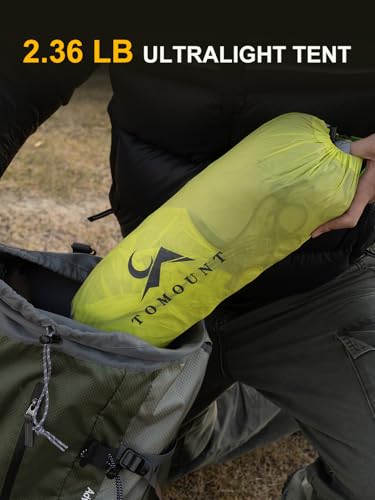
At just 1.87 lbs for the body, the TOMOUNT is one of the lightest options here, a dream for soloists chasing the lowest possible base weight. The integrated inner/outer design speeds up setup, and the rear mesh window delivers solid airflow, especially when adjusted with the guy lines.
It’s marketed as 1-2 person, but the 102 x 39.4-inch floor is really a stretch for two. Owners confirm it’s best for one person with gear. The Dyneema-reinforced corners add durability without much weight, and the 3000mm PU coating holds up in light storms. Still, it lacks the ventilation and coverage of the Altair One or LANSHAN.
Product photos


Featherstone Backbone 1-Person Tent

Strengths
- Excellent airflow
- Two vestibules
- Spacious for one
Trade-offs
- Single-wall condensation risk
- Heavier than double-wall options
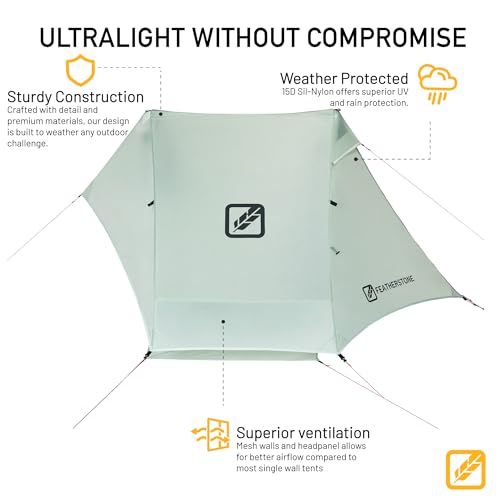
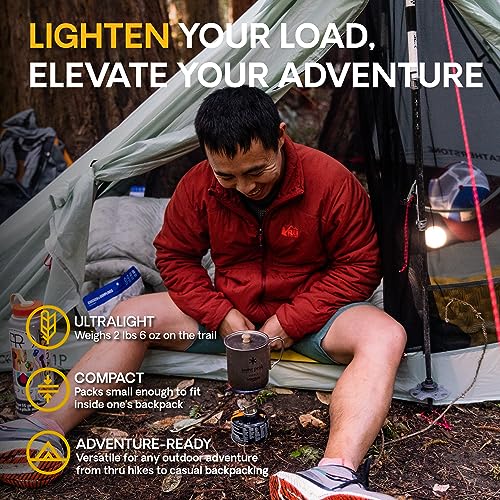
The Featherstone Backbone gets ventilation right in a way few single-wall tents do. With two doors, two vestibules, and wide mesh panels, it’s built for warm climates or humid nights where condensation turns other tents into saunas. At 2 lbs 6 oz, it’s not the lightest, but the 40/60 pole placement and tapered floor give you real headroom and gear space, a rarity in this class.
Owners praise how stable it feels in wind, and the Sil-Nylon construction holds up well to UV exposure, which matters on long trips. That said, the single-wall design means you’ll need to manage dew carefully, even with the vents. It’s not ideal for cold-weather camping where interior moisture builds fast.
Product photos
Zenith 2.0 A-Frame Tent
Strengths
- Spacious for two
- Dual mesh doors
- Lightweight for class
Trade-offs
- Limited high vents
- Vestibule space is minimal
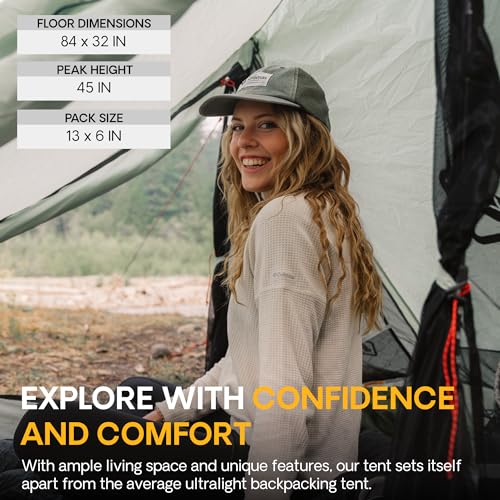
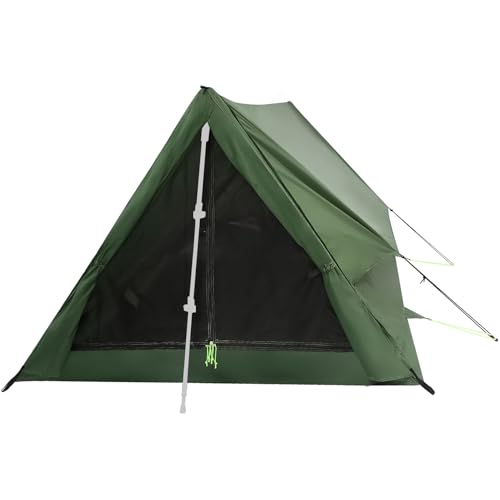
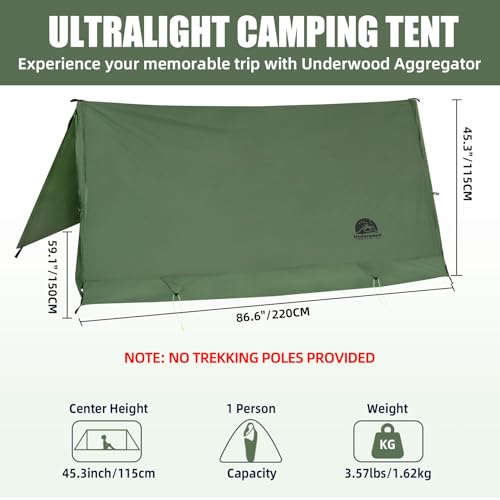
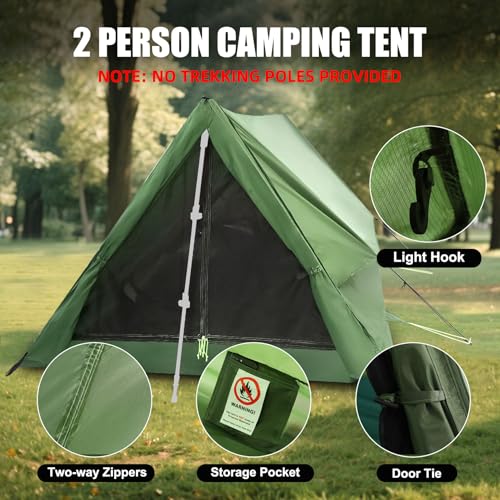
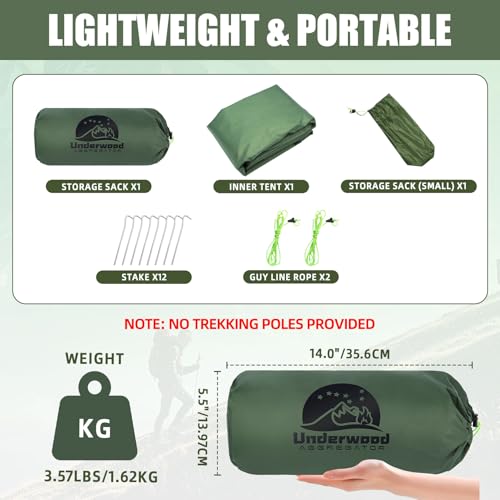
At 3.57 lbs, the Zenith 2.0 is a solid contender for lightweight two-person adventures. The A-frame design with two full mesh doors makes it feel airy and accessible, no more awkwardly crawling over your partner. The floor space (86.6 x 59.1 inches) is generous enough for two average sleeping pads, and the 45.3-inch peak height lets you sit up without hitting your head.
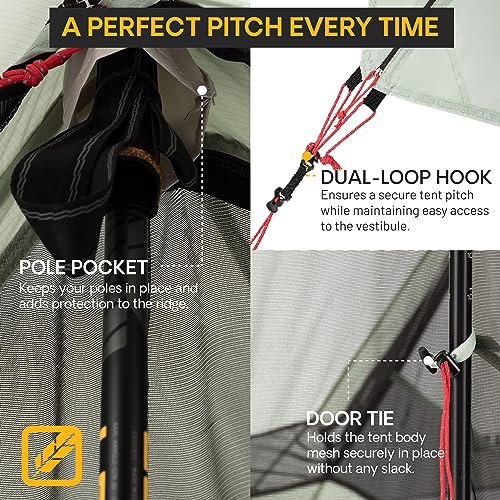
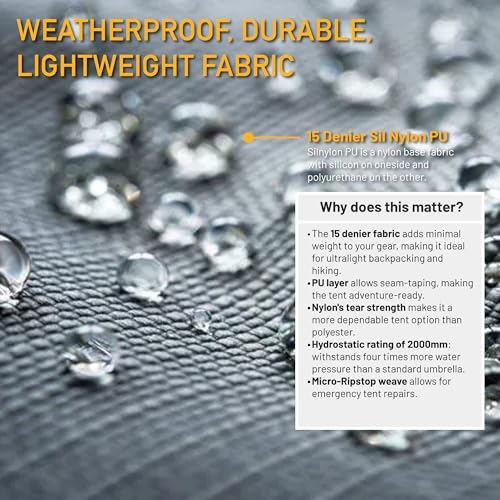
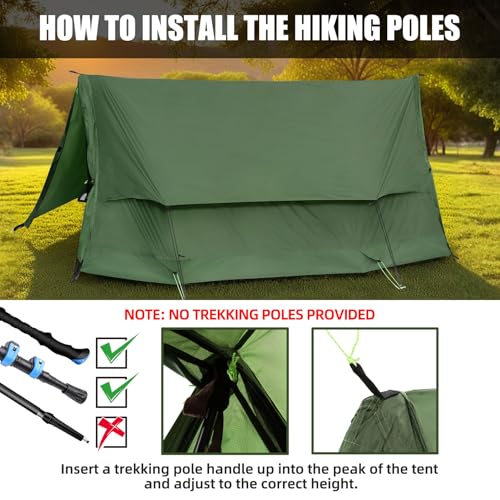
Reviewers note it pitches quickly with trekking poles, and the fully sealed seams with 3000mm PU coating keep water out in steady rain. The single-side window helps with airflow, but it’s not as well-ventilated as the Nature Link Altair Two. Still, for the weight and price, it’s a reliable shelter that doesn’t feel cramped.
Product photos

Nature Link Altair One
Strengths
- Ultralight weight
- Double-wall design
- Excellent waterproofing
Trade-offs
- Tight floor space
- No trekking pole included
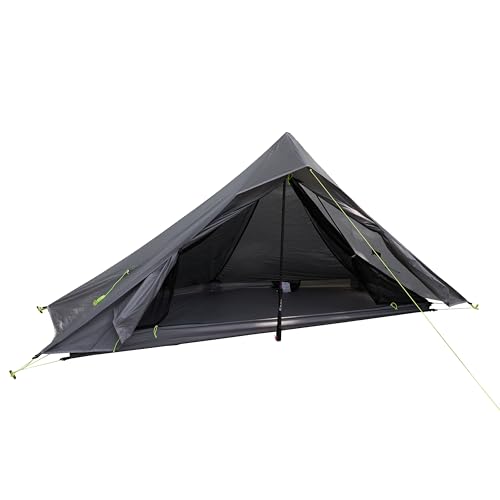
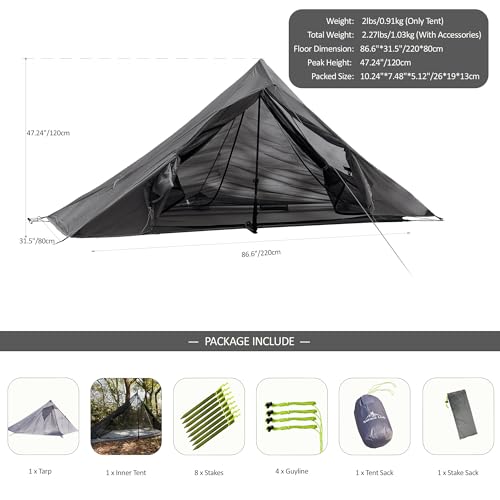
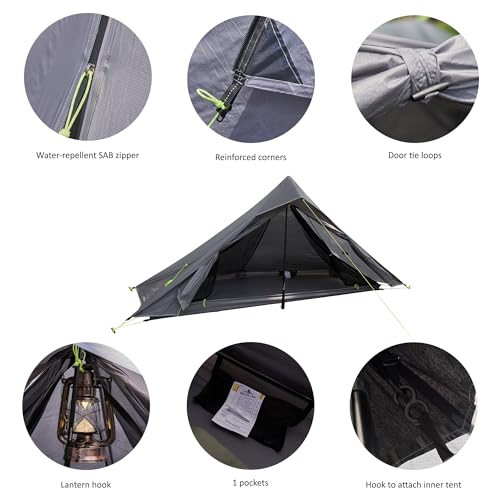
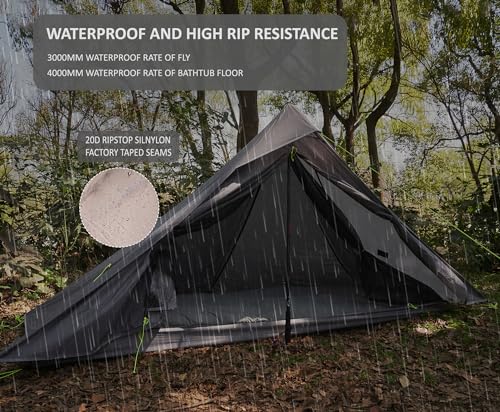
For solo backpackers obsessed with cutting every ounce, the Altair One makes a strong case on paper. At just 2 lbs trail weight, it’s among the lightest double-wall 1-person shelters out there, which matters when you’re counting grams on a thru-hike. Owners consistently report it holds up well in wind and rain, thanks to the 3000mm waterproof Silnylon and sealed seams, not something you can always say for budget ultralights.
The ventilation setup with a high vent and full mesh inner helps fight condensation, a common flaw in single-wall competitors. Still, the floor dimensions (86.6 x 31.5 inches) mean you’ll be snug unless you’re using a narrow pad. It’s not the roomiest, but for the weight, it’s a fair trade-off.
Product photos

OneTigris Tetra Tipi Tent
Strengths
- Spacious floor plan
- Unique ventilation
- Aesthetic appeal
Trade-offs
- Heavy for 2-person tent
- Large packed size
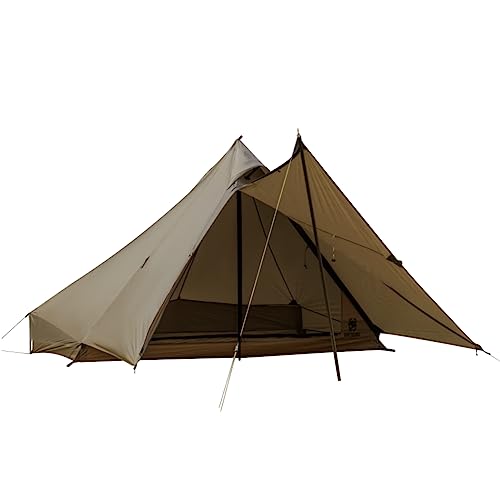
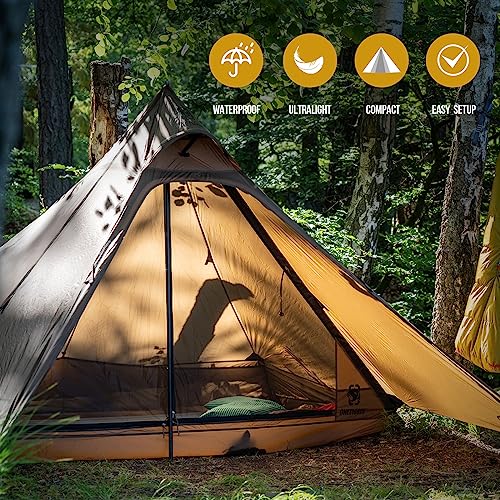
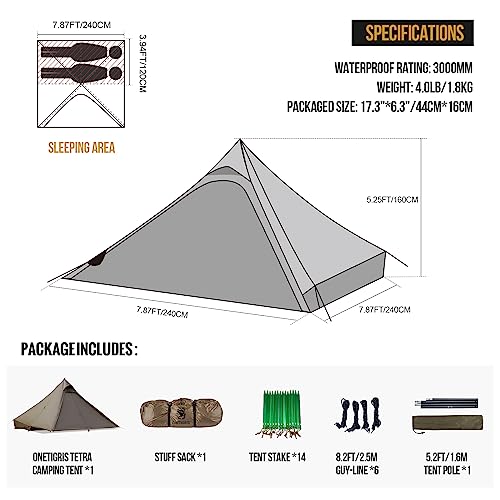
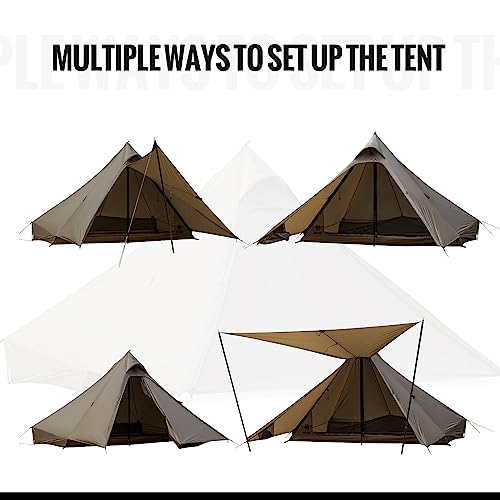
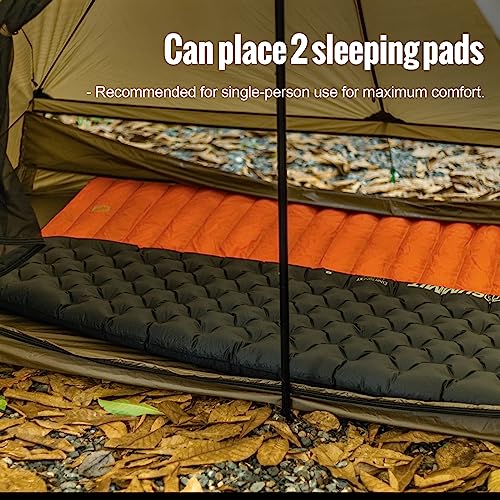
The OneTigris Tetra feels more like a modernized teepee than a traditional backpacking tent, and that’s its charm. At 4 lbs, it’s heavier than most trekking pole shelters, but the 7.8 x 7.2 ft footprint offers massive interior space, enough for two campers and gear, or even a small campfire under the front porch in fair weather.
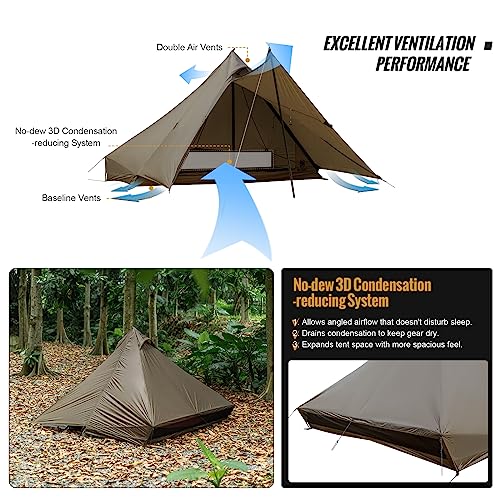
The 3D ventilation system works well to reduce condensation, and the asymmetrical design sheds wind better than you’d expect. Owners love the option to go meshless for stargazing or full mesh for bug protection. But that bulk comes at a cost: it’s not ideal for tight forest sites, and the weight rules it out for serious ultralight trips.
Product photos
Our Testing Process
Rather than a hands-on lab test, this is a research-led comparison of specifications and owner feedback. I dove into the details of dozens of trekking tents, comparing weight, waterproof ratings, floor space, and ventilation features. To build a well-rounded picture, I also weighed owner reviews from major retailers alongside expert opinions from outdoor gear review sites. This allowed me to identify patterns in performance and reliability, beyond just the manufacturer’s claims.
For trekking tents, three factors stood out as most important. Weight is critical, as every ounce matters when you’re carrying your shelter on your back. Waterproofing – both the fly and floor ratings – directly impacts how comfortably you’ll sleep through a storm. Finally, usable interior space and vestibule size determine whether you’ll feel cramped or have room to store gear. These elements ultimately decided which tents rose to the top.
Specifications reliably indicate a tent’s potential for weather protection and size. However, owner feedback provided crucial insights into real-world performance. I paid close attention to comments regarding condensation buildup, ease of setup, and durability over time. This helped me assess whether a tent lived up to its advertised features and whether it held up against the stresses of actual use, and informed my evaluation of top trekking tent brands.
Choosing The Right trekking tents
Picking the right shelter is crucial for enjoying your time in the backcountry. It’s more than just staying dry; it’s about having a comfortable and reliable basecamp for all your adventures.
A quality trekking tent balances weight, weather protection, and livability. Key considerations include the denier and coating of the fabrics (silnylon and ripstop nylon are common), the tent’s overall packed size and weight, the ease of setup, and the ventilation system to minimize condensation. Look for seam-taping and robust zippers as indicators of build quality.
Weight and Packed Size
For trekking tents, every ounce counts. I always tell people that aiming for a sub-3-pound tent is a good starting point, but don’t sacrifice durability to hit that number. Silnylon fabrics, like those used in the Nature Link Altair series, offer a great strength-to-weight ratio. However, consider that a very lightweight tent might require more careful handling, and potentially more frequent re-waterproofing. Don’t forget to factor in the weight of the stakes and guylines, too. Packing volume is just as important as weight. A tent that packs down small leaves more room in your backpack for essentials.
Weather Protection and Construction
The waterproof rating of a tent’s rainfly and floor is a good indicator of its ability to withstand wet conditions, but it’s not the whole story. Seam-taping is essential; even a high waterproof rating is useless if water can seep through the seams. Look for tents with bathtub floors (where the floor material extends up the sides) to prevent water from entering. Also, consider the tent’s ability to handle wind. A well-designed tent, like the Zenith 2.0 A-Frame Tent, will have a sturdy structure and reinforced stress points. If you anticipate encountering harsh conditions, you’ll want to investigate four-season backpacking tents and their specialized features.
Livability and Features
Don’t underestimate the importance of livable space. A cramped tent can ruin a trip. Look for a tent with enough headroom to sit up comfortably, and a vestibule to store gear out of the elements. Mesh panels are fantastic for ventilation and bug protection, but make sure there’s also a way to close them off for colder or more exposed conditions.
- Vestibule size: A small vestibule is better than none, but a larger one can be a lifesaver for storing wet gear.
- Door configuration: Two doors can be incredibly convenient, especially for two-person tents, allowing each person easy access.
- Internal pockets: Multiple internal pockets help keep small items organized and within reach, reducing clutter.
A well-ventilated tent is a happy tent. Prioritize airflow to minimize condensation, even if it means sacrificing a bit of weather protection.
Finding a balance between these factors will lead you to the perfect shelter for your next adventure. And, if you’re heading out with a partner, exploring options for 2-person trekking tents is a good place to start.
Trekking Tents Compared
Here’s a comparison of key specifications for popular trekking tents to help you choose the best option for your needs.
| Product Title | Capacity | Weight (lbs) | Waterproof Rating (mm) | Dimensions (L x W x H in) | Poles Included |
|---|---|---|---|---|---|
| Nature Link Altair Two | 2 | 2.73 | 3000 | 86.6 x 50 x 47.24 | No |
| LANSHAN Ultralight 1-Person Tent | 1 | 2.1 | 5000/6000 | 90.6 x 39.4 x 49.2 | No |
| TOMOUNT Ultralight 1-2 Person Tent | 1-2 | 2.36 | 3000 | N/A | No |
| Featherstone Backbone 1-Person Tent | 1 | 2.6 | N/A | N/A | No |
| Zenith 2.0 A-Frame Tent | 2 | 3.57 | 3000 | 86.6 x 59.1 x 45.3 | No |
| Nature Link Altair One | 1 | 2.0 | 3000 | 86.6 x 31.5 x 47.24 | No |
| OneTigris Tetra Tipi Tent | 1-2 | 4.0 | 3000 | N/A | N/A |
Frequently Asked Questions
What waterproof rating do I really need for a trekking tent?
A 3000mm rating is generally sufficient for most conditions, but 5000mm offers better protection in prolonged or heavy rain. Remember that a higher number doesn’t guarantee dryness if the seams aren’t sealed properly.
Are silnylon tents as durable as those made with ripstop nylon?
Silnylon is lighter and packs smaller, but ripstop nylon typically offers better abrasion resistance. For trekking, where weight is a major concern, silnylon is a popular choice, provided you’re mindful of potential damage.
How important is a bathtub floor design?
A bathtub floor is very important because it raises the tent floor several inches, preventing water from creeping in during heavy rainfall or when the ground is saturated. This feature significantly improves overall weather protection.
What’s the best way to minimize condensation inside my trekking tent?
Good ventilation is key; look for tents with mesh panels and adjustable vents. Opening vents even slightly can dramatically reduce condensation buildup, even if it means a small compromise in warmth.
Where can I find options specifically designed for two hikers?
You can explore a range of options for ultralight 2-person tents to find a shelter that balances weight and space for comfortable backpacking with a partner.
The Bottom Line
Ultimately, choosing a trekking tent comes down to balancing how much you want to carry against how much space and weather protection you demand. For the best overall combination of weight, durability, and livability, the Nature Link Altair Two stands out. It hits a sweet spot for solo adventurers wanting extra room or couples prioritizing comfort without being weighed down.
If you’re on a tighter budget, the LANSHAN Ultralight 1-Person Tent offers incredible value, and for those who prioritize versatility – potentially using the tent for solo trips or occasionally with a partner – the TOMOUNT Ultralight 1-2 Person Tent is a strong contender. These options prove you don’t have to spend a fortune to get a reliable shelter.
At the end of the day, the waterproof rating and weight specs are important, but they’re secondary to having a tent that’s appropriately sized for your needs and well-suited to the conditions you expect to encounter. Understanding factors in selecting a trekking tent is far more valuable than chasing the lightest weight or highest denier count.
