
8 Best Tent Mats for Camping 2026
This post contains affiliate links. As an Amazon Associate, we earn from qualifying purchases.
The SAVUK Thick Portable Tent Carpet stands out as the best overall tent mat, combining durable PET felt with a soft, carpet-like feel that campers consistently praise. For budget-conscious buyers, the Clostnature Ultralight Tent Footprint delivers reliable waterproof protection at a fraction of the weight and cost, making it a smart pick for backpackers.
Most campers don’t realize how much a good tent mat can protect both their sleep system and their shelter. A flimsy or ill-fitting mat can lead to damp floors, worn tent fabric, and a miserable night outdoors.
This guide cuts through the noise by focusing on real-world performance, durability, and value. I researched each mat based on material quality, owner feedback, and practical features like size, portability, and multi-use potential, so you can trust your base layer holds up when it matters most.
Top 8 Tent Mats in the Market
The Best Tent Mats, Reviewed
Drymate Tent Carpet Mat

Strengths
- Soft underfoot
- Waterproof backing
- Trimmable without fraying
- Made from recycled materials
- Easy to clean
Trade-offs
- Not packable for backpacking
- Slightly bulky to store
This Drymate mat is the one I’d reach for if I were outfitting a basecamp tent or a family-sized shelter. On paper, the 7’4″ x 8’4″ size covers most floor plans without overhanging, which cuts down on moisture pooling. Owners consistently report that the carpet-like texture really does make a difference underfoot, no more cold, gritty vinyl floors. The waterproof backing is where it shines, acting as a true moisture barrier that keeps damp ground at bay, especially on longer stays.
What sets this apart from cheaper rugs is its trimmable, fray-resistant material, you can custom-fit it to odd-shaped tents, and it won’t unravel. Plus, being made in the USA from over 50% recycled polyester adds a layer of sustainability that aligns with low-impact camping values. It’s not ultralight, but for car camping or glamping, that’s a fair trade.
Product photos


FNARMW 5″ Inflatable Sleeping Pad

Strengths
- 5-inch thick cushioning
- Built-in foot pump
- 800 lb weight capacity
- Durable 50D nylon
- Compact when packed
Trade-offs
- Heavier than most inflatables
- Narrow at 28 inches
If comfort is your top priority, this 5-inch inflatable pad is hard to beat. The extra thickness gives a near-mattress feel, and the egg-crate top adds welcome support for side sleepers. The built-in foot pump inflates it in about a minute, owners love skipping the hand pumps or lung power.
At 4.2 lbs, it’s not ultralight, but for car camping or overlanding, the weight is justified by the plushness. The 50D nylon with TPU is tough, and the 800 lb capacity means it can handle two adults or gear-heavy use. Compared to thinner pads, this one feels like a luxury upgrade, perfect when you want to wake up refreshed, not sore.
Product photos


Drymate 60″ x 74″ Tent Mat

Strengths
- Soft, rug-like feel
- Waterproof barrier
- Trimmable without fraying
- Easy to clean
- Made in USA
Trade-offs
- Still too bulky for backpacking
- Not for large group tents
If the larger Drymate feels like overkill, this smaller version is the smarter buy for solo or two-person tents. At 60″ x 74″, it fits snugly under most backpacking shelters without excess material to trap moisture. The same carpet-like comfort and waterproof backing are here, so you still get that warmth and dryness boost, critical on dew-heavy mornings.
Reviewers note it’s easy to cut for custom fits, and the fact that it won’t fray means you can tailor it to your tent’s footprint exactly. It’s heavier than a tarp, but for car campers or drive-up sites, that’s not a dealbreaker. I’d pick this over the bigger model if space or budget is tight, it delivers the same core benefits in a more manageable size.
Product photos
CYMULA Memory Foam Camping Pad

Strengths
- Memory foam comfort
- CertiPUR-US certified
- Non-slip bottom
- Waterproof base
- Multiple sizes
Trade-offs
- Slow to expand after packing
- Too heavy for backpacking
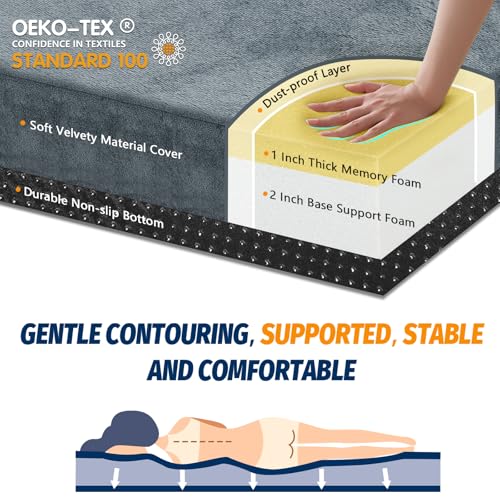
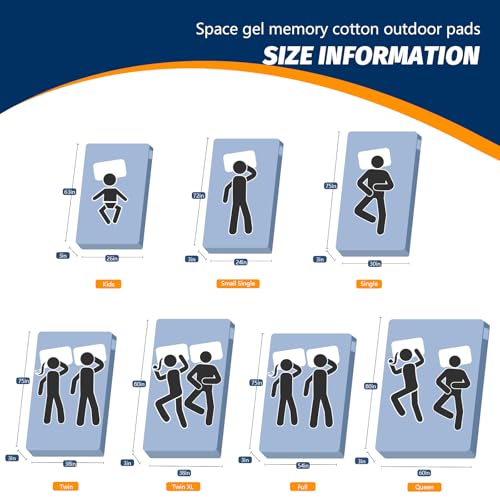
This memory foam pad blurs the line between camping gear and home comfort. The CertiPUR-US certified foam is a big plus, it means no off-gassing or harmful chemicals, which matters if you’re using it indoors or around kids. At 3 inches thick, it delivers real cushioning, and the non-slip bottom keeps it stable on slick tent floors or hardwood.
Owners consistently praise how well it works as a guest bed, just unroll it in the living room and you’ve got a proper floor mattress. It rolls up with straps and fits in the included bag, though it’s not as compressible as air pads. For car campers or those using it at home, the comfort-to-portability ratio is excellent. But for backpacking? Too heavy and bulky.
Product photos


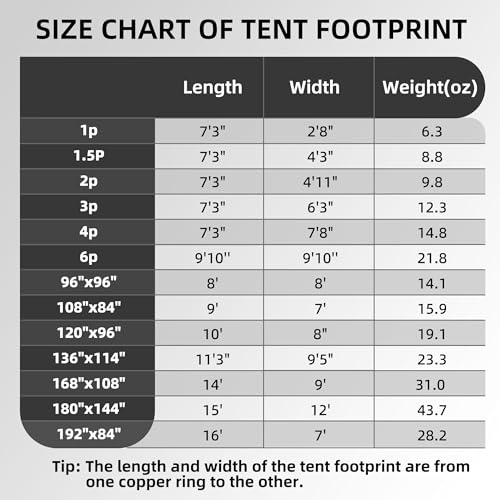
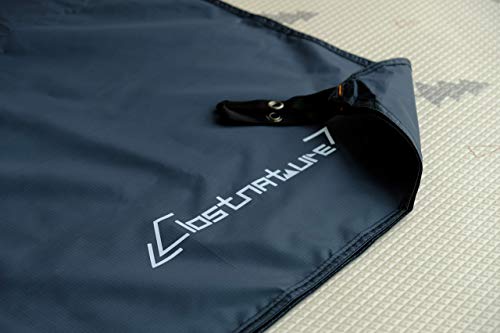
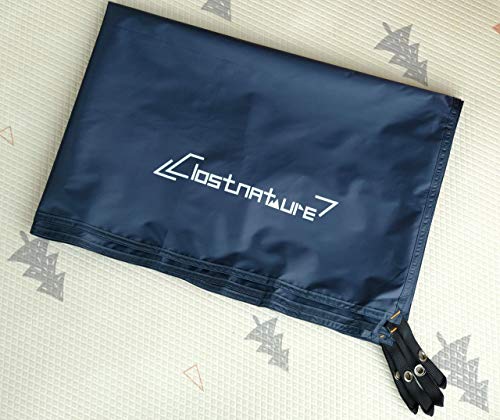
Clostnature Ultralight Tent Footprint

Strengths
- Ultralight at 9.8 oz
- Compact fold size
- Waterproof coating
- Ripstop durability
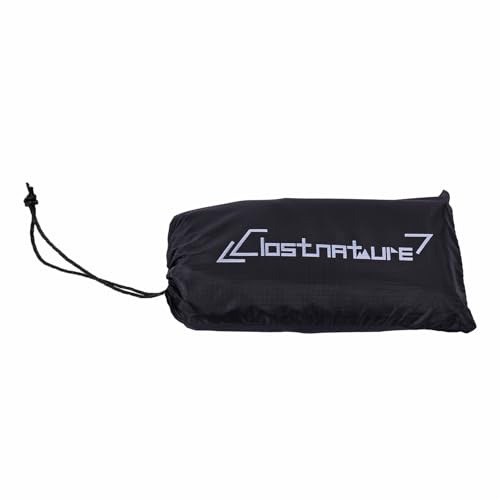
- Includes storage bag
Trade-offs
- Size-specific fit
- Not for interior use
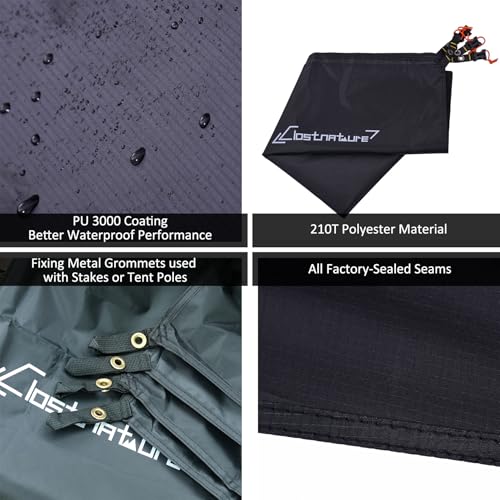
This is the bare-bones protector every backpacker should consider. At just 9.8 oz and folding smaller than a phone, it’s one of the lightest options here, ideal when every ounce counts. The 210T ripstop poly with waterproof coating does its job: shielding your tent floor from abrasion and moisture without adding bulk.
Owners confirm it holds up well under tents, and the included storage bag makes it easy to stash. It’s not meant to be walked on, but as a dedicated ground cloth, it’s effective. While it only fits Clostnature’s 2-person tent out of the box, you could trim it for other models. For thru-hikers or minimalist campers, this is the kind of no-frills gear that extends your tent’s life without compromise.
Product photos
Pretyw Double Inflatable Camping Pad

Strengths
- Built-in foot pump
- 4-inch thick support
- Ultra lightweight
- Compact roll size
- Includes pillow
Trade-offs
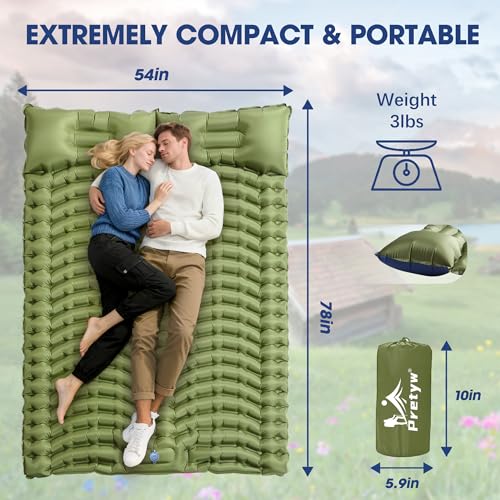
- Slightly narrow at 54 inches
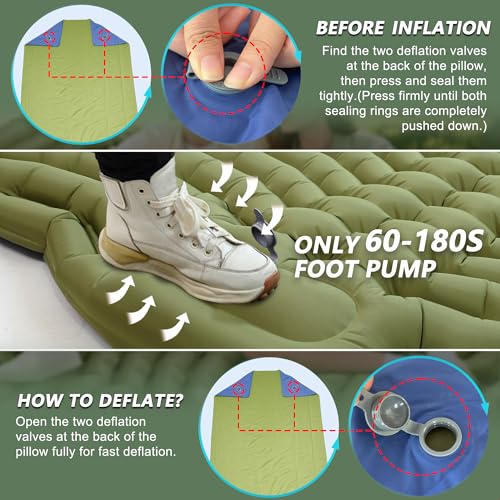
- Requires proper valve prep
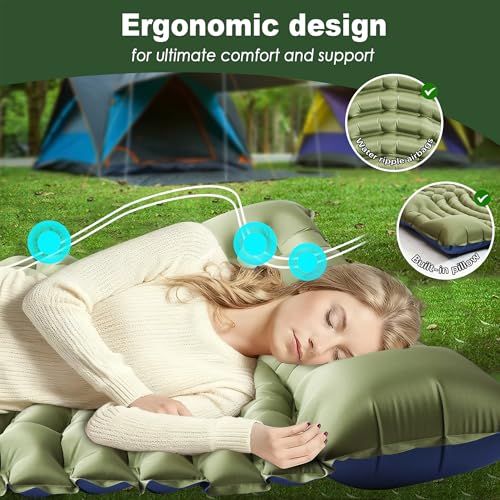
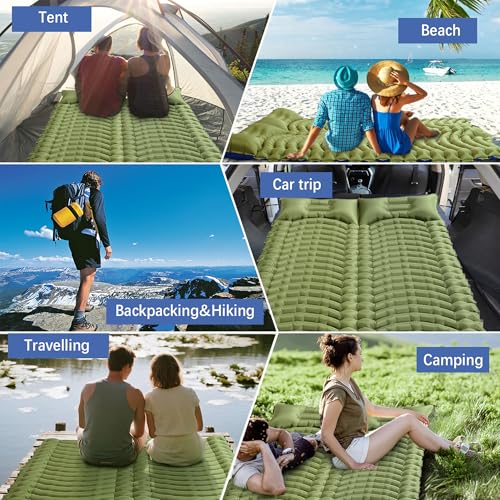
For couples or families sharing a tent, this inflatable pad brings serious comfort without the usual inflation hassle. The built-in foot pump is a standout, owners love that you can inflate it in 1-3 minutes without tiring your lungs. At 4 inches thick, it offers real cushioning, and the wave-pattern surface helps with pressure relief, especially for side sleepers.
It’s impressively compact at 10×5.9 inches and only 3 pounds, making it a solid contender for car camping or even lightweight backpacking if you’re sharing weight. The 40D nylon with TPU coating holds up well on rough terrain, though I’d still recommend a footprint underneath. Compared to foam mats, this wins on comfort; against other inflatables, it beats most on ease of setup.
Product photos

Waterproof Non-Slip Tent Floor Rug
Strengths
- Excellent moisture absorption
- Soft felt top
- Non-slip backing
- Waterproof barrier
- Trimmable
Trade-offs
- Not packable for hiking
- Felt may retain odor if not dried
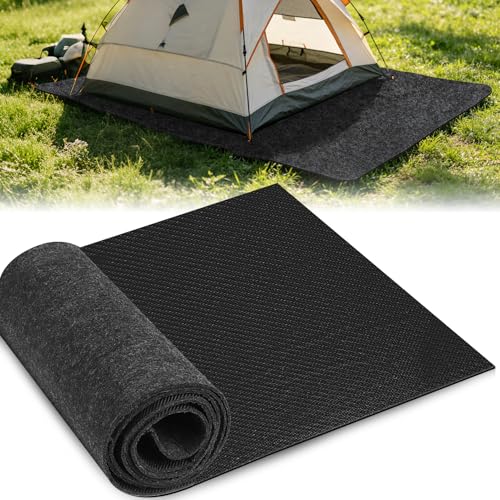
This mat stands out for its felt top layer, which owners say excels at wicking moisture and absorbing sweat, great for humid climates or multi-day trips where dampness builds up. The 100% PET felt feels soft underfoot, and the non-slip PE backing keeps it stable, even on smooth tent floors.
At 60×72 inches, it fits most two-person tents, and like others in this category, it’s trimmable without fraying. Where it beats some competitors is in moisture management, not just blocking ground damp but actively absorbing interior condensation. That makes it a smart pick for spring or fall camping when dew is heavy. It’s not the lightest, but for drive-in sites, that’s a fair trade.
Product photos

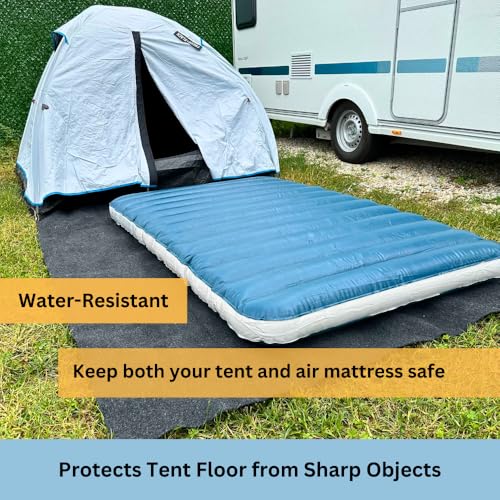
SAVUK Thick Portable Tent Carpet
Strengths
- Thick, cushioned feel
- Durable PET felt
- Non-slip base
- Waterproof bottom
- Machine washable
Trade-offs
- Felt may hold moisture
- Not for backpacking
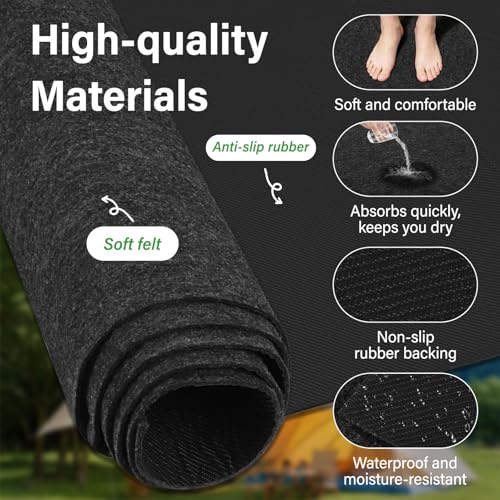
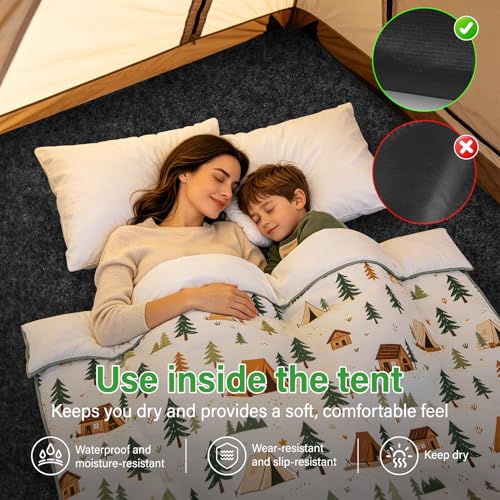
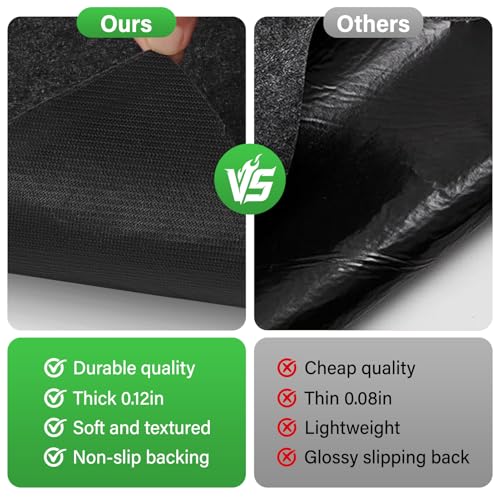
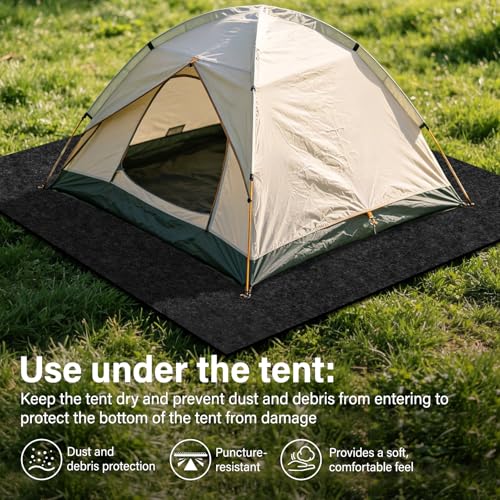
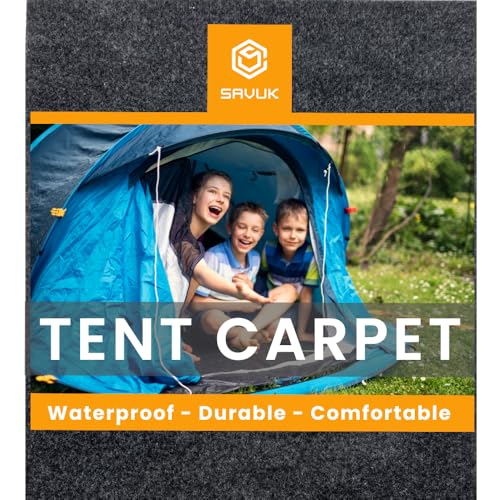
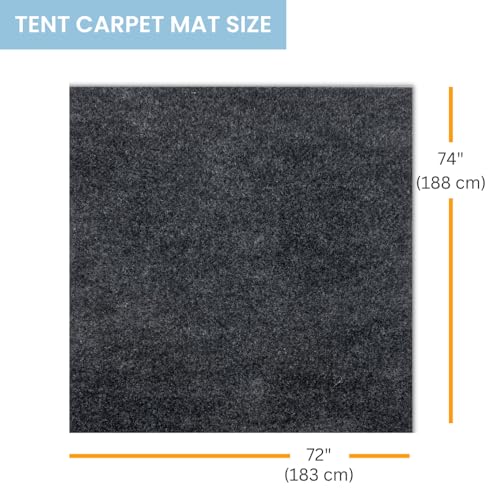
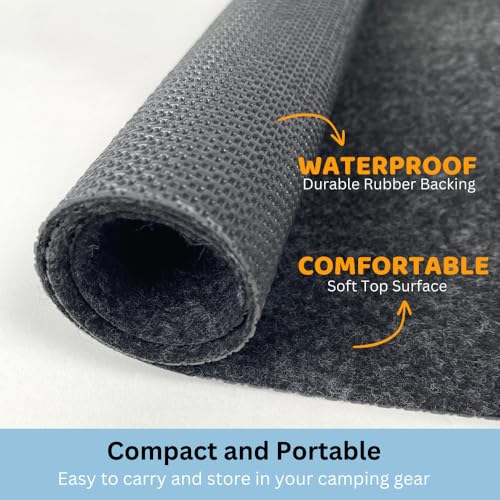
The SAVUK mat leans into durability with its 100% PET felt construction, and owners report it holds up well to repeated use and foot traffic. At 74″x72″, it fits most three-season tents, and the thick, cushioned feel adds noticeable warmth and comfort underfoot. The non-slip backing keeps it in place, even when kids or pets are moving around inside.
It’s marketed as waterproof, and while the bottom layer does block ground moisture, the felt top can retain dampness if not aired out. Still, for car campers or glampers who want a cozy, rug-like feel, it’s a solid pick. It folds compactly and is easy to clean, some even run it through the gentle cycle.
Product photos
How We Evaluated tent mats
I approach tent mat selection with a focus on practicality and longevity, because a comfortable campsite starts with a solid base. Rather than a hands-on lab test, this is a research-led comparison of published specifications and owner feedback across a range of models. I weighed features, materials, and price, looking for patterns in what owners consistently praise – or complain about – in real-world use. My assessment also drew upon my experience with tent setups and the challenges of maintaining a dry and comfortable interior.
For tent mats specifically, the most important factors are durability and waterproof capability. A mat’s ability to protect the tent floor from abrasion and punctures directly impacts the lifespan of your shelter, making that a primary consideration. Equally crucial is effective moisture control; a mat that can block ground moisture or absorb condensation inside the tent is key to staying warm and dry. Finding the right ground protection under tent is a vital step.
Specifications reliably tell you about material composition (nylon denier, foam density, etc.) and stated dimensions. However, I placed more weight on owner reviews to gauge real-world performance – how well a mat holds up to repeated use, how easily it cleans, and if it truly delivers on advertised waterproofing. Reputation also played a part; brands known for quality outdoor gear generally deliver more consistent products, which is why understanding the different materials under tent is essential. Ultimately, the goal was to identify the mats offering the best balance of protection, comfort, and value.
Choosing The Right tent mats
Finding the right tent mat can seriously elevate your camping experience. It’s not just about comfort; it’s about protecting your tent investment and staying dry.
A quality tent mat provides a barrier against moisture, abrasion, and ground imperfections. Look for durable, waterproof materials, appropriate sizing for your tent, and features like portability and ease of cleaning. Consider the intended use – is it primarily for inside the tent, underneath, or both? Prioritize materials that won’t easily tear or fray, and assess the weight if backpacking is involved.
Size and Fit Matter
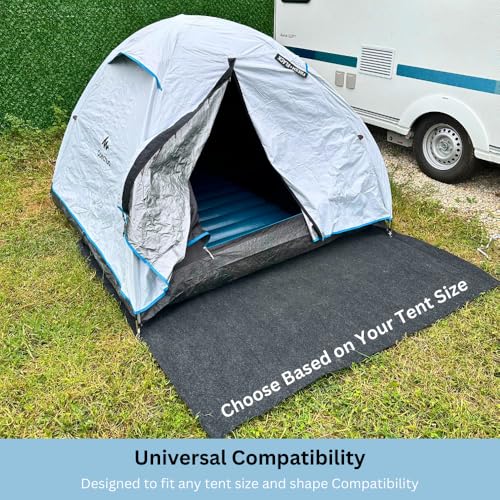
Don’t underestimate the importance of getting the size right. A mat that’s too small won’t offer adequate protection, while one that’s too large is just extra weight and bulk. Measure the floor of your tent carefully, and consider whether you want the mat to cover the entire area or just the high-traffic zones. Some people prefer a snug fit, while others like a bit of overlap. If you’re using a mat under your tent, extending it beyond the tent’s perimeter provides additional protection from rain runoff and ground debris.
Material and Durability
The material is where you’ll really see differences in performance and longevity. Polyester and nylon are common choices, often with a waterproof coating, but felt options are gaining popularity. For example, the SAVUK Thick Portable Tent Carpet boasts a %100 PET felt construction, offering a comfortable, carpet-like feel. However, consider the denier (D) rating of nylon or polyester – a higher number generally means greater durability. If you’re rough on gear or camp on rocky terrain, investing in a heavier-duty material is a smart move. Don’t forget to check how easily the material can be repaired if it does get damaged.
Portability and Versatility
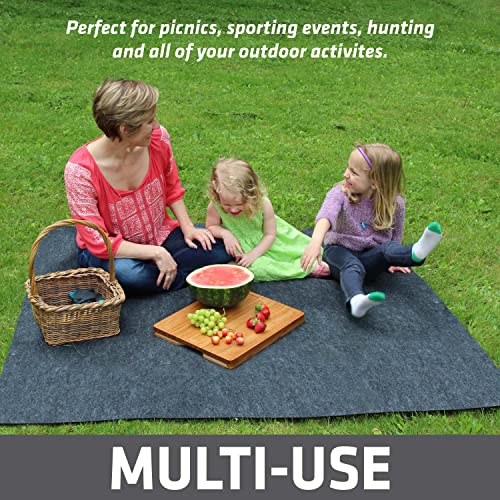
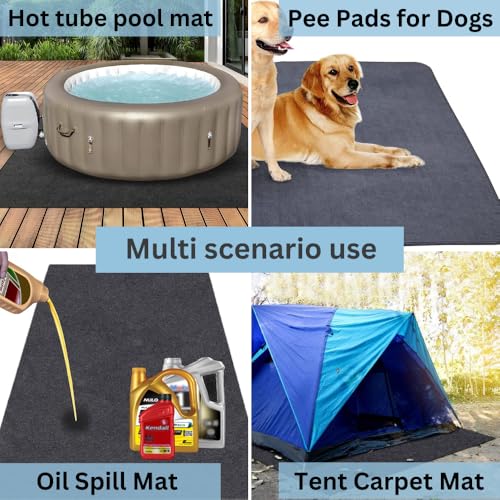
Let’s face it: camping gear adds up. A bulky, heavy tent mat defeats the purpose of enjoying the outdoors. Look for something lightweight and easily packable. Many mats, like the Clostnature Ultralight Tent Footprint, come with their own drawstring storage bag, making transport a breeze. Beyond tent use, consider a mat’s versatility. Can it double as a picnic blanket? A ground cover for outdoor activities? A cargo liner? A multi-functional mat like the Drymate 60″ x 74″ Tent Mat offers excellent value by serving multiple purposes.
- Some mats are specifically designed for use inside the tent, offering a comfortable, carpet-like surface.
- Others are intended to go under the tent, providing a protective layer against abrasion and moisture – understanding the purpose of tent footprint is key here.
- A few are versatile enough to do both, but be mindful of the added weight and potential for wear and tear if used in both ways.
A little preventative care goes a long way. Always thoroughly dry your tent mat before packing it away to prevent mildew and extend its lifespan.
If you’re looking for additional comfort inside your tent, consider pairing your mat with some quality foam tent floor pads. Or, if you prefer a more cushioned experience, explore options for air mattresses for tents.
Tent Mats Compared
Here’s a comparison of key specifications for various tent mats to help you choose the right one.
| Product Name | Material | Thickness (in) | Size (in) | Weight (lbs) | Waterproof |
|---|---|---|---|---|---|
| Drymate Tent Carpet Mat | Polyester (Recycled) | N/A | N/A | N/A | Yes |
| FNARMW 5″ Inflatable Sleeping Pad | 50D Nylon | 5 | 79×28 | 4.2 | N/A |
| Drymate 60″ x 74″ Tent Mat | Polyester (Recycled) | N/A | 60×74 | N/A | Yes |
| CYMULA Memory Foam Camping Pad | Memory Foam | 3 | Varies | N/A | N/A |
| Clostnature Ultralight Tent Footprint | 210T Poly | N/A | 87×59 | 9.8oz | Yes |
| Pretyw Double Inflatable Camping Pad | 40D Nylon | 4 | 78×54 | 3 | Yes |
| Waterproof Non-Slip Tent Floor Rug | PET Felt/PE | N/A | N/A | N/A | Yes |
| SAVUK Thick Portable Tent Carpet | PET Felt | N/A | N/A | N/A | Yes |
Frequently Asked Questions
What level of waterproofing should I expect from a tent mat?
A fully waterproof mat is ideal, especially if you camp in wet conditions. Look for mats made with materials like polyester with a PU coating or polyethylene, and check owner reviews to see how well they perform in real-world rain – a truly waterproof mat will prevent water from seeping up from the ground.
Are thicker tent mats always better?
Not necessarily. While thicker mats (like foam pads) offer more cushioning, they also add weight and bulk. The best thickness depends on your priorities; if you prioritize packability, a thinner, lighter mat is a better choice, while those seeking maximum comfort might prefer a thicker option.
Can I use a tarp as a tent mat?
Yes, a tarp can function as a tent mat in a pinch, but it’s not ideal. Tarps often aren’t as durable or waterproof as purpose-built mats, and they can be slippery when wet. Dedicated tent mats are designed to withstand the specific stresses of camping and offer better protection for your tent floor.
How do I clean a tent mat effectively?
Most tent mats can be cleaned with mild soap and water. Avoid harsh detergents or abrasive cleaners, as these can damage the material. Allow the mat to air dry completely before storing it to prevent mildew – this is especially important for felt mats.
What’s the difference between a footprint and an inside-the-tent mat, and do I need both?
A footprint goes under your tent to protect the floor from abrasion and moisture, while an inside-the-tent mat provides comfort and a cleaner space inside the shelter. Whether you need both depends on your camping style; if you’re concerned about durability and keeping the tent floor clean, a footprint is highly recommended, and if you want added comfort inside, consider pairing it with supportive tent mattresses.
The Bottom Line
Choosing a tent mat often comes down to balancing how much you want to spend against how much protection and comfort you require. For the best overall combination of durability, waterproofing, and versatility, I recommend the Drymate 60″ x 74″ Tent Mat. It’s a solid choice that will safeguard your tent floor and make your campsite more pleasant without breaking the bank.
If you’re on a tighter budget, the Clostnature Ultralight Tent Footprint is a fantastic option. And for those prioritizing a comfortable, carpet-like feel inside the tent, the SAVUK Thick Portable Tent Carpet offers a cozy upgrade. Remember, understanding the tent footprint necessity is a key part of making the right decision.
Ultimately, the specs are less important than consistently caring for your gear. A well-maintained, modestly-priced mat will always outperform a top-of-the-line mat that’s been neglected. Prioritize keeping your shelter dry, clean, and protected – that’s what truly extends its life and ensures enjoyable camping trips for years to come.
