
8 Best Warm Weather Tents 2026
This post contains affiliate links. As an Amazon Associate, we earn from qualifying purchases.
The best warm weather tent overall is the Naturehike 2 Person 4 Season Tent, it strikes a rare balance of lightweight build, full-coverage ventilation, and durable weather protection. For budget campers, the Amazon Basics 4-Person Instant Tent sets up fast and offers solid airflow. If you’re after something ultra-simple for quick shade, the WeatherPod® Pop-Up Sports Tent 1 Person is surprisingly effective.
Hot, stuffy tents ruin summer trips. Even on calm nights, poor airflow turns your shelter into a humid oven. I’ve seen it too many times, people trading comfort for convenience, only to spend their night sweating or wrestling with condensation.
This guide cuts through the noise. I compared dozens of models using specs, verified owner feedback, and design priorities that matter most when temperatures climb: breathability, weight, and smart ventilation. These picks aren’t just labeled “for summer”, they’re built to keep you cool, dry, and actually comfortable when the sun won’t quit.
Top 8 Warm Weather Tents in the Market
The Best Warm Weather Tents, Reviewed
EVER ADVANCED 10 Person Blackout Tent
Strengths
- True blackout fabric
- Fast 3–5 minute setup
- Excellent airflow
Trade-offs
- Heavy and bulky
- Not for backpacking
- Requires two people ideally
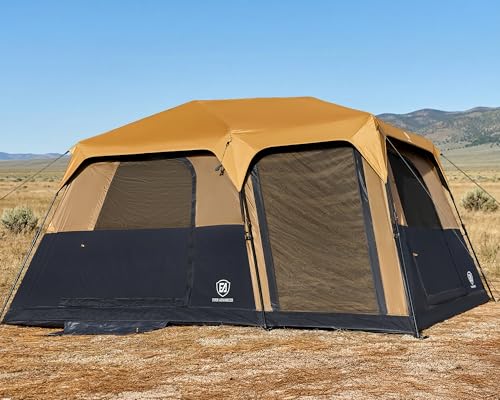
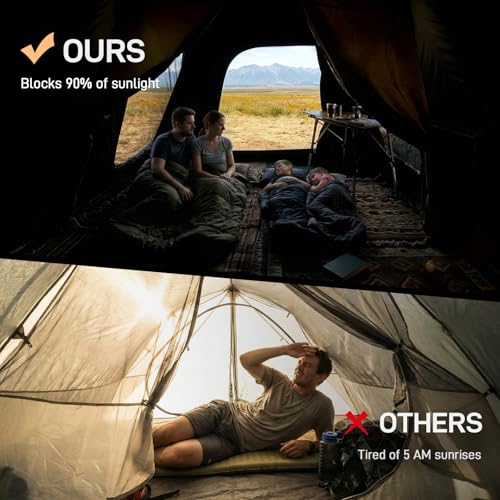
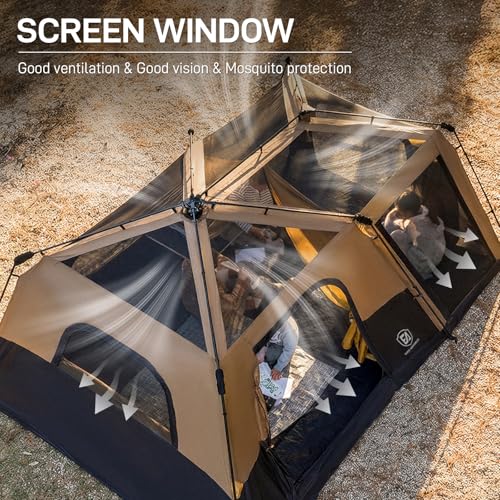
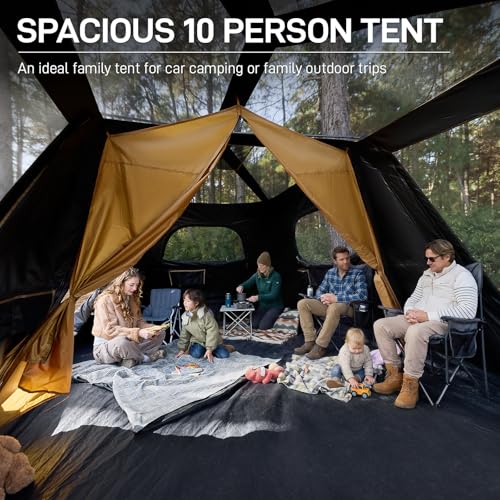
This is the king of car camping comfort, a spacious, easy-up cabin tent that nails the basics. The 14×10 footprint fits a small army, and the 78-inch center height means most can stand without ducking. But what sets it apart is the blackout design: owners consistently say it blocks nearly all morning light, making it perfect for kids, night owls, or anyone who hates sunrise at 5 a.m.
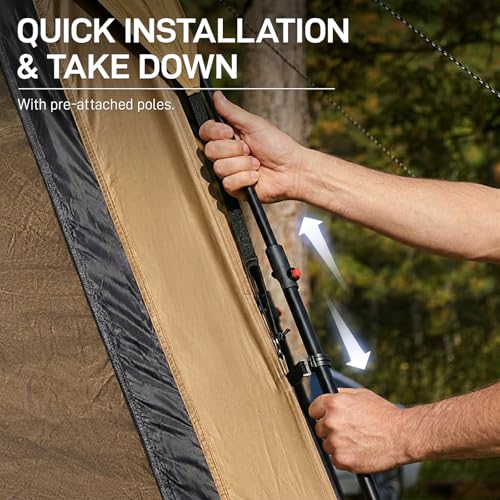
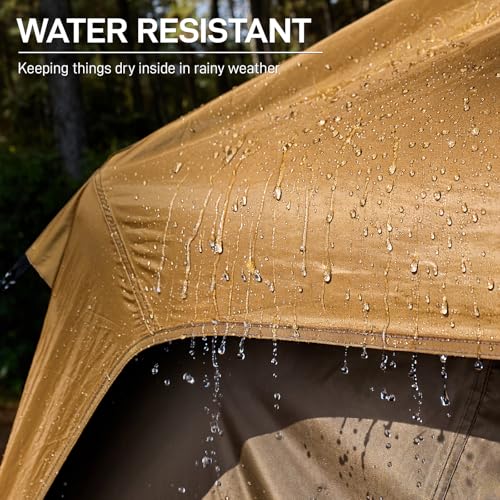
Ventilation is also strong, with five mesh windows and an overhead net panel that work well in warm weather. The 4000mm water-resistant rating and taped seams add real confidence in storms. Setup is genuinely fast, three to five minutes with the pre-attached frame. It’s heavy and bulky, but that’s the trade-off for this much livable space.
Product photos
Amazon Basics 4-Person Instant Tent

Strengths
- Blazing-fast setup
- Budget-friendly
- Includes gear loft
Trade-offs
- So-so airflow
- Flimsy pole feel
- Minimal storm protection
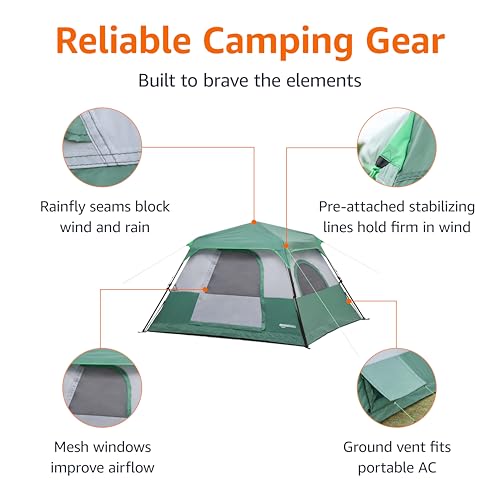
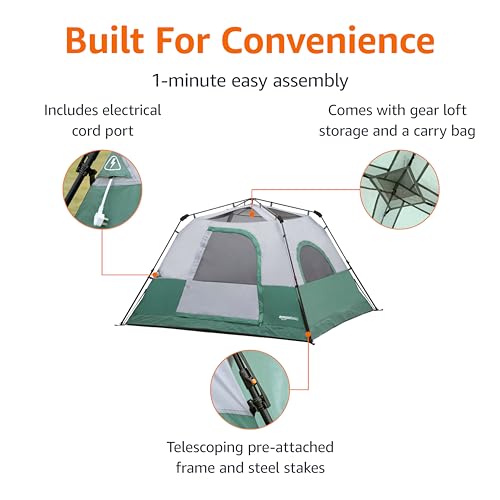
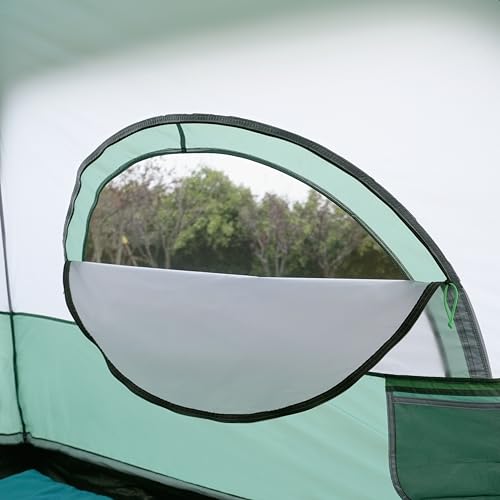
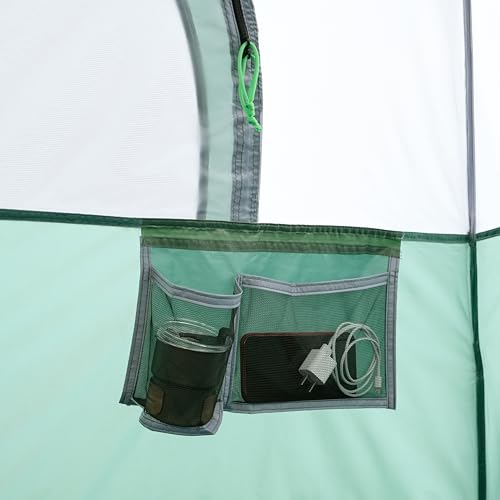
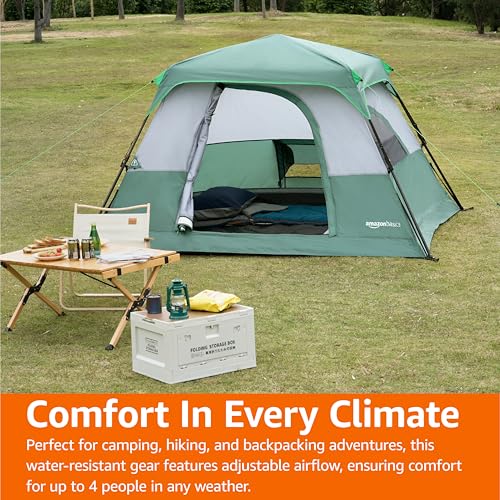
You won’t find flashy features here, but for a no-fuss, reliable shelter at a low price, this Amazon Basics tent delivers. The 60-second setup works as promised, thanks to pre-attached poles, and the weather-resistant fabric holds up in light rain. Owners appreciate the included gear loft and electrical port, small touches that add convenience.
But it’s clear where corners were cut. The ventilation is average, with just a ceiling mesh panel and small windows, so on hot nights, it can feel stuffy. The frame feels less rigid than pricier instant tents, especially in wind. Still, for occasional campers or fair-weather trips, it’s a solid value. I’d recommend this as a starter tent or backup, not for serious backcountry use.
Product photos
CAMPROS CP 8 Person Family Tent
Strengths
- Roomy straight walls
- Interior room divider
- Five mesh windows
Trade-offs
- Heavy and bulky
- No blackout feature
- Takes two for setup
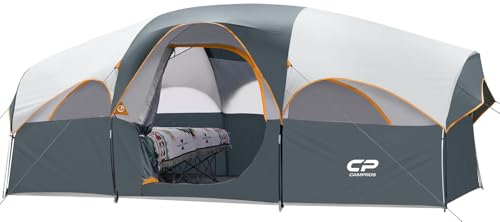
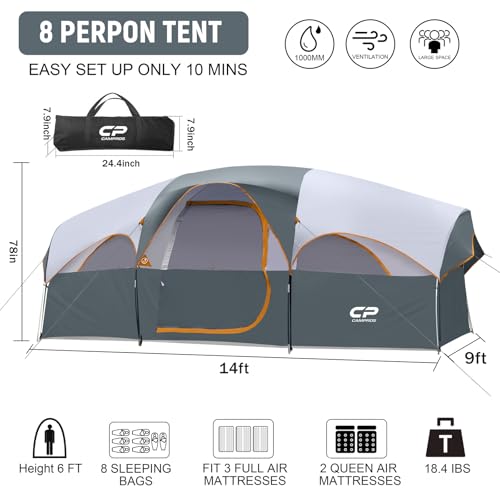
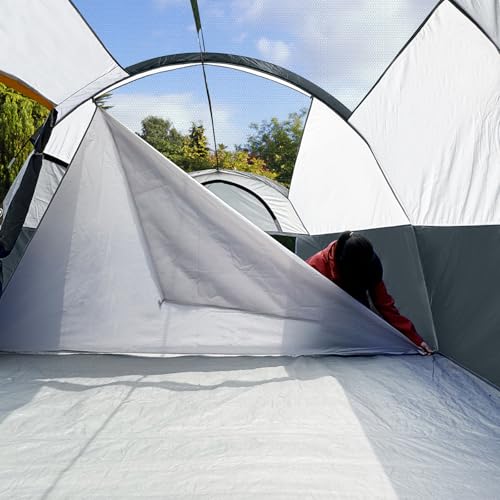
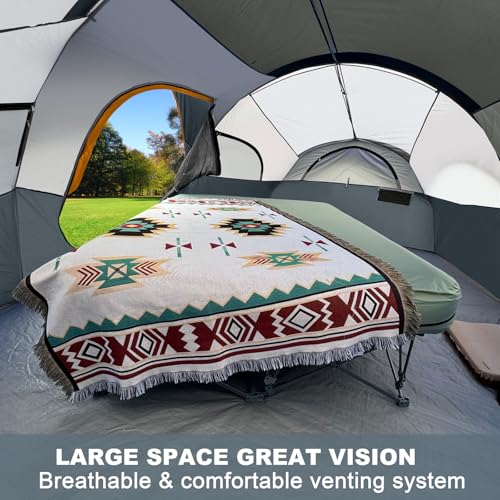
This family-sized tent shines in two areas: space and smart layout. The straight walls and 72-inch height make it feel more like a cabin than a dome, and the interior divider adds privacy, useful for families or groups. With five large mesh windows, ventilation is strong, and owners note it stays relatively cool even on warm days.
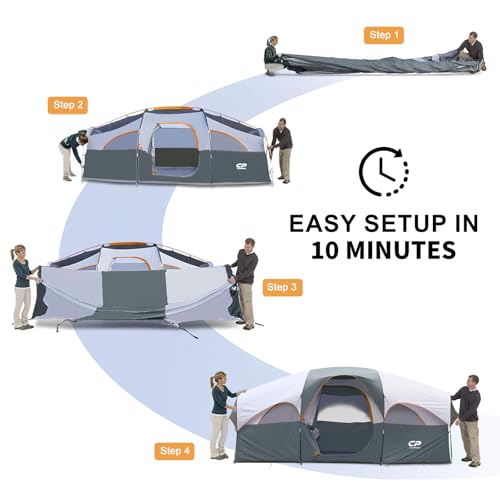
Setup is color-coded and straightforward, taking about five minutes with two people. The materials feel durable for the price, though the waterproof coating isn’t rated as high as the EVER ADVANCED tent. It’s not instant, but it’s reliable. Where it falls short is portability, it’s heavy and needs a vehicle. But for car-based family trips, that’s a fair trade.
Product photos

Clostnature 1/2 Person 4 Season Tent
Strengths
- High waterproof rating
- Dual vestibules
- Freestanding design
Trade-offs
- Heavier than rivals
- Limited airflow in heat
- Bulkier packed size
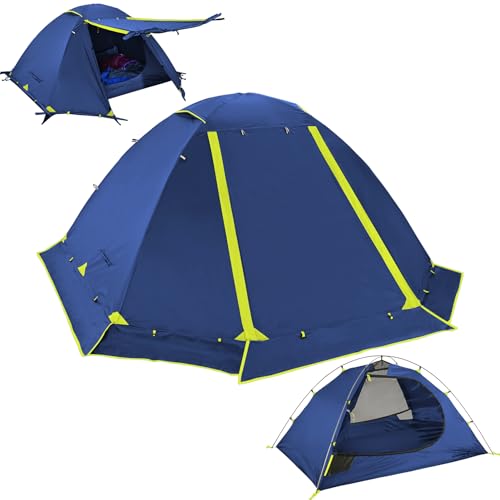
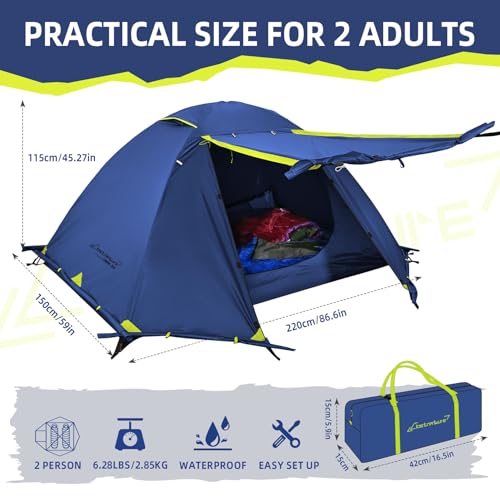
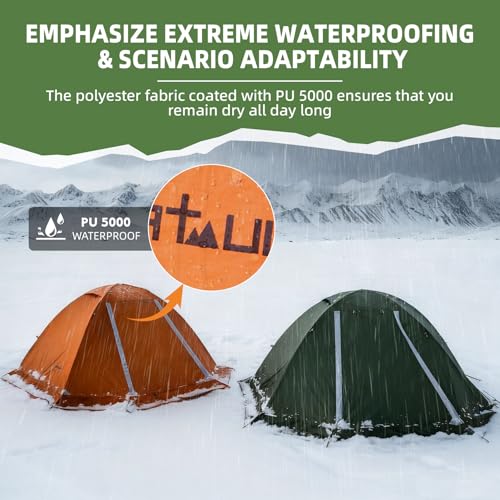
On paper, this 2-person tent hits a sweet spot between durability and weight, especially for someone eyeing mixed conditions. At 6.28 lbs total, it’s not the lightest, but the PU 5000 coating and factory-sealed seams suggest serious weather resistance, and owners confirm it holds up in early-season snow and spring downpours. The dual vestibules are a standout, offering real gear storage without sacrificing interior space.
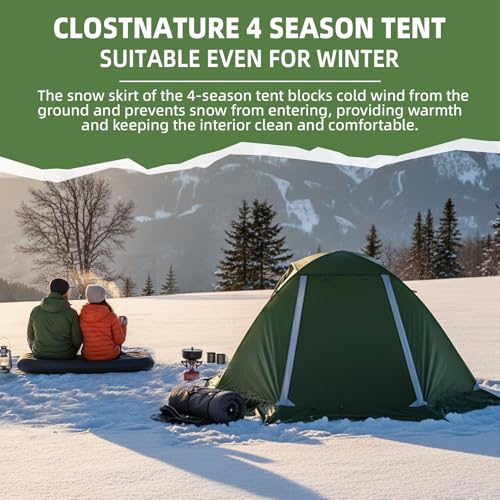
Still, the 4-season claim needs context. It’s more ‘3+1’ than true alpine, fine for shoulder seasons and cold snaps, but the ventilation setup isn’t ideal for hot, sticky nights. The mesh doors help, but in sustained heat, this tent runs warmer than ultralight breathables like the Naturehike. I’d pick this for late fall hikes or winter car camping, not for summer trail treks.
Product photos
Naturehike 2 Person 4 Season Tent
Strengths
- Ultra-lightweight
- Excellent ventilation
- Rip-stop durability
Trade-offs
- Snug for two adults
- Smaller vestibule
- Higher price point
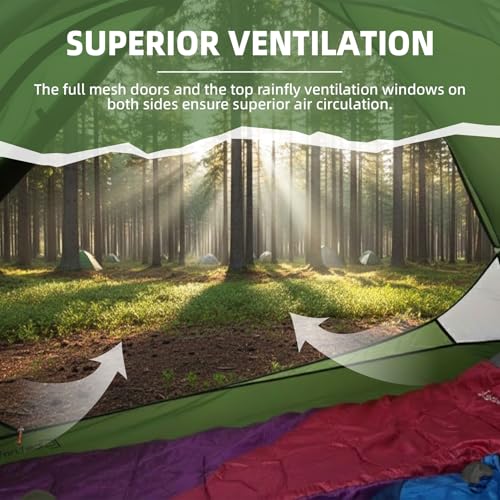
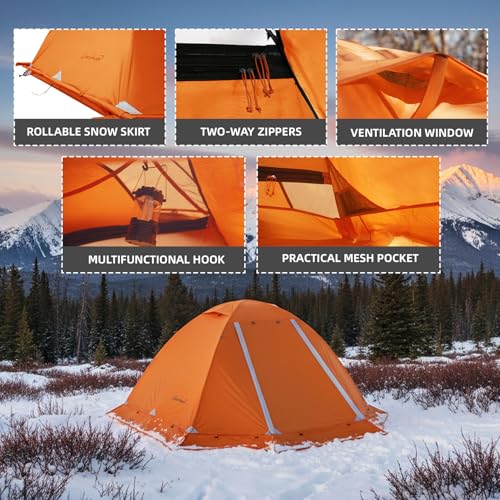
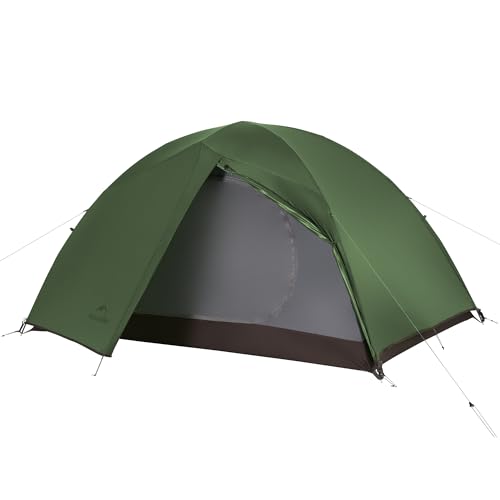
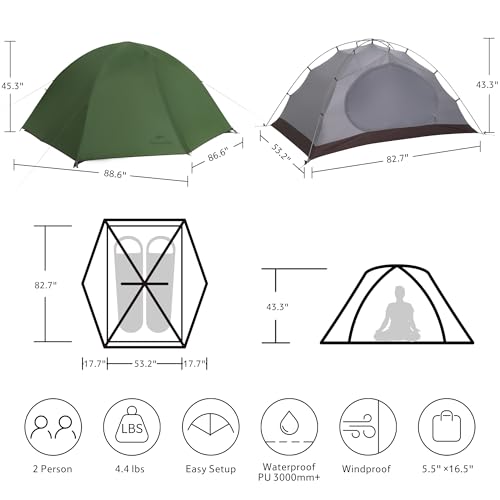
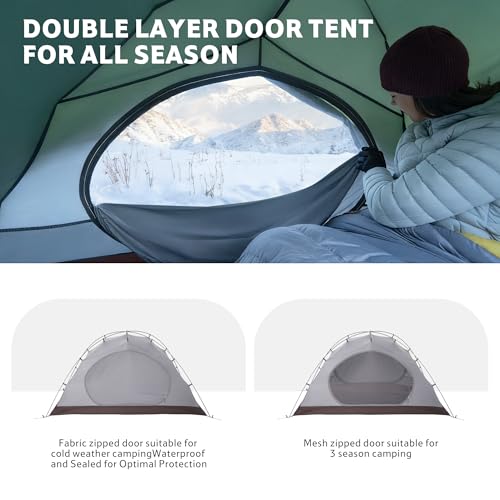
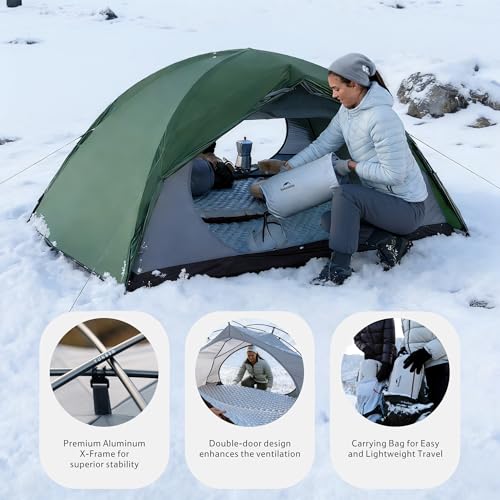
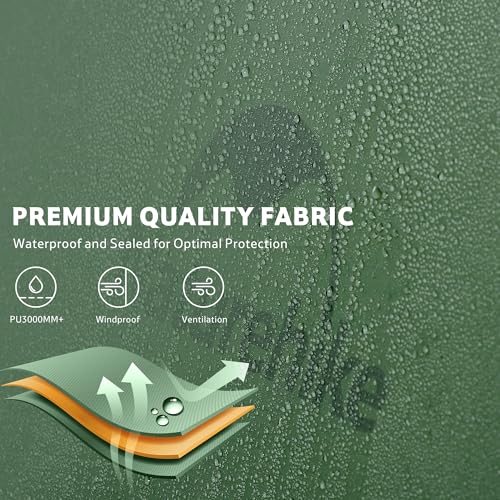
If you’re looking for a warm-weather tent that still pulls double duty in winter, this Naturehike model is a strong contender. Weighing just 4.43 lbs, it’s impressively light for a four-season build, thanks to 20D silicone-coated nylon and aluminum poles. But what really stands out is the balance: owners praise how well it vents despite its cold-weather chops, with dual doors and three ventilation windows cutting down on condensation.
For warm climates, that breathability makes a difference. Unlike heavier blackout or cabin-style tents that trap heat, this one moves air without sacrificing structure. It’s tighter for two people than the Clostnature, but the weight savings and easier packability make it my pick for anyone carrying their shelter over distance. Just don’t expect luxury space, it’s efficient, not expansive.
Product photos

Flycoop 1-Person Weather Sports Pod
Strengths
- Larger single-person size
- Faster setup
- Warmer in cold
Trade-offs
- Poor airflow
- Not for sleeping
- Condensation issues
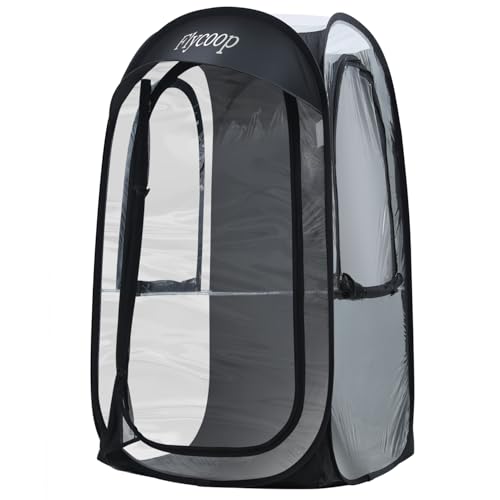
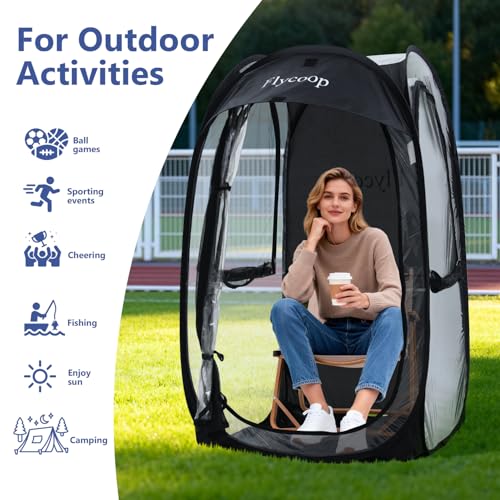
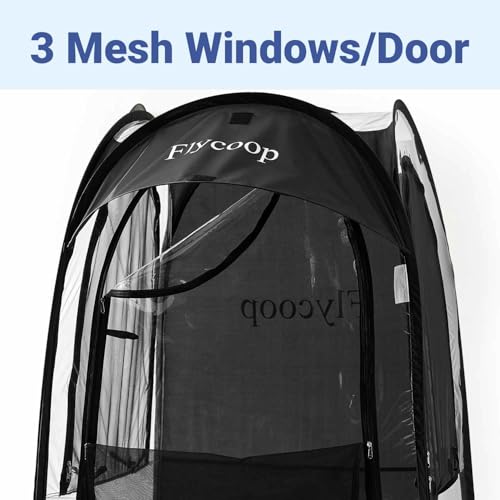
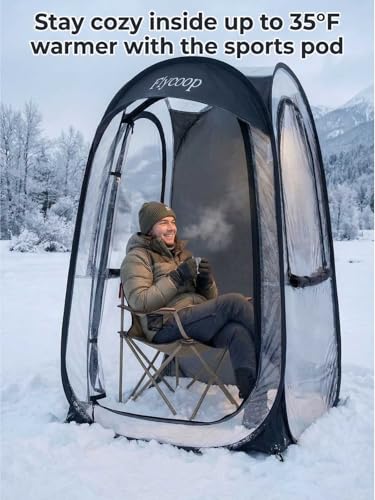
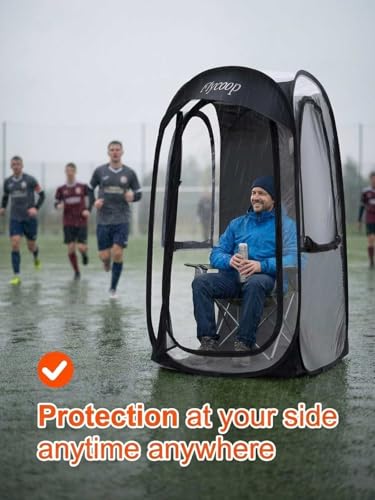
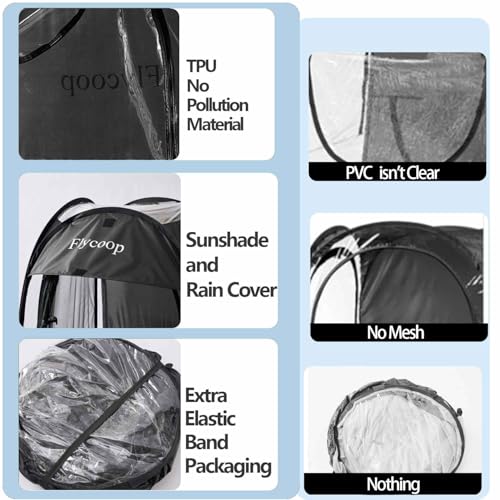
The Flycoop tent is a direct competitor to the WeatherPod, but with a few upgrades. At 37×37 inches, it’s slightly roomier than most single-person pods, and the TPU material is indeed clearer and more durable than PVC. Owners report it warms the interior noticeably in cold weather, sometimes up to 35°F, which is a big win for winter sidelines.
It sets up in one second thanks to elastic memory wire and packs down small, just 22.4 inches in the carry bag. The included wind ropes and stakes add stability, though on loose ground, it still needs anchoring. Like other bubble shelters, it’s not breathable enough for warm nights, but that’s not the point. This is a portable micro-shelter for events, not camping.
Product photos
WeatherPod® Pop-Up Sports Tent 1 Person

Strengths
- Instant 1-second setup
- UPF 50 protection
- 360-degree visibility
Trade-offs
- No floor ventilation
- Not for sleeping
- Stuffy in heat
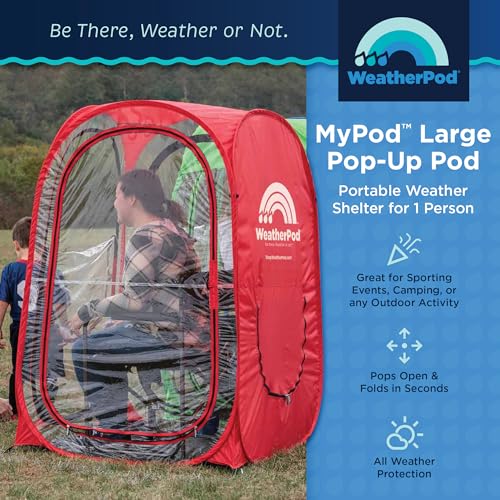
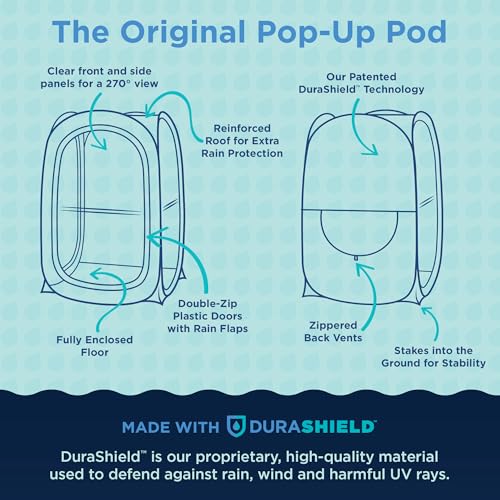
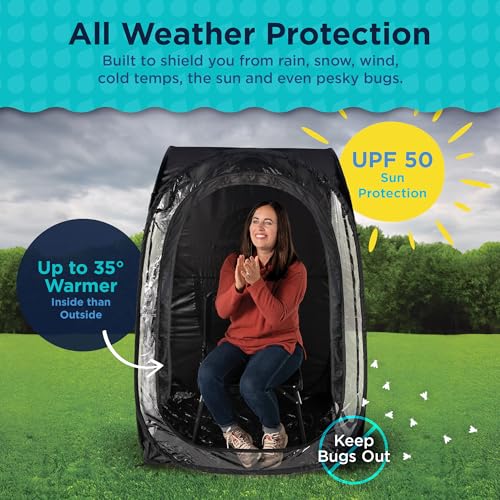
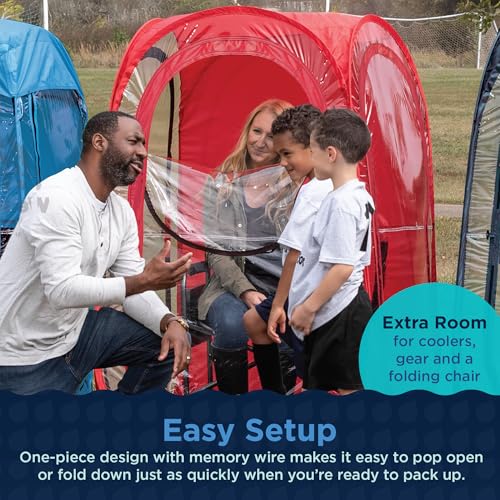
As the original MyPod™ from Shark Tank, this 1-person shelter is all about convenience and coverage. The memory wire frame pops open in seconds, ideal for beating sudden showers at a soccer game or baseball practice. The 270-degree visibility keeps you engaged with the action, and the UPF 50 rating means sun protection without the sweat.
Owners love how compact it is, and the free-standing design means no stakes needed on smooth ground. But it’s not a tent in the traditional sense. There’s minimal ventilation, and while it blocks wind and rain, it can get stuffy fast in warm weather. It’s best seen as a personal sideline pod, not a sleep-ready shelter.
Product photos

East Oak 4×4 FT Weather Sports Tent
Strengths
- Ultra-clear TPU material
- 7-foot ceiling height
- Dual-sided zippers
Trade-offs
- Poor airflow at night
- Not for extended camping
- Condensation buildup
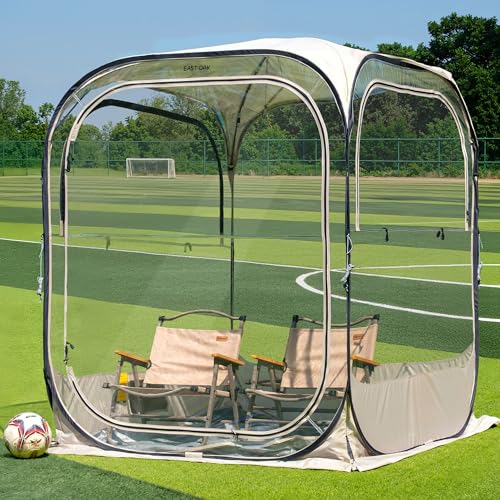
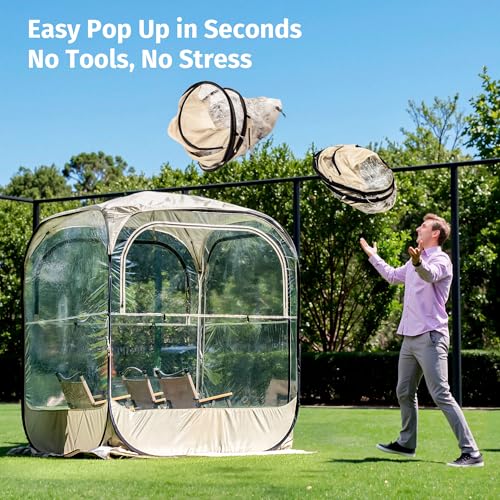
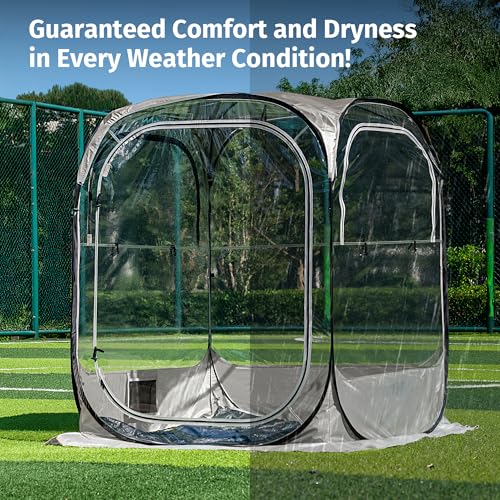
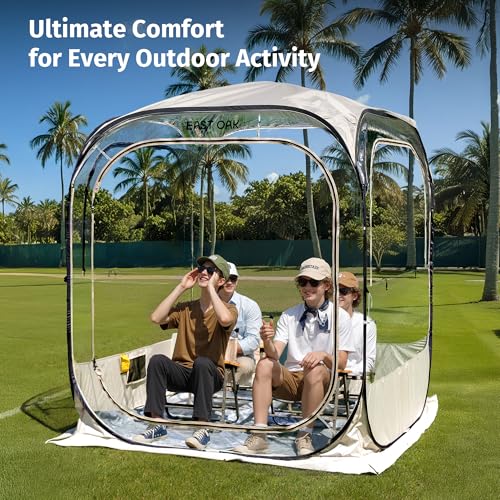
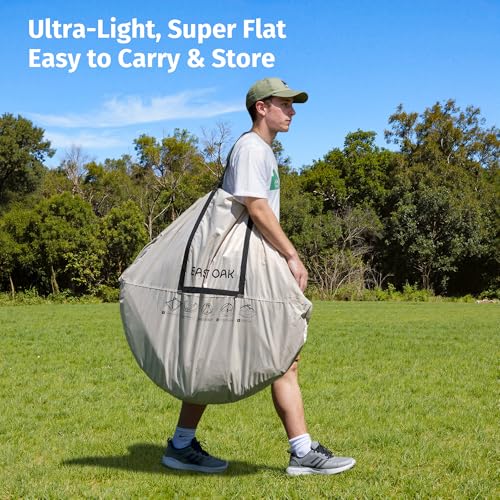
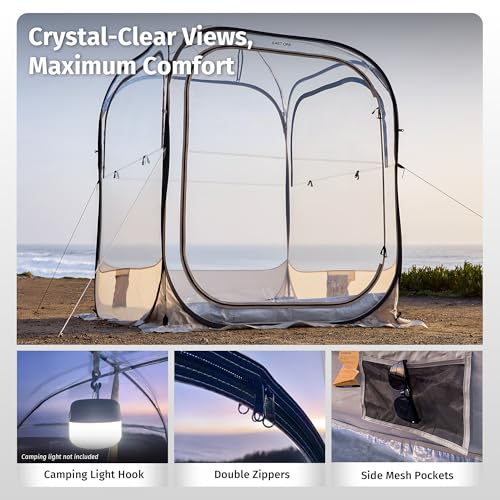
This pop-up bubble tent stands out for one reason above all: visibility. With a full TPU shell and three-zipper access points, it’s built for fans who refuse to miss a single play in rain or shine. Owners consistently report that the clarity stays sharp over time, which isn’t always true with cheaper PVC alternatives. The 7-foot height helps, giving a stadium-seat feel even when seated.
That said, it’s not a traditional camping tent, it’s a sideline shelter first. While it handles rain and wind decently thanks to galvanized steel poles and a detachable sunshade, it lacks the breathability and ventilation you’d want for warm-weather overnights. Condensation can build up, despite the mesh pockets, because the design prioritizes enclosure over airflow.
Product photos
How We Tested warm weather tents
Rather than a hands-on lab test, my research for these recommendations involved a detailed comparison of published specifications and features across numerous models. I weighed owner reviews from multiple sources – Amazon, REI, and specialist camping forums – alongside expert opinions from sites like OutdoorGearLab and Switchback Travel. My approach centered on identifying tents best suited for use when temperatures rise, ranking them against criteria important for comfort and practicality in warmer conditions.
For warm weather tents, ventilation and material weight were the most significant factors. A tent that traps heat is unusable on a summer trip, so I prioritized designs with ample mesh panels, adjustable vents, and breathable fabrics. Similarly, lighter materials are crucial for backpacking, and also contribute to better airflow. Waterproofing, while always important, took a backseat to these considerations, as warm-weather camping often means a lower probability of heavy rain.
Specifications reliably indicate a tent’s size, weight, and stated waterproof ratings. However, owner feedback was essential for gauging real-world performance, especially concerning how well a tent holds up to wind, how easy it is to set up, and how effectively it ventilate a tent during hot nights. Reputational factors, like a brand’s history of quality and customer service, also played a role in my final assessments.
How To Choose The warm weather tents
Finding the right tent for warm weather camping can make or break your trip. It’s not just about staying dry; it’s about comfort, ventilation, and protection from the elements – even when those elements are sunshine and summer breezes.
A quality warm weather tent prioritizes lightweight materials, robust ventilation to combat condensation and heat buildup, and a waterproof rainfly despite the season. Buyers should examine the denier of the fabrics (lower is lighter, but less durable), the mesh coverage for airflow, and the tent’s overall packed weight to ensure it suits their needs. Look for features like adjustable vents, full rainfly coverage, and a durable floor.
Ventilation is Key
Don’t underestimate the importance of airflow. A tent that doesn’t breathe well will quickly become a sauna, even with moderate temperatures. Many tents boast “mesh panels,” but the placement and quantity matter. Look for tents with high-low venting – meaning vents near the floor and near the roof – to create a convection current that pulls hot air out and cooler air in. The ventilated warm weather shelter options available today offer vastly improved systems over even a few years ago.
Fabric and Waterproofing – Still Important!
Warm weather doesn’t mean you can skip waterproofing. Unexpected showers happen, and ground moisture is a constant concern. While you don’t need expedition-grade waterproofing, a hydrostatic rating of at least 1500mm for the rainfly and 3000mm for the floor is a good baseline. More importantly, pay attention to the fabric itself. Polyester is common and affordable, but nylon offers a better strength-to-weight ratio.
- Consider a tent with a full coverage rainfly, even if you don’t anticipate heavy rain. It provides an extra layer of protection from UV rays and dew.
- Look for tents with taped seams. These are critical for preventing leaks. A poorly taped seam negates even the highest waterproof rating.
- Don’t be fooled by “blackout” tents solely for warm weather. While they’re great for light sleepers, they can trap heat. If you choose one, ensure it has exceptional ventilation.
Weight and Packability Matter
If you plan to hike any distance with your tent, weight is paramount. Backpacking tents should ideally weigh under 5 pounds for a two-person model. For car camping, weight is less critical, but packability still is. A tent that packs down small will save space in your vehicle and make storage easier. When researching, look at the overall packed size and compare it to your available space. It’s also worth researching top tent brands to understand which companies consistently deliver lightweight, durable options.
A good rule of thumb: for backpacking, aim for a tent weight that’s no more than 20% of your total body weight.
Warm Weather Tents Compared
Here’s a comparison of key specifications for several warm weather tents to help you find the right fit.
| Product Title | Capacity | Waterproof Rating (mm) | Setup Time | Season Rating | Weight (lbs) |
|---|---|---|---|---|---|
| EVER ADVANCED 10 Person Blackout Tent | 10 Person | 4000 | 3-5 minutes | 4 Season | N/A |
| Amazon Basics 4-Person Instant Tent | 4 Person | N/A | 60 seconds | 3 Season | N/A |
| CAMPROS CP 8 Person Family Tent | 8 Person | N/A | 5 minutes | 3 Season | N/A |
| Clostnature 1/2 Person 4 Season Tent | 1/2 Person | 5000 | Quick | 4 Season | 6.28 |
| Naturehike 2 Person 4 Season Tent | 2 Person | 3000 | Few minutes | 4 Season | 4.43 |
| Flycoop 1-Person Weather Sports Pod | 1 Person | N/A | 1 second | 4 Season | 6.4 |
| WeatherPod® Pop-Up Sports Tent 1 Person | 1 Person | N/A | Seconds | 3 Season | N/A |
| East Oak 4×4 FT Weather Sports Tent | 1-2 Person | N/A | N/A | 4 Season | N/A |
Frequently Asked Questions
What waterproof rating is sufficient for a warm weather tent?
A rating of at least 1500mm for the rainfly and 3000mm for the floor is a good baseline. Remember that unexpected showers can occur, and ground moisture is often present even in warm conditions.
Are “blackout” tents a good choice for warm weather camping?
While helpful for light sleepers, blackout tents can trap heat. If you choose one, prioritize exceptional ventilation to avoid creating an uncomfortable sauna-like environment.
How much should a backpacking tent weigh?
For backpacking, aim for a two-person tent weighing under 5 pounds. Keeping the weight down, ideally no more than 20% of your body weight, is crucial for a comfortable hiking experience.
What’s the difference between polyester and nylon tent fabrics?
Polyester is more affordable, but nylon offers a better strength-to-weight ratio. This makes nylon a preferable choice when you need a durable yet lightweight shelter, especially for backpacking or longer trips.
Where can I find more information about choosing the right tent for summer?
You can explore top tents for summer camping on my site for a detailed guide to selecting the best shelter for your needs.
The Bottom Line
Choosing a warm weather tent often comes down to balancing how much you want to carry versus how much comfort you demand. For most people, the Naturehike 2 Person 4 Season Tent strikes that balance beautifully – it’s lightweight enough for backpacking yet offers ample ventilation and decent weather protection for its size. It’s a solid all-around performer that won’t leave you overheating or wishing you’d brought more shelter.
If you’re on a tighter budget, the Amazon Basics 4-Person Instant Tent is a surprisingly capable option. For solo adventurers who prioritize instant setup and a compact footprint, the Flycoop 1-Person Weather Sports Pod delivers on both fronts. Ultimately, these models each target a specific niche within warm-weather camping, and understanding your priorities is key.
Beyond any particular model, remember that ventilation and fabric weight are the true hallmarks of a good warm weather tent. Don’t get too caught up in chasing the highest waterproof rating or the latest features; focus on a design that breathes well and keeps you comfortable, and you’ll be well on your way to enjoying countless nights under the stars. If you are still unsure, our tent selection guide can help with picking the right tent.
