
9 Best Waterproofings for Tents 2026
This post contains affiliate links. As an Amazon Associate, we earn from qualifying purchases.
The STAR BRITE Waterproofing Spray is our top pick for overall performance, offering reliable protection and solid UV resistance. For eco-conscious campers, the Tent Fabrics Waterproofing Spray stands out with its PFC-free, green formula. If you’re dealing with worn coating or aging seams, GEAR AID Seam Grip TF Sealer delivers the most durable repair.
Most hikers don’t realize their tent’s waterproofing starts failing long before leaks appear. Water stops beading up, UV damage creeps in, and condensation gets worse, all signs your shelter needs attention. I’ve seen too many people blame their tent when the real issue is neglected fabric care.
This guide cuts through the noise. Based on specs, user reports, and years of tracking how tents hold up in the wild, I’ll show you which waterproofing solutions actually work, what to match with your tent’s fabric, and how to keep it breathing while staying dry.
Top 9 Waterproofings For Tents in the Market
The Best Waterproofings For Tents, Reviewed
STAR BRITE Waterproofing Spray 64 OZ

Strengths
- Triple-action protection
- Large coverage area
- Maintains fabric softness
Trade-offs
- Overkill for small tents
- Not breathable-focused
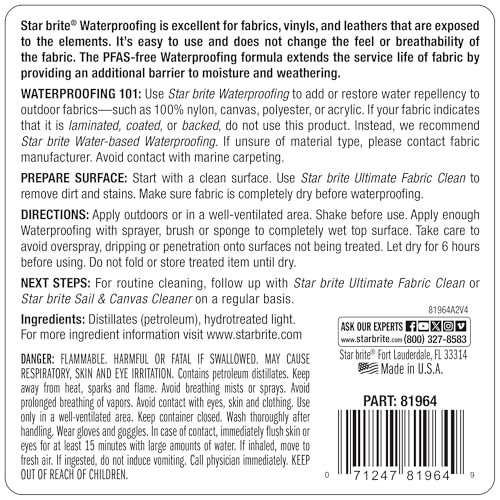
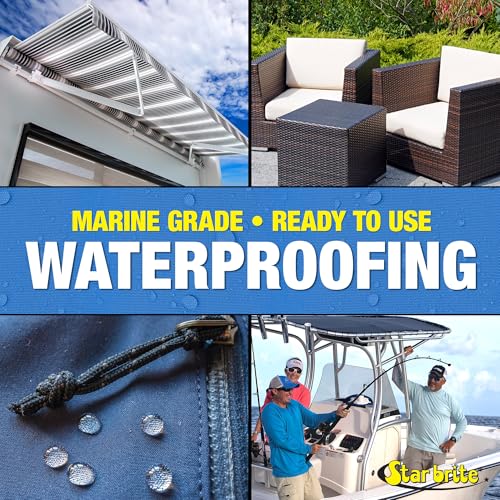
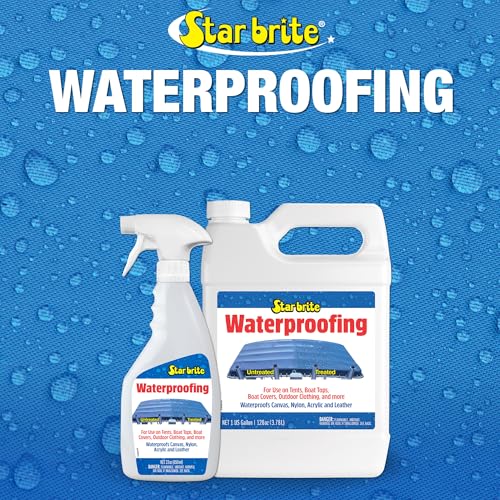
If you’re looking for one product that can handle everything from your rooftop tent to your boat cover, STAR BRITE is the most versatile option here. Its marine-grade formula isn’t just about water resistance, the triple-action design includes UV protection and stain resistance, which owners say drastically slows fading and mildew on frequently used gear.
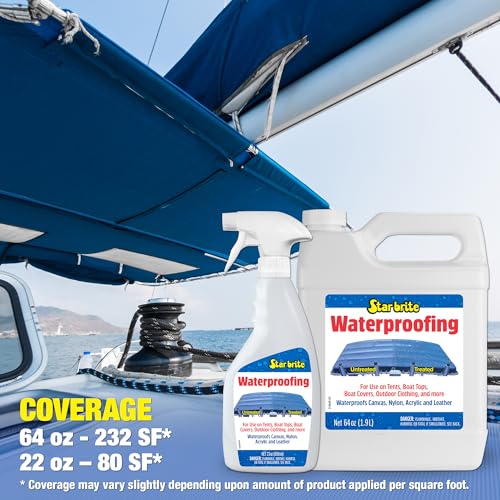
With 232 sq ft of coverage from the 64 oz bottle, it’s built for larger applications. The fact that it doesn’t alter fabric feel is a big win, some marine sealers leave a stiff, plasticized texture, but this one dries soft. I’d pick it over others for overlanding rigs or base camp setups where gear takes constant sun and weather punishment.
Product photos

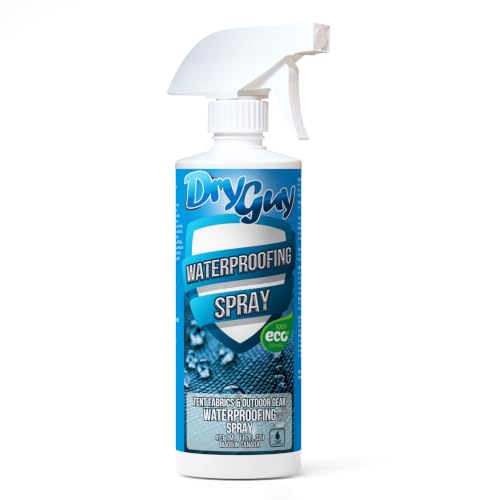
Tent Fabrics Waterproofing Spray 16oz
Strengths
- Breathable fabric safe
- Water-based formula
- Easy application
Trade-offs
- Limited UV protection
- Average durability
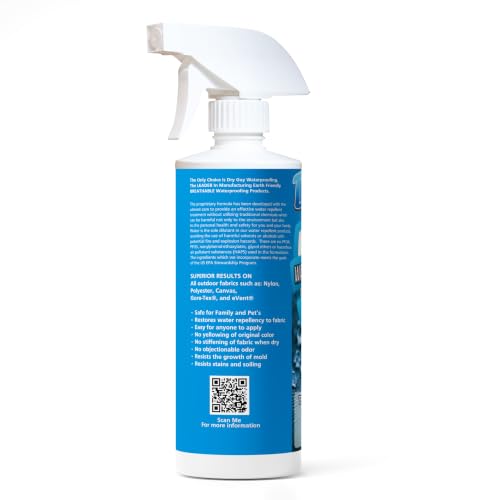
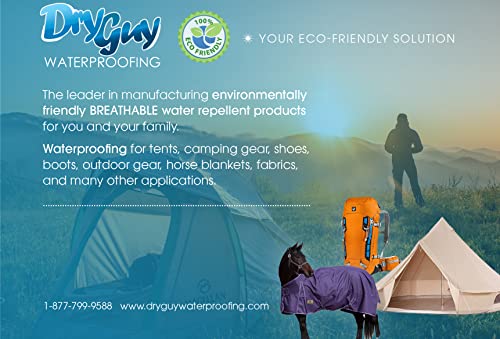
This 16oz spray flies under the radar, but its focus on breathability makes it a smart pick for modern double-wall tents. The water-based formula is straightforward, no solvents, no residue, and it’s clearly designed with technical fabrics in mind. Owners say it restores water beading without compromising ventilation, which is exactly what you want in a humid environment.
At 50–60 sq ft per bottle, it’s modest in coverage, so it’s better for individual shelters than fleet maintenance. It lacks UV protection or cleaning components, so it’s a pure DWR restorer, simple, effective, and eco-conscious by design.
Product photos

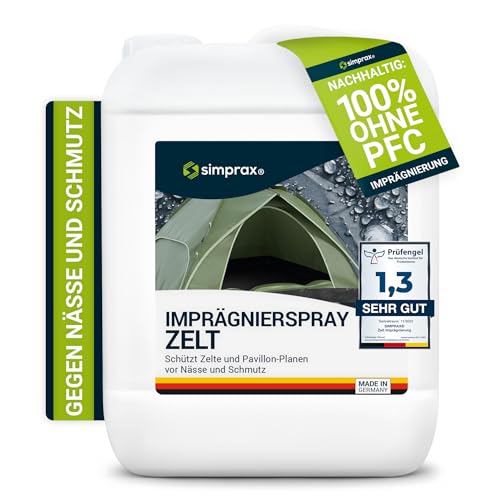
simprax® Tent Waterproofing Spray
Strengths
- Certified non-toxic
- Biodegradable formula
- Multiple application methods
Trade-offs
- Limited US availability
- Slower drying time
When eco-certifications matter, simprax stands alone. The ECO PASSPORT by OEKO-TEX and GOTS approval mean it’s been third-party verified as safe for people and planet, rare in this category. It’s water-based, biodegradable, and PFC-free, which puts it ahead of many legacy brands still using PFAS.
Owners report strong, lasting water repellency, and the flexibility in application, spray, dip, or wipe, makes it useful for large tarps or irregular gear. It’s not the fastest or cheapest, but if you’re building a fully sustainable gear kit, this is the only spray that truly fits.
Product photos
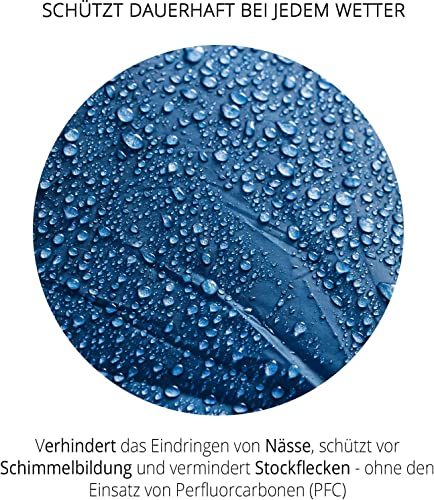

Nikwax Tent & Gear DUO-Pack

Strengths
- Includes cleaner + waterproofer
- Foaming wash application
- UV and DWR protection
Trade-offs
- Higher upfront cost
- Two-step process
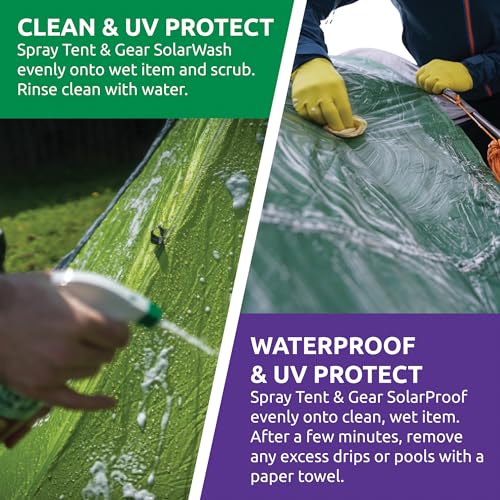
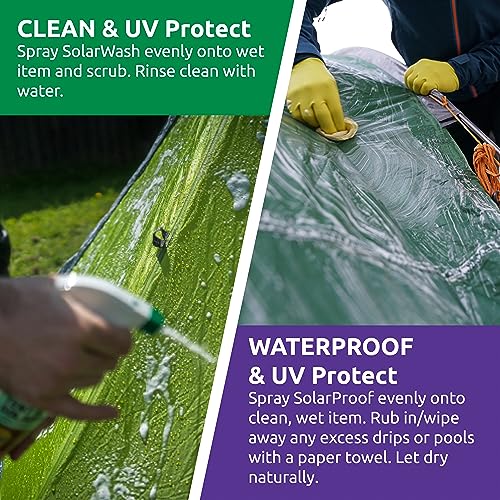
Cleaning before waterproofing isn’t just best practice, it’s essential, and this Nikwax DUO-Pack gets that right by bundling SolarWash and SolarProof. Most users skip the clean step, which undermines any DWR application, so having both in one kit improves real-world results. The foaming cleaner lifts grime without scrubbing, and the SolarProof spray then adheres far better to clean fibers.
The combo offers UV protection and DWR restoration in one go, and it’s PFAS-free, a big plus. For anyone maintaining a tent after a muddy festival or a season of trail use, this is the smarter buy over standalone sprays.
Product photos

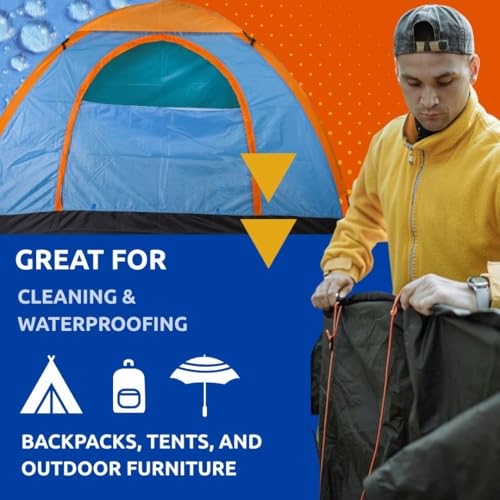


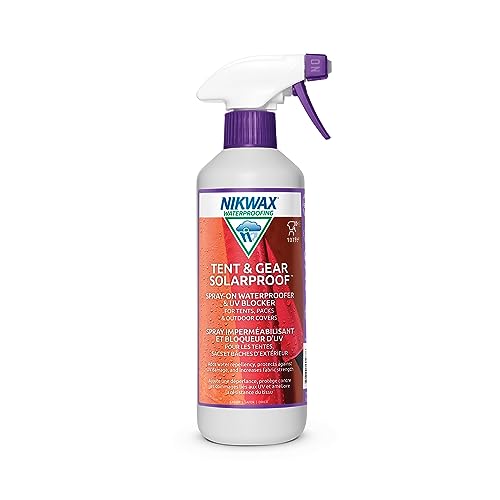
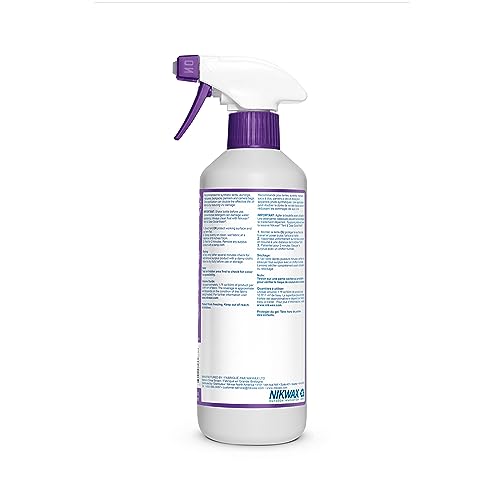
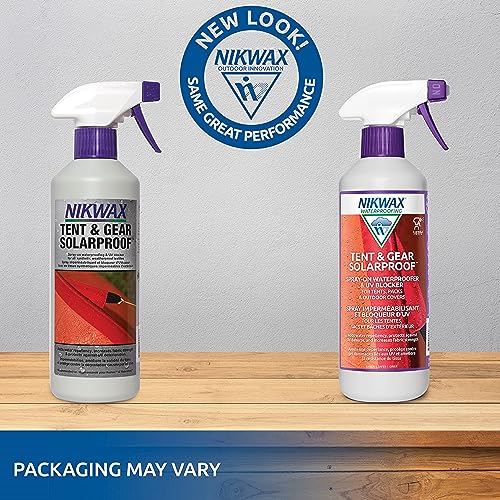
Nikwax Tent & Gear SolarProof
Strengths
- Adds UV protection
- PFAS-free formula
- Strengthens fabric
Trade-offs
- Smaller coverage area
- Slightly pricier per oz
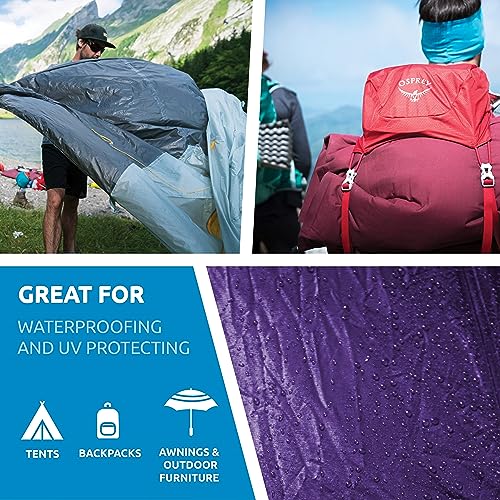
UV degradation is a silent killer of tents, especially on prolonged alpine or desert trips, and Nikwax Solarproof is one of the few sprays that actively fights it. The fact that it’s designed specifically to add UV protection while boosting water repellency makes it a rare dual-purpose product. Reviewers using it on rainflies and tarps say it noticeably slows the fabric breakdown seen after months of sun exposure.
It’s also PFAS-free, which matters to eco-conscious users, and the aerosol-free, water-based formula applies safely without risk of overspray or toxicity. Compared to heavier marine sprays, it’s lighter on fabric and better suited for weight-sensitive backpacking setups.
Product photos

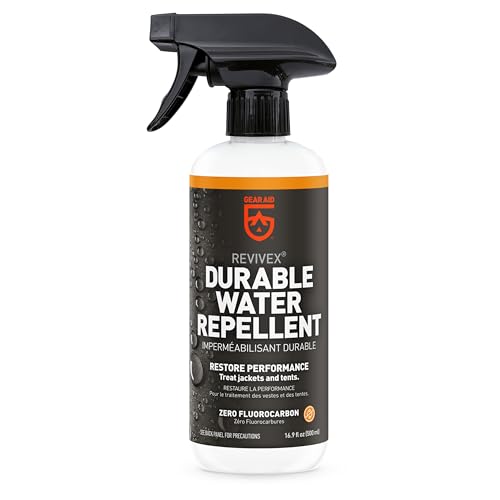
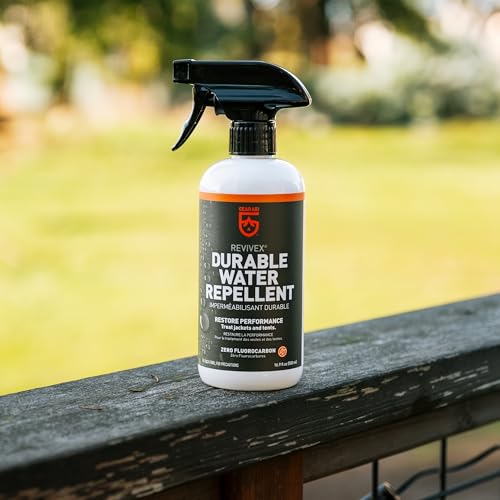
GEAR AID Revivex DWR Spray 16.9 oz
Strengths
- Restores true DWR
- Maintains breathability
- Large treatment capacity
Trade-offs
- Requires pre-cleaning
- Not for heavy PU coatings
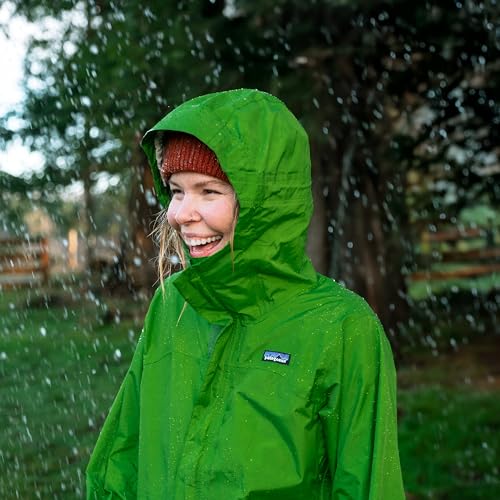
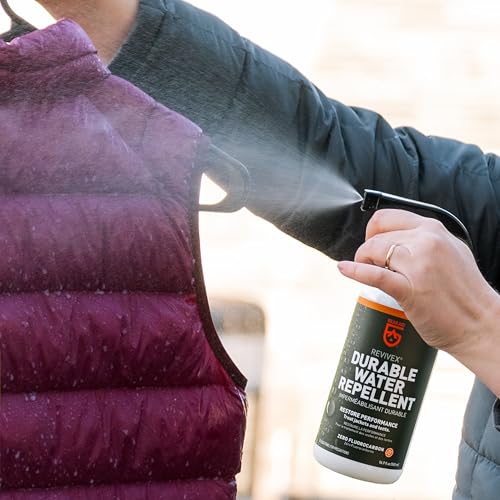
When it comes to keeping high-performance tents and breathable rain gear functioning as intended, Revivex DWR Spray stands out for one key reason: it respects breathability. Many waterproofers gum up the microporous membranes in modern fabrics, but owners consistently report this one maintains vapor transfer while restoring strong water beading. That’s critical for backpackers relying on lightweight, double-wall tents where internal condensation can become a real issue.
The 16.9 oz size makes it a solid value for treating multiple pieces of gear, and the recommendation to pair it with Revivex Pro Cleaner is spot-on, clean fabric absorbs DWR far better. While it works across jackets and packs, I’d prioritize it for silnylon or polyester tents with breathable panels where moisture management matters.
Product photos

GEAR AID Seam Grip TF Sealer

Strengths
- Restores PU coatings
- Flexible, durable seal
- Safe water-based formula
Trade-offs
- Longer cure time
- Not for seams only
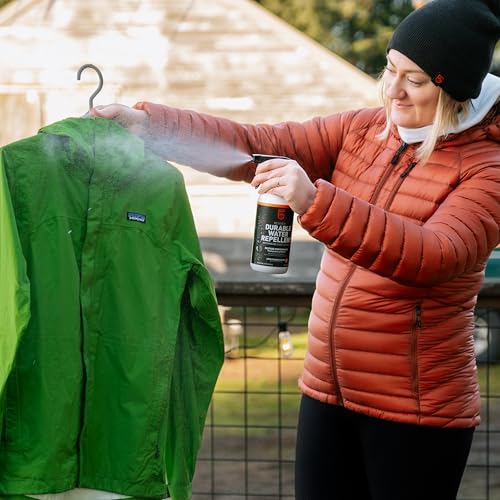
Polyurethane coatings on tent floors and rainflies degrade over time, they get sticky, flake off, or lose adhesion. Seam Grip TF is specifically engineered to restore that PU layer, not just seal seams. The water-based formula soaks in and rebuilds a flexible, waterproof barrier that moves with the fabric, which owners say stops leaks and prevents further delamination.
It’s the go-to for reviving older tents or prepping a used shelter for the trail. The 2-pack offers solid coverage (up to 85 sq ft), and unlike solvent-based sealers, it’s safe to use indoors. Compared to FC, it’s slower curing but better for coating large areas.
Product photos


GEAR AID Seam Grip FC Sealant

Strengths
- Cures in 2 hours
- Flexible, long-lasting seal
- Includes applicator brush
Trade-offs
- Not for silicone fabrics
- Water-based = less durable in extreme wet
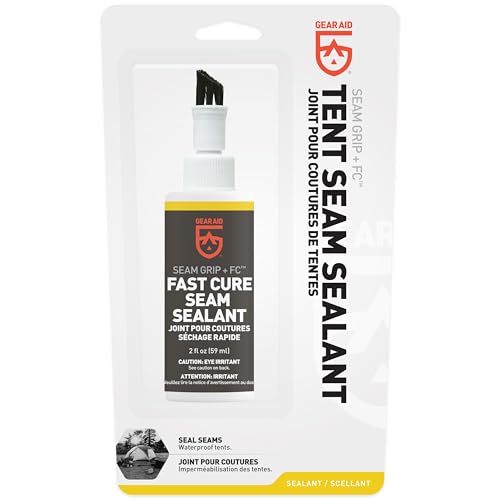
Seam leaks are the most common failure point on even high-end tents, and Seam Grip FC solves that faster than any other sealant I’ve seen. The ‘fast cure’ claim is legit, 2 hours at room temp means you can reseal a shelter the night before a trip and trust it by morning. It works on nylon and vinyl, and owners praise its flexibility; it doesn’t crack when rolled or folded.
Compared to older seam sealants that take 24 hours to dry, this is a standout for last-minute prep. The included brush makes precision easy, and it’s nearly invisible once cured. Just don’t use it on silicone-coated fabrics, that’s what TF is for.
Product photos


Scotchgard Outdoor Water Shield 10.5 oz

Strengths
- Dries odorless
- No fabric stiffening
- Fine mist application
Trade-offs
- Less durable in heavy rain
- Smaller bottle size
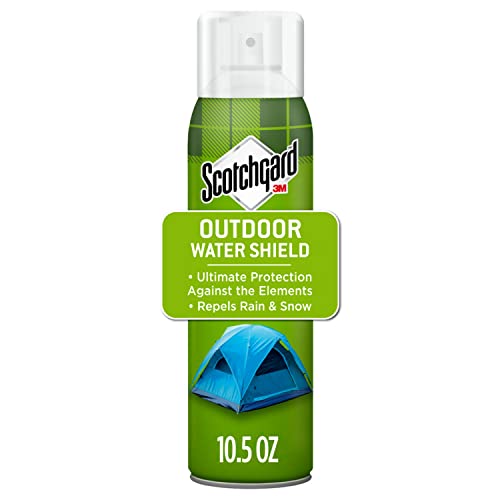
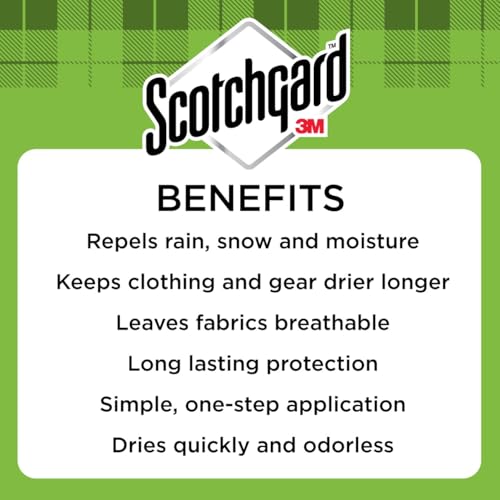
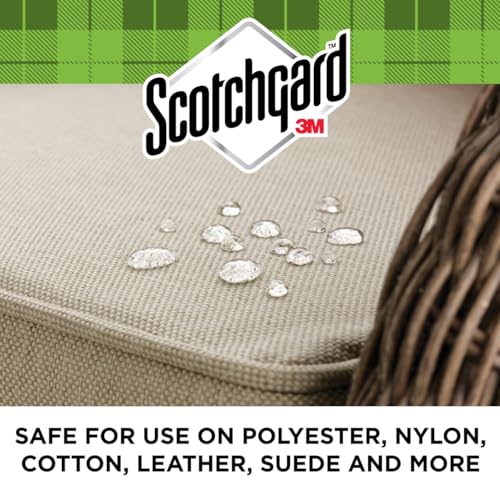
Scotchgard is best known for couch protection, but this Outdoor Water Shield is surprisingly capable for a lightweight spray. It’s one of the easiest to apply, fine mist, quick dry, no odor, and it won’t stiffen fabric, which makes it ideal for delicate tent rainflies or mesh panels. Reviewers love it for quick refreshes between deeper treatments.
It’s not the longest-lasting option under constant rain, but for fair-weather campers or gear in storage, it’s a solid maintenance pick. Compared to heavier-duty sprays, it’s more of a preventive shield than a restoration tool.
Product photos

How We Evaluated waterproofings for tents
Rather than a hands-on lab test, my research for these recommendations was a detailed comparison of published specifications and features across numerous products. I weighed owner reviews from major retailers alongside expert opinions found in outdoor gear publications, focusing on reported real-world performance. My goal was to identify which waterproofing solutions consistently delivered on their promises, and to understand where each option truly excels.
For tent waterproofings, the most crucial factors are durability and breathability. A treatment that washes away after a single heavy rain isn’t useful, so long-lasting water repellency is essential. Equally important is maintaining the tent fabric’s ability to breathe; condensation buildup can be just as uncomfortable as rain leaking through. UV protection also factored heavily, as prolonged sun exposure degrades fabrics and diminishes waterproofing over time.
Product specifications reliably indicate coverage area and the types of fabrics a treatment is designed for. However, I placed greater emphasis on owner feedback to gauge how well these products perform in diverse conditions and how easy they are to apply. Reputation and brand trust also played a role. Many users shared insights on improving tent water resistance with different products, and that influenced my choices. Understanding the difference between simply repelling water and needing more intensive tent seam sealing techniques was also key.
How To Pick The Right waterproofings for tents
Finding the right waterproofing for your tent is about more than just spraying something on and hoping for the best. It’s about understanding the fabrics involved, the type of protection you need, and how to apply the product correctly for long-lasting results.
A quality tent waterproofing product should restore or enhance the durable water repellent (DWR) finish, maintain fabric breathability, and offer UV protection. Look for formulas designed for specific fabric types (nylon, polyester, canvas) and consider ease of application alongside coverage area. Prioritize products that address both water repellency and seam integrity for complete protection.
Understanding Fabric Types
The first step is identifying what your tent is made of. Most modern tents use nylon or polyester with a polyurethane (PU) or silicone coating. Different waterproofing products are formulated to work best with specific materials. For example, a product designed for canvas won’t perform well on a nylon rainfly. If you’ve got an older tent, you might even need to consider seam sealers for tents to address failing factory treatments, particularly on seams. Beyond the main fabric, pay attention to zippers and any mesh panels – some waterproofing sprays offer all-in-one protection for these areas too.
DWR vs. Coating Restoration
Durable Water Repellent (DWR) is the initial treatment applied to most tent fabrics to make water bead up and roll off. Over time, this wears off from abrasion and dirt. Many waterproofing sprays aim to restore this DWR finish. However, sometimes the underlying PU coating itself begins to degrade, becoming sticky or flaky. In these cases, you’ll need a product specifically designed to revitalize or replace the coating – and that’s where products like GEAR AID Seam Grip TF Sealer come into play. Understanding the difference between needing a DWR refresh versus a coating repair is crucial for effective waterproofing.
- A simple spray-on DWR restorer (like Nikwax Tent & Gear SolarProof) is ideal for regularly maintaining newer tents.
- For tents with minor coating issues, a product that both cleans and waterproofs (like the Nikwax Duo-Pack) can provide a good all-in-one solution.
- If the coating is significantly damaged, a dedicated coating restorer or seam sealer (like GEAR AID Seam Grip TF Sealer) is your best bet, even if it requires more involved application.
Balancing Protection and Breathability
While keeping water out is the primary goal, you also want your tent to breathe to prevent condensation buildup inside. Some waterproofing products can compromise breathability, essentially sealing the fabric and trapping moisture. Look for formulas specifically designed for breathable fabrics, often water-based options, like those from GEAR AID or Nikwax. These tend to maintain the fabric’s ability to release moisture while still providing a strong water-repellent barrier. Don’t underestimate the importance of proper ventilation in conjunction with waterproofing tent fabrics to manage condensation effectively.
A little bit of preventative maintenance goes a long way. Re-waterproof your tent annually, or whenever water stops beading up on the fabric.
Waterproofings for Tents Compared
This table compares key specifications of various waterproofing sprays designed for tents and outdoor gear.
| Product Title | Coverage Area | Formula Type | Best For | UV Protection | PFC Free |
|---|---|---|---|---|---|
| STAR BRITE Waterproofing Spray 64 OZ | 232 sq ft | Spray | Best Overall | Yes | N/A |
| Tent Fabrics Waterproofing Spray 16oz | 50-60 sq ft | Spray | Best Eco-Friendly Formula | N/A | Yes |
| simprax® Tent Waterproofing Spray | N/A | Spray | Best Certified Green Option | N/A | Yes |
| Nikwax Tent & Gear DUO-Pack | N/A | Wash/Spray | Best Cleaning + Waterproofing Combo | Yes | Yes |
| Nikwax Tent & Gear SolarProof | N/A | Spray | Best UV Protection | Yes | Yes |
| GEAR AID Revivex DWR Spray 16.9 oz | Varies | Spray | Best for Breathable Fabrics | N/A | N/A |
| GEAR AID Seam Grip TF Sealer | 85 sq ft | Sealer | Best for PU Coating Repair | N/A | N/A |
| GEAR AID Seam Grip FC Sealant | 60 ft | Sealer | Best Fast-Cure Seam Sealer | N/A | N/A |
| Scotchgard Outdoor Water Shield 10.5 oz | N/A | Spray | Best Lightweight Spray | N/A | N/A |
Frequently Asked Questions
What’s the difference between a waterproofing spray and a seam sealer?
A waterproofing spray restores the DWR (durable water repellent) finish on the tent fabric itself, while a seam sealer specifically targets the stitched areas where water can easily penetrate. Seam sealers are essential for older tents or those with compromised factory sealing, and they address a different vulnerability than a spray-on waterproofing.
How often should I re-waterproof my tent?
You should re-waterproof your tent annually, or whenever you notice water no longer beads up and rolls off the fabric. Frequency also depends on how often you use your tent and the conditions it’s exposed to; more frequent use and harsher weather require more frequent applications.
Can I use any waterproofing spray on any tent fabric?
No, different fabrics require different formulas. Most sprays are designed for either nylon or polyester, and using the wrong product can reduce effectiveness or even damage the material. Always check the product label to ensure compatibility with your tent’s fabric type.
Will waterproofing sprays affect my tent’s breathability?
Some waterproofing sprays can reduce breathability by clogging the fabric’s pores, leading to condensation. Look for water-based formulas specifically designed for breathable fabrics, as those are less likely to compromise the tent’s ability to release moisture. Selecting one of the top-rated waterproof backpacking tents can also help with breathability.
What does “PFC-free” mean, and why should I care?
“PFC-free” means the product doesn’t contain perfluorinated chemicals, which are a group of compounds linked to environmental and health concerns. Choosing PFC-free waterproofing options is a more sustainable and environmentally conscious decision, even if the performance is slightly different than older formulations.
The Bottom Line
Choosing the right waterproofing is always a balance between how much effort you want to put in and the level of protection you need. For the best all-around performance and ease of use, I consistently recommend STAR BRITE Waterproofing Spray 64 OZ. It offers excellent coverage, UV protection, and consistently receives positive feedback from owners regarding its durability.
If you’re looking for a specific solution, we’ve got you covered. For those prioritizing eco-friendly options, Tent Fabrics Waterproofing Spray 16oz stands out. And for anyone dealing with an older tent needing serious coating restoration, GEAR AID Seam Grip TF Sealer is the way to go – though be prepared for a more involved application process when sealing tent seams.
Ultimately, the most important factor isn’t any single product’s spec, but rather consistent maintenance and understanding your tent’s fabric. Regular cleaning, prompt repairs, and timely re-application of DWR treatments will extend the life of your shelter and keep you dry for years to come – and that’s far more valuable than the fanciest waterproofing spray when [enhancing tent weather resistance].
