
7 Best Ultralight Tents for Backpacking 2026
This post contains affiliate links. As an Amazon Associate, we earn from qualifying purchases.
The Naturehike Cloud-Up 1P Tent stands out as the best overall ultralight tent for backpackers who want reliable weather protection without breaking the bank, while the Naturehike Star Trail 1P Tent is our top budget pick thanks to its impressively low weight and simple setup. For those needing a little more room, the Night Cat 1-2P Tent offers surprising versatility.
Most backpackers are trying to save weight without ending up soaked or cramped halfway through a trip. It’s easy to get drawn in by flashy specs or ultra-low weights that hide poor ventilation or flimsy poles.
This guide cuts through the noise. I compared the specs, analyzed owner feedback, and weighed real-world performance factors like waterproofing, durability, and ease of setup to find the best ultralight tents that actually work on the trail.
Top 7 Ultralight Tents For Backpacking in the Market
The Best Ultralight Tents For Backpacking, Reviewed
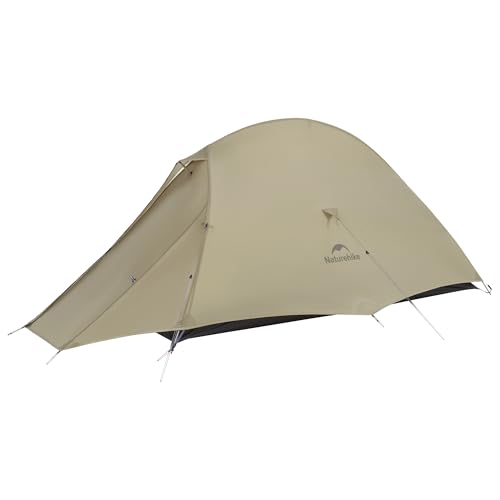
Naturehike Cloud-Up 1P Tent
Strengths
- Balanced weight and durability
- Includes footprint
- Excellent weather resistance
Trade-offs
- Slightly heavier than ultralight leaders
- Packed size not the smallest
- Ventilation window small
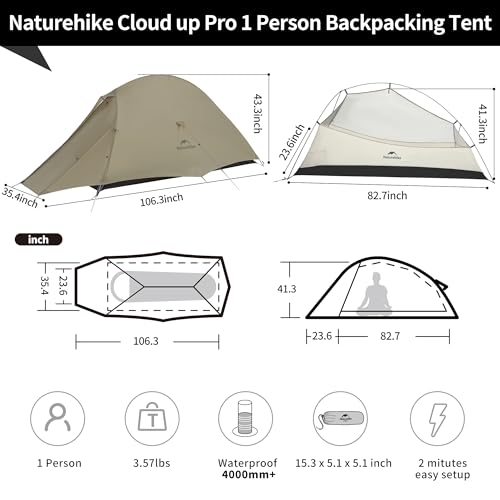
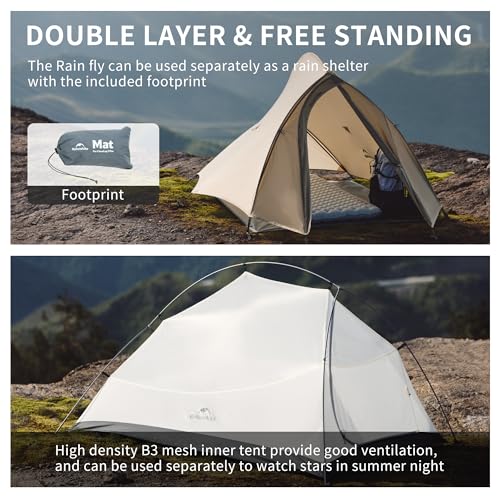
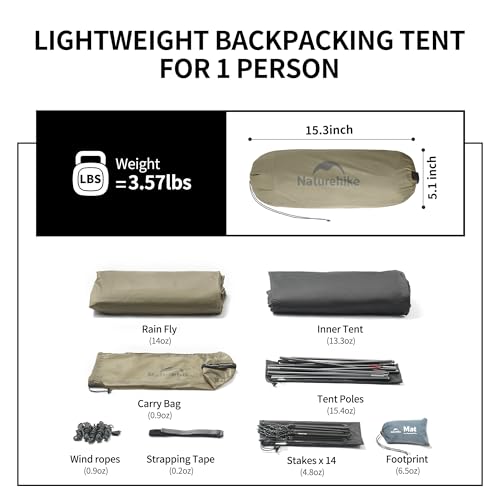
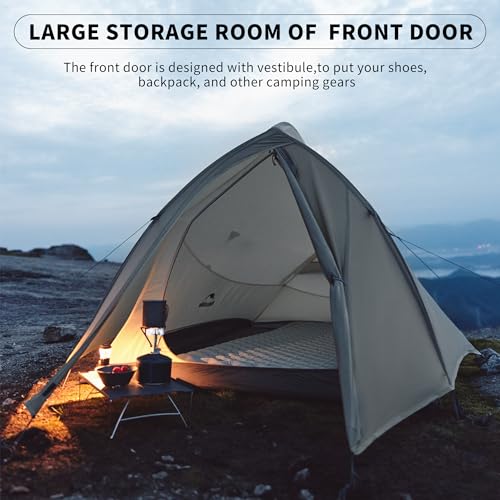
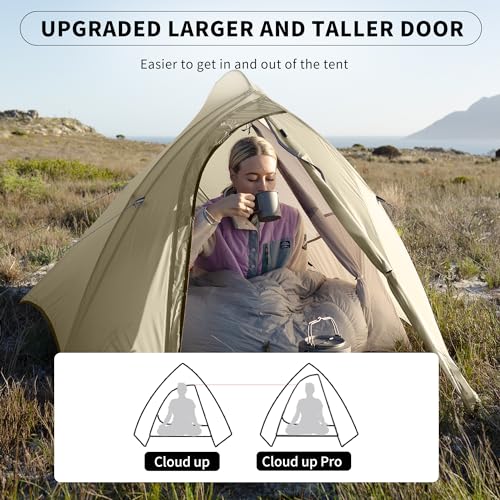
The Naturehike Cloud-Up hits a sweet spot: at 3.57 lbs, it’s light enough for serious backpacking, yet tough enough for real weather. The silicone-coated 20D nylon and PU4000mm+ rating mean it can handle sustained rain, and the 7075 aluminum poles add serious durability. Owners report it holding strong in wind and hail, rare confidence for a tent under 4 lbs.
What seals the deal is the included footprint and smart ventilation window above the door, which cuts condensation without sacrificing weather protection. It’s not the lightest, but it’s the most well-rounded, spacious, durable, and ready for shoulder-season trips. Against the Star Trail, it’s heavier but far more capable in storms; against the Clostnature, it’s lighter and better ventilated. My recommendation? This is the smarter buy for most backpackers who want one tent to do it all.
Product photos
Naturehike Star Trail 1P Tent

Strengths
- Extremely lightweight
- Excellent airflow
- Simple 3-minute setup
Trade-offs
- Lower waterproof rating
- Thinner fabric
- Smaller vestibule
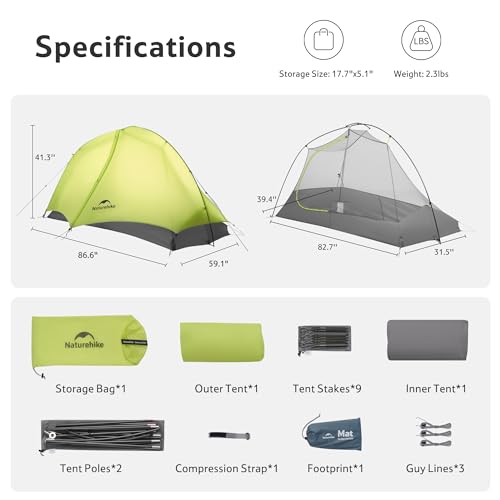
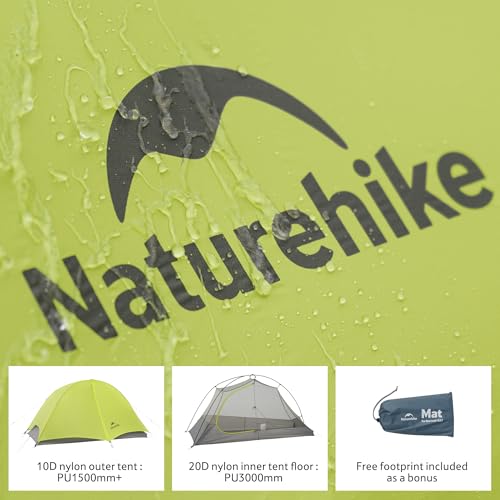
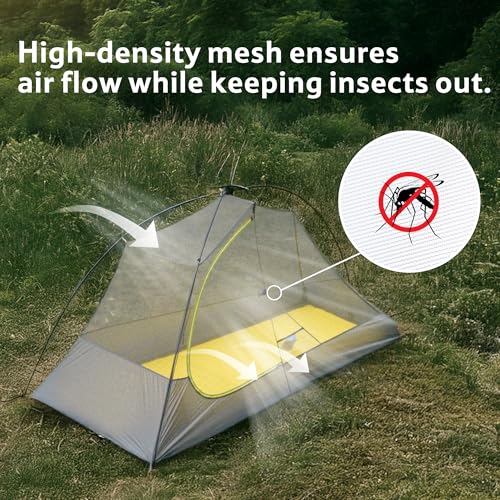
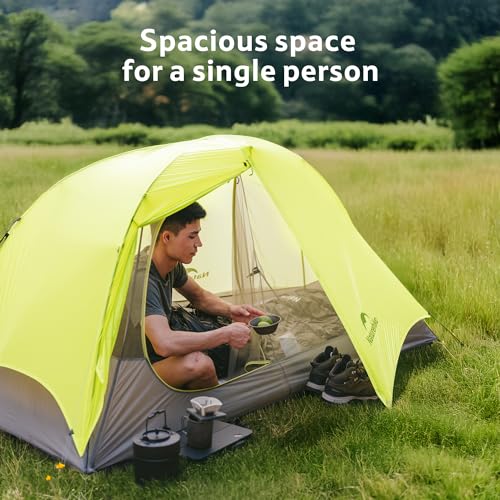
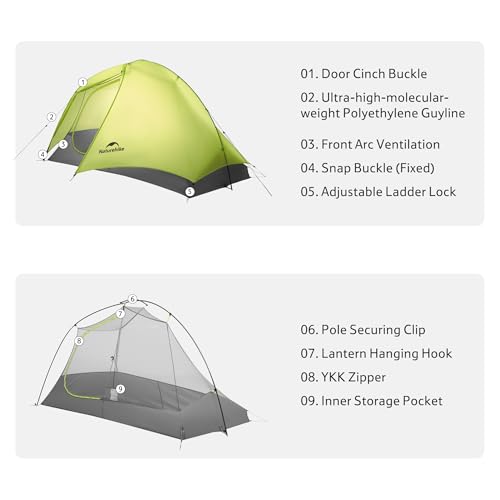
At 2.3 lbs, the Naturehike Star Trail is one of the lightest true double-wall tents in this lineup, and that’s a big deal for solo backpackers counting ounces. The full mesh inner and elevated peak design make it a standout for ventilation, which owners confirm helps cut condensation in humid conditions. It’s clearly tailored for summer and three-season use, where breathability matters more than extreme weather resistance.
The 10D nylon fly with PU1500mm rating is on the thinner side, so I wouldn’t push it in prolonged storms or abrasive conditions. But for warm-weather hikes, bikepacking tours, or alpine treks where weight is king, this tent delivers. It’s not the most durable, but for those prioritizing lightweight and easy setup, it’s hard to beat. Compared to the Night Cat or Clostnature models, it’s a far more capable companion when every ounce counts.
Product photos
Clostnature 1P Ultralight Tent
Strengths
- Good waterproof rating
- Dual vestibules
- Freestanding design
Trade-offs
- Heavier than rivals
- Limited ventilation
- Bulkier packed size
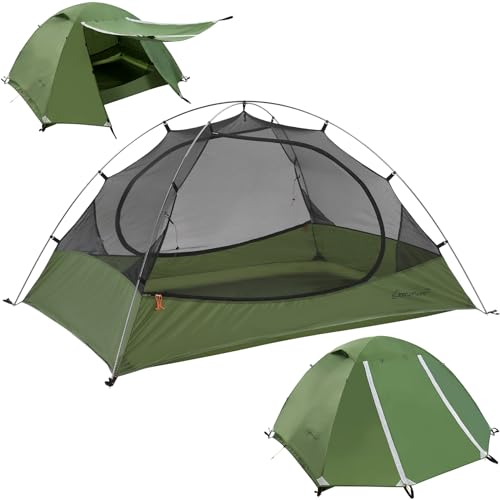
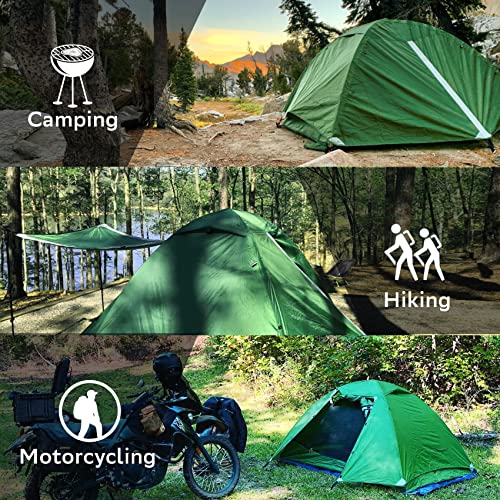
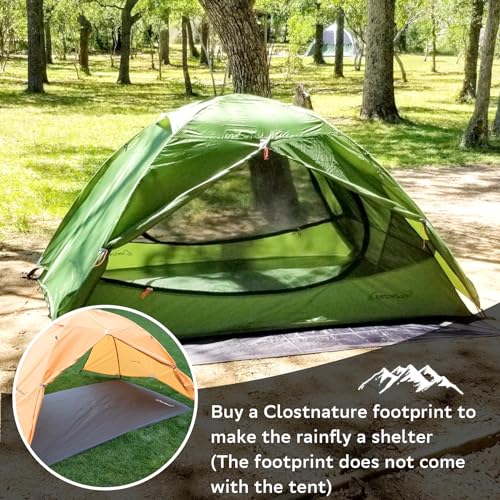
At 3.85 lbs, the Clostnature 1-person tent sits on the heavier end of the ultralight spectrum, but it’s clearly built with durability in mind. The PU 5000 coating on the rainfly stands out on paper, that’s serious waterproofing, often seen in tents meant for wetter climates or shoulder-season use. Owners consistently report staying dry in downpours, and the factory-sealed seams help back that up. For a budget-friendly option, it offers a lot of weather protection for the price.
Where it gives up ground is weight and breathability. At nearly 4 lbs, it’s not a tent you’ll want to sprint with on a long thru-hike, but it’s a solid pick for weekend backpackers or those transitioning from car camping. The dual vestibules and D-shaped doors add real convenience, and the freestanding design makes setup a lot more forgiving, especially on uneven terrain. Compared to the ultralight leaders here, it’s a step behind in packability, but a step ahead in comfort and storm readiness.
Product photos


Ultralight 15D Nylon 1P Tent
Strengths
- Ultra-fast setup
- Windproof stability
- Compact packed size
Trade-offs
- No vestibule
- Minimal headroom
- Lower interior volume
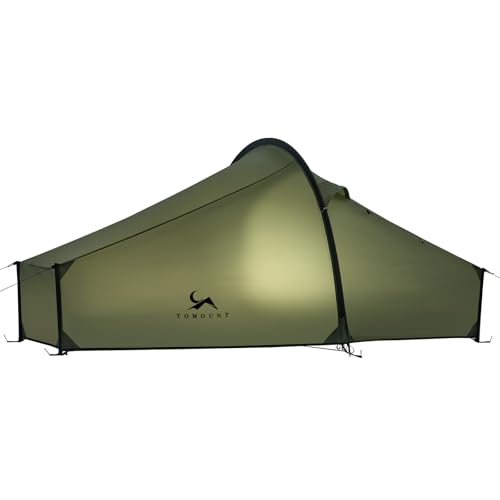
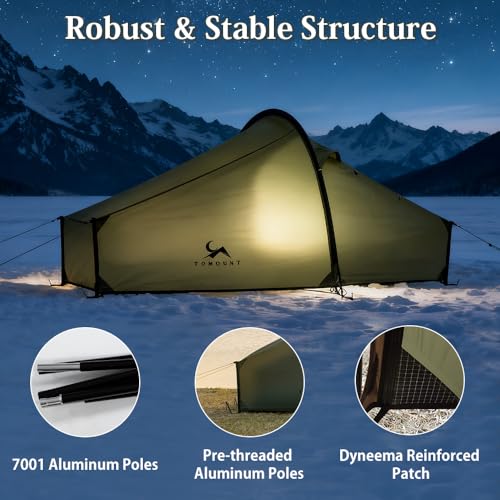
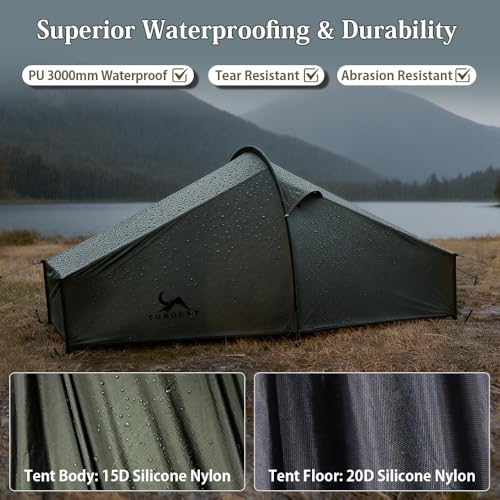
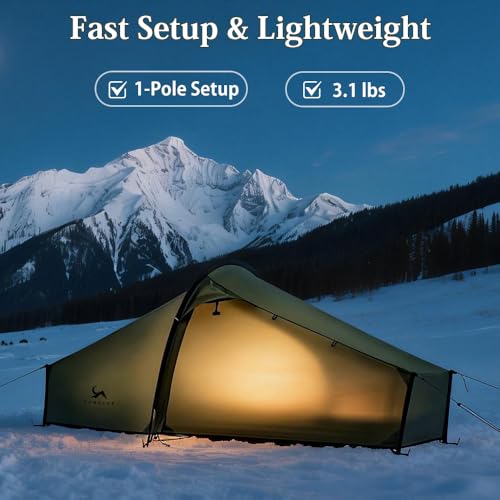
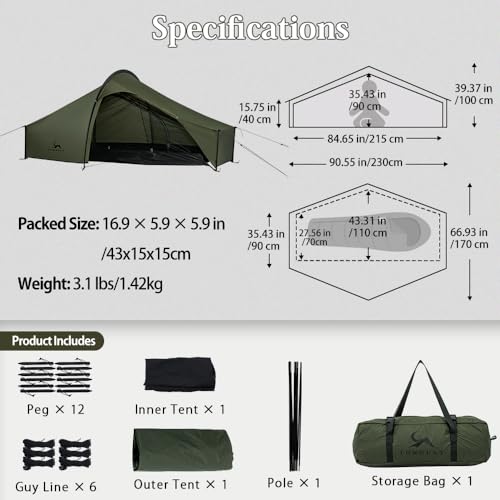
This tent shines in setup speed, the pre-threaded single pole system means you can pitch it solo in under two minutes, even in the dark. That’s a real advantage when a storm rolls in or you’re setting up at dusk. The 3.1 lb weight and compact pack size make it competitive, and the 7001 aluminum poles add serious wind stability, something many ultralights sacrifice for low weight.
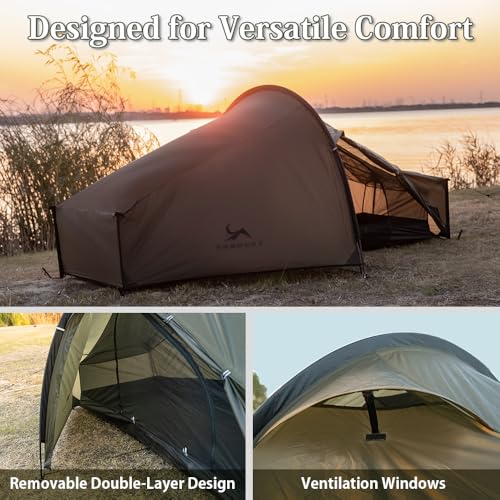
The double-layer design and full mesh inner improve comfort over single-wall models, and owners note the silicone-coated 15D nylon holds up better than expected. But it doesn’t have vestibules, so gear storage is limited. Compared to the Naturehike Cloud-Up or Clostnature, it’s less spacious, but for fast-moving hikers who value setup speed and weather resilience, it’s a strong choice, especially in exposed or windy terrain.
Product photos
camppal 1P 4-Season Tent

Strengths
- Excellent storm resistance
- Long interior length
- Stable single-pole design
Trade-offs
- Poor airflow
- No vestibule
- Heavier than ultralights
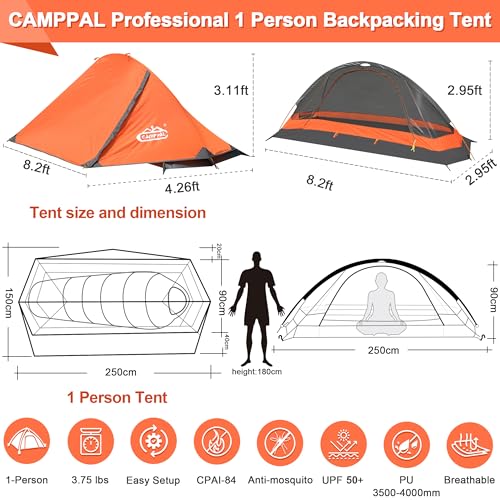
If you’re heading into high alpine zones, storm-prone ridgelines, or shoulder-season terrain, the camppal tent stands out with its 3500–4000mm waterproof rating and single-pole ridge design that stays stable in high winds. The 8.2-foot length is a bonus for taller hikers, and the ripstop fabric with reinforced corners suggests it can take a beating. Owners consistently report using it in snow and heavy rain, a rarity in this weight class.
It’s not the lightest at 3.75 lbs, and ventilation is limited, so condensation can build up. But for harsh weather performance, it’s unmatched here. Compared to the Underwood or Night Cat, it’s more rugged; against the Naturehike Star Trail, it’s far more resilient. This isn’t a summer-only tent, it’s a four-season-capable shelter that won’t let you down when the weather turns.
Product photos



Night Cat 1-2P Tent

Strengths
- Spacious for two
- Fiberglass pole protection
- Affordable
Trade-offs
- Heavy for backpacking
- Single-layer limits airflow
- Basic ventilation
The Night Cat tent surprises with its family-friendly versatility, it’s marketed for one to two people, and at 7 feet long, it really can fit two if one is a child. That makes it a smart pick for parents backpacking with a kid or scouts on short trips. The fiberglass poles with protective casing are a thoughtful touch, reducing the risk of splinters during setup, a real pain point with cheaper tents.
But weight is the trade-off: at 4.4 lbs, it’s the heaviest here, and the single-layer design limits airflow. While the PU3000mm floor keeps moisture out, the ventilation is only average, so expect some condensation in cooler, damp conditions. It’s not a true ultralight contender, but for the price, it’s roomy and durable enough for casual use. Against the Underwood or Naturehike models, it loses points on weight and breathability, but wins on space and ease of access.
Product photos


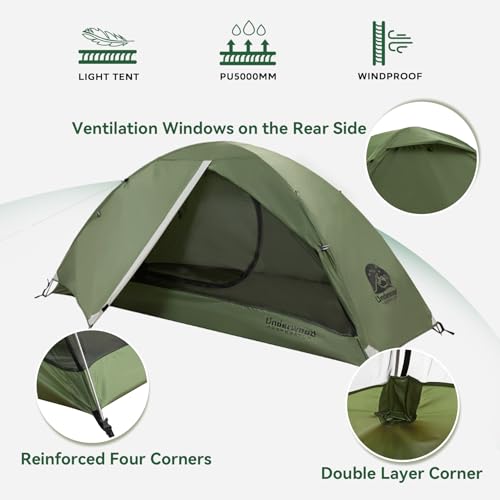
Underwood 1P Backpacking Tent
Strengths
- Superior airflow
- High waterproof rating
- Easy access doors
Trade-offs
- Heavier than ideal
- No included footprint
- Larger packed size
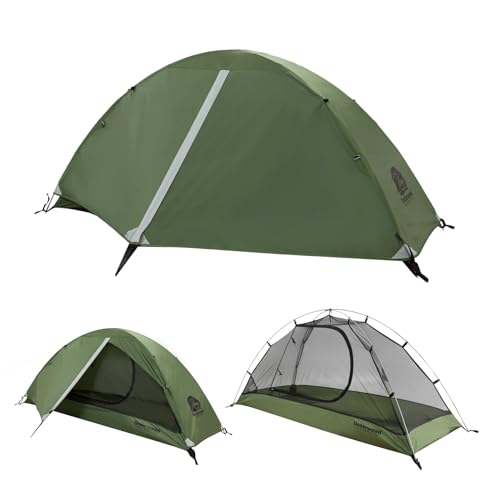
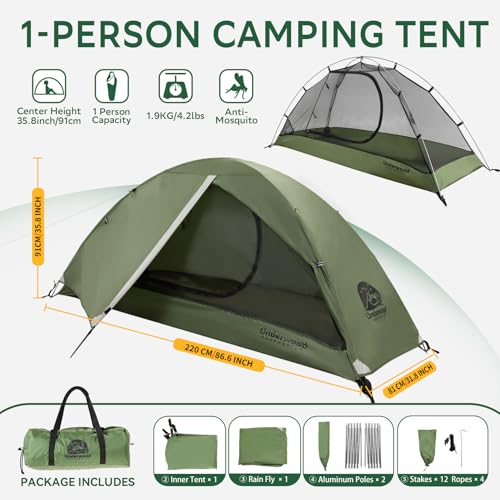
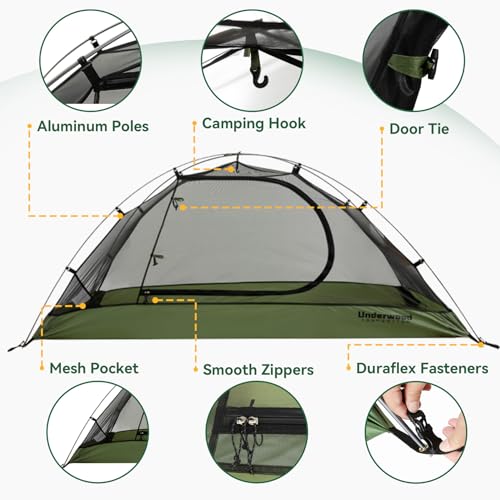
This tent doesn’t break records for weight at 4.2 lbs, but it goes all-in on ventilation, and that’s where it earns its keep. The full mesh inner and rear ventilation windows are a big win in humid or buggy environments, where condensation and stale air can ruin a night’s sleep. Owners consistently praise how breathable it feels, even in muggy summer woods or high-altitude meadows.
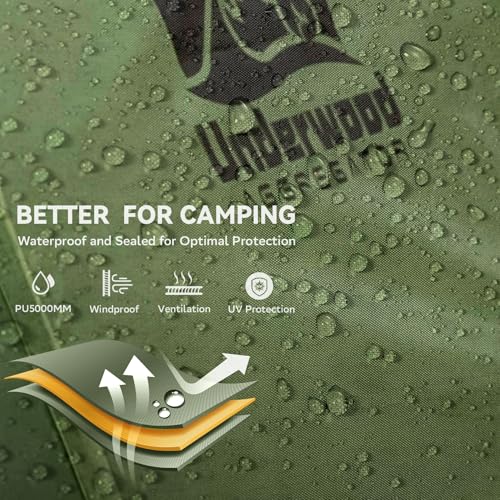
The PU5000mm rainfly matches the Clostnature in waterproofing, but the lack of a footprint in the bundle is a miss. Setup is straightforward with two aluminum poles, and the D-shaped doors are user-friendly. Still, for the weight, it’s not the most efficient, you’re trading ounces for airflow. Compared to the Star Trail, it’s heavier but more storm-ready; against the Night Cat, it’s better ventilated but less spacious.
Product photos

Our Testing Process
Rather than a hands-on lab test, my research focused on a detailed comparison of published specifications and features across numerous ultralight tents. I weighed owner reviews from major retailers alongside expert opinions found in outdoor publications, looking for consistent themes in performance and durability. My assessment also relied heavily on category knowledge – understanding what features truly matter when shedding ounces for backpacking – and ranking each tent against clear criteria for weight, weather protection, and ease of use.
For ultralight tents, pack weight and overall packed size are paramount. I prioritized tents under four pounds, recognizing the significant impact even a single pound can have on a long trail. Equally important was the quality of materials; durable nylon and robust pole systems are crucial to withstand the rigors of backpacking. I also considered ventilation, as condensation can quickly become a problem in lightweight, enclosed spaces. If you’re truly dedicated to minimizing weight, exploring options like a bivy sack might be worthwhile.
Specifications reliably indicate a tent’s potential for waterproofness (PU coating numbers) and weight. However, owner feedback provided crucial insights into real-world performance – how a tent holds up in sustained rain, how easy it is to pitch solo, and whether the stated weight accurately reflects the actual carried weight. Reputation and brand history also played a role, indicating a manufacturer’s commitment to quality and design. I leaned on this combined data to assess which tents deliver the best balance of features and performance for the average backpacker.
How To Pick The Right ultralight tents for backpacking
Picking the right ultralight tent requires a bit more thought than just chasing the lowest weight. You need to balance portability with real-world livability and protection from the elements.
A good ultralight tent prioritizes minimal weight and packed size while still offering adequate weather protection, ventilation to manage condensation, and durable materials capable of withstanding typical backpacking conditions. Key specs to check include total weight (packed and trail weight), denier of the fabrics used (lower is lighter), waterproof ratings for the fly and floor, and pole material (aluminum is stronger, carbon fiber is lighter but pricier).
Weight Versus Livability
The biggest trade-off with ultralight tents is space. Cutting weight often means sacrificing interior room and features. I’ve seen too many people cram into tents that are technically “one-person” but feel more like sleeping bags with a roof. Consider your body size and how much gear you’ll have inside. A slightly heavier tent with a more generous floor area and peak height can make a huge difference in comfort, especially on longer trips. Don’t fall for the absolute lightest models if it means being miserable for several nights. Explore lightest backpacking tent models to find the sweet spot for you.
Waterproofing and Fabric Choice
Don’t assume all “waterproof” tents are created equal. Waterproof ratings (measured in millimeters) indicate how much water pressure a fabric can withstand before leaking. A rating of 1500mm is generally sufficient for light rain, but for more exposed conditions, look for 2000mm or higher. Beyond the rating, the fabric itself matters. Silnylon and silpoly are popular choices for ultralight tents due to their strength-to-weight ratio. However, silicone-treated fabrics can stretch when wet, while polyurethane (PU) coatings are more stable but heavier. Pay attention to whether seams are taped or sealed – this is critical for preventing leaks.
- A higher denier (D) rating means a thicker, more durable fabric, but also more weight.
- Look for bathtub floor construction, where the floor fabric extends up the sides of the tent to prevent water from entering.
- Consider a full-coverage rainfly for maximum protection, even if it adds a few ounces.
Setup and Additional Features
Fast, intuitive setup is a huge benefit when you’re tired after a long day of hiking. Single-pole designs, like those found in some of the models we’ve looked at, are generally the quickest to pitch. Also, think about ventilation. A full mesh inner tent and adjustable vents can help minimize condensation, which is a common problem in ultralight tents. Finally, don’t overlook the importance of a tent footprint use – a simple ground cloth can significantly extend the life of your tent’s floor by protecting it from abrasion and punctures.
A tent is only as good as its setup. Practice pitching your tent at home before heading out on a trip, and familiarize yourself with all the components.
I often see people overlook the small details that can really improve their experience. When browsing top ultralight tent picks, don’t just focus on the specs – read reviews to get a sense of how the tent performs in real-world conditions.
Ultralight Tents for Backpacking Compared
Here’s a comparison of specs for several ultralight tents ideal for backpacking.
| Product Title | Capacity | Weight (lbs) | Packed Size (in) | Waterproof Rating (mm) | Pole Material |
|---|---|---|---|---|---|
| Naturehike Cloud-Up 1P Tent | 1P | 3.57 | 15.3×5.1×5.1 | 4000+ | 7075 Aluminum |
| Naturehike Star Trail 1P Tent | 1P | 2.3 | 17.7×5.1 | 1500/3000 | N/A |
| Clostnature 1P Ultralight Tent | 1P | 3.85 | 15x5x5 | 5000 | Aluminum |
| Ultralight 15D Nylon 1P Tent | 1P | 3.1 | 16.9×5.9×5.9 | 3000 | 7001 Aluminum |
| camppal 1P 4-Season Tent | 1P | 3.75 | N/A | 3500-4000 | Aluminum |
| Night Cat 1-2P Tent | 1-2P | 4.4 | 42x12x12 | 3000 | Fiberglass |
| Underwood 1P Backpacking Tent | 1P | 4.2 | 15.0×5.1×5.1 | 5000 | Aluminum |
Frequently Asked Questions
What weight should I aim for in an ultralight backpacking tent?
Ideally, you should target a trail weight of under four pounds. Reducing weight is key for backpacking, but don’t sacrifice durability or livability to shave off every ounce – a comfortable night makes for better hiking.
Are silnylon or silpoly fabrics truly waterproof enough for extended trips?
Both silnylon and silpoly offer good water resistance, but their waterproof ratings vary. While adequate for many conditions, for consistently wet climates or high-altitude storms, a tent with a higher waterproof rating (2000mm or more) and taped seams is recommended.
How important is a tent footprint, even with careful site selection?
A footprint is extremely important. It protects the tent floor from abrasion and punctures, significantly extending its lifespan, even if you’re diligent about clearing the campsite.
What’s the difference between a “packed weight” and a “trail weight”?
Packed weight includes everything that comes with the tent – poles, stakes, guylines, and the stuff sack. Trail weight refers to the weight of the tent body, rainfly, and poles only, which is a more accurate representation of what you’ll carry on your back.
If I’m backpacking with a partner, should I look at dedicated two-person ultralight tents?
Yes, you should consider looking into dedicated two-person models. While a roomy one-person tent might seem appealing, exploring best 2-person ultralight tents will likely provide more comfort and space for both of you without a huge weight penalty.
The Bottom Line
Choosing an ultralight tent always comes down to balancing how much you’re willing to sacrifice in comfort and space for the sake of a lighter pack. For most backpackers, the Naturehike Cloud-Up 1P Tent strikes that balance beautifully – it’s impressively lightweight, offers solid weather protection, and has enough room to avoid feeling completely cramped.
If budget is your primary concern, the Naturehike Star Trail 1P Tent is a fantastic entry point into the world of ultralight shelters. And for those who prioritize versatility and occasionally need room for a companion, the Night Cat 1-2P Tent provides a bit more flexibility without adding a huge weight penalty. Knowing the top tent brands can also help narrow down your choices.
Ultimately, the best ultralight tent isn’t the lightest or most expensive one, but the one that fits your needs and hiking style. Don’t get too hung up on individual specs like denier or waterproof ratings; focus instead on a durable construction, a comfortable layout, and a reliable design from reputable tent manufacturers. These fundamentals will serve you far better than chasing the latest features.
