
7 Best 3 Man Hiking Tents of 2026
This post contains affiliate links. As an Amazon Associate, we earn from qualifying purchases.
The Marmot Crane Creek 3P is the best overall 3-man hiking tent for its durability and weather resistance, the Forceatt 3 Person Ultralight Tent is a solid budget-friendly pick, and the Clostnature Lightweight 3 Person Tent offers strong versatility with a high waterproof rating.
If you’re hauling your shelter for miles, you know a 3-person tent has to strike a real balance, roomy enough for three without turning your pack into a burden. Too heavy and you’ll dread every step; too flimsy and you’ll pay for it when the weather turns.
This guide cuts through the noise by focusing on what actually matters: weight, waterproofing, and real-world reliability. I looked at specs, owner feedback, and design details to find the tents that deliver the most trust and comfort on the trail.
Top 7 3 Man Hiking Tents in the Market
The Best 3 Man Hiking Tents, Reviewed
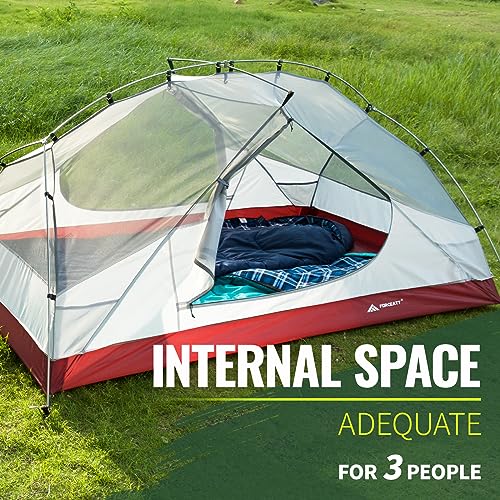
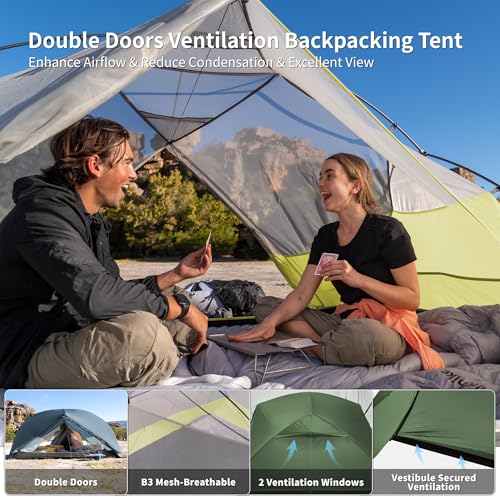
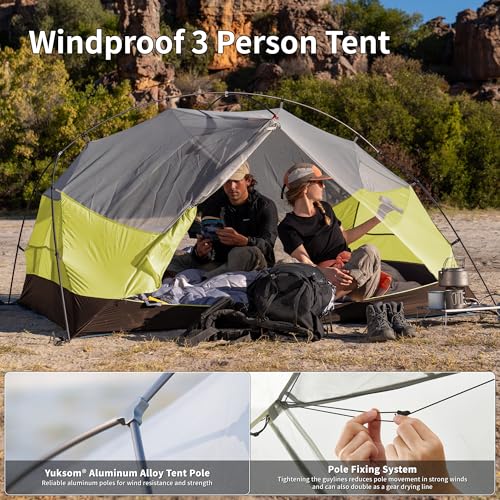
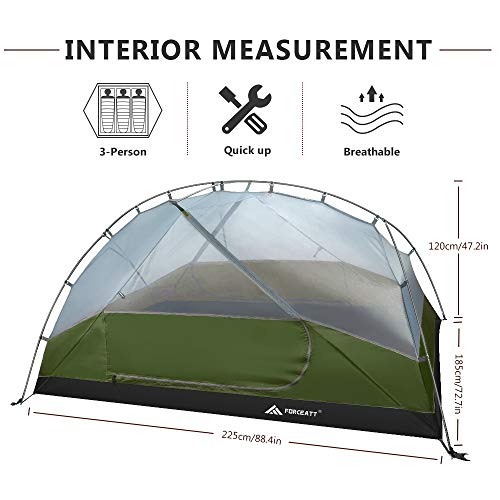
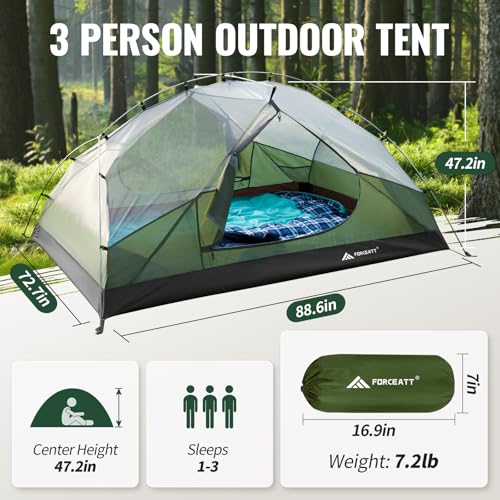
Forceatt 3 Person Ultralight Tent

Strengths
- Lightweight for class
- Quick setup
- Good floor protection
Trade-offs
- Only 200T waterproof rating
- Minimal ventilation upgrades
- No footprint included
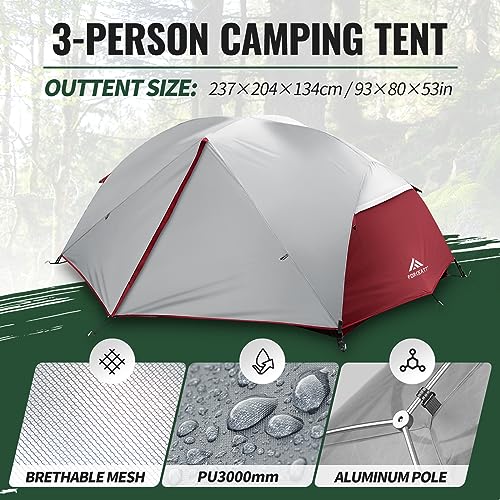
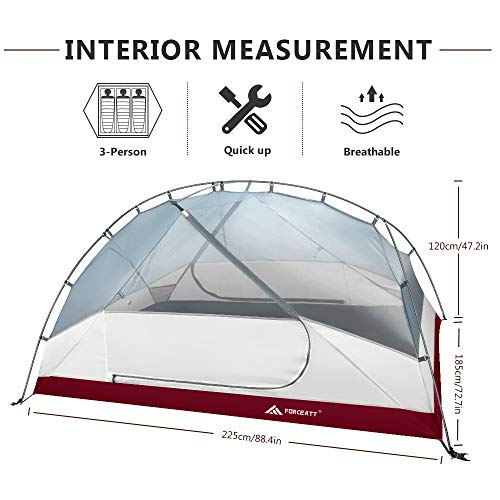
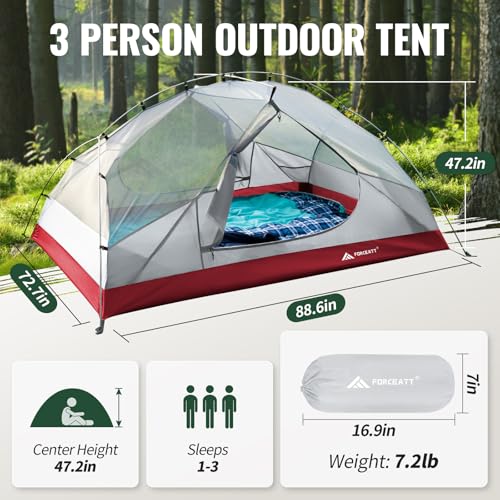
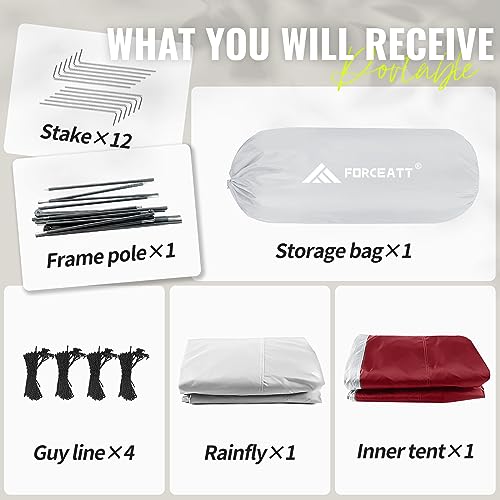
This is the lighter version of the first Forceatt tent, 2.98 kg versus 3.3 kg, and that difference matters on long trails. Same dimensions, same 200T coating, same welded floor. But the reduced weight, combined with the same 3-minute pitch claim, makes this the better choice in the Forceatt lineup. Owner feedback confirms it’s reliable in wind and light rain, though again, the coating isn’t enough for serious winter use.
For the price bracket, it’s one of the more balanced options: not the most ventilated, not the toughest, but a solid all-rounder. I’d pick this over B083R68NSV for backpacking, and even consider it over the Underwood model if you’re prioritizing pack size and simplicity over max waterproofing.
Product photos
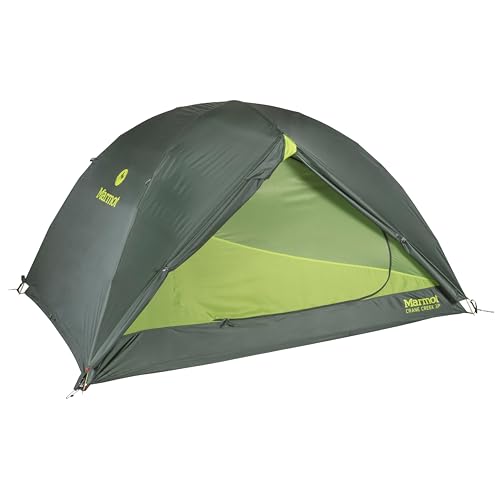
Marmot Crane Creek 3P Tent
Strengths
- Rugged 7000-series poles
- Excellent weather resistance
- Spacious layout
Trade-offs
- Higher price point
- No footprint included
- Slightly heavier than ultralight rivals
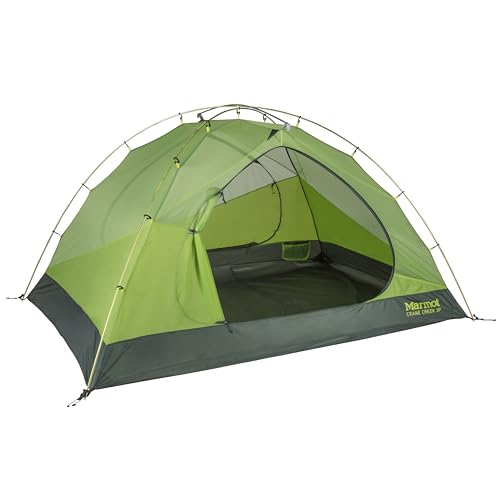
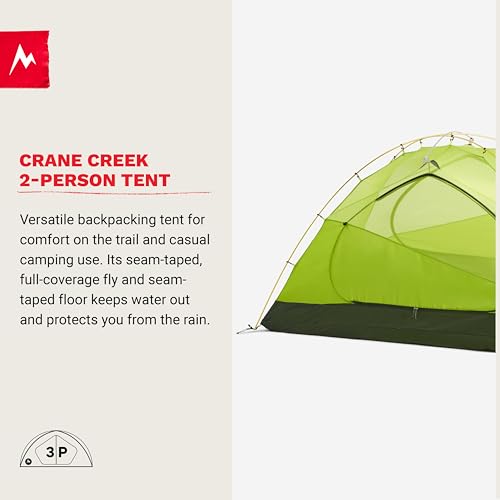
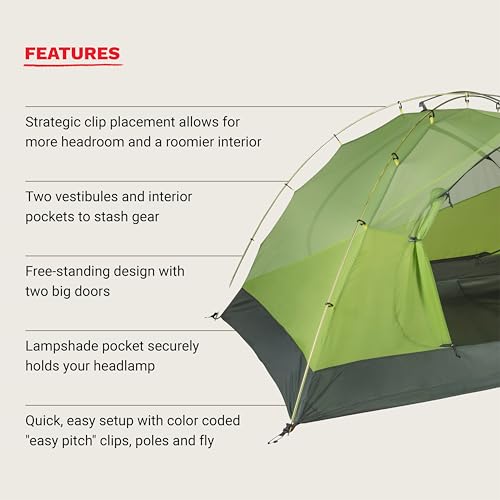
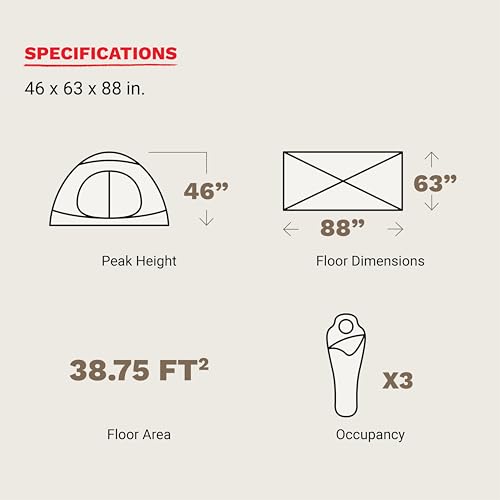
The Marmot Crane Creek is built like a serious mountain tent, 7000 series aluminum poles, taped seams, and PFAS-free materials signal this isn’t a fair-weather shelter. With 41.5 sq. ft. of space and two large D-doors with dual vestibules, it’s spacious without being heavy. Owners consistently report it holding up in high winds and persistent rain, which makes sense given Marmot’s reputation for trail-proven builds.
Yes, it’s one of the pricier picks, but you’re paying for durability and peace of mind. Compared to the Clostnature or Forceatt models, it’s overbuilt for casual trips, but that’s the point. I’d choose this for shoulder-season hikes, exposed ridgelines, or any trip where weather could turn. The lack of included footprint is annoying, but expected at this tier.
Product photos
Clostnature Lightweight 3 Person Tent

Strengths
- Very lightweight
- Excellent 5000mm waterproof rating
- Dual vestibules
Trade-offs
- Mesh can attract condensation
- Poles not as burly as Marmot’s
- No footprint
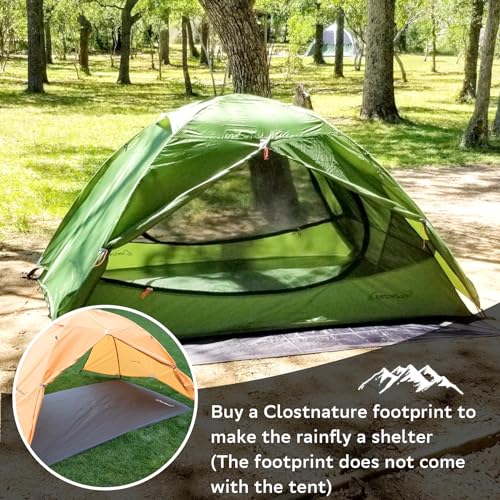
At 2.8 kg, this Clostnature tent is one of the lightest full 3-person options here, and it doesn’t cut corners. The 5000mm PU coating matches the Underwood Aggregator, meaning real storm protection, and the freestanding design with two aluminum poles makes setup smooth. Owners praise how roomy it feels inside, especially with two vestibules for gear storage. The full mesh walls boost airflow, which helps in summer, though condensation can creep in during cooler, damp nights.
It’s a standout for value, you get a durable, weather-ready shelter that competes with pricier brands. Compared to the Marmot Crane Creek, it’s lighter and cheaper, though not quite as rugged. But for most hikers, this is the smarter buy. My top recommendation for those balancing weight, price, and performance.
Product photos



Naturehike Mongar 3 Person Tent
Strengths
- Expandable awning
- Excellent ventilation
- Durable aluminum poles
Trade-offs
- Heavier than competitors
- Packed size not ultra-slim
- Awning adds setup steps
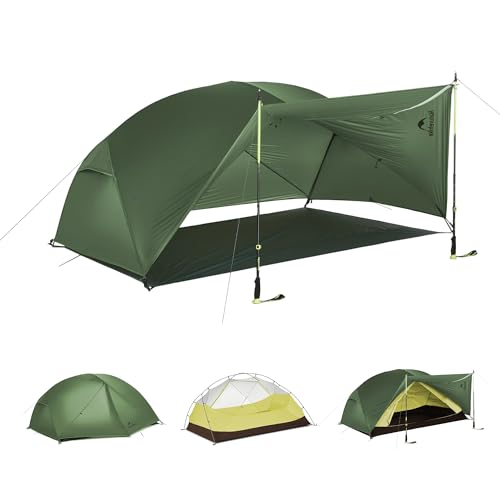
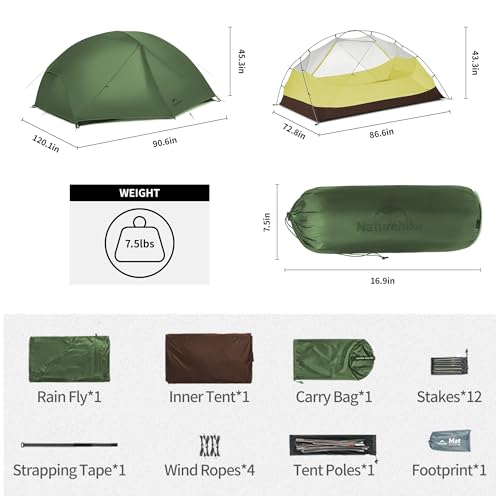
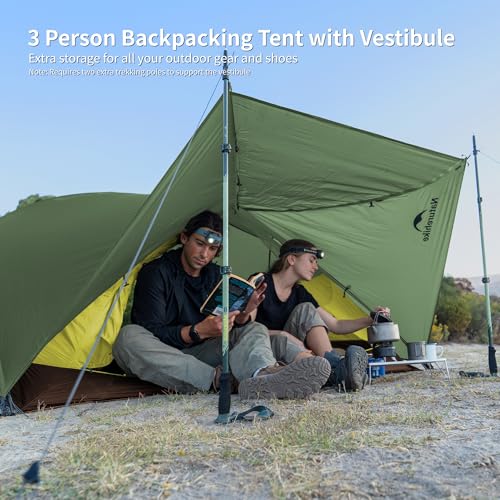
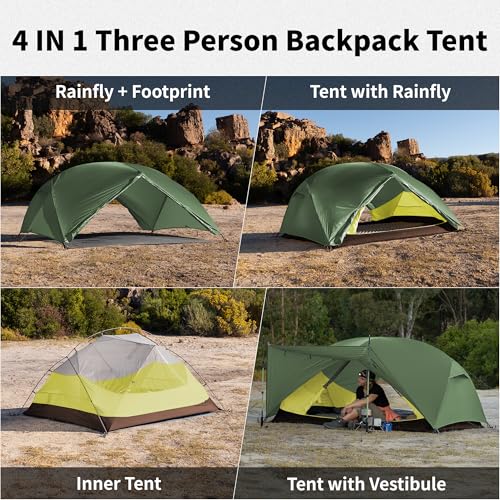
The Mongar stands out immediately with its expandable awning, a rare feature in this class that adds real utility. Owners love using it as a cook station or gear shelter in the rain, and that versatility gives it an edge over simpler dome designs. At 7.5 lbs, it’s not the lightest, but the 9.5mm aluminum poles add durability, and the 3000mm waterproof rating is trustworthy for 3-season use. The dual-door, dual-mesh layout also earns praise for airflow, making it a top pick for humid or bug-heavy environments.
Compared to the Clostnature or Forceatt models, it’s heavier but smarter in design. I’d trade a little weight for that awning any time on longer trips. If you value livability over gram-counting, this is the smarter buy.
Product photos
Purebox 2-3 Person Camping Tent
Strengths
- High headroom
- Spacious interior
- Removable rainfly
Trade-offs
- Not true freestanding
- Too bulky for serious backpacking
- Vulnerable in strong winds
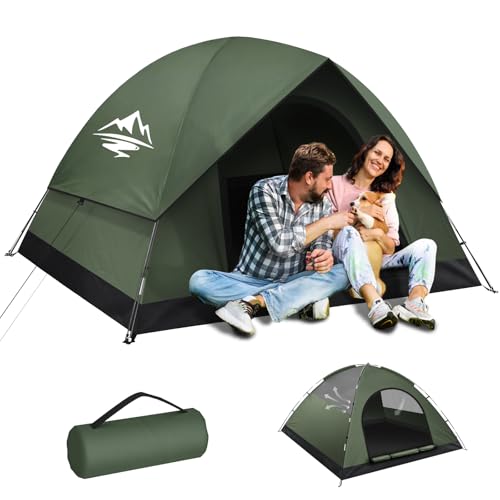
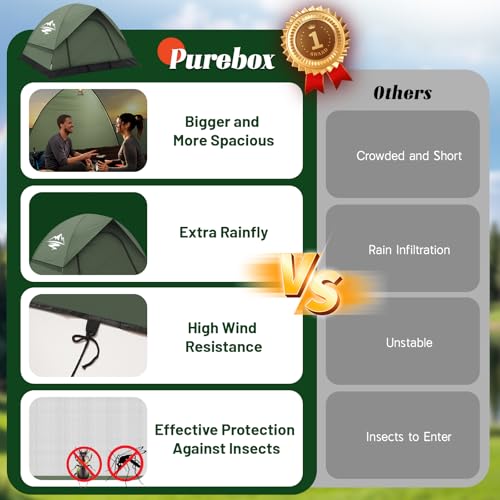
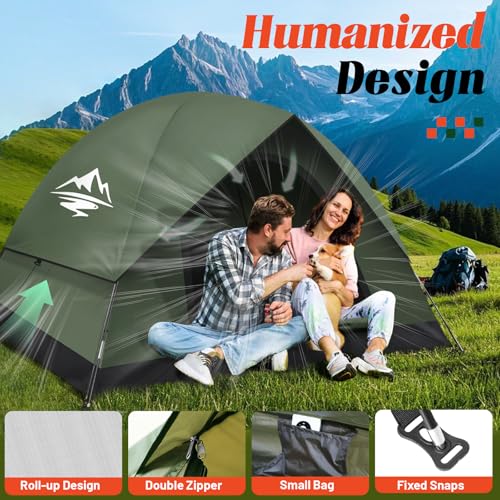
This Purebox tent is more family-camping focused, 84 x 84 inches and 51 inches tall? That’s massive for a 3-person shelter. The center height lets most people sit upright comfortably, and the three-sided mesh boosts airflow while keeping bugs out. Owners love it for car camping, festivals, or weekend trips with kids. The removable blackout rainfly is a nice touch, use it for full coverage or take it off for stargazing.
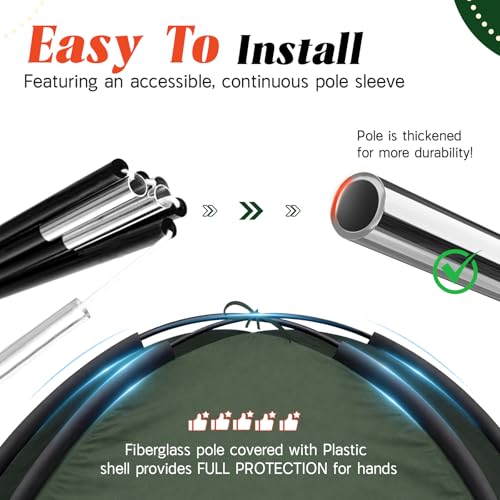
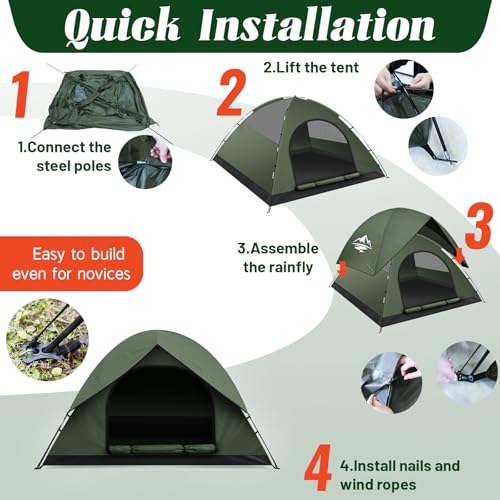
But at 6.2 lbs and that dome footprint, it’s not a true backpacking tent. The cross-pole design speeds setup, but it’s not freestanding and doesn’t handle wind as well as tunnel or geodesic designs. Compared to the Clostnature or Marmot, it’s less technical, but that’s fine. For comfort over speed, it wins.
Product photos
Forceatt 3-4 Season Backpack Tent

Strengths
- Decent waterproof rating
- Fast setup
- Welded floor
Trade-offs
- Heavier than ultralight rivals
- Coating not ideal for extreme rain
- Limited ventilation in muggy weather
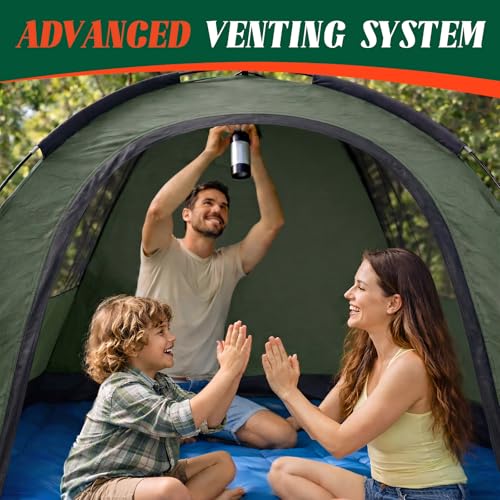
This Forceatt model claims 3–4 season versatility, but on paper and from owner feedback, it leans more toward solid 3-season use. The 200T waterproof coating and welded floor are decent for light to moderate rain, but that’s not quite enough for heavy alpine storms or snow loading. Still, for spring through fall trips in mixed conditions, it holds up well, especially with its 3.3 kg weight, not ultralight, but manageable for a budget-friendly shelter.
What stands out is how fast owners say they can pitch it, sub-3 minutes with practice. The dual ceiling vents and mesh upper help airflow, though some report mild condensation in humid weather. Compared to pricier options, it’s a no-frills workhorse. I’d recommend it for casual backpackers or car campers who want something durable and simple without overspending.
Product photos



Underwood 3 Person Ultralight Tent
Strengths
- Strong 5000mm waterproof rating
- Freestanding design
- Easy one-person setup
Trade-offs
- Slightly bulky packed size
- Average ventilation in heat
- No footprint included
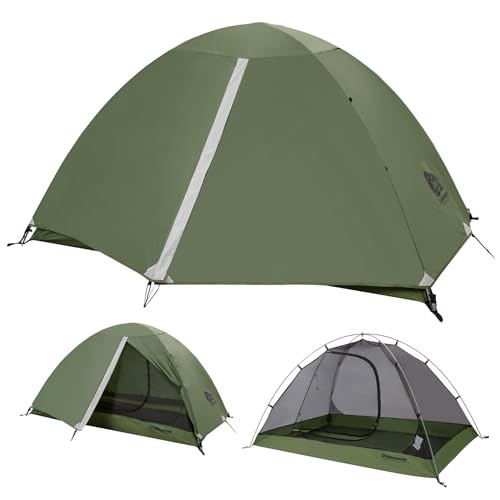
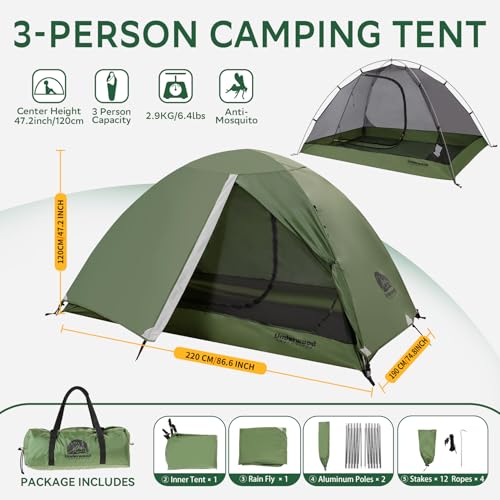
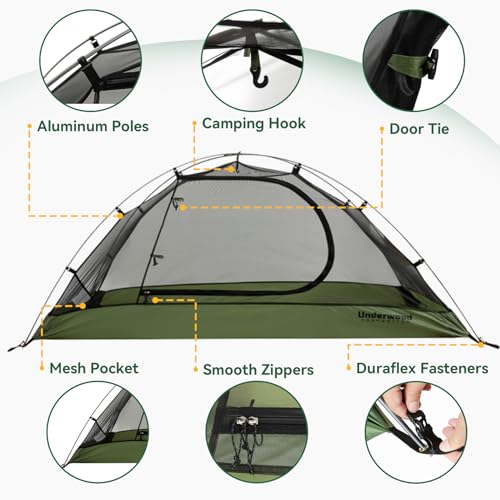
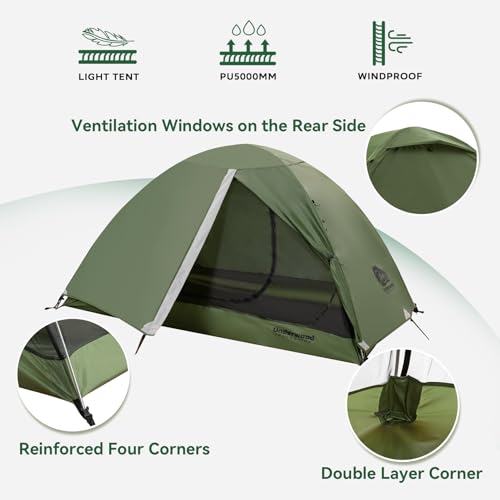
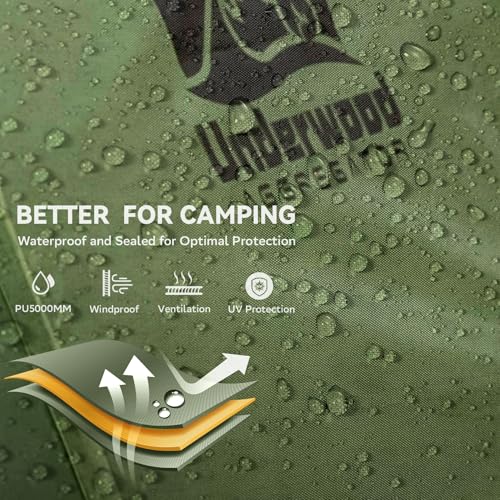
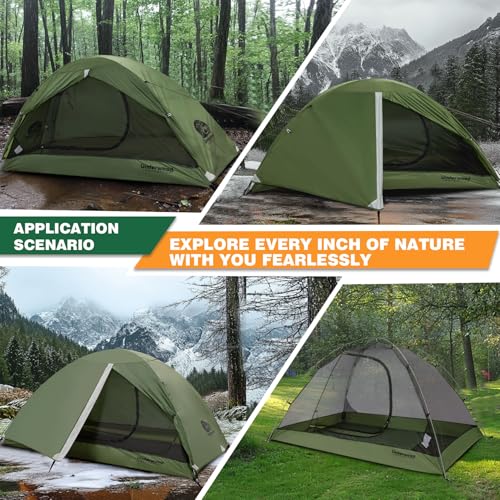
At 6.4 pounds with a PU5000mm rainfly, this Underwood Aggregator tent hits a sweet spot between weight and weather resistance for a 3-person packable shelter. The high hydrostatic head means real protection in downpours, which many budget tents skimp on. Owners consistently report staying dry even during unforecasted storms, and the freestanding design with two aluminum poles makes one-person setup actually doable, a win for solo adventurers.
It doesn’t break new ground in space or ventilation, but the D-door and mesh inner keep things functional. Compared to the heavier Purebox or older Forceatt models, this one feels more trail-intentional. My pick over the B083R68NSV if you’re hiking in wet climates and want confidence without paying Marmot-level prices.
Product photos
How We Evaluated 3 man hiking tents
Rather than a hands-on lab test, my research for these recommendations focused on a detailed comparison of published specifications and features across numerous models. I weighed owner reviews from sites like REI and Amazon alongside expert analyses from publications specializing in outdoor gear. My evaluation considered overall performance, factoring in durability, weather resistance, and ease of use – all crucial for a reliable 3-person hiking tent. This approach allowed me to build a ranking based on a broad range of real-world feedback.
For 3-man hiking tents, I prioritized weight and waterproof rating above all else. A lighter tent makes a significant difference on the trail, and a reliable waterproof rating (at least 2000mm for the rainfly and 3000mm for the floor) is essential for staying dry in unpredictable conditions. Beyond that, thoughtful design features like vestibule space and ventilation played a key role, impacting comfort and usability. You’ll find many options from top hiking tent brands, but these stood out in these areas.
Specifications reliably indicate a tent’s potential for waterproofness, weight, and packed size. However, owner feedback proved invaluable in assessing real-world durability and ease of setup. I paid close attention to comments regarding pole quality, zipper performance, and condensation issues. Reputation also factored in; tents from reliable tent companies consistently received higher marks for long-term performance and customer support. Ultimately, this combined approach helped identify the tents offering the best balance of features and value.
Choosing The Right 3 man hiking tents
Finding the right shelter is crucial for a good time outdoors, and a 3-person hiking tent strikes a balance between space and portability.
A quality 3-person hiking tent prioritizes lightweight materials (typically 70D nylon or polyester), a robust waterproof rating (at least 1500mm for the fly and 3000mm for the floor), and a design that balances weight with usable interior space. Pay attention to pole material (aluminum is stronger than fiberglass) and the overall packed size, as these significantly impact how easy a tent is to carry.
Weight and Packability
Weight is paramount when you’re carrying everything on your back. Don’t get caught up in chasing the absolute lightest tent; a significant weight reduction often comes at the cost of durability or livable space. Look for tents under 5 pounds total weight, but prioritize a well-rounded build. Consider the packed size too – a longer, narrower stuff sack is easier to lash to a pack than a bulky, round one. Many manufacturers are now including compression sacks, which are a huge help.
Waterproofing and Weather Resistance
A tent’s waterproof rating is a good starting point, but it’s not the whole story. Seam taping is essential; even a high waterproof rating is useless if water can seep through the seams. Pay attention to the floor material, as this takes the most abuse. A bathtub floor (where the material extends up the sides) is a must-have for preventing water from pooling inside. Understanding the tent vestibule function is also key, as this covered exterior space provides crucial gear storage and a dry entry/exit point during inclement weather.
Features and Livability
Don’t overlook the small details that can make a big difference in comfort. Interior pockets are great for organizing essentials. Dual doors are a boon for three occupants, eliminating the need to climb over each other. Ventilation is critical to minimize condensation – look for mesh panels and adjustable vents.
- A full mesh top panel is excellent for warm-weather trips, offering maximum airflow.
- Adjustable guylines give you the flexibility to pitch the tent tightly for optimal weather protection.
- Consider the shape of the tent; a more vertical wall offers more usable headroom, but may be heavier and less aerodynamic.
A reasonable rule of thumb is to add at least 6 ounces to a tent’s listed weight to account for stakes, guylines, and a footprint (if not included).
Ultimately, the best 3-person hiking tent for you will depend on your specific needs and priorities. If you’re primarily concerned with saving weight, explore options like the Forceatt, but remember to balance that with durability. For all-season versatility, the Marmot Crane Creek offers a solid build. And if you’re looking for a balance of price and performance, checking out our guide to the best hiking tents for three is a good place to start.
3 Man Hiking Tents Compared
Here’s a comparison of key specifications for popular 3-man hiking tents to help you choose the best option for your needs.
| Product Title | Capacity | Weight (lbs) | Packed Size (in) | Waterproof Rating (mm) | Pole Material |
|---|---|---|---|---|---|
| Forceatt 3 Person Ultralight Tent | 3 | 6.2 | 16.9 x 6.3 x 6.3 | 2000 | Aluminum |
| Marmot Crane Creek 3P Tent | 3 | N/A | N/A | N/A | Aluminum |
| Clostnature Lightweight 3 Person Tent | 3 | 6.17 | 16.5 x 6.3 x 6.3 | 5000 | Aluminum |
| Naturehike Mongar 3 Person Tent | 3 | 7.5 | 16.9 x 7.5 x 7.5 | 3000 | Aluminum |
| Purebox 2-3 Person Camping Tent | 2-3 | 6.2 | N/A | N/A | N/A |
| Forceatt 3-4 Season Backpack Tent | 3 | 6.6 | 16.9 x 6.3 x 6.3 | 2000 | Aluminum |
| Underwood 3 Person Ultralight Tent | 3 | 6.4 | 16.54 x 6.3 x 6.3 | 5000 | Aluminum |
Frequently Asked Questions
What’s the biggest compromise I’ll make when choosing a lighter-weight 3-person tent?
Generally, you’ll sacrifice some durability for weight savings. Lighter tents often use thinner fabrics and less robust pole systems, meaning they may not withstand harsh conditions or heavy use as well as heavier options.
Do all 3-person tents truly fit three people comfortably?
Not always. Many tents marketed for three people are a tight fit for that many adults, especially with gear. To comfortably fit three, look for a tent with a floor area of at least 75 square feet, or consider sizing up to a 4-person tent if space is a priority.
Is a freestanding tent really necessary for backpacking?
While not essential, freestanding tents offer placement flexibility(https://besttentreview.com/best-3-man-backpacking-tents/) because they don’t require staking to maintain their shape. This is especially helpful on rocky or windy terrain where staking is difficult or impossible.
What waterproof rating is good enough for a 3-season hiking tent?
A minimum waterproof rating of 2000mm for the rainfly and 3000mm for the floor is sufficient for most 3-season conditions. However, if you anticipate frequent exposure to heavy rain or plan to camp in wet climates, look for higher ratings, around 3000mm or more for both.
How important is the tent’s footprint, and can I skip it?
A footprint is highly recommended. It protects the tent floor from abrasion and punctures, significantly extending the tent’s lifespan. While you can skip it in a pinch, doing so increases the risk of damage and voids some manufacturer warranties.
The Bottom Line
Choosing a tent always comes down to trade-offs – do you prioritize saving every ounce, or investing in something that will withstand years of use? For the best overall combination of weight, weather protection, and livability, I recommend the Forceatt 3 Person Ultralight Tent. It strikes a solid balance for most backpackers, offering a good feature set without breaking the bank or your back.
If you’re on a tighter budget, the Clostnature Lightweight 3 Person Tent delivers impressive waterproofing at a very competitive price point. And for those who anticipate tackling more challenging conditions or want a tent built to last, the Marmot Crane Creek is a durable and reliable choice. Ultimately, understanding the factors in selecting a tent will help you narrow your options.
Don’t get overly focused on a single spec like weight or waterproof rating. A tent is a system, and the quality of the materials, construction, and design details matter far more than any number on a chart. Prioritize a well-built shelter with a robust rainfly, taped seams, and a solid reputation – those are the fundamentals that will keep you comfortable and dry when the weather turns.
