
7 Best 4-Person 3-Season Tents of 2026
This post contains affiliate links. As an Amazon Associate, we earn from qualifying purchases.
The Clostnature 4-Person tent stands out as the best overall for its lightweight design and strong weather resistance, while the Coleman Skydome w/ Full-Fly is a smarter budget pick for car campers who want reliability without the price tag. If you need more headroom and family-friendly space, the Kelty Grand Mesa 4P offers the best livability.
Most people shopping for a 4-person, 3-season tent quickly realize the number on the label doesn’t tell the full story. Between inflated capacity claims and trade-offs in weight, durability, and ventilation, it’s easy to end up with a tent that feels cramped or folds under bad weather.
I compared the top models based on real owner experiences, build quality, and key specs that matter in the wild, not just on paper. These picks balance space, weather protection, and portability for everything from weekend family trips to trailside backpacking.
Top 7 4 Person 3 Season Tents in the Market
The Best 4 Person 3 Season Tents, Reviewed
Clostnature 4-Person Ultralight Tent

Strengths
- Lightweight
- Dual doors
- Excellent ventilation
- Strong wind resistance
- Large vestibules
Trade-offs
- Zippers could be sturdier
- Slight learning curve
- Minimal brand support
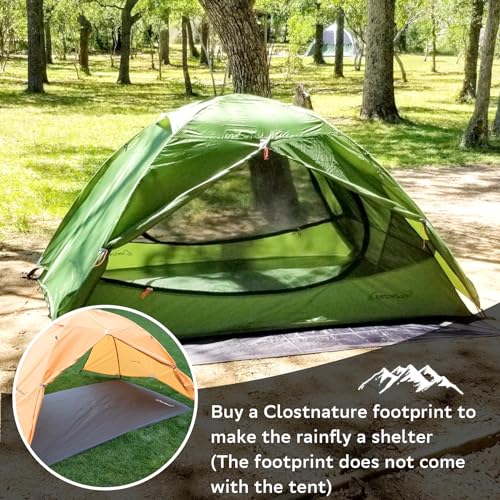
This is the tent that makes me say, ‘why pay more?’ It hits a sweet spot between weight, space, and performance. At just 7.38 lbs, it’s light enough for serious hikes, yet offers dual doors, dual vestibules, and full mesh walls, a rare combo at this price. The X-braced pole system adds real wind stability, and owners consistently report it held up in gusts and rain without leaking.
The ventilation-to-weather protection balance is excellent, no condensation nightmares, even in humid conditions. Setup is intuitive, and the included repair kit adds peace of mind. Compared to the Kelty, it’s roomier; compared to the OneTigris, it’s lighter and better ventilated. For most backpackers, this is the smarter buy.
Product photos



Amazon Basics 4-Person Dome Tent

Strengths
- Affordable
- Easy setup
- Compact carry bag
- Decent ventilation
- Spacious floor
Trade-offs
- Flimsy poles
- Lower durability
- Basic materials
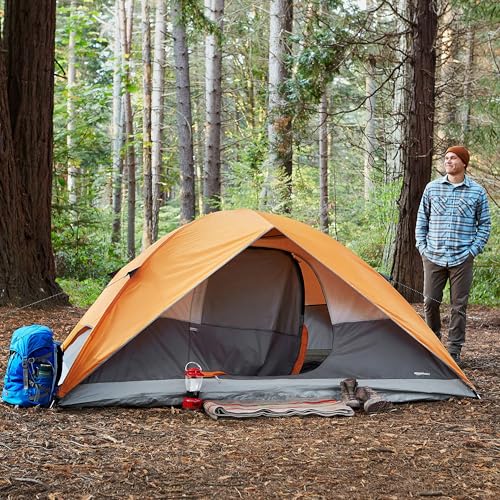
You get what you pay for, and in this case, that’s not a bad thing. The Amazon Basics tent delivers the bare essentials well: it’s roomy, sets up fast, and keeps water out in light rain. The 9 x 7 ft floor plan is competitive, and the 48-inch center height is decent, though not as generous as some others. Owners say it’s ideal for first-time campers or occasional use, especially since it packs down small and weighs less than premium models.
That said, don’t expect premium durability. The poles aren’t as robust, and long-term reviewers note the zippers and seams can degrade after repeated use. It’s not built for storms or rough terrain. But for fair-weather car camping on a budget, it’s hard to beat.
Product photos


Kelty Grand Mesa 4P Backpacking Tent
Strengths
- Lightweight
- Freestanding
- Easy setup
- Good ventilation
- Durable build
Trade-offs
- Tight for four
- Smaller vestibule
- Higher price
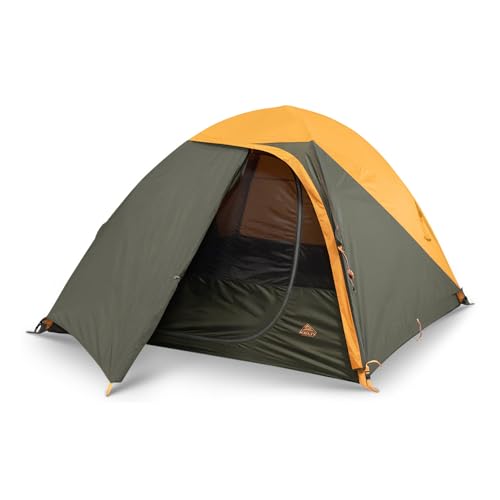
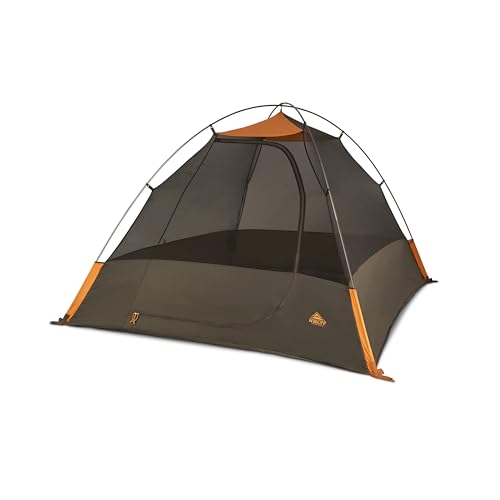
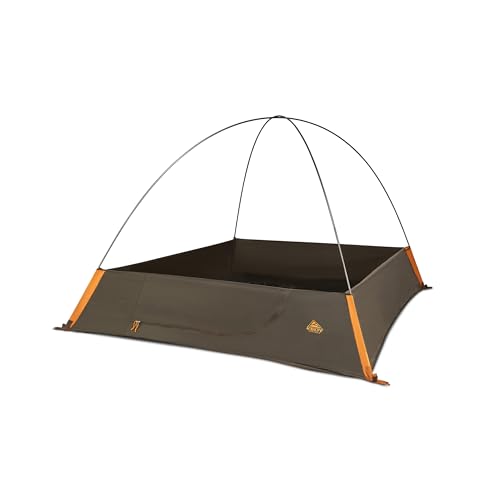
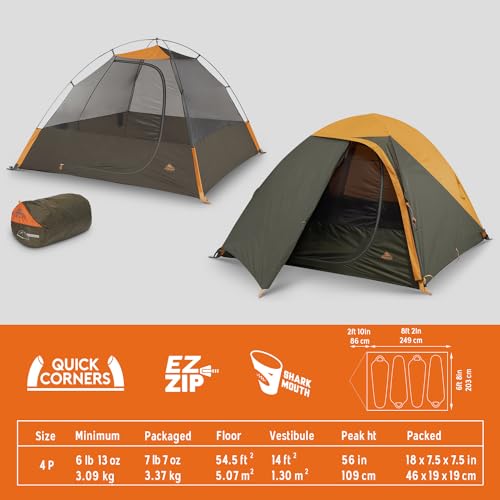
This is the tent I’d grab if I were heading into the backcountry, it’s a rare blend of lightweight, durability, and thoughtful design. At just over 7 lbs, it’s not the lightest 4-person tent, but for a freestanding model with a full vestibule and taped seams, it’s impressive. The color-coded clips and Quick Corners make setup smooth, even solo, and owners love how stable it feels in wind thanks to the aluminum poles and low profile.
The 54 sq ft floor is snug for four, better for three with gear. But the ventilation and weather resistance strike a near-perfect balance for 3-season use. Compared to bulkier car camping tents, this one earns its place on the trail. My recommendation? Ideal for backpackers who don’t want to sacrifice comfort for weight.
Product photos

Coleman Skydome with Full-Fly Vestibule

Strengths
- Quick setup
- Spacious vestibule
- Good headroom
- Weather-resistant
- Fits queen airbed
Trade-offs
- Heavy
- Bulky packed size
- Not for backpacking
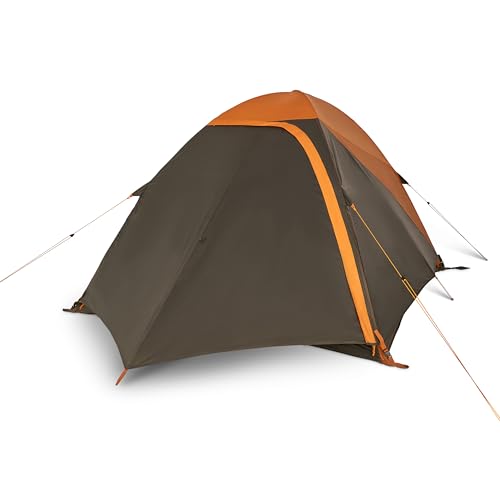
This is a solid car camping workhorse, built for convenience and comfort rather than trail miles. The full-fly vestibule is a standout, it adds serious sheltered space for boots, packs, or even a camp chair, which most 4-person tents in this class don’t offer. On paper, the 20% more headroom and wider door make sense for families or anyone using airbeds, and owners consistently report it feels roomier than older dome designs.
Still, it’s heavy and bulky, this isn’t a tent you’ll want to hike with. The WeatherTec system holds up well in light storms according to user feedback, but the tall profile can catch wind. For weekenders who prioritize quick setup and dry storage over weight, it’s a strong contender.
Product photos


OneTigris JOVIAN 4 Person Tent

Strengths
- Excellent waterproofing
- Includes footprint
- Complete kit
- Durable materials
- Good for wet conditions
Trade-offs
- Heavy
- Cramped for four
- Bulky when packed
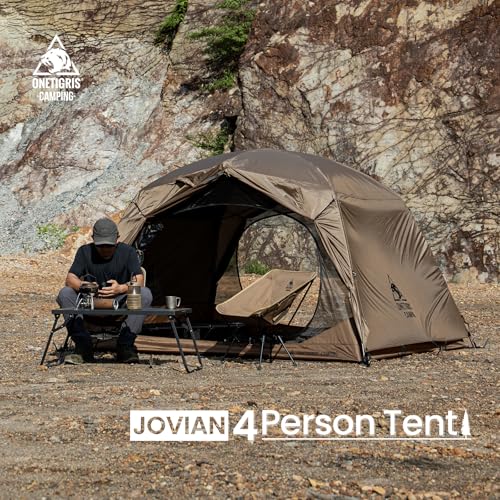
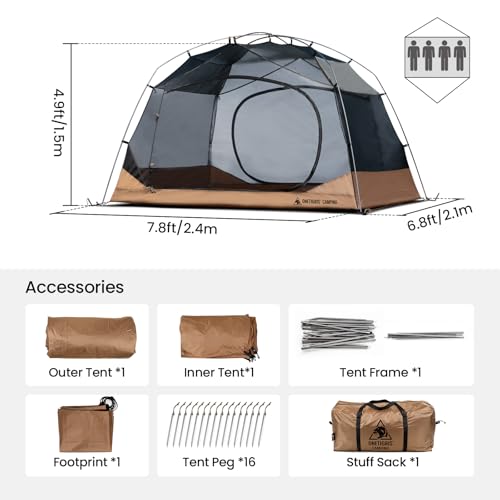
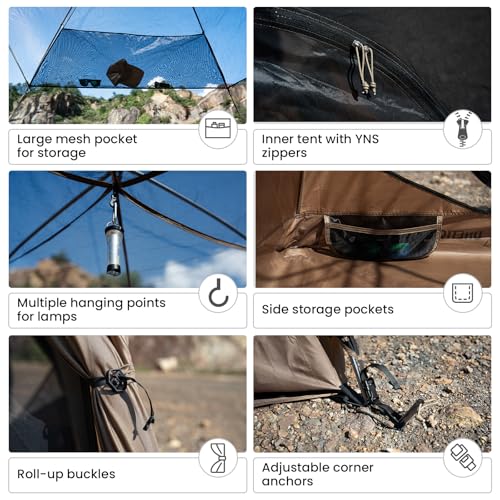
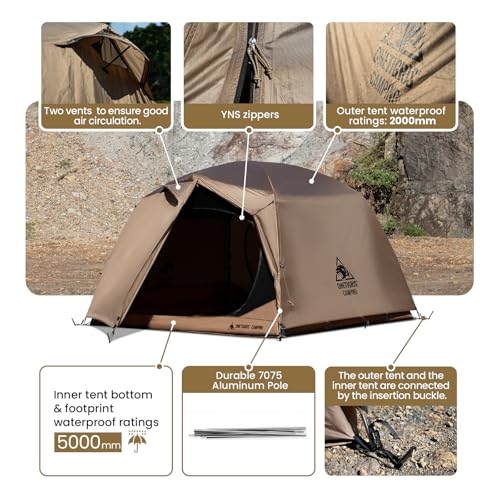
Waterproofing is where this tent shines, the 5000mm floor and 2000mm rainfly are serious specs for a tent at this price. On paper, it’s built to handle wet ground and sustained rain better than most in this list, and reviewers confirm it stays dry even after overnight downpours. The included footprint is a nice touch, and the full setup kit means you won’t be hunting for missing stakes.
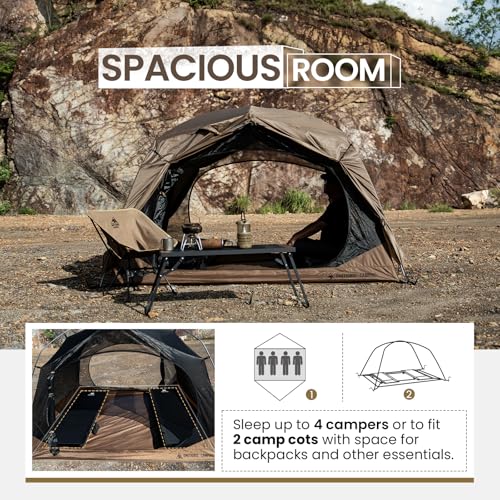
But it’s on the heavier side at nearly 12.5 lbs, and the packed size isn’t backpacker-friendly. The interior feels a bit tight for four, better suited for three adults with gear. Still, if you’re camping in damp climates or spring shoulder seasons, the waterproof performance makes it a smart pick over lighter, less protected models.
Product photos
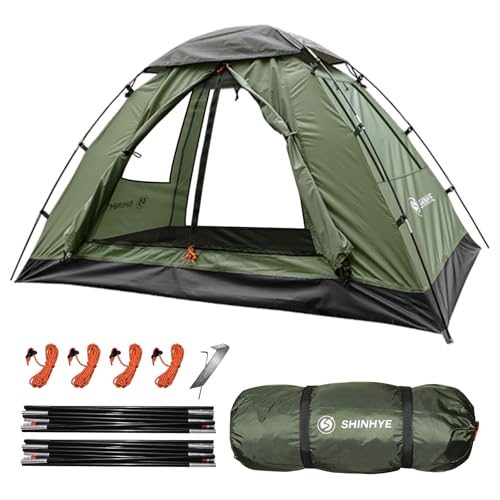
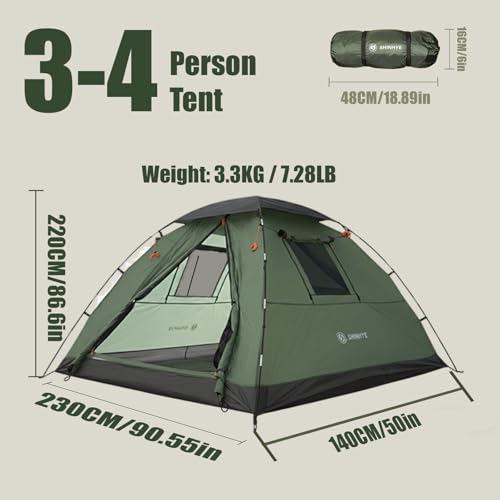
ShinHye 3-4 Person Lightweight Tent
Strengths
- Lightweight
- Two doors
- Good airflow
- Affordable
- Easy to pack
Trade-offs
- Vague specs
- Less stormworthy
- Poles lack rigidity
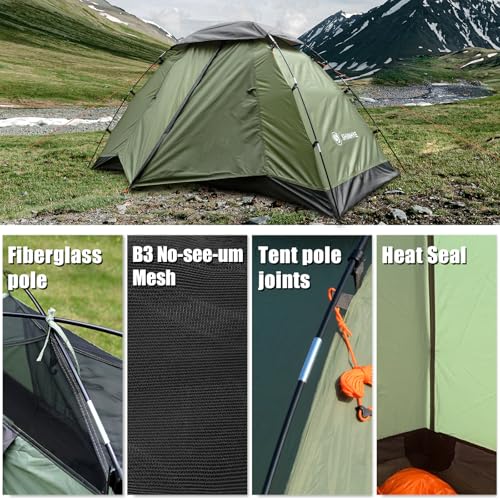
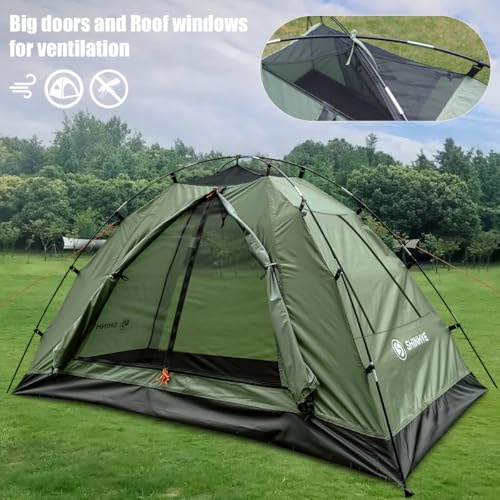
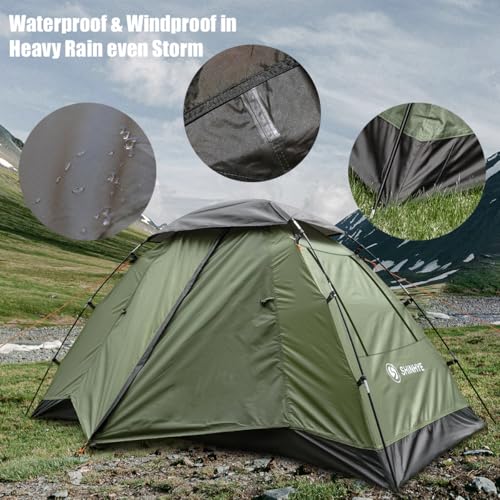
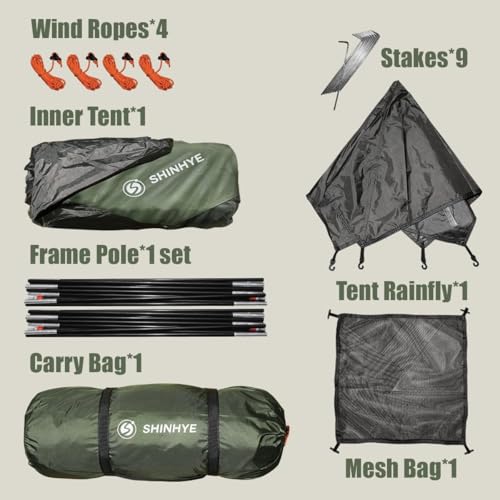
This ShinHye tent tries to pack a lot into an affordable, ultralight frame, and mostly succeeds. With a sub-7 lb weight and two D-shaped doors, it’s clearly designed for hikers who want convenience and breathability without breaking the bank. The mesh panels help reduce condensation, and the dual vestibules give you space for muddy boots or a cooking setup.
But the specs are vague, no clear info on floor size or waterproof ratings, and some owners note the poles feel flexible in high wind. It’s a solid value pick for fair-weather hikers, but not one I’d trust in a serious storm. Still, for weekend backpackers on a budget, it offers features usually found in pricier models.
Product photos
Coleman Skydome 4P with Rainfly

Strengths
- Ultra-fast setup
- Good headroom
- Durable frame
- Wider door
- Color-coded parts
Trade-offs
- Minimal ventilation
- No large vestibule
- Heavy for backpacking
Coleman’s name keeps coming up for a reason, they’ve nailed the formula for hassle-free car camping. This model shares the same quick-pitch DNA as the full-fly version but skips the extra vestibule. It’s lighter on features, but the pre-attached poles and color-coded clips mean even tent novices can get it up in under five minutes. The nearly vertical walls do make a noticeable difference in usable space, and the 4 ft. 8 in. center height is enough for most to sit up comfortably.
It’s not waterproof over long stretches of heavy rain, and the ventilation is basic. But for weekend trips where setup speed and dryness in light showers are top priorities, this one delivers. Compared to the full-fly version, it’s a leaner choice for those who don’t need the extra storage.
Product photos


How We Tested 4 person 3 season tents
Rather than a hands-on lab test, my research for these recommendations was a detailed comparison of published specifications and features across numerous models. I weighed owner reviews from major retailers alongside expert opinions from respected outdoor gear review sites. This process allowed me to build a ranking based on real-world feedback and objective data, focusing on what truly matters to campers. My experience pitching tents in various conditions informed my evaluation of these factors.
For 4-person, 3-season tents, freestanding setup speed, waterproof rating, and overall weight were the most important considerations. Quick setup is valuable for families and those arriving at a campsite late. A reliable waterproof rating is essential for dealing with unexpected weather, and a manageable weight is key for anyone planning to hike even a short distance with the tent. These three elements heavily influenced the final rankings.
Published specs reliably indicate tent dimensions, pole material, and waterproof ratings. However, I placed greater emphasis on owner feedback regarding long-term durability, ease of setup (beyond the manufacturer’s claim), and how well the tent performs in windy conditions. Reputation and consistent positive feedback from experienced campers were strong indicators of a tent’s real-world performance. Understanding the intended use of 3-season tents is also critical when making your final choice.
Choosing The Right 4 person 3 season tents
Picking the right four-person tent requires more thought than just floor dimensions.
A good four-person tent balances weight, weather protection, and usable space. Key considerations include the denier of the rainfly (higher is generally more durable), the quality of the tent poles (aluminum is preferable to fiberglass), and the overall packed size and weight – especially if you plan to backpack with it. Look for features like taped seams, a full-coverage rainfly, and adequate ventilation to maximize comfort and longevity.
Space and Livability
Don’t assume a “4-person” tent comfortably fits four adults with gear. Many manufacturers are optimistic with their capacity ratings. I’ve found that realistically, a four-person tent is best for two adults and two smaller children, or three adults who are comfortable being cozy. Floor area is critical, but so is peak height. Those nearly vertical walls found in some models, like the Coleman Skydome, make a huge difference in how spacious a tent feels. Think about how you’ll actually use the space – will you be spending a lot of time inside during inclement weather? If so, a larger tent with more headroom is essential.
Weather Resistance
The Pacific Northwest taught me to never underestimate the importance of a waterproof tent. Polyester rain flies with a PU coating are standard, but the higher the mm rating (e.g., PU 5000mm) the better the water resistance. Beyond the fabric, look at construction details. Welded seams, as found on Amazon Basics tents, are far superior to sewn seams, and a full-coverage rainfly that extends all the way to the ground provides maximum protection. Don’t forget about wind resistance; a robust frame and well-placed guy lines are crucial for stability.
Weight and Portability
If you’re primarily car camping, weight isn’t as big of a concern. However, if you plan on backpacking, every ounce counts. Ultralight tents, like the Clostnature model, use lightweight materials and minimalist designs to reduce weight. Here’s how to prioritize weight versus features: * Ultralight: Sub-5lbs, minimal features, best for solo or fast-packing. * Lightweight: 5-7lbs, a good balance of weight and features for backpacking. * Traditional: 7lbs+, more durable and spacious, ideal for car camping or base camps.
Here’s a rule of thumb to keep in mind:
For every pound you save on your tent, you’ll gain an extra mile (or more!) of hiking enjoyment.
When considering weight, also think about packed size. A smaller packed size makes it easier to fit the tent into your backpack or car. If you’re seeking the top 3-season 4-person tents, weight and packability will be significant factors. Many people prefer to source their shelters from trusted tent companies to guarantee quality.
4 Person 3 Season Tents Compared
Here’s a specification comparison to help you evaluate different 4-person, 3-season tent options.
| Product Name | Capacity | Floor Size (ft x ft) | Center Height (in) | Trail Weight (lbs) | Waterproof Rating (mm) |
|---|---|---|---|---|---|
| Clostnature 4-Person | 4 | 7.3 x 7.8 | 47 | 6.54 | 5000 |
| Amazon Basics 4-Person | 4 | 9 x 7 | 48 | N/A | N/A |
| Kelty Grand Mesa 4P | 4 | 6.5 x 7.5 | 56 | 7.7 | N/A |
| Coleman Skydome w/ Full-Fly | 4 | 8 x 7 | 48 | N/A | N/A |
| OneTigris JOVIAN 4 Person | 4 | 6.8 x 7.8 | 49 | 12.3 | 2000 / 5000 |
| ShinHye 3-4 Person | 3-4 | N/A | N/A | 3.9 | N/A |
| Coleman Skydome 4P | 4 | 8 x 7 | 48 | N/A | N/A |
Frequently Asked Questions
What’s the difference between a “3-season” and a “4-season” tent?
A 3-season tent is designed for use in spring, summer, and fall, prioritizing ventilation and lighter weight. 4-season tents add strength and durability for winter conditions, but are heavier and less breathable – a 3-season model is generally better for most campers.
How important is the denier (D) of the tent fabric?
Higher denier numbers indicate a thicker, more durable fabric, but also a heavier tent. For most 3-season use, a 75D polyester or nylon is a good balance of weight and durability, while 210D or higher is preferable for increased longevity.
Can I rely on a tent’s listed waterproof rating?
Waterproof ratings are a good starting point, but real-world performance varies. Look for tents with taped seams and full-coverage rainflies to maximize weather protection, and remember that owner reviews often provide a more accurate picture of how a tent holds up in heavy rain.
What features should I look for in a 4-person tent if I have kids?
Beyond the basic space requirements, prioritize features like easy setup, durable materials, and good ventilation. A tent with multiple doors and internal pockets can also help with organization and comfort when camping with children.
Are lightweight 4-person backpacking tents really feasible?
Yes, but compromises are usually necessary. You can find lightweight 4-person backpacking tents under 7 pounds, but they will likely have a smaller floor area, less headroom, and a higher price tag than heavier options.
The Bottom Line
Buying a tent always involves trade-offs – you’re weighing how much control you want over features and quality against how much fuss you’re willing to deal with, or how much you’re willing to spend. For the best overall balance of space, weather protection, and reasonable weight, I recommend the Clostnature 4-Person tent. It consistently receives positive feedback for its durability and livability, making it a solid choice for families and groups.
If budget is your primary concern, the Amazon Basics 4-Person tent offers a surprisingly roomy interior at a very attractive price point. For those prioritizing versatility and don’t mind a heavier pack, the OneTigris JOVIAN 4 Person stands out with its robust construction and multiple setup options. Understanding your key tent considerations will help narrow down your choices.
Ultimately, the best tent isn’t the one with the highest specs, but the one that best fits your camping style and needs. Prioritize a reliable waterproof rating, a durable floor, and a design that comfortably accommodates your group. Don’t get caught up in chasing the lightest weight if you’ll be car camping, and don’t sacrifice weather protection for a few extra inches of space.
