
4 Best 6-Person 4-Season Tents of 2026
This post contains affiliate links. As an Amazon Associate, we earn from qualifying purchases.
The Naturehike KOTA 6 Person Tent stands out as the best overall 6-person 4-season tent, combining rugged weather resistance with serious headroom and durability. For families on a budget, the Coleman Skydome Dark Room Tent offers solid protection and smart design at a lower price, while the Clostnature 6 Person All-Season Tent brings ultralight convenience for those prioritizing pack space.
Packing up the car for a family weekend or gearing up for shoulder-season trips means you need a tent that won’t quit when the wind picks up or the rain starts falling. Too many 6-person tents promise space but deliver a cramped, leak-prone mess by hour two of a storm.
As Chloé Bourgeois, I’ve spent years studying tent performance across real trails and conditions, and this guide cuts through the marketing to show you what actually matters in a 4-season family tent. These picks are based on specs, owner experiences, and design fundamentals that separate the durable from the disposable.
Top 4 6 Person 4 Season Tents in the Market
The Best 6 Person 4 Season Tents, Reviewed
Naturehike KOTA 6 Person Tent

Strengths
- True 4-season build
- Stove jack compatible
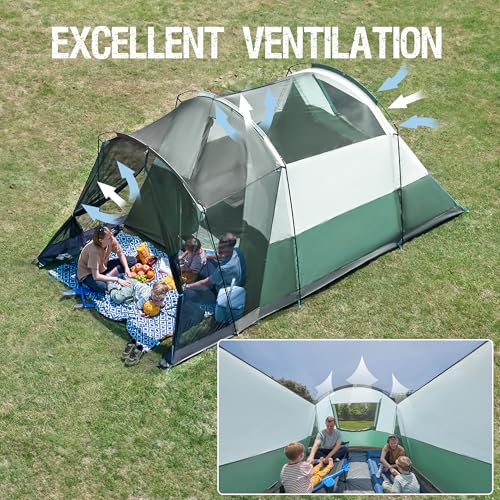
- Excellent ventilation
- Spacious interior
Trade-offs
- Heavier than average
- Setup takes time
- Pricier than basic models
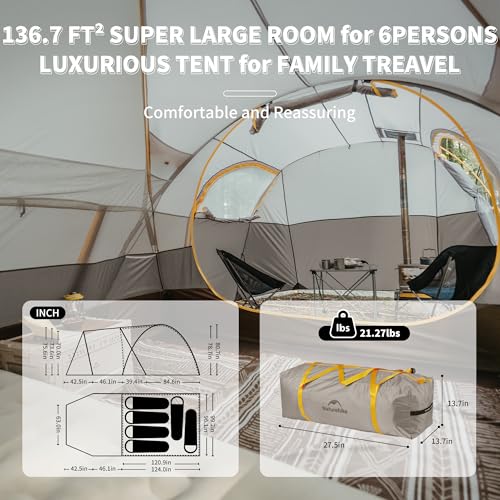
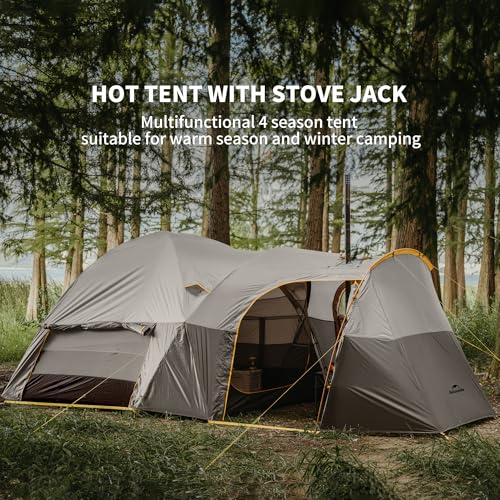
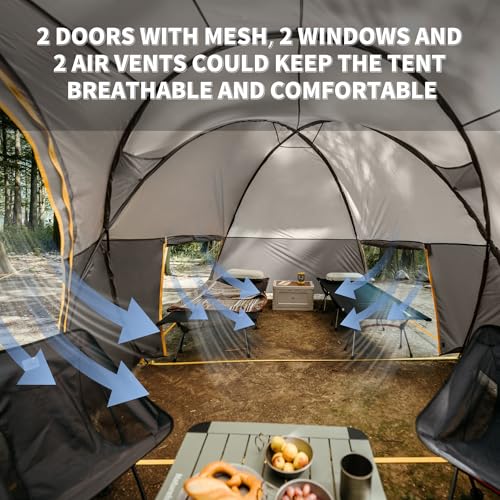
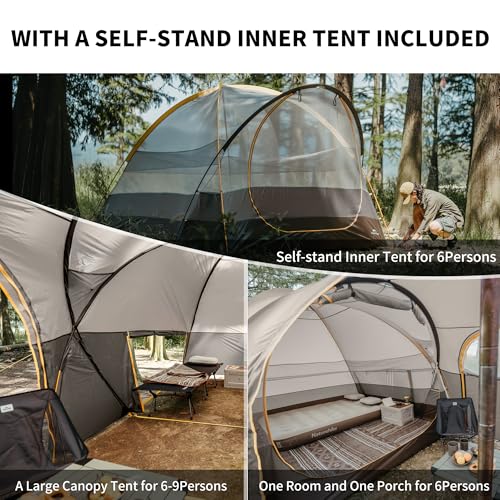
If you’re serious about 4-season performance and space, the Naturehike KOTA 6 is where I’d put my money. The dual-layer design with a freestanding inner tent and separate rain shelter gives real versatility, you can run just the canopy in summer or seal up for snow season. At nearly 6.5 feet tall, it offers real standing room, and the vestibule is huge, perfect for gear or running a stove via the included stove jack.
Owners praise its stability in wind and snow, backed by 3000mm+ PU coating and robust aluminum poles. It’s not ultralight at 21 pounds, but that’s fair for a family-sized 4-season tent. Compared to the Coleman or Portal, this one is built for actual winter camping, not just marketing claims. For anyone planning cold-weather trips or extended stays, this is the real deal.
Product photos

Portal 6 Person Family Tent
Strengths
- Large screen porch
- Great airflow
- Tall interior
- Easy setup
Trade-offs
- Fiberglass poles
- Not for heavy snow
- Screen attracts debris
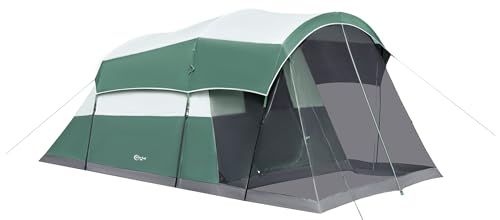
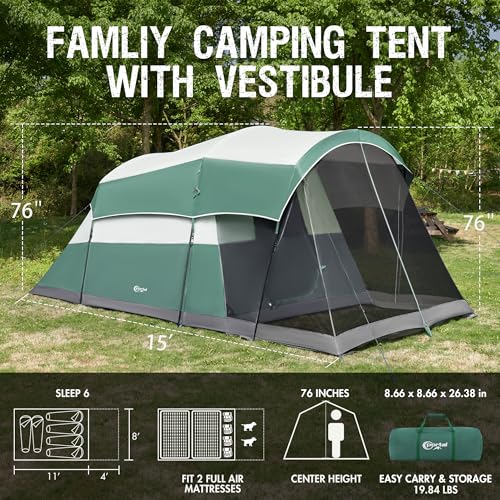
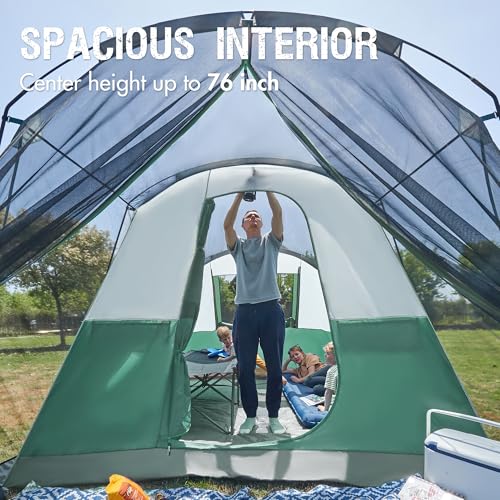
The Portal tent stands out with that massive screen porch, a feature I know from experience family campers love. It gives you a dry, bug-free zone to lounge in rain or shade, which beats sitting on the ground. The tunnel design and removable rainfly help it handle weather well, and the 76-inch height means most adults can stand without ducking.
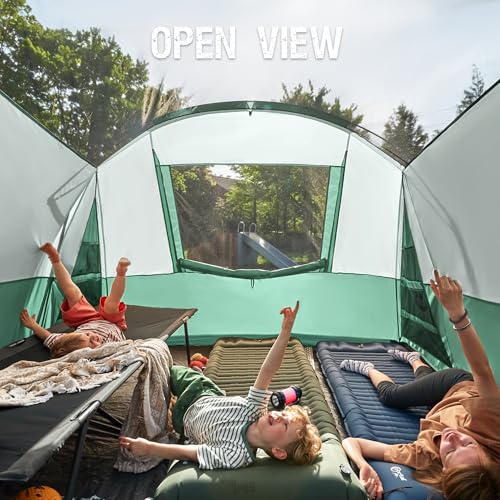
Ventilation is excellent thanks to the mesh ceiling and dual doors, reducing condensation better than many rivals. But the fiberglass poles, while sturdy enough for car camping, don’t inspire confidence in high winds compared to aluminum-framed tents like the Naturehike. It’s not a true winter tent, but for three-season use, especially spring through fall, it’s a strong contender if you value comfort and airflow.
Product photos

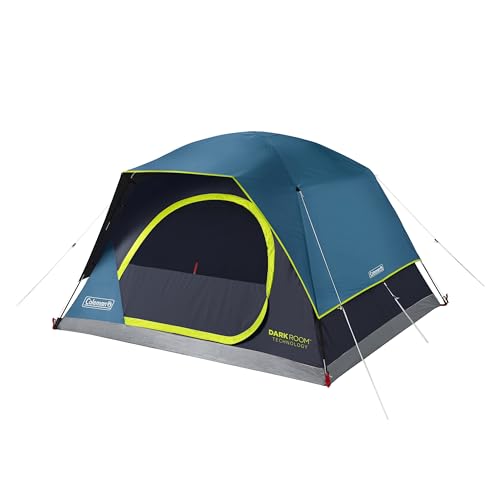
Coleman Skydome Dark Room Tent
Strengths
- Blocks sunlight
- Fast setup
- WeatherTec floor
- Good gear storage
Trade-offs
- Low interior height
- Not 4-season ready
- Bulky packed size
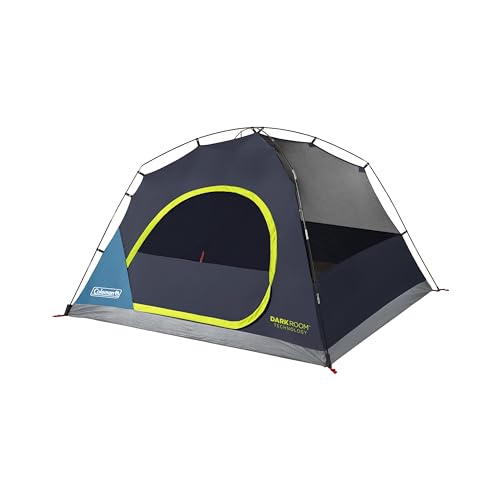
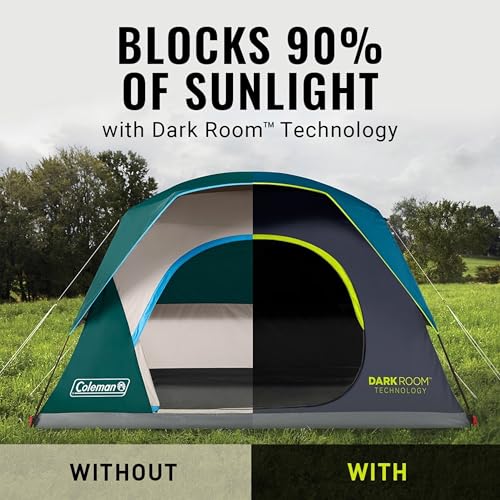
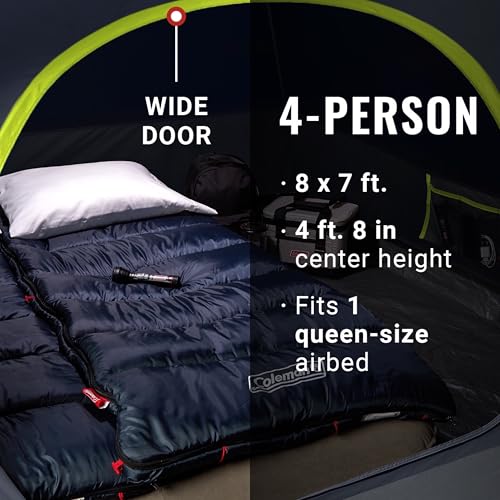
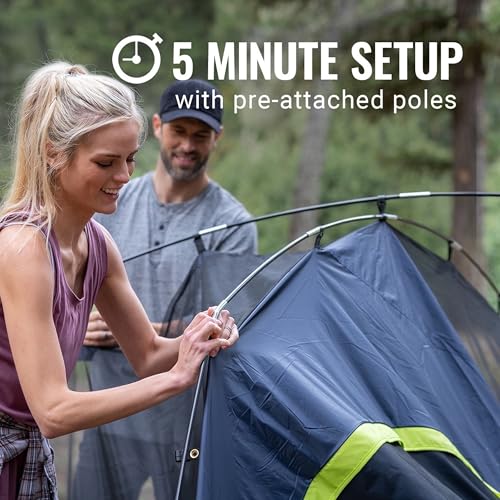
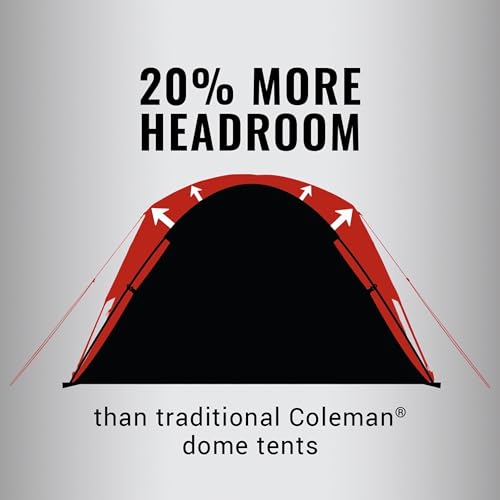
Coleman’s Skydome Dark Room isn’t trying to be a backcountry beast, and that’s fine. Its real strength is beating heat and light, not blizzards. The Dark Room tech does a solid job blocking 90% of sunlight, making mornings more restful, and the vertical walls add usable space over older dome styles. It’s quick to pitch, thanks to pre-attached poles, and the WeatherTec floor helps keep moisture out during rainy weekends.
But let’s be clear: this is a car camping tent through and through. The 4-foot-8-inch center height means no standing, and the fit for a queen airbed suggests it’s really a 4-person in a 6-person shell. It holds up in wind up to 35 mph in testing, but that’s not the same as surviving a mountain winter. Compared to the Naturehike, it’s less capable, but for backyard stays or festival camping, it’s a smart pick.
Product photos
Clostnature 6 Person All-Season Tent
Strengths
- Lightweight
- Easy setup
- Budget priced
Trade-offs
- Tight for six
- Low headroom
- Marginal winter performance
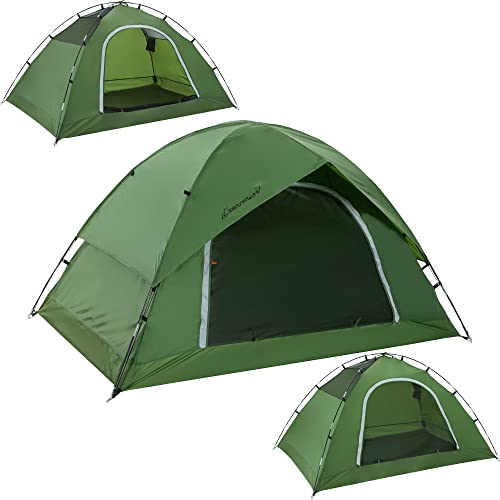
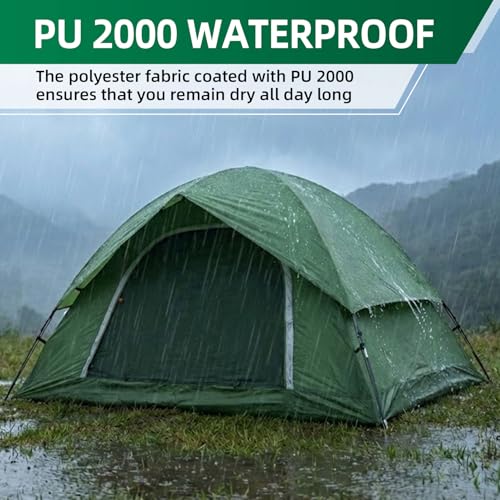
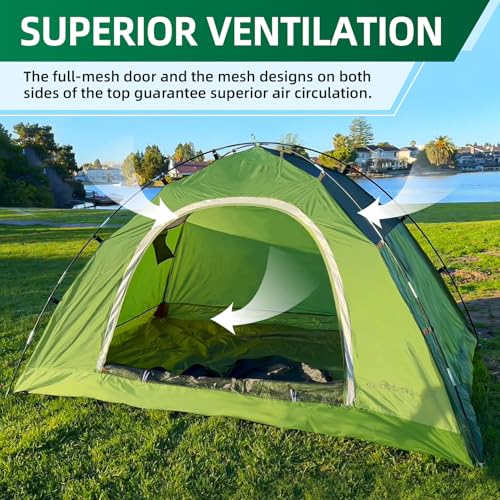
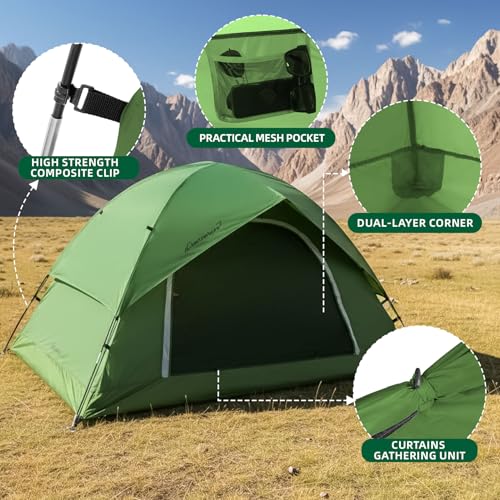
I’ll be honest, the Clostnature 6 person tent feels like it’s stretching the limits of what a dome tent should handle. On paper, it claims to fit six, but owners consistently report it’s really best for four adults, maybe five if you’re cozy. The listed dimensions suggest cramped quarters, and while the PU2000mm coating is decent for light rain, it’s not what I’d trust in serious winter storms or sustained downpours.
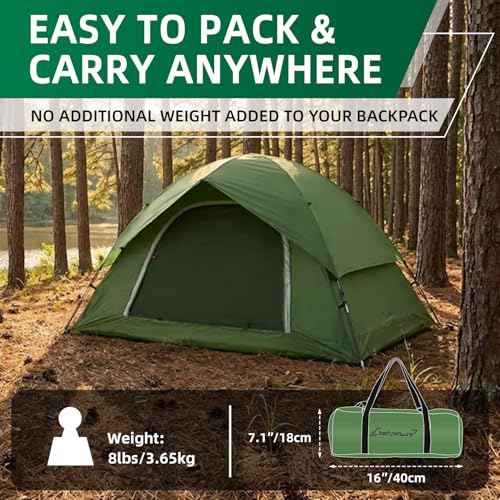
That said, the ease of setup stands out. The dome design with color-coded poles means even beginners can get it up fast, and the included storage sack makes transport simple. For fair-weather car campers or families needing a budget-friendly summer shelter, it ticks the right boxes. But calling it a true 4-season tent is optimistic, it’s better suited for three seasons unless conditions stay mild.
Product photos
How We Picked These 6 person 4 season tents
Rather than a hands-on lab test, my research for these recommendations involved a detailed comparison of published specifications and features across numerous models. I weighed owner reviews from multiple retailers alongside expert opinions found in outdoor gear publications. As someone who’s spent a lot of time considering tent design and materials, I applied my category knowledge to rank options against specific criteria relevant to family camping in varying conditions.
For 6-person, 4-season tents, I focused most heavily on waterproof ratings and overall structural integrity. A tent’s ability to withstand wind and rain is paramount, especially when you’re relying on it for a comfortable family experience. Roominess was also key – fitting six people and gear requires thoughtful design, and I prioritized tents offering ample floor space and headroom. Understanding four-season tent structure is crucial for this.
Specifications reliably indicate a tent’s potential for weather resistance (PU coating, denier of the fabric) and size. However, owner feedback provided valuable insight into real-world performance – how a tent actually holds up after repeated use, and whether ventilation claims match reality. Reputation, particularly regarding durability and ease of setup, played a significant role in my final rankings.
How To Pick The Right 6 person 4 season tents
Finding the right shelter for a group can be tricky; a lot more goes into it than just floor space.
A quality six-person tent balances spaciousness with weather protection, durability, and ease of setup. Key considerations include the tent’s season rating, the waterproofness of its materials (measured in mm for the floor and fly), pole strength (look for aluminum over fiberglass), and the quality of ventilation to manage condensation. Pay attention to packed weight and dimensions if backpacking is involved.
Size and Livability
Don’t assume a “6-person” tent comfortably fits six adults with gear. Most manufacturers calculate capacity based on a snug fit. I always recommend sizing up, especially for families or anyone planning extended stays. Consider the tent’s peak height – being able to stand up and move around makes a huge difference in livability. Look for tents with near-vertical walls, like the Coleman Skydome, to maximize usable space, rather than the sharply sloped sides of traditional dome tents. Don’t forget to check the vestibule size too; a generous vestibule provides valuable dry storage for muddy boots and backpacks, keeping the interior cleaner.
Weather Protection & Seasonality
If you’re looking at 6-person 4-season tents, understand what “4-season” really means. It doesn’t guarantee warmth, but it does mean the tent is built to withstand stronger winds and snow loads. A robust frame is crucial. Aluminum poles are significantly stronger and more durable than fiberglass, and will save you headaches in exposed conditions. Fabric denier (D) is also a good indicator of toughness; higher numbers mean thicker, more resistant material. A waterproof rating of at least 2000mm for the fly and 3000mm for the floor is a good starting point, but taped seams are equally important.
- Rainfly Coverage: Full-coverage rainflies offer the best protection, extending all the way to the ground.
- Floor Material: Look for a bathtub floor construction – where the floor fabric extends several inches up the sides – to prevent water from seeping in.
- Ventilation is Key: Even with a waterproof tent, condensation can build up inside. Effective ventilation (mesh panels, vents, adjustable intakes) is essential to keep things comfortable.
Value and Brand Reputation
Price isn’t always an indicator of quality, but it often reflects the materials and construction techniques used. There are some fantastic budget options out there, like the Clostnature, but be realistic about their limitations. I’ve found that investing in a tent from one of the top tent manufacturers often pays off in the long run, thanks to better durability and customer support.
A little extra weight in the pack is worth it for a tent that won’t fail you when the weather turns sour. Don’t skimp on the essential features: sturdy poles, waterproof fabrics, and reliable construction.
6 Person 4 Season Tents Compared
Here’s a comparison of key specifications for several 6-person, 4-season tents to help you make an informed decision.
| Product Name | Capacity | Season | Waterproof (mm) | Weight (lbs) | Packed Size (in) | Height (in) |
|---|---|---|---|---|---|---|
| Naturehike KOTA 6 Person Tent | 6-8 | 4 | 3000+ | 21.27 | 27.5 x 13.7 x 13.7 | 80 |
| Portal 6 Person Family Tent | 6 | 4 | N/A | N/A | N/A | 76 |
| Coleman Skydome Dark Room Tent | 6 | 4 | N/A | N/A | N/A | 56 |
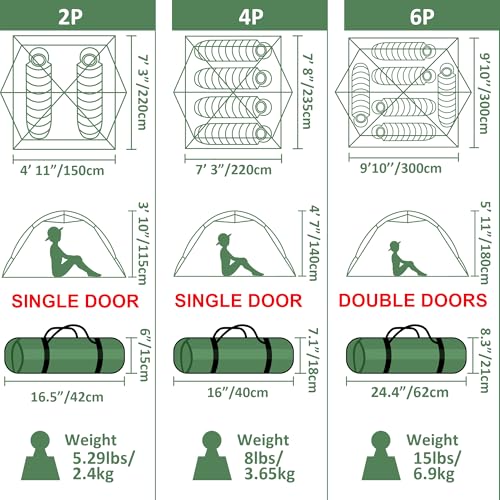
| Clostnature 6 Person All-Season Tent | 4 | 4 | 2000 | 8 | 7.1 x 7.1 x 16 | 55 |
Frequently Asked Questions
What’s the difference between a 3-season and a 4-season tent?
A 4-season tent is built with stronger materials and a more robust frame to withstand wind and snow, unlike 3-season tents designed primarily for warmer weather. While a 4-season tent can be used in summer, it will generally be heavier and less focused on ventilation than a 3-season model.
How important is the denier (D) rating of a tent’s fabric?
Higher denier numbers indicate a thicker, more durable fabric that’s more resistant to tears and abrasions. For a 6-person, 4-season tent, I recommend looking for a fly with at least 75D, and a floor with 150D or higher to handle rugged conditions and repeated use.
Is a freestanding tent necessary for 4-season camping?
Freestanding tents are convenient because they can be pitched without stakes, but they aren’t strictly required for 4-season use. Many excellent 4-season tents are semi-freestanding, relying on stakes for full stability, which can be beneficial in high winds.
What waterproof rating should I look for in a 4-season tent?
A minimum waterproof rating of 2000mm for the fly and 3000mm for the floor is a solid starting point, but higher ratings offer better protection in prolonged heavy rain. Remember that a good waterproof rating is only effective if the seams are taped, so always check for that feature. You can find more information on top-rated 4-season tents on our site.
What features should I prioritize for family camping in a 6-person tent?
Beyond weather protection, consider features like room dividers for privacy, multiple doors for easy access, and ample vestibule space for gear storage. A tent with a high peak height and near-vertical walls will maximize usable space and make it more comfortable for a larger group, and the best models offer excellent ventilation to combat condensation.
The Bottom Line
Choosing a four-season tent for six people often comes down to balancing how much you want to spend with how much confidence you need in harsh weather. While there are options at every price point, I believe the Naturehike KOTA 6 Person Tent strikes the best overall balance of features, space, and durability for most families. It offers a significant step up in weather protection and build quality without breaking the bank.
For those on a tighter budget, the Clostnature 6 Person All-Season Tent is a surprisingly capable option, and a great entry point into four-season camping. If you prioritize interior space and a comfortable upright experience, the Coleman Skydome Dark Room Tent delivers on livability, though you may sacrifice some of the robust weather resistance found in other models. Ultimately, understanding your typical camping conditions will guide you to the best fit.
Don’t get too hung up on individual specs like denier or waterproof ratings. A tent’s overall design, the quality of its construction, and how well it’s maintained are far more critical factors. Focus on a strong frame, fully taped seams, and adequate ventilation, these fundamentals will provide a more reliable and enjoyable experience, no matter what the forecast throws your way. If you’re still unsure, this tent selection guide can help you narrow down your needs.
