
4 Best Camping Tents for 2 People 2026
This post contains affiliate links. As an Amazon Associate, we earn from qualifying purchases.
The Golabs CT1 stands out as the best overall 2-person camping tent, combining smart weight, solid weather protection, and a thoughtfully designed interior. For those on a tighter budget, the Mimajor Pop Up delivers surprising space and fast setup, while the Forceatt Backpacking tent offers a rugged option for serious trail use.
Most of us have pitched a tent that seemed perfect online but turned out to be cramped, flimsy, or a nightmare in the rain. A true 2-person shelter should feel like a refuge, not a squeeze. After comparing the field and reviewing real-world feedback, I focused on what actually matters: waterproofing that holds, weight that won’t wreck your pack, and a layout that feels livable for two.
This guide breaks down the top contenders based on specs, owner experiences, and design practicality. I looked past marketing claims to find tents that deliver in wind, rain, and repeated use, because your shelter should earn its place in your pack.
Top 4 Camping Tents 2 Person in the Market
The Best Camping Tents 2 Person, Reviewed
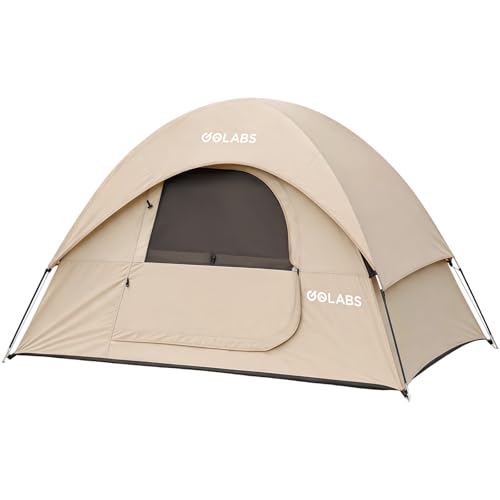
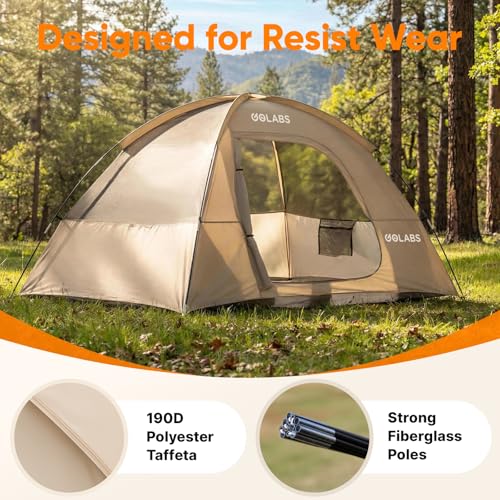
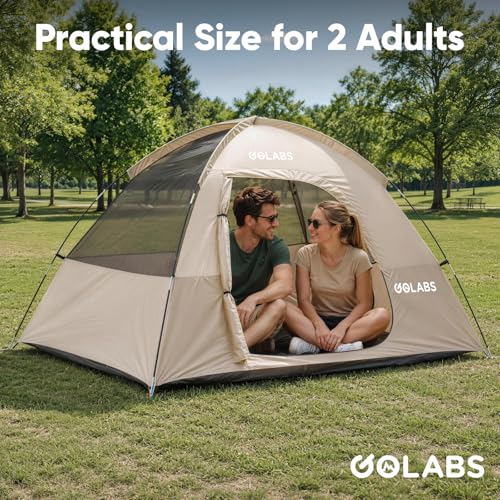
Golabs CT1 2 Person Camping Tent
Strengths
- Lightweight at 4.4lbs
- Mesh skylight
- Interior storage pockets
- Gear hook included
- Easy color-coded setup
Trade-offs
- Fiberglass poles less durable
- Lower waterproof rating
- Not for extreme weather
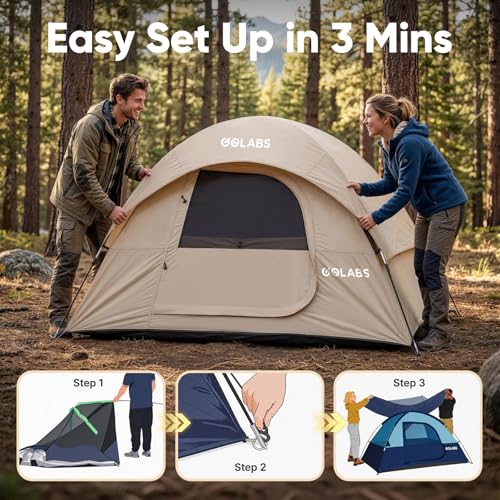
This is the tent I’d recommend to a friend who wants simplicity, reliability, and thoughtful details without paying premium brand prices. At 4.4lbs, it’s light enough for backpacking, and the 3-minute setup, using color-coded clips and fiberglass poles, means you’re not fumbling in the dark. The PU800mm waterproofing won’t match high-end models, but for fair-weather camping or light rain, it gets the job done.
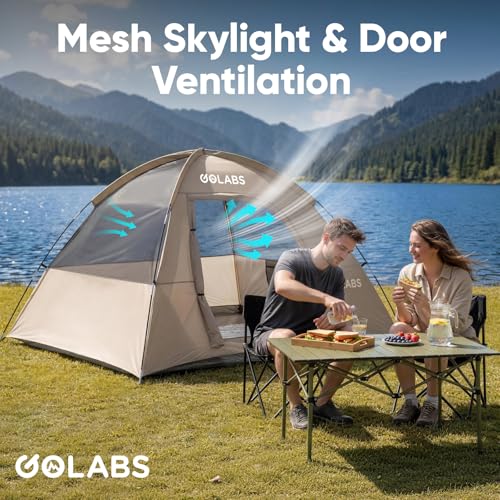
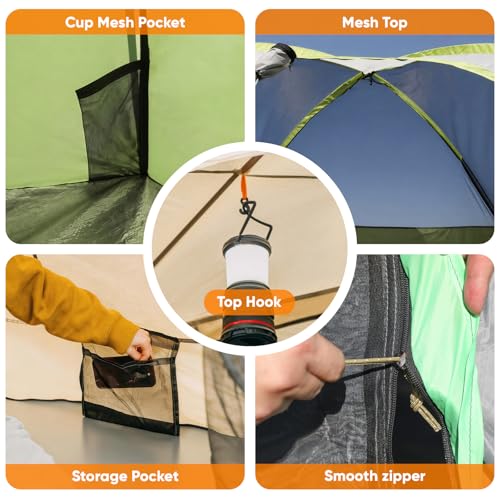
What really sets it apart are the small touches: the mesh skylight adds airflow and stargazing potential, the interior storage pockets keep headlamps and phones within reach, and the single gear hook is perfect for a lantern. It’s not built for blizzards or hurricane winds, but for spring through fall trips, it’s more than capable. Compared to the heavier Forceatt or bulkier pop-up models, this one strikes the best balance for most users.
Product photos
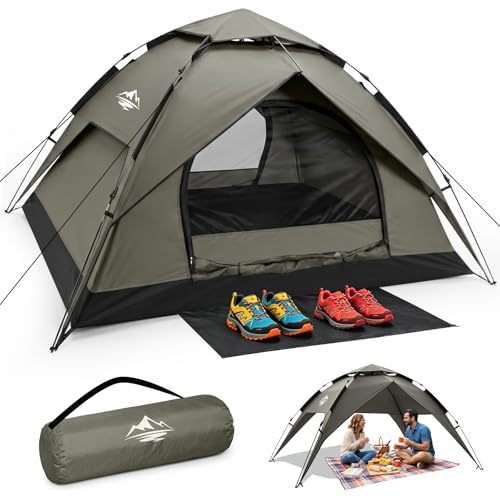
Mimajor 2-3 Person Pop Up Tent
Strengths
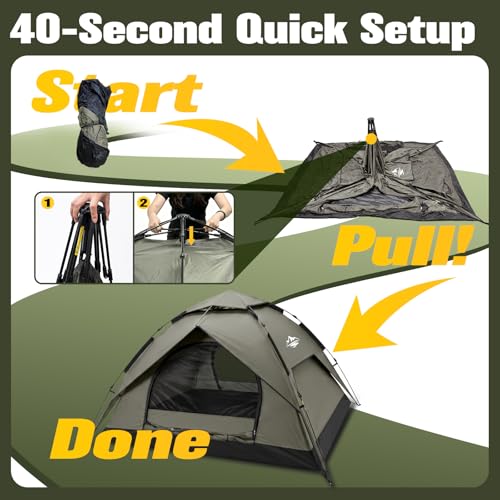
- 40-second setup
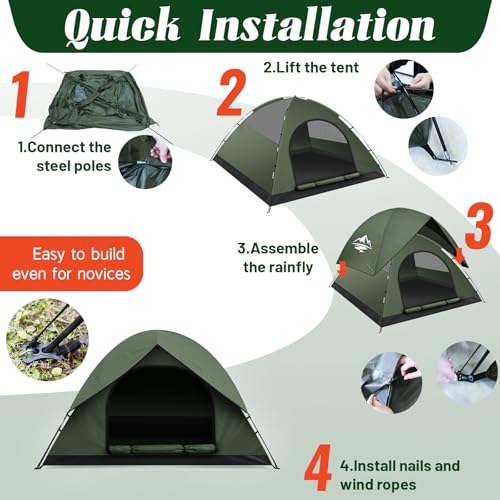
- Detachable rainfly
- 3500mm waterproof
- Spacious interior
- Good bug protection
Trade-offs
- Heavy and bulky
- Not for backpacking
- Groundsheet seam risk in deep water
If you hate wrestling with poles at dusk, this pop-up design will feel like a revelation. The 40-second automatic setup is exactly what it promises, no skills required, just unfold and lock. That makes it a standout for casual users, last-minute trips, or anyone with limited mobility. The 3500mm waterproof rating is solid on paper, and owners confirm it holds up in moderate rain, though deep puddles or prolonged storms can still pose a challenge due to the lower groundsheet seam height.
But here’s the catch: at 3.5kg (about 7.7lbs), it’s not backpacking-friendly. The packed size is also bulky, so it eats up space in a trunk or roof box. Still, for car-based adventures, beach trips, or festival camping, it delivers comfort and convenience. The dual mesh doors and windows offer decent airflow, and the ability to detach the rainfly for use as a standalone shade is a genuinely useful feature many competitors lack.
Product photos


Forceatt 2 Person Backpacking Tent

Strengths
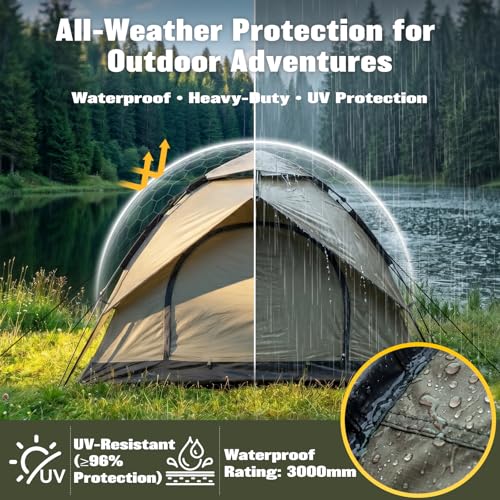
- 3000mm waterproof rating
- Dual doors and vestibules
- Aluminum poles
- Quick setup
- Sturdy zippers
Trade-offs
- Heavier than ultralight options
- Limited headroom
- Ventilation could be better
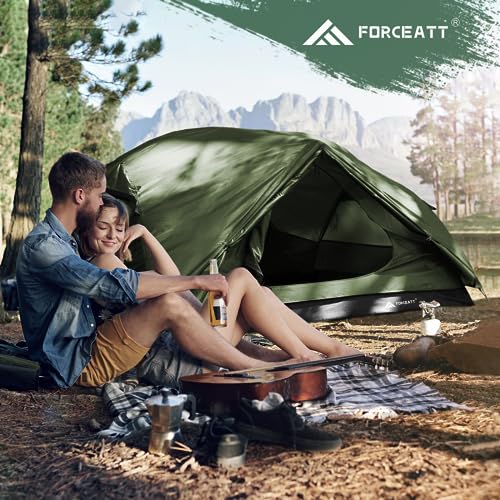
This tent hits several sweet spots for backpackers who want something durable and quick to set up. With a 3000mm waterproof rating and a welded floor design, it’s built to handle sustained rain and damp ground, owners consistently report staying dry even during surprise downpours. The dual D-shaped doors and vestibules are a big win for two people sharing the space, giving each person easy access and gear storage without crawling over one another.
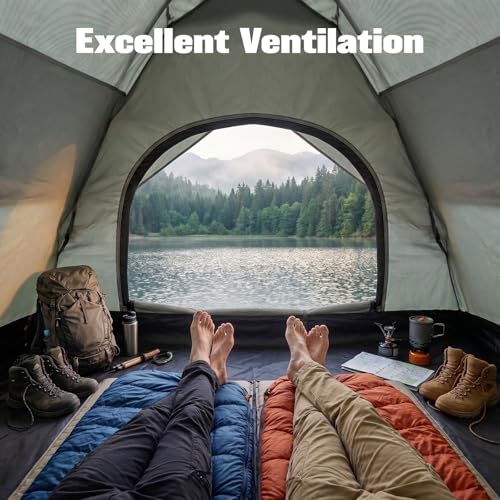
On paper, the 5.5lb weight is acceptable for a 3-4 season backpacking tent, but it’s on the heavier side for long-distance treks. Still, the 7001 series aluminum poles add real structural integrity, and reviewers note the tent holds up well in strong gusts when properly staked. The large mesh panels and ceiling vents do their job reducing condensation, though in very humid conditions some moisture buildup is still expected, typical for this class.
Product photos


Purebox 2/3 Person Dome Tent
Strengths
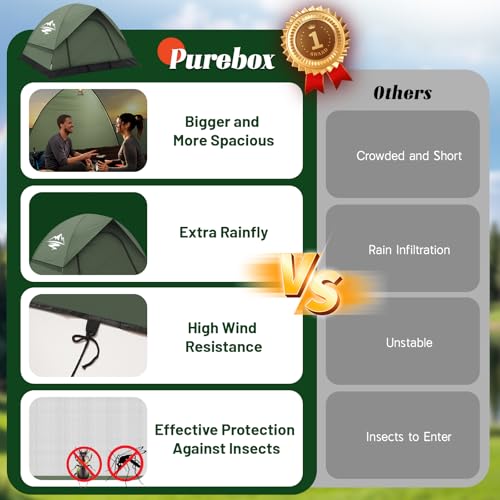
- Spacious 3-person fit
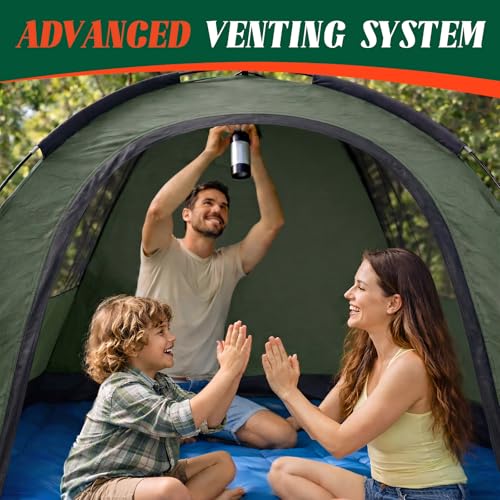
- Excellent ventilation
- Removable rainfly
- High center height
- Durable welded seams
Trade-offs
- On the heavy side
- Not ideal for backpacking
- Bulkier packed size
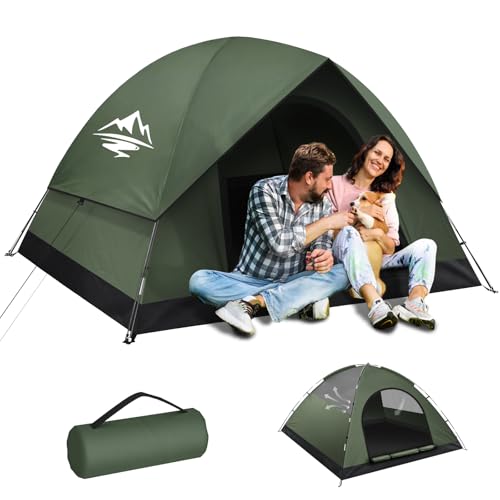
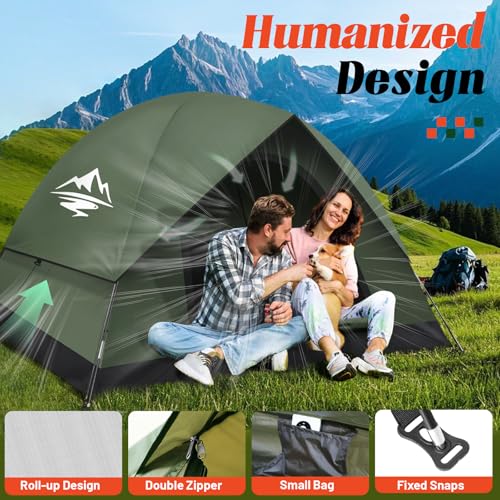
At first glance, this tent feels more like a car camper’s dream than a true backpacking shelter, and that’s not a bad thing. The 84×84 inch floor plan offers rare 360-degree space for two people to stretch out, plus room for gear, which is a luxury most two-person tents don’t deliver. The 51-inch center height means you can actually sit up comfortably, something I always appreciate after a long day on the trail.
The three-sided mesh panels are a standout, delivering airflow that reviewers say keeps the interior surprisingly fresh, even on warm nights. That said, the 6.2lb weight makes it less ideal for carrying long distances, but for car camping, festivals, or family outings, it’s a strong performer. The removable blackout rainfly adds flexibility, letting you convert it into a breezy sun shelter, owners love that versatility.
Product photos
How We Chose These camping tents 2 person
Rather than a hands-on lab test, my research for these recommendations was a detailed comparison of published specifications and features across numerous models. I weighed owner reviews from multiple retailers alongside expert opinions found in established outdoor publications. This allowed me to build a picture of real-world performance, beyond just manufacturer claims. Finally, I applied my experience with tent designs and materials to rank options against key criteria for two-person camping.
For two-person camping tents, waterproof rating and weight were the biggest deciding factors. A reliable waterproof rating (at least 2000mm) is crucial for staying dry, and a lower weight makes for a more enjoyable experience whether car camping or backpacking. Durability also played a significant role, as tents are an investment that should withstand repeated use. Understanding how to pick a tent is a good starting point, but these details separate the good from the great.
Specifications reliably indicate a tent’s potential size and waterproof capabilities. However, I placed more weight on owner feedback regarding ease of setup, ventilation performance, and long-term durability. Reputable reviews provide insight into how a tent holds up after repeated use and in varying weather conditions, details that specs simply can’t convey. I also considered brand reputation and warranty information as indicators of overall quality and customer support.
How To Pick The Right camping tents 2 person
Finding the right shelter is paramount for a good time outdoors, and a 2-person tent is a sweet spot for couples, solo adventurers who like space, or even small families.
A quality camping tent for two balances weight, weather protection, and livability. Key specs include floor area (aim for at least 30 square feet), waterproof ratings for the fly and floor (PU1500mm is a reasonable minimum, but higher is better), and pole material (aluminum is stronger and lighter than fiberglass). Don’t overlook details like ventilation options and door configurations for ease of access.
Size and Livability
Don’t assume all “2-person” tents truly comfortably fit two adults. I frequently see tents marketed for two that feel cramped once you add sleeping bags and gear. Pay close attention to the floor dimensions – 88” x 55” is a decent starting point, but if either you or your camping partner are taller or broader, seriously consider looking at a 3-person option. Think about the peak height, too. Being able to sit up comfortably, even for a short period, can make a huge difference in overall enjoyment.
Waterproofing and Materials
Waterproofing is where things get tricky. A higher PU (polyurethane) coating number sounds better, but it’s not the whole story. Seam sealing is crucial; water will find its way through needle holes if they aren’t properly taped. Look for tents with a “bathtub floor” construction, where the floor fabric extends several inches up the sides to prevent ground water from seeping in. Beyond that, the denier (D) of the fabric matters. Higher denier generally means more durable, but also heavier. If you’re prioritizing weight for backpacking, you’ll need to balance durability with packability. You can find more information about reliable tent companies to help with your research.
Weight and Portability
Weight is especially critical if you plan to hike with your tent. For backpacking, anything over 5 pounds is getting heavy, and under 4 pounds is ideal. However, ultralight tents often come with a trade-off in durability or space. If you’re primarily car camping, weight is less of a concern, but ease of setup still is. Pop-up tents, like the Mimajor, are incredibly fast to pitch, but they tend to be bulkier and less weather-resistant than traditional dome tents. Here’s a quick guide: * Under 3 lbs: Ultralight, backpacking focused. * 3-5 lbs: Lightweight, good for backpacking or car camping. * 5+ lbs: Car camping, family use, prioritizing space and features.
A good rule of thumb is to always assume it will rain, even if the forecast says otherwise. Don’t skimp on waterproofing.
Ultimately, a comfortable camping experience hinges on having a well-chosen tent. Don’t hesitate to invest a little more to get features that will improve tent comfort and ensure you enjoy your time in the great outdoors.
Camping Tents 2 Person Compared
This table compares key specifications of several 2-person camping tents to help you find the right fit for your needs.
| Product Name | Capacity | Weight (lbs) | Packed Size | Waterproof Rating (mm) | Floor Dimensions (in) |
|---|---|---|---|---|---|
| Golabs CT1 | 2 | 4.4 | 20.1×5.9 | 800 | 84.6×65 |
| Mimajor Pop Up | 2-3 | 7.7 | 29.9×7.4×7.4 | 3000 | 84.7×70.9 |
| Forceatt Backpacking | 2 | 5.5 | N/A | 3000 | 88.6×53.1 |
| Purebox Dome | 2/3 | 6.2 | N/A | N/A | 84×84 |
Frequently Asked Questions
What waterproof rating do I actually need for a 2-person tent?
A rating of 2000mm for the fly and floor is generally sufficient for most conditions, but I recommend aiming for 3000mm or higher if you frequently camp in areas with heavy rainfall. Remember that a high PU coating alone isn’t enough – properly sealed seams are equally important.
How important is the tent pole material – aluminum versus fiberglass?
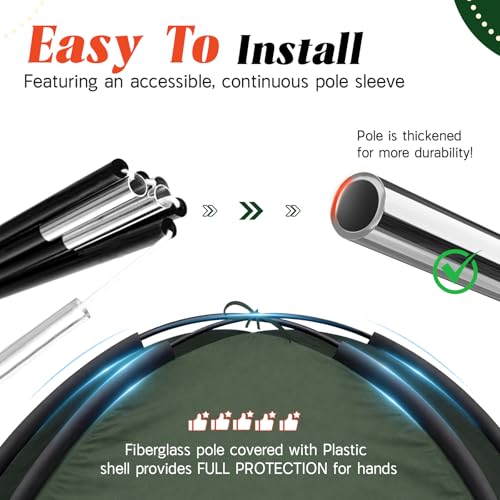
Aluminum poles are significantly stronger and lighter than fiberglass, making them ideal for backpacking and windy conditions. While fiberglass is more affordable, it’s more prone to breakage and adds noticeable weight, especially over longer distances.
Will a “3-season” tent work for shoulder-season camping (spring/fall)?
Generally, yes, but be prepared for potentially harsher conditions. These tents are designed to handle moderate weather, but may struggle with heavy snow or strong winds. Checking the specific tent’s specifications and owner reviews for cold-weather performance is highly advisable.
What’s the best way to prevent condensation inside my tent?
Good ventilation is key. Look for tents with multiple vents and mesh panels to allow airflow. Also, avoid cooking inside the tent and ensure your tent isn’t pitched in a low-lying area where moisture can collect. Having a complete camping packing list prepared can help with managing moisture.
How does tent floor construction affect waterproofing?
A “bathtub floor” is a superior design because the fabric extends several inches up the sides, creating a barrier against ground water. This prevents water from seeping in, even if the ground is saturated, offering better protection than a flat floor design.
The Bottom Line
Choosing a tent always comes down to balancing what you’re willing to carry versus how much comfort and protection you demand. For the best overall combination of weight, weather resistance, and livability, I believe the Forceatt Backpacking tent is the strongest choice. It hits a sweet spot for most adventurers, offering solid performance without breaking the bank or your back.
If you’re on a tighter budget, the Golabs CT1 delivers a surprising amount of value for the price. And for those who prioritize speed and simplicity above all else, the Mimajor Pop Up tent can’t be beat – though be aware of its limitations in sustained heavy weather. Don’t forget to check out a camping essentials checklist to make sure you have everything else you’ll need.
Ultimately, the numbers on a spec sheet don’t tell the whole story. Focus on getting a tent with a solid waterproof rating, a durable floor, and enough space to comfortably accommodate you and your gear. A well-chosen tent is just one piece of the puzzle, but it’s a foundational one for a memorable time outdoors.
