
8 Best Camping Tents for Families of 2026
This post contains affiliate links. As an Amazon Associate, we earn from qualifying purchases.
The CORE 12 Person Tent is our top pick for families who need maximum space and durability, closely followed by the LOYEAHCAMP 8 Person as a smart budget-friendly option, and the FanttikOutdoor Zeta C10 Pro for those who value quick setup without sacrificing too much room.
Most family tent struggles come down to the same issues, cramped sleeping, leaking floors, or a setup that turns into a tantrum-inducing ordeal. After comparing the field and reading through hundreds of owner experiences, I focused on models that deliver real comfort, not just inflated capacity claims.
This guide breaks down what actually matters when choosing a family tent, from true-to-size layouts to weatherproofing that holds up when the storm rolls in. These picks are based on specs, verified feedback, and the kind of design details that make camping with kids feel manageable, and fun.
Top 8 Camping Tents For Families in the Market
The Best Camping Tents For Families, Reviewed
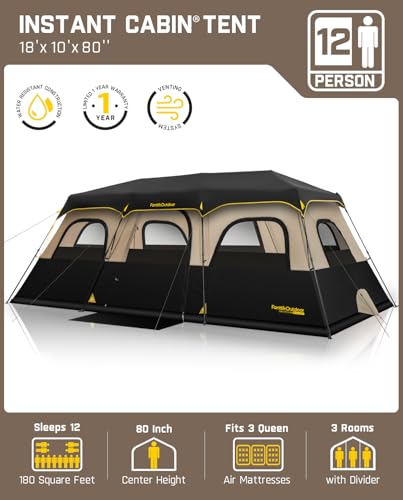
FanttikOutdoor Zeta C12 Pro Max Instant Tent

Strengths
- 90-second setup
- Walk-upright height
- 3-zone privacy
Trade-offs
- Heavy at 27.5 lbs
- Large packed size
- Not for backpacking
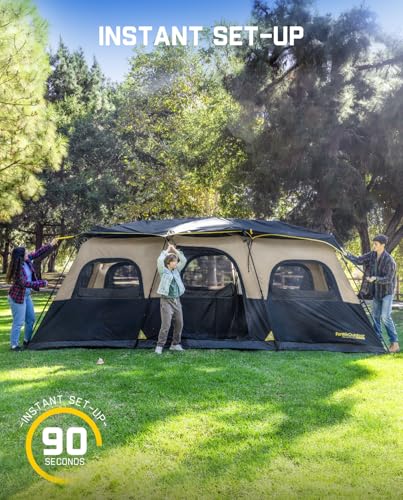
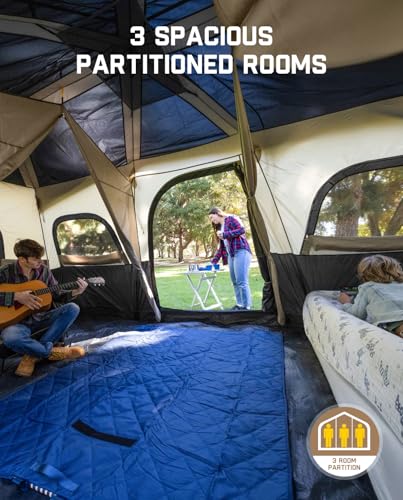
This is the tent I’d recommend as the best all-around pick for most families. It combines speed, space, and smart design, 90-second setup with pre-attached poles, 80 inches of headroom (you can walk upright), and a double-door layout that makes coming and going easy. The 216×120-inch floor fits three queen air mattresses with room to spare, and the zippered divider creates three private zones.
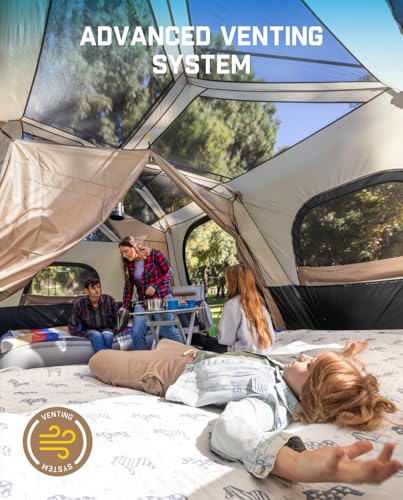
The materials are strong, SBS zippers, B3 mesh, carbon steel frame, and owners report it holds up well in wind and light rain. Ventilation is excellent with mesh on all sides and a ceiling screen. The power cord port and interior pockets add real-world convenience. While it’s heavier than some, that’s the trade-off for durability and space. Compared to other instant tents, this one doesn’t sacrifice quality for speed.
Product photos

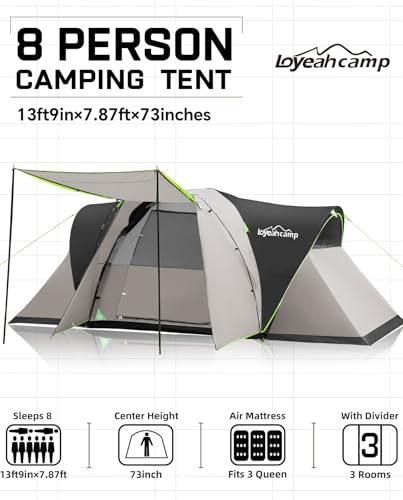
LOYEAHCAMP 8 Person 3-Room Dome Tent

Strengths
- Spacious interior
- 3-room privacy
- Good waterproof rating
Trade-offs
- Fiberglass poles less durable
- Not true instant setup
- Heavy for backpacking
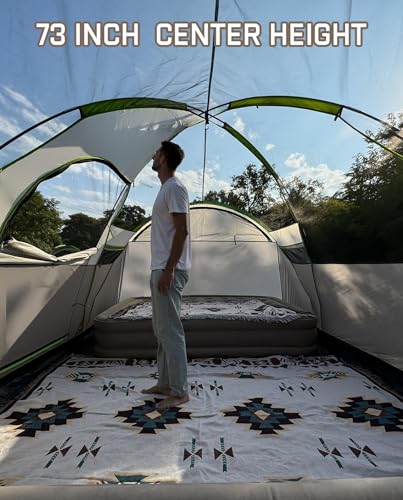
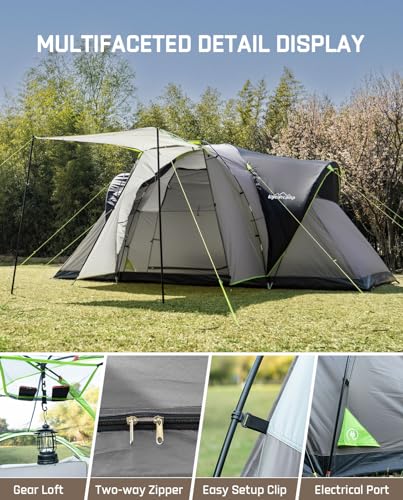
This tent promises a lot on paper, 8-person capacity, three rooms, and a spacious 14×8-foot footprint. The semi-freestanding dome design with fiberglass poles suggests decent wind resistance, and the PU2000mm waterproof rating is solid for a tent in this class. Owners consistently report the interior feels roomy, especially if you’re using sleeping bags rather than air mattresses. The three-room layout with curtains is a standout, offering real privacy for families or couples camping together.
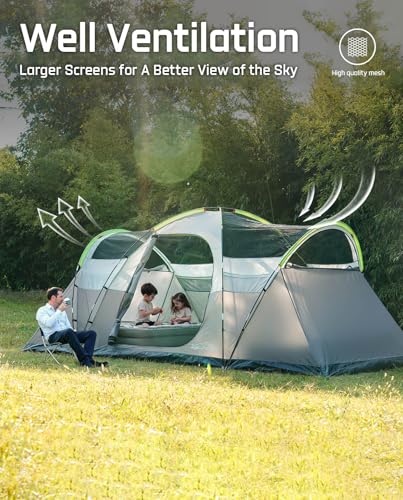
Ventilation gets praise thanks to the mesh roof and windows, though some reviewers note condensation can build up in humid conditions. Setup is reportedly fast for a dome tent, around 10 minutes with two people, and the included carry bag makes transport manageable despite the size. Still, it’s not an instant tent, so it demands a bit more patience than pop-up models.
Product photos

FanttikOutdoor Zeta C10 Pro Instant Tent

Strengths
- 60-second setup
- Strong ventilation
- Power cord access
Trade-offs
- Inner roof not waterproof
- Heavy for its class
- Rainfly critical in storms
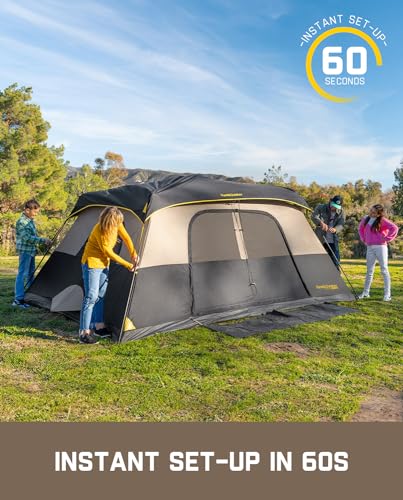
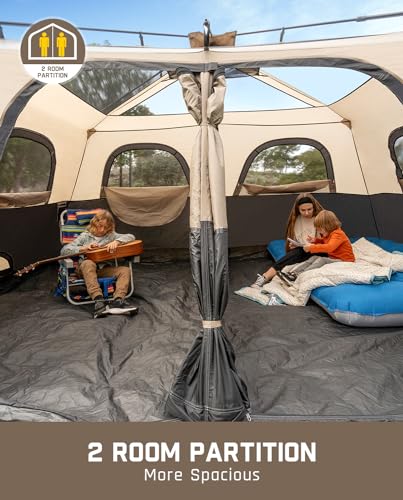
This tent is built for speed, 60 seconds to pitch is no joke, and for families with kids eager to explore, that’s a standout. The pre-attached poles and instant design mean you’re in and settled fast, even if you’re tired after a long drive. At 168×120 inches and 76 inches tall, it fits two queen air mattresses comfortably, though most owners say it’s best for 5 people with gear. The carbon steel frame adds durability, and the 35 mph wind rating is respectable for an instant tent.
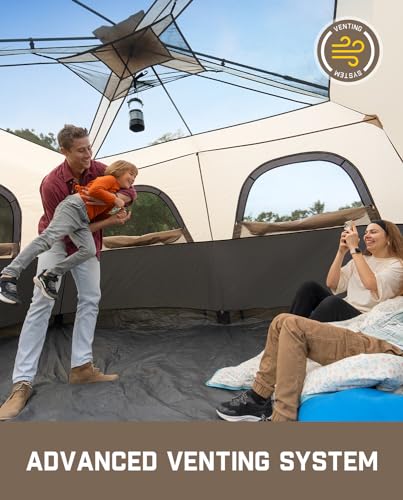
Ventilation is excellent with mesh on all sides and a ceiling screen, a big plus in summer. But the inner tent roof being mesh-only means you must use the rainfly in wet weather, and owners stress proper guy line tension to avoid pooling. The power cord port and mesh pockets add convenience. For quick weekend trips, this is one of the most user-friendly options, though not the most rugged for prolonged bad weather.
Product photos
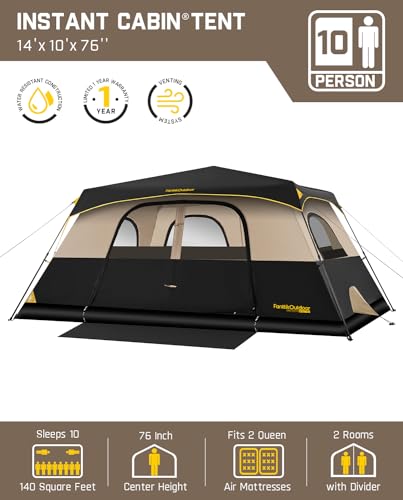

CORE 12 Person Multi-Room Cabin Tent
Strengths
- Straight-wall design
- Excellent organization
- Strong weather protection
Trade-offs
- Heavy and bulky
- Room divider not full wall
- Not freestanding
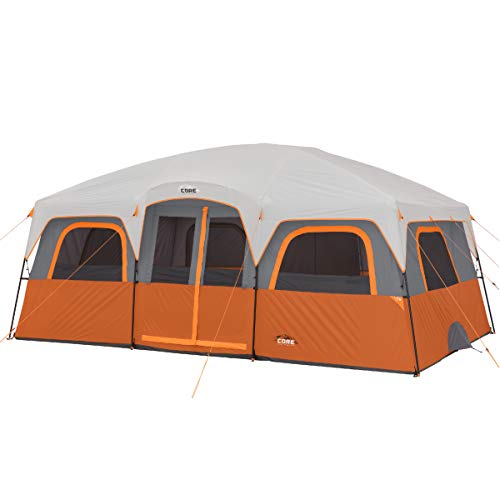
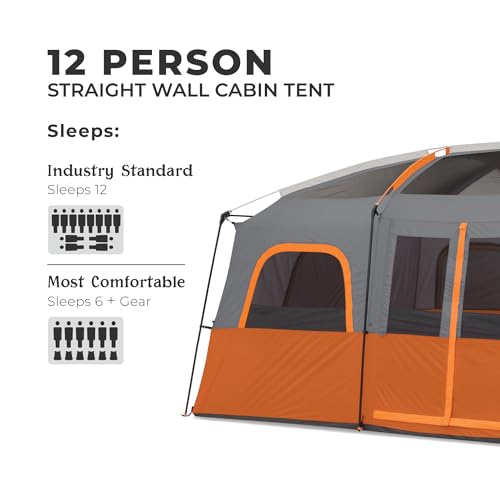
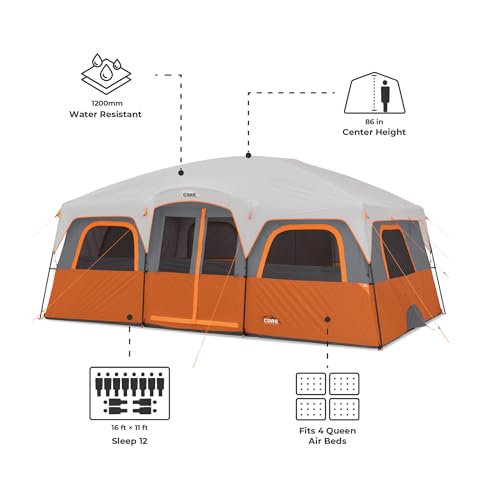
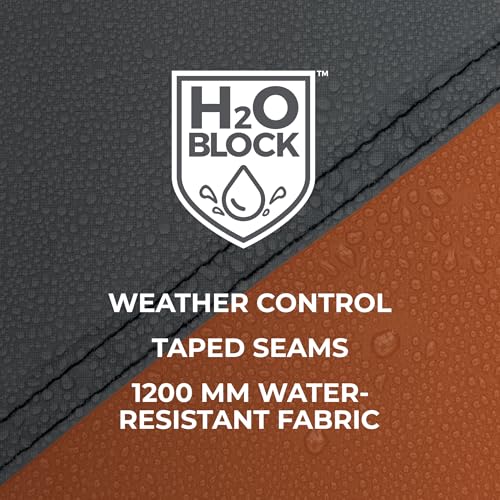
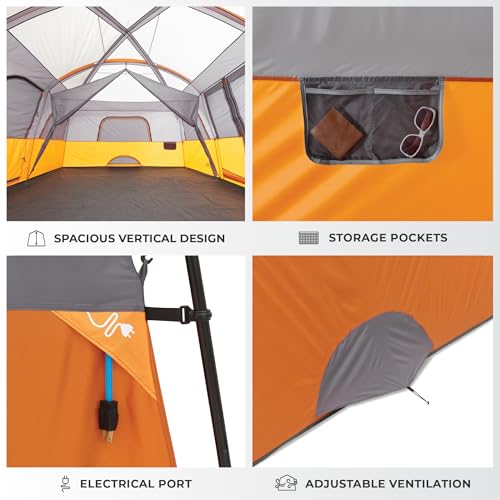
If you’re hauling gear for a big family or a multi-family outing, this CORE tent is built for that exact moment. The nearly straight walls give it a cabin-like feel, maximizing usable space, a huge plus when you’re living in a tent for days. At 16×11 feet and 86 inches tall, it lets most adults stand comfortably, and the two-room divider adds flexibility for privacy. The H20 Block tech with 1200mm waterproofing and fully taped seams is reliable for moderate rain, though hardcore storm campers might want something beefier.
Owners love the interior storage pockets, small but practical for keeping flashlights and phones off the floor. The tent doesn’t claim to be instant, so setup takes some time, but the color-coded poles help. It’s heavy and meant for car camping only, but for that, it delivers. I’d pick this over bulkier models with similar capacity because of its smart layout and solid weather resistance.
Product photos

Portal 8 Person Tent with Screen Porch

Strengths
- Large screen porch
- Excellent airflow
- Sturdy poles
Trade-offs
- Tunnel design less stable in wind
- Rainfly not fully sealed
- Not for cold weather
The screen porch is the star here, it’s huge and fully mesh, giving you a bug-free zone to relax, cook, or hang out with pets. That alone makes this tent stand out for summer camping where bugs are relentless. The tunnel design with upgraded fiberglass poles offers decent stability, and the 76-inch height lets most people move around comfortably. At 20×8 feet (14+6 for main and porch), the layout is smart, blending living and sleeping space.
Ventilation is top-tier with mesh ceilings, windows, and doors, owners consistently report it stays cooler than solid-roof tents. The 66D fabric and removable rainfly handle light rain well, but it’s not built for heavy storms. Setup takes about 15 minutes with two people, thanks to color-coded poles. Compared to other 8-person models, this one trades a bit of weather protection for airflow and livability. If you camp in warm, buggy areas, this is a strong contender.
Product photos


Inflatable Tent with Skylight and Stove Jack
Strengths
- Stove jack compatible
- Skylight view
- Fast inflation
Trade-offs
- Requires power for pump
- Bulky when packed
- Higher price
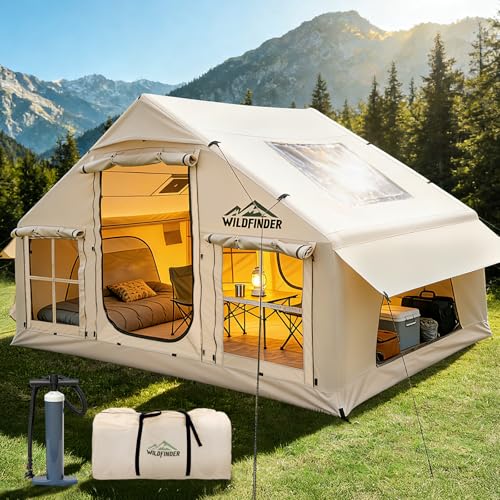
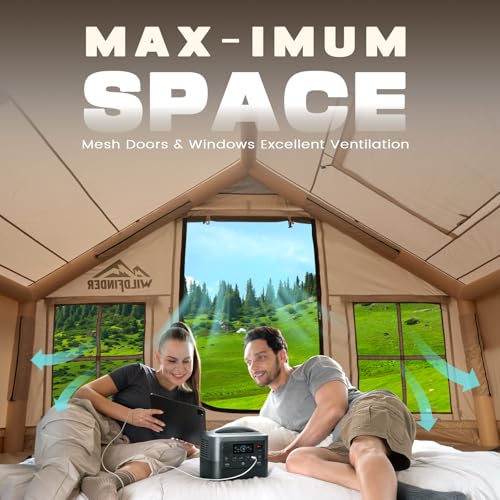
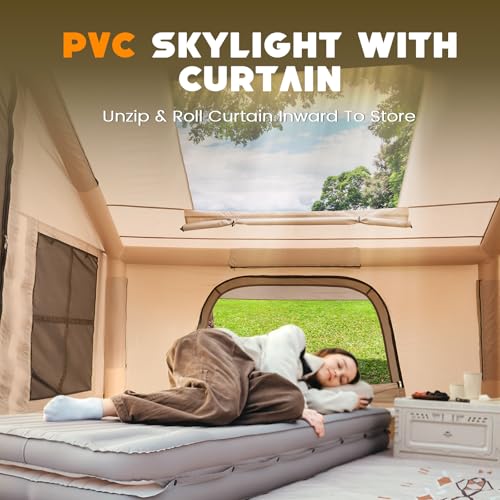
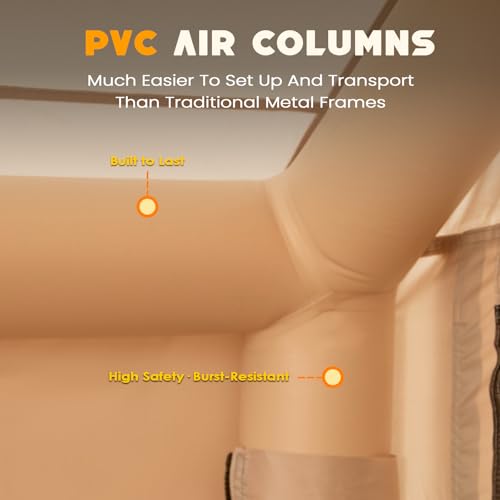
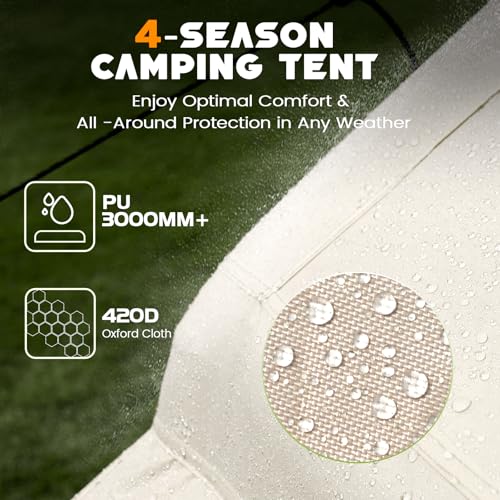
This inflatable tent is in a different league, it’s not your typical family camping shelter. The PVC skylight is stunning for stargazing, and the 420D Oxford fabric with PU3000mm rating means it can handle serious weather. The built-in stove jack is a rare feature, making it a real option for cold-weather or off-grid glamping. Inflating takes about 5 minutes with the pump, and once up, the TPU air beams feel solid. Owners love the durability and the bright, open feel from the all-around mesh.
But it’s not for everyone. You need a power source for the pump, and deflating and repacking requires care to avoid damage. It’s also heavier and pricier than pole tents. Still, for those who want comfort, warmth, and a luxury outdoor experience, this tent delivers. Compared to traditional models, it’s more home than shelter, ideal for car-based glamping rather than rugged trips.
Product photos
Happy Travel 6 Person Easy Setup Tent
Strengths
- Lightweight and portable
- Affordable price
- Good ventilation
Trade-offs
- Poles not as strong
- Rainfly fit can be loose
- Not for extreme weather
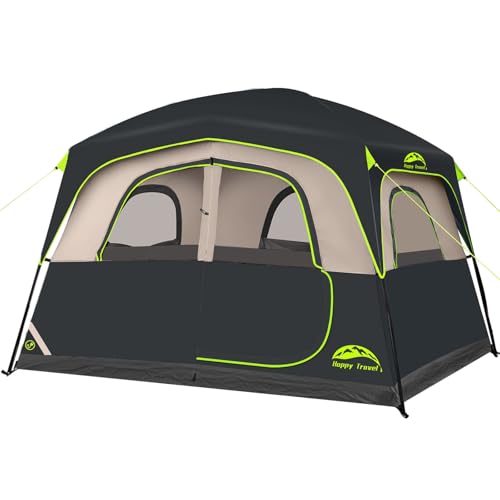
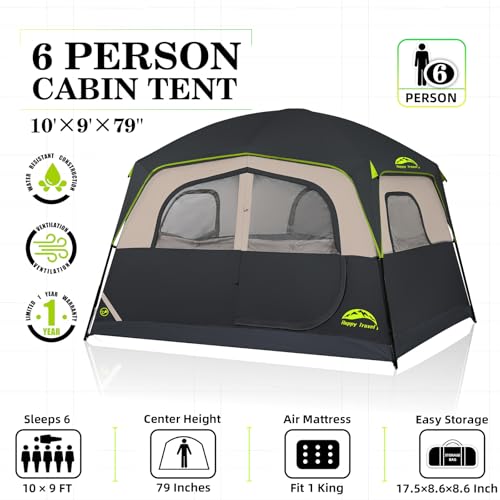
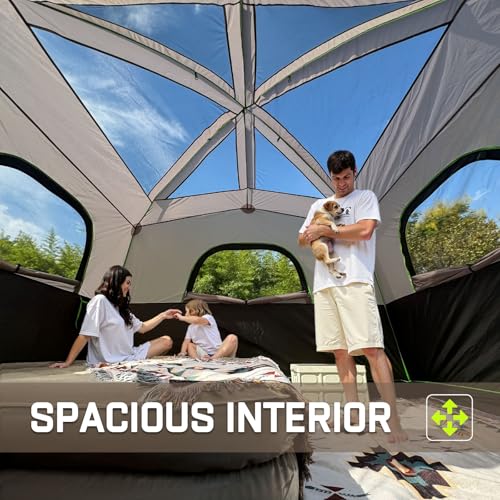
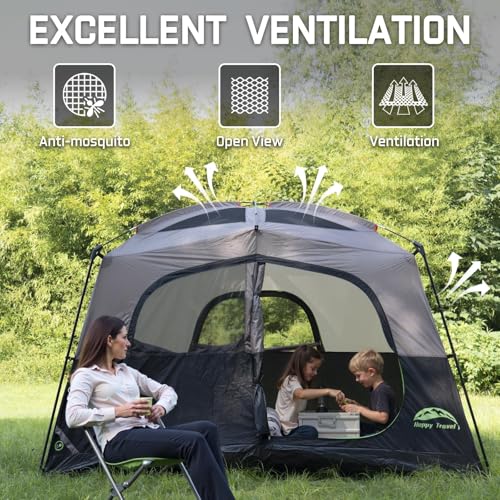
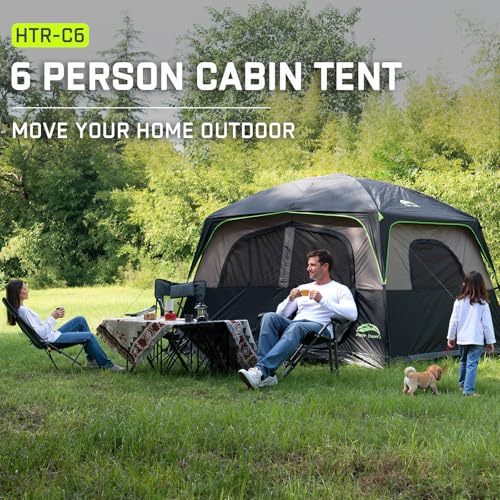
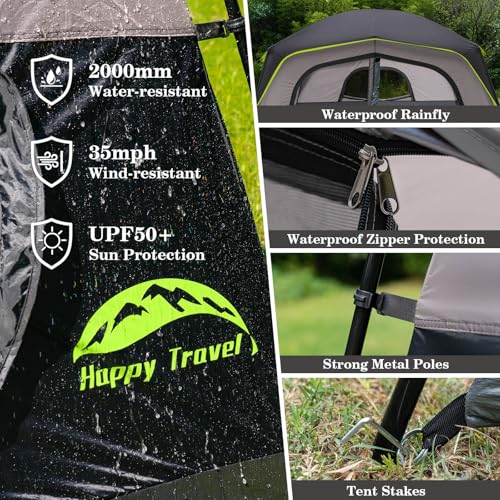
For budget-conscious families, this Happy Travel tent hits a sweet spot. At just over 10×9 feet and nearly 79 inches tall, it’s roomy enough for a king air mattress plus some gear, ideal for couples or small families. The PU2000mm waterproof rating and thickened PE floor stand out for a tent at this price, and the B3 mesh keeps bugs out while allowing airflow. Reviewers note the ventilation from the five large mesh windows works well in warm weather, and the stargazing potential is a nice bonus when the rainfly’s off.
Setup is reportedly fast, under 3 minutes with two people, and the 16.5-pound weight makes it easy to carry. It’s not an instant tent, but the single-pole design simplifies things. The materials feel lighter-duty than pricier models, but for fair-weather camping or weekend trips, it holds up. My recommendation? This is the smarter buy if you’re new to camping or don’t want to overspend on something you’ll use a few times a year.
Product photos
CAMPROS CP 12-Person 3-Room Tent

Strengths
- Fast color-coded setup
- 3-room layout
- Great airflow
Trade-offs
- Lower waterproof rating
- Height not full stand-up
- Bulky packed size
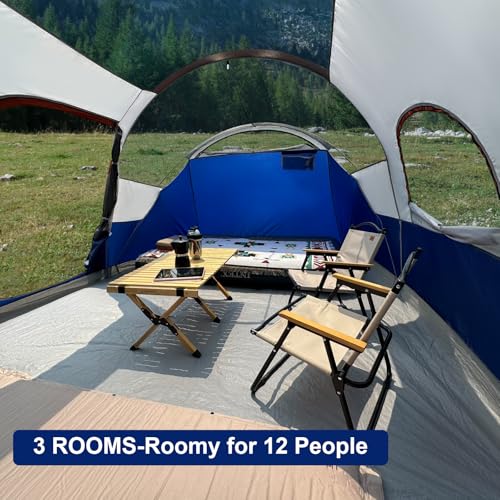
This 12-person beast is built for group camping, think scout trips, family reunions, or camping with friends. At 20×9 feet, it offers 180 square feet of space, which is massive. The color-coded poles make setup under 10 minutes possible, a big win for large tents that usually take ages. Owners appreciate the three-room layout with removable curtains, which can be reconfigured for privacy or open space. The PU1000mm waterproofing is on the lower end, so it’s fine for light rain but not ideal for downpours.
Ventilation is strong thanks to the mesh roof and six windows, reducing that stuffy feeling in warmer weather. The 72-inch center height is decent, but not quite stand-up tall for everyone. It’s not an instant tent, but the ease of setup and roomy interior make it a solid pick for car-based group adventures. Compared to the CORE 12-person, it’s lighter on weather protection but better on airflow and room flexibility.
Product photos


How We Picked These camping tents for families
Rather than a hands-on lab test, my research for these recommendations centered on a detailed comparison of published specifications and features across numerous models. I weighed owner reviews from major retailers alongside expert opinions found in outdoor publications, focusing on patterns in reported performance. This process allowed me to rank tents against criteria important to families – specifically space, weather protection, and ease of setup – without relying on subjective, individual use.
For family camping tents, spaciousness, weather resistance, and setup speed proved most decisive. A tent that says it sleeps eight isn’t useful if people are crammed shoulder-to-shoulder. Reliable waterproofing and wind resistance are critical for a comfortable trip, and quick setup minimizes frustration, especially with kids involved. These elements consistently emerged as key priorities in owner feedback and were therefore heavily weighted in my assessments.
Specifications reliably indicate tent size and materials used, giving a baseline for comparing capacity and potential durability. However, I placed a greater emphasis on owner feedback regarding real-world performance – how well the waterproofing held up after repeated use, how intuitive the setup truly was, and whether the tent genuinely fit the advertised number of people comfortably. Reputable expert reviews helped validate these owner experiences and identify potential long-term issues. If you’re unsure about the right size for your needs, a helpful tent capacity guide can help.
Choosing The Right camping tents for families
Finding the right tent for your family is about more than just picking a color. It’s about balancing space, weather protection, ease of use, and, frankly, not wanting to wrestle with poles for an hour when you just want to enjoy the outdoors.
A quality family tent prioritizes durable waterproof fabrics (2000mm+ rating is a good start), a robust frame capable of handling moderate winds, and thoughtful design features like room dividers and effective ventilation. Look for tents that offer enough headroom to comfortably stand or sit, and consider the packed size and weight if you plan to backpack or travel extensively. Prioritize sealed seams and a full rainfly for genuine weather protection.
Size and Sleeping Capacity
Don’t fall for the “sleeps X people” marketing hype. Tent manufacturers often overestimate capacity. I always recommend sizing up – a tent rated for six is likely more comfortable for four, especially if you’re bringing along gear. Think about how you actually sleep; do you spread out, or are you okay cozying up? Consider the shape too. Cabin-style tents offer more headroom, which is a huge win with kids, while dome tents tend to be more stable in wind. If you’re planning extended trips or need extra flexibility, check out spacious family camping tents that offer multiple rooms or common areas.
Waterproofing and Weather Resistance
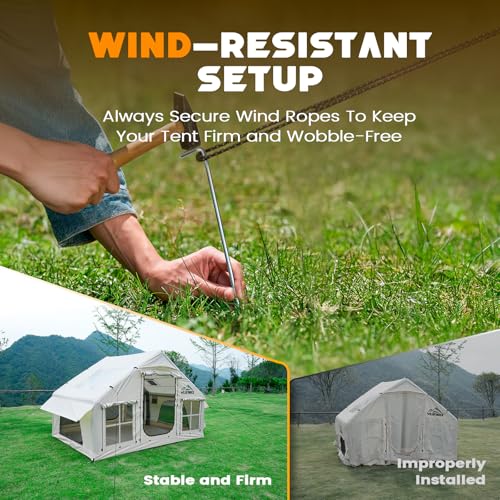
Waterproofing is where things get serious. A hydrostatic head rating (measured in mm) tells you how waterproof the fabric is. Aim for at least 2000mm for the fly and floor, and look for features like fully taped seams and a bathtub floor (where the floor fabric extends up the sides) to prevent water from seeping in. Beyond waterproofing, consider wind resistance. A sturdy frame – carbon fiber or high-quality fiberglass – and guy lines are essential for keeping your shelter secure. Remember, even the most waterproof tent can leak if the rainfly isn’t properly secured.
- A PU coating is standard, but look for polyethylene (PE) floors for extra durability.
- DWR (Durable Water Repellent) finishes on the fly help water bead up and roll off, improving water resistance.
- Ventilation is key to minimizing condensation inside the tent, even if the outer fabric is waterproof. A breathable tent is a happy tent.
A little preventative maintenance goes a long way. Always re-waterproof your tent’s rainfly yearly with a spray-on sealant to maintain its effectiveness.
Features and Convenience
Beyond the basics, think about the features that will actually enhance your camping experience. Room dividers are fantastic for creating privacy or separating sleeping areas from living spaces. Mesh pockets are incredibly useful for keeping small items organized. A power cord access port is a bonus if you plan to use electricity. Don’t underestimate the importance of a quality zipper; look for durable, snag-free zippers from trusted outdoor tent brands like SBS or YKK. And finally, consider the setup process. Instant tents are incredibly convenient, but they often sacrifice some durability and weather protection. If you prioritize ease of use, explore options from reliable tent manufacturers known for their user-friendly designs.
Camping Tents for Families Compared
Here’s a comparison of key specifications to help you choose the right tent for your family’s needs.
| Product Title | Capacity | Dimensions (ft) | Waterproof (mm) | Weight (lbs) | Setup Time | Screen Room |
|---|---|---|---|---|---|---|
| FanttikOutdoor Zeta C12 Pro Max | 12 | 21.6 x 12 | N/A | N/A | 90 sec | No |
| LOYEAHCAMP 8 Person | 8 | 14 x 8 | 2000 | N/A | 10 min | No |
| FanttikOutdoor Zeta C10 Pro | 10 | 16.8 x 12 | N/A | 27.5 | 60 sec | No |
| CORE 12 Person | 12 | 16 x 11 | 1200 | N/A | N/A | No |
| Portal 8 Person | 8 | 20 x 8 | N/A | N/A | 15 min | Yes |
| Inflatable Tent | 4-6 | 9.8 x 6.9 | 3000 | N/A | 5 min | No |
| Happy Travel 6 Person | 6 | 10 x 9 | 2000 | 16.5 | 3 min | No |
| CAMPROS CP 12-Person | 12 | 20 x 9 | 1000 | N/A | <10 min | No |
Frequently Asked Questions
What’s the biggest mistake people make when choosing a family camping tent?
Many people overestimate a tent’s actual sleeping capacity, so I always advise going up a size from what you think you need. A tent advertised for eight people will likely feel cramped with that many adults and their gear.
How long will a typical family camping tent last with regular use?
With proper care – including annual re-waterproofing and careful storage – a quality family tent should last between five and ten years. Durability heavily depends on the materials and how frequently it’s used, but better construction extends its lifespan.
Are “instant” tents really as durable as traditionally-framed tents?
Generally, instant tents prioritize setup speed over ultimate durability. While convenient, the poles are often less robust than those found in tents requiring more involved assembly, making them less ideal for consistently windy conditions.
What waterproof rating is really necessary for a family tent?
A hydrostatic head rating of at least 2000mm for the fly and floor is a good starting point for reliable waterproofing. Lower ratings may be sufficient for light drizzle, but higher numbers offer better protection during heavier, sustained rainfall.
Where can I find reviews of other roomy family camping tents beyond those listed?
Beyond retailer sites, look to outdoor-focused publications and blogs for in-depth reviews and comparisons. Owner forums and social media groups dedicated to camping can also provide valuable real-world insights into tent performance.
The Bottom Line
Choosing a family tent always comes down to how much convenience you want to buy versus how much effort you’re willing to put in. While instant tents offer incredible speed, the FanttikOutdoor Zeta C12 Pro Max strikes the best balance for most families – offering massive space and surprisingly quick 90-second setup without sacrificing too much durability. It’s a significant investment, but the sheer size and ease of use win out for larger groups.
For those on a tighter budget, or needing something for occasional use, the LOYEAHCAMP 8 Person tent delivers solid weather protection and a roomy interior at a much more accessible price point. If a screened-in porch is a must-have for bug-free evenings, the Portal 8 Person provides that feature without breaking the bank. Don’t overlook the Happy Travel 6 Person for a smaller family; it’s quick to pitch and offers reliable performance.
Ultimately, the most expensive tent won’t automatically guarantee the best camping experience. Prioritize a waterproof rating of 2000mm or higher, a robust frame, and a design that genuinely fits your family’s size and sleeping preferences. Don’t get caught up in fancy features if they don’t address your specific needs – mastering family tent setup is far more valuable than any extra bell or whistle.
