
8 Best Grow Tent Setups of 2026
This post contains affiliate links. As an Amazon Associate, we earn from qualifying purchases.
The Spider Farmer 2×2 Grow Tent Kit stands out as the best overall setup for its reliable smart controls and solid performance, while the MARS HYDRO 2×2 Smart Grow Kit offers stronger lighting for demanding plants. If you’re watching your budget but still want quality, the VIVOSUN 4×4 Grow Tent Complete Kit delivers excellent value in a larger footprint.
Most people don’t realize how quickly a small tent becomes overcrowded or how much heat and humidity can wreck a crop without proper airflow. It’s not just about the tent – it’s about the whole system working together.
This guide cuts through the noise by ranking setups based on real owner feedback, verified specs, and what actually matters: light quality, ventilation strength, and long-term reliability. I looked at dozens of kits so you don’t have to.
Top 8 Grow Tent Setups in the Market
The Best Grow Tent Setups, Reviewed
Spider Farmer 2×2 Grow Tent Kit
Strengths
- High-efficiency LED
- Full app automation
- Sturdy 1680D tent
Trade-offs
- Slight learning curve
- No built-in light fan
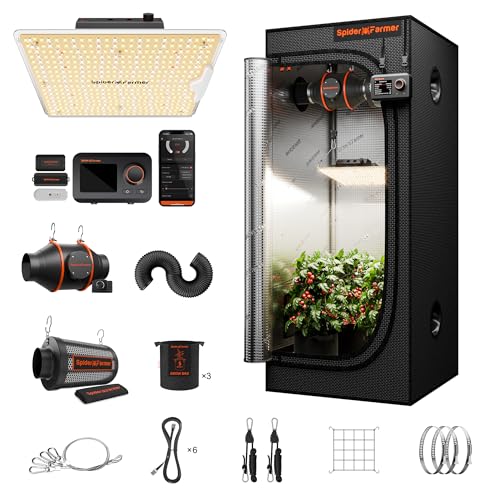
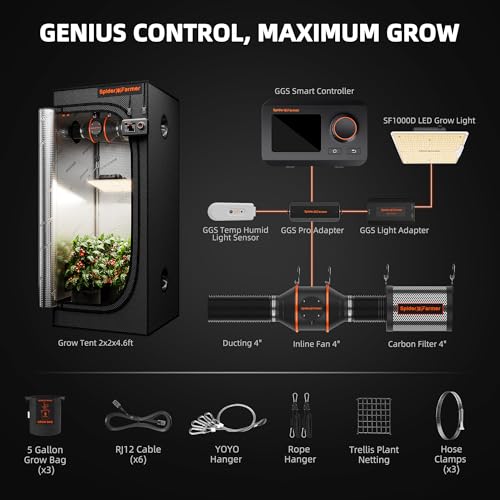
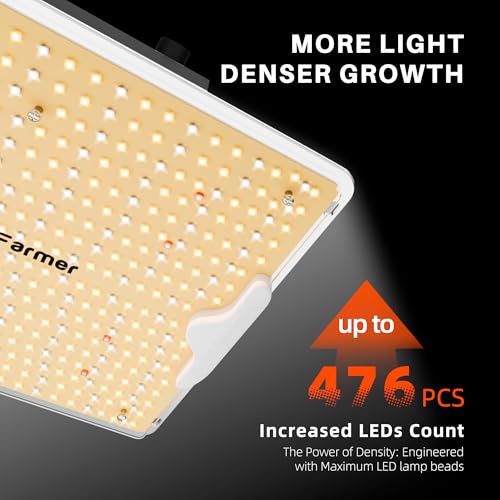
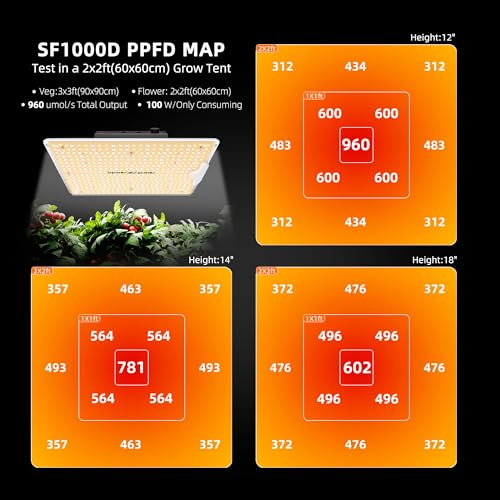
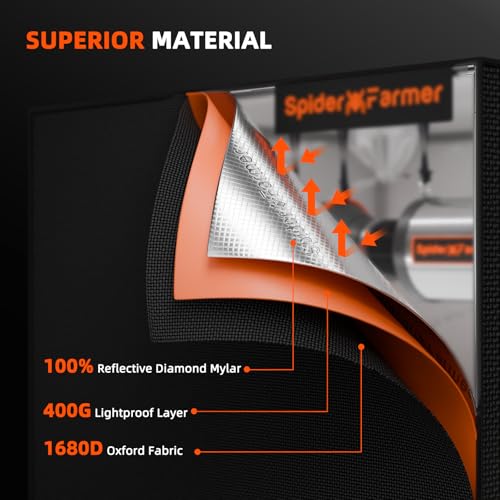
This is my pick for best overall, a balanced, high-performing kit that doesn’t cut corners. The SF1000D LED with Bridgelux diodes delivers 2.5 μmol/J efficiency, which is elite for a 100W light, and reviewers confirm excellent canopy penetration. The GGS controller brings full app-based automation for light, fan, and climate sensors, making it smarter than most in this range.
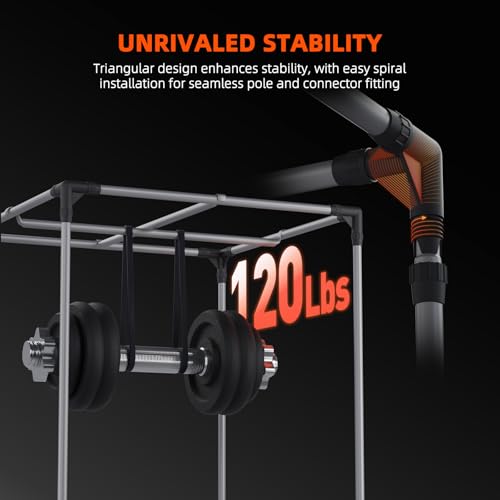
The 1680D tent is tough, with a leak-proof tray and steel frame rated for 120 lbs. The 205 CFM inline fan is quiet and effective, and the kit includes every accessory you’d need. Compared to others, this one feels pro-grade without the pro-grade markup.
Product photos
VIVOSUN 4×4 Grow Tent Complete Kit
Strengths
- Large 4×4 footprint
- Strong 400W LED
- Powerful 6″ ventilation
Trade-offs
- Bulky for small rooms
- Hub less feature-rich
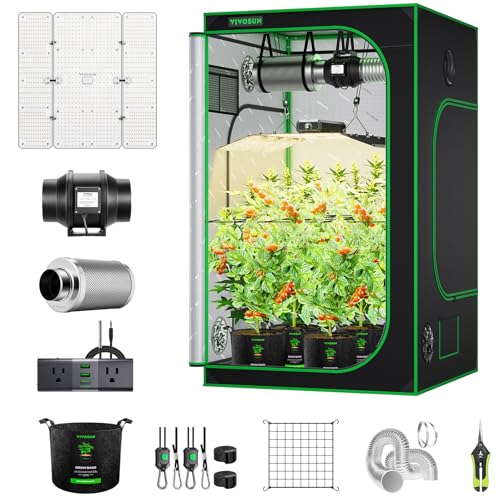
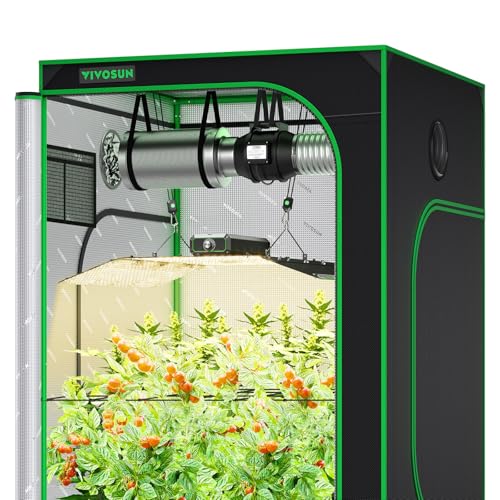
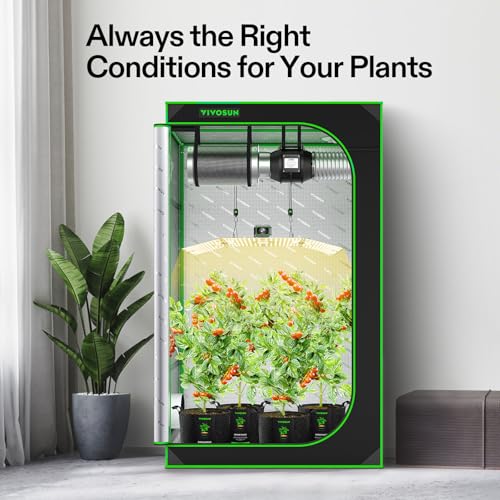
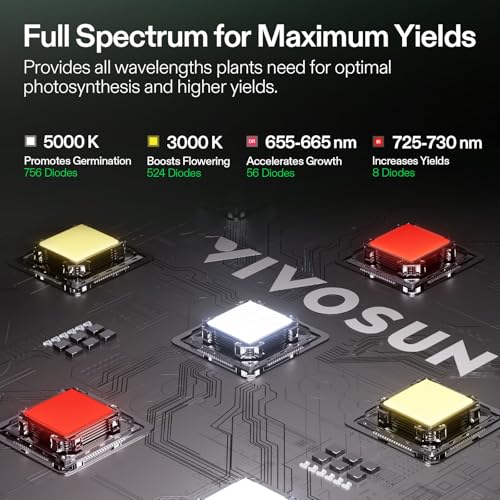
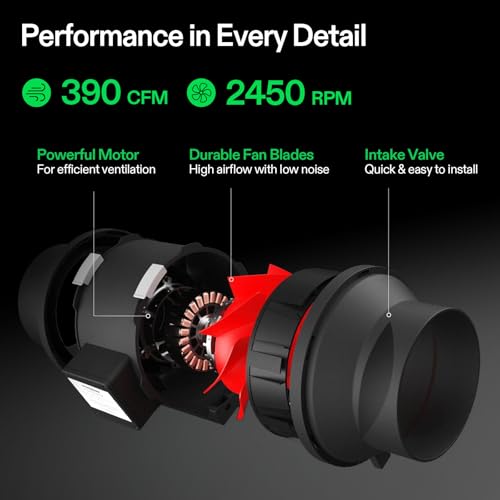
This is the go-to for large-scale growing in a single, integrated system. The 48″x48″x80″ tent gives serious headroom, and the 400W LumaLight delivers full-spectrum coverage that owners say supports heavy flowering across the entire canopy. The 6″ inline fan moves 390 CFM, enough to cool a hot room without constant noise.
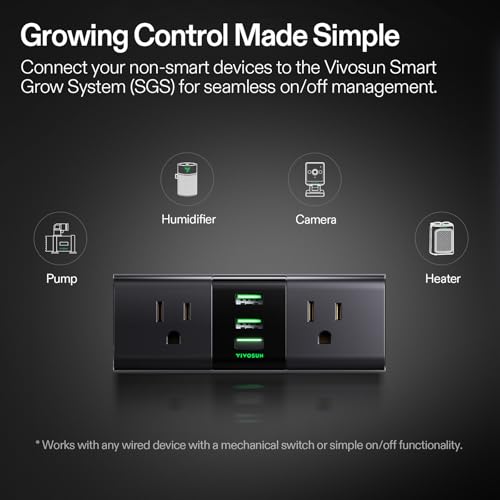
The GrowHub A22 lets you automate lights and fans, though it’s not as advanced as the E42A+. Still, for a first-time big tent user, this kit removes the guesswork. It’s heavier and takes more space, but if you’re serious about yield, this is where you land.
Product photos
MARS HYDRO 2×2 Smart Grow Kit
Strengths
- WiFi-enabled control
- Highly reflective 1680D mylar
- Dimmable, efficient LED
Trade-offs
- App setup can be finicky
- No built-in light fan
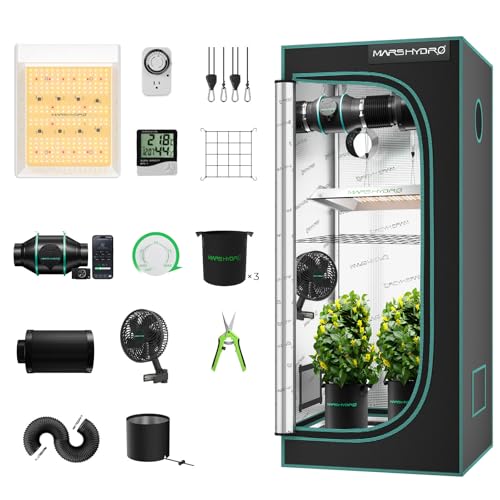
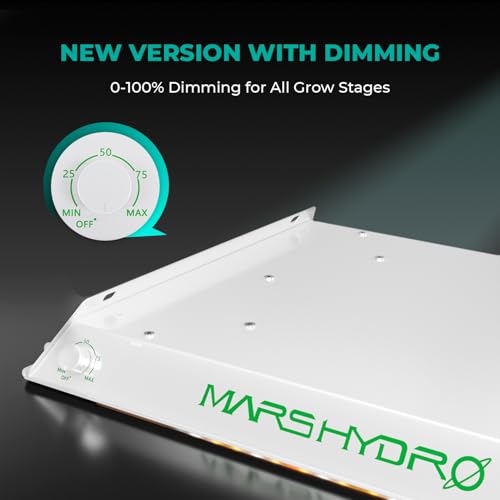
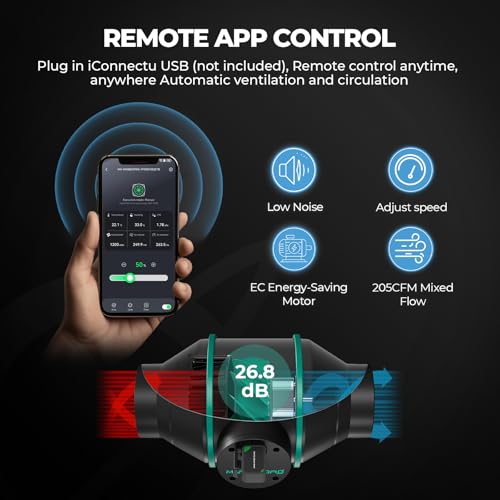
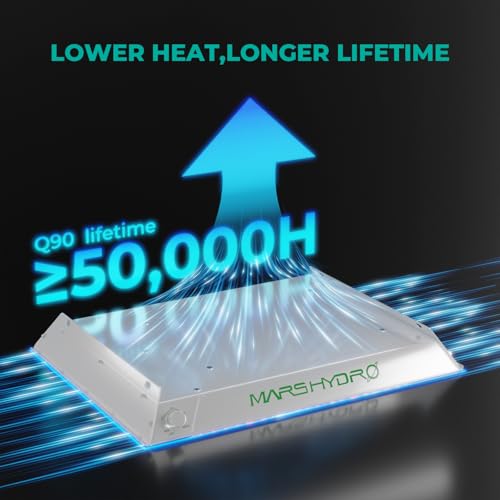
If you want smart control without sacrificing performance, this Mars Hydro kit delivers. The TS600 LED is dimmable and efficient, pulling only 100W while delivering strong PAR output, reviewers confirm it’s enough for dense flowering in a 2×2 space. The real win is the Iconconnect-ready ventilation system, which lets you automate fan speed based on real-time temp and humidity via app.
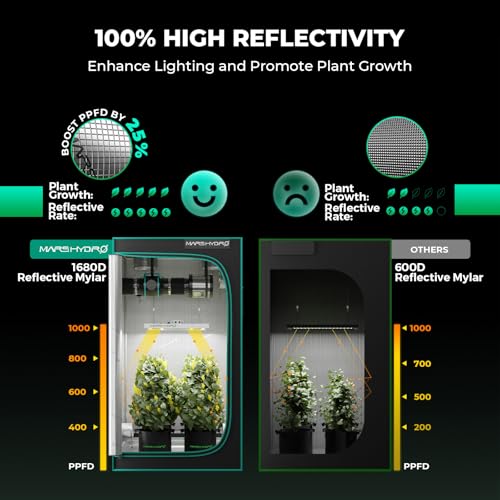
The 1680D mylar tent blocks light leaks better than most, and the metal frame supports up to 88 lbs, plenty for heavy lights and trellising. The 10-speed clip fan is a nice touch, offering strong, quiet circulation. Among smart kits, this one balances automation and raw power well.
Product photos

VIVOSUN Smart 4×2 Grow Tent Kit

Strengths
- Great size for 2 plants
- Solid smart integration
- Quiet ventilation
Trade-offs
- Tent fabric less durable
- Light not dimmable
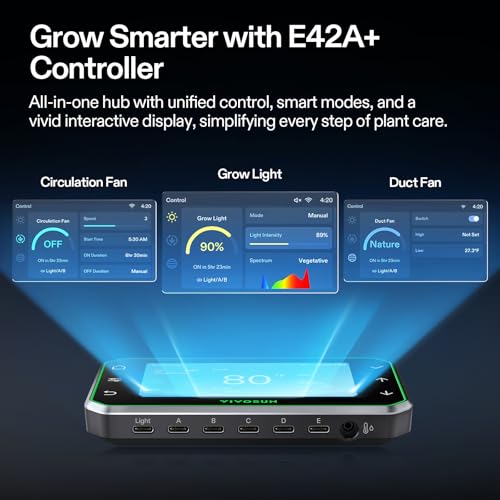
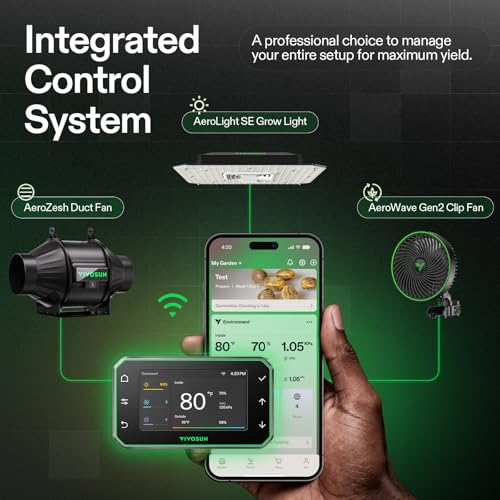
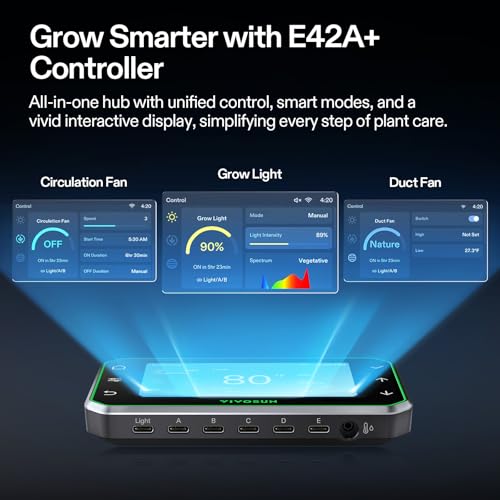
This 4x2ft kit hits a sweet spot for mid-size smart setups, big enough for two serious plants but still manageable in a spare room. The GrowHub E42A+ brings all components under one app, which owners say makes daily monitoring a breeze. The 200W LumaLight covers the space evenly, and the AeroZesh fan keeps airflow consistent without noise complaints.
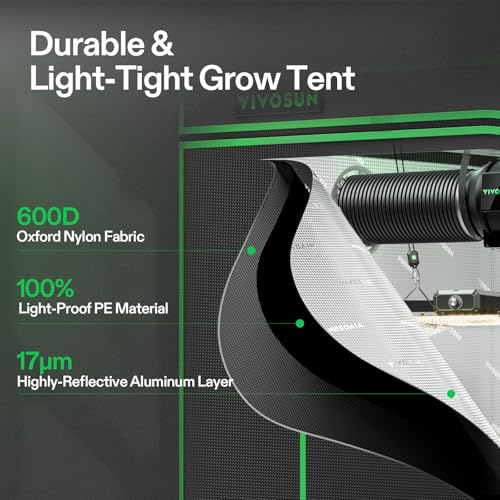
It’s not as feature-rich as the Smart Pro, but it scales better for multiple plants. The tent is standard 600D fabric, not 2000D, so it’s less rugged, but still durable for most uses. If you’re stepping up from a nano tent but not ready for 4×4, this is a logical next move.
Product photos

TopoGrow 32″x32″ Full Setup Kit

Strengths
- Full setup included
- Good value for beginners
- Decent airflow kit
Trade-offs
- LED runs hot
- Fan lacks smart controls
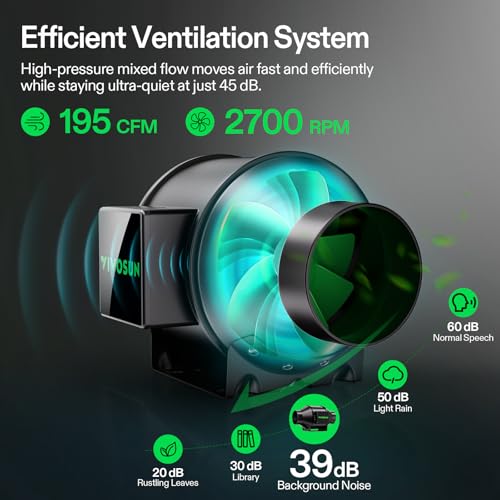
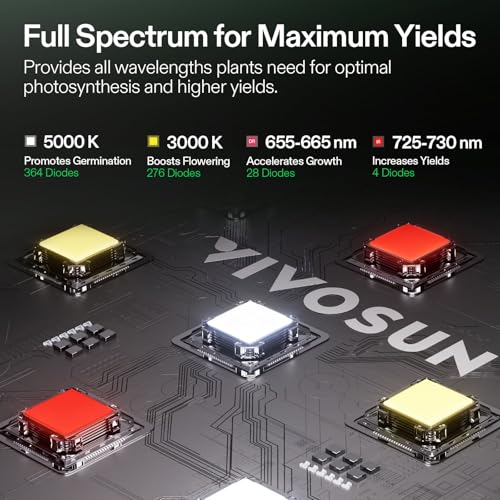
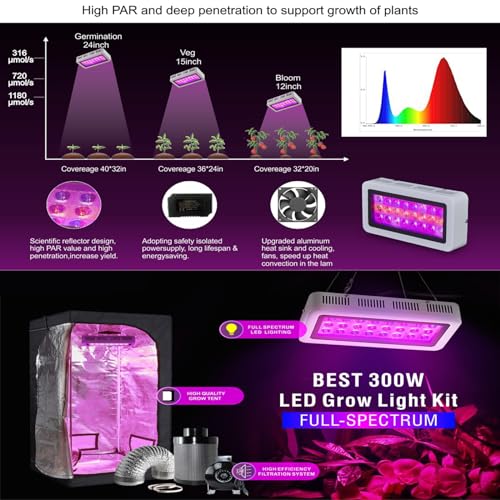
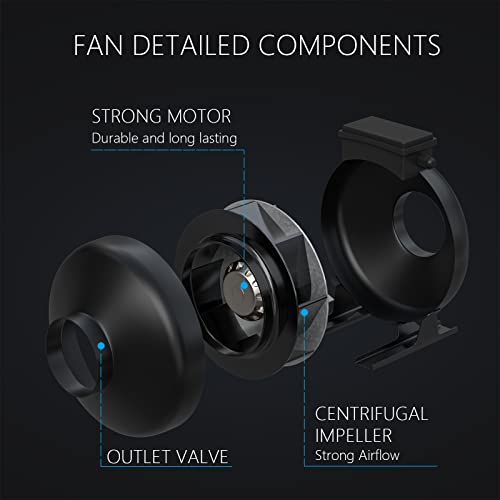
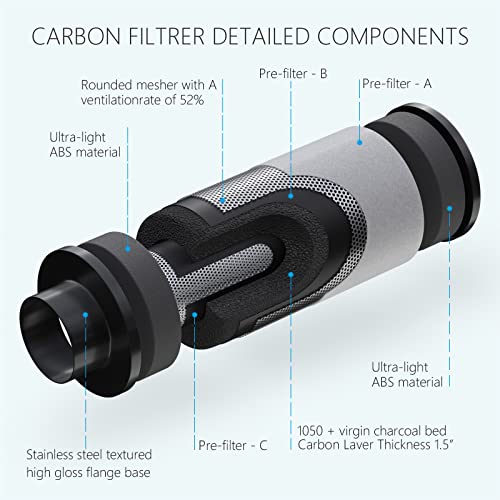
This kit throws in everything but the soil, and for new growers on a budget, that’s exactly what they need. The 300W full-spectrum LED covers veg to flower, and while the diodes aren’t top-tier, reviewers note it’s plenty bright for a 32″x32″ space. The included inline fan and carbon filter handle odor well, though the 190 CFM output is modest for hot rooms.
Where this kit wins is completeness. You get a hygrometer, timer, trellis netting, and even pruning shears, items many brands charge extra for. The tent itself uses 600D Oxford with double stitching, which holds up fine, though not as rugged as higher-end models. For the price, it’s a smart entry point.
Product photos
VIVOSUN Smart Pro 2×2 Grow Kit
Strengths
- Smart app control
- Built-in fan in light
- Heavy-duty 2000D fabric
Trade-offs
- Higher price point
- Limited to one plant
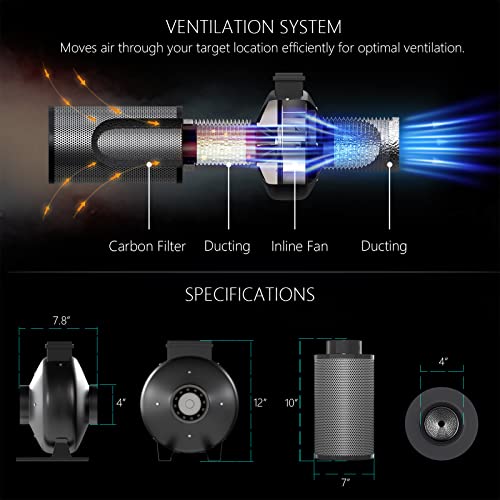
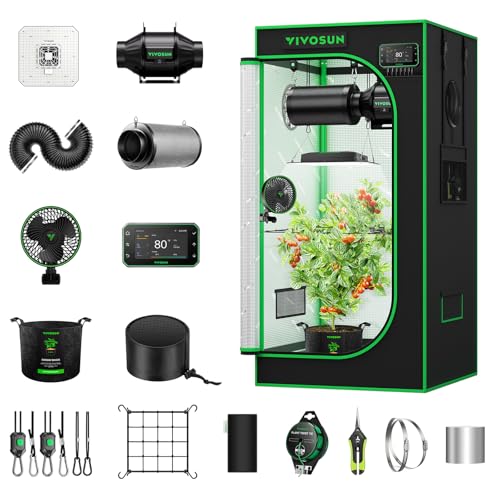
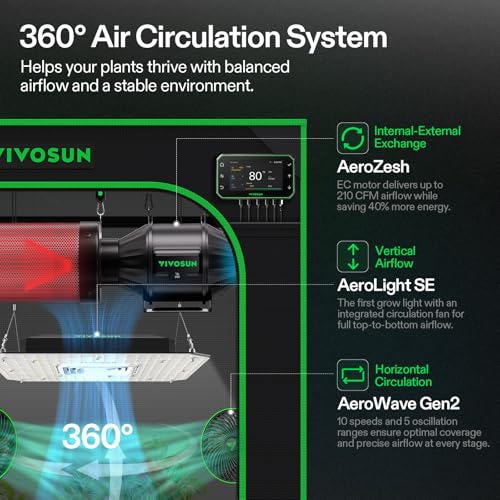
This is the kit for growers who want smart airflow without juggling multiple apps. The GrowHub E42A+ ties the lights, fans, and sensors together smoothly, and owners love being able to adjust everything from their phone. The AeroLight A100SE is a standout, combining a tunable spectrum LED with a built-in circulation fan, which helps eliminate dead air zones.
The 2000D fabric and 22 mm poles make this one of the sturdiest small tents on the market. At 24″x24″x48″, it’s not huge, but the 360° ventilation system keeps temps stable even under strong light. Compared to other smart kits, this one feels more integrated out of the box.
Product photos

VIVOSUN Smart 2.7×2.7 Grow Kit
Strengths
- Space-saving design
- Full smart control
- Quiet operation
Trade-offs
- Low light output
- Limited canopy space
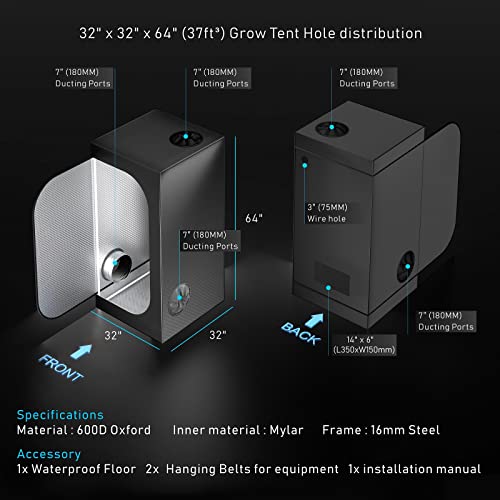
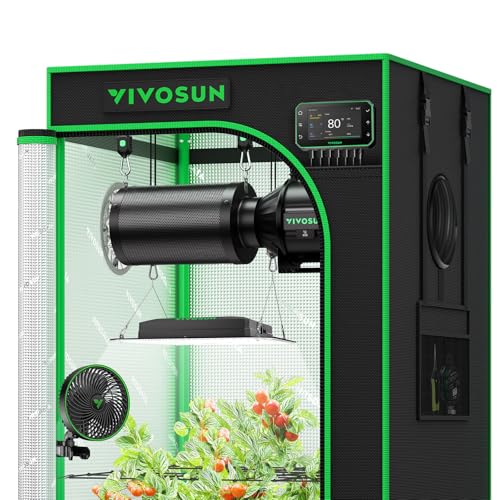
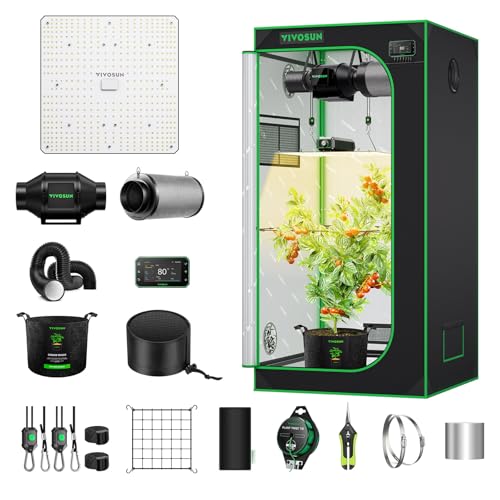
This compact smart tent is built for small rooms where space is tight but control matters. At 32″x32″, it fits in closets or corners, and the GrowHub E42A+ gives full app control over light and fan, ideal for urban growers. The 150W LumaLight isn’t the strongest, but it’s sufficient for veg or a single flowering plant.
Owners praise the quiet AeroZesh fan and the clean layout of ports and clips. It’s not for heavy yields, but as a smart nano-grow, it’s one of the most polished options. Compared to the 2×2 kits, it offers better integration without taking over your living space.
Product photos
VIVOSUN Small Aerogarden Grow Tent

Strengths
- Compact footprint
- Highly reflective lining
- Durable 600D fabric
Trade-offs
- No included light or fan
- Limited to small setups
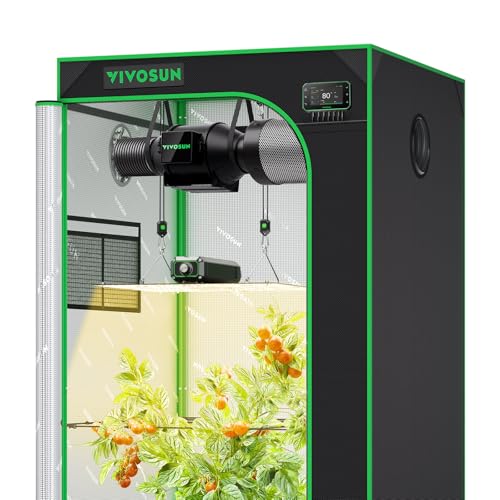
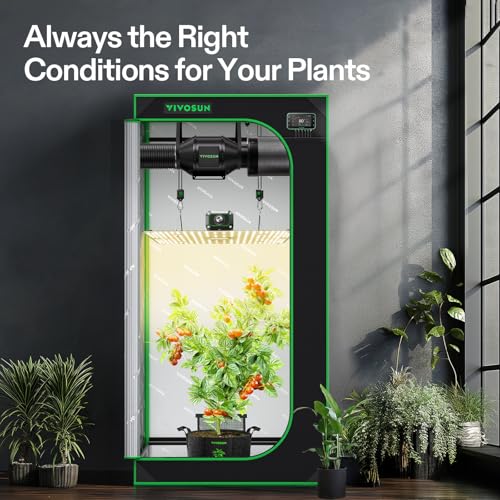
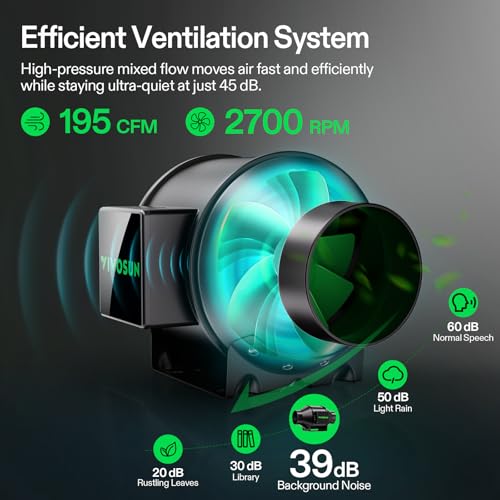
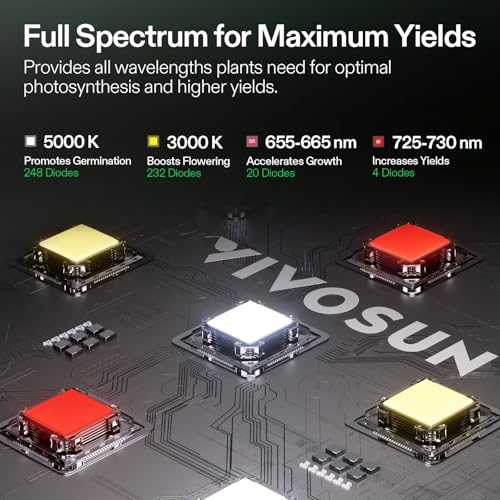
This little tent is built for one thing: keeping microgreens and small hydroponic setups happy in tight spaces. The sealed bottom and 100% reflective diamond mylar mean light stays where it should, and owners consistently report solid light containment even in shared rooms. It’s not a full grow system, but as a standalone shelter, it does its job quietly and efficiently.
The thick fiberglass poles and 600D Oxford fabric add durability you don’t usually see at this size. While it lacks built-in ventilation hardware, the mesh window and cable port make basic airflow manageable. I’d pick this over a DIY box any day if you’re growing herbs or greens on a countertop or balcony.
Product photos


How We Tested grow tent setups
As a lifelong tent enthusiast, I approach grow tents with the same critical eye I use for backpacking shelters. Rather than a hands-on lab test of growing cycles, this research focused on a detailed comparison of published specifications and features across numerous kits. I weighed owner reviews from a variety of sources – Amazon, dedicated growing forums, and retailer sites – alongside expert reviews from horticultural publications. My goal was to rank these setups based on what matters most for successful indoor gardening.
For grow tent setups, light quality and ventilation are paramount. A powerful, efficient light is essential for healthy plant growth, and a robust ventilation system prevents heat buildup and controls odors. Smart features like app-controlled monitoring and automated adjustments also heavily influenced my rankings, as they simplify the growing process and offer greater precision. Ensuring a stable and controlled environment is key, and these factors directly impact that.
Specifications reliably reveal light output (watts, PAR/PPFD), fan airflow (CFM), and tent dimensions/materials. However, I paid close attention to owner feedback regarding noise levels, ease of assembly, and the long-term durability of components. Reputation matters – brands consistently praised for quality and customer service naturally ranked higher. Don’t forget a good ground tarp for grow tent to protect your floors from potential leaks or spills!
What To Look For In grow tent setups
Choosing a grow tent can feel overwhelming, but getting it right is crucial for healthy plants and a successful harvest.
A quality grow tent provides a controlled environment for indoor cultivation, maximizing light reflectivity, maintaining stable temperatures, and containing odors. Key features include durable materials, robust frame construction, effective ventilation options, and lightproof designs. Buyers should prioritize tent size based on plant needs, consider light intensity requirements, and ensure adequate airflow to prevent mold and pests.
Size and Space Considerations
Don’t underestimate how much space your plants will actually need. It’s tempting to start small, but quickly outgrowing a tent is a common mistake. Think long-term – consider the mature size of the plants you intend to grow, and add extra space for comfortable access for maintenance and harvesting. A cramped tent increases the risk of pests and diseases due to poor airflow. Remember, a larger tent doesn’t automatically mean a better setup; it also means higher costs for lighting, ventilation, and potentially heating/cooling.
Ventilation and Airflow
Proper ventilation is absolutely critical. It’s not just about odor control, though that’s a factor. Stale air leads to mold, mildew, and weak plants. The size of your inline fan (measured in CFM – cubic feet per minute) needs to match the tent’s volume. A general rule of thumb is to exchange the air volume of the tent 4-6 times per hour. Don’t skimp on the carbon filter either; a cheap one won’t effectively scrub odors. If you’re looking to reduce humidity in grow tent, proper ventilation is your first line of defense.
- A small 4” fan is usually sufficient for 2×2 or 2×4 tents.
- Larger 4×4 or 4×8 tents will require a 6” or even 8” fan to maintain adequate airflow.
- Consider an oscillating fan inside the tent to break up stagnant air pockets and strengthen stems – this is especially important for taller plants.
A good rule to follow: always overestimate your ventilation needs rather than underestimate them.
Smart Features and Value
While basic grow tents are affordable, the increasing availability of “smart” features makes a big difference, especially for beginners. Kits featuring integrated controllers, like those from VIVOSUN and MARS HYDRO, allow you to automate and monitor environmental conditions remotely. Investing in complete grow tent kits can save you money and hassle compared to sourcing individual components. Before committing, read reviews carefully to assess the reliability of the smart features and the user-friendliness of the accompanying app. Don’t assume “smart” automatically equals “better”; sometimes a simpler, well-built setup is more reliable and cost-effective.
Grow Tent Setups Compared
Here’s a comparison of key specifications for various grow tent setups to help you choose the best option for your needs.
| Product Title | Tent Size (ft) | Light Wattage | CFM (Inline Fan) | Smart Control | Carbon Filter Size |
|---|---|---|---|---|---|
| Spider Farmer 2×2 Grow Tent Kit | 2x2x5 | 100 | 205 | Yes | 4″ |
| VIVOSUN 4×4 Grow Tent Complete Kit | 4x4x8 | 400 | 390 | Yes | 6″ |
| MARS HYDRO 2×2 Smart Grow Kit | 2x2x5 | 600 | 205 | Yes | 4″ |
| VIVOSUN Smart 4×2 Grow Kit | 4x2x6 | 200 | 195 | Yes | 4″ |
| TopoGrow 32″x32″ Full Setup Kit | 32x32xN/A | 300 | 190 | No | 4″ |
| VIVOSUN Smart Pro 2×2 Grow Kit | 2x2x4 | N/A | 210 | Yes | 4″ |
| VIVOSUN Smart 2.7×2.7 Grow Kit | 2.7×2.7×6.2 | 150 | 195 | Yes | 4″ |
| VIVOSUN Small Aerogarden Grow Tent | N/A | N/A | N/A | No | N/A |
Frequently Asked Questions
What tent size is best for a beginner?
A 2×2 foot tent is ideal for beginners, offering enough space for a small plant or a couple of seedlings without being overwhelming to manage. It keeps initial costs lower for lighting and ventilation while still allowing for a successful grow.
How much does a grow tent setup typically cost?
Basic setups start around $200, but fully-equipped grow tents with smart features can easily exceed $800. The price largely depends on the tent size, light wattage, and the level of automation included.
What CFM fan do I need for a 4×4 grow tent?
You’ll want a fan delivering at least 400 CFM for a 4×4 tent to ensure adequate air exchange. This number accounts for ducting losses and provides sufficient ventilation to control temperature and humidity.
Are carbon filters essential, or can I skip them?
Carbon filters are essential for odor control and maintaining air quality. Without one, strong smells will escape the tent, and potentially harmful airborne particles can circulate within your grow space.
Where can I find pre-assembled, ready-to-use grow tent kits?
You can find best full grow tent packages at many online retailers, including Amazon and directly from manufacturers like VIVOSUN and MARS HYDRO. These kits include everything you need to get started, simplifying the setup process.
The Bottom Line
Ultimately, choosing a grow tent setup comes down to balancing control with convenience, and quality with your budget. For most growers, I recommend the VIVOSUN 4×4 Grow Tent Complete Kit. It strikes an excellent balance of size, power, and smart features, providing a solid foundation for a successful grow without breaking the bank.
If you’re just starting out or working with limited space, the Spider Farmer 2×2 Grow Tent Kit is a fantastic entry point. For those prioritizing automation and monitoring, the MARS HYDRO 2×2 Smart Grow Kit offers a lot of control in a compact package. Don’t overlook the TopoGrow 32″x32″ Full Setup Kit if you’re looking for a simpler, more affordable option – just remember you’ll be handling more of the monitoring and adjustments yourself. And always consider a tarp under grow tent to protect your investment.
At the end of the day, the wattage of your light and the CFM of your fan are important, but they’re only as good as your understanding of how to use them. Consistent monitoring, maintaining proper humidity levels, and choosing the right nutrients for your plants will have a far greater impact on your harvest than any single specification on a product sheet.
