
7 Best Hardshell Rooftop Tents for 2026
This post contains affiliate links. As an Amazon Associate, we earn from qualifying purchases.
The Naturnest Sirius 1 Plus stands out as the best overall hardshell rooftop tent for its solid build and smart features, while the HEYFUN Adventurer Pro is a strong budget pick that doesn’t skimp on comfort. For those needing extra room, the ILANDER Lightweight Aluminum offers surprising versatility without the bulk.
If you’re like me, someone who lives for the next trail and the next night under the stars, you know a rooftop tent isn’t just a convenience, it’s your ticket to freedom. But not all hardshells deliver on that promise. Between flimsy mechanisms, poor ventilation, and setups that take forever, the wrong choice can turn a dream trip into a hassle.
This guide cuts through the noise. I looked at specs, read owner feedback, and weighed real-world performance to find the models that balance durability, ease of use, and value, so you can trust your shelter when it matters most.
Top 7 Hardshell Rooftop Tents in the Market
The Best Hardshell Rooftop Tents, Reviewed
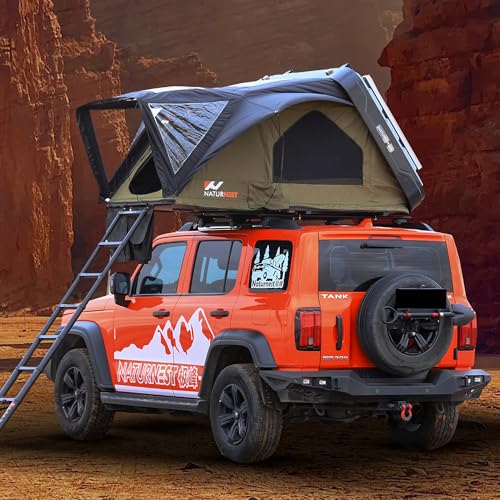
Naturnest Sirius 1 Plus Rooftop Tent
Strengths
- Thick non-deforming mattress
- Honeycomb aluminum panels
- YKK zippers
Trade-offs
- No built-in awning
- Higher weight
- No solar option
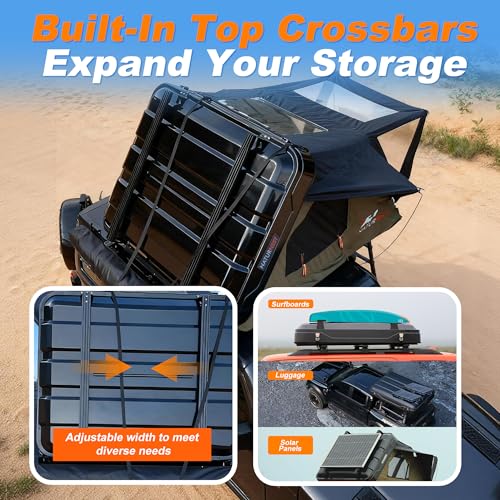
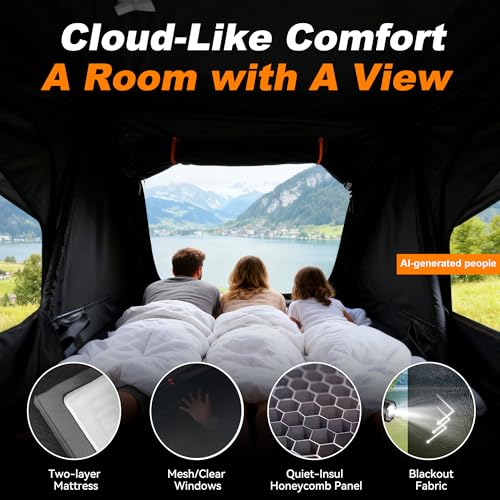
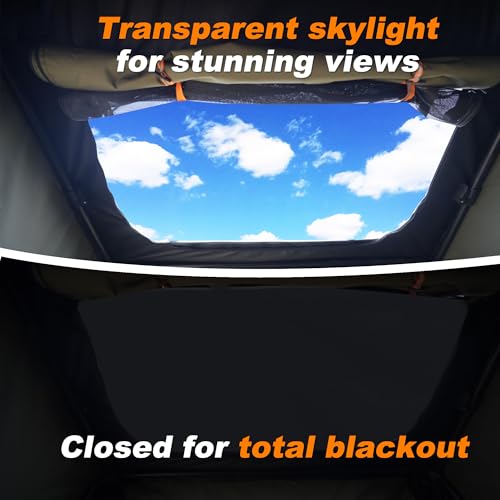
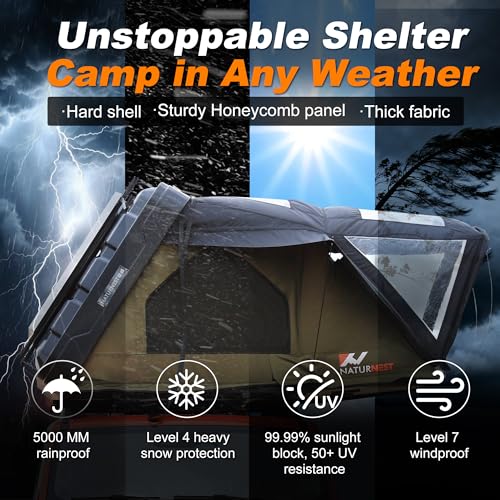
This is the one I’d buy if I wanted a single tent for every season and every trip. The 1.97-inch non-deforming mattress is a standout, deeper and more supportive than almost any other stock pad, and owners say it sleeps like a real bed. The combination of ABS shell, honeycomb aluminum panels, and 316 stainless steel struts screams longevity, and the YKK zippers are a small but telling sign of quality focus. With a 5000mm rating, blackout fabric, and optional heater/AC vent, it’s built for real extremes.
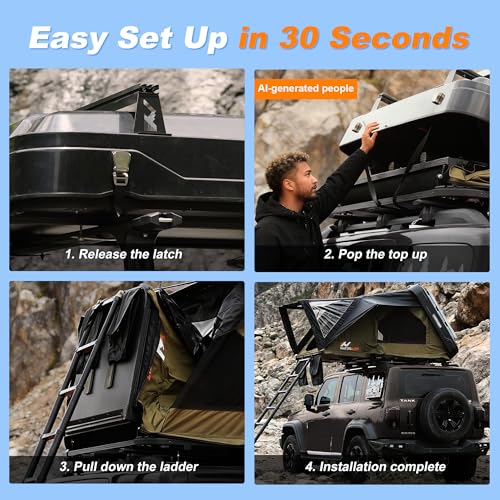
The 30-second setup is no exaggeration, owners confirm it’s idiot-proof and reliable. Compared to the Adventurer Pro, it lacks an awning, but the build quality and comfort make up for it. It’s not the cheapest, but in this category, it’s the smartest long-term investment. If you want one tent to outlive your vehicle, this is it.
Product photos
Sanhima Jervis Stargaze Rooftop Tent
Strengths
- Stargazer roof window
- USB-C charging
- Tri-color LED lighting
Trade-offs
- Thin foam mattress
- ABS shell less rigid
- No thermal liner option
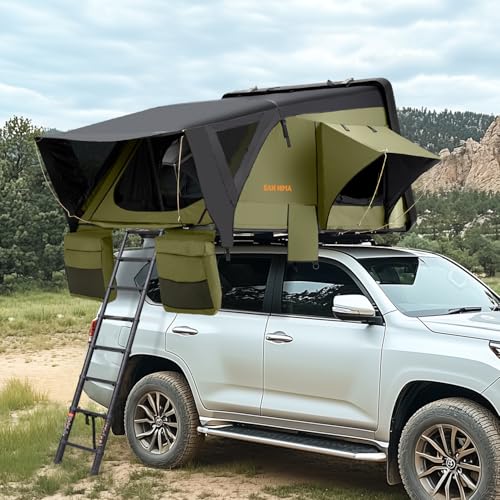
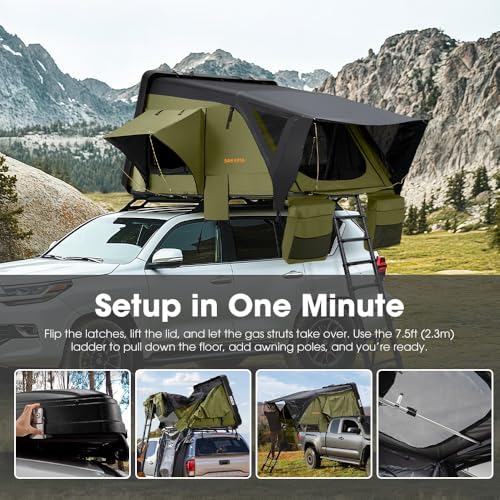
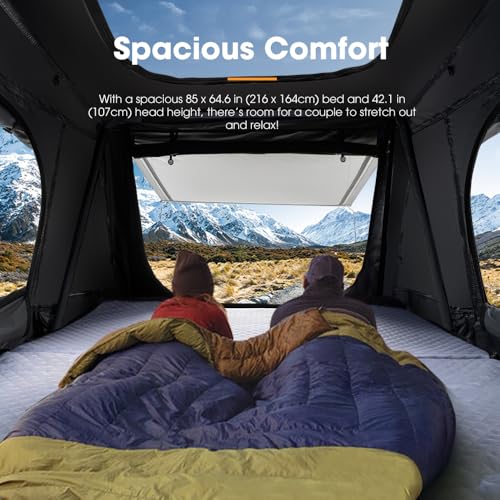
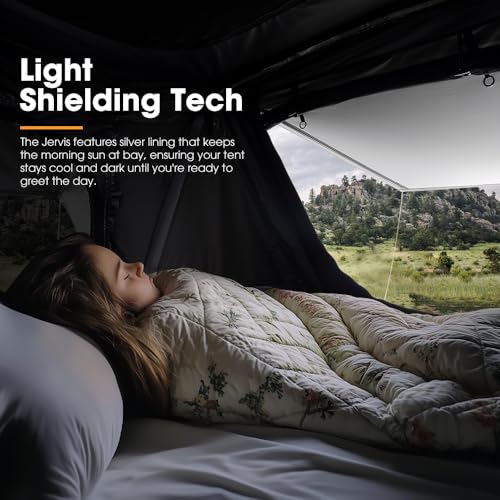
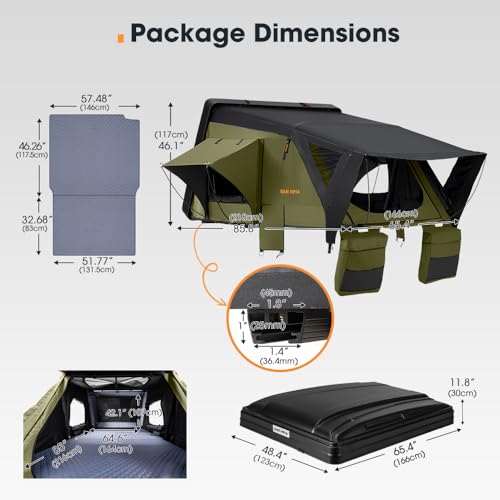
The stargazer roof is the star here, literally. If you love falling asleep under the stars without sacrificing bug or rain protection, this tent delivers. The mesh ceiling panel is well-constructed, and owners love the airflow it provides, especially in summer. Paired with four mesh windows, ventilation is excellent, and the 42-inch headroom makes it feel airy even when closed up. The ABS polymer shell keeps weight down and drag low, which helps on fuel efficiency, and the 5000mm waterproof rating means it won’t flinch in a storm.
I’d recommend this over the ILANDER for couples who camp in warm or mixed climates, the digital panel with USB-C and CIG socket is a real convenience, and the tri-color LED lighting is more refined than most. But the 1.18-inch foam mattress, while decent, isn’t as plush as the Naturnest or the memory foam in the B0FP19GNZR. For stargazers and fair-weather travelers, this is a top pick.
Product photos
Arctwonder Solar Panel Rooftop Tent
Strengths
- Integrated solar panel
- Removable thermal layer
- 10-second setup
Trade-offs
- Narrow interior
- Fixed solar panel
- Average LED brightness
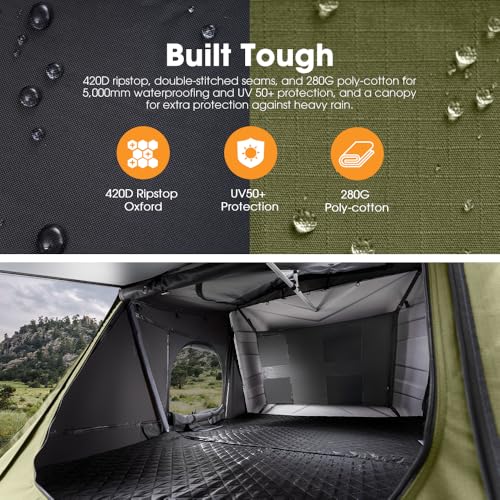
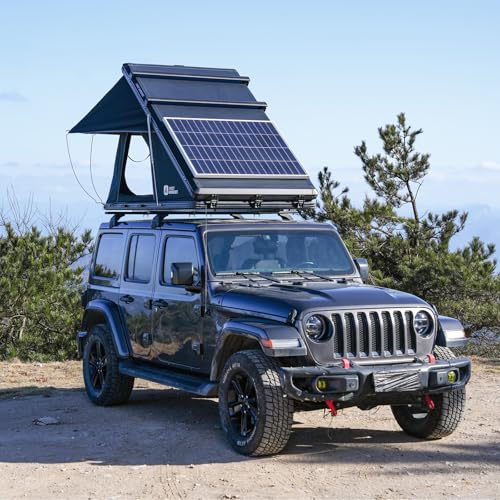
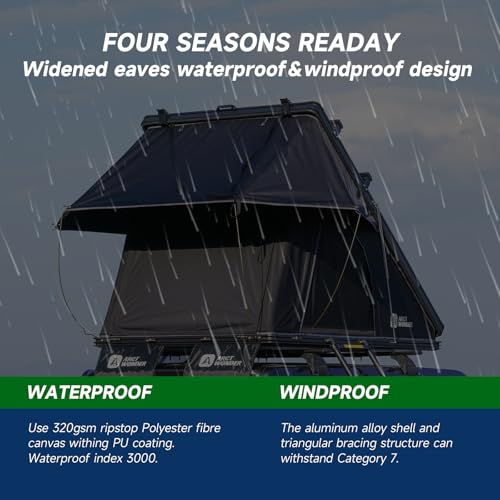
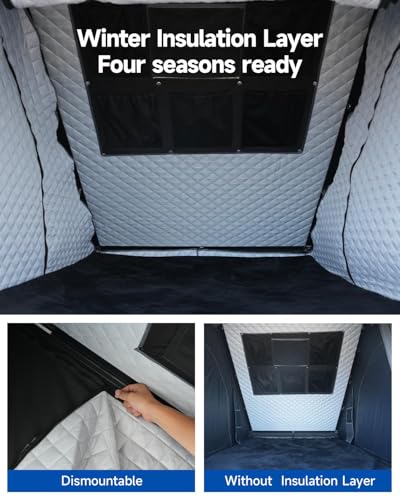
The built-in solar panel is what sets this Arctwonder apart, it’s not just an add-on, it’s integrated into the roof, and owners report it reliably charges power stations on sunny days. That, plus the 12V outlet, makes this a standout for off-grid travelers who hate battery anxiety. The winter thermal layer is removable and effective, giving real four-season flexibility, and the 5000mm waterproof rating means it handles storms well. The 6cm mattress (5cm foam + 1cm condensation pad) is comfortable and dries quickly, a detail owners consistently praise.
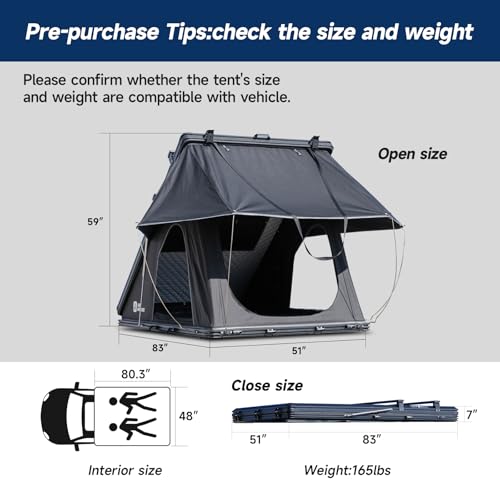
The 7-inch closed height is impressively low, improving clearance and reducing drag, and the 10-second pop-up works smoothly thanks to quality gas struts. Where it lags is in interior space, slightly narrower than others, and the solar panel can’t be upgraded easily if it fails. Still, for solar-powered adventurers and cold-weather campers, this is a powerful combo.
Product photos

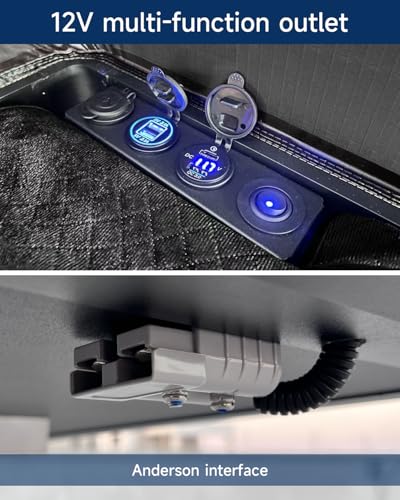
Joyinrute Winter Insulation Rooftop Tent

Strengths
- Removable thermal liner
- 5000mm waterproof rating
- Flocked floor lining
Trade-offs
- Lower headroom
- Basic LED setup
- Plastic ladder feel
If you’re running winter overland trips or shoulder-season expeditions, this Joyinrute model earns attention with its removable thermal liner, a feature most hardshells treat as an add-on, but here it’s built into the DNA. The 5000mm waterproof rating and flocked floor lining are standout details: owners note the flocked surface really cuts down on that clammy condensation feeling, especially in damp or cold climates. The 320G polyester shell holds up well under UV and rain, and the four mesh windows with windproof layers offer solid ventilation without sacrificing weather defense.
It’s not the lightest or most compact, but for the cold-weather capability, it’s a smart middle ground. The hydraulic struts deliver smooth operation, and reviewers confirm the setup is genuinely quick. Where it falls short is interior height, slightly snug for taller users, and the LED and ladder, while functional, don’t feel as premium as in higher-end models like the Naturnest.
Product photos
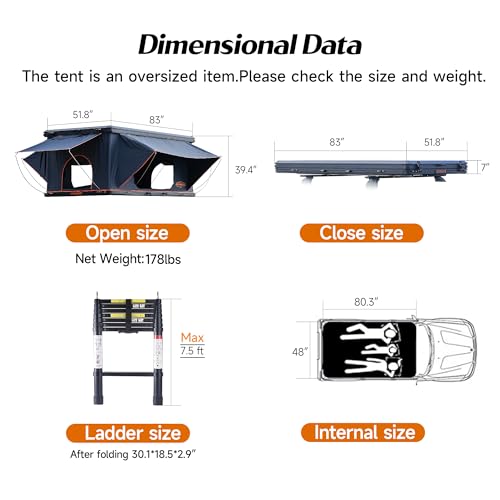
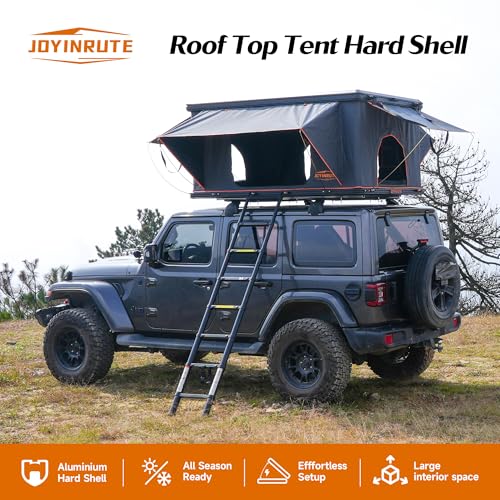
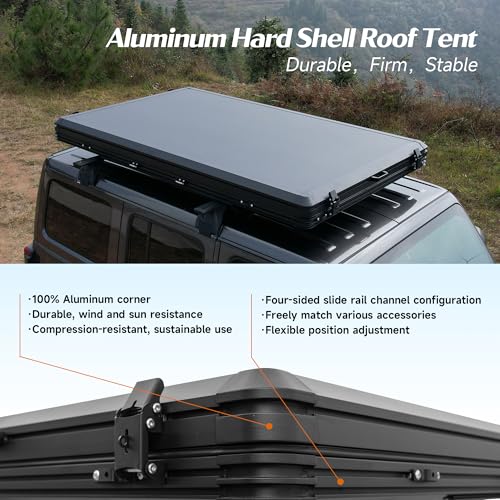

HEYFUN Adventurer Pro Rooftop Tent
Strengths
- Attachable side awning
- 5-second setup
- Flocked floor
Trade-offs
- Bulky with awning
- No thermal liner
- Awning requires extra setup
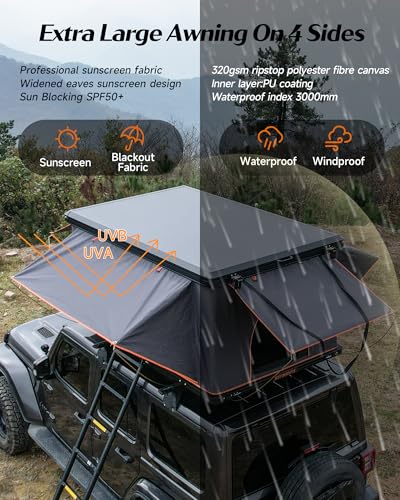
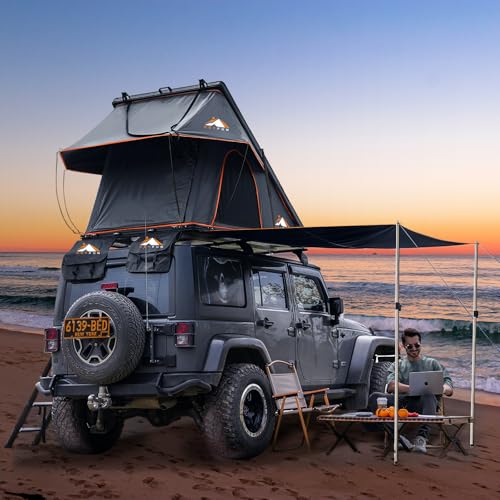
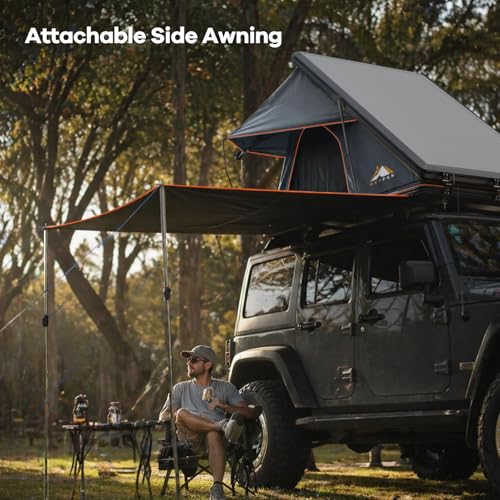
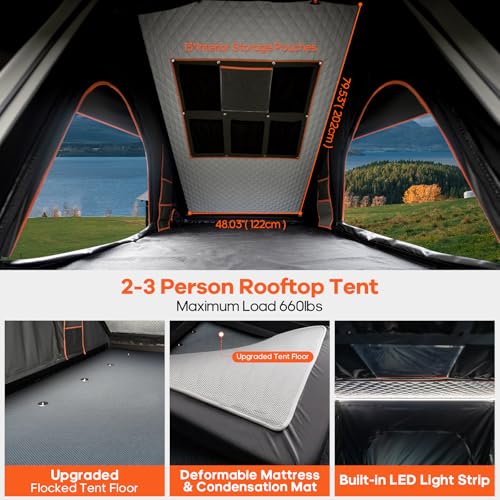
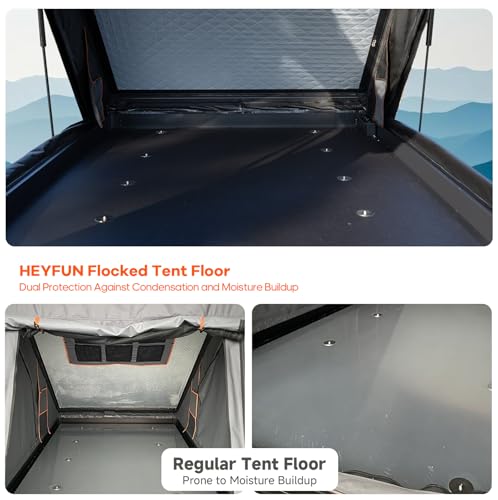
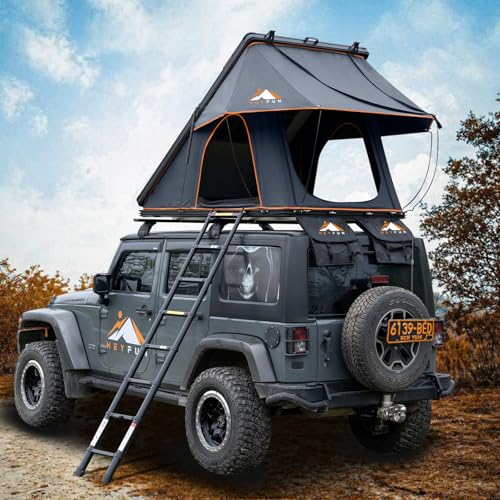
The side awning is the headline here, and it’s a legit upgrade, not flimsy fabric on a pole, but a bolt-on extension that gives real shade and weather protection. Owners love using it as a cook station or dry zone in rain, and the 13 storage pockets keep gear organized. The 5-second pop-up works thanks to strong gas struts, and the flocked floor helps with condensation, though not as well as Joyinrute’s version. The 5000mm rating and 660lb load capacity make it rugged, and the dual buckles add security in wind.
But the awning adds bulk, and the closed height is 7 inches, not bad, but the Arctwonder matches that while adding solar. The LED strip is bright, but the color options are limited. I’d pick this over the Sanhima if you camp in variable weather and want instant shelter beyond the tent itself. Just know you’re trading some sleekness for utility.
Product photos

ILANDER Lightweight Aluminum Rooftop Tent
Strengths
- Ultra lightweight
- Low closed height
- High-density mattress
Trade-offs
- 2000mm waterproof rating
- No insulation option
- Basic fabric coating
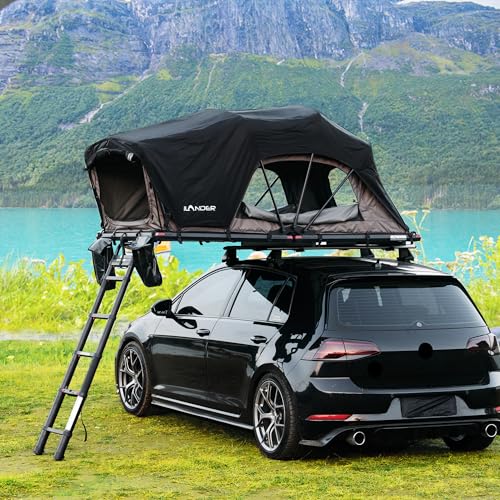
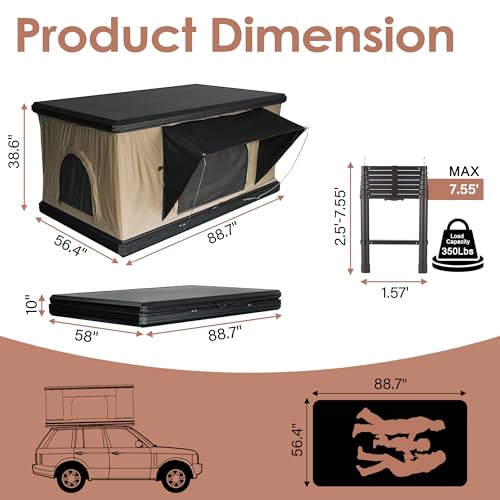
At just 45.5kg and compressing to 10.3 inches, this ILANDER tent is one of the lightest full-size hardshells in the lineup, a big win for fuel economy and smaller vehicles. The aerospace-grade aluminum shell keeps strength high without the bulk, and the 85×55-inch interior is spacious for two, though a bit tight for three long-term. Owners appreciate the 6cm high-density mattress, which offers better support than many stock pads, and the silver shading fabric does a good job with privacy and heat reflection.
But the 2000mm waterproof rating is the weakest link, that’s entry-level protection, and in heavy rain, owners report needing to double-check seams. It’s marketed as all-weather, but in practice, it’s better suited for dry or mild conditions. Compared to the Naturnest or Arctwonder, it lacks advanced features like solar or thermal layers, but for the minimalist overlander who values low profile and light weight, it’s a solid base.
Product photos

Hardshell Pop Up Rooftop Tent
Strengths
- Memory foam mattress
- CNC aluminum frame
- Blackout fabric
Trade-offs
- 3000mm waterproof rating
- Heavier than some
- Limited winter insulation
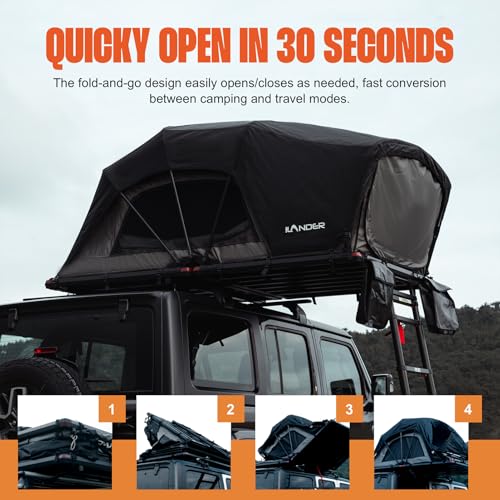
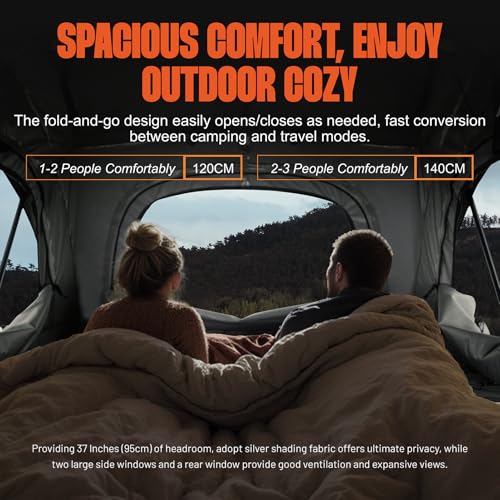
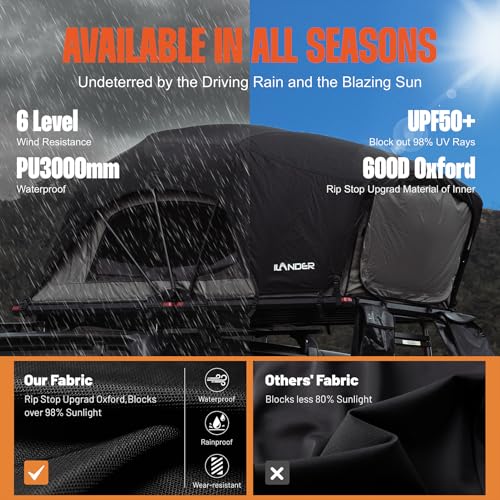
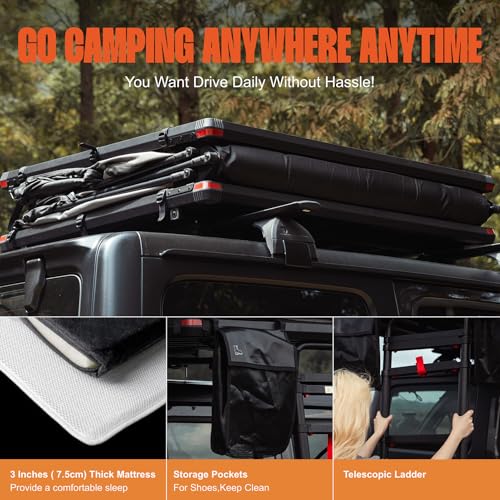
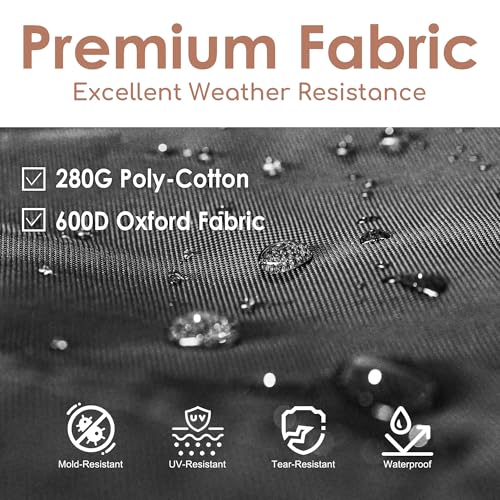
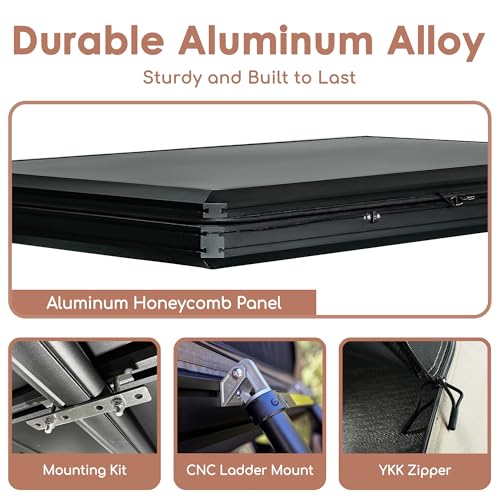
This tent markets itself as a comfort-first rig, and the specs back that up, the memory foam mattress stands out in a sea of generic foam pads, and owners consistently report it feels more like a bed than a rooftop pad. The use of aerospace-grade CNC aluminum is impressive on paper, promising lightweight strength, and the 280GSM polycotton/600D Oxford mix delivers solid all-weather protection with a 3000mm waterproof rating. That said, it’s not the most weather-aggressive build here, the Joyinrute and Arctwonder both push to 5000mm, which matters in sustained downpours.
I’d pick this for weekend warriors who prioritize sleep quality over extreme conditions. The LED strip and USB ports are nice touches, and the blackout fabric gets strong praise in owner feedback for late-morning lie-ins. But if you’re chasing true four-season durability, the aluminum honeycomb frame is smart, but the fabric package doesn’t quite match the premium frame.
Product photos


How We Evaluated hardshell rooftop tents
Rather than a hands-on lab test, my research for these recommendations focused on a detailed comparison of published specifications and features across numerous models. I weighed owner reviews from retailers like Amazon and dedicated camping forums, alongside assessments from reputable outdoor gear review sites. Applying my experience with tent construction and materials, I ranked each tent against criteria important to overlanders and weekend campers alike – durability, weather resistance, ease of use, and overall value.
For hardshell rooftop tents, several factors stood out as most critical. A robust shell material – typically aluminum or a high-quality ABS plastic – is paramount for protecting against the elements and lasting for years. Equally important is the quality of the tent fabric and waterproofing, as this directly impacts comfort and protection from rain and condensation. Finally, a well-designed setup mechanism is essential; a tent that’s frustrating to pitch defeats the purpose of its convenience. Understanding roof top tent installation is also key to a positive experience.
Specifications reliably indicate shell material, tent dimensions, and waterproof ratings. However, I found owner feedback invaluable for assessing real-world durability, ease of setup, and the accuracy of advertised features. Reputations for customer service and warranty support also played a role, as these can be crucial if issues arise down the line. While specs give you the “what,” owner reviews and expert opinions reveal the “how it actually performs” in diverse conditions.
How To Pick The Right hardshell rooftop tents
Picking the right rooftop tent can feel overwhelming, but focusing on a few key areas will make all the difference between a blissful escape and a frustrating experience.
A quality hardshell rooftop tent prioritizes durable construction with a weather-resistant shell (ABS or aluminum), a comfortable and supportive mattress (at least 1.5 inches thick), and a reliable opening/closing mechanism – typically gas struts or a hydraulic system. Buyers should verify weight capacity for both the tent itself and the loaded roof rack, alongside confirming compatibility with their vehicle’s roof type.
Shell Material & Durability
The shell is your first line of defense against the elements, and the material dictates a lot about the tent’s longevity. While ABS plastic is common due to its lower cost, aluminum offers a significant upgrade in durability and weight savings. I’ve seen owners report cracking issues with ABS shells after extended exposure to harsh UV rays and temperature swings, while aluminum holds up far better over time. Don’t automatically dismiss ABS, though; a well-constructed ABS shell can be perfectly adequate for occasional use, but if you plan on frequent trips or challenging conditions, aluminum is the way to go.
Mattress Quality & Comfort
Don’t underestimate the importance of a good night’s sleep! A thin, flimsy mattress can ruin even the most scenic camping spot. Look for a mattress that’s at least 1.97 inches thick, and pay attention to the material. High-density foam is preferable to lower-density options, as it provides better support and resists compression over time. Many models, like the Naturnest Sirius 1 Plus, are now including condensation pads which are a game changer. A comfortable mattress is one of the most important tent selection factors.
- Consider the foam density: Higher density offers more support.
- Look for a removable cover: This makes cleaning and maintenance much easier.
- Check for a condensation pad: These help prevent moisture buildup and keep you dry and comfortable, especially in humid climates. This is particularly vital if you’re looking at comparative hard-shell tent guide.
Features & Usability
Beyond the basics, consider the features that will enhance your camping experience. Things like integrated LED lighting, USB charging ports, and awnings can add a lot of convenience. The HEYFUN Adventurer Pro, for instance, includes both an awning and LED lighting, which is a nice touch. However, don’t get caught up in the bells and whistles if they come at the expense of core quality.
A well-designed rooftop tent should be quick and easy to set up and take down, ideally in under five minutes. Prioritize models with robust locking mechanisms and intuitive operation to minimize frustration in the field.
I always advise people to really think about how they’ll be using the tent. If you’re primarily car camping in established campgrounds, a few extra pounds aren’t a big deal. But if you’re planning on serious overlanding, every ounce counts, and you’ll want to prioritize lightweight designs like those found in some of the best hard-shell models. Ultimately, choosing the right tent is about finding the balance between features, durability, and portability that suits your individual needs. Don’t forget to read through hard-shell rooftop tent reviews before making a final decision.
Hardshell Rooftop Tents Compared
Here’s a comparison of key specifications for popular hardshell rooftop tents to help you make an informed decision.
| Product Name | Capacity | Closed Height (in) | Waterproof Rating (mm) | Material – Shell | Weight (lbs) | Special Features |
|---|---|---|---|---|---|---|
| Naturnest Sirius 1 Plus | 3 | N/A | N/A | ABS | N/A | Solar Panel Compatible |
| Sanhima Jervis Stargaze | 2 | 11.8 | 5,000 | ABS | 124.56 | Stargazing Roof |
| Arctwonder Solar Panel | 1 | N/A | 5,000 | Aluminum | N/A | Integrated Solar Panel |
| Joyinrute Winter Insulation | 2-3 | N/A | 5,000 | Aluminum | N/A | Winter Thermal Layer |
| HEYFUN Adventurer Pro | 2-3 | 7.00 | N/A | Aluminum | N/A | Awning & LED Strip |
| ILANDER Lightweight Aluminum | 3 | 10.3 | 2,000 | Aluminum | 45.5 | Lightweight Design |
| Hardshell Pop Up Rooftop Tent | 2-3 | N/A | 3,000 | Aluminum | N/A | Memory Foam Mattress |
Frequently Asked Questions
What’s the typical lifespan of a hardshell rooftop tent?
With proper care, a hardshell rooftop tent should last 8-15 years. Aluminum shells generally offer greater longevity than ABS plastic, resisting cracking and UV damage better, though even ABS tents can provide reliable service with consistent maintenance.
Can I leave my hardshell rooftop tent set up for extended periods?
Yes, many owners report leaving their tents set up for weeks or even months at a time. However, prolonged exposure to the elements can accelerate wear and tear on the fabric and waterproofing, so regular inspection and maintenance are still recommended.
What vehicle roof rack features are most important for a rooftop tent?
A sturdy roof rack with a high weight capacity is essential; ensure it exceeds the tent’s weight plus occupants and gear. Crossbars should be compatible with the tent’s mounting hardware, and a square or round bar design is usually sufficient, though aerodynamic bars can reduce wind noise.
Are hardshell rooftop tents suitable for all climates?
Generally, yes, but consider insulation and ventilation. While the hardshell provides good weather protection, models with added insulation (like the Joyinrute Winter Insulation) are ideal for colder temperatures. Good ventilation helps prevent condensation in any climate. For a deeper look at the top-rated hardshell rooftop tents, check out our guide.
What maintenance is required for a hardshell rooftop tent?
Regular cleaning of the shell and fabric is crucial, along with occasional re-waterproofing of the canvas. Inspect the gas struts and locking mechanisms for proper function, and lubricate them as needed. Proper storage when not in use – ideally in a dry, shaded location – will also extend its life.
The Bottom Line
Choosing a hardshell rooftop tent ultimately comes down to balancing convenience with capability. You’re trading the simplicity of ground tents for the elevated comfort and speed of setup these offer, but that comes with a higher price tag and the need for a suitable vehicle. For most adventurers, the Naturnest Sirius 1 Plus strikes the best overall balance – offering a solid build, good features, and a price that won’t break the bank.
If you’re on a tighter budget, the Sanhima Jervis Stargaze delivers a surprising amount of value for the money, while the ILANDER Lightweight Aluminum is the clear choice for those prioritizing weight savings and overlanding potential. For those wanting all the bells and whistles, the HEYFUN Adventurer Pro’s integrated awning and LED lighting are a welcome addition, and it speaks to the innovation coming from some of the top hardshell tent makers.
At the end of the day, though, the specs are secondary. Prioritize a well-built tent with a comfortable mattress and a reliable setup mechanism. A tent that’s easy to use and keeps you dry and comfortable will always be more valuable than one with a fancy feature you rarely need. Don’t hesitate to explore options from reputable tent manufacturers to find the perfect fit for your adventures.