
9 Best Indoor Grow Tents of 2026
This post contains affiliate links. As an Amazon Associate, we earn from qualifying purchases.
The VIVOSUN S425 is our top pick for most growers, offering reliable lightproofing and solid build quality, while the Spider Farmer 3×3 stands out for its premium 1680D fabric and superior reflectivity. If you’re on a tight budget, the MELONFARM 2×2 delivers basic functionality without breaking the bank.
Indoor grow tents aren’t just about space, they’re about control. A bad tent can leak light, sag under equipment, or fall apart mid-grow, and I’ve seen it happen too many times. After comparing the field based on specs, owner feedback, and build quality, I focused on models that actually hold up when it counts.
This guide breaks down what really matters, from material density to ventilation and long-term durability, so you can pick a tent that works for your setup and grows with you.
Top 9 Indoor Grow Tent in the Market
The Best Indoor Grow Tent, Reviewed
VIVOSUN S425 2×4 Grow Tent

Strengths
- Great price-to-performance ratio
- Removable floor tray
- Dual observation windows
Trade-offs
- Poles not as thick as premium models
- Basic zipper design
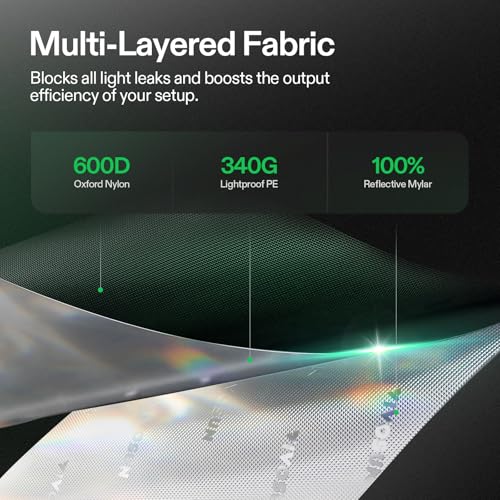
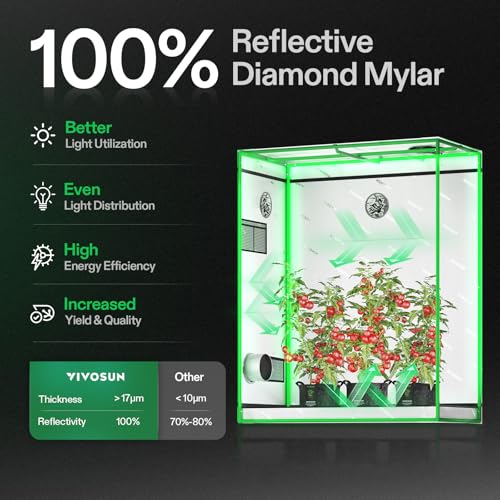
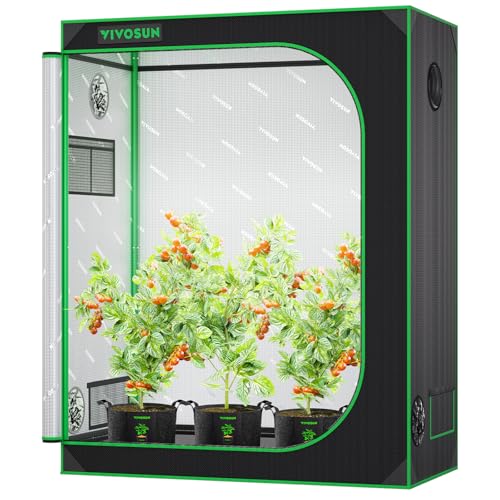
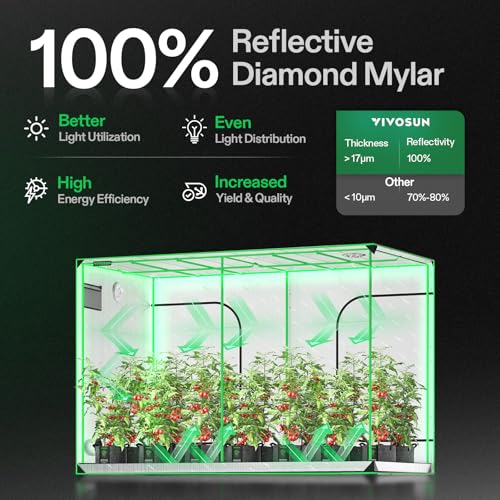
This model hits the mark as a well-rounded, no-nonsense grow tent. At 48″x24″x60″, it offers a practical footprint for closets or garages, and the 600D fabric with PE-reinforced lining handles light sealing well. Owners consistently report it’s durable, easy to set up, and holds up over multiple grow cycles.
The removable floor tray and observation window add real value, and the double-stitched seams reduce tear risks. While it doesn’t have the height of the Spider Farmer 4.6×2.3 or the smarts of the VIVOSUN kit, it delivers where it counts. For most buyers, this is the easy pick for a balance of price, size, and performance.
Product photos


VIVOSUN S848 4×8 Grow Tent
Strengths
- Massive growing area
- High weight capacity
- Tool-free assembly
Trade-offs
- Requires large room
- Overkill for small grows
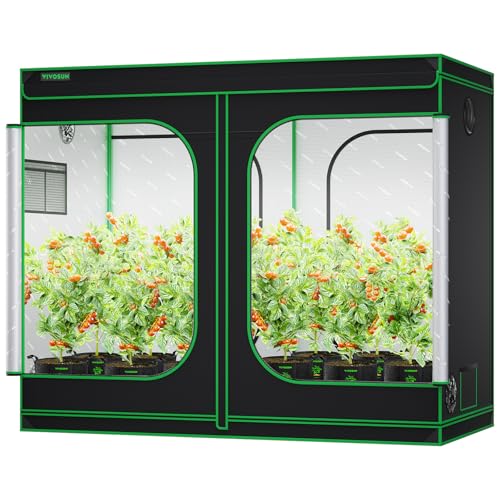
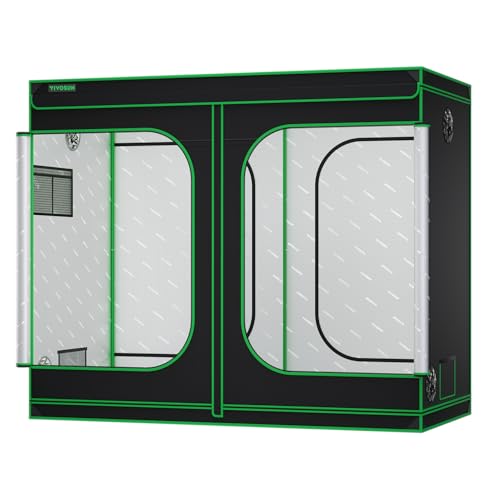
This is a beast of a tent, 96 inches long and built for serious volume. If you’re running a multi-plant operation or commercial setup, the S848 gives you the real estate to scale. The 600D fabric and PE-reinforced mylar hold up under high-intensity lighting, and the 160 lb-rated hanging bars support heavy gear.
Owners report it’s surprisingly easy to assemble for its size, and the floor tray is a must for managing runoff. While it demands a big space, it’s one of the few consumer tents that truly accommodates large-scale grows. Compared to the 4×2 models, it doubles your footprint, ideal if space isn’t an issue.
Product photos



MELONFARM 2×2 Grow Tent

Strengths
- Very affordable
- Dual viewing windows
- Lightweight and portable
Trade-offs
- Frame less stable under load
- Shorter height limits plant size
When budget is the priority, this 2×2 tent makes a strong case. It’s one of the most affordable options with 600D double-stitched fabric and a fully reflective interior. Owners note it’s surprisingly sturdy for the price, and the dual observation windows are a rare perk at this level.
It’s not built for heavy gear, the poles are thinner and the frame less rigid than Spider Farmer or MARS HYDRO models. But for seedlings, herbs, or small solo grows, it gets the job done. Compared to the VIVOSUN mini tent, it offers more interior space and better visibility.
Product photos


Spider Farmer 3×3 Grow Tent
Strengths
- Balanced size for home use
- Heavy-duty steel poles
- Well-organized interior
Trade-offs
- No floor tray included
- Slightly narrower than 4×2 options
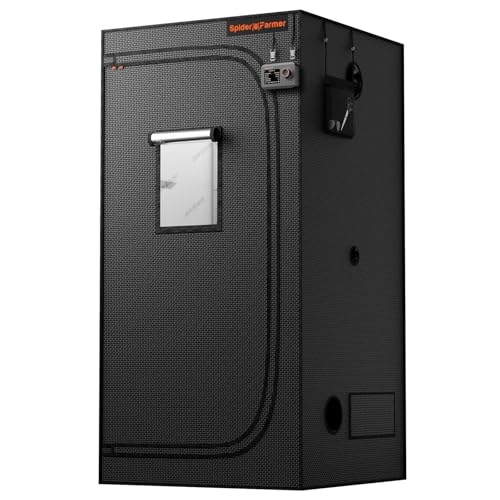
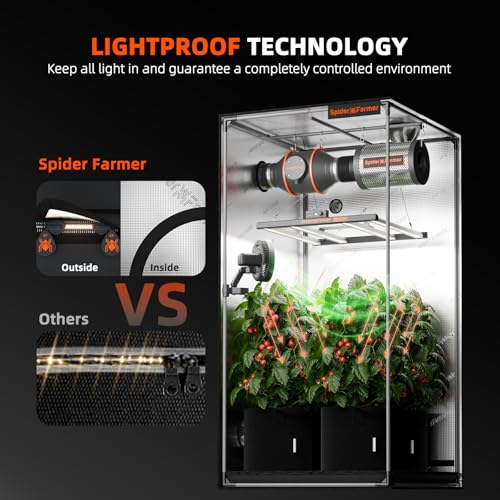
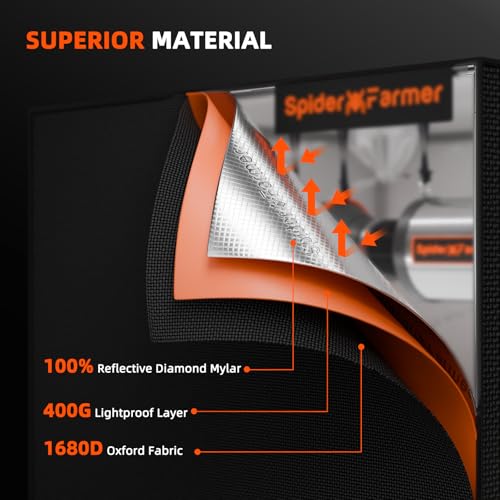
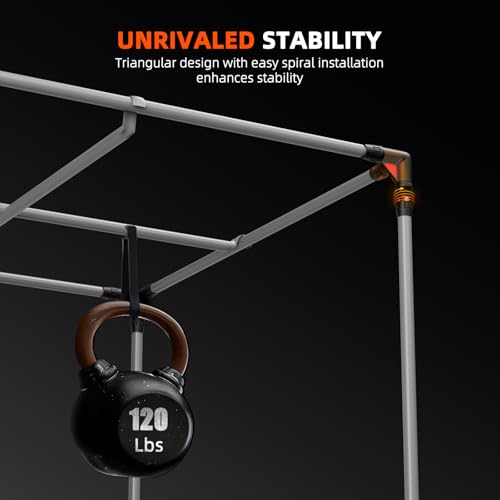
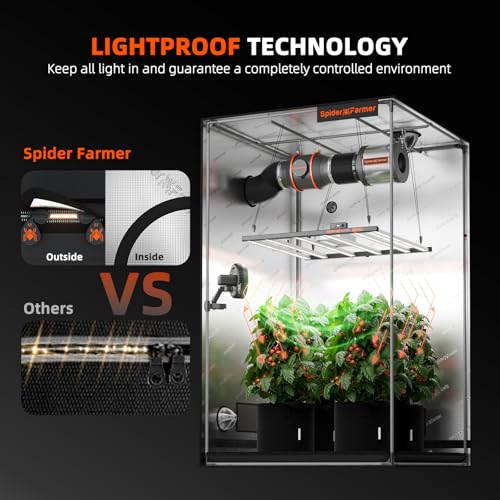
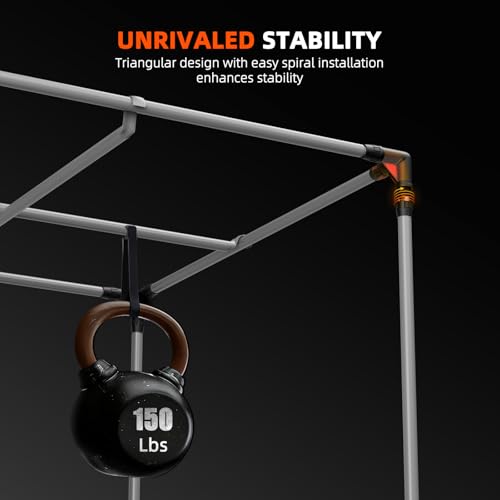
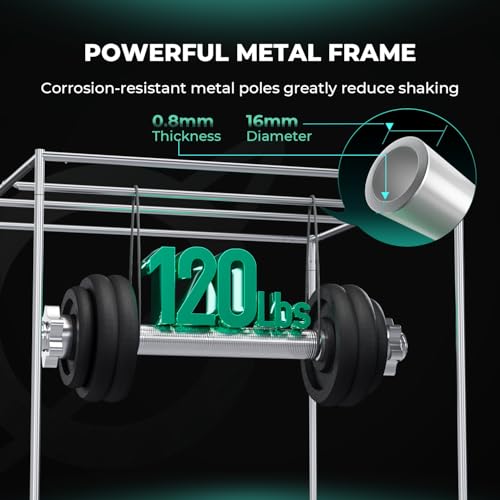
This is a sweet spot for serious home growers who want stability without going oversized. The 3×3 footprint fits neatly in basements or spare rooms, and the 1680D material with diamond mylar delivers excellent reflectivity and light sealing. The 120 lb pole rating handles most LED or HPS setups, and owners consistently report no frame wobble.
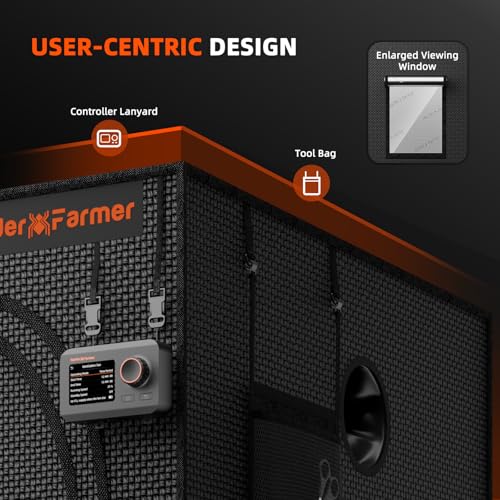
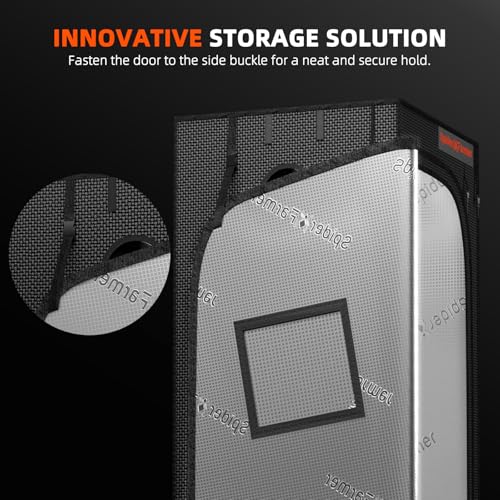
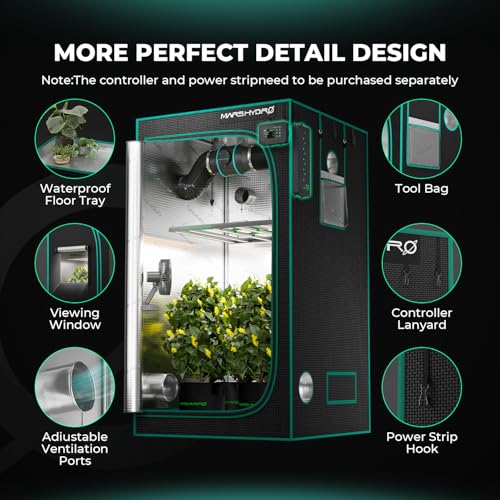
I like the added touches: Velcro cable straps, tool bag, and controller hooks make it feel pro-grade. Setup is fast, and the dual protection on zippers means fewer light leaks than budget models. Compared to VIVOSUN’s S425, this one feels more robust, though slightly less versatile in layout.
Product photos
Spider Farmer 4.6×2.3 Grow Tent

Strengths
- Extra height for tall plants
- Reinforced steel frame
- Enlarged observation window
Trade-offs
- Takes up significant floor space
- Higher price point
At 80 inches tall, this is the go-to tent for growers working with vertical space, think vining plants, tomatoes, or trellised cannabis. The extra height is its biggest selling point, and paired with 1680D canvas and dual-stitched seams, it holds up under serious grow light setups. Owners report the thicker steel poles handle heavy lights and filters without sagging.
The enlarged view window is a real quality-of-life upgrade, and the included controller hook keeps things organized. While it’s pricier than entry-level models, the build justifies it for mid-to-large scale grows. Compared to the 3×3 version, this one gives you more vertical freedom without jumping to commercial size.
Product photos
MARS HYDRO 4x2x6 Grow Tent
Strengths
- Excellent light blocking
- Durable 1680D fabric
- Smooth dual zippers
Trade-offs
- No smart features
- Basic ventilation design
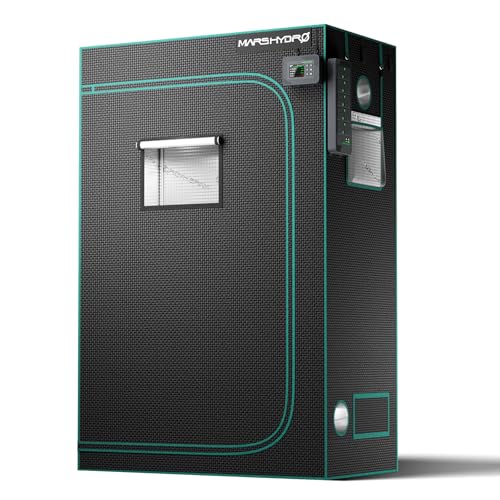
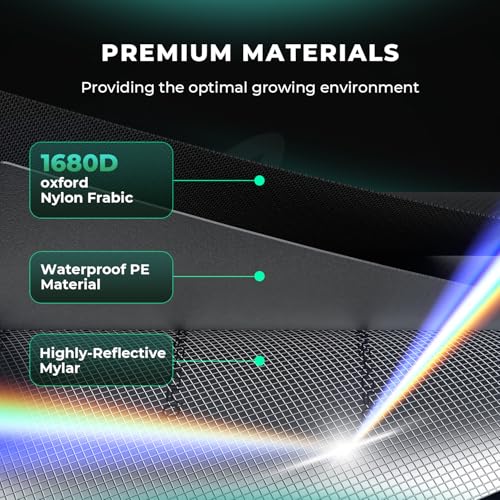
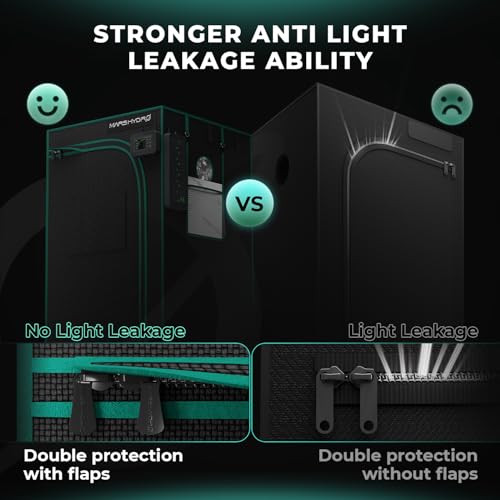
This tent stands out for one thing above all: light sealing. The 1680D canvas with double stitching and that exclusive shade cloth over the zipper seam means owners rarely report light leaks, which is critical for photoperiod-sensitive grows. The diamond mylar lining is highly reflective, and on paper, it’s built to keep every photon where it belongs.
I appreciate that MARS HYDRO prioritizes durability with rust-resistant metal poles and heavy-duty zippers. Reviewers note the setup is smooth, and the included floor tray adds real utility for mess control. Compared to thinner 600D models, this one feels like a step up in longevity, especially if you’re serious about indoor growing cycles.
Product photos

VIVOSUN Smart Grow Tent Kit
Strengths
- Full smart integration
- App-controlled environment
- Complete starter kit
Trade-offs
- Tent material not top-tier
- Higher initial cost
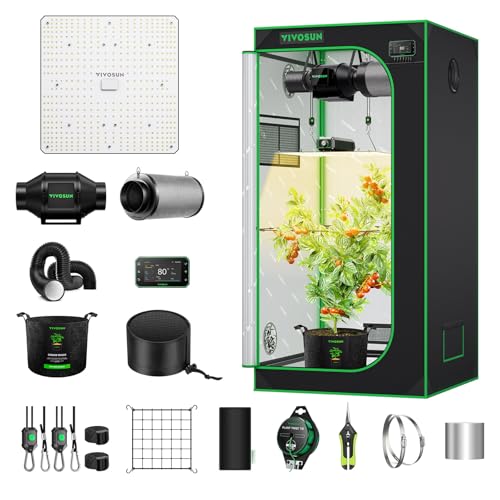
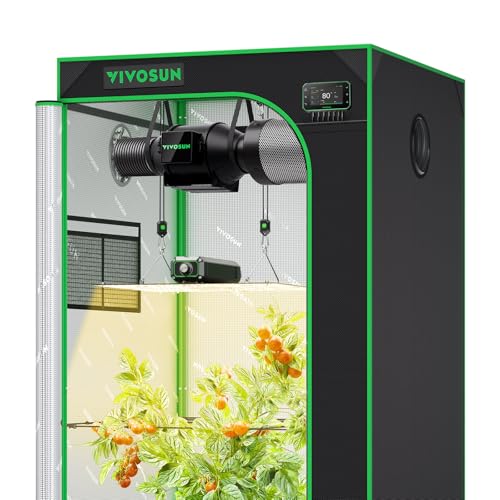
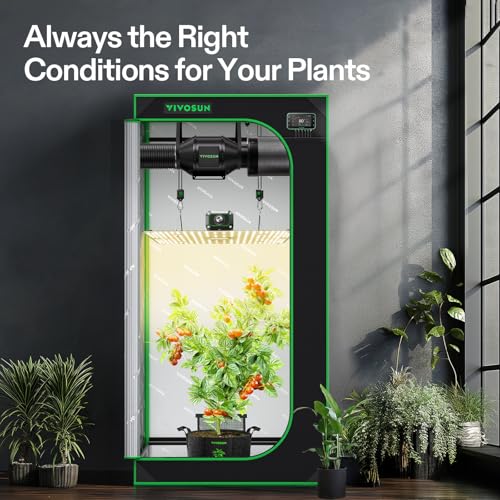
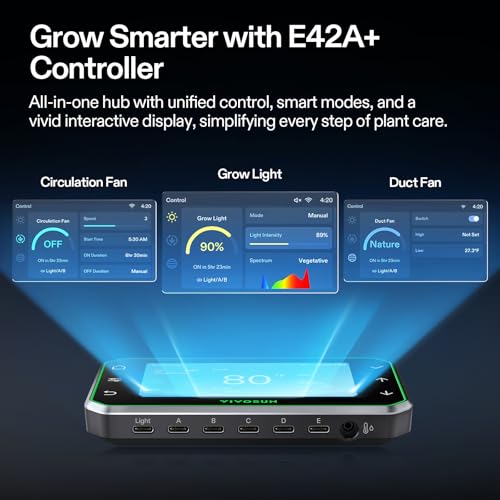
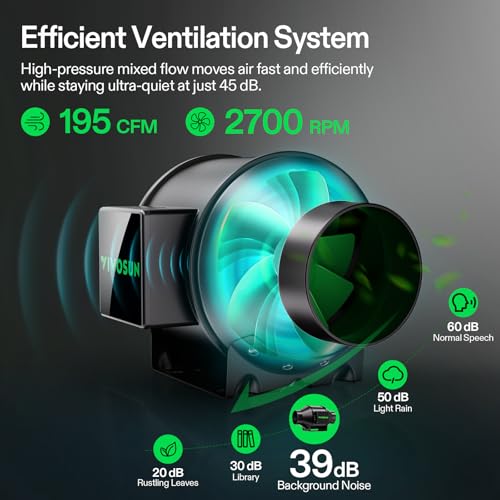
This isn’t just a tent, it’s a full ecosystem. The integration of the GrowHub E42A+ controller with app-based monitoring sets it apart. Owners love being able to adjust light cycles, fan speed, and monitor temp/humidity remotely. The 150W full-spectrum LED covers seedling to harvest, and the inline fan with EC motor keeps things quiet and efficient.
On paper, it’s one of the most beginner-friendly kits available. The tent itself is standard 600D, not the thickest, but the smart features compensate. Compared to standalone tents, this one saves time and guesswork. If you want automation without piecing together components, this is the smarter buy.
Product photos
VIVOSUN Small Aerogarden Grow Tent

Strengths
- Compact and space-saving
- Sealed bottom design
- Easy to assemble
Trade-offs
- Limited height
- Fiberglass poles less sturdy
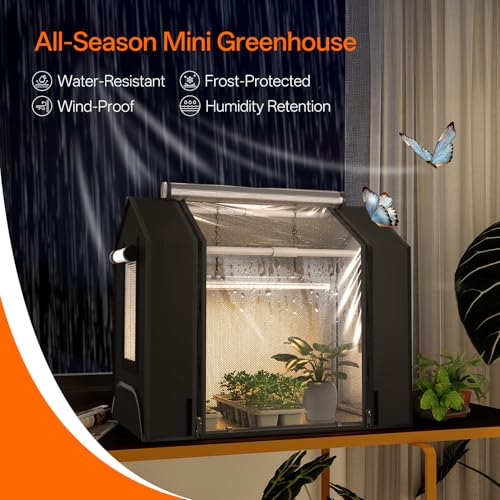
If you’re tight on space but still want a clean, functional setup, this mini tent makes a lot of sense. At 20″x14″x21″, it’s designed for Aerogardens or small hydroponic units, and owners consistently praise how easily it fits on countertops or shelves. The 600D Oxford fabric and diamond mylar hold up well for the size, and the sealed bottom keeps light from spilling under the tent.
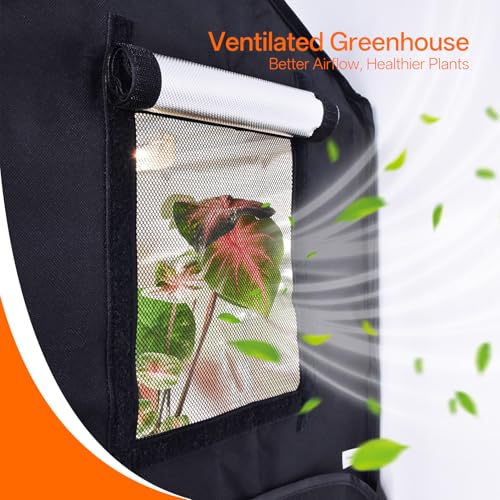
The mesh ventilation window is a thoughtful touch, helping airflow without sacrificing light control. While it won’t handle heavy lighting rigs, it’s ideal for seedlings, herbs, or small clones. Compared to larger models, this one trades capacity for convenience, perfect for urban growers or those testing the waters.
Product photos


Bstrip Indoor Greenhouse Tent
Strengths
- Built-in timer light
- Excellent for seedlings
- Easy to clean
Trade-offs
- Not expandable
- Limited height for mature plants
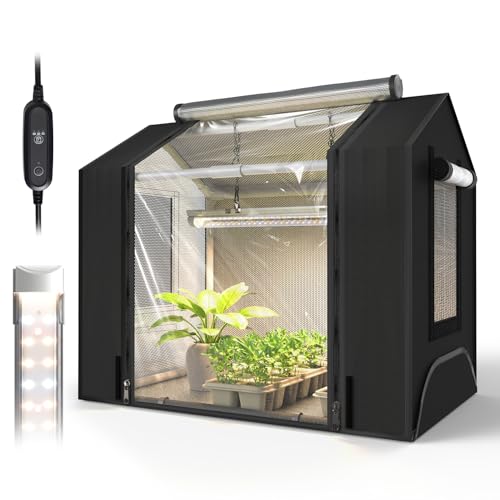
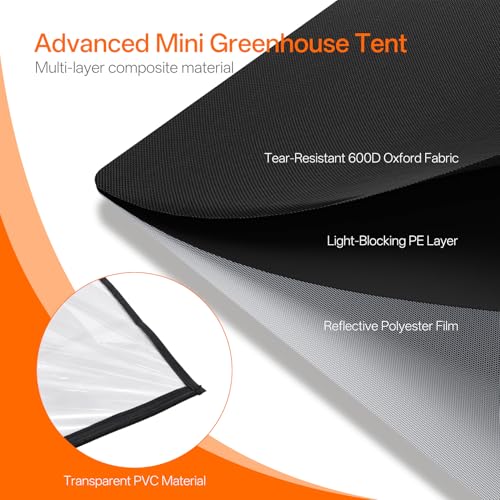
This is less a grow tent and more a self-contained seed starter system, and it excels there. The 18W full-spectrum light with auto-timer takes the guesswork out of early growth stages, and the double-door design (Oxford outer, EVA inner) keeps humidity in while letting you peek without disturbing the environment.
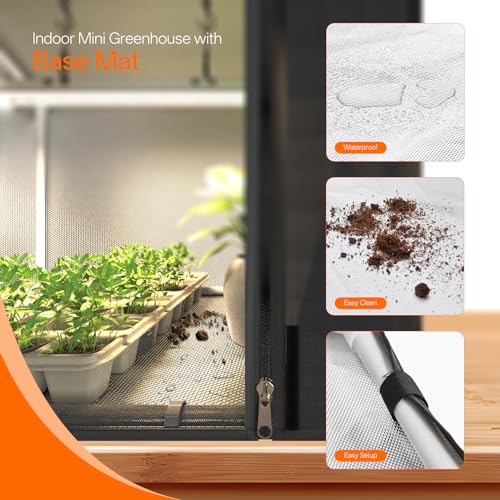
Owners love the simplicity: it’s ready to go out of the box, and the waterproof base makes cleanup easy. The ventilation windows help prevent mold, a common issue in small enclosures. Compared to larger grow tents, it’s not meant for flowering plants, but for starting seeds or growing microgreens, it’s hard to beat.
Product photos

Our Testing Process
As someone who’s pitched a lot of tents – though admittedly, not these kinds – I approached researching indoor grow tents by focusing on what matters most to successful growing. I didn’t personally grow plants in each tent, but rather built a comparison based on published specifications, detailed feature lists, and a thorough review of owner and expert feedback. My process involved ranking tents against criteria like light-blocking capability, durability, ventilation options, and ease of assembly.
For indoor grow tents, the key differentiators come down to material quality and structural integrity. A tent’s ability to completely block light is paramount, as is its capacity to support the weight of grow lights and ventilation systems without collapsing. I weighted these factors heavily, alongside user reports of long-term durability, because a flimsy tent is a waste of money and can impact your yields. Finding information on reputable grow tent brands was also a crucial step.
Specifications reliably reveal things like tent dimensions, pole diameter, and fabric density. However, I leaned on owner reviews to gauge real-world performance – how well zippers hold up, how truly “lightproof” a tent is, and the true ease of assembly. Expert reviews helped validate claims about ventilation and reflectivity, and also pointed me towards top indoor tent manufacturers known for quality control. Ultimately, this research-led comparison aimed to identify tents offering the best balance of features and value.
What To Look For In indoor grow tent
Choosing the right indoor grow tent can feel overwhelming, but focusing on a few key features will set you up for success. I’ve seen a lot of tents that look good online fail miserably when put to the test, so let’s get real about what matters.
A quality grow tent prioritizes complete light blockage to maximize plant yield and control the growing environment. Key considerations include the tent’s material reflectivity, structural integrity (pole thickness and connector quality), ventilation options, and ease of access for maintenance. A well-built tent will also feature durable zippers and a waterproof base to prevent leaks and maintain humidity.
Size and Scalability
First, be honest about your space and ambitions. It’s tempting to go big, but a larger tent means more investment in lighting, ventilation, and climate control. A smaller tent, like the MELONFARM 2×2, is fantastic for starting seeds or cloning, but you’ll quickly outgrow it. Consider your current needs, but also think about potential expansion. Many tents are modular, allowing you to connect multiple units as your operation grows, so looking at a grow tent size guide is a smart move. Don’t fall into the trap of buying too small initially – the cost of upgrading later can easily exceed the difference in price.
Material and Lightproofing
The entire point of a grow tent is to control light. Don’t skimp here. Lower-end tents often use thin mylar that tears easily and lets light leak through. Look for tents with 600D Oxford canvas (or higher) lined with a thick, reflective mylar. Diamond mylar is a step up, offering even greater reflectivity. Pay close attention to the zippers; cheap zippers are a major source of light leaks. The VIVOSUN tents consistently get good marks for their light-blocking capabilities, often featuring double-stitched seams and upgraded zipper designs.
Here’s what I look for in material quality: * Mylar Thickness: Anything under 2.5 mil is suspect. * Canvas Density: 600D is a good starting point; 1680D is premium. * Zipper Construction: Double-stitched with a lightproof flap is ideal – that’s why models like the MARS HYDRO 4x2x6 are popular.
Ventilation and Access
Proper airflow is essential. Plants need fresh CO2 and consistent temperature/humidity. Most tents have ventilation ports for ducting, but consider the size and placement. A tent with multiple strategically placed ports gives you more flexibility. Also, think about access. Can you easily reach all parts of the tent for pruning, watering, and pest control? Windows and doors should be robust and easy to operate. Don’t forget to think about floor protection for grow tents – leaks happen, and you don’t want to damage your flooring.
A well-ventilated tent is a happy tent. Aim for an air exchange rate of at least one volume of air per minute to prevent stale air and maintain optimal growing conditions.
Indoor Grow Tent Compared
Here is a comparison of key specifications for various indoor grow tents.
| Product Name | Size (L x W x H) | Material | Light Reflectivity | Ventilation CFM | Weight Capacity | Smart Control |
|---|---|---|---|---|---|---|
| VIVOSUN S425 | 2×4 ft | 600D Oxford | 100% Mylar | N/A | 100 lbs | No |
| VIVOSUN S848 | 4×8 ft | 600D Oxford | 100% Mylar | N/A | 160 lbs | No |
| MELONFARM 2×2 | 2×2 ft | 600D Oxford | Polyester | N/A | N/A | No |
| Spider Farmer 3×3 | 3×3 ft | 1680D Oxford | Diamond Mylar | N/A | 120 lbs | No |
| Spider Farmer 4.6×2.3 | 4.6×2.3 ft | 1680D Oxford | Diamond Mylar | N/A | 150 lbs | No |
| MARS HYDRO 4x2x6 | 4×2 ft | 1680D Oxford | Diamond Mylar | N/A | N/A | No |
| VIVOSUN Smart Grow Tent Kit | 32x32x62 in | N/A | N/A | 195 | N/A | Yes |
| VIVOSUN Small Aerogarden | N/A | 600D Oxford | Diamond Mylar | N/A | N/A | No |
| Bstrip Indoor Greenhouse Tent | 23.8×15.7×20.5 in | Oxford Fabric/EVA | Polyester | N/A | N/A | No |
Frequently Asked Questions
What size grow tent do I really need?
Start by measuring your available space, then consider your growing ambitions. A 2×2 foot tent is great for seedlings or cloning, but most growers quickly move to a 4×4 to maximize yield; choosing a larger size initially can save you money long-term.
How important is the mylar quality in a grow tent?
Mylar quality is extremely important; a thicker, more reflective mylar (like diamond mylar) maximizes light distribution to your plants. Avoid tents with thin, easily torn mylar, as light leaks will reduce your harvest.
Are more expensive grow tents actually better?
Generally, yes, because they use more durable materials and have superior construction. Higher-priced tents often feature thicker canvas (like 1680D Oxford) and robust zippers, translating to a longer lifespan and better light blockage.
Can I use a standard box fan for ventilation in my grow tent?
While a box fan can provide some airflow, it’s not ideal. Inline fans are specifically designed for the demands of a grow tent, offering higher CFM (cubic feet per minute) and better control over temperature and humidity.
Where can I find everything I need to get started, all in one package?
If you’re new to indoor growing, exploring complete grow tent kits can be a smart move. These often include the tent, light, fan, filter, and other essential components, simplifying the setup process.
The Bottom Line
Ultimately, choosing a grow tent comes down to balancing your budget with your desired level of control and quality. While there are many options available, the VIVOSUN S425 consistently strikes the best balance for most growers, offering a solid construction, good light-blocking, and reasonable price point. It’s a reliable workhorse that won’t let you down as you get your feet wet.
For those with specific needs, the MELONFARM 2×2 is an excellent starting point for seed starting and cloning, while the Spider Farmer 4.6×2.3 delivers premium durability and reflectivity for larger-scale operations. If you’re prioritizing smart features and convenience, the VIVOSUN Smart Grow Tent Kit offers integrated control systems to simplify your growing process.
Don’t get hung up on chasing the latest specs or highest numbers. Remember, the fundamentals matter most: a truly lightproof environment, adequate ventilation, and a durable frame. Focusing on those core elements – and selecting the right grow tent based on your individual needs – will set you up for a successful and bountiful harvest.
