
7 Best Tents for Bikers 2026
This post contains affiliate links. As an Amazon Associate, we earn from qualifying purchases.
The Lone Rider Motorcycle Tent stands out as the best overall pick for bikers, combining serious weather protection with dedicated bike storage. For those on a budget, the DOD Moto 1Pull Tent delivers quick setup and solid function without the high price. And if you’re riding solo and need packability, the Naturehike Bikepacking 1 Person Tent is a lightweight standout.
Most riders don’t realize how different camping with a bike really is, your shelter has to protect more than just you, and setup time matters when you’re exhausted from miles on the road. A standard tent won’t cut it when you need to stash gear, shelter your machine, and do it all fast.
This guide cuts through the noise by focusing on real-world specs and owner experiences. I looked at waterproofing, setup ease, bike-specific design, and what riders actually say after using these tents in the wild. These picks aren’t just rated well, they solve the actual problems motorcyclists and bikepackers face.
Top 7 Tents For Bikers in the Market
The Best Tents For Bikers, Reviewed
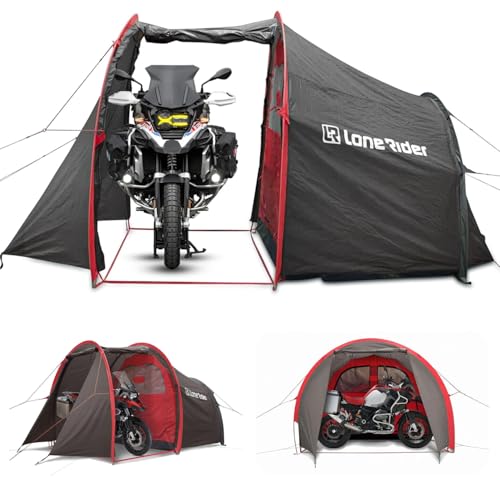
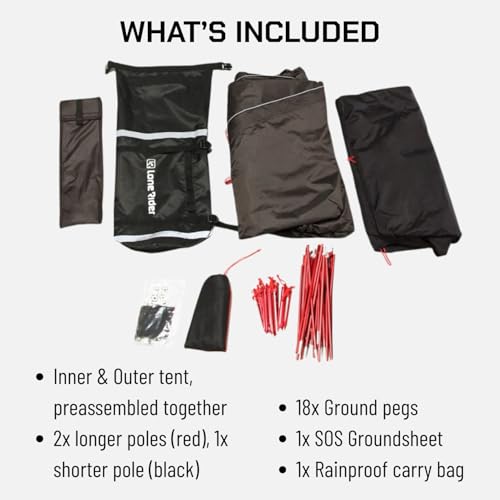
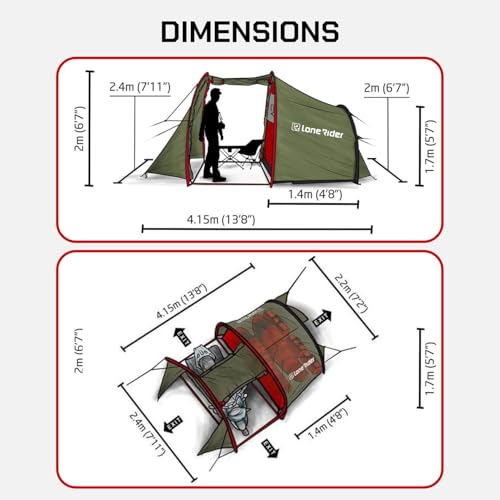
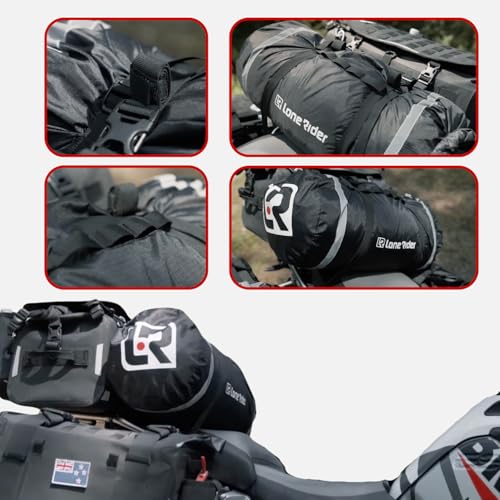
Lone Rider Motorcycle Tent with Bike Compartment
Strengths
- Exceptional waterproof rating
- Spacious sleeping and storage
- Fast, intuitive setup
Trade-offs
- Heavier than rivals
- Packed size is large
- Premium price
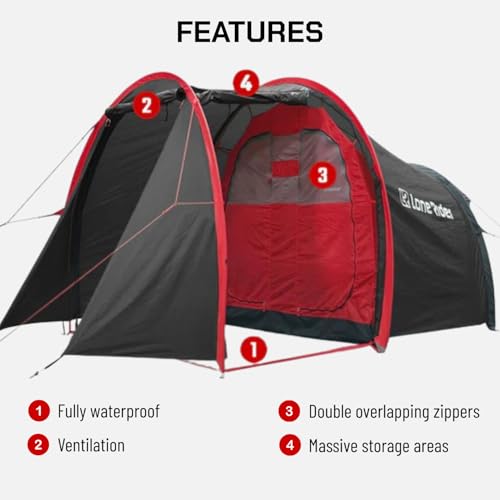
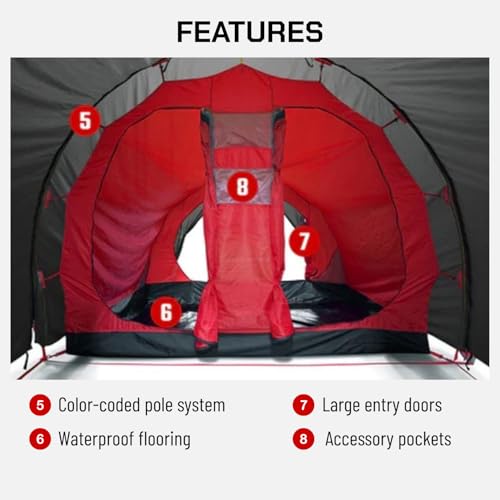
This is the standout for serious riders who want one shelter that does it all. With a 10,000mm waterproof rating, it’s built for downpours and cold snaps, far exceeding the 3000mm standard of most competitors. The separate garage compartment is genuinely garage-sized, fitting full-dress tourers, and the stand-up height in the sleeping area is a luxury after long days on the road.
Owners praise the color-coded poles and fast setup, even solo. It’s heavier than ultralight options, but the trade-off is stormproof confidence. Compared to the Ayamaya, it’s more durable and better sealed. Against the DOD, it’s less stylish but more rugged. I’d pick this over others for cross-country trips where weather is unpredictable.
Product photos
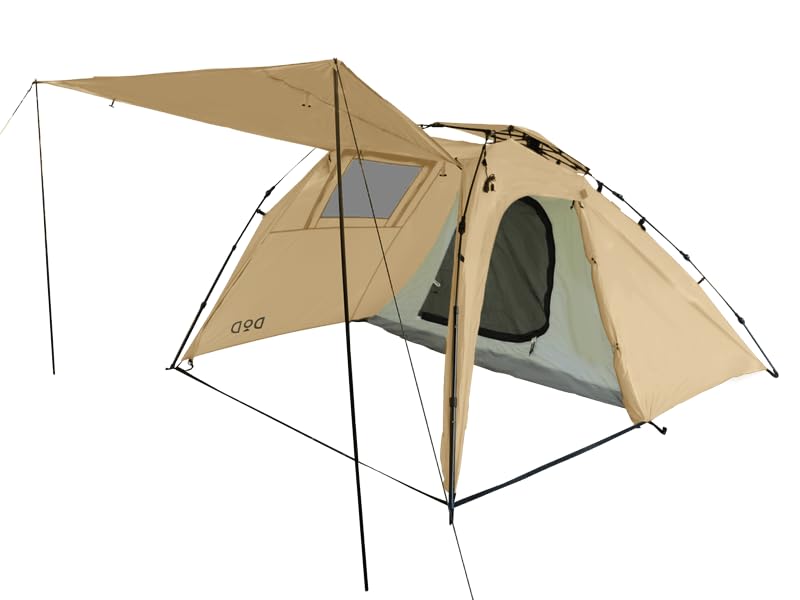
DOD Moto 1Pull Tent for Camping
Strengths
- Instant 1Pull setup
- Compact footprint
- Durable Japanese design
Trade-offs
- Limited headroom
- Vestibule tight for large bikes
- No floor in vestibule
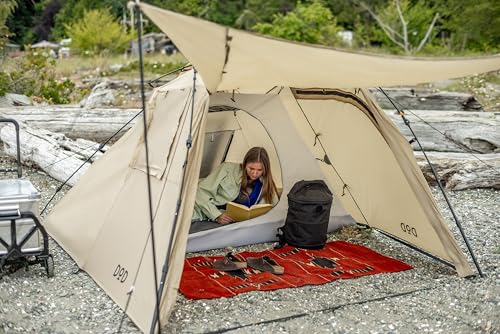
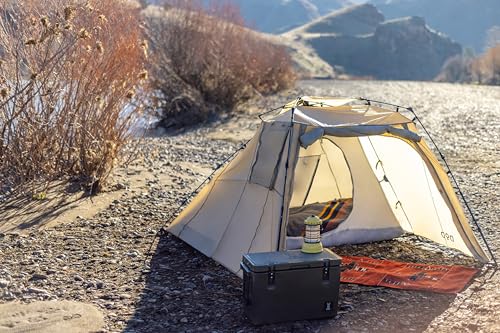
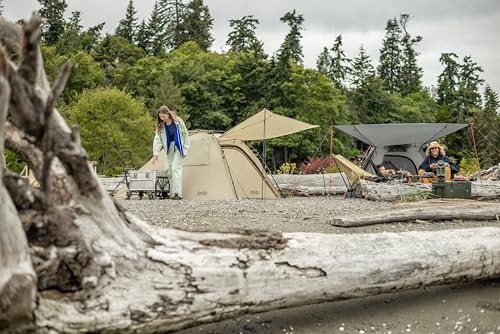
If speed is your priority, this tent delivers. The 1Pull system really does let you pitch it in under a minute, a godsend after a long ride when rain is moving in. The two-room dome layout gives you a mesh sleeping cabin and a dry vestibule for your bike or gear, and the low profile handles wind better than taller tunnels.
It’s not the most spacious, and the waterproofing isn’t rated as high as the Lone Rider, but DOD’s build quality is trusted in the field. Owners say it’s durable and surprisingly comfortable for two. Compared to the Ayamaya, it’s easier to set up solo and more compact, but sacrifices some floor space. For car campers or moto-campers who value convenience, this is the smart buy.
Product photos


camppal 1 Person Tent for Backpacking

Strengths
- Strong four-season build
- Long sleeping area
- Fast 3-minute setup
Trade-offs
- Minimal ventilation
- No included footprint
- No bike-specific storage
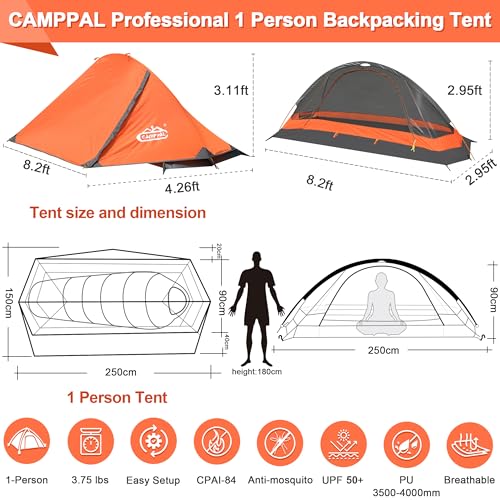
This is a no-nonsense, four-season shelter built for harsh conditions. The 3500–4000mm waterproof rating, taped seams, and single ridge pole make it a tank in wind and snow. At 3.75 lbs, it’s competitive in weight, and the 8.2-foot length is a rare win for taller solo hikers or riders who don’t want to curl up at night.
Setup takes just minutes, and the aluminum pole is proven stable in storms. While it lacks a built-in vestibule for bikes, you can rig a tarp over the front to protect gear. Compared to the Naturehike, it’s slightly heavier and less ventilated, but more rugged. For winter bikepacking or alpine routes, this is the tougher choice.
Product photos



Naturehike Bikepacking 1 Person Tent

Strengths
- Ultralight and compact
- Excellent ventilation
- Freestanding design
Trade-offs
- No dedicated bike storage
- Small interior for tall users
- Single person only
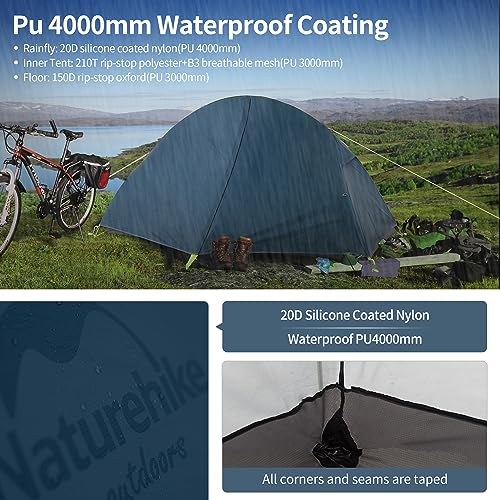
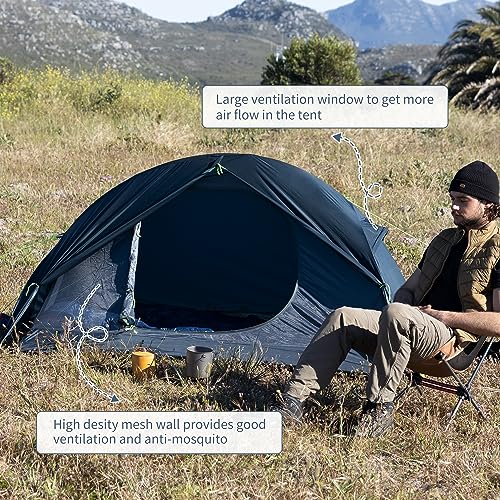
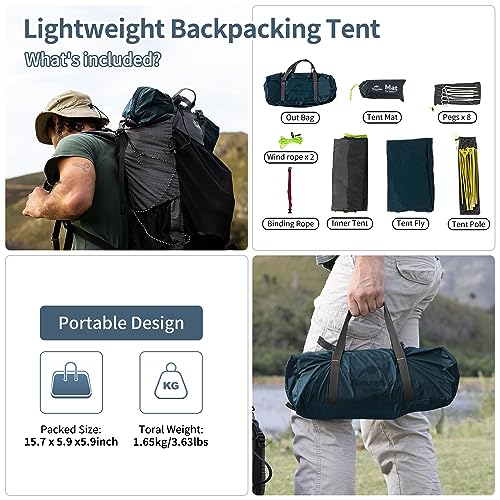
This is a sleek, ultralight solution for solo riders who value weight savings and ventilation. At just 3.63 lbs and packed into a compact 15.7-inch bag, it’s made for covering miles, not just parking overnight. The PU4000mm rating and taped seams mean it laughs off rain, and the double-layer design with B3 mesh keeps condensation low, a real issue in single-wall tents.
It’s freestanding, which is rare in this class, and the D-shaped door makes entry smooth. While it lacks a dedicated bike garage, the vestibule can shelter gear. Compared to the CampPal, it’s lighter and better ventilated, though slightly less wind-resistant in extreme gusts. For fast-and-light missions, this is my top pick.
Product photos


Ayamaya 4 Person Tunnel Tent with Vestibule
Strengths
- Spacious two-room layout
- Vestibule doubles as shelter
- Good ventilation with dual doors
Trade-offs
- Heavy for bikepacking
- Bulky packed size
- Not freestanding
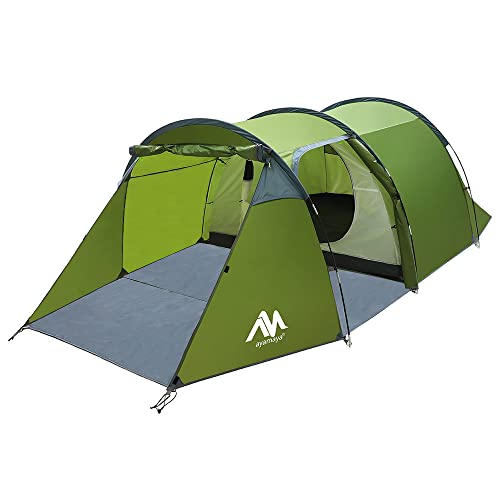
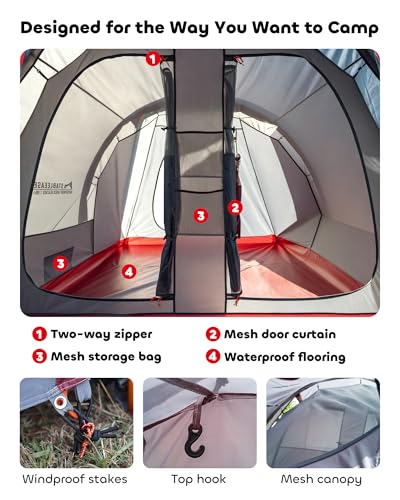
This tunnel tent makes a strong case for group bikepackers or small families who need space and separation between sleeping and gear zones. The two-room layout is smart, letting you stash a bike or motorcycle in the vestibule while keeping the sleeping area clean and dry. On paper, the 3000mm waterproof rating is solid for three-season use, and owners consistently report it holds up in steady rain, though it’s not built for alpine storms.
Setup is straightforward with shock-absorbing poles, and the dual doors improve airflow, a real plus when two people are cooking or lounging inside. Compared to the DOD Moto 1Pull, it’s bulkier and less instant, but you gain more usable floor space. That said, it’s heavier and less packable than true bikepacking-focused models.
Product photos


2 Person Motorcycle Tent Lightweight Shelter
Strengths
- Affordable price point
- Decent weather resistance
- Bike storage vestibule
Trade-offs
- Basic materials
- Not freestanding
- Limited headroom
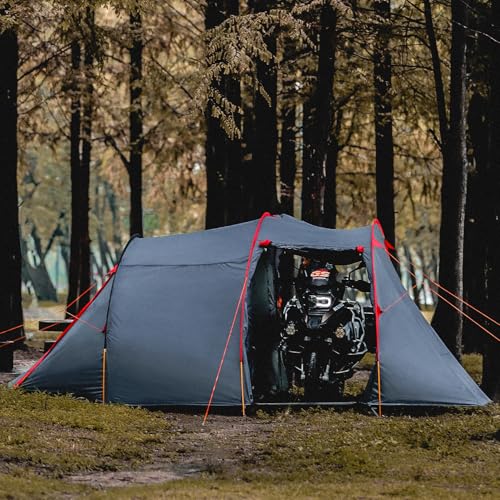
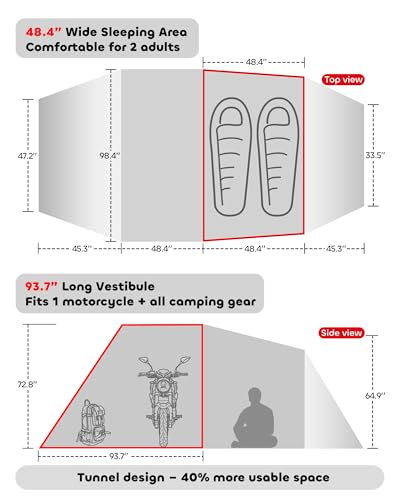
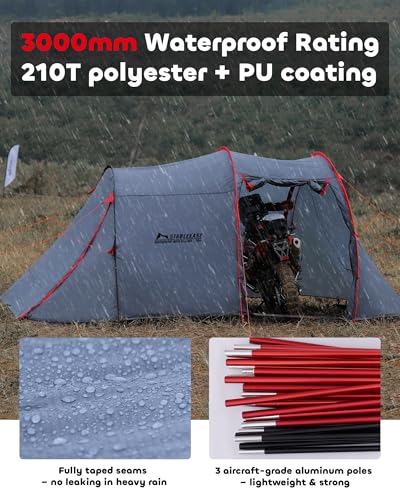
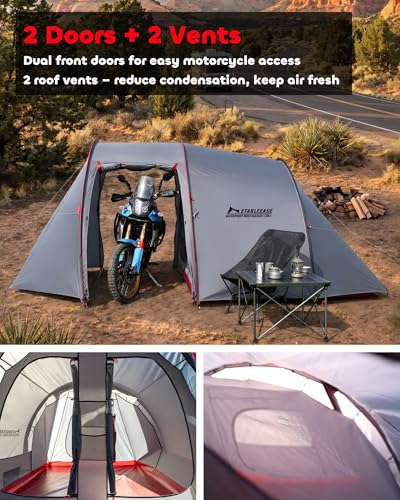
This budget-friendly tunnel tent hits the basics: it’s got a vestibule for bike storage, a 3000mm waterproof rating, and a design that sleeps two. The specs suggest decent weather protection, and owners say it performs well in light to moderate rain. The aluminum poles are aircraft-grade, which helps with durability, but the tent isn’t freestanding, so pitching it takes a little more finesse on uneven ground.
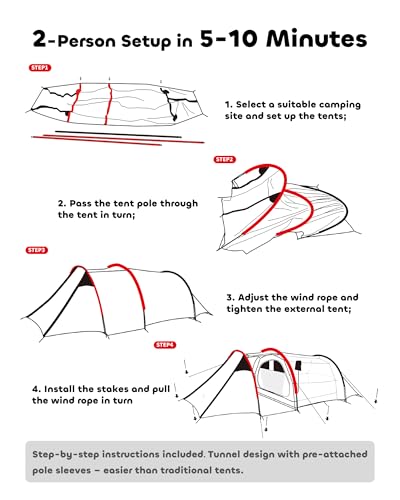
Compared to the Lone Rider MotoTent, it’s less robust, the waterproof rating and build quality just aren’t in the same league. But for occasional riders or weekend campers who don’t want to splurge, it’s a functional pick. The 5–10 minute setup is manageable, though not as fast as the DOD 1Pull.
Product photos
Bike Tent Portable Storage Sheds
Strengths
- Excellent weather protection
- Large storage footprint
- Quick assembly
Trade-offs
- No sleeping area
- No floor or inner tent
- Not designed for camping
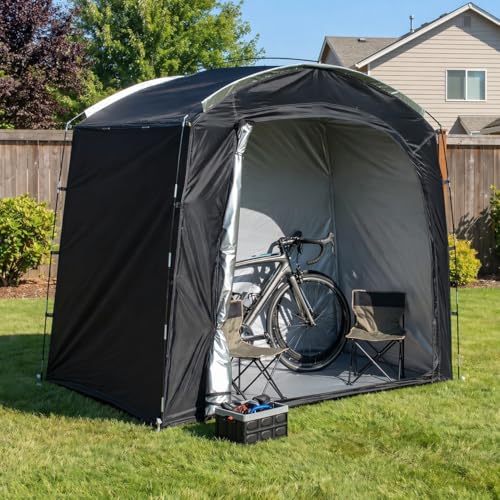
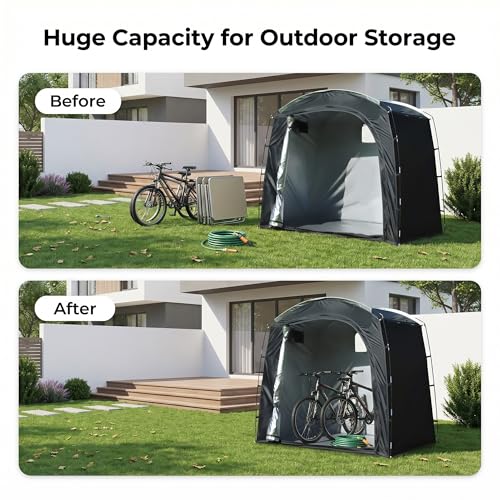
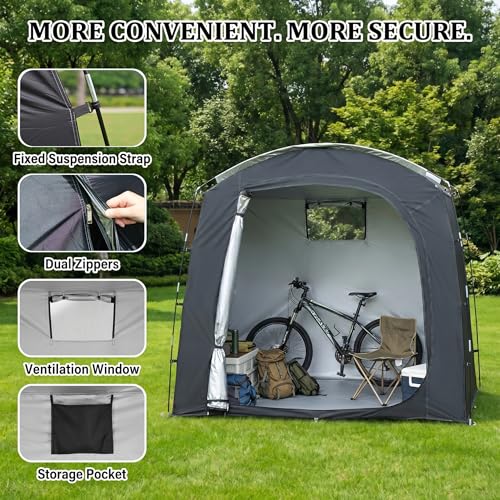
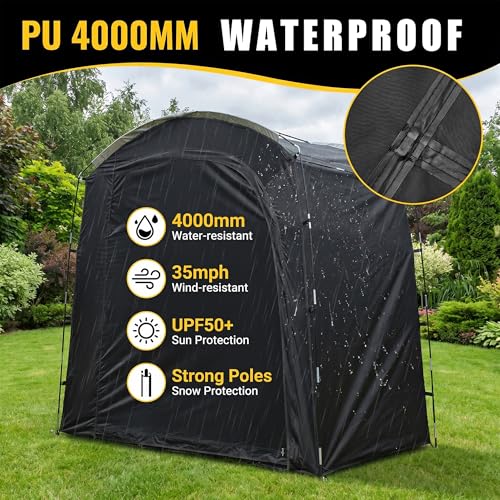
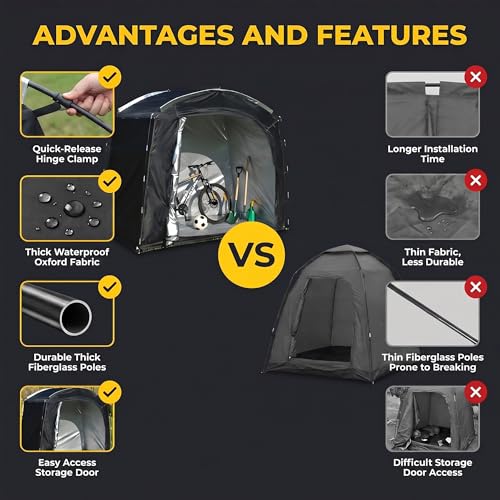
This isn’t a camping tent at all, it’s a portable storage shed designed purely to protect bikes and gear from sun, rain, and dust. The PU4000 waterproof rating and 210D Oxford fabric mean serious weather resistance, and the full-zip door makes access easy. Reviewers note it’s stable in wind when staked properly, and the lightweight frame helps with frequent setup and takedown.
But let’s be clear: you can’t sleep in this. It has no inner tent, no floor, and no ventilation for human occupancy. It’s a garage alternative, not a shelter. If you’re a biker with a yard or need to protect multiple e-bikes or tools, this is a practical solution. But if you’re looking to camp, look elsewhere.
Product photos

How We Chose These tents for bikers
I approached researching tents for bikers by first compiling specifications and features from numerous manufacturers and retailers. I then weighed those details against owner reviews from sites like Amazon and dedicated motorcycle forums, and cross-referenced them with expert opinions from outdoor gear review websites. This wasn’t about owning and camping in each tent myself; rather, it’s a research-led comparison of reported performance and design elements, applied with my experience in understanding what makes a good shelter for outdoor adventures.
For this category, the most important factors were waterproofness, ease of setup, and dedicated bike storage. A tent needs to reliably protect both rider and machine from the elements, and quick setup is crucial when you’re already on the road. Dedicated bike storage – whether a garage-style compartment or a spacious vestibule – directly addresses the unique needs of motorcycle travelers and separates these tents from standard backpacking options.
Specifications reliably indicate waterproof ratings and materials used, providing a baseline for weather protection. However, I placed more emphasis on owner feedback regarding real-world performance in rain and wind, and on the durability of poles and seams. Reputable reviews also helped me assess the accuracy of manufacturer claims and identify potential weaknesses in design or construction. If you’re considering adding a tent to your motorcycle setup, understanding how to properly install roof rack tent is also important to consider.
How To Pick The Right tents for bikers
Choosing a tent for motorcycle or bicycle touring requires a bit more thought than picking one for backpacking. You’re not just carrying it; you’re often trying to shelter both yourself and your ride.
A good motorcycle tent balances weather protection (look for at least 3000mm waterproof ratings and taped seams), ease of setup (critical when you’re already road-weary), and dedicated space for your bike. Prioritize durable materials, a robust frame, and features like a separate vestibule or garage area for secure storage. Weight is still a factor, but often secondary to protection and usability.
Size and Bike Accommodation
The biggest differentiator with these tents is, unsurprisingly, the space dedicated to your motorcycle. Don’t assume a “two-person” tent will comfortably fit two people and a bike. Many tents advertise a “garage” area, but the actual usable space can vary wildly. The Ayamaya 4 Person Tunnel Tent, for example, offers a significant vestibule, but it’s worth checking dimensions against your specific bike’s footprint. If you’re leaning towards a smaller shelter, look into compact bikepacking shelters designed for solo adventures.
Waterproofing and Materials
Motorcycle touring often means being caught in unpredictable weather. While all tents claim some level of waterproofing, pay close attention to the hydrostatic head rating (measured in mm). A rating of 3000mm is a reasonable minimum, but 5000mm or higher is preferable, especially if you plan to ride in consistently wet conditions. Beyond the rating, look for features like fully taped seams, a bathtub floor (to prevent water from seeping in), and durable fabrics like ripstop polyester or nylon. Consider that heavier materials will add weight, so it’s a balance.
Setup and Portability
After a long day on the road, the last thing you want is a complicated tent setup. The DOD Moto 1Pull Tent boasts a quick setup system, which is a major plus for solo travelers. Simpler is generally better. Also, consider the packed size and weight. While you won’t be backpacking miles, you’ll still need space on your bike for the tent and accessories. The Naturehike Bikepacking 1 Person Tent prioritizes a small pack size, which is ideal if space is limited. Don’t underestimate the benefit of color-coded poles and clear instructions; checking owner reviews for comments on ease of setup is always a good idea.
A tent’s waterproof rating is only as good as its weakest link. Ensure all seams are sealed, and the floor is adequately protected.
Before committing, investigate reliable tent brands to ensure quality construction and materials.
Tents for Bikers Compared
This table provides a spec-by-spec comparison of tents designed with bikers and their motorcycles in mind.
| Product Title | Capacity | Waterproof Rating (mm) | Weight (lbs) | Motorcycle Storage? | Setup Time |
|---|---|---|---|---|---|
| Lone Rider Motorcycle Tent | 2 | 10,000 | N/A | Yes | Fast |
| DOD Moto 1Pull Tent | 2 | N/A | N/A | Yes | Quick |
| camppal 1 Person Tent | 1 | 3500-4000 | 3.75 | No | 3 minutes |
| Naturehike Bikepacking 1 Person Tent | 1 | 4000 | 3.63 | No | < 5 minutes |
| Ayamaya 4 Person Tunnel Tent | 4 | 3000+ | N/A | Yes | 5 minutes |
| 2 Person Motorcycle Tent | 2 | 3000 | N/A | Yes | 5-10 mins |
| Bike Tent Portable Storage Sheds | N/A | 4000 | 8.7 | Yes | < 15 mins |
Frequently Asked Questions
What waterproof rating is truly sufficient for motorcycle touring tents?
A rating of 5000mm is best for motorcycle touring, as riders are more exposed and likely to encounter prolonged rain. While 3000mm offers basic protection, higher ratings provide a significantly greater margin of safety and comfort in unpredictable weather.
Are “quick setup” tents actually easier to pitch solo after a long ride?
Yes, tents with quick-setup designs – like the DOD Moto 1Pull Tent – are noticeably easier for solo travelers to pitch when fatigued. These systems often use pre-attached poles or simplified designs to reduce setup time and physical effort.
Beyond the main tent body, what accessories should I budget for?
Footprints are essential to protect the tent floor from abrasion and moisture. Consider a quality tent repair kit, guylines for increased stability, and potentially a ground sheet for added insulation and waterproofing under the tent.
If I’m primarily a bicycle tourist, can I get away with a standard backpacking tent?
You can, but dedicated motorcycle tents offer advantages. Standard options may lack the space for gear or a covered area for your bike, so consider lightweight two-person backpacking tents if space is at a premium and you don’t need a dedicated bike shelter.
How important is the tent’s weight if I’m traveling on a motorcycle?
While weight is less critical than with backpacking, it still matters. Excess weight impacts fuel efficiency and bike handling. Aim for a balance between durability, features, and a reasonable packed weight – typically under 10 pounds for a two-person tent.
What Actually Matters
Ultimately, choosing a tent for motorcycle travel comes down to balancing convenience with protection. If you want a shelter that prioritizes quick setup and dedicated bike storage above all else, the Lone Rider Motorcycle Tent stands out as a well-designed option. It addresses the specific needs of riders who want to minimize fuss and maximize security for their machine.
For those on a tighter budget, or those who prioritize a lightweight design, the Naturehike Bikepacking 1 Person Tent offers a compelling blend of affordability and portability. And if you anticipate needing space for extra gear or passengers alongside your bike, the Ayamaya 4 Person Tunnel Tent provides a larger footprint with a usable vestibule.
More than any waterproof rating or pole material, remember that a successful trip relies on a shelter that suits your style of travel. Before finalizing your tent selection guide, think about the typical conditions you’ll encounter, how much space you genuinely need, and how much time you’re willing to spend on setup and breakdown. These fundamentals will make the biggest difference when you’re miles from home.
