
Must Haves For Tent Camping
This post contains affiliate links. As an Amazon Associate, we earn from qualifying purchases.
Successful tent camping requires essential gear such as a sturdy tent, a cold-weather sleeping bag, a portable camp stove with lightweight cookware, strong headlamps or LED lanterns, and a first aid kit. Organizing your gear inside the tent for easy access at night is also important. Below, you will find further explanation and additional tips to ensure a comfortable and well-prepared camping experience.
Essential Facts in 30 Seconds
- Select a roomy tent with a rainfly and footprint to protect against moisture and dirt.
- Bring a portable camp stove and lightweight cooking utensils for cooking.
- Pack a first aid kit with personal medications and waterproof storage.
- Carry reliable lighting such as headlamps and lanterns for nighttime visibility.
- Include fire safety items like a fire extinguisher and water for putting out embers.
Shelter & Sleeping Essentials
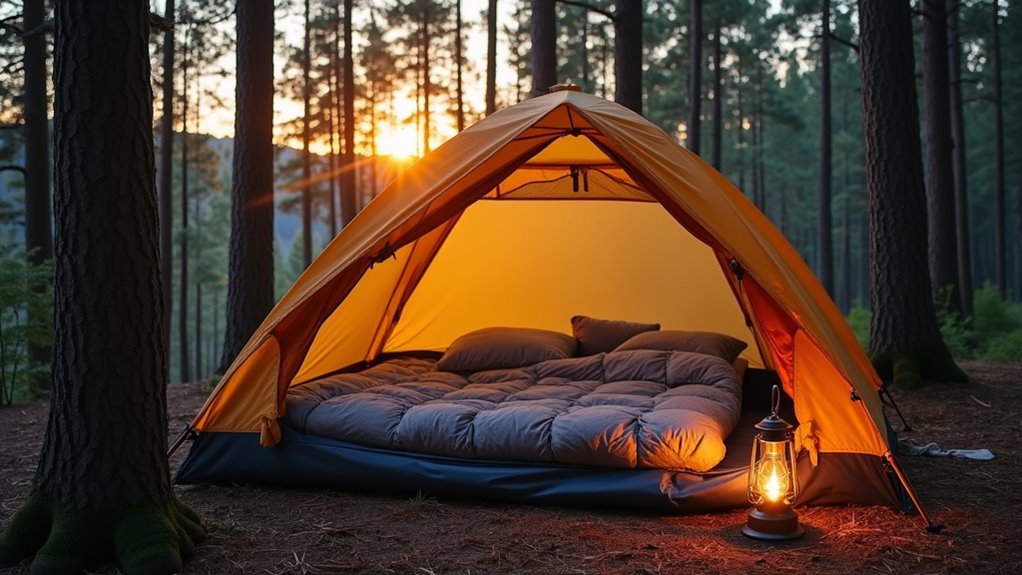
A good tent makes camping much better. Dome tents stay strong and offer space. Cabin tents give more headroom. Tunnel tents work well for longer trips.
Pick a tent one size bigger for comfort and gear. Use a rainfly and footprint to keep the tent dry and clean, as proper waterproof maintenance is essential for optimal performance.
Sleeping bags need to match the coldest night. Down bags pack small but dry bags work better in wet weather. A sleeping pad stops cold from the ground and adds comfort.
Small pillows or inflatable ones save space. Extra blankets or sleep sacks help keep warm, especially kids. These items make camping cozy and safe. Additionally, consider tent seasonality to ensure your shelter can withstand expected weather conditions.
Lighting & Navigation
Good lighting and navigation tools keep you safe and happy while camping.
Solar lanterns and headlamps light your way and help others see you. Glow-in-the-dark tent stakes mark your spot clearly at night. Strong flashlights guide your steps and can signal for help fast.
These tools make camping easier and safer after dark.
Essential Lighting Tools
Good lighting makes camping safer and more fun. LED lanterns shine bright and spread light evenly. Many recharge and have different light settings.
Battery or solar string lights add a warm, cozy feel. They’re light and simple to hang.
Headlamps free your hands. You can see the path and do tasks easily.
Tent stakes with LED lights mark your tent edges. They help stop trips in the dark.
Portable solar and inflatable lanterns give strong, green light. These tools help you enjoy night activities and stay safe at camp.
Navigation Aids Overview
Finding your way outdoors at night needs more than just good light.
Learn about navigation aids to stay safe and on track. Red and green buoys mark channel sides. Red means starboard (right), green means port (left). Safe water marks show safe paths. Danger marks warn about hazards.
Electronic aids like radio beacons and radar reflectors help you see in low light. Use these tools with your map and watch physical markers to keep your bearings while camping.
Emergency Signaling Devices
Emergency signaling devices keep you safe during tent camping.
Personal Locator Beacons (PLBs) send distress signals with your exact GPS location. These signals work best in remote places where help is far away.
Aerial flares and strobes help rescuers see you at night. Check if these devices suit your camping area before use.
During daylight, use mirrors or bright panels to catch attention. Keep all your signaling devices easy to reach in your gear.
Practice using each device before your trip. Carry backup items like whistles or handheld radios for extra communication.
Good preparation with these tools improves your chances of a quick rescue. Stay safe, enjoy your camping with confidence.
Camp Kitchen & Food Supplies
A good camp kitchen makes cooking outside fun and easy. A portable camp stove works best. Use the right fuel—propane or cartridge. Lightweight pots and pans help cook many dishes. A cast iron skillet grills food well. A cooler keeps food fresh, especially with ice packs. Resealable bags stop food from getting dirty.
Here is a simple list for your camp kitchen:
| Item | Use | Note |
|---|---|---|
| Camp stove | Cook meals | Use propane or cartridge |
| Pots and pans | Cook food | Lightweight, easy to pack |
| Cooler | Keep food cold | Use ice packs |
| Utensils | Handle food | Bring different types |
| Trash bags | Keep area clean | Collect waste |
With these items, enjoy tasty meals under the sky. Cooking outside can be easy and fun.
Tools & Repair Items
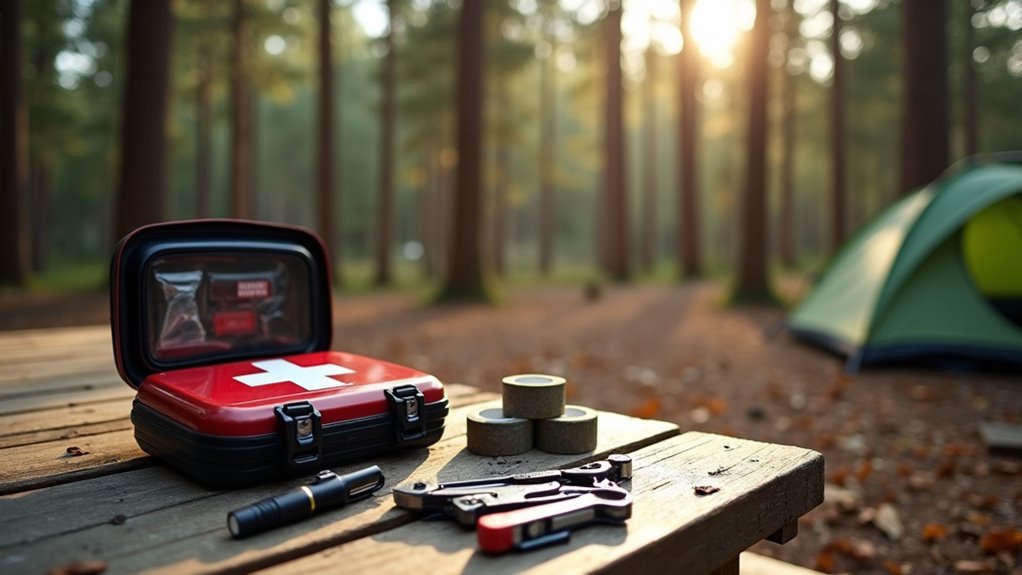
Cooking outdoors feels fun and exciting. Still, you must prepare for any problem at camp. A multi-tool pocket knife helps with many tasks. It cuts food and fixes gear fast. Scissors work well for cutting fabric and rope. A hatchet chops firewood easily.
Carry a tent-pole repair sleeve to fix broken poles. Duct tape seals small tears in tents or gear. Bring a mallet or hammer to push tent stakes into the ground. Extra stakes keep your tent stable in wind. Regularly check the zipper functionality of your tent to prevent issues during your trip.
Zip ties and bungee cords fix broken gear quickly. A small sewing kit repairs holes in fabric. Packing these tools keeps you ready for anything. Regular maintenance ensures your tent remains functional and comfortable. Enjoy camping with comfort and safety.
Clothing & Personal Gear
Dressing in layers keeps you comfortable as temperatures change.
Pack a waterproof jacket to stay dry in rain.
Wear socks that pull moisture away from your feet.
Use clothes that block the sun to protect your skin.
Bring quick-dry towels to stay fresh after washing.
Carry insect repellent to avoid bug bites.
These items help you enjoy your outdoor adventure safely and comfortably.
Layering for Versatility
Layering clothes helps you stay comfortable while tent camping.
Start with a base layer made of merino wool or synthetic fabric. These pull sweat away from your skin and keep you dry.
Next, add a mid layer like fleece or an insulated jacket. These keep warmth in but still let air pass through.
The outer layer should block wind and rain without trapping wetness.
Wear two pairs of socks—a thin liner and a thicker sock—to keep your feet warm and dry.
Use warm hats and gloves for your head and hands. You can take these off or put them on as the weather changes.
This way, you stay warm, dry, and ready for any weather.
Weather Protection Essentials
Weather protection makes tent camping safe and fun. Rain can come fast and strong.
Wear waterproof jackets with sealed seams. They stop rain and wind well. Use waterproof pants or rain chaps to keep legs dry. Quick-dry synthetic base layers help manage sweat and keep warmth. Waterproof boots keep feet dry and prevent blisters. Bring extra pairs just in case. A waterproof hat shields your face from rain and sun. Additionally, ensure you have proper ventilation needs to maintain a safe and comfortable environment inside your tent.
Pick tents with a high hydrostatic head rating; they block heavy rain. Use rain flies for extra shelter. Secure tents with strong stakes and guylines to hold against wind. Additionally, using insulating techniques can help retain warmth inside your tent during chilly nights.
Staying dry means a happy camping trip.
Personal Hygiene Items
Personal hygiene matters a lot during tent camping. It keeps you healthy and comfortable. Facilities may not always be nearby. Pack the right items to stay clean and fresh.
Bring biodegradable soap for washing your body. It’s safe for nature. Carry toilet paper or use natural alternatives like leaves or snow. Hand sanitizer helps clean your hands when water is low. Pick one that’s alcohol-based and unscented.
Don’t forget feminine hygiene products. Quick-dry towels dry fast and save space. Use a laundry bag to keep dirty clothes separate.
These simple items stop illness and make camping more enjoyable. Enjoy the outdoors with good hygiene habits.
Safety & Comfort
Start your tent camping trip by focusing on safety and comfort. Pack a first aid kit with bandages, antiseptic wipes, ointment, and your medicines. Make sure the kit is waterproof and check expiration dates often.
Carry fire safety tools like a fire blanket, a fire extinguisher spray, and water to put out embers. Always put out campfires completely to stop wildfires.
Bring strong headlamps and lanterns for light at night. Use a tough tent with a ground tarp and secure all stakes to resist wind and rain. It’s also important to clean your tent after each trip to maintain its durability and prevent mildew.
Sleep better with a sleeping bag made for the weather and a camping pillow for neck support. Keep clean with soap, hand sanitizer, and insect spray to avoid bugs. Additionally, be sure to check the weather forecast before heading out to ensure you’re prepared for any conditions.
Enjoy your camping with these simple, smart steps.
Frequently Asked Questions
How Do I Choose the Right Campsite Location?
Pick a campsite on flat, even ground. This helps you sleep well and stay safe. Find a spot with natural shelter like trees or rocks. These protect you from wind and sun. Avoid places near water that can flood after rain. Stay away from busy trails or noisy areas. Check the ground for sharp rocks or bugs. Face your tent entrance away from the wind. These simple steps make camping more comfortable and safe.
What Should I Do With Food Scraps While Camping?
Campers should use compost bins for food scraps when available. Carry all trash out if no composting is nearby. Keep food sealed tight to stop animals from coming. Follow park rules for handling waste safely. This helps protect nature and keeps animals safe. Clean campsites make camping better for everyone.
How Can I Stay Warm in Cold Weather?
Wear thermal clothes to keep your body heat inside. Use insulated sleeping bags to stay warm at night. Layer your clothes well. Start with a base layer that moves sweat away from your skin. Add middle layers for warmth. Keep your sleeping bag tight around you to trap heat. Cold weather can drop temperatures below freezing. Staying dry is key because wet clothes make you cold fast. Warm hands and feet help your whole body feel better. Use hats and gloves to protect these areas. Simple steps like these can keep you warm and safe.
What Are Some Tips for Camping With Kids?
Camping with kids can be fun and safe. Plan simple games like scavenger hunts and nature crafts. Kids enjoy stories around the campfire. These activities keep them busy and excited. Fresh air and outdoor play help children learn and grow. Most kids feel happier outside. Prepare snacks and water to keep energy up. Bring a first-aid kit for safety. Staying organized makes camping smooth. Kids remember fun moments and love nature more.
How Do I Prevent Wildlife Encounters While Camping?
Camping near wildlife? Keep food and trash in bear-proof containers. Store all items far from your tent. Pick a flat, open campsite. This stops animals from coming close. Make noise while walking to warn animals. Keep your camp clean to avoid attracting them. Stay alert and respect nature’s space. Safe camping means fewer wildlife surprises.
Conclusion
Tent camping needs the right gear to make your trip safe and fun. Start with a strong tent like the REI Half Dome. It keeps you dry and protected from wind. A small stove, such as the MSR PocketRocket, helps you cook meals quickly. Carry a first-aid kit to handle minor injuries. Don’t forget tools like a flashlight and a multi-tool. These items keep your camp running smoothly. Good gear and a positive attitude turn camping into a great adventure. Nature becomes your friend, and memories last forever.