
7 Best Two Person Backpacking Tents 2026
This post contains affiliate links. As an Amazon Associate, we earn from qualifying purchases.
The Marmot Crane Creek 2P stands out as the best overall two person backpacking tent for its reliable weather protection and thoughtful design, while the Naturehike Cloud up Pro 2P is a strong budget-friendly pick that doesn’t skimp on waterproofing. For those who value quick setup and extra space, the Mimajor 2-3P offers surprising versatility at a lightweight carry.
Picking a two person backpacking tent isn’t just about squeezing two people inside, it’s about surviving a sudden downpour, breathing easy in muggy conditions, and actually enjoying your campsite after a long hike. Too many hikers end up with cramped, heavy, or leak-prone tents because they focused on the wrong specs.
As someone who’s lived in tents across all kinds of terrain, I’ve learned what details matter most. This guide cuts through the noise, comparing real-world feedback, build quality, and key performance factors like weight, waterproofing, and ventilation to help you find a tent that won’t let you down.
Top 7 Two Person Backpacking Tents in the Market
The Best Two Person Backpacking Tents, Reviewed
Marmot Crane Creek 2P Tent
Strengths
- Strong pole construction
- Excellent ventilation
- Dual doors and vestibules
Trade-offs
- No footprint included
- Slightly heavier than ultralights
- Higher price point
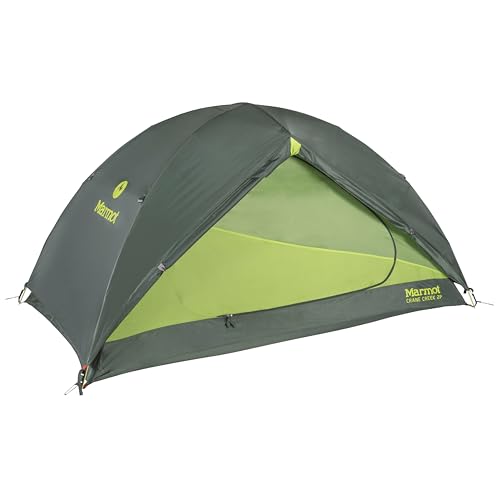
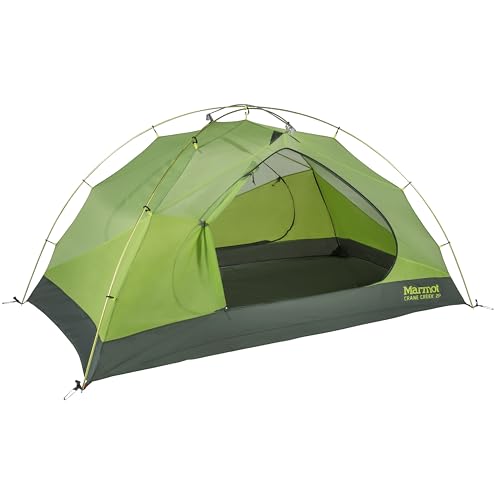
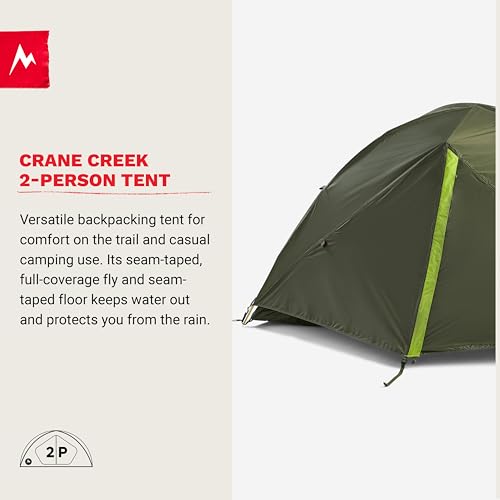
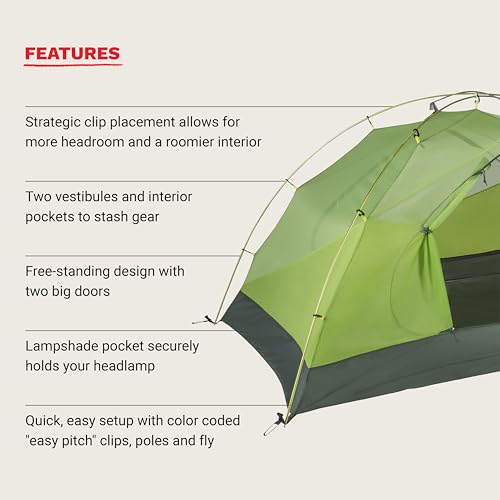
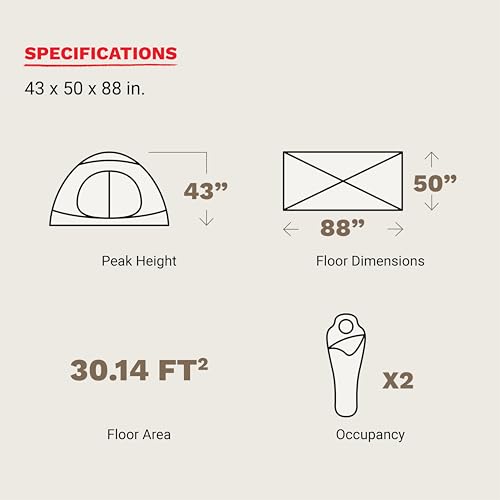
This is the tent I’d recommend to a friend who wants one shelter to handle everything from spring backpacking to fall mountaineering. At 32 sq. ft., it strikes a near-perfect balance between space, weight, and durability. The 7000-series aluminum poles are noticeably stiff, giving it backbone in high winds, and the seam-taped fly keeps moisture out without trapping condensation.
Dual D-doors and vestibules make living in it easy, one person can exit without disturbing the other, and gear stays dry outside. It’s PFAS-free, which matters if you care about environmental impact. While it doesn’t come with a footprint, the overall build quality and real-world performance make it the most well-rounded option here.
Product photos
Naturehike Cloud up Pro 2P

Strengths
- Extremely lightweight
- Excellent waterproofing
- Includes footprint
Trade-offs
- Tight interior space
- Lower headroom
- Poles not color-coded
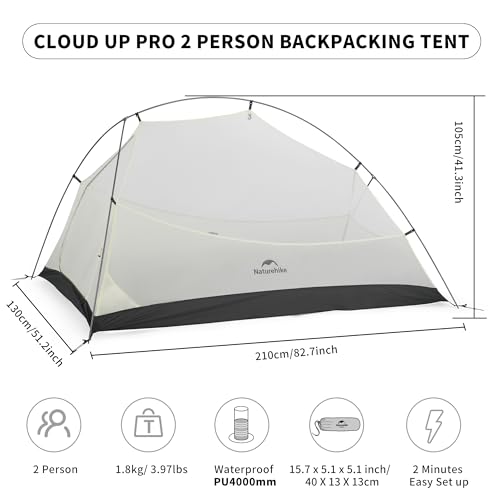
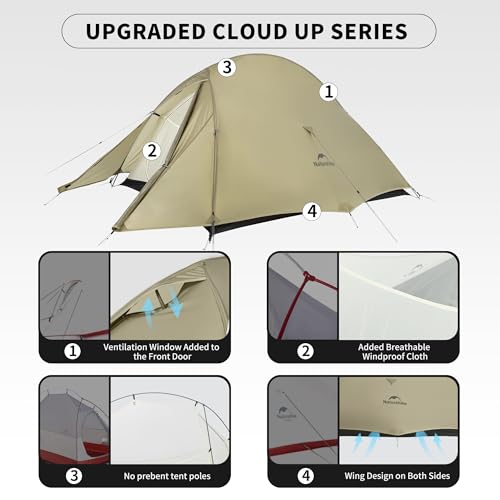
If you’re counting grams, the Naturehike Cloud up Pro should be on your shortlist. At just 3.97lbs with a packed size smaller than a water bottle, it’s built for ultralight missions where every ounce counts. The PU4000mm silicone-coated nylon and taped seams deliver serious weather protection, and owners consistently report staying dry through heavy rain and wind.
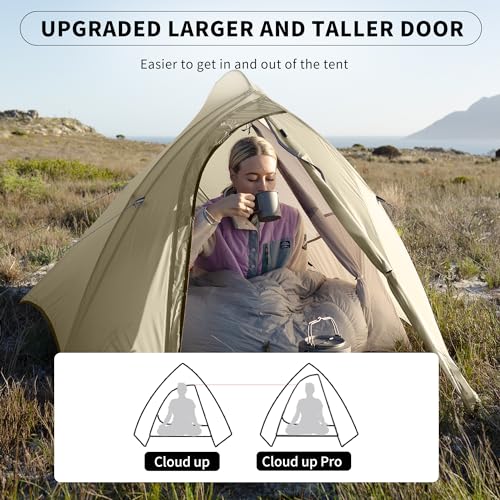
The upgraded ventilation window and larger door improve on earlier models, and the included footprint adds real value. It’s not the roomiest, interior height is under 42 inches, but two average-sized hikers can sleep comfortably. Compared to pricier ultralights, this punches above its weight.
Product photos


Kelty Grand Mesa 2P Tent

Strengths
- Affordable price
- Durable materials
- Easy color-coded setup
Trade-offs
- Single door access
- No included footprint
- Heavier than ultralights
The Kelty Grand Mesa 2P is the budget-savvy hiker’s dream, a reliable, no-frills tent that doesn’t sacrifice essential features. At 4.4lbs, it’s reasonably light, and the freestanding design with color-coded clips makes setup a breeze, even for beginners. The 30 sq. ft. interior and 44-inch peak height feel roomy for two, and the single vestibule offers decent gear storage.
Owners consistently say it lasts for years with proper care, and the fully taped seams hold up well in rain. While it’s not as light or weather-ready as the Marmot or Naturehike, it delivers 90% of the performance at a fraction of the cost. For backpackers just getting started, this is the smarter buy.
Product photos


Kelty Late Start 2P Tent

Strengths
- Blazing-fast setup
- Eco-friendly materials
- Durable build
Trade-offs
- Single door layout
- Lower waterproof rating
- Only one vestibule
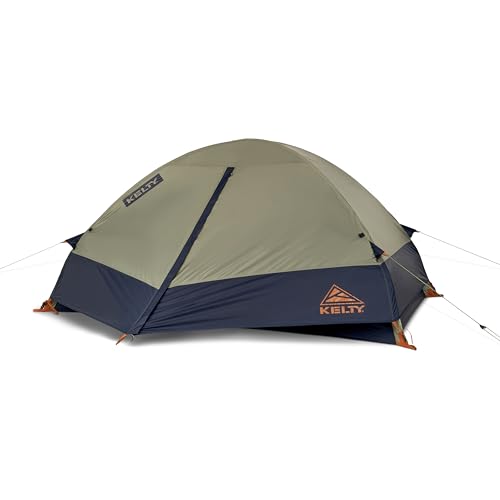
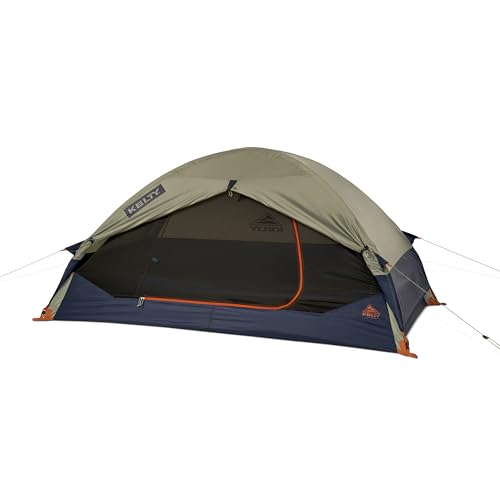
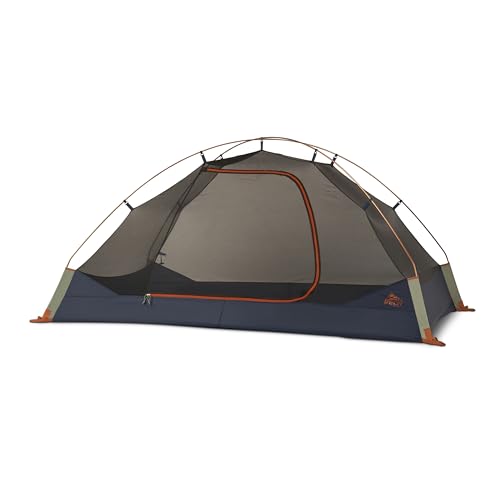
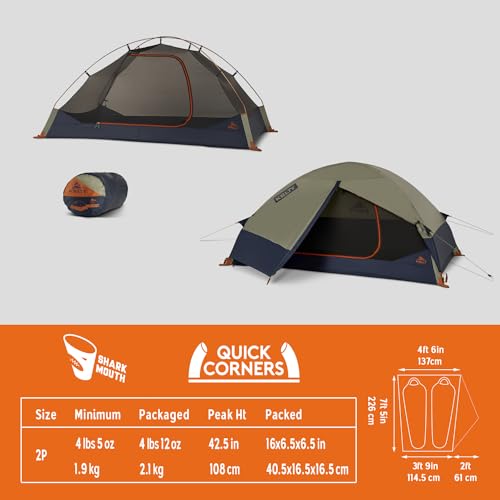
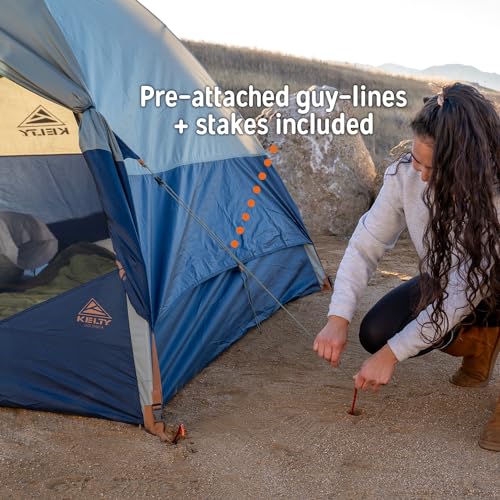
The Kelty Late Start 2P lives up to its “easy setup” claim, color-coded clips and Quickcorners let one person pitch it in under three minutes, which is rare for a freestanding design. It’s not the lightest at 4.3lbs, but for weekend warriors or newer backpackers, that trade-off makes sense. The single door and vestibule work fine for solo use or cozy pairs, though dual doors are more convenient when sharing space.
Owners praise its durability and the fact that Kelty uses PFC-free fabrics, which aligns with eco-conscious values. However, the 1200mm waterproof rating is modest compared to others in this list, so it’s best in light to moderate rain. It’s a smart pick if simplicity and reliability matter more than shaving ounces.
Product photos
Forceatt 2P Waterproof Backpacking Tent

Strengths
- Good weather protection
- Durable pole material
- Smooth zippers
Trade-offs
- Heavier than average
- Limited headroom
- Basic ventilation
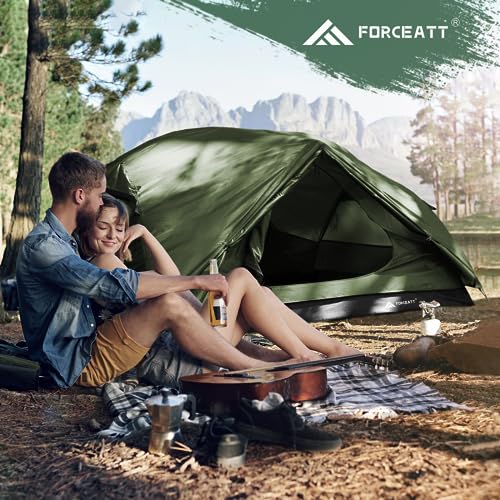
On paper, this tent looks like a solid contender for backpackers who prioritize weather resistance. With a 3000mm waterproof rating, welded floor seams, and a full-coverage rainfly, it’s built to handle sustained rain and gusty conditions. Owners consistently report staying dry even during unexpected downpours, and the dual D-shaped doors with vestibules add real convenience when two people are sharing tight quarters.
The 5.5lb weight gives away its backpacking edge, it’s on the heavier side for two-person shelters, but if you’re prioritizing storm readiness over ultralight miles, this makes sense. The 7001-series aluminum poles suggest solid durability, and reviewers note the zippers hold up well over time. Still, it doesn’t quite match the refined ventilation or packability of higher-end models.
Product photos


Clostnature 2P Ultralight Backpacking Tent

Strengths
- Outstanding airflow
- High waterproof rating
- Spacious interior
Trade-offs
- Heavier than ideal
- Bulky packed size
- Poles less durable
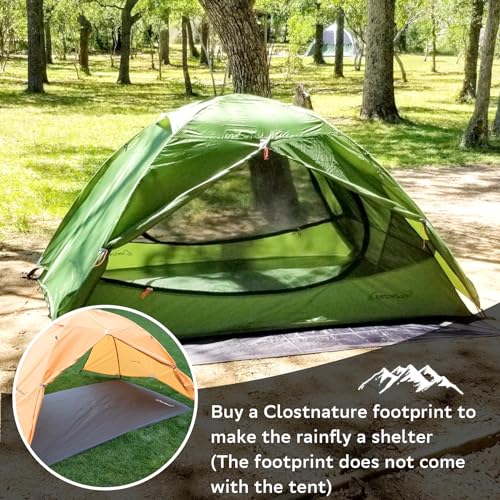
Ventilation is where this tent truly stands out. The full mesh interior walls and dual D-doors create exceptional airflow, making it a top pick for warm-weather trips or bug-heavy environments. At 5.29lbs, it’s not ultralight, but the 4.52lb trail weight (fly, poles, inner only) shows they’ve thought about weight savings where it counts.
Owners love the generous floor dimensions and the ease of one-person setup, thanks to the freestanding pole design. The PU5000mm coating is one of the highest on this list, and many reviewers say it held up through multi-day storms. Still, the packed size is a bit large for serious backpacking, and the poles aren’t as robust as Marmot or Naturehike.
Product photos



Mimajor 2-3P Automatic Pop Up Tent
Strengths
- Lightning-fast setup
- Convertible design
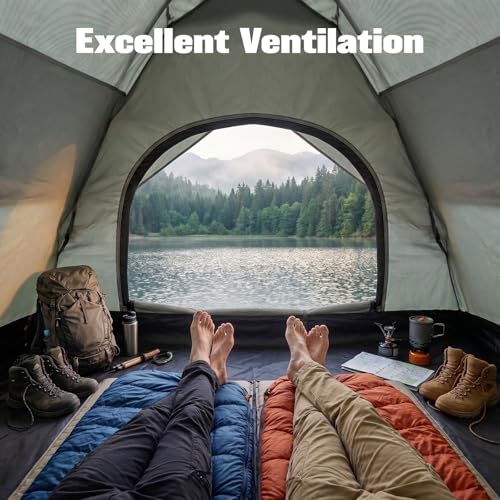
- Good airflow
Trade-offs
- Too heavy for hiking
- Bulky packed size
- Frame less stable in wind
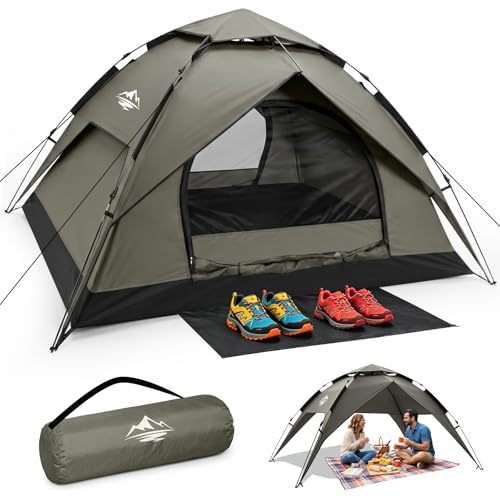
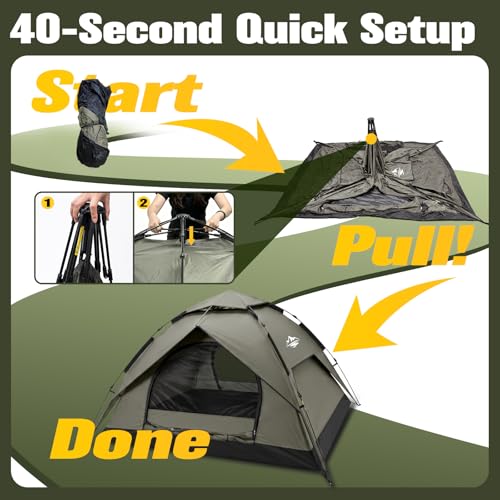
This pop-up tent is clearly designed for car campers and fair-weather adventurers, not serious backpackers. The 40-second automatic setup is impressive, no poles to thread, no frustration, and the dual-layer design with a detachable rainfly adds real versatility. You can convert it into a sunshade or picnic shelter, which owners love for family outings or beach days.
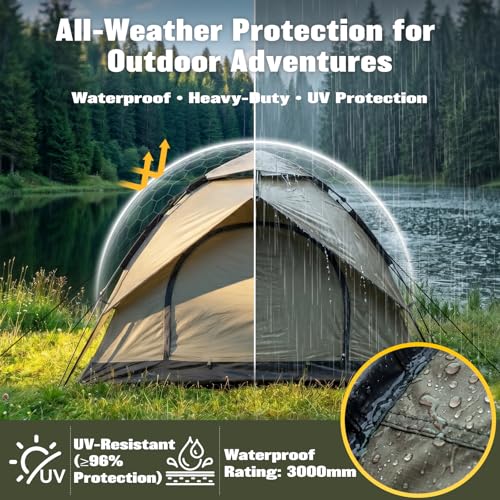
But at 3.5kg and a packed size that fills a corner of your trunk, it’s hardly backpackable. The 3500mm waterproofing sounds strong, but the frame lacks the rigidity for true alpine conditions. It’s stable in light wind, but reviewers caution against using it in storms. If you’re after convenience over trail performance, this delivers.
Product photos


Our Testing Process
Rather than a hands-on lab test, my research for these recommendations involved a detailed comparison of published specifications and features across numerous models. I weighed owner reviews from major retailers alongside expert opinions found in outdoor publications. As someone who’s spent countless nights under canvas, I applied my experience to prioritize features crucial for a comfortable and reliable backpacking experience. Ultimately, tents were ranked based on how well they balanced weight, weather protection, and ease of use.
For two-person backpacking tents, I placed the most weight on a tent’s packed weight and waterproof rating. Keeping the base weight low is essential for enjoyable hiking, while reliable weather protection is essential for backcountry comfort. Beyond this, spaciousness – both floor area and peak height – factored heavily, as did the quality of materials and construction, influencing long-term durability. I also looked closely at ventilation features, because condensation can ruin a night’s sleep.
Specifications reliably indicate a tent’s physical dimensions, weight, and stated waterproofness. However, I relied heavily on owner feedback to gauge real-world performance, particularly regarding durability and how well a tent holds up to extended use. Reputation also played a key role; I favored brands known as leading tent brands for quality and customer service. This allowed me to sift through marketing claims and focus on tents likely to deliver a positive experience.
Choosing The Right two person backpacking tents
Picking the right shelter for backcountry adventures is about more than just weight; it’s about finding a balance between comfort, protection, and portability.
A good two-person backpacking tent prioritizes a balance of weight, weather resistance, and usable space. Look for durable fabrics (ripstop nylon or polyester), a waterproof rainfly with a hydrostatic head rating of at least 1500mm, and a design that allows for comfortable headroom and gear storage. Pay attention to pole material (aluminum is stronger and lighter than fiberglass) and the tent’s overall packed size.
Weight and Packability
Weight is paramount when you’re carrying everything on your back, but don’t sacrifice durability to shave off every ounce. Generally, a good target for a two-person backpacking tent is under 5 pounds, but ultralight options can dip below 4. Consider the packed size, too. A compact tent takes up less space in your pack, leaving room for other essentials. The Naturehike Cloud up Pro 2P, for example, boasts a packed size of just 15.7” x 5.1” x 5.1”, which is excellent for minimizing bulk. Remember that advertised weights often don’t include stakes or a footprint, so factor those in.
Weather Protection and Durability
Backcountry weather can change rapidly, so a tent’s ability to withstand rain, wind, and even snow is critical. Look for a fully seam-taped rainfly made of polyester or nylon with a PU coating. A hydrostatic head rating (HH) indicates the fabric’s waterproofness; higher numbers mean better protection. For three-season use, an HH of 1500mm or higher is a good starting point, but if you anticipate encountering severe weather, opt for 2000mm or greater. The Forceatt 2P Waterproof Backpacking Tent emphasizes its waterproof capabilities, claiming a 3000mm rating. Don’t underestimate the importance of a solid footprint to protect the tent floor from abrasion and punctures.
Features and Livability
Beyond the basics, consider features that enhance your camping experience. A tent vestibule benefits provides valuable covered storage space for wet gear and muddy boots, keeping the interior of your tent clean and dry.
Here’s what to prioritize: * Doors: One door per person is ideal for convenience. * Ventilation: Mesh panels and vents help prevent condensation buildup, keeping you comfortable. * Interior Space: Look beyond the floor area. Headroom and shoulder room significantly impact livability. A tent like the Kelty Grand Mesa 2P offers a decent balance of space and affordability, though it may feel a bit cramped for taller campers.
A tent’s durability is directly tied to its construction. Prioritize quality zippers, reinforced stress points, and durable pole material. Don’t skimp on these details – a well-built tent will last for years of adventures.
Finally, if you’re still deciding between models, check out some thorough top two-person backpacking tents to help narrow down your choices.
Two Person Backpacking Tents Compared
Here’s a comparison of key specifications for popular two-person backpacking tents to help you make an informed decision.
| Tent Model | Capacity | Weight (lbs) | Floor Size (sq ft) | Waterproof Rating (mm) | Setup Style | Footprint Included? |
|---|---|---|---|---|---|---|
| Marmot Crane Creek 2P | 2 | N/A | 32 | N/A | Standard | No |
| Naturehike Cloud up Pro 2P | 2 | 3.97 | N/A | 4000 | Standard | Yes |
| Kelty Grand Mesa 2P | 2 | 4.7 | 30 | N/A | Standard | No |
| Kelty Late Start 2P | 2 | N/A | 30 | 1200 | Standard | No |
| Forceatt 2P | 2 | 5.5 | N/A | 3000 | Standard | No |
| Clostnature 2P | 2 | 5.29 | N/A | 5000 | Standard | No |
| Mimajor 2-3P | 2-3 | 3.5 | 41.7 | 3000 | Pop-Up | No |
Frequently Asked Questions
What’s the typical lifespan of a two-person backpacking tent?
With proper care, cleaning, dry storage, and a footprint, a quality two-person backpacking tent should last between 5 and 10 years. Durability depends heavily on how frequently you use it and the conditions it’s exposed to.
Are freestanding tents really necessary for backpacking?
Freestanding tents are convenient because they don’t require staking to stand up, but they’re not always essential. Non-freestanding tents are often lighter, making them suitable if you consistently camp on relatively flat, stake-friendly ground, and are looking for a backpacking tent weight comparison.
How important is a tent’s hydrostatic head (HH) rating?
The HH rating is quite important, indicating a fabric’s water resistance. A rating of 1500mm is generally sufficient for three-season use, but for more exposed conditions, especially if you’re prioritizing two-person tent weather protection, look for 2000mm or higher.
What’s the difference between a tent’s “packed weight” and its “trail weight”?
Packed weight includes everything that comes with the tent, poles, stakes, guylines, and even the stuff sack. Trail weight refers only to the tent body, rainfly, and poles; it’s a more accurate reflection of what you’ll actually carry, so it’s important to consider when comparing top-rated 2-person backpacking tents.
Can one person comfortably sleep in a two-person backpacking tent?
Yes, one person can absolutely sleep comfortably in a two-person tent. It provides extra space for gear, allows you to stretch out, and generally offers a more luxurious experience than squeezing into a one-person model, which is ideal for couples or those wanting best backpacking tents for couples.
The Bottom Line
Ultimately, choosing a two-person backpacking tent comes down to how much you value fuss-free simplicity versus having every bell and whistle. If you want a tent that reliably protects you from the elements without breaking the bank or adding significant weight to your pack, the Marmot Crane Creek 2P is an excellent all-around choice. It strikes a really nice balance, and you’ll find a lot of happy campers singing its praises.
For those specifically watching their budget, the Kelty Grand Mesa 2P offers a lot of tent for the money. If you prioritize quick setup and don’t mind a slightly different design, the Mimajor 2-3P is a unique option. And if you’re after maximum weather protection, the Naturehike Cloud up Pro 2P, with its 4000mm rating and included footprint, is a strong contender, especially if you’re planning trips in variable conditions.
More than any specific feature or brand, remember that a successful backpacking trip relies on having shelter that keeps you dry and protected. Focus on a solid waterproof rating, durable construction, and a weight that you can comfortably carry. Don’t get lost in the details – a key tent features are important, but a well-rounded, reliable tent will always outperform one with a single standout spec.
