
What Is a Wall Tent? A Real-World Guide to Canvas Shelters
This post contains affiliate links. As an Amazon Associate, we earn from qualifying purchases.
A wall tent is a heavy-duty, often canvas shelter defined by its four straight vertical walls and a steeply pitched roof, creating a spacious, room-like interior. Designed for base camping, hunting, and four-season use, its defining feature is the ability to safely accommodate a wood-burning stove via a reinforced stove jack, transforming it into a cozy, winter-ready hot tent.
I remember the first time I saw a proper wall tent. It wasn’t in a catalog, but pitched in a snowy Montana meadow, smoke curling from its stovepipe. Inside, it wasn’t camping, it was a warm, dry cabin. My nylon dome tent, sagging with frost a few yards away, felt like a sad plastic bag in comparison.
That experience changed my entire approach to shelter. A wall tent isn’t just a place to sleep; it’s a base of operations. But buying one based on a glamorous product shot is a fast track to disappointment. You need to understand the space, the weight, and the real-world quirks that turn a spec sheet into a comfortable camp. Let’s move beyond the brochure and talk about what living in one is actually like.
Key Takeaways
- Map your floor plan with tape first. The biggest mistake is misjudging size. Use painter’s tape on your driveway to mark the footprint of a 12×14 or 14×16 tent. You’ll instantly see if your cots, stove, and table will fit with room to breathe.
- The stove jack dictates everything. Most factory-installed stove jacks are on the front left wall. This isn’t a suggestion, it’s a layout command. You must leave a 5×5 foot safety zone around it, which permanently anchors where everything else can go.
- Canvas breathes but demands care. Unlike synthetic tents that trap condensation, cotton canvas allows moisture to pass through. The trade-off is weight and maintenance; it must be stored bone-dry to prevent mildew, a lesson I learned the hard way with a musty-smelling tent one spring.
- Beware the sewn-in floor. A tent with a floor attached to the walls is a beast to set up with an internal frame. You end up wrestling the canvas while trying to slot poles together inside a fabric bag. An external frame with a separate groundsheet is far more logical.
- Always size up for groups. A 12×14 foot tent is comfortable for 2-3 people with gear. If the spec sheet says it “sleeps 7-8,” that’s sardine-style. For a group of four who want to move around, you need a 14×16. Trust me, the fourth person doesn’t want to sleep in the gear corner.
What Exactly Makes a Wall Tent Different?
The magic isn’t just in the vertical walls, it’s in the usable volume they create. From the moment you zip the door, you’re in a room, not a sloping cave. You can stand up to get dressed along the entire perimeter, hang a folding sink from a 3M Command Hook on the canvas, and line cots against the wall without losing floor space to a steep angle.
A wall tent is a simple, robust structure consisting of a rectangular floor plan with vertical sidewalls (typically 4-6 feet high) and a steeply pitched roof supported by a central ridgepole. This design prioritizes maximum usable interior space and efficient shedding of weather over lightweight portability, making it a staple for semi-permanent base camps and cold-weather camping.
This rectangular predictability is its superpower for planning. You can sketch a real furniture layout. That’s why hunters and expedition crews have used them for over a century; you can live in them, not just occupy them.
Common mistake: Choosing a wall tent for its iconic look without verifying the frame type. An external A-frame or box-frame is standard and manageable. An internal frame with a sewn-in floor, however, can turn a simple setup into a frustrating, multi-person ordeal as the heavy canvas snags on pole joints.
Canvas vs. Synthetic: It’s a Sensory Choice
Your first night in a canvas wall tent is a sensory experience. The smell is distinct, a warm, woolly scent when the stove is lit, different from the plasticky odor of new nylon. The sound of rain is a soft patter, not a loud drumming. This is because traditional cotton duck canvas is breathable. Moisture from your breath and cooking passes through the fabric, drastically reducing the internal condensation that plagues synthetic shelters on multi-day trips.
The trade-off is commitment. A 10×12 canvas tent can weigh over 80 pounds and requires diligent care. It must be stored completely dry, or mildew will destroy it. I learned this after hastily storing my first canvas tent slightly damp in a garage over winter; the musty smell never fully came out. Modern alternatives like heavy-duty polyester or nylon are lighter, pack smaller, and dry faster, but they often sacrifice that breathability, which is a key comfort factor for longer stays. Many of the best canvas tents with stove jacks use this classic cotton duck for a reason.
How to Choose the Right Size (The Tape-Outline Method)
Manufacturers love to advertise “sleeps” numbers, which are pure fantasy for actual living. Those numbers assume about 20 square feet per person, sleeping bag to sleeping bag, with zero gear. For a comfortable basecamp where you have cots, a stove, a table, and room to move, you need 30-40 square feet per person.
| Tent Size | Advertised Capacity | Realistic Comfort Capacity | Ideal Use Case |
|---|---|---|---|
| 8×10 ft | 3-4 people | 1-2 people + gear | Solo hunter or couple on short trips. |
| 10×12 ft | 5-6 people | 2-3 people + gear | Small family or hunting duo wanting dedicated gear space. |
| 12×14 ft | 7-8 people | 3-4 people + gear | The classic basecamp for a small group. My go-to for 2-3 people. |
| 14×16 ft | 9-11 people | 5-7 people + gear | Larger groups or longer-term stays where a social area is needed. |
| 16×20 ft | 12-16 people | 8-10 people + gear | Expedition groups or commercial outfitting. |
The most practical advice I ever got came from a tent maker’s YouTube video: don’t guess, tape it out. Grab painter’s tape and mark the rectangle of your prospective tent size on your driveway. Then, mark the mandatory 5×5 foot stove zone in the front left corner. Use boxes or chairs to represent cots (7’x3′) and a table.
You’ll see instantly if a 12×14 feels spacious or claustrophobic. This physical test proved to me that trying to fit four adults in a 12×14 means someone’s footbox is way too close to a hot stovepipe. For true group comfort where everyone can stand up and move, you’re better off looking at dedicated tents for big groups designed for that purpose.
TL;DR: For every two people in the advertised “sleeps” number, subtract one to find a comfortable, livable capacity that includes gear and walking space.
The Heart of Winter Camping: Stove Jacks & Safety
A stove jack is a reinforced, heat-resistant port that allows a stovepipe to pass safely through the tent wall. It’s the feature that transforms a three-season shelter into a four-season heated camping shelter. Its fixed location, usually on the front left wall, is the cornerstone of your entire floor plan.
Before you start: Using a wood stove inside a tent introduces serious risks of fire and carbon monoxide poisoning. Never operate a stove without a proper, manufacturer-installed stove jack rated for high heat. Always maintain a 5×5 foot clear zone around the stove, use a spark arrestor on the pipe, and keep both a fire extinguisher and a battery-powered carbon monoxide detector inside the tent at all times.
The critical safety standard to look for is CPAI-84. This is a specific flame-resistance test for camping tent fabrics. Compliance isn’t universal, so you must check. A model like the White Duck Alpha Wall Tent comes with a pre-installed, silicone-coated stove jack designed for this purpose, which is far safer than a DIY retrofit.
Installing a stove jack yourself is a gamble. Cutting into the wrong fabric or using an improper sealant can create a lethal hazard. If you plan to use a tent wood stove, invest in a tent designed for one from the start.
Key Features That Make or Break the Experience
Once you’ve mapped your floor and stove zone, the comfort, and frustration, is in the details.
- The Frame: An external frame (ridgepole, eaves, uprights) is the classic, user-friendly setup. You build the skeleton, then drape the canvas over it. An internal frame with a sewn-in floor is the opposite; you’re assembling poles inside a connected tub of heavy fabric, which is notoriously difficult.
- Doors & Windows: Look for a sturdy, large D-door with a two-way zipper and a full bug screen. Windows with storm flaps and screens are non-negotiable for ventilation, especially when a stove is running.
- Material & Treatment: Canvas is typically either polyurethane-coated (highly waterproof, less breathable) or acrylic-treated (very breathable, water-repellent). The choice affects how you manage internal humidity.
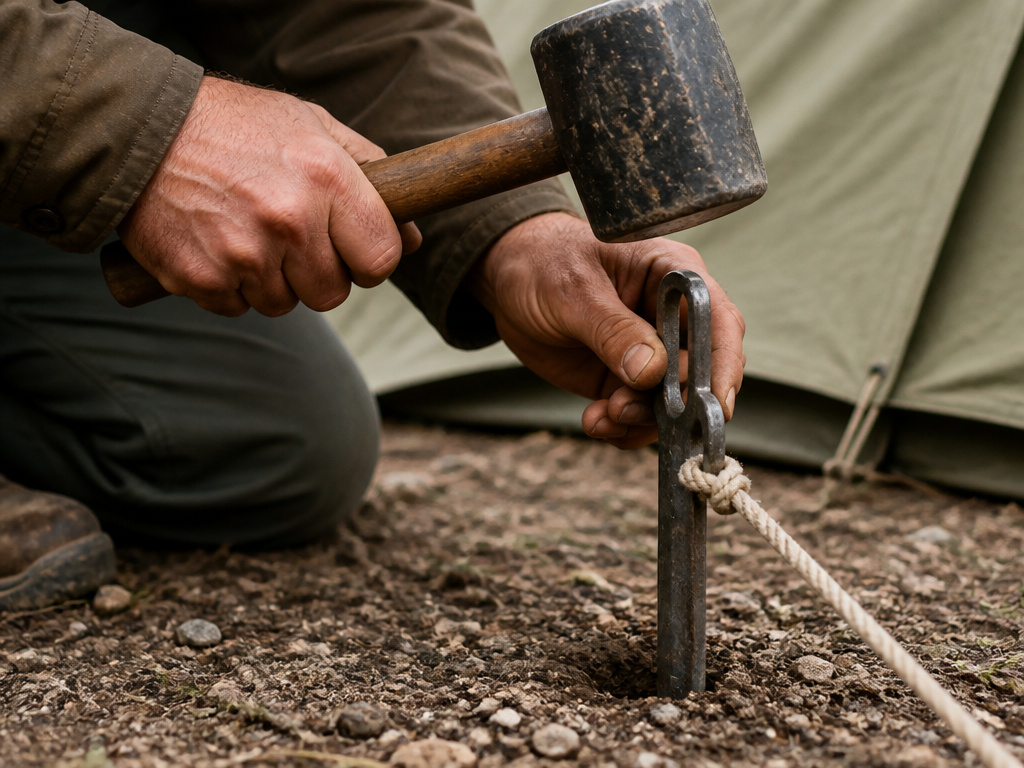
- Anchoring: A wall tent is a sail. You need robust, 10-inch steel stakes for the corners and plenty of guy lines for the walls. In high winds, proper anchoring is more critical than the tent itself. For consistently severe conditions, a dedicated storm-resistant shelter with a lower profile might be a better tool for the job.
Common mistake: Storing a canvas tent while it’s even slightly damp. Mildew can set in within 48 hours in a warm garage, permanently damaging the fabric and creating a foul odor. Always dry it completely, which can take a full sunny day, before packing it away for the season.
The Seasoning Step First-Timers Miss
If you buy a new cotton canvas tent, it requires “seasoning.” The fabric has a natural sizing that makes it initially shed water poorly. You need to set it up, lightly soak it with a garden hose or sprayer, and let it dry completely. The cotton fibers swell as they get wet and tighten the weave as they dry, dramatically improving its water bead-off. I did this with my first canvas tent in the driveway; it took a sunny afternoon, but the difference in rain performance was immediate.
How Does a Wall Tent Compare to Other Shelters?
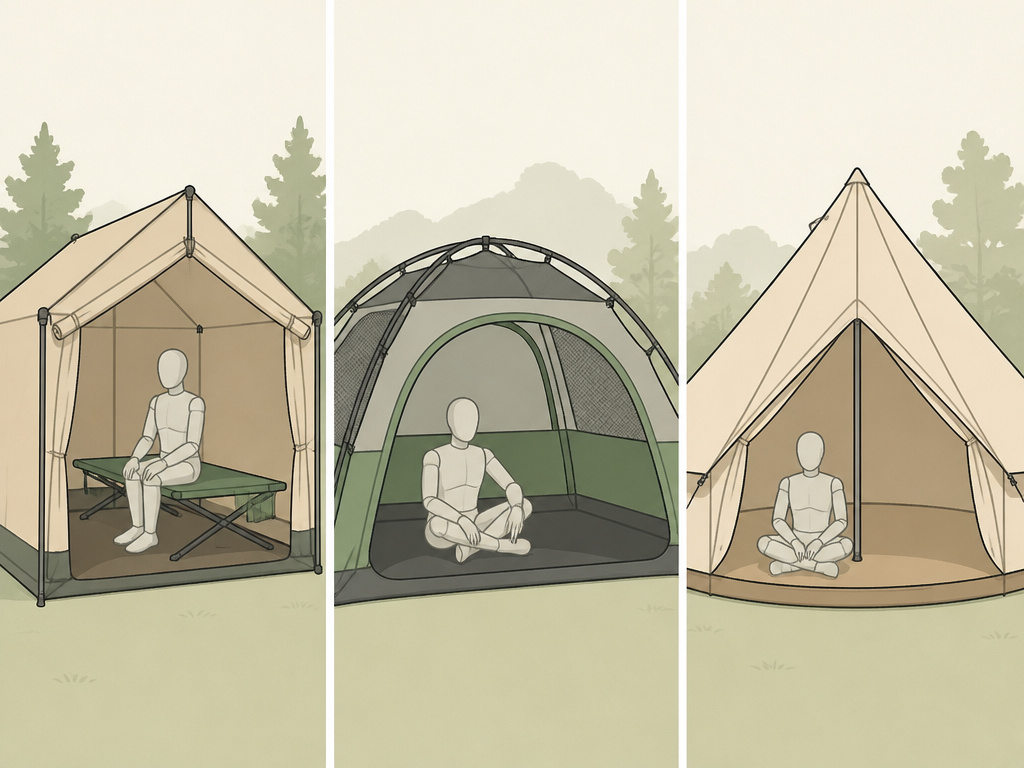
It’s a specialized tool. Here’s how it stacks up against common alternatives.
Wall Tent vs. Modern Hot Tent
A modern hot tent is often a lightweight, synthetic, geodesic dome or tunnel tent with a stove jack. It’s designed for backpacking in winter. The wall tent is heavier, made of canvas, and designed for base camping where you don’t move daily. The hot tent prioritizes weight; the wall tent prioritizes livable space and durability.
Wall Tent vs. Family Cabin Tent
A large family camping shelter might offer similar floor area, but its walls slope dramatically. You lose the usable perimeter space for cots and gear. Family tents are made of lighter nylon, aren’t designed for stoves, and prioritize easy setup and ventilation for three-season use.
Wall Tent vs. Bell Tent
Both are often canvas, but the shapes dictate function. A bell tent has a circular floor plan and a single central pole, offering great headroom only in the center. The wall tent’s rectangular footprint is far more efficient for fitting rectangular furniture like cots and tables, making better use of the entire floor space. You can learn more about the traditional design and its military origins from the Wikipedia entry on wall tents.
Your choice boils down to trip style. For a week-long stationary hunt in November, a canvas wall tent is king. For a winter backpacking trip where you move each day, a synthetic hot tent wins. For summer car camping with the kids, a mesh-heavy spacious family shelter is likely the best fit.
Frequently Asked Questions
Are wall tents only for cold weather or hunting?
Not at all. While their stove compatibility makes them legendary for winter and fall hunting camps, they are fantastic for any group wanting a spacious, stand-up shelter for long-term camping, glamping, or even as a semi-permanent backyard structure. The durability handles extended stays better than most nylon tents.
Can I add a stove jack to a tent that doesn’t have one?
You can, but I strongly advise against it unless you are an expert seamstress working with a kit from the tent’s manufacturer. Cutting into the wrong fabric or using an improper heat-resistant patch creates a severe fire hazard. It’s safer and more reliable to buy a tent designed as a winter-ready canvas tent from the start.
How do you heat a wall tent without a wood stove?
For shoulder seasons, a portable propane heater like a Mr. Buddy (used with extreme caution and ventilation) can take the edge off. However, for true winter conditions, nothing matches the dry, radiant heat and ambiance of a small wood-burning tent stove. It’s a core part of the wall tent experience.
What’s the best way to clean and maintain a canvas tent?
Never use a washing machine or harsh detergents. Set it up, sweep out debris, and use a soft brush with mild soap and cold water to spot-clean dirt. For mildew, a dilute vinegar solution can help. The single most important step is ensuring it is bone-dry before storage, every seam and fold.
Is a wall tent a good choice for a beginner?
It depends on your patience and help. Setting one up solo is challenging. With a partner and an external frame, it’s a manageable 45-minute job the first time. The learning curve is steepest with the initial seasoning and understanding the sheer physical bulk of the packed tent. Be prepared with the right camping trip supplies, including a heavy-duty mallet and extra-long stakes.
The Bottom Line
A wall tent is an investment in space, comfort, and season-spanning capability, not just a bigger tent. It rewards careful planning and accepts no compromises on safety, especially around a stove. Before you buy, commit to the tape-outline test, it will save you from the heartache of a tent that’s too small. Choose canvas for its breathable, classic performance if you have the dry storage for it, or consider modern synthetic canvas wall tent alternatives for easier care.
Pair your shelter with robust camping organization tools and a mindset that values home-like comfort in the wild. Done right, a wall tent becomes more than gear; it becomes the centerpiece of countless campfire stories and a reliable shelter through rain, wind, and snow.
