
8 Best Hiking Tents of 2026
This post contains affiliate links. As an Amazon Associate, we earn from qualifying purchases.
The best hiking tent for most people is the Clostnature 2 Person, it hits the sweet spot of weight, weather protection, and value. If you’re going solo, the Clostnature 1 Person delivers serious bang for your buck, while the Kelty Grand Mesa 2P offers a roomier, more breathable option for less intense trips.
Most hikers don’t need a tent that’s ultralight if it means sacrificing durability or storm readiness, but you also don’t want to carry a mini shed on your back. The real challenge is finding a shelter that can handle sudden downpours, stay intact in gusty conditions, and still pack down small enough to fit comfortably in your pack.
This guide cuts through the marketing noise. I looked at specs, owner reviews, and real-world performance trends to find hiking tents that actually deliver. These picks balance weight, weather resistance, and ease of setup, because your shelter shouldn’t be a compromise.
Top 8 Hiking Tents in the Market
The Best Hiking Tents, Reviewed
Clostnature 2 Person Ultralight Tent

Strengths
- Excellent waterproofing
- Good ventilation
- Two vestibules
Trade-offs
- Slightly bulky pack size
- Stakes could be stronger
- Zippers occasionally catch
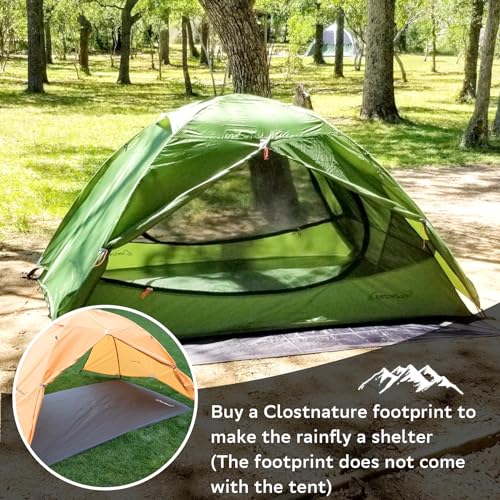
This is the kind of tent I’d actually pack for a multi-day trek. With a PU 5000 coating, sealed seams, and aluminum poles, it’s built to handle real weather, and at 4.52 lbs trail weight, it won’t crush your pack. Owners praise how easy it is to pitch solo, and the two D-shaped doors with vestibules make gear access and ventilation a non-issue.
The mesh-heavy interior keeps airflow strong, which matters when you’re stuck inside during a downpour. Compared to the Kelty Grand Mesa, it’s slightly heavier but offers better waterproofing on paper. For the price, it’s hard to beat: durable, roomy, and genuinely backpacking-capable. My pick for most hikers who want performance without paying premium brand prices.
Product photos



Kelty Grand Mesa 2P Tent

Strengths
- Reliable brand
- Easy color-coded setup
- Durable 68D floor
Trade-offs
- Single door layout
- Slightly less ventilation
- Rainfly could be roomier
Kelty has been making trail-ready tents for decades, and the Grand Mesa 2P shows why they’re still trusted. At 4 lbs 7 oz, it hits the sweet spot between durability and weight, and the color-coded clips and Quick Corners make setup a breeze, even for solo campers. The 68D polyester floor and fully taped seams mean it can take trail abuse season after season.
Reviewers love how stable it feels in wind, and the 30 sq ft floor plan gives two adults actual room to stretch out. Compared to the Clostnature model, it’s a bit lighter on features (single door, smaller vestibule) but feels more refined in its simplicity. If you’re planning a long thru-hike and want a tent that won’t quit, this is the one I’d lean on.
Product photos


Clostnature 1 Person Ultralight Tent

Strengths
- Ultralight trail weight
- Excellent waterproofing
- Large vestibule
Trade-offs
- Slightly longer setup
- Stakes could be upgraded
- Tight for tall users
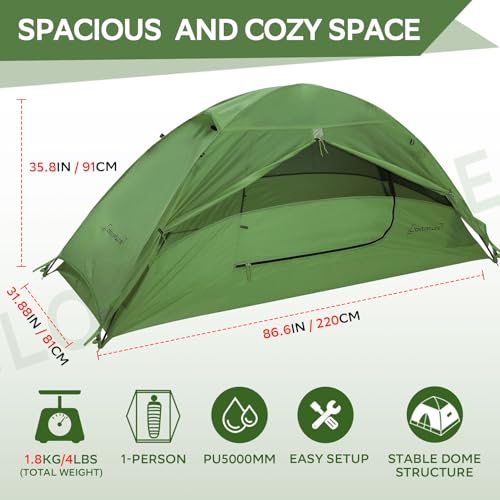
At just 2.97 lbs trail weight, this is one of the lightest true 1-person backpacking tents in this lineup, and it doesn’t sacrifice weather protection. The PU 5000 coating, sealed seams, and aluminum poles make it a real 3-season contender, and owners say it handles rain and wind far better than expected for the price.
The freestanding design and clip-in poles mean setup is a one-person job in minutes. The D-door and large vestibule add convenience, and the mesh walls keep condensation in check. When you compare it to the Night Cat, this one wins on durability and weather resistance, even if it takes a minute or two longer to pitch. For solo backpackers who want lightweight performance without paying premium prices, this is my top recommendation.
Product photos
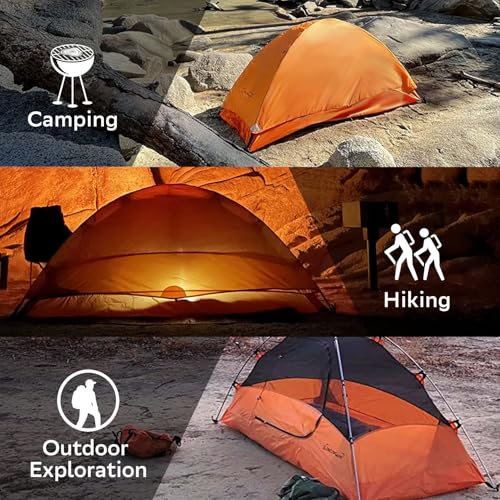
Forceatt 2 Person Backpacking Tent

Strengths
- Affordable
- Waterproof design
- Easy setup
Trade-offs
- Heavy
- Basic ventilation
- Tight interior space
This is clearly the budget pick, and it shows. At 5.5 lbs, it’s heavy for a backpacking tent, but the 7001 aluminum poles and welded floor offer decent durability for the price. The full-coverage rainfly and #8 zippers are solid touches, and owners say it sets up in about 3 minutes with no fuss.
But when you compare it to the Clostnature or Kelty, the trade-offs become clear: thinner ventilation, less refined design, and a tighter fit for two. Still, for someone dipping into backpacking without wanting to invest heavily upfront, it’s a reasonable starting point. Just don’t expect it to excel in extreme conditions or last a decade.
Product photos


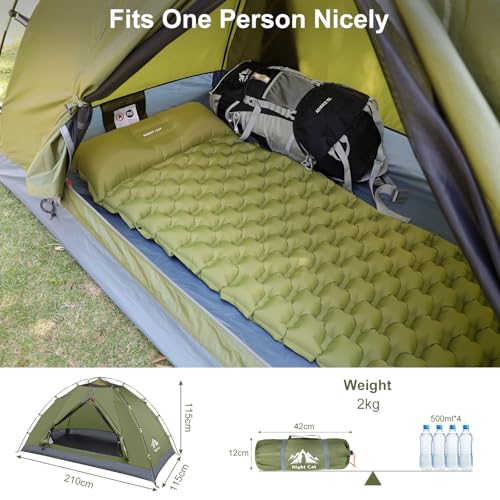
Night Cat Upgraded 1-2 Person Tent

Strengths
- Extremely fast setup
- Compact packed size
- Good ventilation
Trade-offs
- Fiberglass poles
- Not windworthy
- Limited headroom
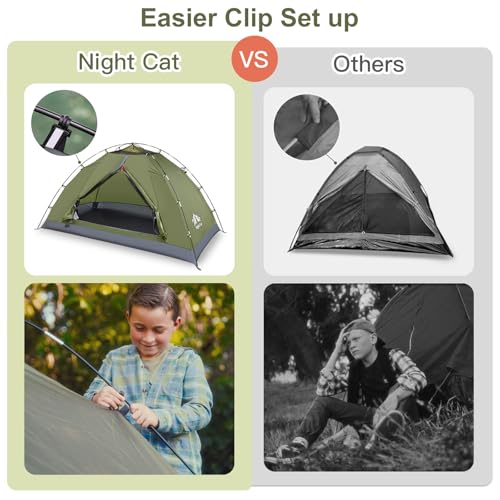
The 1-minute clip setup is not marketing fluff, owners consistently say this is the fastest tent they’ve pitched. The clip system eliminates pole sleeves, which speeds things up dramatically, especially in the dark or rain. At 4.4 lbs, it’s not ultralight, but for a solo hiker, it’s manageable.
The fiberglass poles keep costs down but limit stormworthiness, this isn’t one I’d trust in high winds. The mesh roof vent and door offer decent airflow, and the compact packed size makes it ideal for motorcycle or bikepacking trips. Compared to the Clostnature 1-person model, it’s easier to set up but less durable. I’d pick this for quick overnighters where speed matters more than long-term resilience.
Product photos
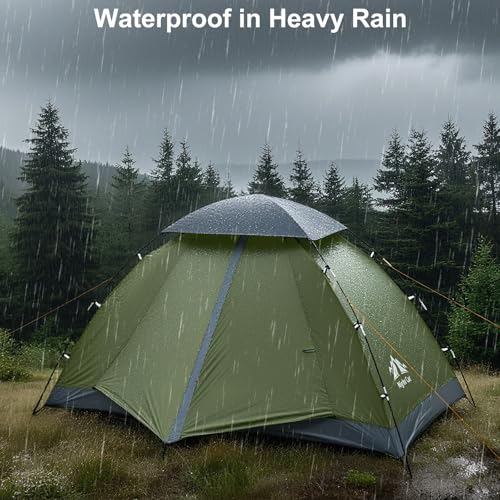
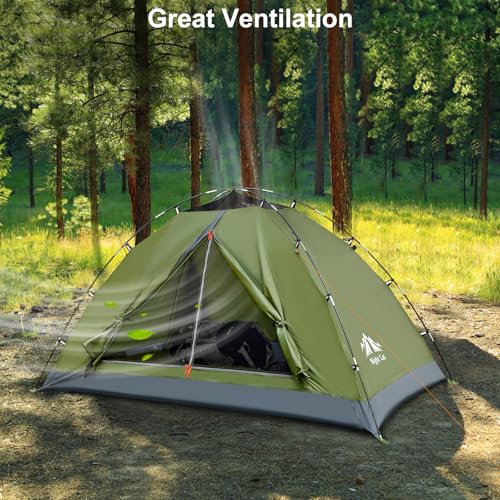

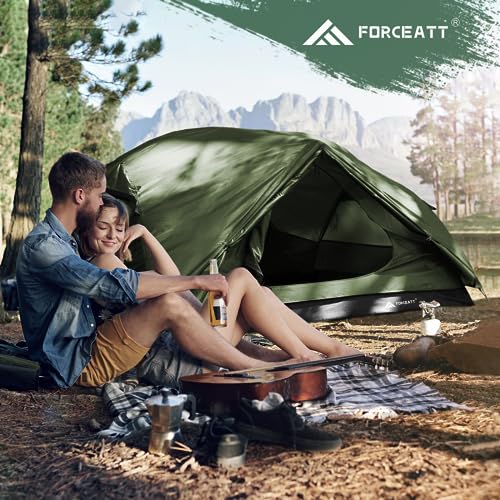
Forceatt 2 Person All-Season Tent

Strengths
- Strong weather resistance
- Dual vestibules
- Good airflow
Trade-offs
- Heavier than competitors
- Bulkier packed size
- Zippers can feel stiff
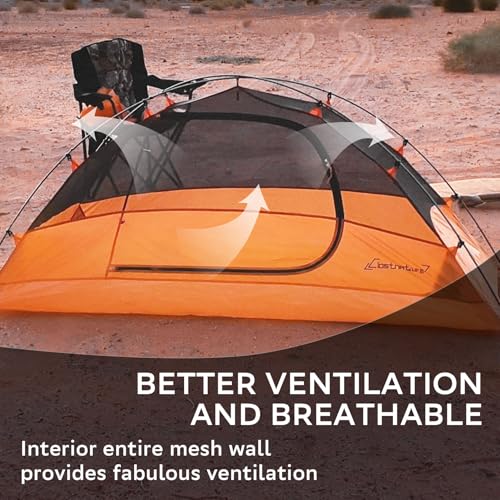
If weather resistance is your top concern, this Forceatt model stands out. The PU5000 coating, taped seams, and 7001 aluminum poles suggest serious storm-ready construction, and owners confirm it holds up well in heavy rain and gusty conditions. The dual vestibules are a major plus for gear storage, and the ceiling vents help manage condensation, a real issue in tightly sealed tents.
It’s not the lightest at 5.68 lbs, but that trade-off makes sense for the added durability. Setup is consistently reported as fast, and the D-shaped doors make entry/exit smooth. Compared to the other Forceatt model in this list, this one uses better materials and feels more like a true 3-season shelter. I’d trust this one in the mountains or coastal woods where weather turns fast.
Product photos


Wakeman Outdoors Pop Up Tent
Strengths
- Lightweight
- Easy setup
- Removable rain fly
Trade-offs
- Fiberglass poles
- Thin fabric
- Not windworthy
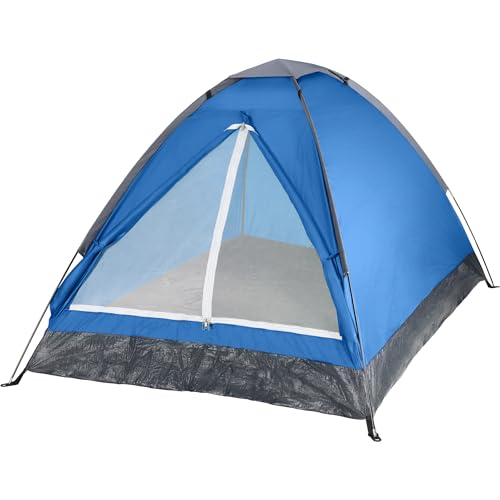
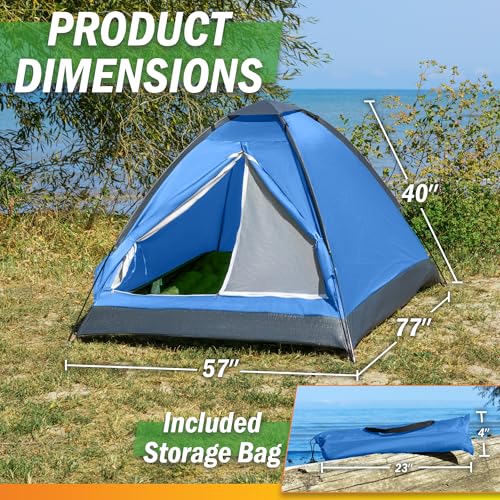
This tent feels like it’s built more for weekend festivals than serious trail miles. At 2.75 pounds it’s light on paper, but the fiberglass poles and 190T polyester tell me it’s not meant for rough weather or prolonged backcountry use. Owners consistently report it holds up fine in dry conditions, but struggles when the wind picks up or rain lingers.
The dual-layer door with mesh is a smart touch for airflow and bug protection, and the included carrying bag makes transport simple. Still, for real hiking or backpacking, I’d want aluminum poles and higher-denier fabric. This one’s better suited for car camping or music festivals where weight and durability aren’t top priorities.
Product photos

Amazon Basics 2P Dome Tent

Strengths
- Simple setup
- Affordable
- Water-resistant fabric
Trade-offs
- Heavy for backpacking
- Basic materials
- Limited ventilation
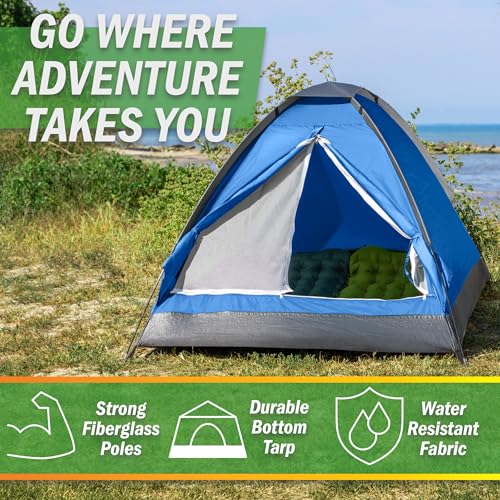
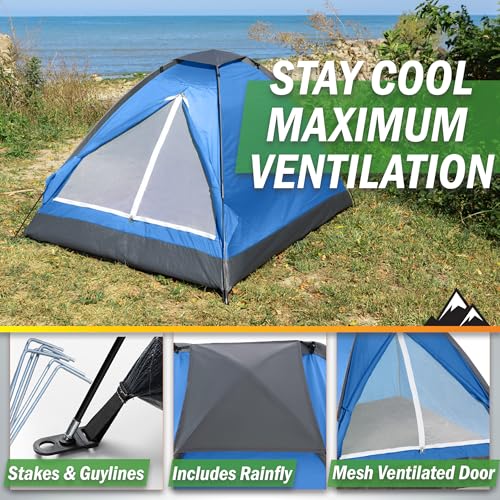
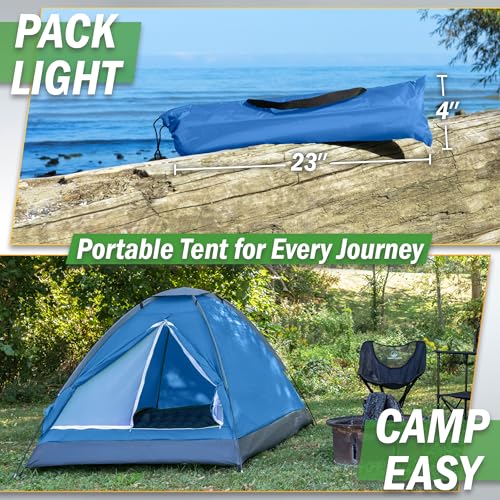
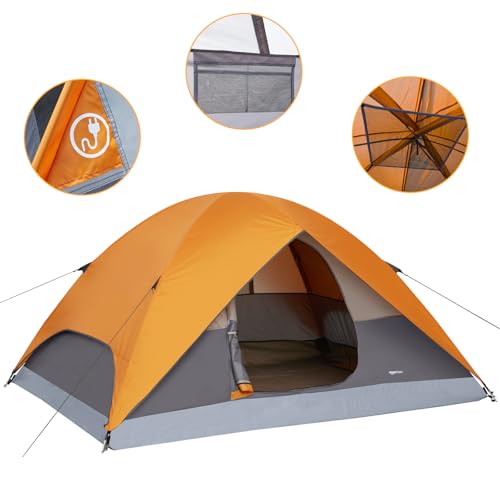
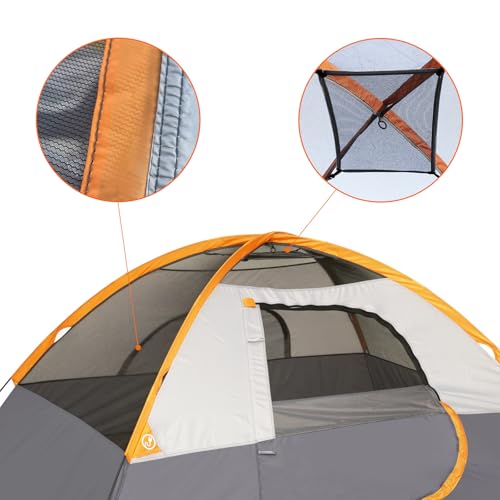
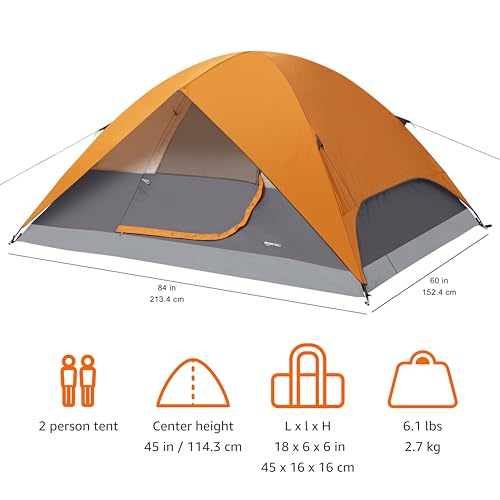
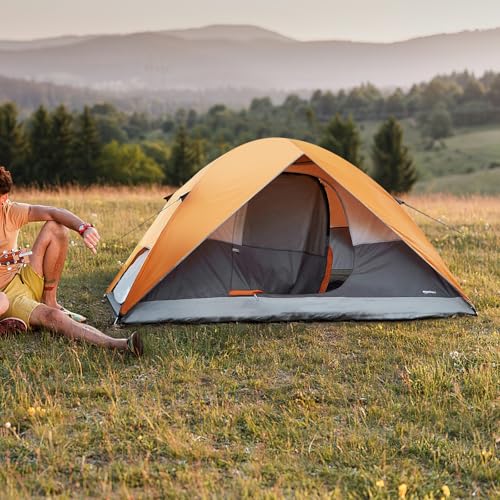
You get exactly what you’d expect from Amazon Basics, a no-frills, functional tent at a wallet-friendly price. The dome design is free-standing and the shock-corded poles make setup under 4 minutes a believable claim. It’s made from coated polyester with welded seams, which on paper means decent water resistance, and reviewers confirm it stays dry in light showers.
Still, it’s not ultralight at over 5 pounds, and the materials feel utilitarian. There’s no fancy ventilation system, but the back window and cool-air port help reduce condensation. I’d recommend this to first-time campers or occasional users who want something reliable without overthinking it, but not to anyone counting ounces or planning multi-day hikes.
Product photos

How We Evaluated hiking tents
Rather than a hands-on lab test, this is a research-led comparison of specs and owner feedback across a range of hiking tents. I started by compiling a detailed spreadsheet of published specifications – weight, dimensions, materials (fly and floor), pole type, and stated waterproof ratings. Then, I weighed owner reviews from multiple retailers alongside expert opinions found in outdoor publications, looking for recurring themes in both positive and negative feedback. Finally, I ranked tents based on how well they met key criteria for backpacking performance and value.
For hiking tents, three factors stood out as most decisive. Weight is obviously critical; every ounce matters when you’re carrying a shelter on your back. Weather protection – specifically the quality of the rainfly and floor materials, and the effectiveness of seam sealing – is also paramount. Lastly, ease of setup is important, as you might be pitching camp after a long day on the trail or in less-than-ideal conditions. These three elements heavily influenced my recommendations.
Specifications reliably indicate a tent’s potential weight and size, and waterproof ratings offer a baseline for expected weather resistance. However, owner feedback proved crucial for assessing real-world durability and how well a tent holds up to repeated use. I also looked to reviews to gauge the accuracy of manufacturer claims and to identify any common issues with materials or construction. Understanding which trusted tent brands consistently receive positive feedback was also a key consideration.
Choosing The Right hiking tents
Picking the right shelter for your adventures can feel overwhelming, but focusing on a few key areas will quickly narrow down your options.
A quality tent balances weight, weather protection, and ease of use. Look for durable fabrics with appropriate waterproof coatings (PU ratings), sturdy pole materials (aluminum is generally superior to fiberglass), and a design that suits your typical camping style – freestanding for versatility, or non-freestanding for minimalist backpacking. Pay attention to packed size and weight, especially if you’re carrying it long distances.
Size and Capacity
Don’t automatically assume a “2-person” tent comfortably fits two people and their gear. Manufacturers often stretch the truth a bit. I always recommend sizing up, especially if you anticipate spending significant time inside due to bad weather or if you’re sharing with a partner who also values personal space. Consider your typical trip length and activities; a weekend jaunt requires less space than a week-long expedition.
Waterproofing and Materials
Waterproofing is critical, but it’s not just about the rainfly. A high Denier (D) polyester or nylon rainfly with a Polyurethane (PU) coating is standard, but pay attention to the PU rating. A rating of 1500mm is okay for light rain, but 3000mm or higher is preferable for more consistent or heavy precipitation. The floor also needs to be waterproof, often using a heavier denier fabric and a higher PU coating. Don’t overlook the importance of taped seams – these are vital for preventing leaks. If you’re planning on using your tent in challenging conditions, explore four-season tent features to ensure it can handle snow and wind.
Weight and Packability
For backpacking, every ounce counts. Ultralight tents made with thinner fabrics and minimalist designs can significantly reduce your load, but they often come at a cost in terms of durability. I’ve seen many hikers sacrifice long-term reliability for the immediate benefit of a lighter pack. Here’s a quick guide to weight expectations: * Under 3 lbs: Ultralight, typically for solo use or serious weight-conscious backpackers. * 3-5 lbs: Lightweight, a good balance for most backpacking trips. * 5+ lbs: More durable, suitable for car camping or extended expeditions where weight isn’t as critical.
A good rule of thumb is to aim for a tent weight that represents no more than 20% of your total pack weight.
Ultimately, finding the right tent involves balancing these factors to match your individual needs and priorities. Don’t be afraid to read reviews and compare specifications before making a decision. Considering your needs and investing in quality lightweight hiking tents will make all the difference on the trail.
Hiking Tents Compared
Here’s a comparison of key specifications for several popular hiking tents to help you make an informed decision.
| Product Name | Capacity | Trail Weight (lbs) | Floor Size (in) | Waterproof Rating (mm) | Packed Size (in) |
|---|---|---|---|---|---|
| Clostnature 2 Person | 2 | 4.52 | 73×48 | 5000 | 16.5×5.9×5.9 |
| Kelty Grand Mesa 2P | 2 | 4.7 | 85×57 | N/A | 16x7x7 |
| Clostnature 1 Person | 1 | 2.97 | 73×29 | 5000 | 15×5.1×5.1 |
| Forceatt 2 Person | 2 | 5.5 | 88.6×53.1 | 3000 | N/A |
| Night Cat Upgraded 1-2 Person | 1-2 | N/A | 7×3.8 | 3000 | 16.5×4.7×4.7 |
| Forceatt 2 Person All-Season | 2 | 5.68 | 86.6×51.1 | 3000-5000 | 41×14 |
| Wakeman Outdoors Pop Up | 2 | 2.75 | 77×57 | N/A | N/A |
| Amazon Basics 2P Dome | 2 | N/A | 84×60 | N/A | N/A |
Frequently Asked Questions
What waterproof rating is truly necessary for a hiking tent?
A 3000mm waterproof rating is generally sufficient for most hiking conditions, but 5000mm offers better protection against prolonged or heavy rainfall. Remember that the rainfly and floor often have different ratings – prioritize a higher rating for the floor, as it experiences more direct contact with ground moisture.
How does a freestanding tent differ from a non-freestanding one?
Freestanding tents can stand on their own without being staked down, offering flexibility in placement and ease of relocation. Non-freestanding models require staking to maintain their shape and are typically lighter, making them ideal for minimalist backpacking and rocky terrain where staking is difficult.
What pole material is most durable – aluminum or fiberglass?
Aluminum poles are significantly more durable and offer a better strength-to-weight ratio than fiberglass, though they are more expensive. Fiberglass poles are heavier and can break more easily, but they are a budget-friendly option for occasional use and car camping.
Should I worry about the tent’s denier (D) rating?
Yes, a higher denier (D) rating indicates a thicker, more durable fabric. For tent rainflies and floors, look for fabrics with a denier of at least 70D for good tear resistance, and consider even higher deniers (150D+) if you anticipate rugged use or harsh conditions.
Where can I find information about the very lightest backpacking tents available?
You can explore a variety of ultralight hiking tents and compare their specs in detail on my guide to lightest backpacking tents. These models prioritize minimal weight, often at the expense of some durability and space.
The Bottom Line
Choosing a hiking tent always comes down to balancing how much you want to carry against how much protection and space you demand. For most backpackers, the Kelty Grand Mesa 2P strikes that balance beautifully – it offers a roomy interior and solid construction without being overly heavy or expensive. It’s a dependable shelter that won’t leave you wishing you’d spent more.
If you’re on a tighter budget, or you’re a solo hiker prioritizing weight, the Clostnature 1 Person is a fantastic option. Similarly, for those needing a bit more versatility and don’t mind a slightly heavier load, the Forceatt 2 Person All-Season provides enhanced weather protection. Understanding your specific hiking style is crucial for making the right call.
Ultimately, the numbers on a spec sheet don’t tell the whole story. Focus on finding a tent with durable materials, reliable waterproofing, and a design that suits your needs – because a comfortable night’s sleep in the backcountry is worth more than any key tent features.
