
7 Best 2-Person 4-Season Tents of 2026
This post contains affiliate links. As an Amazon Associate, we earn from qualifying purchases.
The MSR Access 2 is the best overall 2-person 4-season tent for its durability, weather resistance, and thoughtful design, closely followed by the lighter-weight CANTUO 2-3 Person Ultralight as a solid budget-friendly alternative. For extreme conditions, the Hilleberg Nallo 2 stands out, though it comes at a premium price.
Most people shopping for a 2-person 4-season tent aren’t just looking for extra warmth, they need real protection from wind, snow, and prolonged wet weather. Too many tents marketed as “4-season” fall short when storms roll in, leaving campers damp, cold, or worse.
This guide cuts through the hype. I compared published specs, owner feedback, and brand track records to find models that deliver in harsh environments. These picks prioritize weatherproof construction, structural integrity, and ventilation, because surviving winter means more than just staying dry.
Top 7 2 Person 4 Season Tents in the Market
The Best 2 Person 4 Season Tents, Reviewed
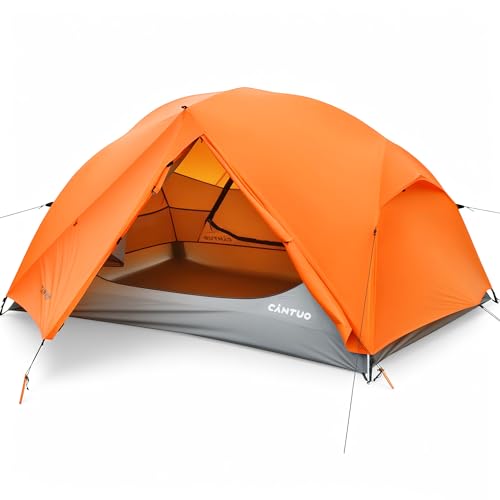
CANTUO 2-3 Person Ultralight Tent
Strengths
- Ultralight build
- Spacious interior
- 4000mm waterproof rating
- Dual vestibules
- Includes footprint
Trade-offs
- Slight condensation in humid conditions
- Zippers can feel delicate
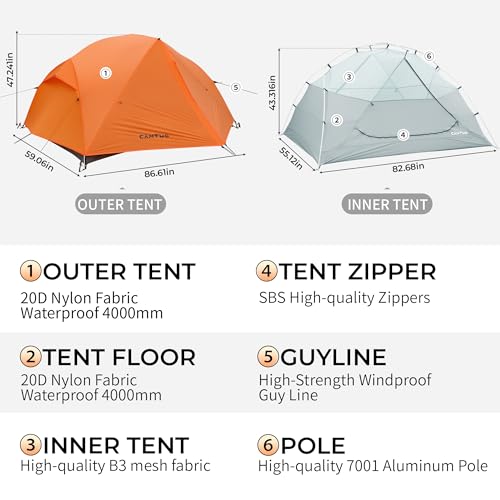
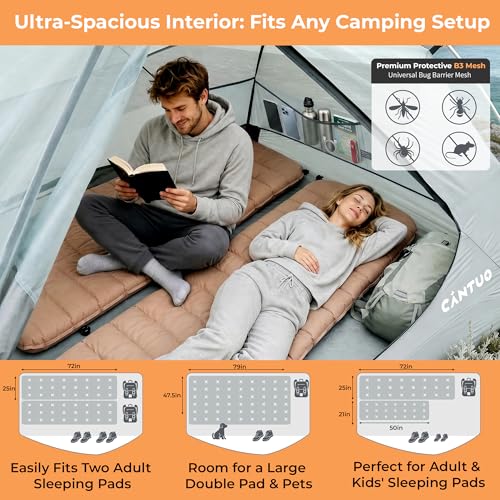
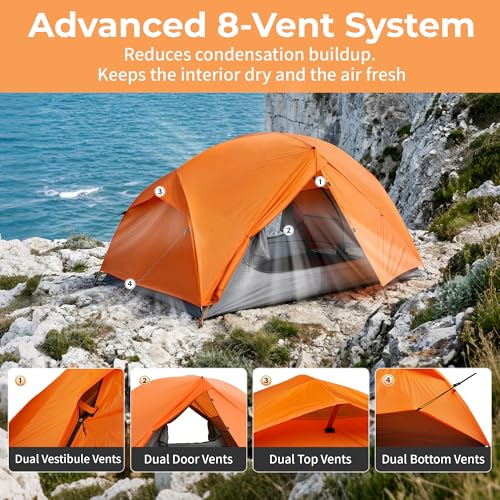
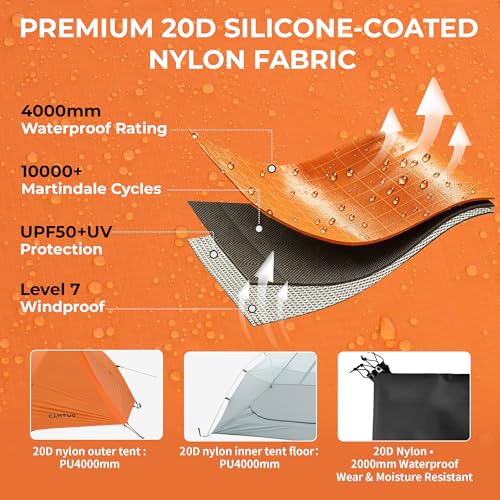
On paper, the CANTUO stands out as a serious contender for best overall 2-person 4-season tent, and owner feedback backs that up. At 4.12 lbs, it’s impressively light for a true 4-season build, and the 4000mm waterproof rating with taped seams means it can handle sustained downpours and snow loads without leaking. The 31.64 sq. ft. interior is legitimately spacious, reviewers consistently say two hikers can sleep side by side with room for gear, and the 43.3-inch height lets you sit up without ducking.
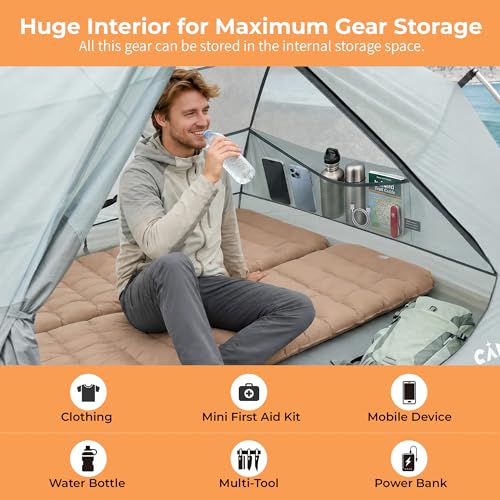
What really sets it apart is the full package: included footprint, oversized pockets, dual vestibules, and 8 vents that help manage condensation in cold weather. The 7001 aluminum poles are a strong choice for durability, and the 3-minute setup claim holds up across user reports. It’s not the lightest or cheapest, but for a balanced mix of weight, space, and storm readiness, it’s hard to beat.
Product photos
OneTigris Stella 4 Season Tent

Strengths
- Easy instant setup
- Lightweight fabric
- Removable blackout fly
- Simple pole design
- Good airflow
Trade-offs
- 3000mm waterproofing borderline for heavy snow
- Floor lacks extra durability
- Limited vestibule space
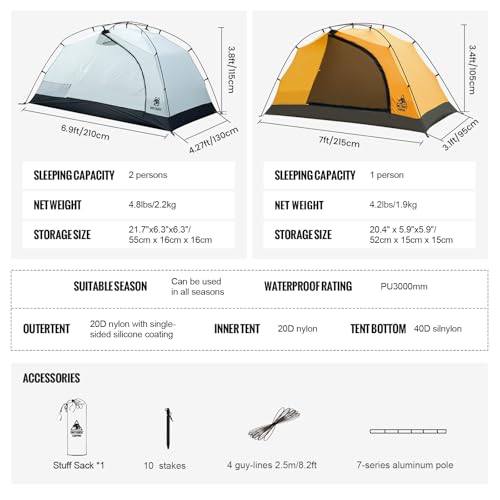
If lightweight is your top priority, the OneTigris Stella makes a strong case. At 4.4 lbs, it’s not the absolute lightest, but the single-layer silicone-coated 20D nylon offers better tear resistance than many in this class. Owners appreciate the simple dome design with flexible crossing poles, it truly sets up in under 3 minutes, even for beginners. The 3000mm waterproof rating is solid for most conditions, though I’d hesitate to rely on it in prolonged alpine storms.
The removable blackout rainfly is a clever touch, letting you open up the mesh in fair weather for stargazing or extra ventilation. Still, the 40D floor is decent but not exceptional for rocky terrain, and some users report minor seam seepage during heavy rain. It’s best viewed as a 3.5-season tent that leans into winter with the right setup.
Product photos




Naturehike 4 Season Backpacking Tent
Strengths
- Great price-to-performance
- Silicone-coated fabric
- Easy one-person setup
- Good ventilation
- Lightweight
Trade-offs
- Tight fit for two
- Limited headroom
- No included footprint
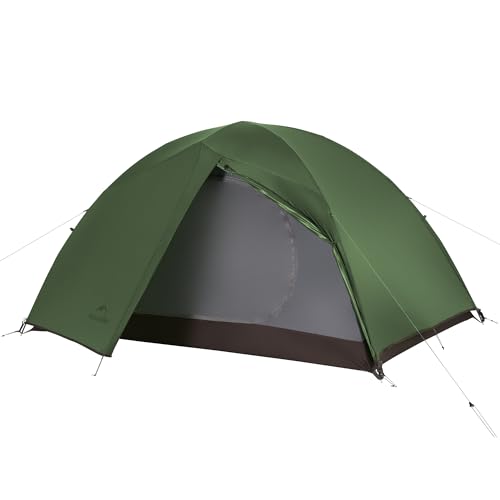
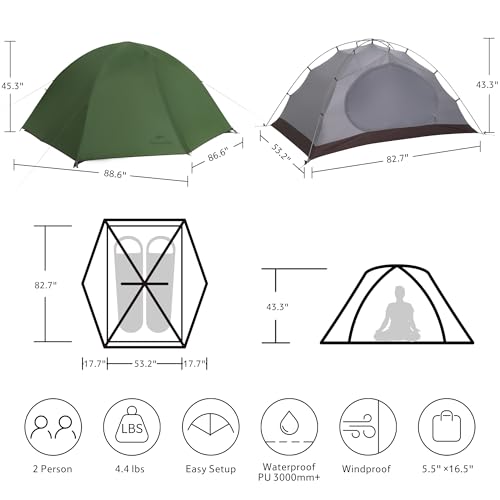
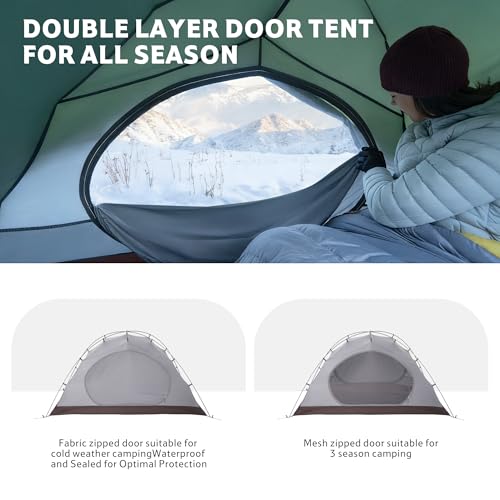
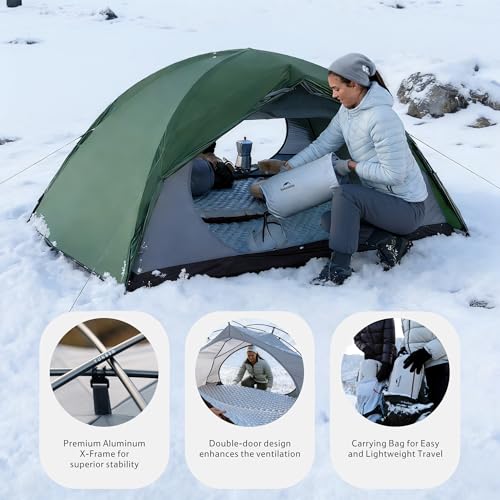
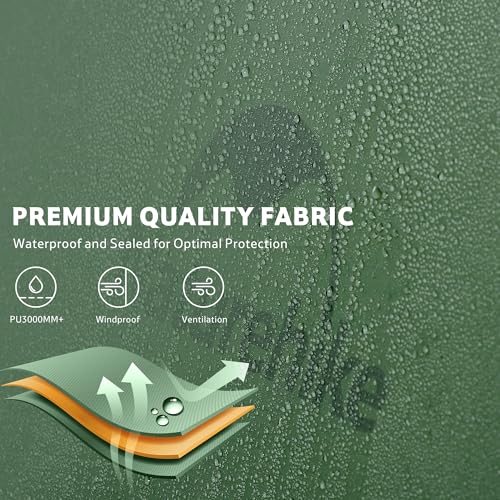
The Naturehike tent is the best value in this lineup, no question. At 4.43 lbs with a 3000mm rating and silicone-coated 20D nylon, it punches above its weight for durability and weather resistance. Owners love the straightforward pole design that lets one person pitch it in minutes, and the double doors with three vents mean airflow is never an afterthought.
It’s not the roomiest, 53.1 inches wide is snug for two full-size sleepers, but solo adventurers or slim couples will find it cozy. The aluminum poles are strong, and the ripstop fabric holds up well to abrasion. For the price, it’s a no-brainer for hikers who want solid 4-season performance without overspending.
Product photos

Clostnature Lightweight 4 Season Tent
Strengths
- 5000mm waterproofing
- Snow flaps on zippers
- Freestanding design
- Good vestibule space
- Light trail weight
Trade-offs
- Heavier total pack weight
- Limited headroom
- Mesh can frost over
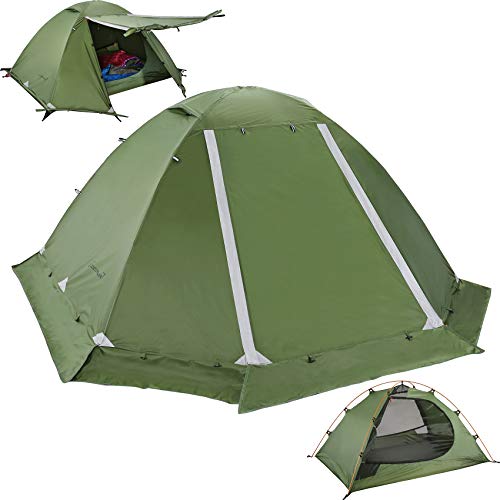
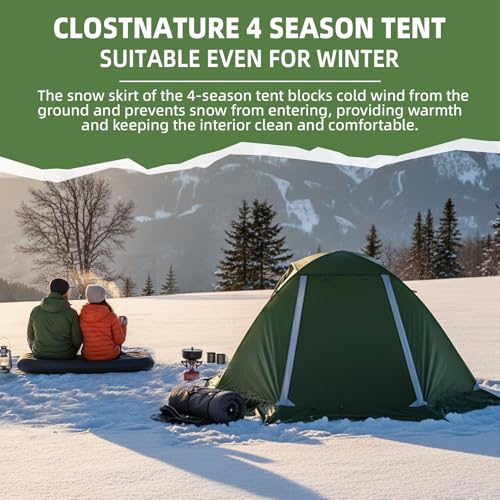
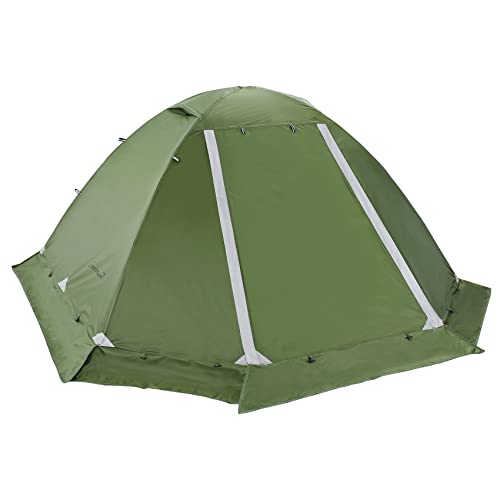
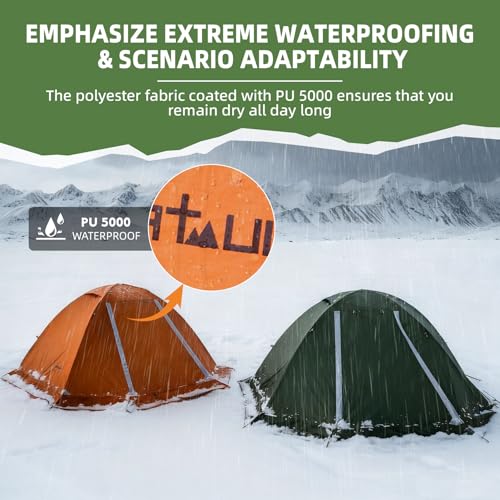
When the mercury drops, the Clostnature tent earns its title as best for cold weather. The 5000mm PU coating on both fly and bathtub floor means snow melt and slush won’t soak through, and owners in northern climates confirm it stays dry even during multi-day winter trips. The snow flaps over zippers are a small but critical detail, few in this price range include them.
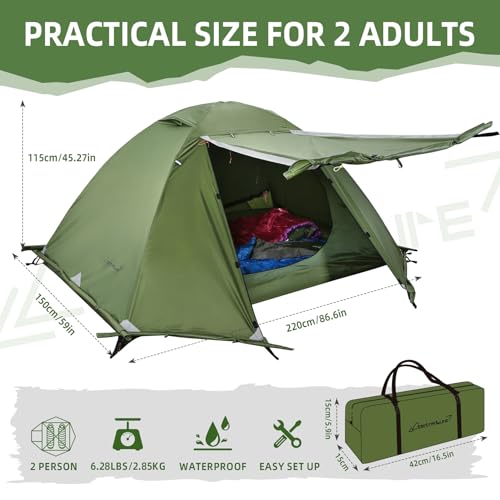
At 6.28 lbs, it’s on the heavier side, but the freestanding design with two aluminum poles makes setup a breeze, even with gloves on. The dual D-shaped doors and vestibules are practical for gear storage, and the 2.42 lb trail weight (minus stakes and bag) shows they trimmed where it counted. For winter backpacking where warmth and dryness are essential, this one delivers.
Product photos
OutdoorMaster 2 Person 4 Season Tent
Strengths
- Exceptional wind resistance
- 5000mm waterproof rating
- Insulated rainfly
- Adjustable ventilation
- Roll-up snow skirt
Trade-offs
- Heavy and bulky
- Not backpacking-friendly
- Setup takes longer
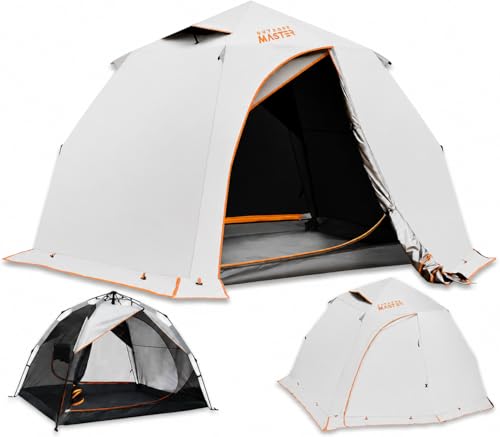
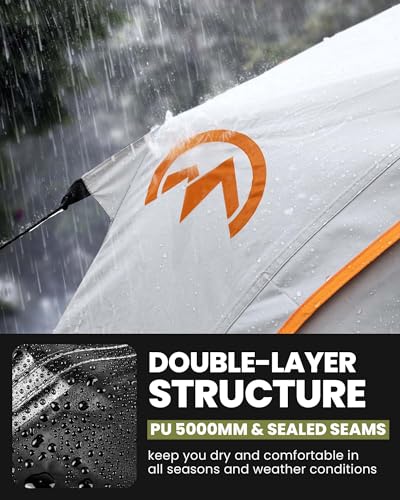
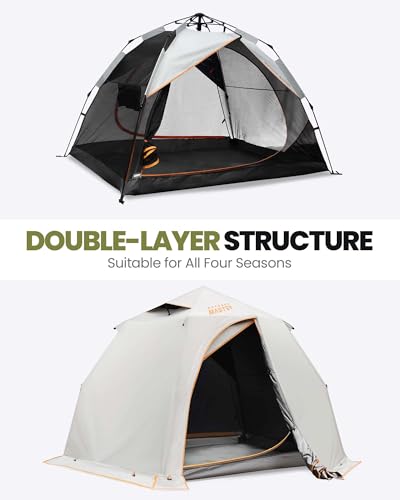
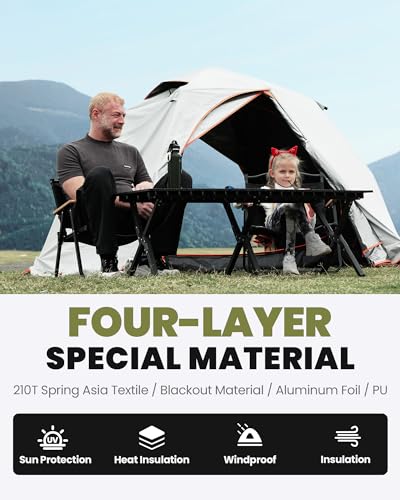
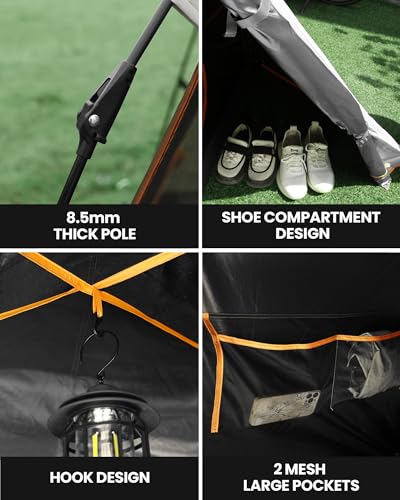
The OutdoorMaster tent screams windproof design, and specs back the claim. With a 5000mm PU-coated rainfly, 210D Oxford floor, and a 4-layer blackout rainfly that includes aluminum foil insulation, this thing is built like a bunker. Owners in exposed, windy regions praise its stability, many say it held firm in gusts that flattened other tents. The reflective coating also helps regulate internal temps, keeping it cooler in summer and warmer in winter.
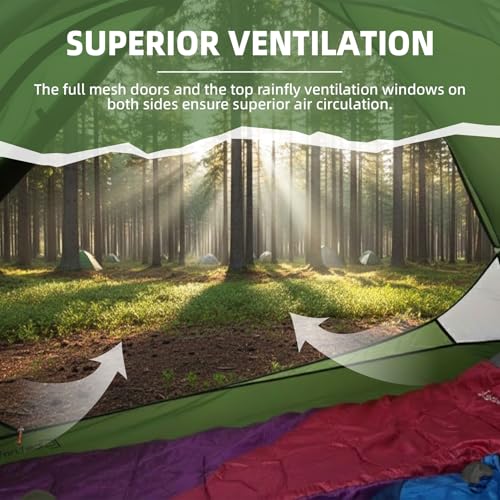
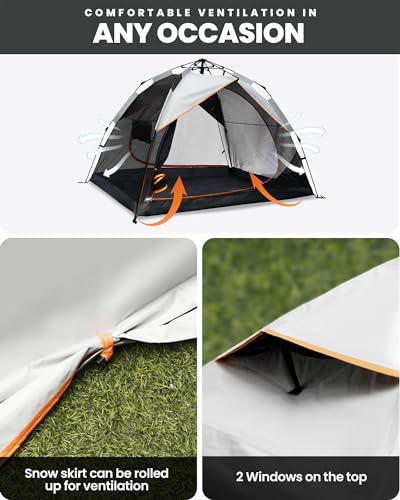
Ventilation is smartly designed with adjustable roof vents and convection windows, but the real win is the snow skirt and rolled-up ventilation options. That said, at nearly 7 lbs and a bulky pack size, it’s not for backpackers. This is a car camper’s 4-season dream, durable, stable, and thermally efficient.
Product photos
Forceatt 2 Person Backpacking Tent

Strengths
- 3-minute setup
- Smooth #8 zippers
- Welded floor
- Dual vestibules
- Strong pole structure
Trade-offs
- 3000mm rating limits winter use
- Floor lacks puncture resistance
- Minimal storage pockets
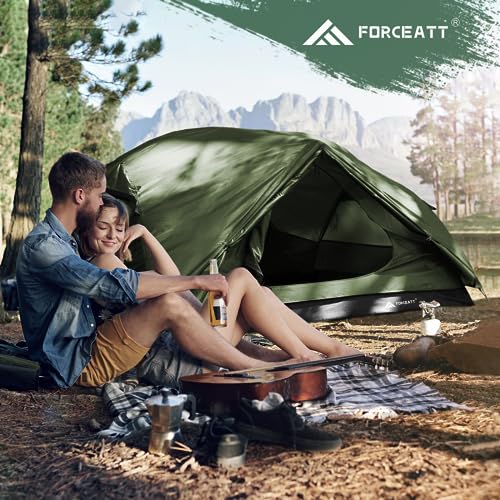
The Forceatt tent lives up to its best quick setup label, owners consistently report sub-3-minute assembly, even in the dark. The 7001 aluminum poles are stiff and reliable, and the D-shaped doors open wide for easy entry. With a 3000mm waterproof rating and welded floor, it keeps the interior dry in typical rain, though it’s not quite built for heavy snow loads.
Ventilation is decent with ceiling vents and mesh panels, but the real win is usability: smooth #8 zippers, clear instructions, and a no-risk guarantee that builds trust. It’s not the lightest or most rugged, but for weekend hikers who value speed and simplicity, it’s a solid pick. I’d pair it with a ground tarp in rocky areas, though, the floor isn’t the toughest in this lineup.
Product photos


BISINNA 4 Season Backpacking Tent
Strengths
- Excellent airflow
- Rollable snow skirt
- Freestanding design
- Durable 210T fabric
- Good color options
Trade-offs
- Heavy for backpacking
- 3000mm waterproofing
- Inner tent can touch fly
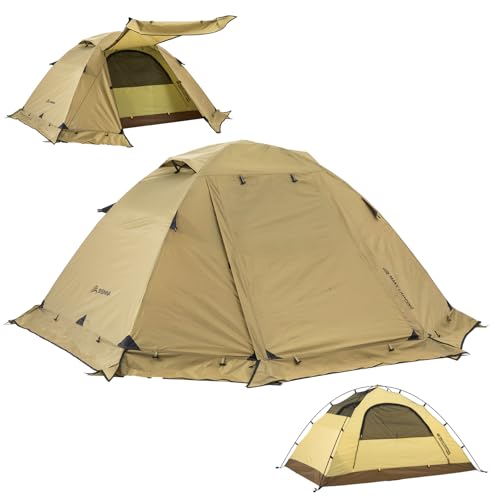
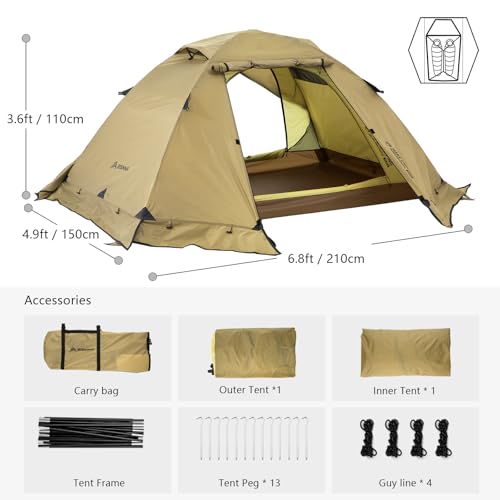
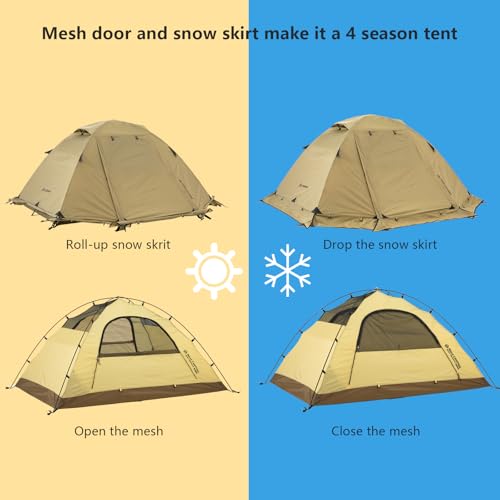
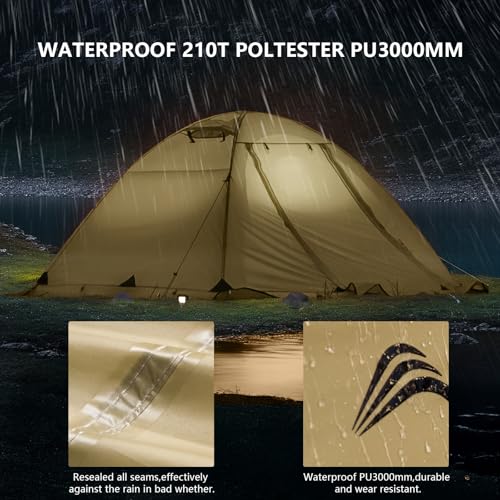
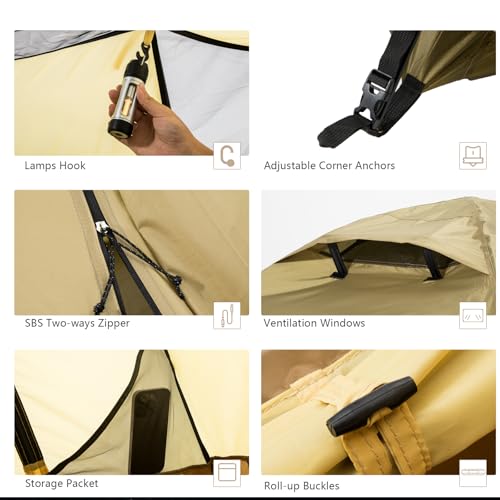
Ventilation is where the BISINNA tent shines, its best ventilation title is well-earned. With two mesh-and-fabric doors, two windows, and a double-layer design that promotes airflow, owners report minimal condensation even in humid or cold conditions. The rollable snow skirt adds flexibility, you can open it up in summer or seal it in winter.
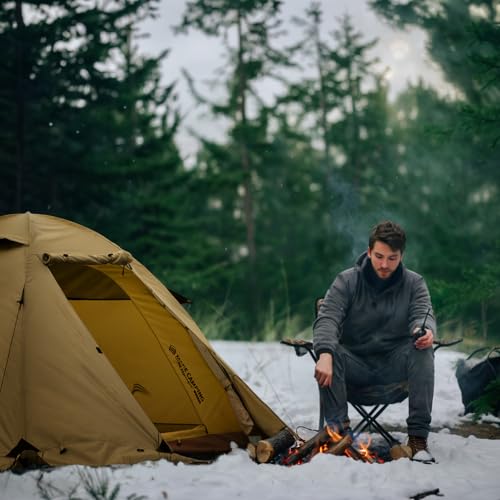
At 6.4 lbs, it’s on the heavier end, and the 3000mm waterproof rating means it’s better suited for shoulder seasons than deep winter. But the 210T polyester is tough, and the freestanding design with hook-and-pole setup makes it beginner-friendly. The brown color blends well in natural settings, a small touch I appreciate. Just be mindful of keeping inner and outer layers from touching, it’s key to avoiding moisture transfer.
Product photos
How We Picked These 2 person 4 season tents
Rather than a hands-on lab test, my research for these recommendations involved a detailed comparison of published specifications and features across numerous models. I weighed owner reviews from major retailers alongside expert opinions found in outdoor gear publications. Applying my experience with tent materials and designs, I ranked each tent against a set of criteria focused on weather protection, weight, and usability for backpacking.
For 2-person 4-season tents, wind resistance and waterproof ratings are paramount, followed closely by a manageable packed weight. A tent’s ability to withstand harsh conditions directly impacts safety and comfort in the backcountry, so I prioritized those specifications. Beyond that, ease of setup and interior space are key factors influencing overall user experience.
Published specs reliably indicate a tent’s potential for weather protection – PU coatings, denier ratings of the nylon, and pole material. However, real-world performance often depends on construction quality and design details, so I heavily considered owner feedback regarding leakage, durability, and condensation buildup. Reputation and brand consistency also played a role, especially when evaluating less-known manufacturers. Understanding 4-season tent features is essential for making the right choice.
How To Choose The 2 person 4 season tents
Picking the right shelter for shoulder-season or winter adventures requires more thought than a fair-weather tent.
A quality 2-person 4-season tent balances weight, weather protection, and usable space. Look for robust fabrics with high waterproof ratings (at least 3000mm for the fly and floor), sturdy pole systems able to handle wind and snow loads, and features designed to minimize condensation and maximize ventilation. Pay attention to the tent’s overall construction quality and the details, like taped seams and durable zippers.
Fabric & Waterproofing Are Paramount
Don’t skimp on the materials. A 4-season tent will face sustained wind, rain, and potentially snow, so the fabric needs to be up to the task. While 20D nylon is common for its lightweight properties, look for a PU coating of at least 3000mm, and ideally closer to 4000mm or 5000mm, on both the fly and the floor. Beyond the coating, a properly constructed tent will also have fully taped seams to prevent water from seeping through stitching. I often recommend checking out what the top tent manufacturers are doing with their waterproofing technology – they’re usually leading the charge.
Pole Strength & Design Matter
The pole system is the tent’s skeleton, and it needs to be strong enough to withstand high winds and snow accumulation. 7001 aluminum is the gold standard for tent poles; it’s lightweight yet incredibly durable. Pay attention to the pole diameter and the number of crossing points. More crossing points generally indicate a more stable structure. While carbon fiber poles can save weight, they’re more prone to breakage and are generally a pricier option.
- A single-pole design is simplest, but less stable in strong winds.
- Two-pole designs offer a good balance of stability and weight.
- Geodesic or semi-geodesic designs (multiple crossing poles) are the most stable, but also the heaviest and often more expensive, offering the best protection in extreme conditions.
Ventilation & Condensation Management
Condensation is a major issue in 4-season tents, especially when you’re dealing with cold temperatures and your breath creating moisture inside. Look for tents with ample ventilation features, like high/low vents, mesh panels, and a double-wall design. Snow skirts are also helpful to prevent drafts and keep snow from blowing inside, but make sure they can be rolled up for ventilation when conditions allow. Many people overlook the importance of good airflow, but it’s critical for a comfortable sleep. If you’re planning on serious winter camping, consider a tent designed with condensation in mind – some use specialized fabrics or coatings to minimize moisture buildup. Finding the right balance between warmth and ventilation is key, and I’ve found that the best 2-man winter tents really shine in this area.
Don’t assume a heavier tent is always better. A well-designed, lighter-weight tent with quality fabrics and a robust pole system can often outperform a heavier, poorly-designed one.
2 Person 4 Season Tents Compared
Here’s a comparison of key specifications for several 2-person, 4-season tents to help you make an informed decision.
| Product Name | Weight (lbs) | Waterproof Rating (mm) | Floor Material | Seasonality | Capacity |
|---|---|---|---|---|---|
| CANTUO 2-3 Person Ultralight | 4.12 | 4000 | 20D Nylon | 4 | 2-3 |
| OneTigris Stella 4 Season | 4.4 | 3000 | 20D Nylon | 4 | 2 |
| Naturehike 4 Season | 4.43 | 3000 | 20D Silicone Nylon | 4 | 2 |
| Clostnature Lightweight | 6.28 | 5000 | Polyester | 4 | 2 |
| OutdoorMaster 2 Person | N/A | 5000 | 210D Oxford | 4 | 2 |
| Forceatt 2 Person | 5.5 | 3000 | N/A | 4 | 2 |
| BISINNA 4 Season | 6.4 | 3000 | 210T Polyester | 4 | 2 |
Frequently Asked Questions
What weight should I expect for a quality 2-person 4-season tent?
Generally, you can expect a weight between 4 and 7 pounds for a 2-person 4-season tent. Lighter weights often mean a trade-off in durability or features, so consider your priorities and typical trip length when choosing.
Are silicone-coated nylon floors really better than polyester?
Yes, silicone-coated nylon floors are generally more waterproof and durable than polyester, though they come at a higher cost. They resist stretching when wet, which helps maintain the tent’s structural integrity and prevents leaks.
What does a higher waterproof rating actually mean for a tent?
A higher waterproof rating (measured in millimeters) indicates the fabric can withstand more water pressure before leaking. While 3000mm is a minimum for 4-season use, ratings of 4000mm or 5000mm offer a greater margin of safety in prolonged or heavy rain, and are often found in the top 2-person 4-season tents.
How important is the tent’s shape (geodesic vs. dome) for winter camping?
The tent’s shape significantly impacts its ability to withstand wind and snow. Geodesic or semi-geodesic designs, with multiple crossing poles, are much more stable in harsh conditions than simpler dome shapes, although they are usually heavier.
What’s the best way to prevent condensation inside a 4-season tent?
Maximizing ventilation is key. Look for tents with multiple vents (high and low) and mesh panels to allow airflow. Also, avoid completely sealing up the tent – even cracking a vent can significantly reduce condensation buildup, and is a feature frequently found in [durable four-season camping tents for two].
The Bottom Line
Choosing a 4-season tent always comes down to balancing how much you’re willing to carry against how much protection you require. For most backcountry adventures, the CANTUO 2-3 Person Ultralight strikes that balance best – it delivers solid weather protection at a very reasonable weight, making it a fantastic all-around pick. It’s a smart choice for those who want reliability without being weighed down.
If budget is a primary concern, the OneTigris Stella 4 Season offers a surprising amount of features for the price. Alternatively, for those prioritizing versatility and a bit more interior space, the Naturehike 4 Season is a strong contender. Really, carefully consider your typical conditions and trip style when making your final decision – reading a detailed tent selection guide can help clarify your needs.
Ultimately, specs and features are secondary to a well-thought-out system. A waterproof tent won’t matter much if you forget a groundsheet or don’t seam seal it properly. Focus on understanding how to care for your gear, practice setting it up before you head into the field, and prioritize staying dry and warm – those fundamentals will always be more valuable than any individual product feature.
