Types & Accessories

  • What Did The Tent Of Meeting Look Like

    The Tent of Meeting was a large rectangle. It measured 30 cubits long, 10 cubits wide, and 10 cubits high. Twenty gold-plated boards of acacia wood built its walls. The back boards had a special trapezoid shape. Inside, the tent had two parts. One part was the Holy Place where priests worked. The other part was the Most Holy Place. The Ark of the Covenant stayed there. This tent showed God’s presence with the Israelites. It was very important for their worship and rituals.
  • What Are Those Big Tents Called

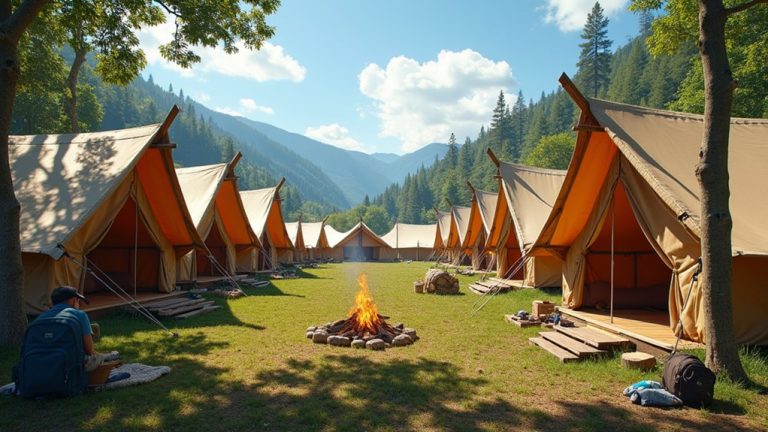
    Big tents go by several names: frame tents, pole tents, and dome tents. Frame tents have no center poles, so the inside space is clear and open. This makes them great for any surface. Pole tents use tall poles in the middle to make high peaks. They look fancy and are popular for weddings. Dome tents have curved shapes that stand out. They work well for concerts or big shows. Each tent style fits different needs and events. Want to learn more about these tents and their uses? Keep reading!

  • What Are Pop Up Tents

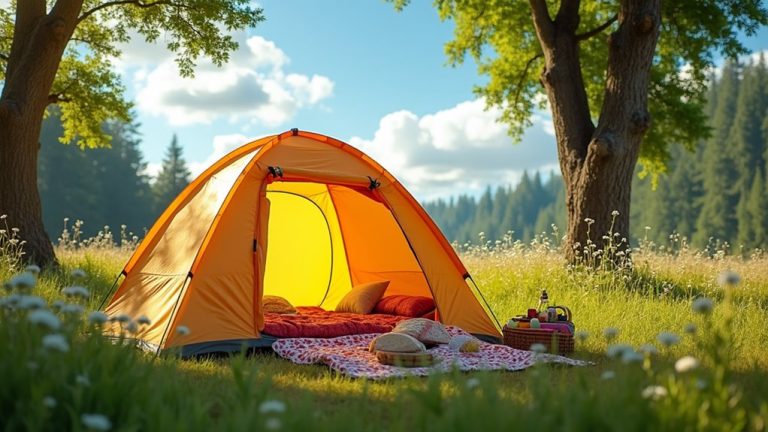
    Pop-up tents provide fast, reliable shelter outdoors. They protect you from sun and light rain. These tents use spring-loaded frames made from fiberglass or steel. Setup takes only a few minutes. Sizes and styles vary, from simple shade covers to tough, feature-rich tents. They are light and easy to carry. Perfect for camping, festivals, or market stalls. Pop-up tents make outdoor activities more comfortable and enjoyable. Take care to keep them clean and dry for longer use.

  • What Are Good Tent Brands

    Good tent brands include The North Face, REI, and MSR. The North Face tents last long and allow air to flow well. REI tents feel comfortable and control humidity nicely. MSR tents are light and protect against bad weather. For cheaper tents, try REI Co-op Trail Hut or Coleman Sundome. Families need space, so the Zempire Evo TXL V2 Air fits well. Backpackers want light tents like the NEMO Hornet Elite Osmo. Many tents come with different styles and useful features. Explore these options to find the best tent for you.

  • Was Paul A Tent Maker

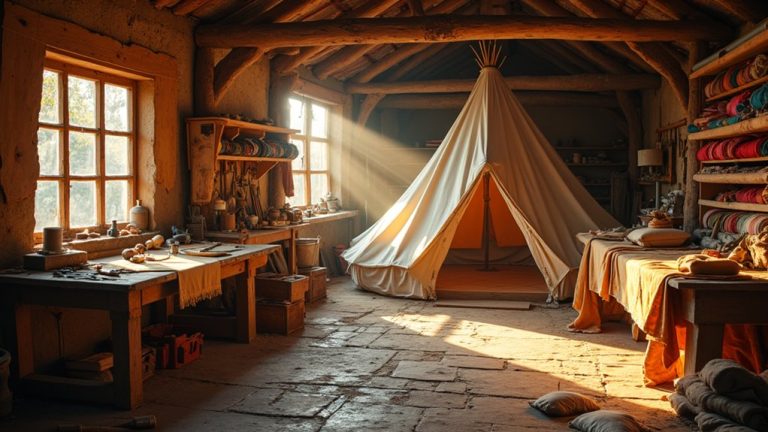
    Paul was a tentmaker. He made strong tents and leather goods. This skill helped him pay for his mission work. He worked with Aquila and Priscilla in many cities. Paul showed that faith and work go well together. He did not ask churches for money. The Greek word for his job means he made tents, not clothes. Knowing this helps us understand his mission better. There is much to learn about Paul’s life and work.

  • Was Bella Awake In The Tent

    Bella stayed awake inside the tent. She felt confused about Jacob and Edward. Her body showed her worry and fear. The tent felt warm with Jacob inside, while outside stayed cold. This moment showed how hard her feelings were. Fans talked a lot about this scene. It helped show Bella’s emotional growth and the tension between her friends. The tent was more than a shelter—it was where feelings burst out. This scene keeps many viewers interested and connected to Bella’s story.

  • Should You Put A Tarp Under A Tent

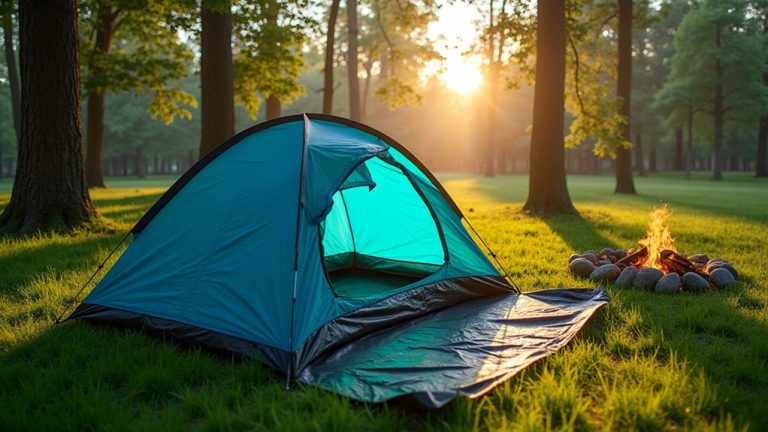
    Putting a tarp under your tent protects the tent floor from sharp rocks, dirt, and water. It keeps the tent clean and dry inside. A tarp also stops cold ground from making your sleeping bag cold. Pick a tarp a little smaller than your tent to avoid water collecting on it. Carrying a tarp adds some weight but makes camping much better. It helps your tent last longer and keeps you more comfortable. Use the tarp well, and camping feels easier and safer.

  • Must Haves For Tent Camping

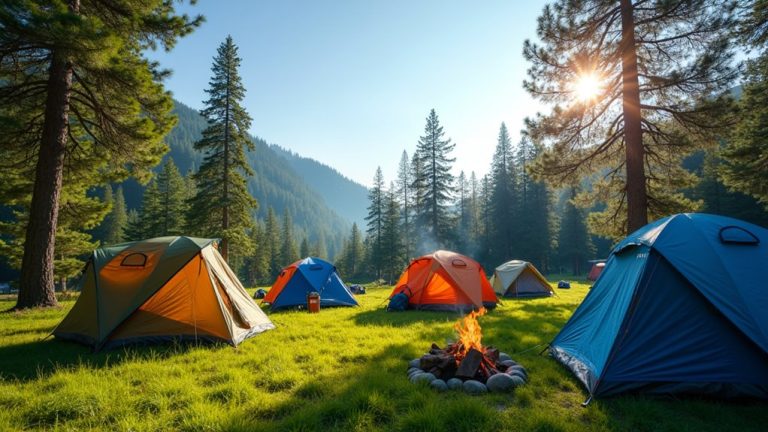
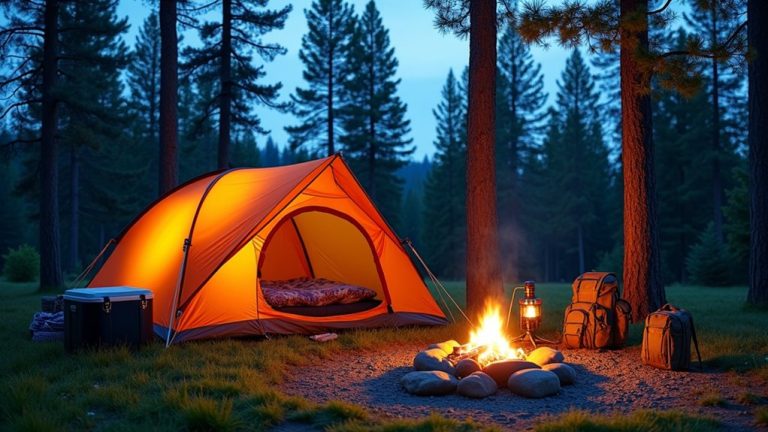
    A strong tent and a warm sleeping bag are must-haves for tent camping. A portable camp stove and lightweight pots make cooking easy. Bright headlamps or LED lanterns keep your camp lit at night. Carry a first aid kit to handle small injuries. Keep your gear neat and close inside your tent. These essentials make camping safe and fun. Planning well means you enjoy every moment outdoors.

  • Is Tent Camping Safe

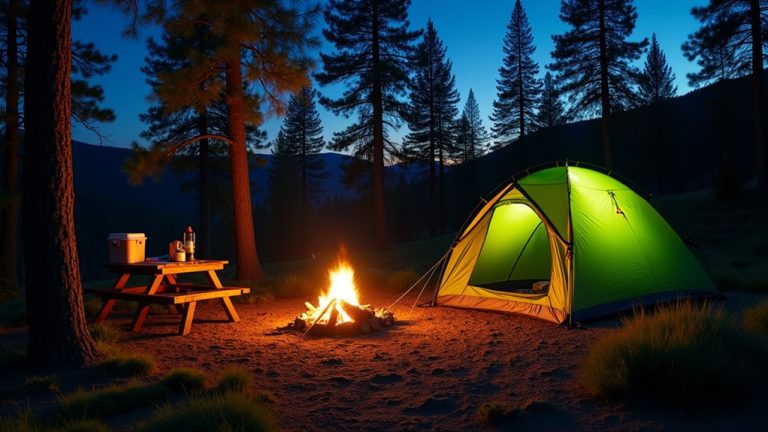
    Tent camping stays safe with simple, smart steps. Use flashlights while setting up tents to avoid trips and falls. Clear the ground of stakes and poles before walking. Keep your tent open and airy to stop dangerous gas buildup from stoves. Store food in sealed containers to keep animals away. Throw away trash in proper bins to avoid attracting wildlife. Stay far from animals to stay safe. Check the weather report to avoid floods or strong winds. Carry a first aid kit for quick help in emergencies. Know your campsite well. These tips help make camping fun and safe.

  • How To Winterize A Tent

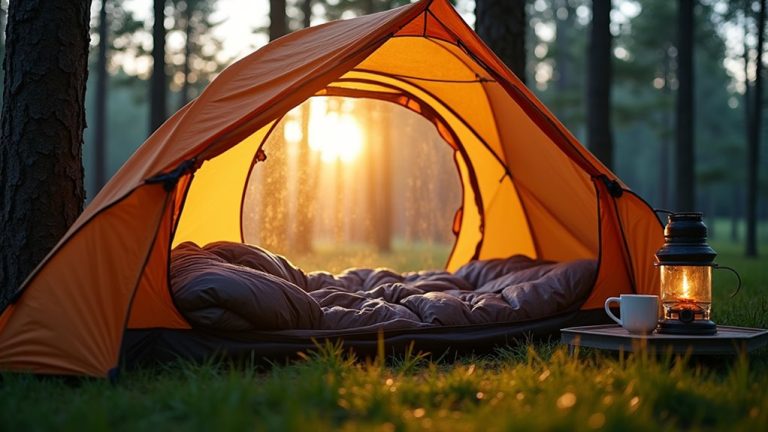
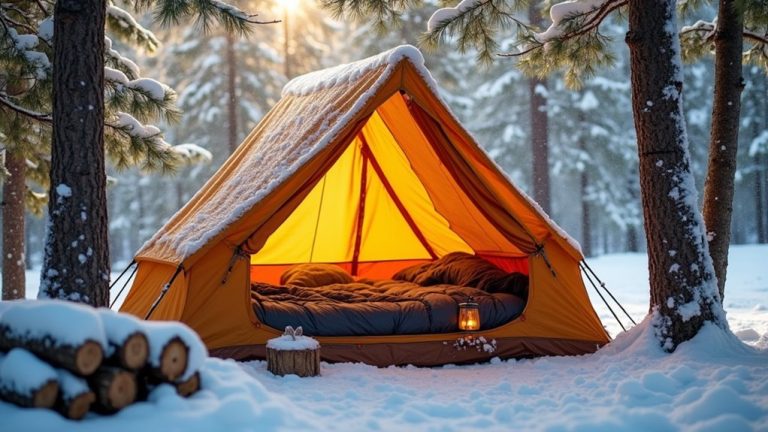
    Pick a flat spot for your tent. Stay away from dead trees that might fall. Use a footprint under your tent. Add foam pads and thermal blankets inside. These keep the cold from the ground. Point the tent’s narrow end into the wind. Use strong stakes to hold it down. Open vents to stop dampness inside. Keep wet clothes and gear outside the tent. Use a propane heater or wood stove for warmth. Check your tent often for damage or leaks. This way, your tent stays safe and warm. Winter camping can be fun and safe with these tips.

  • How To Waterproof Your Tent

    Waterproof your tent by cleaning it with mild soap and warm water. Avoid harsh detergents that can damage the fabric. Check all seams carefully for holes or tears. Use a product like Seam Grip WP to seal these seams tightly. Remove old, flaking coatings with rubbing alcohol before applying a new layer of sealant. Spray waterproofing in thin, even coats for the best protection. Apply several layers, allowing each to dry completely. Choose dry, calm days to do this work for best results. Proper waterproofing can keep your tent dry through heavy rain. Many campers see a big difference after just one treatment. Explore more tips to keep your tent in top shape.