Types & Accessories

  • How To Say Tent In Spanish

    The word for “tent” in Spanish is “tienda.” Use “carpa” for big event tents. For camping tents, say “tienda de campaña.” This helps you talk clearly about tents. Planning a camping trip? Ask, “¿Se puede acampar aquí?” Knowing these words makes camping easier. Spanish speakers use these terms a lot. It also helps when buying camping gear. Try using these words next time you camp or plan an event. Simple and useful!

  • How To Roll Up A Tent

    Roll up a tent by first removing all gear. Make sure the fabric is clean and dry. Fold both sides toward the center. Tuck flaps neatly to keep a compact shape. Roll the tent from the top, pressing out air as you go. Place the rainfly on top of the tent body before rolling. Have a partner hold poles and stakes. Apply even pressure while rolling for a tight pack. Store the tent in a dry place to keep it in good shape. Proper rolling helps your tent last longer and stay ready for camping.

  • How To Repair Tent Rip

    Repair a tent rip by first cleaning the area with rubbing alcohol. Let it dry fully. Small rips fix well with waterproof fabric glue patches. Medium tears need sewing with strong polyester thread. Large tears require sewing plus waterproof patches. Overlap stitches for extra strength. Add patches inside high-stress spots for durability. Use HH-66 glue for PVC tents. Use toluene-based glue for polyester fabric. Keep your tent in good shape to last many trips.

  • How To Repair Tent Pole

    Repair tent poles with a few simple tools. Gather a repair kit, strong duct tape, and a repair sleeve. Breaks need a sleeve wrapped tightly for support. Bent poles must be straightened carefully on a hard surface. After straightening, slide on a repair sleeve to hold shape. Replace worn shock cords by measuring and cutting new ones. Thread the new cord through the pole, keeping good tension. These steps fix poles quickly and keep your tent strong. Try these tips for a safe camping trip.

  • How To Repair A Tent Zipper

    Repairing a tent zipper starts with checking for common problems. Look for missing zipper teeth, dirt buildup, or a slider that sticks. Use a soft brush to clean dirt off the zipper teeth. Apply silicone lubricant to help the zipper move smoothly. A worn slider can stop the zipper from working well. Remove the old slider and put a new one on, making sure it faces the same way. Clean and lubricate the zipper regularly. This keeps the zipper working longer and prevents damage. Stay tuned for detailed repair tips and tools you need.

  • How To Repair A Tent Trailer Canvas

    Repairing a tent trailer canvas starts with checking for tears, stains, or mildew. Clean dirty spots using a vinegar and water mix. Make sure the canvas dries fully before fixing. Use strong patches made of heavy polycotton or vinyl. Cut patches with rounded edges, extending one inch past the damage. Apply a flexible, waterproof glue to hold patches firmly. Sewing needs a sewing awl and strong nylon thread. Stitch seams twice for extra strength. Regular cleaning and waterproofing help the canvas last longer. These simple steps keep your tent trailer ready for many trips.

  • How To Repair A Tear In A Tent

    Repairing a tear in your tent is simple. First, clean the torn area using a soft brush and mild soap. Small tears need a TEAR-AID Type A patch or strong glue. Large tears require sewing with a lock-stitch for best strength. Match the fabric edges carefully before fixing. Press the patch hard to avoid air bubbles. Use waterproof glue around the patch to keep water out. Let the glue dry for at least 24 hours. This method can save your tent from bigger damage. Need more help? Many videos and guides show easy repair tips.

  • How To Remove Mold From Canvas Tent

    Mold on canvas tents causes bad smells and stains. Check your tent outside for these signs. Wear gloves, a mask, and goggles to protect yourself. Spray the mold spots with vinegar or enzyme cleaner like Mirazyme. Use a soft brush to scrub gently in circles, especially on seams. Rinse the tent with clean water after scrubbing. Let the tent dry fully in the sun before storing it. Keep your tent dry and clean to stop mold from growing again. Regular checks help your tent last longer and stay fresh.

  • How To Remove Mold From A Tent

    Mold can damage your tent and make it smell bad. Use a commercial mold remover like Iosso or an enzyme cleaner such as MiraZyme™ to clean it. For a natural choice, mix mild soap with white vinegar. Take a soft brush or cloth and scrub the moldy spots gently. Rinse the tent well to remove all soap and cleaner. Dry the tent fully in sunlight or in a place with good air flow. This stops mold from coming back. Store your tent in a dry, cool place. Clean it regularly to keep it fresh and safe. Taking care of your tent helps it last longer and stay strong.

  • How To Refold A Pop Up Tent

    Clean and dry the pop-up tent first. This stops mold and bad smells. Lay the tent flat on the ground. Close all mesh doors tightly. Push the top peak down to make it shorter. Roll the tent from one side like a burrito. Keep the roll tight and even. Unlock the frame locks and slide the legs down. Some tents, like the Coleman 4-Person, need extra steps. Make the tent small and neat for easy storage. This method saves space and protects your tent.

  • How To Re Waterproof A Tent

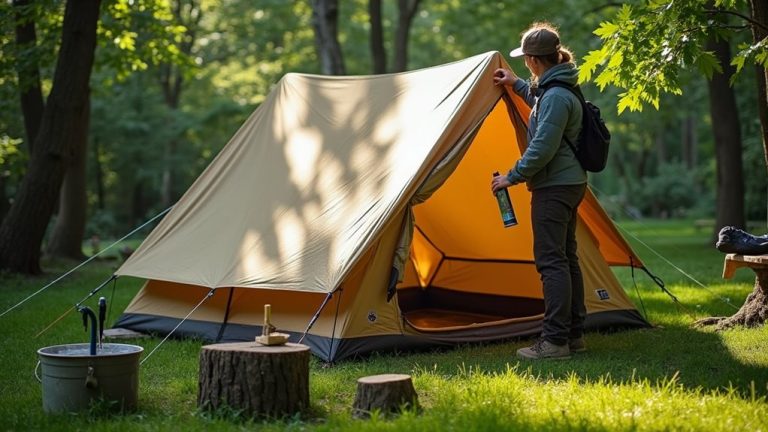
    Start by checking your tent for holes or tears. Clean it gently with mild soap and water. Dry the tent completely before moving on. Seal the seams using special liquid sealers or sticky tape made for tents. Make sure seams are clean before sealing. If the tent’s urethane coating feels sticky or worn, apply a tent-specific sealant on a warm, dry day. Test the fabric by sprinkling water on it. If water soaks in, treat it with a durable water repellent spray, like Nikwax. This helps water bead up and roll off. For extra protection, try using silicone sprays or rubbing paraffin wax on the fabric. These methods keep your tent dry during rain. Taking these steps will keep your tent strong and water-resistant for your next trip.

  • How To Rainproof A Tent

    Rainproof your tent by checking its fabric for holes. Make sure the hydrostatic head rating is above 2,000 mm. Seal all seams using silicone or polyurethane sealers. Apply a thin, even layer for best results. Touch up any worn urethane coating on the rainfly with fresh sealant. Use a water repellent spray like Nikwax TX.Direct to boost water resistance. Keep your tent clean and dry to maintain its protection. Regular care helps your tent stay strong against rain. Follow these steps to stay dry during wet weather.