
What Does Pitching A Tent Mean
This post contains affiliate links. As an Amazon Associate, we earn from qualifying purchases.
“Pitching a tent” means setting up a camping tent, but it also serves as a slang term for a male erection. The phrase involves physically assembling and securing a tent to the ground, typically by finding a flat spot, clearing debris, and staking it down firmly. Later sections will provide more detailed explanations of both the practical camping process and the phrase’s cultural and linguistic significance.
Essential Facts in 30 Seconds
- “Pitching a tent” literally means setting up a camping shelter.
- It also slangily refers to a visible male erection.
- The phrase reflects cultural views on male sexuality.
- The term comes from Old French and has evolved over time.
- Proper pitching ensures tent stability and protection during camping.
Understanding the Literal Meaning of Pitching a Tent
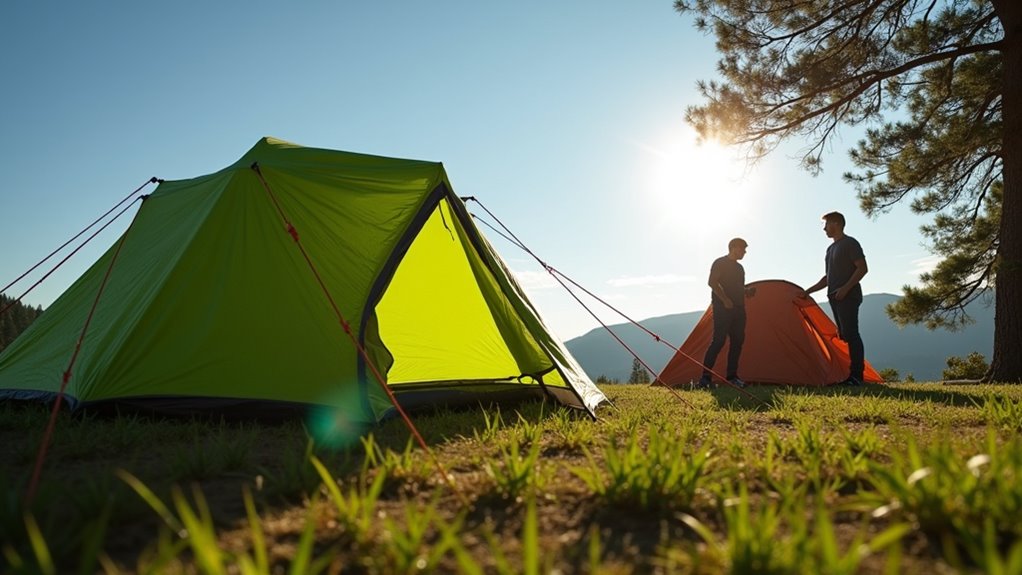
Pitching a tent starts your camping adventure. It gives you shelter and comfort outdoors.
Find a flat spot without rocks or sticks. Clear the ground well to protect your tent. Spread your tent footprint or ground cloth first. Put the poles together carefully and attach the tent fabric. Securing the tent with stakes and guylines keeps it strong against wind and rain.
Use rain flies or covers for extra protection if your tent needs them. Point your tent to catch the sun and block the wind. Properly securing the tent with stakes and guy lines enhances its stability.
Practice pitching your tent often. This builds skill and speeds up the setup next time. Good tent setup makes camping safer and more fun.
Exploring the Slang Interpretation in Modern Language
The phrase “pitching a tent” means a visible erection. This slang shows how people talk about male sexuality. It uses humor to make the topic less serious. Many people use this phrase in casual talks.
Knowing this helps you understand jokes and social cues better. Language reflects culture and attitudes about sex. Slang words like this reveal how open or shy a society is.
Learning these terms improves your English skills and confidence.
Sexual Humor in Language
Sexual humor in language shows how society views intimacy and desire. Phrases like “pitching a tent” use fun images to talk about erections. This slang compares a visible erection to a camping tent shape.
Such expressions help people talk about sexual topics without feeling shy. They make conversations easier and less direct. Young people often use “pitching a tent” in casual talks.
This phrase keeps the mood light and shows how language stays creative. It breaks social taboos about sex in a playful way.
Cultural Attitudes Towards Erection
Cultural views on erections show how society thinks about male bodies. The phrase “pitching a tent” is a common slang. It compares an erect penis to a tent standing up. This shows how people use humor to talk about natural body functions.
Young people use this slang more often in casual talks. Adults avoid it in serious or formal talks. This shows how culture affects what men feel they can say about their bodies.
Talking openly about erections is okay in some groups but not in others. Language changes as culture’s ideas about sex change too. This slang helps us see those changes clearly.
Etymology: the Journey From Camping to Slang
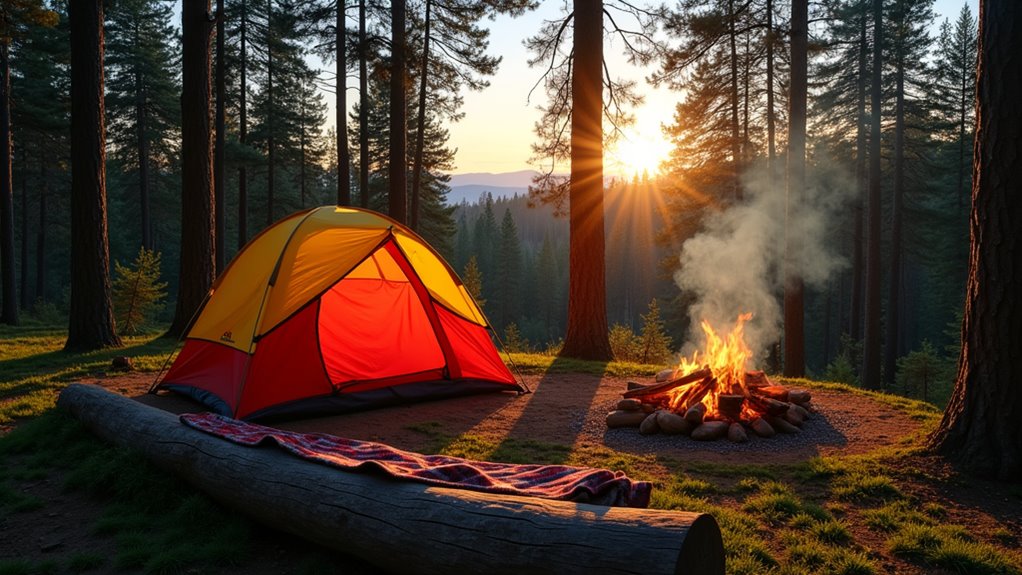
The phrase “pitch a tent” started with camping. It comes from the Old French word *tente*, which means “tent.” This word comes from Medieval Latin *tenta* and Latin *tendere*, meaning “to stretch.”
Long ago, people used it to mean setting up a shelter by stretching cloth over poles. By the 1200s, “pitch” meant to put up a tent.
Over time, people began to use the phrase in a new way. By the late 1900s, “pitch a tent” became slang for a male erection.
This change shows how language can grow and change. A simple camping phrase turned into a slang term. It proves that words can get new meanings as culture changes.
Contextual Usage in Language and Communication
The phrase “pitching a tent” changes meaning with context. It often means setting up a tent for camping outdoors. This is important for people who enjoy nature and want shelter. Choosing the right tent size can make the experience more comfortable and enjoyable for all campers.
Sometimes, people use it in funny ways during conversations. It can also hint at attraction between people. Knowing the setting helps avoid confusion.
Context gives clear meaning to words. Always listen carefully to understand what others mean. Additionally, understanding the concept of setting up the frame can enhance your experience when camping or playing outdoors.
Literal Camping Context
Pitching a tent means more than just setting up a shelter. It needs good planning to make camping comfy.
Find a flat, clear spot without rocks or sticks. Put a groundsheet down to keep the tent floor safe and protect against moisture from the ground.
Put together the tent poles and pegs. Join the poles carefully and make sure they fit right. Lift the tent up slowly to avoid damaging the fabric.
Push the pegs into the ground at a 45-degree angle to hold it tight. Attach the rainfly to keep out rain and wind while providing additional weather protection.
Check the tent and ropes often to keep it steady. Knowing these steps makes camping fun and safe, as proper tent setup preparation is essential for a successful camping experience.
Slang and Humor
“Pitching a tent” doesn’t only mean setting up a camping shelter. In slang, it describes a man’s erection. This phrase compares the shape of a tent to the outline of arousal.
People use it mostly in casual talks, jokes, and memes. It makes talking about sex less direct and more fun. Friends or partners often tease each other with this phrase.
It shows how language can be playful about body and feelings. This slang is common in many cultures and helps lighten serious topics.
Cultural Significance and Social Implications

Tents hold strong cultural meaning and social roles across the world. People use tents not just for shelter but also to show who they’re and their place in society.
Different groups show their values through tents. Nomadic hunter-gatherers use tents to move easily and survive. In medieval Europe, tents showed a person’s status and wealth.
Protesters set up tents to create a sense of community and support. During festivals and rituals, tents bring people together and celebrate culture.
Tents tell stories about people’s lives and their connections to each other.
Practical Applications of Pitching a Tent in Different Contexts
Setting up a tent correctly improves your camping experience a lot. Pick dry, high ground to stay safe from floods and wet spots. Remove rocks and sticks to stop tent tears and damage. Additionally, it’s important to choose a flat area to ensure a stable setup for your tent.
Backpackers benefit from light tents like the MSR Hubba NX. These tents set up fast and carry easily on long hikes. For family trips, bigger tents like the REI Base Camp give enough room for everyone. To enhance your setup efficiency, familiarize yourself with the tent components before starting.
Take care of your tent by cleaning and drying it after each use. This stops mold and keeps it strong. Strong winds can break tents, so take yours down if the weather gets bad. Face the tent’s door away from the wind. This keeps the inside cozy and safe. Properly securing the tent ensures it remains stable and taut, enhancing your overall experience.
Good tent pitching fits the weather and the place. It makes your trip safer and more fun.
Frequently Asked Questions
How Did “Pitching a Tent” Become Slang for an Erection?
The phrase “pitching a tent” means having an erection. People use it because the shape looks like a tent standing up. This slang makes talking about sex less awkward. It adds humor and makes the topic easier to discuss. Many people use it in casual talks to sound funny and light. This phrase shows how language can change with culture and imagination.
Are There Similar Phrases in Other Languages?
Similar phrases appear in Spanish and French. Spanish uses “hacer una tienda,” which means “make a tent.” French says “faire un chapiteau,” meaning “make a big tent.” Both phrases use tent images. They do not usually mean erections like in English. These expressions show how languages use similar ideas in different ways.
What Camping Skills Are Essential for Pitching a Tent?
Setting up a tent needs some key camping skills. First, pick a flat, dry spot free of rocks and sticks. Clear the area to avoid damage to the tent floor. Connect the tent poles tightly so the structure stays firm. Use stakes to secure each corner to the ground. Adjust the tent ropes to keep it stable if the wind blows. These skills help keep you dry and safe. Practice makes pitching tents quicker and easier. A well-set tent means a good night’s rest outdoors.
Can “Pitching a Tent” Be Used in Formal Writing?
“Pitching a tent” sounds informal and can confuse readers in formal writing. This phrase often appears in casual talks or stories. It also has slang meanings that may seem rude or unclear. Use “setting up a tent” instead. This phrase is clear and professional. It fits better in reports, essays, or official papers. Clear language helps readers understand your message fast. Keep your writing simple and polite. This way, you show respect to your audience and keep your writing strong.
How Do I Choose the Right Tent for Camping?
Pick a tent made from strong materials that fit your camping spot. Find one that stands up to rain and wind. Count how many people will sleep inside. A tent that fits everyone keeps you safe and cozy. Make sure it sets up fast and has good airflow. This helps you stay cool and comfortable at night. Choose a tent that matches your trip and weather needs. This makes camping fun and worry-free.
Conclusion
“Pitching a tent” means two different things. First, it means setting up a tent for camping. This is common when people go outdoors with gear like Coleman tents. They drive stakes into the ground and pull the tent fabric tight. This helps them sleep outside safely.
Second, the phrase has a slang meaning. It describes a physical reaction in men when they get excited. This is not about camping at all. People use this phrase in jokes or casual talk. It shows how language can have more than one meaning.
Knowing both meanings helps avoid confusion. It shows how words change in culture. Next time you hear “pitching a tent,” think about the situation. Is it about camping? Or something else? This phrase is a small window into how we talk and connect.
