
What Is A Tent
This post contains affiliate links. As an Amazon Associate, we earn from qualifying purchases.
A tent is a portable shelter designed for outdoor use, providing protection from rain and wind. It typically consists of a supportive frame made from materials like aluminum or fiberglass, covered with waterproof fabric. Various types of tents exist, ranging from lightweight dome tents for solo adventurers to spacious cabin tents for families. Key features often include ventilation, secure stakes, and waterproof designs. Further explanation and additional details about different kinds and uses of tents will be provided later in the article.
Essential Facts in 30 Seconds
- A tent is a portable shelter made from waterproof fabric and supported by a frame.
- There are various types of tents such as dome, geodesic, and cabin, suited for different needs.
- Tents protect users from rain, wind, and insects during outdoor activities.
- Features include ventilation, storage pockets, and waterproof materials for comfort and durability.
- Proper maintenance and storage help extend a tent’s lifespan and effectiveness.
Definition and Structure of Tents
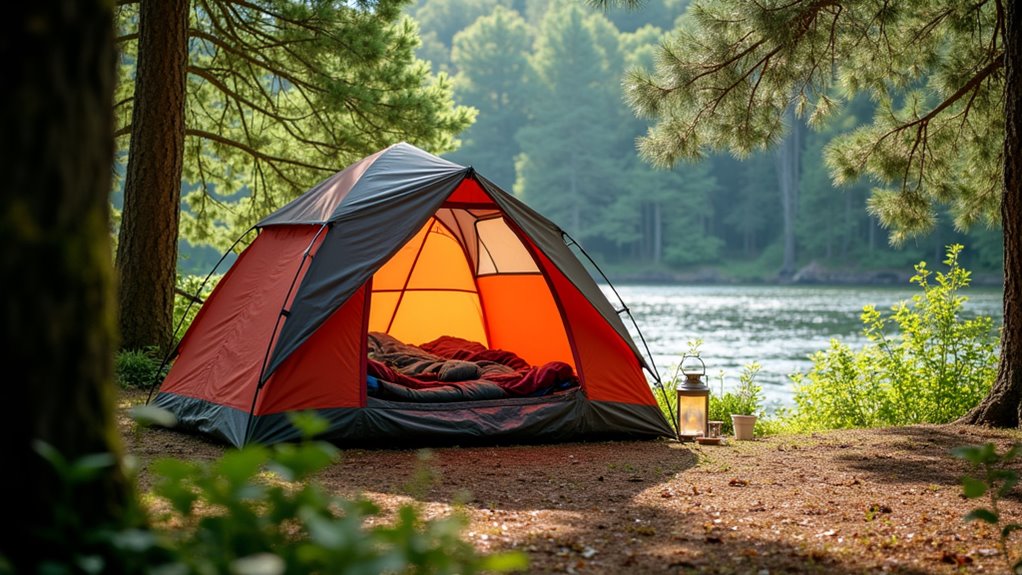
A tent is a portable shelter made for outdoor use. It protects you from rain, wind, and sun. Most tents have a frame made from aluminum, steel, or fiberglass. This frame holds up a waterproof fabric. The fabric keeps the tent light and strong.
The floor of the tent stops water and dirt from getting inside. A rain fly covers the tent to block extra rain. Tent pegs, stakes, and guylines hold the tent tight to the ground. This keeps the tent steady in strong wind.
Nylon fabric is light and easy to carry. Polyester fabric blocks harmful UV rays from the sun. Canvas fabric stands strong against heavy wind. Additionally, understanding tent materials helps you pick the right tent. It makes camping safe and comfortable. Choosing the right fabric type ensures durability and optimal weather resistance for a better camping experience.
Types of Tents
Tents come in many types, each designed for different needs.
Dome tents have a round shape and strong structure. They fit from 1 to over 6 people. They are often favored for their lightweight design, making them ideal for various camping situations.
Geodesic tents use complex designs to handle tough weather. They work well in extreme conditions.
A-frame tents look like the letter “A.” They’re simple and quick to set up but small inside.
Multi-room tents offer space and privacy for families or groups. They carry more weight but provide comfort.
Cabin and frame tents have tall, straight walls. These tents give the most room inside and suit long trips.
Each tent style shows smart ideas to help outdoors people. Dome tents, with their rounded tops, are particularly effective at shedding rain and snow.
Think about how many people will sleep, the weather, and how fast the tent goes up. This helps find the right tent for any trip.
Tent Materials and Fabrics
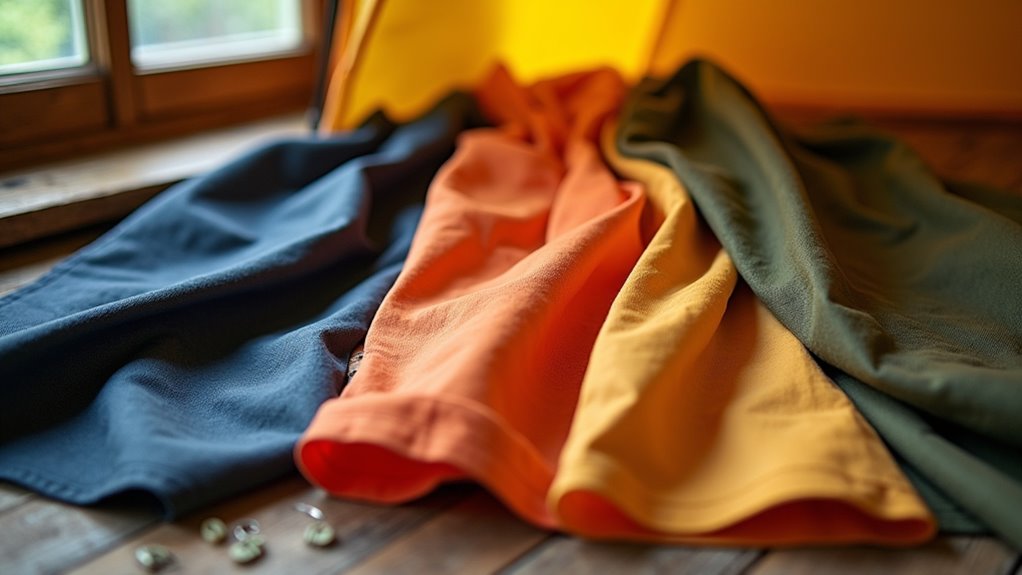
The right tent fabric makes camping comfortable and lasts longer. It also keeps you warm and dry. Proper care is essential to maintain waterproof capabilities for your tent. Regularly applying waterproofing treatments ensures that your tent remains effective against the elements.
Nylon and Cuben fiber are light and great for backpacking. Fabrics with PU or silicone coatings stop water well. Polycotton fabric breathes better, reducing inside humidity.
Keep your tent fabric clean after every trip. Store it away from the sun to avoid damage. Fix small tears fast to stop them from growing. Good care and smart fabric choices mean no leaks or stuffy tents. Enjoy your camping without worries!
Uses and Applications of Tents
Tents have many uses and work well in different places. They protect you from rain, wind, and bugs during camping. Athletes use tents at sports events to get privacy and rest. New tent designs keep water and wind out for better outdoor comfort. A 2040-foot tent is a great option for gatherings, as it provides ample space for guests.
Tents also work great for short-term shows or sales booths. They help display products and attract attention. People enjoy nature more with tents because they offer safe shelter and keep insects away. A rain fly adds extra protection against rain and enhances comfort during unexpected weather.
Some tents last longer and serve factories or big projects. They can turn into dining spaces or quiet spots for hobbies. Tents fit many needs and situations. Knowing how to use them helps pick the best one for you. This makes your time outside more fun and safe.
Features and Accessories of Tents
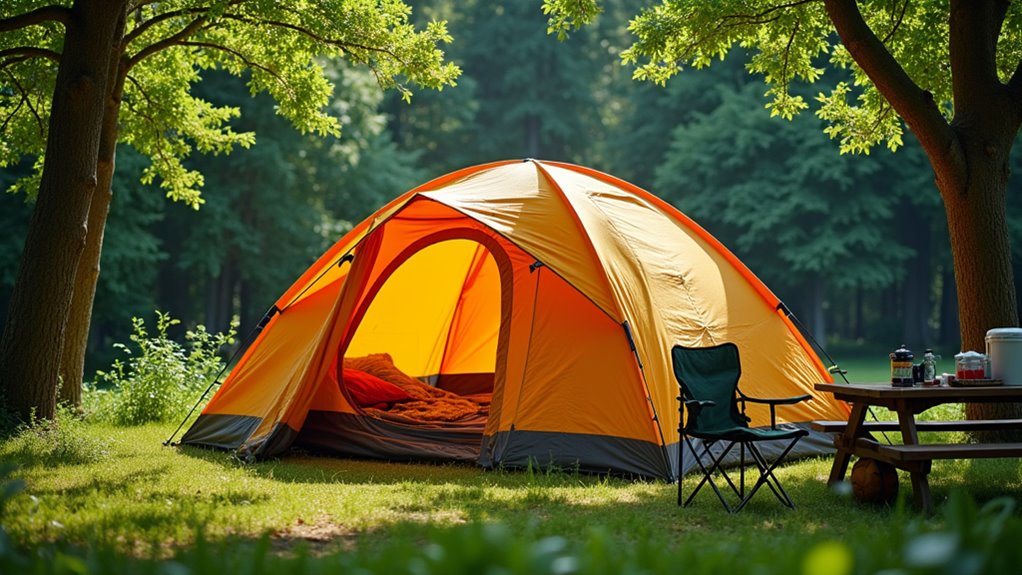
Tents come with features and accessories that make camping better. Good ventilation with mesh panels and vents stops moisture and keeps air fresh. Stakes and guylines hold the tent firm in strong wind and rain. Vestibules and inside pockets store gear safely and keep it dry.
Tents with tall peaks offer more headroom. Dome shapes stand strong against wind. Full rainflies cover the tent fully, protecting from rain and adding space outside. Strong, waterproof fabrics and sealed seams stop water from leaking inside. Additionally, waterproofing techniques can enhance the tent’s ability to repel moisture. Adjustable vents help control airflow as weather changes. Additionally, four-season tents are designed to withstand harsh winter conditions, making them ideal for cold weather camping.
These features work together to keep you dry, comfortable, and safe. Pick the right tent, and your camping trip will be easier and more fun.
Frequently Asked Questions
How Do I Choose the Right Tent Size for My Needs?
Pick a tent size based on how many people will sleep inside. Add space for your gear and personal comfort. For example, a 4-person tent fits two adults and two kids comfortably. A 6-person tent leaves room for extra bags and moving around. Bigger tents weigh more and take longer to set up. Smaller tents save weight but may feel cramped. Think about the weather too. Taller tents offer more headroom and ventilation. This helps on hot or rainy days. Choose a size that matches your group and trip length. This way, everyone stays comfortable and safe.
Can Tents Be Used Year-Round in All Weather Conditions?
Tents work all year round, but not all tents fit all weather. Four-season tents handle snow, strong wind, and cold well. They keep you warm and safe in tough weather. Regular tents may fail in heavy snow or strong storms. Check tent labels for weather ratings before buying. Good tents have strong poles and thick fabric. Always prepare for rain, wind, or cold, even in mild seasons. Stay dry and warm with the right gear inside your tent.
How Do I Properly Clean and Maintain My Tent?
Clean your tent like giving your gear a gentle spa day. Use mild soap and water to scrub it softly. Rinse well to remove dirt and soap. Dry your tent flat in the shade. Sunlight can damage the fabric. Check zippers, seams, and poles after each trip. Fix small tears or holes quickly. Store your tent dry and loose in a cool place. Regular care keeps your tent strong and ready for every adventure. Clean tents last longer and stay waterproof. Your shelter will thank you with every use.
What Is the Lifespan of a Typical Camping Tent?
A camping tent usually lasts between 1 and 10 years. The exact time depends on how strong the tent is and how often you use it. Taking good care of your tent helps it last longer. Keep it clean and dry. Avoid leaving it in strong sun or bad weather. Fix small tears quickly to stop bigger damage. With proper care, your tent will stay strong and reliable for many camping trips.
Are There Eco-Friendly Tent Options Available?
Eco-friendly tents use sustainable materials like organic cotton and recycled polyester. These tents reduce waste and pollution. Many have certifications proving they are good for the environment. They also last long, so you can enjoy nature without harm. Choosing these tents helps protect forests and animals. Many outdoor lovers prefer them for a cleaner planet.
Conclusion
Tents are portable shelters that protect you from weather. They fit many outdoor needs like camping or events. Different types and materials suit different conditions. A tent offers comfort and safety in the wild. Pick the right tent to stay dry and secure. This choice makes outdoor time fun and safe. Enjoy your adventure with a good tent by your side.
