
How To Set Up The Tent
This post contains affiliate links. As an Amazon Associate, we earn from qualifying purchases.
To set up your tent, first choose a flat, dry spot away from dead trees and clear the ground of debris. Then assemble the tent poles, erect the tent body, secure it with stakes, and finally attach the rain fly to ensure proper ventilation. Below, you’ll find a detailed step-by-step guide to help you through the entire process for a safe and comfortable camping experience.
Essential Facts in 30 Seconds
- Select flat, stable ground with good drainage and no dead trees nearby.
- Clear debris and use a ground tarp to protect the tent floor.
- Assemble tent poles carefully and secure fabric with color-coded clips.
- Attach the rain fly tightly, ensuring ventilation by aligning and covering openings.
- Check and adjust openings regularly to maintain airflow and prevent moisture buildup.
Selecting the Campsite
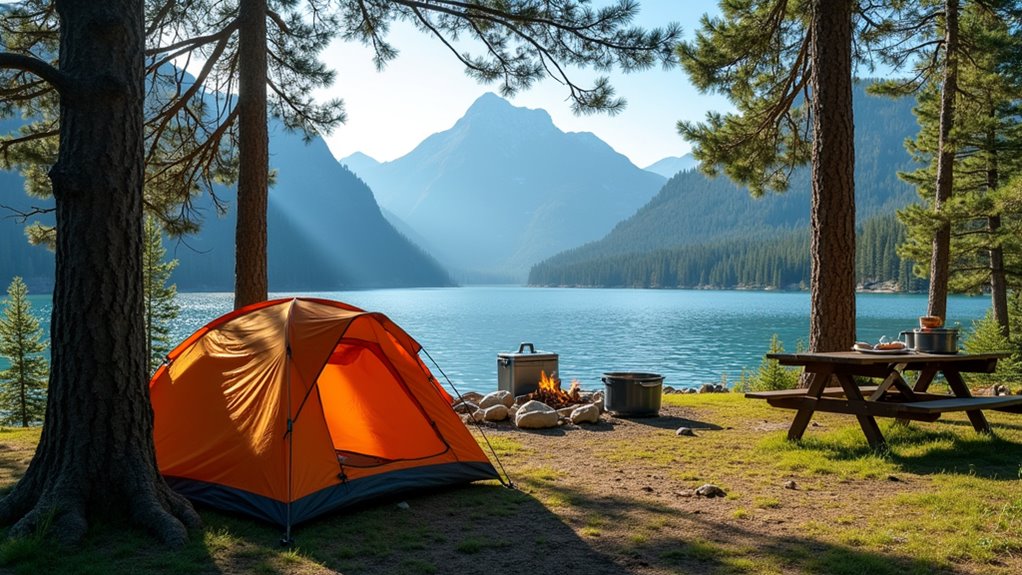
Select a campsite with a flat, stable ground for easy tent setup and good sleep. Choose hard surfaces like rock or gravel. These reduce damage to plants and soil. Avoid spots near dead trees to stay safe from falling branches.
Look for areas that don’t collect water after rain. This keeps your campsite dry and helps maintain proper insulation during colder nights.
Pick a site close to clean water and toilets. These make your stay easier. Find a place with nice views, but avoid places with strong winds or many bugs.
Stay clear of water edges to keep safe from pollution and animals. Notice where the sun moves in the sky. Find a spot with good sunlight but some shade too. Additionally, consider natural windbreaks like trees or bushes to enhance your campsite’s protection from the elements.
These steps help you enjoy camping and protect the environment.
Preparing the Ground and Tent Base
Select a good campsite first. Prepare the ground and tent base carefully. Remove rocks, sticks, and all debris. Smooth the surface to avoid hazards. Flatten bumps and fill any holes. Stay away from low spots that collect water. Check for ant nests or sharp objects.
Place a strong ground tarp next. Use materials like polyethylene or nylon. Make the tarp slightly smaller than your tent base. This stops water from pooling under the tent. A tarp also acts as a protective barrier from sharp objects that may damage your tent. Secure the tarp with stakes to keep it tight.
Check the drainage and site direction. Set your tent on high ground only. Keep it away from thick bushes or plants. This helps avoid water and insects. Additionally, consider wind direction and sun position to enhance comfort during your stay.
Here is a quick table to follow:
| Step | Action | Purpose |
|---|---|---|
| Clear the ground | Remove debris and level surface | Create stable base |
| Use a ground tarp | Place a protective layer under tent | Stop dampness |
| Assess drainage | Choose high ground for tent | Prevent water pooling |
Assembling Tent Poles
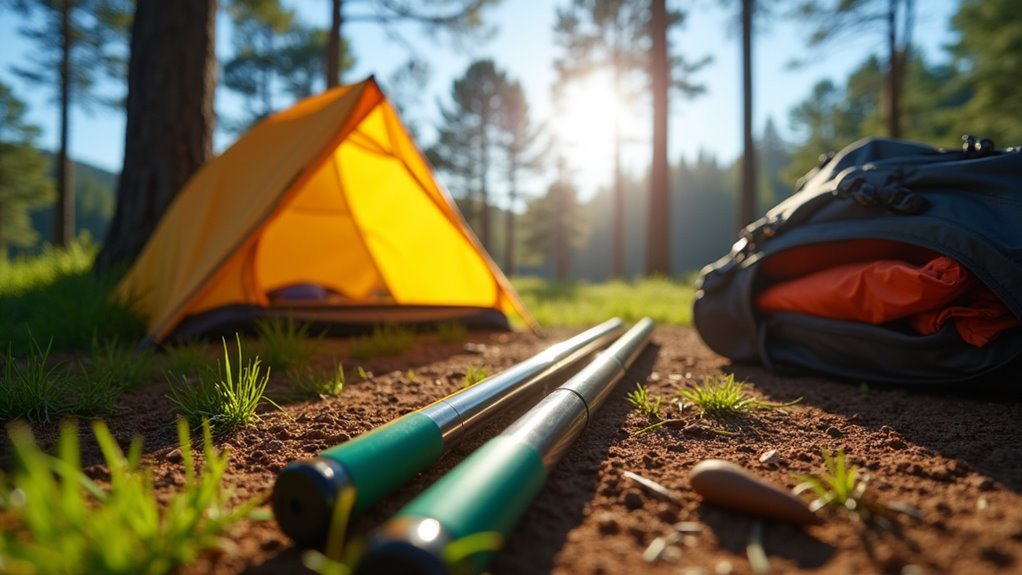
Tent poles come in different types: fiberglass, aluminum, and steel.
Fiberglass poles are light and easy to connect with shock cords. They are also commonly used in smaller tents for easy setup.
Aluminum poles are strong and good for backpacking trips.
Steel poles hold up bigger tents well.
Match each pole with its section carefully.
Push poles in firmly to keep your tent stable. This creates a strong frame for your tent. Regularly inspect and maintain zippers for functionality to ensure that the tent remains secure and weatherproof.
Pole Assembly Techniques
Setting up a tent needs good pole assembly skills. Start by laying out poles by length. This makes assembly faster and easier.
Shock-corded poles snap together easily. Pull them gently and let the segments click. Push each pole section fully into the next one. This keeps poles strong and stops them from breaking. Additionally, ensure that the assembly of tent poles is done correctly to maintain the integrity of the structure.
Use the pin and ring system at tent corners to hold poles tight. Match each pole with its grommet or sleeve. This pulls the tent fabric tight for better shape.
Check poles for cracks or bends before use. This stops accidents while camping. Additionally, ensure to assemble color-coded poles correctly to streamline the setup process.
Finally, always stake your tent firmly to the ground. This keeps it steady in the wind. Good pole setup means a safe, strong tent.
Identifying Pole Types
Tent poles come in three main materials: steel, fiberglass, and aluminum.
Steel poles are strong but heavy. They suit big tents and need care to stop rust.
Fiberglass poles weigh less and fit small tents well. They break easily if handled roughly.
Aluminum poles, like DAC 7001 alloy, are strong and bend without breaking. Many campers prefer them for this reason. Additionally, aluminum poles are often favored for their lightweight nature, making them easier to transport on hikes.
Look for color codes or marks on the poles. These signs show which poles fit your tent.
Knowing your poles helps you set up fast and keeps your tent lasting long. Strong poles mean a stable tent in wind or rain. Additionally, choosing the right tent fabric type can enhance your camping experience by improving durability and weather resistance.
Inserting Poles Properly
Insert poles carefully for a strong and stable tent.
Start by sliding poles through the sleeves or clips. Cross them to make an “X” shape. Connect poles using the pin and ring system. Push pins fully to keep poles from slipping.
Angle side poles slightly inward to connect easier. Raise the center pole last to keep tension. Look at the poles to check they stand straight and centered.
Tighten guy ropes as needed. This method keeps your tent secure and ready for any weather.
Erecting the Tent Body
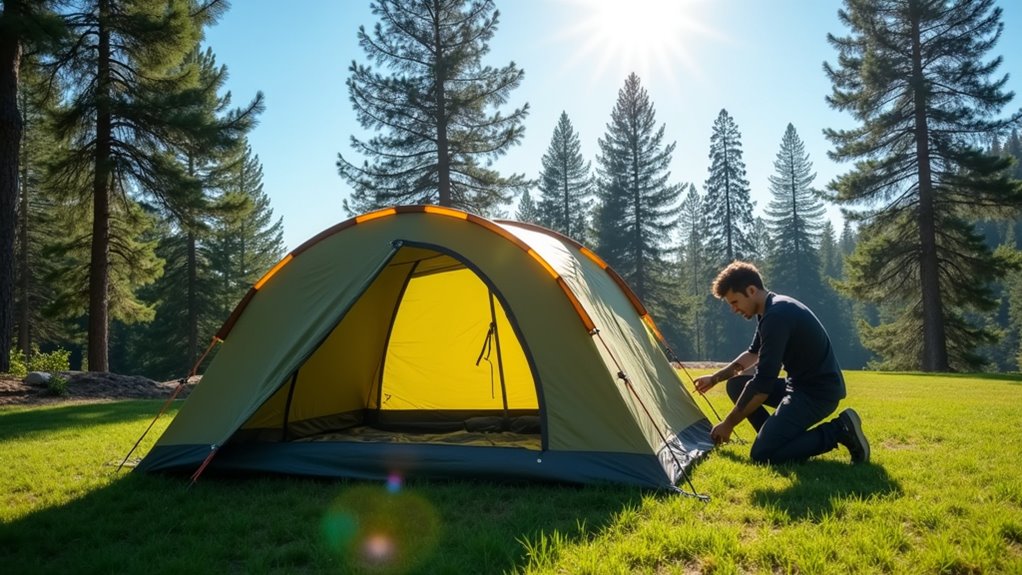
Pick a flat, clear spot without roots or rocks. This stops water from collecting under your tent.
Spread a groundsheet or footprint to protect the floor and add comfort. Unroll the tent on the groundsheet. Make sure the door faces the way you want. Smooth out the tent to remove folds.
Put together the tent poles as the instructions say. Fit one end of each pole into the tent’s corner holes or sleeves. Slide poles through the roof sleeves. Lift the poles to shape the tent.
Connect poles using color-coded clips. Attach clips to hold the fabric tight. Adjust the tent so it stands straight. Check the door lines up for easy entry.
Staking and Securing the Tent
Erect the tent body first. Then stake and secure it well. This stops the tent from falling or moving in wind or rain.
Use the right stakes. V-shaped or spiral stakes work best in loose soil. Heavy metal stakes hold better in rocky ground. Push stakes straight down into the earth. Leave about six inches showing to tie ropes. In soft soil, pack dirt tightly around each stake. For sand, use deadman anchors to hold strong.
Tie ropes evenly. Start with two corners opposite each other. Tighten gently to avoid breaking the ropes. This keeps your tent safe and steady all night.
Applying the Rain Fly and Final Adjustments
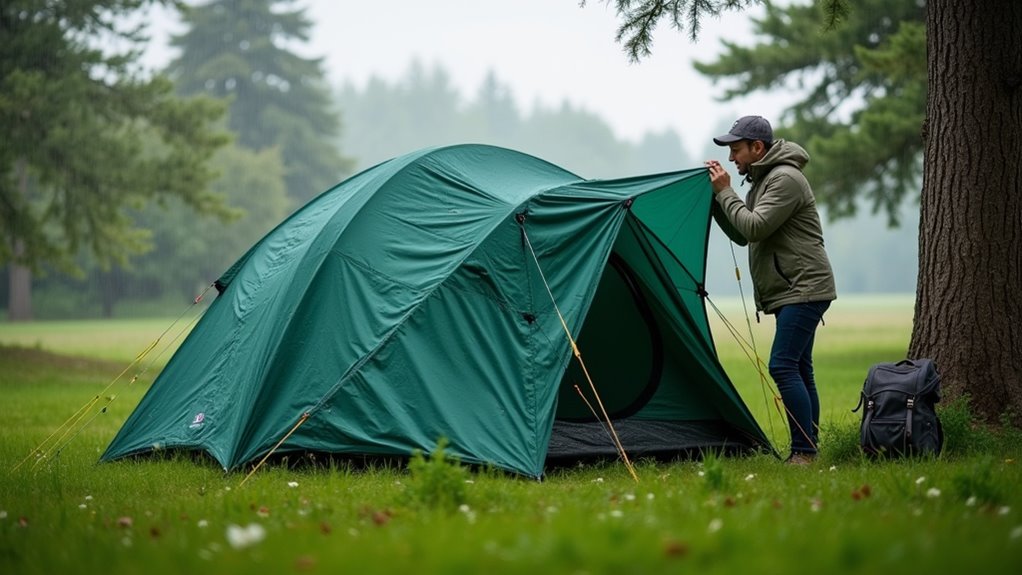
Secure your tent first.
Place the rain fly over the tent carefully. Match the rain fly door with the tent door. This helps keep air flowing and stops rain from coming in.
Fasten the rain fly tightly to the tent. Check all edges for open spaces. Close any gaps to keep water out.
Make sure air can still move inside. This reduces moisture and keeps the tent dry.
Align Rain Fly Properly
Align the rain fly carefully to keep your tent dry and safe.
First, find the front, back, and sides of your tent. Match the rain fly’s door with the tent door for easy entry. Make sure the rain fly covers all mesh parts fully.
The rain fly should hang past the tent edges to stop rain from getting in. Secure the rain fly by threading edges through sleeves or clips. Attach all grommets and tie-down points tightly.
This keeps the rain fly steady during wind or rain. A well-aligned rain fly protects you and your gear effectively.
Ensure Ventilation and Sealing
Cover the tent fully with the rain fly. Keep air paths open. Open doors, windows, and vents to let air flow. Face tent doors toward the wind.
Pull the rain fly tight. Leave space between the fly and tent walls. This helps air move better. Use mesh panels if vents are missing.
Dry wet clothes outside the tent. Air out the tent often, especially mornings and evenings. Check openings often. Adjust them to keep air moving and stop leaks.
Good airflow lowers humidity and keeps you dry.
Frequently Asked Questions
What Should I Do if It Rains While Setting Up?
Rain can make setting up your tent tricky. Wear rain gear to stay dry. Find a spot under tree branches for extra shelter. Keep your rainfly handy to cover the tent fast. Work quickly to avoid getting soaked. Wet gear can slow you down and make camping less fun. Staying prepared helps you enjoy your trip, no matter the weather.
Can I Set up a Tent Alone?
Setting up a tent alone is possible and common among campers. Many people enjoy solo camping every year. Using simple steps helps. Start by picking a lightweight tent. Light tents are easier to carry and set up. Next, learn the parts of your tent before you camp. Practice setting it up at home. This builds confidence and speed. Remember to find a flat, clear spot to pitch your tent. Secure the tent firmly with stakes and ropes. Taking your time helps avoid mistakes. Soon, you will pitch your tent quickly and easily by yourself. Solo tent setup shows you can be independent and prepared outdoors.
How Do I Choose the Right Tent Size?
Think about how many people will sleep in the tent. Check the tent’s size and how many people it fits. Pick a tent that fits two extra people. This space helps with gear and moving around. A tent for four people works well for two campers plus their stuff. More room means better comfort and less crowding. Choose wisely to enjoy your camping trip.
What if the Ground Is Uneven?
Uneven ground needs strong tent stakes and a ground tarp for support. Place your tent so you do not sleep on a slope. This helps you rest well and stay comfortable all night. Good setup keeps your tent steady and safe.
How Can I Prevent Condensation Inside the Tent?
Condensation forms inside tents from warm air meeting cold surfaces. Keep air moving by opening doors a little and using vents at the top. Store wet clothes and gear outside the tent to stop moisture buildup. Wipe down tent walls and floor every morning to keep dampness low. These steps help keep your tent dry and comfortable.
Conclusion
Set up your tent firmly before settling in. Check all stakes are tight and the rain fly covers well. Storms can come fast and ruin your night. A strong tent keeps you safe and dry. Pack your gear inside and relax. Camping starts best with a good shelter. Ready for adventure? Your tent is too.
