
How To Store A Tent
This post contains affiliate links. As an Amazon Associate, we earn from qualifying purchases.
To store your tent properly, clean it thoroughly, ensure it is completely dry, and keep it in a cool, dry place with good airflow away from direct sunlight and heat. Proper folding and storing with all accessories inside will also help maintain its condition. Below, you’ll find detailed steps and tips to help extend the lifespan of your tent.
Essential Facts in 30 Seconds
- Check the tent for damage and seam condition before storing.
- Clean the tent with mild soap and dry it fully in the shade.
- Store the tent in a cool, dry, and well-ventilated area away from sunlight.
- Fold and roll the tent tightly, keeping guylines and stakes with it.
- Use breathable covers and store roof tents upright in ventilated spaces.
Inspecting Your Tent Before Storage
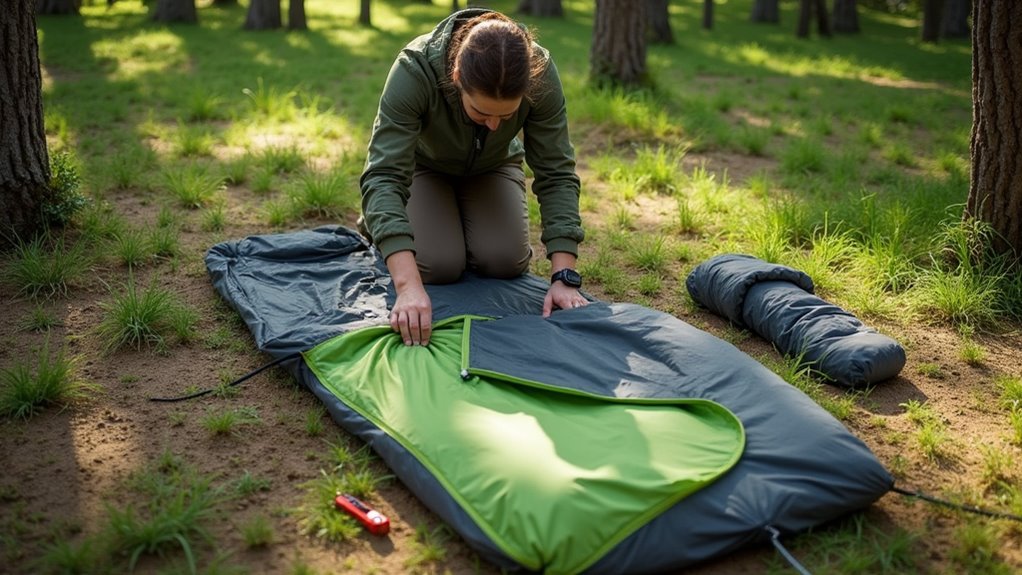
Inspect your tent carefully before storing it. Check the entire tent for any bends or damage. Look closely at the fabric for holes, rough threads, or stains. Focus on strong-wear spots like roof peaks and doorways. These areas usually wear out first.
Next, check the seams. Look for loose or broken stitches and any gaps. Make sure the waterproof coating on the seams is still good. This keeps water out during your next trip. Regularly checking for wear and tear on seams can help identify issues early on.
Small problems? Use a fabric-safe seam sealer and let it dry before storing. This simple check keeps your tent strong and ready for your next adventure. Additionally, if you find any significant tears, consider using strong adhesive designed for outdoor fabrics to ensure a proper repair before storage.
Cleaning and Drying Your Tent
Cleaning and drying your tent keeps it strong and working well. Use cold or warm water to rinse the fabric gently. Hot water can ruin waterproof coatings. Use mild, fragrance-free dish soap or a special cleaner like Nikwax Solar Wash®.
Don’t machine wash or pressure wash your tent. These can tear the fabric or harm the seams.
For mildew or tough stains, try enzyme cleaners like MiraZyme™. Spot clean with a damp cloth or sponge. Remember to check for any remaining stains during the rinsing process to ensure a thorough clean.
Dry your tent completely to stop mildew from growing. Set it up in the shade to keep its shape and protect it from sun damage. Press water out gently; don’t twist or wring.
Taking care of your tent this way helps it last longer and keeps camping fun and safe.
Choosing the Right Storage Environment
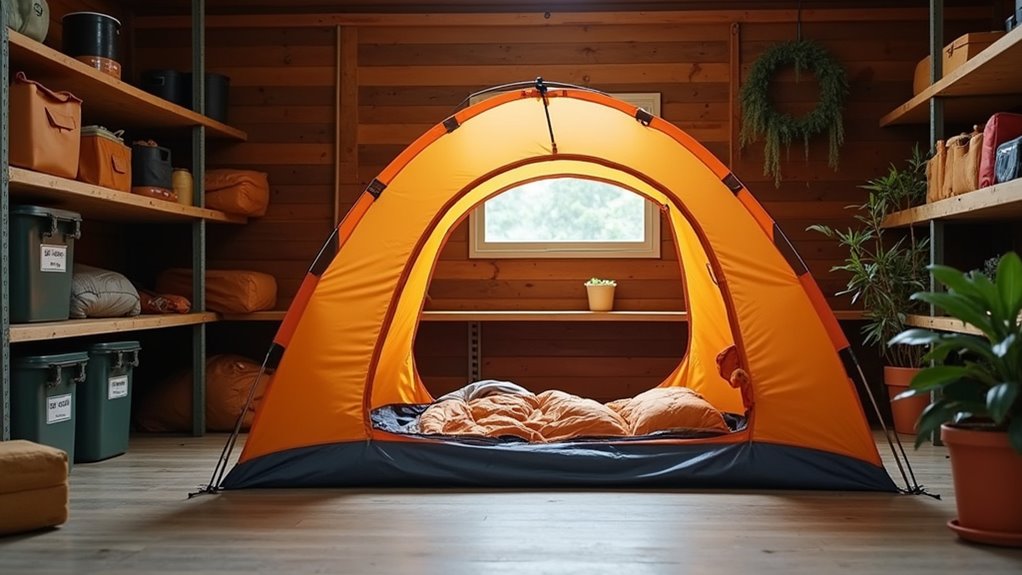
Store your tent in a cool place. Keep the temperature below room level but above freezing. High humidity causes mold and mildew.
Use a space with good air flow. Avoid direct sunlight and heat sources. Sunlight and heat can damage the fabric. Regularly inspect for any damage to ensure its longevity and performance.
Check your storage area often for pests or dirt. Clean and dry your tent before storing. This helps keep it strong and lasts longer. Regular cleaning maintains tent longevity and performance.
Proper care saves money and keeps your tent ready for adventure.
Proper Folding and Packing Techniques
Proper folding and packing keep your tent safe and ready to use. First, make sure the tent is clean and dry. Remove dirt, leaves, and any other debris. Lay the tent flat on the ground. Smooth out all wrinkles. Fold one side toward the center. Then fold the other side over it. This makes the tent long and narrow.
Next, lay the rainfly flat. Fold it lengthwise with the dirty side inside. Place it on top of the folded tent. Roll both pieces tightly together. Press firmly to push out trapped air. It is essential to remove any stakes and guylines before packing to avoid damage to the tent.
Keep your guylines, stakes, and other small items inside the roll. This keeps everything organized and easy to carry. Proper packing protects the tent fabric from damage, so always remember to store the tent in a cool, dry place. It helps the tent last for many camping trips.
Simple steps that save time and keep your gear in great shape.
Special Considerations for Roof Tents
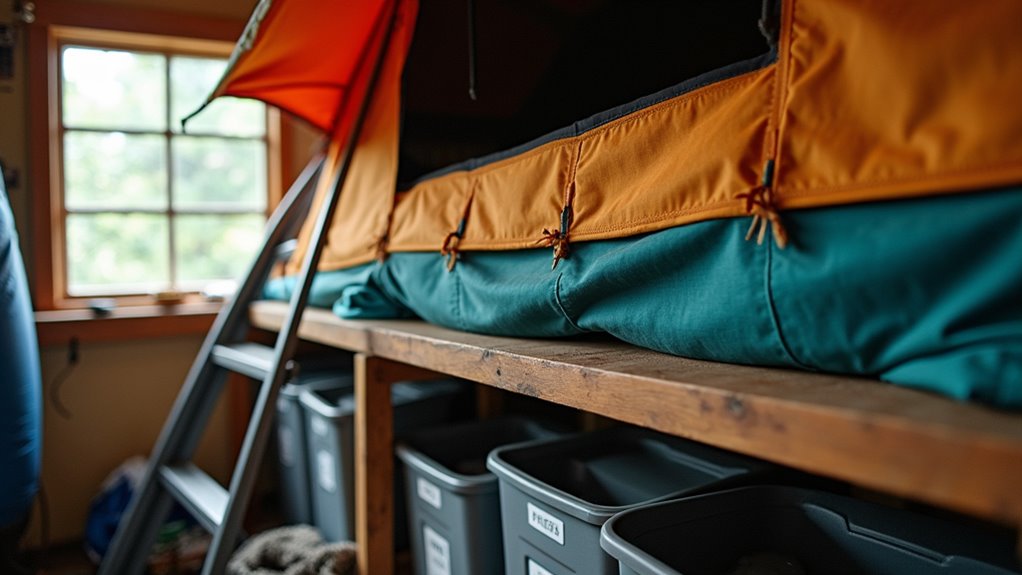
Store your roof tent carefully to keep it strong and ready. Dry, frost-free places stop damage to the material. Use covers that breathe well. These keep dust and moisture away. Additionally, using a tarp under the tent during storage can provide an extra layer of moisture protection and help maintain its condition.
Check the tent often for mold or tears. Place the tent upright against a wall with support. This avoids pressure spots that can hurt the fabric.
Small spaces? Store the tent standing up in a well-ventilated area. For long breaks, lay it flat or hang it. Air must flow to stop dampness.
Keep the tent on your car? Open it often to let fresh air in. Following proper ground cover techniques will also help protect your tent from moisture during storage.
Follow these tips. Your roof tent will last longer and stay ready for your next trip.
Understanding Tent Materials and Coatings
Tents use different materials and coatings. Nylon is light but can break down in sunlight. Polyester lasts longer and resists water well. Canvas feels breathable and keeps heat but is heavy. Coatings like polyurethane and silicone make tents waterproof. They also help stop water from getting inside.
Good tents balance waterproofing with breathability. This stops wet air inside and reduces sweat. Even high-rated tents can leak if not maintained properly.
Canvas tents need regular waterproofing treatments. Nylon and polyester tents clean easily but can weaken under sun. Dyneema is very strong but costs more.
Always keep your tent dry and clean. This helps it last longer. Learn about your tent’s materials and coatings. This knowledge guides you to use the right care products. It keeps your tent working well and comfy on trips.
Frequently Asked Questions
How Often Should I Inspect My Tent During Storage?
Check your tent at least twice a year during storage. This helps catch any damage early. In places with high humidity, check more often. Moisture can cause mold and fabric damage. Keep the tent dry and clean to last longer. Regular checks keep your tent ready for your next trip.
Can I Store My Tent in a Garage?
Storing your tent in a garage works well. Keep it dry to stop mold and mildew. Place the tent off the floor to avoid moisture damage. Make sure the garage has good airflow. This helps prevent damp smells and keeps rodents away. Check the tent often for any signs of damage. Proper care can make your tent last many years.
What Should I Do if My Tent Gets Wet During Storage?
A wet tent during storage can cause mold and damage. Set up the tent in a dry, shaded area. Open all vents and doors for good airflow. Let the tent dry completely before packing it away. Use a clean towel to soak up extra water. Store the tent in a cool, dry place. Avoid tight bags; use a breathable storage sack instead. This keeps your tent fresh and ready for your next trip.
How Can I Prevent Pests From Getting Into My Tent?
Keep pests away from your tent by using strong bug sprays. Check your tent for holes or tears and fix them fast. Close all zippers and flaps tightly. Store food in sealed containers to avoid attracting insects. Clean your campsite to remove crumbs and trash. These steps create a barrier that stops bugs from entering your tent. Enjoy your camping without unwanted guests!
Is It Okay to Store My Tent With Other Camping Gear?
Storing your tent with other camping gear is fine. Make sure to pack the tent loosely. Keep it away from heavy items to avoid damage. This helps the tent last longer. Organize your gear to prevent crushing the tent fabric. Proper care means your tent stays strong for many trips.
Conclusion
Store your tent carefully to keep it strong and ready. First, check the tent for dirt, tears, or wet spots. Clean it gently with water and a soft brush. Let the tent dry completely before packing it away. Moisture can cause mold and damage the fabric. Fold the tent loosely to avoid creases and weak spots. Avoid tight, hard folds that can break the material. Use a dry, cool place for storage, like a closet or shelf inside your home. Avoid damp basements or hot attics. These spots can ruin the tent over time. Proper care helps your tent last many camping trips. Ready for your next adventure? Store your tent right today!
