Author: Chloé Bourgeois

Hi, I’m Chloé – a tent-obsessed hiker, trail-lover, and outdoor staycation junkie. I started this site to help people like you find honest, real-world reviews of tents that actually hold up in the wild (and not just in a showroom). I’ve pitched more tents than I can count — through rain, wind, and those perfect golden-hour evenings — and I’m here to share what works, what doesn’t, and what’s worth your money. When I’m not testing gear, you’ll find me chasing trails with my @dacia_uk Adventure crew, layering up in my favorite pieces from @acaioutdoorwear, or planning my next AllTrails adventure. Thanks for stopping by — hope you find your perfect shelter under the stars.
  • Haven Safari Hammock Tent

    The Haven Safari Hammock Tent offers a roomy and steady place to sleep for one camper. It has a flat design with aluminum bars that keep it open. The neck support adjusts to keep you comfortable. It weighs just over 12 pounds and fits into a small 20 x 10 x 5 inch pack. This tent holds up to 350 pounds, making it strong for many outdoor trips. A waterproof rainfly keeps rain and wind away, so you stay dry. This gear is perfect for campers who want comfort and protection in one. Explore more to learn useful tips and details.

  • Does Tent Matter For Insulation

    Tent type matters a lot for insulation. Materials like closed-cell foam or thick fabric keep heat inside. For example, Oxford 300 PU 4000 fabric blocks cold air well. Cotton canvas holds warmth but weighs more. Polyester lets air flow but does not keep heat. Double-wall tents trap warm air between layers. Good ventilation controls both heat and moisture. These details help you stay warm and dry outside. Understanding tent insulation helps you camp comfortably anywhere.

  • Does Surface Pro Fold Into A Tent

    The Surface Pro does not fold into a tent shape. Its kickstand design supports only certain angles. It works mainly as a tablet or a laptop. You can adjust the kickstand to find a good view. The Type Cover keyboard detaches easily but does not enable tent mode. This device acts as a 2-in-1, combining tablet and laptop features. Other devices may offer tent mode, but the Surface Pro does not. The design focuses on flexibility and portability. Users get solid support for multiple angles while using it.

  • Do You Need A Tent Footprint

    A tent footprint protects your tent floor from sharp rocks and wet ground. It keeps the bottom dry and stops holes from forming. Using a footprint can make your tent last longer. It also helps keep you warm by adding a layer between you and the cold earth. A footprint is easy to clean and saves time after camping. Pick a footprint slightly smaller than your tent floor to stop rainwater from collecting underneath. Different footprints come in many materials and sizes. Knowing how to use them well makes camping more comfortable and your tent safer.

  • Do Small People Fit Into Tents More Dnd

    Small people fit well into tents made for one or two persons. These tents usually measure about 86 to 88 inches long. They offer 20 to 30 square feet of space. Bigger tents give more room for gear and movement. Dome tents use space smartly and feel roomy. Organizing gear with bins and hooks keeps things neat. This makes camping easier and more fun. Find a tent that matches your size and needs.

  • Can You Rent A Tent

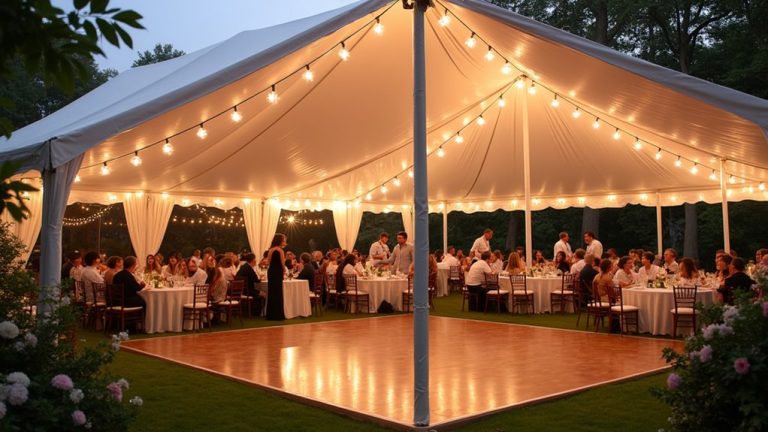
    Tents are available for rent for weddings, parties, and work events. Rental companies offer pole, frame, and high-peak tents. These tents fit different needs and spaces. Renting saves money compared to buying. Experts set up the tents quickly and safely. Pick a flat, open spot for the tent. Make sure all tent parts arrive before the event. Secure the tent well to avoid accidents. Tent rental prices vary by size and type. Booking early often gets better deals. Rental companies can explain costs and booking steps clearly. Renting a tent makes your event easier and more fun.

  • Do I Need A Tarp Under My Tent

    A tarp under your tent protects the floor from sharp rocks and sticks. It stops water from soaking through, keeping your tent dry. Dirt and bugs stay outside, making your sleeping area clean. Tarps must fit well to avoid water pooling underneath. Sometimes, tarps feel hard, so pick one that suits your tent size. Using a tarp makes camping more comfortable and safe. You can also use tarps for extra shade or ground cover outside your tent.

  • Can You Live In A Tent On Your Own Land

    Living in a tent on your own land is possible. Local rules matter a lot. Zoning laws may allow or block tent living. Residential zones usually do not allow tents. Agricultural zones might permit tents with a special permit. You must get temporary permits before setting up. Use fire-safe materials for your tent. Keep the area clean to meet health rules. Follow building codes to stay safe. These steps protect you and your property. Check local offices for the exact rules. Safety and legality come first when living in a tent.

  • Can You Live In A Tent

    Living in a tent is possible and can be rewarding. Good tents made from recycled polyester last long and help the environment. Essential gear includes a sleeping bag, cooking tools, and a water filter. Space is small, weather can be tough, and animals might come close. Still, tent life brings you closer to nature and helps you live simply. Many people enjoy this way of life for its freedom and peace.

  • Can You Bring A Tent On A Plane

    Tents can go on planes, but TSA rules matter. Tent fabric fits in carry-on or checked bags. Tent poles and stakes must go in checked luggage only. Carry-on size limits usually are 22 x 14 x 9 inches. Clean and dry the tent before packing. Roll the tent tightly and use a compression sack. This helps save space and keeps your tent safe. Follow these tips for easy travel with your tent.