Author: Chloé Bourgeois

Hi, I’m Chloé – a tent-obsessed hiker, trail-lover, and outdoor staycation junkie. I started this site to help people like you find honest, real-world reviews of tents that actually hold up in the wild (and not just in a showroom). I’ve pitched more tents than I can count — through rain, wind, and those perfect golden-hour evenings — and I’m here to share what works, what doesn’t, and what’s worth your money. When I’m not testing gear, you’ll find me chasing trails with my @dacia_uk Adventure crew, layering up in my favorite pieces from @acaioutdoorwear, or planning my next AllTrails adventure. Thanks for stopping by — hope you find your perfect shelter under the stars.
  • How To Protect Tent From Rain

    Protect your tent from rain by sealing all seams with a good seam sealer. This stops water from leaking inside. Apply waterproof coatings like polyurethane or silicone sprays often. These sprays make your tent fabric strong against water. Clean the tent fabric well before spraying. Remove dirt and smells for the spray to work better. Spray the waterproof coating in thin, even layers. Pick a camping spot on higher ground to avoid water pools. Clear away rocks, sticks, and leaves before pitching your tent. Keep the tent tight and firm. Loose fabric can catch rain and hold water. These simple steps help keep your tent dry and comfortable during rain.

  • How To Print Tent Cards

    Print tent cards using strong materials like 350gsm silk cardstock or 14pt cover stock. These materials offer excellent print quality and durability. Design the layout with bold headlines and clear calls to action. Use simple fonts for easy reading. Digital printing suits small orders. Offset printing works best for large batches. Fold cards neatly with a bone folder. Secure edges using double-sided tape. Follow these steps to make effective tent cards for any event or business.

  • How To Print Table Tents

    Print table tents on paper that suits your needs. Glossy paper resists water well. Matte paper shows text clearly. Common sizes include 4″ x 6″ and 5″ x 7″. Digital printing makes colors bright and sharp. Add a protective coat to keep designs safe. To assemble, open the frame fully and fix the canopy. Use sturdy materials for a clean look. Table tents catch attention and share messages easily. Try different styles and sizes to find what fits best.

  • How To Prevent Condensation In A Tent

    Prevent condensation in your tent by picking a dry, high spot away from water. Stay at least 200 feet from lakes or rivers. Use fans or open mesh panels to let fresh air flow through. Keep wet clothes and gear in waterproof bags outside the tent. Never cook inside; steam makes moisture build up. Place your tent where sun and shade mix. Choose tents made from breathable materials like nylon. These steps help keep your tent dry and comfy. Dry tents mean better sleep and less mold. Follow these tips for a great camping experience.

  • How To Patch Tent Trailer Canvas

    Start by checking your tent trailer canvas for any rips or tears. Measure the damage and add one inch to find the right patch size. Clean the area well using a mild detergent like Woolite. Let it dry completely before moving on. For sewing repairs, pick heavy-duty polyester thread and a strong needle. Stitch tightly using a lock stitch for durability. For glue repairs, use a good canvas glue. Cut a patch 2 to 3 inches bigger than the tear and spread glue evenly. Press the patch firmly onto the canvas. This method keeps your tent strong and weatherproof. Regular checks and quick fixes extend your canvas life.

  • How To Patch A Tent

    Patch your tent quickly to keep it strong and dry. Start by cleaning the torn area with rubbing alcohol. Wait until it is completely dry. Cut a patch that is one inch bigger than the hole. Use strong tape like Tenacious Tape™ or Tear-Aid Type A. For bigger tears, use waterproof glue such as Seam Grip. Press the patch hard to remove air bubbles. Let it dry well before use. Keep repair tools and patches ready for any future damage. This helps you fix your tent fast and easy.

  • How To Pack Pop Up Tent

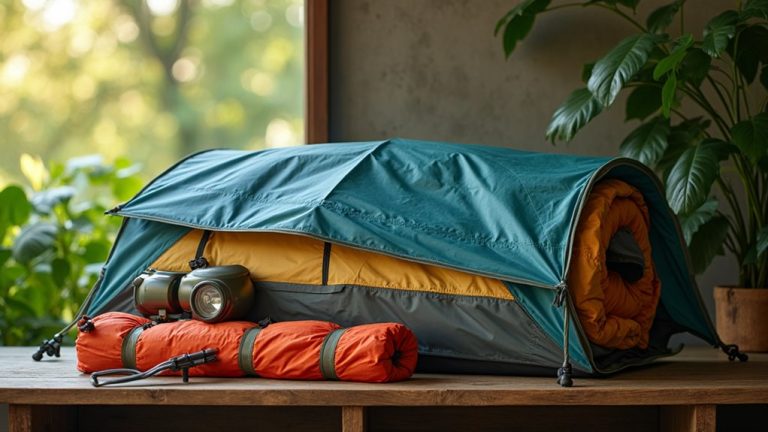
    Packing a pop-up tent is easy and quick. First, make sure the tent is dry to stop mold from growing. Shake off dirt and leaves. Clean gently with mild soap if needed. Lay the tent flat on the ground. Fold it using the “burrito” method. Roll the tent tightly like a small tube. Push out all air as you twist. This helps the tent stay compact and neat. For special tents like Pop-Up Privacy Tents, check the manual for steps. Practice makes packing faster and easier every time. Keep your tent clean and dry for a long life.

  • How To Pack A Tent In A Backpack

    Clean and dry your tent before packing. This stops mold and bad smells. Fold the tent and rainfly along their natural creases. Coil the guylines neatly to avoid tangles. Place the tent close to your back for better balance. Keep it near your sleeping bag if possible. Stand tent poles upright near the backpack’s back panel. Use a waterproof bag for a wet tent to protect other gear. A compression sack shrinks the tent and keeps it tight. These steps help you carry your tent comfortably and safely.

  • How To Mount A Roof Top Tent

    Mount your rooftop tent by first checking your roof rack’s weight limit. Use a torque wrench and gather 2-3 people to lift the tent. Center the tent between crossbars spaced 70 to 120 cm apart. Attach the mounting brackets securely under the crossbars. Tighten all bolts firmly to prevent movement. Fix the ladder so it lines up with the tent door. Double-check every part for stability before use. You’ll be set for your adventure.

  • How To Make Tent With Paper

    Making a paper tent is simple and fun. Use paper like construction paper or cardstock. Start with a square sheet. Fold it diagonally to make a triangle. Next, fold the corners to the center. This keeps the tent stable. Fold the side flaps inward to form walls. Bring the top edges together to create the roof. Adjust the base so the tent stands evenly. Try different shapes like domes or polygons. Use your tent for signs or displays. Let your creativity grow!

  • How To Make Tent In Home

    Making a tent at home is easy and fun. Gather strong fabric like canvas or tarps. Use poles or sticks for the frame. Pick a simple design like an A-frame or ridge pole shape. Cut fabric pieces for walls and doors. Sew the pieces together with strong stitches. Build the frame by joining poles tightly. Attach the fabric to the frame firmly to keep rain out. Use sleeping bags or blankets inside for comfort. Tarps work well to make the tent last longer. Try different designs to find what you like best. This way, you get a cozy, homemade tent with little cost.

  • How To Make Tent Camping More Comfortable

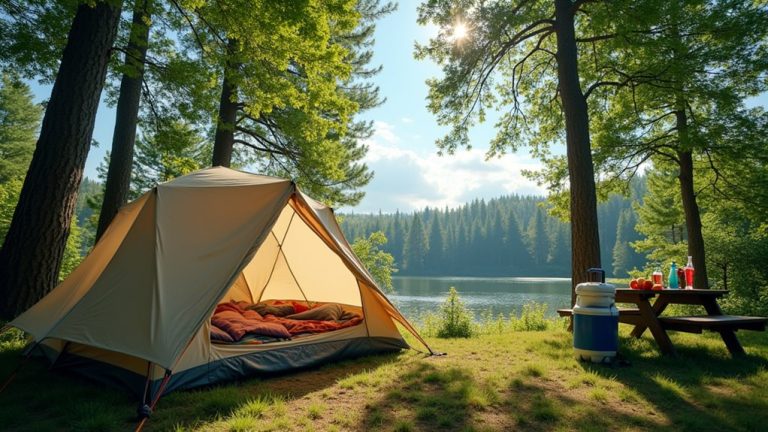
    Pick a tent with waterproof, breathable fabric and good airflow. Use a sleeping pad with a high R-value for warmth. Select sleeping bags that fit the weather. Set your camp on flat ground with morning sun and afternoon shade. Keep your cooking tools organized and use rechargeable lanterns for light. Make a comfy outdoor seating spot to relax. These simple steps make your tent camping fun and cozy.