• How To Lock Tent

    Lock your tent to keep your gear safe. Use a small padlock made for tents on the zipper pulls. Add a strong cable lock through the zipper and tent loops for extra safety. Try internal locks to keep your tent secure but easy to open from inside. Use locks with alarms or motion detectors to scare off thieves. These steps protect your tent and give peace of mind. Stay safe and enjoy your trip!

  • How To Lay Down A Tent In 76

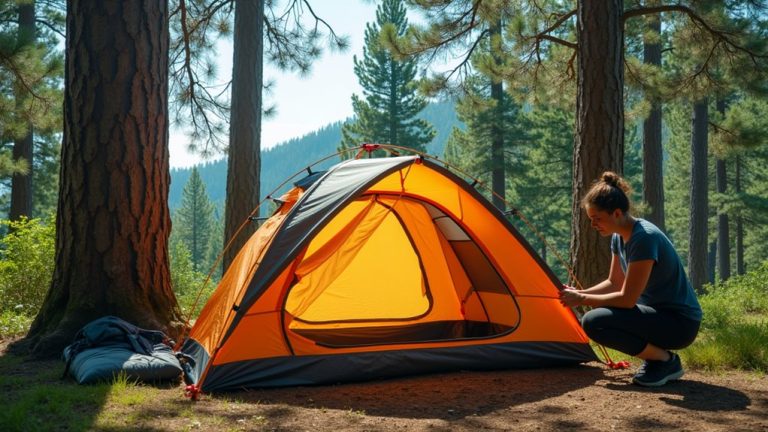
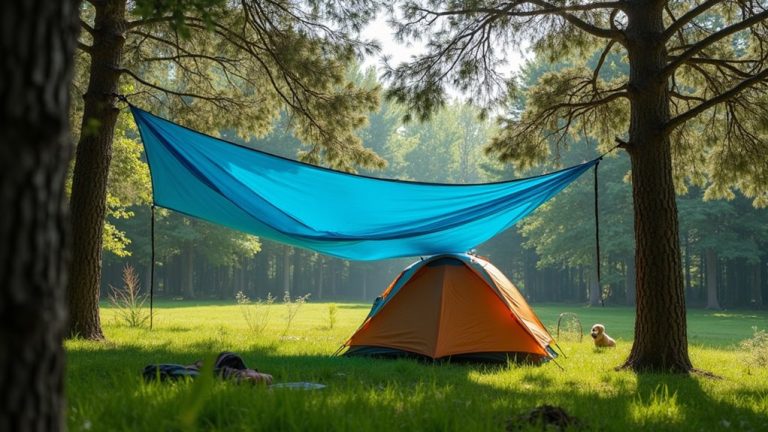
    Pick a flat, dry spot far from water and trails. Clear rocks, sticks, and sharp objects from the ground. Lay a ground tarp just smaller than your tent. This keeps moisture away and protects the tent floor. Point the tent door away from the wind. Set the sleeping area downhill to avoid cold air. Put poles together and slide them into the tent fabric. Stretch the tent tight and secure it with stakes. Check all corners are firm and even. You will learn small tips the more you camp. Simple steps make your camping safe and comfy.

  • How To Keep Moisture Out Of Tent

    Pick a high, sloped spot to pitch your tent. Water drains fast here. Open all vents to let air flow. Face the door toward the wind. Keep wet clothes outside the tent. Cook away from your tent to avoid steam inside. Check your tent often for wet spots. Use silica gel packs to soak up moisture. Double-walled tents stop dampness better. These steps keep your tent dry and comfy.

  • How To Keep Bugs Out Of Tent

    Keep bugs out of your tent by using strong 15 denier Ultra-Sil™ Nano™ fabric. Use no-see-um mesh to block tiny insects. Set your tent on high ground, away from still water and thick plants. Clean your campsite well. Store food in sealed containers to avoid attracting bugs. Cut tall grass near your tent. Use amber or red LED lights. These lights attract fewer insects. Apply DEET or natural bug repellents on your skin. Always close tent zippers tightly. Enter and exit carefully to stop bugs from coming inside. These steps help you enjoy a bug-free camping experience.

  • How To Insulate A Tent For Winter Camping

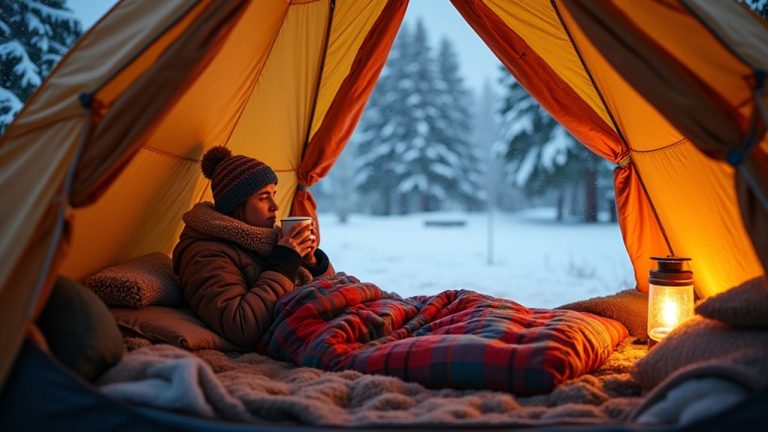
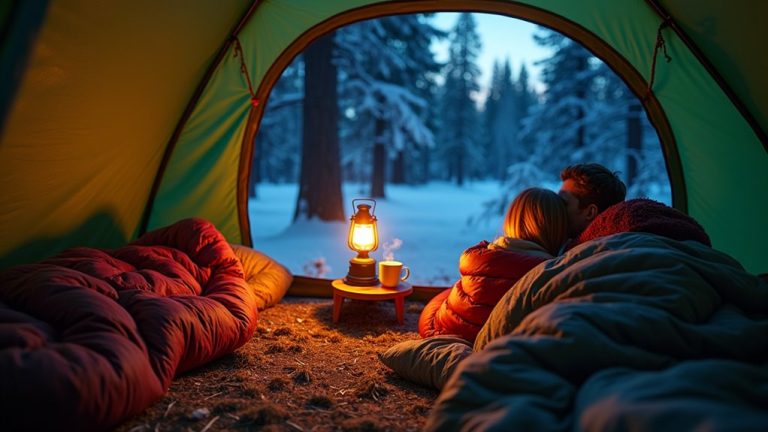
    Start by placing a footprint under your tent. Add a ground tarp to stop cold from seeping in. Use closed-cell foam pads on the floor to keep heat trapped. Attach quilted polyester or thermal foil to the tent walls. These materials reflect warmth back inside. Hang fleece blankets on the walls for extra insulation. Leave a small air gap to stop dampness from building. Point the tent’s narrow end into the wind to block cold air. Use sleeping bags rated for cold weather for better warmth. Bring hot water bottles or hand warmers to stay cozy. These steps can make winter camping much more comfortable.

  • How To Insulate A Tent For Winter

    Pick a dry, high camping spot to start. Put a tarp or footprint on the ground. Add dry leaves or grass under the tent for extra warmth. Use shiny Mylar liners inside to keep heat in. Insulated panels on walls help a lot too. Choose a small, four-season tent for better heat hold. Drive strong stakes deep to stop wind from blowing your tent away. These steps make winter camping warm and safe. Stay cozy with these simple tricks.

  • How To Install Tent

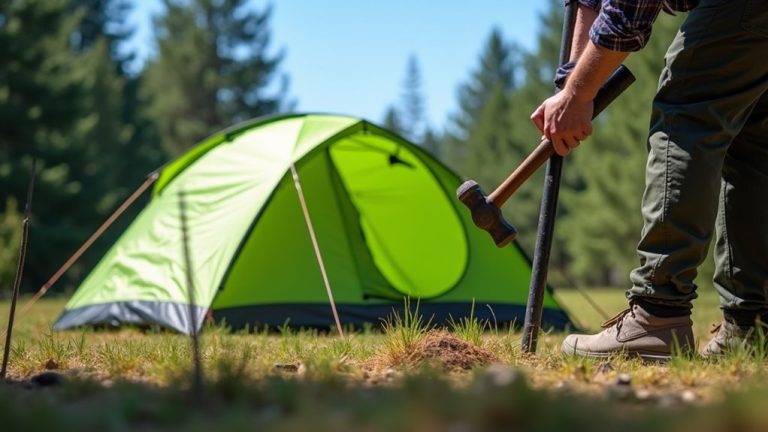
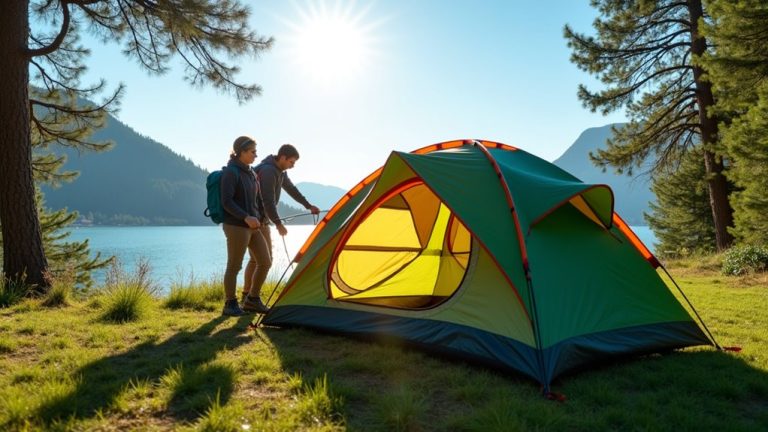
    Pick a flat, dry spot for your tent. Avoid low areas and falling branches. Clear sticks and rocks from the ground. Spread out the tent footprint. Put the poles together and slide them into the sleeves. Raise the tent carefully. Push the stakes into the ground at a 45-degree angle. This keeps the tent strong in wind. Clip on the rainfly. Make sure it covers the tent edges well. Open the vents to let air flow. Good airflow stops moisture inside. A well-set tent means a dry, comfy night outside.

  • How To Hold Down A Canopy Tent On Concrete

    Hold down a canopy tent on concrete using heavy weights. Use sandbags or concrete blocks to keep it steady. Buckets filled with gravel or concrete mix work well and move easily. Tie ropes or straps to the tent frame. Attach these to eye bolts or kettlebells for strong hold. For long-term use, try concrete anchors or hooked cinder blocks. Spread weights evenly on all tent legs to keep balance. This stops the tent from wobbling or blowing away during events. Follow these steps to make your tent safe and stable. Stronger setups mean fewer problems.

  • How To Heat A Tent In Winter

    Heating a tent in winter keeps you warm and safe. Use a propane or wood stove designed for tents. Always keep ventilation open to stop carbon monoxide buildup. Place a tarp under the tent to block cold from the ground. Line the inside with Mylar blankets to reflect heat back to you. Wear warm clothes in layers to trap body heat. Put a hot water bottle inside your sleeping bag for extra warmth. These simple steps make your winter camping cozy and comfortable.

  • How To Heat A Tent

    Heat your tent safely with the right heater. Propane heaters, like Mr. Heater Buddy, warm up fast and give strong heat. Always keep vents open to avoid carbon monoxide dangers. Electric heaters work well near power outlets and do not produce fumes. Wrap your tent with Mylar bubble insulation to keep heat inside. Place thermal pads under sleeping bags to stop cold from the ground. These steps keep you warm and safe in your tent. Stay cozy all night long!

  • How To Heat A Party Tent

    Heat a party tent well by using a heavy, insulated tent. It keeps warmth inside. Use propane or electric heaters based on your power source. Calculate the needed BTUs with this formula: Tent volume × Temperature rise × 0.25. Place heaters near the tent edges. Use diffusers to spread heat evenly. Block cold wind by adding sidewalls. Put insulated mats on the floor to keep heat from escaping. These simple steps create a warm, cozy tent. Ready for a great party!

  • How To Get The Golden Walnuts Above The Tent

    To get the Golden Walnuts above the tent on Ginger Island, start by fixing the nearby bridge. You need 300 pieces of wood for this. Cut trees and break branches to collect the wood. After fixing the bridge, walk across to reach the walnut area. Use the Parrot Express to move quickly around the island. This helps save time and effort. Collecting walnuts needs patience and good planning. Try different ways to find and gather more walnuts for your journey.