10 Best Hygrometers For Grow Tents [2025]
Struggling to find the best hygrometers for grow tents? Check our expertly shortlisted 10 products to save you time and hassle in your search!
Tents go on sale mostly in spring and fall. From March to May, stores offer big discounts, sometimes 20% to 60% off. They want to clear old stock for new tents. Fall sales happen around Labor Day. You can save up to 70% then. Summer prices go up because many people buy tents. Knowing when to shop helps you get the best deals. Check sales early to find good quality tents at low prices.
A 4-season tent stands strong against tough weather. It has a strong dome frame with crossing poles to fight wind and shed snow. The fabric is thick and tough, like cotton canvas or strong nylon. This fabric keeps heat inside better than 3-season tents. Vents help control moisture and keep air flowing. Seams are sealed tight to stop rain and snow from coming in. These tents offer extra space for gear, making winter trips easier. Many top models show these features clearly in tests and reviews.
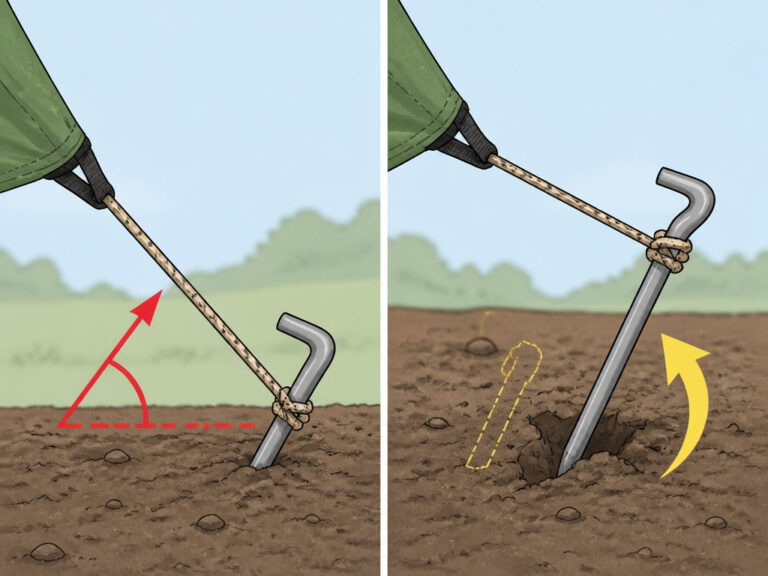
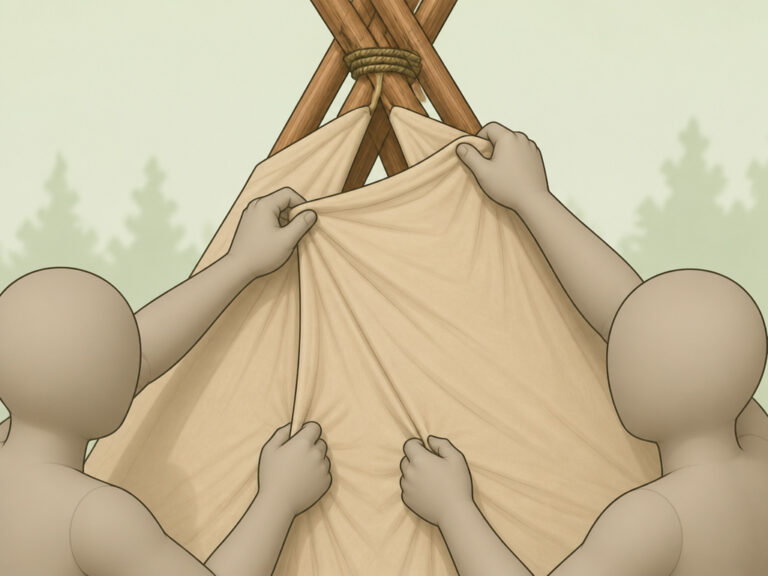
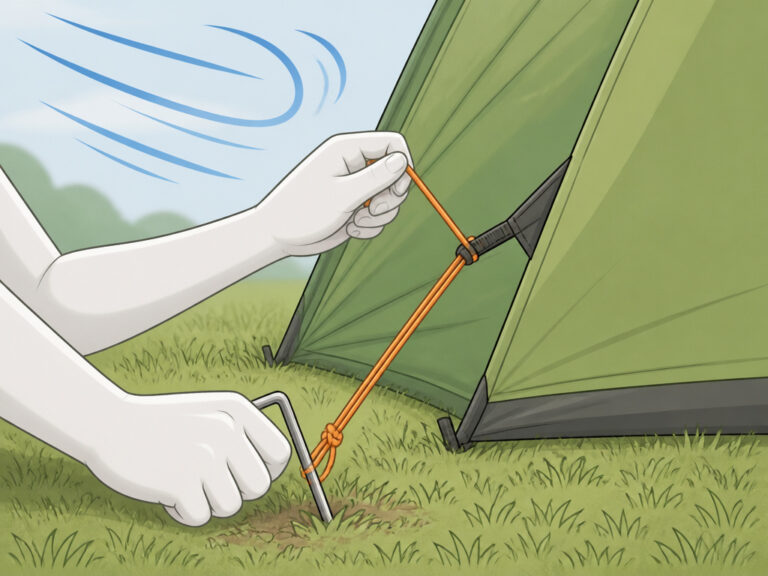
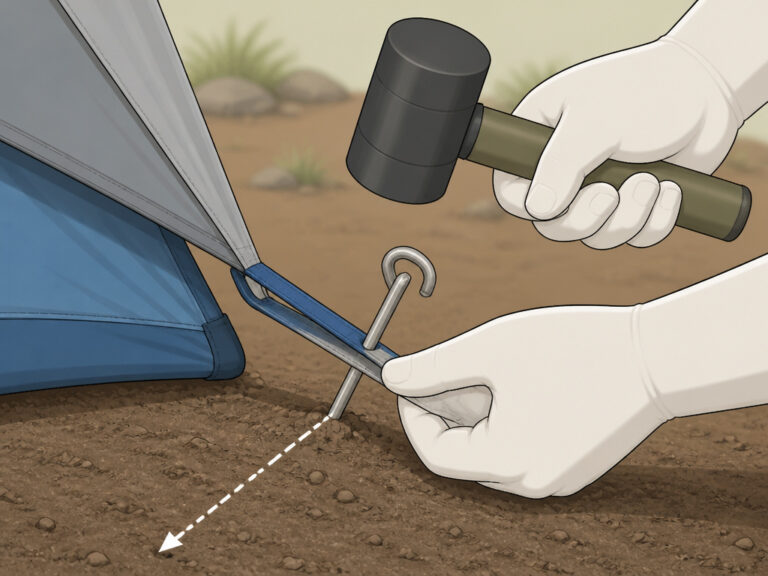
Start by finding a flat, level spot at least 200 feet from water. Place a strong tarp or footprint on the ground. Remove rocks and sticks from the area. Unfold the tent poles and slide them into the sleeves. Cross the poles to form an “X” shape. Lift the tent and push the poles upright. Use stakes to hold the tent firmly in place. Attach the rain fly made of tough fabric like 70D Ripstop Polyester. Make sure to stake all guylines tightly. This setup keeps your tent stable and dry. Simple steps for a safe and comfy camp!
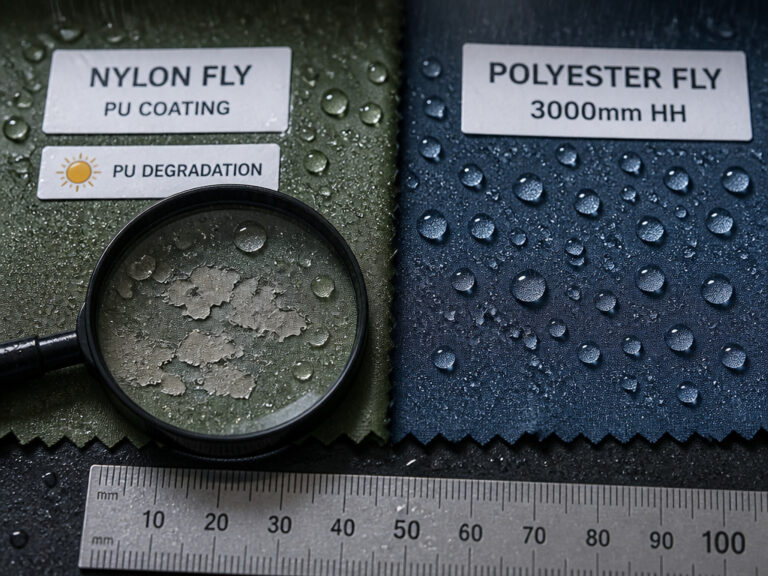
Tents use different fabrics like nylon, polyester, canvas, and special blends. Nylon feels light and strong. It works well for hikers. Polyester mixes strength and water resistance. Canvas is thick and lets air pass but needs waterproof spray. Polycotton dries faster and feels soft like cotton. Some tents use tough materials like Cuben fiber and PVC for harsh weather. Each fabric has its own good points. Knowing these helps you pick the best tent. Read on to learn about each type.
Close a pop-up tent by turning the crank counterclockwise to lower the frame. Push up the corner caps gently. Unlock the thumb locks on each leg, then slide the legs down. Fold the truss bars upward, pressing evenly on both sides. Shake out wrinkles from the fabric and fold it toward the center. Store the tent in a cool, dry place. This method keeps your tent safe and ready for next use.
Struggling to find the best dark room tents? Our curated list of 10 products saves you time and hassle with top picks tailored for your needs.
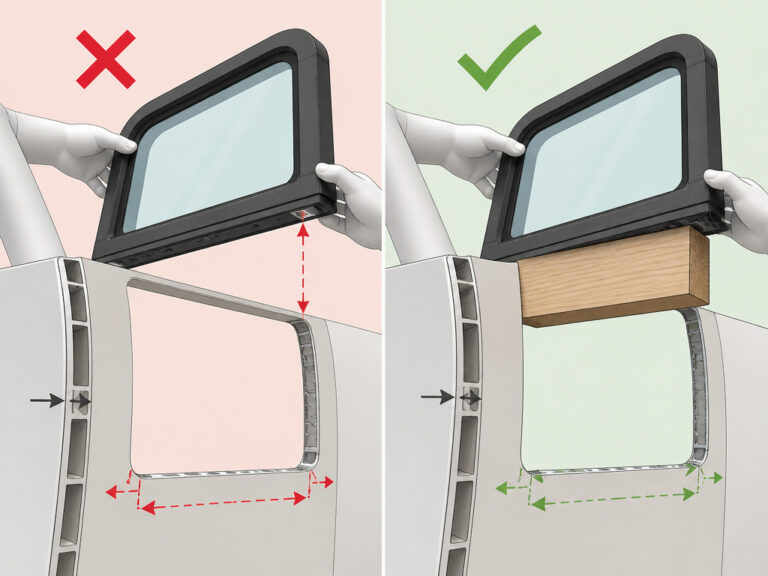
Put a self-adhesive one-way door tent easily by following these steps. First, get all materials: the tent film, a cleaning spray without ammonia, a utility knife, and a squeegee. Clean the window well to remove dirt and dust. Make sure no scratches are on the glass. Measure the window size carefully. Cut the film with an extra inch to trim later. Spray water on both the glass and film to keep it wet. Place the film on the window, matching the edges exactly. Use the squeegee to push out air bubbles and water. Cut off any extra film around the edges. This method helps the tent stick smoothly and last longer. Small care steps make a big difference in the final look.
Hold down a canopy tent on concrete using heavy weights. Use sandbags or concrete blocks to keep it steady. Buckets filled with gravel or concrete mix work well and move easily. Tie ropes or straps to the tent frame. Attach these to eye bolts or kettlebells for strong hold. For long-term use, try concrete anchors or hooked cinder blocks. Spread weights evenly on all tent legs to keep balance. This stops the tent from wobbling or blowing away during events. Follow these steps to make your tent safe and stable. Stronger setups mean fewer problems.
Special Power Up makes Tenta Missiles much stronger. It increases the targeting reticle size by about 67%. This bigger reticle helps you lock onto more enemies easily. You can hit targets more often because you aim better. Missed shots drop by around 30%. The larger targeting area also spreads ink and splash damage more. This upgrade gives you better control and accuracy in fights. Use it to handle threats faster and smarter. Tenta Missiles become a powerful tool with this boost.
Struggling to find the best family tent? Our curated list of 10 top products saves you time and hassle, ensuring the perfect fit for your needs!
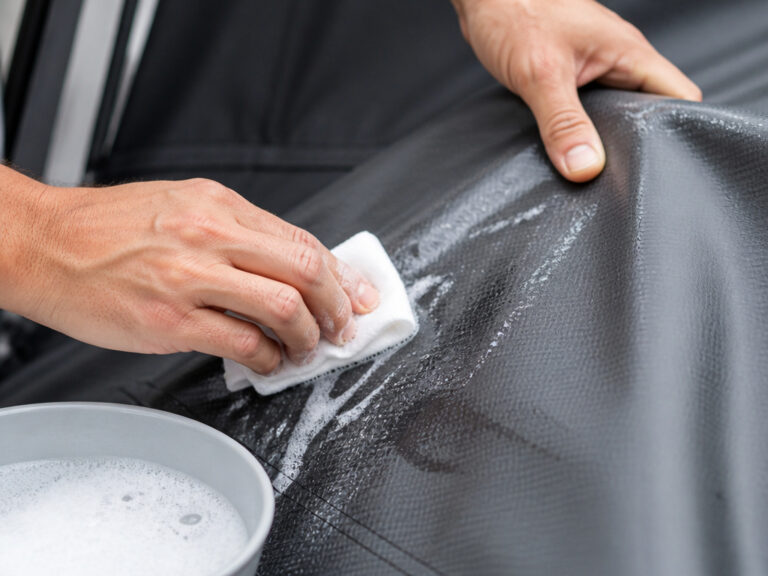
Seam sealing a tent keeps water out and protects the fabric. Pitch the tent on a dry day, spread it flat. Check all seams carefully. Pull off any loose tape. Clean the seams well with rubbing alcohol. Use the right sealant for your tent’s fabric. Silicone sealant works best on silicone-coated tents. For polyurethane-coated tents, use urethane sealants like Gear Aid Seam Grip FC. Apply a thin line of sealant along each seam. Press the sealant into the fabric gently. Let the sealant dry for 2 to 24 hours in fresh air. Check seams regularly and reseal if needed. This simple step helps your tent last longer and stay dry.