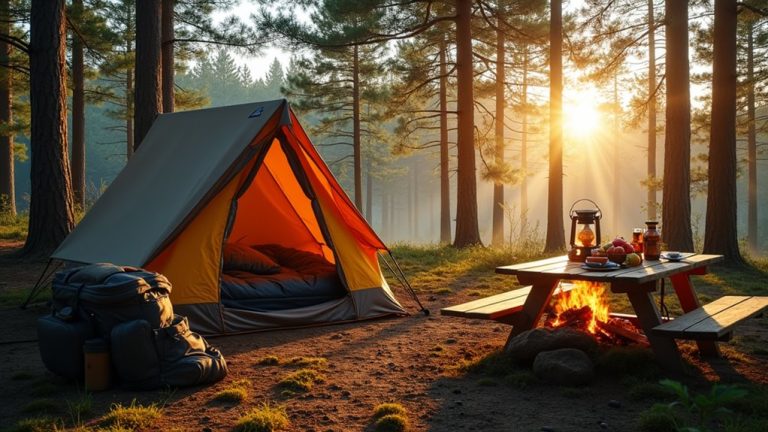
• What To Take Camping In A Tent

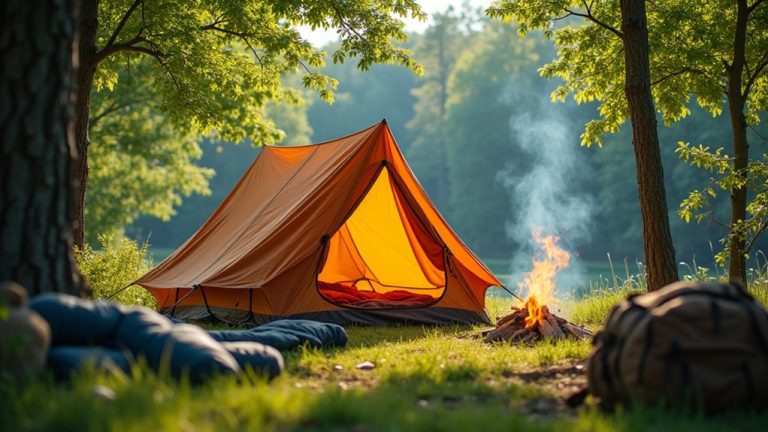
    Pack a strong tent with good stakes to stay safe and dry. Bring a sleeping bag that fits the weather, warm or cool. Carry a small camp stove to cook your meals easily. Use headlamps or flashlights for light after dark. A first aid kit and multi-tool can help in emergencies. Wear clothes that keep you dry and boots that protect your feet. Pack a small bag with soap, toothbrush, and other toiletries. Don’t forget comfort items like a chair or blanket to relax. These simple things make camping fun and safe.
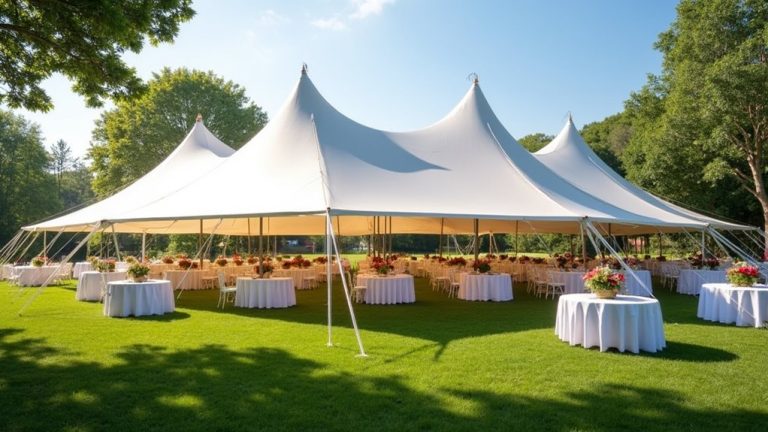
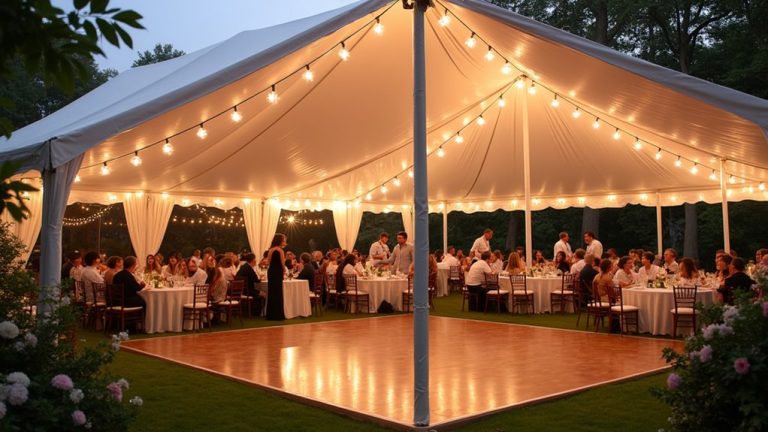
  • What Size Tent For 40 Guests

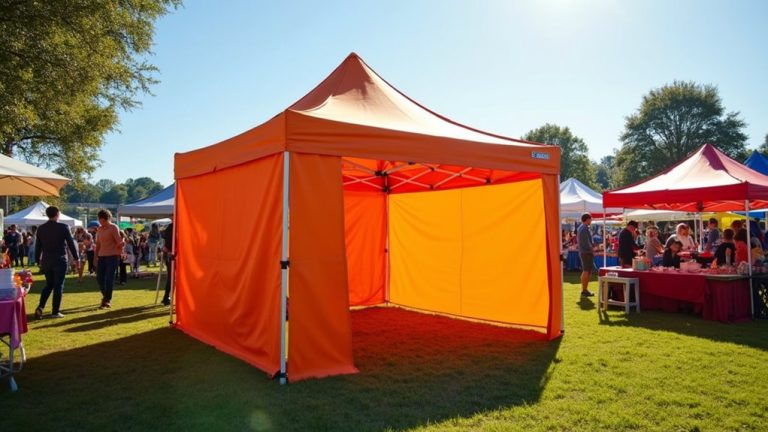
    A tent for 40 guests should measure about 20 by 30 feet for a sit-down meal. For a cocktail party, smaller tents like 10 by 30 or 20 by 20 feet can work. Each guest needs about 12 to 15 square feet of space to move and sit comfortably. Seating style changes how much room you need. Square tents give more usable space than round ones. Keep walkways clear for easy movement. Choose a tent size that fits your event type and guest count well. This helps everyone enjoy the event without feeling cramped.

  • What Size Tent For 150 Guests With Dance Floor

    A tent around 1,800 square feet fits 150 guests well. A 30 by 60 feet tent works great. This size holds seating, a dance floor, and space for fun. Plan for a dance floor of 270 to 300 square feet. About 30 to 40% of guests usually dance at the same time. Leave clear paths for safety and easy walking. These steps help you plan the perfect space for your event.

  • What Size Banner For 10X10 Tent

    A 9-foot by 1-foot banner fits well along the edge of a 10×10 tent roof. For big images, try an 8-foot by 3-foot banner. Sidewalls work best with a 9-foot by 6-foot banner. A vertical banner of 6 feet by 9 feet stands out nicely too. Cover the back wall completely with a 10-foot by 10-foot banner. Vinyl is a popular material. Make sure the banner is waterproof to handle rain. Use bright colors and clear text for better visibility. These sizes help your tent look professional and attract attention.

  • What Material Are Tents Made Of

    Tents use different materials depending on their purpose. Polyester is strong, water-resistant, and lasts long. Nylon feels light and stretches but weakens when wet. Polycotton mixes cotton comfort with polyester toughness. Canvas tents breathe well and feel thick but need care. Dyneema and similar fabrics are very strong and light, perfect for hikers. Each fabric fits a certain camping style. This helps you pick the best tent for your trip.

  • What Makes A Tent A 4 Season Tent

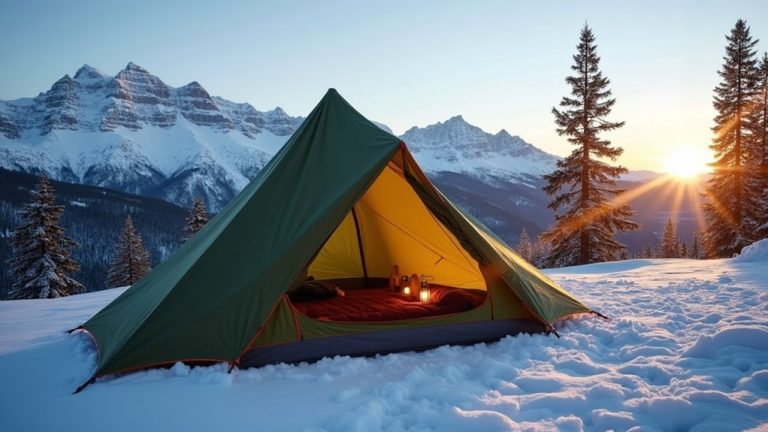
    A 4-season tent stands strong against tough weather. It has a strong dome frame with crossing poles to fight wind and shed snow. The fabric is thick and tough, like cotton canvas or strong nylon. This fabric keeps heat inside better than 3-season tents. Vents help control moisture and keep air flowing. Seams are sealed tight to stop rain and snow from coming in. These tents offer extra space for gear, making winter trips easier. Many top models show these features clearly in tests and reviews.

  • What Is The Shape Of Tent

    Tents have many shapes, each fits different camping needs. Dome tents look like half a sphere. They stay strong in windy weather. Tunnel tents curve like a tube. They give more space and set up fast. A-frame tents form a triangle shape. They stand well in many weather types. Cabin tents have straight walls and big windows. They offer the most room inside. Geodesic tents have many poles crossing. This design makes them very strong. They work well in extreme weather. Find the tent shape that suits your trip best.

  • What Is Tenting Skin

    Tenting skin shows when you pinch your skin and it stays lifted over two seconds. This means your skin has less water and is less stretchy. Dehydration, loss of collagen, and aging cause this. Sweating a lot, being sick, or not drinking enough water can make tenting worse. To check hydration, pinch the skin on your lower arm and see how fast it falls back. Slow return means you might need more water. Knowing this helps you understand your body better.

  • How To Decorate A Tent

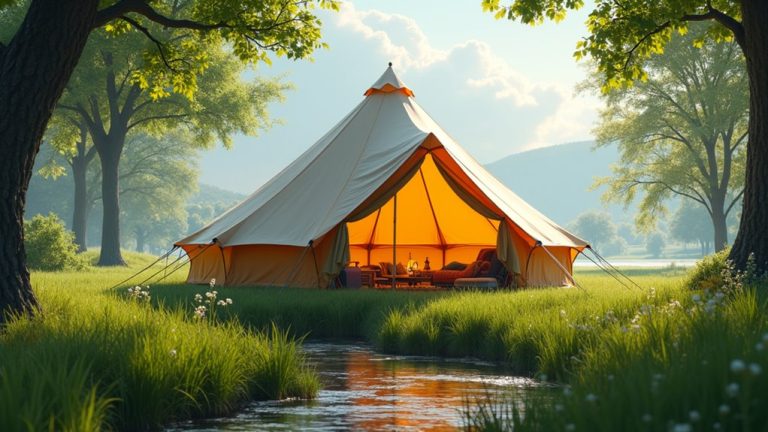
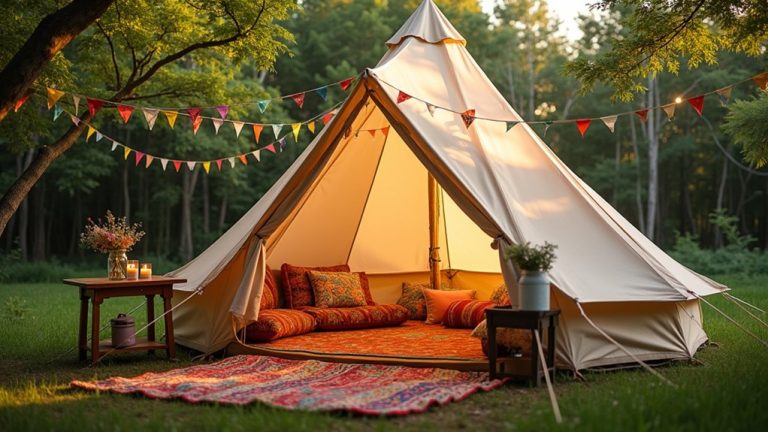
    Decorate a tent by picking the right fabrics. Use light chiffon or silk for an elegant look. Velvet gives a rich feel. Add flowers to brighten the space. Hang flower arrangements high to draw the eye up. Green garlands add nice texture. Use soft, warm lights to set a cozy mood. Dimmers help change the light as needed. Pick furniture that is light and easy to move. Chairs and tables should be comfortable and practical. Add personal touches like colorful rugs and welcome signs. These small details make the tent feel special. Try these tips for a beautiful, inviting tent.

  • How To Create Name Tents In Word

    Open a new Word document. Set the paper orientation to Portrait or Landscape. Use margins of 0.25 inches for best results. Insert text boxes or tables to hold names. Make each name tent about 3.5 by 4 inches in size. For many names, use Mail Merge with an Excel list. Print the tents on thick cardstock for durability. Fold along the center to stand the tents properly. This method saves time and looks neat. Follow these steps for clear, easy-to-read name tents.

  • How To Cool Down A Tent

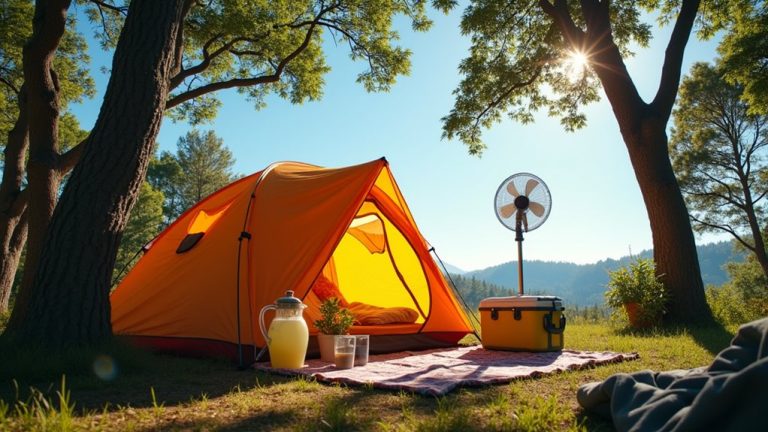
    Cooling down a tent works best with portable air conditioners like the Waykar 4500 BTU. Evaporative coolers can lower temperatures by about 20°F. Place your tent in shaded spots to avoid direct sunlight. Open all doors and windows to create cross-ventilation. Hang a wet towel at the entrance; it cools the air as it dries. Use tents made from light colors and breathable fabrics for better airflow. Try DIY coolers using ice packs inside a small fan. These tips make camping much more comfortable in hot weather.

  • How To Construct A Tent

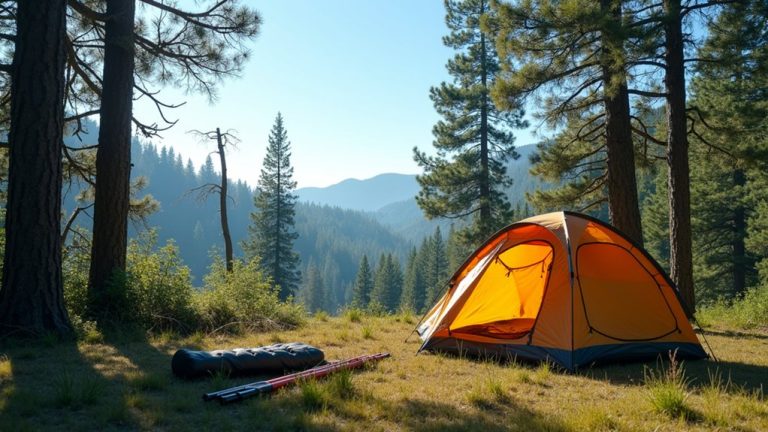
    Pick a flat, dry spot for your tent. Clear away rocks and branches. Lay out the tent footprint on the ground. Check poles for cracks or bends. Connect the poles as the instructions say. Slide the poles into the tent fabric sleeves. Secure the tent corners with stakes. Stand the tent up by raising the poles. Tighten the guylines to keep it steady. Attach the rain fly to protect from rain. After camping, clean your tent well. Store it dry to avoid mold and damage. Good setup makes camping safer and more fun.