
Should You Put A Tarp Under A Tent
This post contains affiliate links. As an Amazon Associate, we earn from qualifying purchases.
Putting a tarp under your tent is highly recommended. It protects the tent floor from sharp objects, moisture, and dirt, extends the tent’s lifespan, and keeps the interior cleaner. Using a tarp slightly smaller than your tent prevents water from pooling underneath. Additionally, it provides extra insulation from the cold ground, improving sleeping comfort. Carrying a tarp adds some weight but significantly enhances your camping experience. Further details on selecting, setting up, and using a tarp effectively will be discussed later in the article.
Essential Facts in 30 Seconds
- A tarp protects the tent floor from damage and extends its lifespan.
- It keeps dirt and mud out, maintaining a clean tent interior.
- A tarp blocks ground moisture, ensuring a dry sleeping area and reducing mold risk.
- It provides insulation from cold ground for better comfort.
- Using a correctly sized tarp simplifies cleanup and marks the tent’s location.
Benefits of Using a Tarp Under a Tent
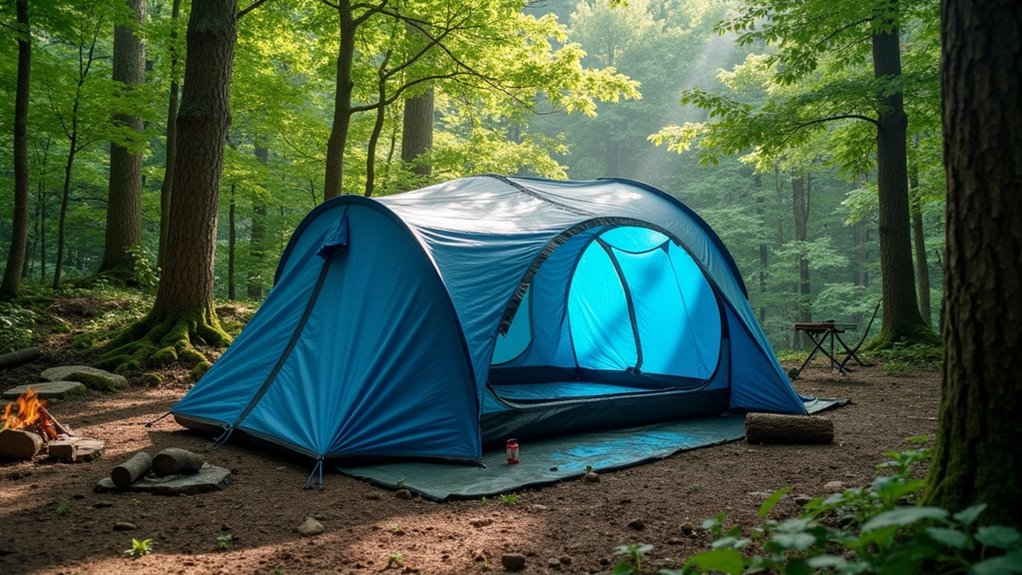
Putting a tarp under your tent protects the tent floor from rocks and sticks. This extra layer stops holes and tears. It helps your tent last longer and saves money on repairs.
A good tarp keeps dirt and mud away from your tent’s bottom. This means your tent stays cleaner inside. It also blocks sharp things under the ground from hurting your tent. Additionally, a tarp can serve as a protective ground cover that mitigates issues related to uneven or rocky surfaces.
A tarp adds warmth by stopping cold from the ground. It gives you a dry, flat place to set up your tent. You can camp on wet or uneven ground comfortably. Additionally, it simplifies cleanup by collecting dirt and debris, making your camping experience more enjoyable.
Using a tarp is a smart move. It protects, cleans, and makes camping better. Every camper should have one.
Protection Against Moisture and Environmental Damage
A tarp keeps your tent safe from moisture and damage. It stops dew and wet ground from soaking into your tent. Use waterproof tarps like plastic or PU-coated ones. These block water and dampness well. Additionally, ensuring your tent has a high waterproof rating is crucial for optimal protection.
Pick a tarp a bit smaller than your tent floor. This prevents water from pooling under your tent.
A tarp also protects your tent from sharp rocks and sticks. This helps your tent last longer. It cuts down on ground moisture, lowering mold and mildew risks. Regular maintenance of your tarp and tent can further enhance their durability.
Tarps keep your tent clean and safe from soil acids. These acids can harm your tent fabric. Additionally, using a tarp is a key part of ensuring your tent remains dry and protected from environmental damage.
Using a tarp makes camping better. Your tent stays dry, clean, and comfy no matter the weather. Simple and smart protection.
Drawbacks and Considerations
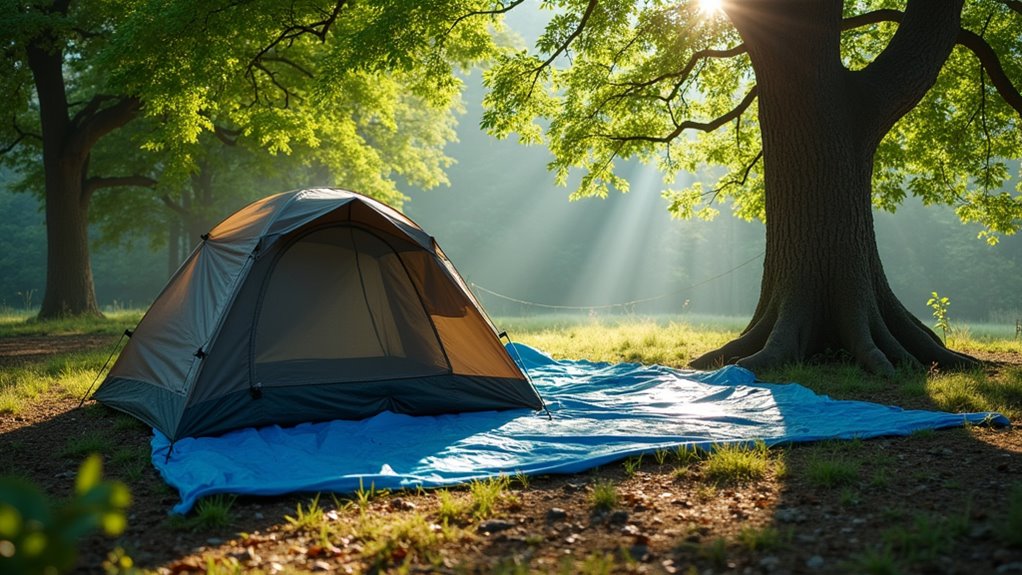
Using a tarp under your tent has some drawbacks.
Wrong tarp size or material can cause water to pool under your tent. A tarp that’s too big or placed badly can push water inside your tent. Carrying a tarp adds extra weight and takes up space in your backpack.
Setting up a tarp needs extra stakes and ropes, which can be hard for new campers. A loose tarp can flap in the wind and make noise.
Dirt or rough things between the tarp and tent floor can cause damage. Think about these problems before you decide to use a tarp on your trip.
Impact on Camping Comfort and Usability
A tarp under your tent makes camping better in many ways. It keeps cold and damp ground away from your sleeping area. This helps you stay warm and comfortable at night.
A tarp stops moisture from soaking into your tent floor. Your tent stays dry and cozy inside. It shows you where to place the tent. This speeds up setup and protects the tent floor from damage.
Using a tarp can also enhance ground insulation by preventing cold air from seeping in from below. After camping, you can lift the tarp and leave dirt behind. Cleaning your tent becomes much easier and faster.
Using a tarp also saves your tent from tears and holes. This helps your gear last longer on many trips, ultimately prolonging the lifespan of your tent and saving money in the long run.
Comparison of Tarp Uses: Under Tent vs. Over Tent
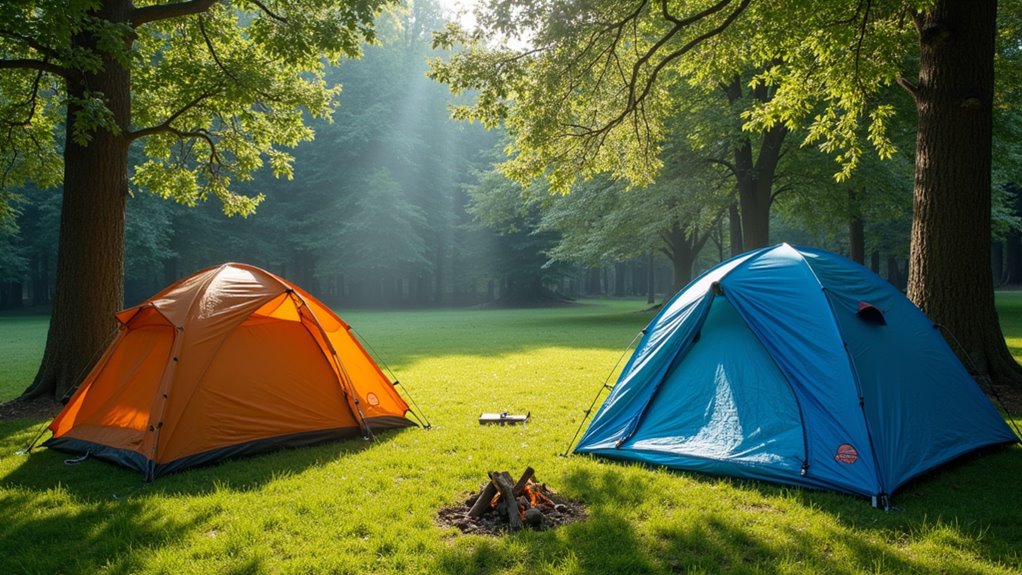
Placing a tarp under your tent stops moisture from seeping in. It protects your tent floor from rocks and sticks. This helps your tent last longer and stay cleaner. Use durable, light tarps like polyethylene or nylon for this job. Additionally, proper ventilation strategies can help reduce condensation inside your tent while camping. Furthermore, selecting a tarp according to tent weight can enhance your overall camping experience by ensuring ease of transport.
Putting a tarp over your tent keeps rain and snow off. It blocks harmful sun rays and adds shade. You can set it up as a small roof or an open shelter. This gives you more space to cook or relax outside.
Think about the ground and weather. Rough ground calls for a tarp under the tent. Windy or rainy spots need a tarp above for better shelter. Use these tips to pick the best tarp setup for your trip.
Practical Usage and Common Practices
Set your tent on flat ground to stay comfortable and safe.
Place a tarp under the tent, but keep it smaller than the tent’s base. This stops water from collecting under the edges. The tarp also shields the tent floor from rocks and wet soil. Additionally, ensure that you check for hazards like falling branches or flooding risks in the area before setting up your tent.
This simple step helps your tent last longer and stay dry. Campers use this trick to enjoy a better night’s sleep outdoors. Additionally, regular seam sealing can further enhance the tent’s waterproofing and durability.
Common Practices Among Campers
Many campers use tarps under their tents for good reasons. Tarps stop moisture from coming up through the ground. They also protect the tent floor from sharp rocks and sticks. This helps tents last longer.
Some tarps fit the tent perfectly. These are called footprints. They save space and prevent tripping over extra tarp edges. Good tarps are made from strong, weather-proof materials. This keeps them working well in rain or sun.
Campers also use tarps as shelters. They set them up to create shade or keep dry during rain. Tarps are an easy way to stay comfortable outdoors. Simple, smart, and useful.
Sizing and Placement Tips
The right tarp size and placement protect you well during camping. Match your tarp size to your tent’s footprint. A 10′ x 10′ tent needs a 10′ x 10′ tarp. This stops water from pooling and lowers tripping risks.
Add about 0.5 meters (1.5 feet) on each side for extra mud protection and gear space. Place the tarp centered under the tent to avoid wet edges. Fold any extra tarp back neatly to keep animals away.
Choose a strong, waterproof tarp that fits your campsite and weather. This keeps you dry and comfortable.
Frequently Asked Questions
What Type of Tarp Material Is Best for Under a Tent?
Polyethylene tarps work best under tents. They cost less and stop water well. Canvas tarps let air pass through. They handle light rain and cut down on wetness inside. Both types protect your tent floor. Polyethylene is strong but not breathable. Canvas feels nicer and stops sweating. Choose based on weather and comfort needs.
How Do I Properly Size a Tarp for My Tent?
Measure your tent’s footprint first. Add 0.5 meters to length and width. This extra size helps cover the ground well. It also lets the tarp hang over the sides. This stops rain and dirt from reaching your tent. A tarp too small offers poor protection. Too large might flap in the wind. Choose a tarp slightly bigger than your tent base. This simple step keeps your tent dry and clean.
Can I Use a Tarp Without a Groundsheet?
A tarp works well without a groundsheet. It acts as a strong shield in nature. Make sure to pick the right size. This stops water from collecting on it. Use it to protect from rain, sun, or wind. Tarps are light and easy to carry. Many campers trust them for quick shelter. Choose a tarp with sturdy material for best results. This simple gear can make camping much safer and drier.
How Do I Clean a Tarp After Camping?
Cleaning your tarp after camping keeps it strong and lasts longer. First, shake the tarp well to remove loose dirt and leaves. Use a soft brush and mild soap to scrub gently. Avoid harsh chemicals that can damage the material. Rinse the tarp with clean water to wash away soap and dirt. Let the tarp dry completely in the sun or a dry place. Storing a wet tarp can cause mold and ruin it. Clean tarps perform better and protect you from rain and wind. Taking care of your tarp saves money and makes camping more fun.
Is It Necessary to Stake Down a Tarp Under a Tent?
Staking down a tarp under a tent is not necessary. Think of it like putting a seatbelt on a chair—it does not add real safety. The tarp mainly protects the tent floor from wet ground and dirt. It also helps keep the tent clean and dry. Most tarps stay in place well enough without stakes. Just lay the tarp flat and make sure it does not stick out beyond the tent edges. This setup keeps your tent safe and dry without extra work.
Conclusion
Using a tarp under your tent protects it like a shield in bad weather. It keeps moisture away and blocks sharp rocks or sticks. This helps your tent last longer and stay dry. A tarp also keeps the tent bottom clean and free from tears. It adds a small amount of weight and takes extra time to set up. Think about these factors to decide if a tarp fits your trip. A good tarp can make camping more comfortable and protect your tent well.
