Types & Accessories

  • How To Tent A Pie

    To tent a pie, cut a square of heavy-duty aluminum foil. Make it about one inch larger than the pie. Fold the foil edges over the crust carefully. Make small folds to stop gaps from forming. Cover the crust edges once they start to brown. Silicone pie shields or parchment paper work well too. Take off the foil tent in the last few minutes of baking. This helps the crust turn golden and crisp. Use these simple steps for a perfect pie crust every time.

  • How To Take Down A Tent

    Take down a tent by first clearing out everything inside. Throw away any trash and check the tent for damage. Unclip the rainfly carefully. Take out the poles one at a time. Avoid catching the tent fabric with the poles. Pull out all stakes from the ground to prevent tripping. Fold the tent fabric neatly. Roll it up tightly and secure it with straps. Store the tent in a cool, dry place. Check it often for mold or damp spots. Proper care helps the tent last longer and stay clean. Packing well saves time next camping trip.

  • How To Take Down A Canopy Tent

    Take down your canopy tent carefully to keep it in good shape. First, gather mild soap, lukewarm water, and a soft brush. Clear the area and remove all weights and accessories. Unhook the sidewalls and roll them gently to avoid wrinkles. Press the triggers on the legs and lower the frame evenly. Fold the tent neatly and tie it securely. Check for any damage before storing. Make sure the fabric is clean and completely dry. Following these steps helps your tent last longer and stay strong.

  • How To Take A Pop Up Tent Down

    Take down a pop-up tent by first removing all side panels and weights. Make sure the tent is dry and clean. Clear out everything inside the tent. Find the locking parts on the frame and press them to unlock. Lower each leg slowly, one by one. Fold the tent fabric flat with care. Pack the tent and parts in a dry, well-ventilated place. Keep the tent dry to avoid mold and damage. This method helps your tent last longer and stay ready for next use.

  • How To Store A Tent

    Store your tent carefully to keep it safe and last longer. Check the tent for tears or loose stitches before packing. Clean the tent with mild soap and water. Avoid washing machines to protect the fabric. Make sure the tent is dry to stop mold and mildew from growing. Fold the tent neatly and roll it tightly. Keep stakes and guylines inside the tent bag. Store the tent in a cool, dry place with fresh air. Avoid sunlight and heat to protect the fabric. For roof tents, use breathable covers and keep them standing upright. These steps help your tent stay strong for many trips.

  • How To Stay Warm In A Tent In The Winter

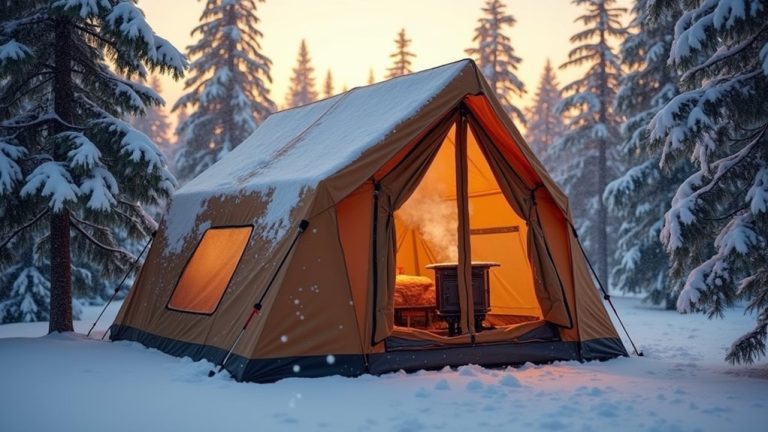
    Stay warm in a winter tent with a strong double-wall tent made from ripstop nylon. Use thick poles to hold it firm against wind. Put foam pads and a footprint under your tent to stop cold from the ground. Cover walls and roof with Mylar blankets. These reflect heat back inside the tent. Drive heavy-duty stakes and use guy lines to keep your tent steady in strong winds. Inside, wear warm clothes and layer your sleeping bags. Hot water bottles help keep your bed warm for hours. These simple steps make cold nights much more comfortable.

  • How To Stay Warm Camping In A Tent

    Stay warm in a tent by using insulated materials like polycotton blends. Double-wall tents help block cold air well. Place closed-cell foam pads and a reflective blanket under your sleeping pad to stop heat loss to the ground. Hang fleece liners inside the tent for extra warmth. Open vents a little to keep air moving and reduce moisture. Pick a camping spot that blocks the wind. Thick sleeping pads add comfort and insulation. Keep your gear inside the tent; it acts as a warm barrier. These simple steps help you stay cozy in cold weather and enjoy your camping trip more.

  • How To Stay Cool Camping In A Tent

    Stay cool in your tent by picking breathable fabrics like cotton or tents with lots of mesh. Set up your tent under shade and point openings toward the breeze. Open all windows and vents to let air flow freely. Try simple coolers like fans with ice packs or a small swamp cooler. Keep the tent air moving to stop heat buildup. These steps help you feel fresh and comfy while camping.

  • How To Stake A Tent

    Pick a flat, dry spot at least 200 feet from water. Use steel or aluminum stakes. Push stakes into the ground at a 45° angle. Leave about six inches above the soil for a good grip. Tie strong guylines with knots like the bowline. Soft soil needs stakes pushed steeply. Hard ground requires stakes driven straight down. Check tension often to keep the tent stable. Proper staking stops your tent from blowing away in storms. Keep these tips in mind for different ground types.

  • How To Setup A Tent

    Pick a flat spot away from water and sharp rocks. Spread a waterproof groundsheet that fits your tent. Open the tent, point the door away from the wind, and stake it lightly. Connect the poles and place them to form an “X” shape for support. Clip the tent onto the poles. Put the rain fly over the tent. Make sure it is tight but lets air flow. This keeps you dry and comfortable inside. Follow these steps for a smooth camping start.

  • How To Set Up The Tent

    Pick a flat, dry spot for your tent. Avoid places near dead trees. Clear the ground of rocks and sticks. Lay down a ground tarp to stop water from pooling. Put the tent poles together carefully. Make sure they fit tightly. Set up the tent on smooth ground. Push the stakes into the earth firmly. Attach the rain fly to keep rain out. Leave space for air to flow inside. Follow these steps for a safe and comfy camp. You will find more helpful tips soon.

  • How To Set Up Tarp Over Tent

    Set up a tarp over your tent to stay dry during rain. Pick a flat spot with good drainage. Avoid low places where water pools. Use a strong tarp, like one made of ripstop nylon. Bring stakes and guylines. Tie a rope between two strong points above the tent. Pull the tarp tight on the rope. Make sure it slopes so water runs away from the tent door. Secure all tarp corners to the ground with stakes. Keep the tarp tight to stop wind from moving it. Try different tarp shapes to find what works best. This simple setup protects your tent well.