
What Is A Tent Footprint
This post contains affiliate links. As an Amazon Associate, we earn from qualifying purchases.
A tent footprint is a protective layer placed beneath your tent that shields it from rocks, roots, and moisture. Made from durable materials like Tyvek or nylon, it keeps your tent floor dry and comfortable while enhancing stability. Choosing a footprint slightly smaller than your tent is ideal to prevent water pooling. Further explanation and additional benefits of tent footprints will be discussed later in the article for those interested in learning more.
Essential Facts in 30 Seconds
- A tent footprint is a protective layer placed under a tent floor.
- It shields the tent floor from damage and moisture.
- Made from durable, waterproof materials like nylon or polyethylene.
- Prevents tears and keeps the tent interior dry.
- Enhances comfort by blocking ground moisture and dirt.
- Should be slightly smaller than the tent floor to avoid water pooling.
- Using a footprint can extend tent lifespan and reduce repair costs.
Definition and Purpose of a Tent Footprint

A tent footprint is a must-have for serious campers. It lies right under the tent floor and protects it from the ground.
Made of strong, waterproof materials like nylon or polyethylene, it keeps moisture and dirt away. This groundsheet stops rocks and roots from poking holes in your tent. It also keeps water from seeping in. This helps keep your tent dry and cozy.
Using a footprint can make your tent last longer. It also makes camping more comfortable. While not essential for short trips, a footprint is smart gear for rough or wet places. Additionally, it provides protection against dampness, which enhances overall camping experience by keeping campers dry.
It fits the tent perfectly and makes a big difference on your camping trip.
Materials and Construction
Select a tent footprint with strong materials for long use. Tyvek stands out as tough and waterproof. Polycro is very light but less durable. Polyester and nylon, coated with waterproof layers, balance strength and water resistance well. Dyneema offers top durability but costs more. Additionally, proper seam sealing is crucial to prevent leaks and enhance the footprint’s effectiveness. Applying waterproofing treatments will also help in maintaining the tent’s durability.
Footprints use woven fabrics to stay sturdy. Waterproof coatings keep ground moisture out. Some people cut Tyvek or Polycro to fit their tents.
Factory footprints usually have reinforced corners and grommets for extra strength. Good material and solid build protect your tent and last through many trips.
Functional Benefits

A tent footprint gives many useful benefits that make camping better and protect your tent. It stops the tent floor from wearing out quickly. It also blocks moisture from the ground, keeping your tent dry and fresh. This helps stop mold and wetness inside your tent. Additionally, a footprint provides extra protection against sharp objects that could damage your tent.
Here are the main benefits:
| Benefit | Details | Importance |
|---|---|---|
| Protection | Stops tears and holes in the floor | Saves money on fixes or new tents |
| Moisture Control | Blocks wetness from the ground | Keeps tent dry and comfy |
| Warmth and Comfort | Adds a layer of warmth and softness | Makes camping more pleasant |
Using a footprint helps your tent last longer and keeps you comfortable. It is a smart choice for any camper.
Usage Considerations
Pick a tent footprint that fits your tent size exactly. Tough, strong footprints work best on rocky or rough ground. Light footprints suit smooth, flat campsites well. The right footprint keeps water out and protects your tent’s floor from damage, especially if your tent has a lower waterproof rating. It helps your tent last longer and stay dry. Always check your tent’s size before buying a footprint. This simple step saves you from leaks and tears during your trip. Additionally, a well-chosen footprint can prolong the life of the tent floor and enhance your overall camping experience.
Terrain Type Importance
Picking the right tent footprint makes camping easier and safer. Rocky or rough ground needs strong fabrics like Tyvek. These fabrics stop holes and tears.
Soft grass works well with light materials like Polycryo. They keep moisture out without adding weight.
Sandy places require footprints that clean quickly. This stops dirt from sticking to your tent.
Muddy and wet spots need fully waterproof footprints with sealed seams. They keep water out and your tent dry.
Mixed areas call for footprints that are tough yet light. This balance helps you carry them easily and use them on hard ground.
Knowing the ground type helps you pick the best footprint. This choice improves comfort and safety on your trip. Additionally, consider the waterproof coating of the footprint material to enhance its effectiveness in keeping your tent dry.
Tent Compatibility Considerations
To make sure your tent footprint fits your tent, check the size first. The footprint should be 1 to 2 inches smaller than the tent floor on every side. This size stops water from collecting under your tent and keeps you dry. Additionally, a properly sized footprint can improve tent waterproofing features by providing an extra layer of protection from the ground.
Match the shape of the footprint closely to your tent’s shape. A footprint that’s too big can catch rainwater and make the inside wet. Using footprints made just for your tent gives the best fit. Universal footprints can work too but may need trimming.
Secure the footprint and tent at the same stake points. This keeps your tent steady and protects against wind and rain. Furthermore, using a footprint can enhance your tent’s waterproofing features, helping you camp comfortably on any ground. Following these tips helps you camp comfortably on any ground.
Cost and Durability
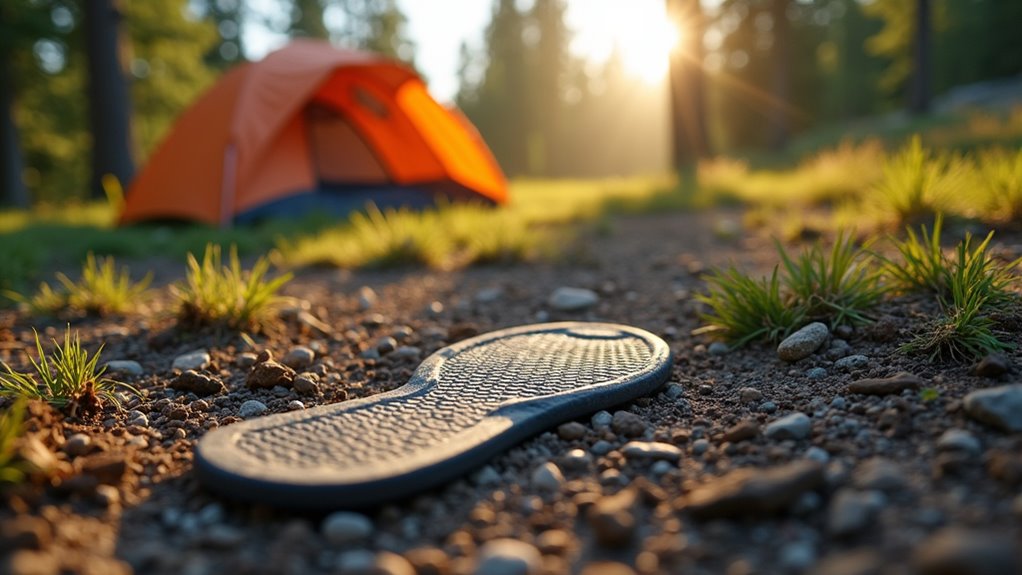
Cost and durability matter a lot when picking a tent footprint. Prices vary widely. Basic footprints cost between $17 and $30. Popular brands like Big Agnes sell theirs for $40 to $90. Value options, such as Wise Owl Outfitters, go for around $11 to $14. DIY footprints made from Tyvek cost less than $10. High-end, specialized fits can run over $90.
Durability comes from the material used. Nylon and oxford fabric resist wear and repel water well. A strong footprint protects your tent from damage. It also saves money by avoiding tent repairs or replacements.
Choosing a durable footprint means your gear lasts longer on camping trips.
Additional Uses and Tips
A tent footprint does more than protect your tent. It works well as ground cover for picnics or outdoor concerts. It keeps the area clean and dry. Use it to shield your gear from rain during sudden showers. It also helps keep you warm by blocking cold ground air at night. Additionally, using a footprint can act as a moisture barrier to enhance the overall camping experience.
To get the best use, remove sharp objects before placing the footprint. Pick one slightly smaller than your tent to stop water from pooling. Use corner grommets to keep it in place.
Always clean and dry it before storing to prevent mildew. These simple steps make your outdoor time better and more comfortable.
Frequently Asked Questions
Can I Use a Tent Footprint With Any Tent Model?
A tent footprint fits most tents. Best results come from using one made for your tent. It protects the tent floor from damage. It also keeps water from seeping in. This helps your tent last longer. Many campers report less wear and tear with footprints. Simple but effective. Worth having for any camping trip.
How Do I Clean and Maintain My Tent Footprint?
Clean your tent footprint by shaking off loose dirt first. Use a soft sponge with mild soap and water. Avoid harsh chemicals that can damage the material. Check your footprint for tears or holes before and after every trip. Store it loosely folded in a dry place to prevent mold and damage. Dry the footprint completely before packing it away. Regular care extends its life and protects your tent floor well. Simple steps keep your gear strong and ready for any adventure.
Are Tent Footprints Weight-Efficient for Backpacking?
Tent footprints save your tent floor from wear and tear. They spread weight evenly, making your shelter last longer. Good for rocky or rough ground. Add just a few ounces to your pack. This small weight helps stop holes and leaks. Use footprints with lighter tents for best results. They protect without much extra weight. Choose a footprint that fits your tent size. Durable footprints keep your gear safe and dry. They pay off on long trips with rough terrain.
What Is the Best Way to Store a Tent Footprint?
Clean the tent footprint well before storing it. Dry it completely to stop mold and smell. Fold or roll it gently to avoid creases. Store it in a cool, dry place. Keep it away from sharp things that can tear it. Use a storage bag or container to protect the material. This care helps the footprint last many camping trips.
Do Tent Footprints Come With a Warranty?
Tent footprints often come with warranties. These warranties cover defects in materials and how they were made. Quality materials make footprints last longer. Always check the warranty details from the maker. This helps you know what is covered and for how long. Durable footprints protect your tent better on rough ground. A good warranty shows the maker trusts their product.
Conclusion
A tent footprint protects your tent and makes camping better. It keeps the tent floor safe from sharp rocks and wet ground. Materials like Tyvek or silnylon last long and stop water from soaking through. Pick a footprint that fits your tent’s floor size well. Too big or too small can cause problems. You can also use a footprint as a ground cover or picnic mat. This simple tool helps your tent last longer. Enjoy nature without worry, knowing your tent stays dry and strong.
